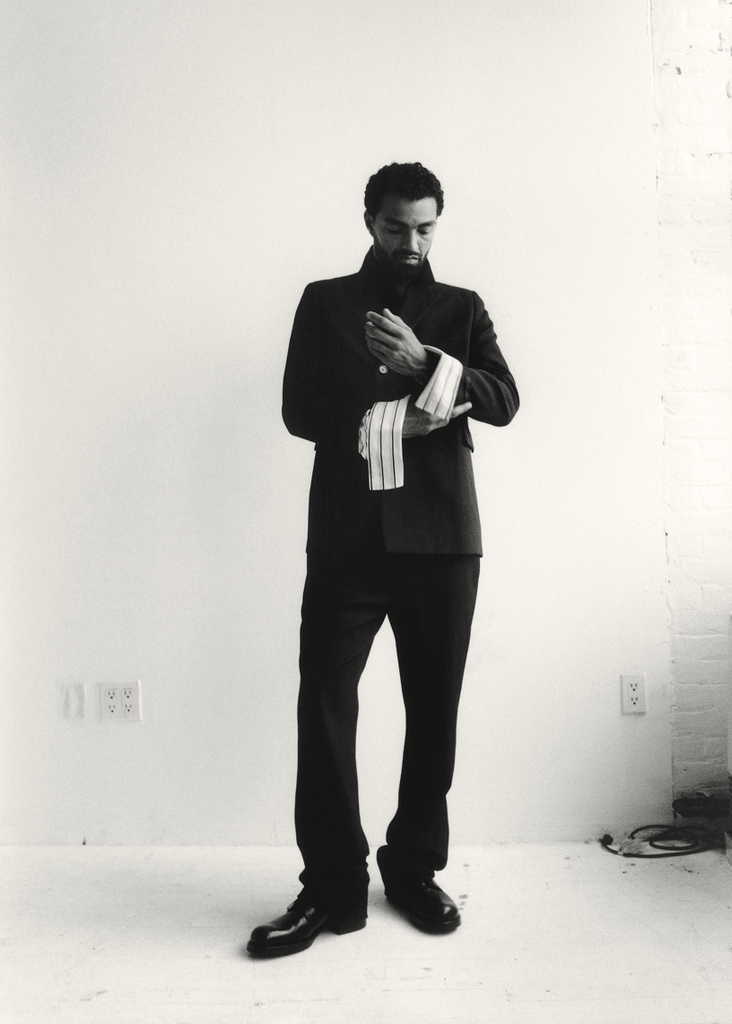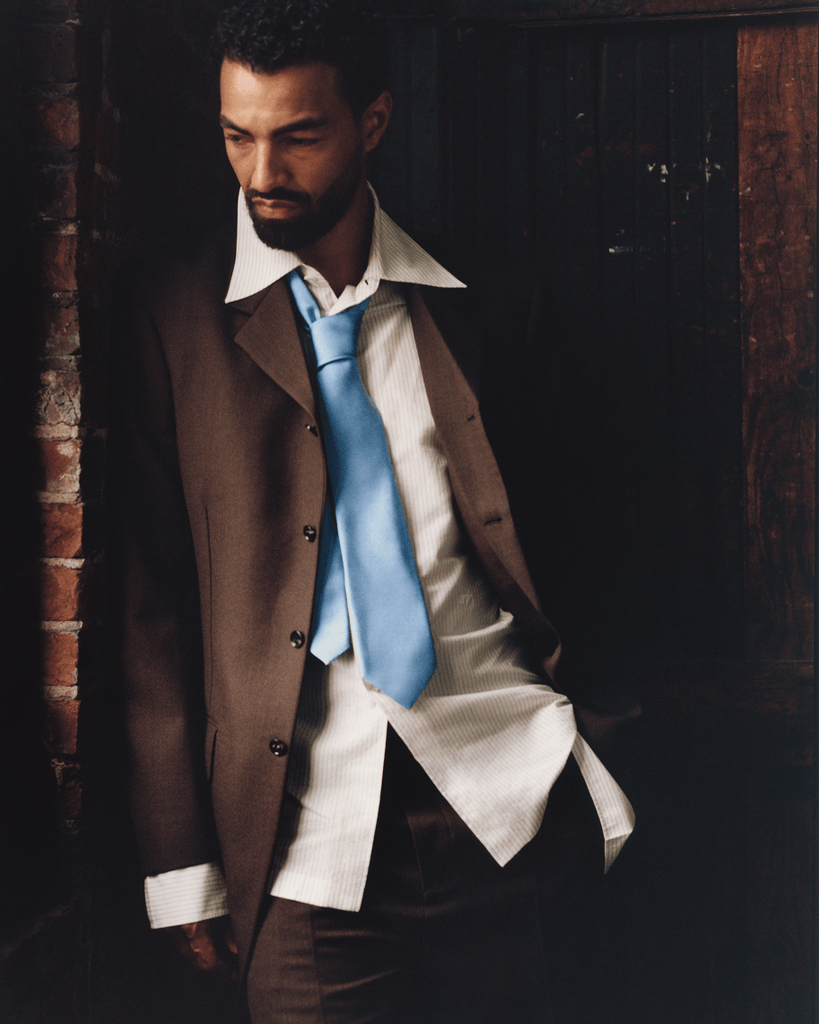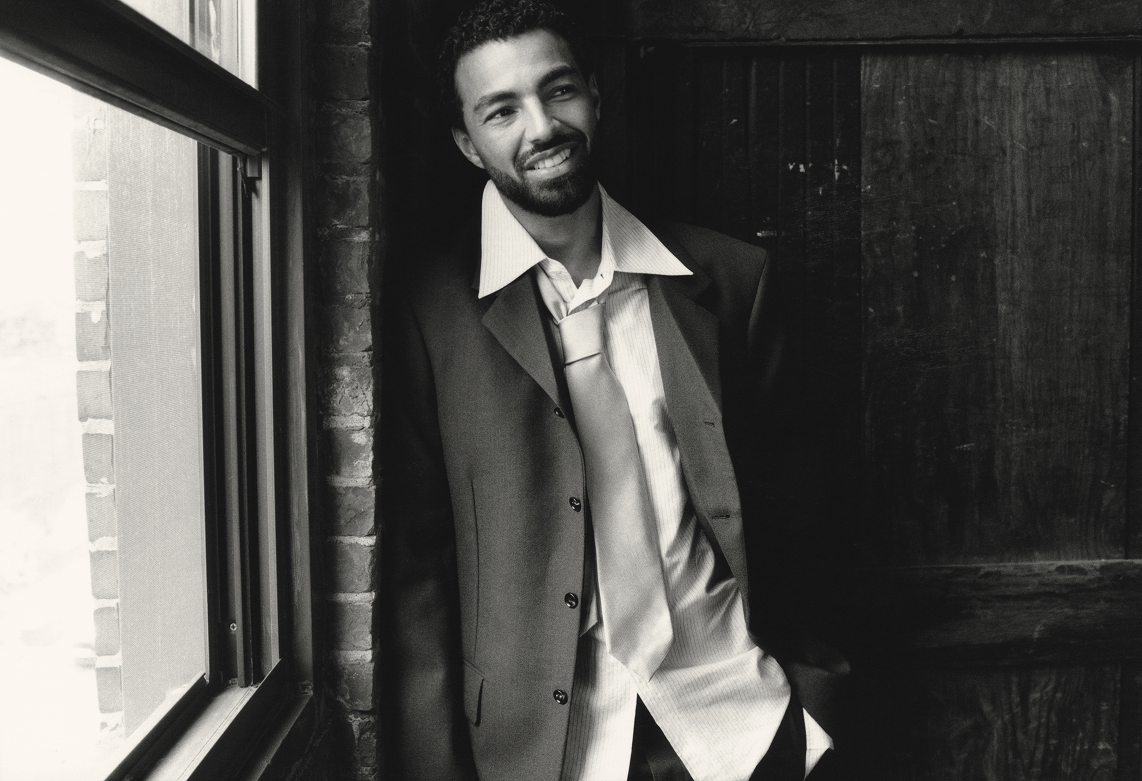
Skateboarders, Sage Elsesser says, have a “crazy gene”; —they’ll readily commit to hours of pain for a moment that might never come. Failure is part of the process. Chase a trick without fear, and you might just land it. Elsesser lives this logic. The skater, musician, and artist developed a name for himself as a rangy teen doing no-complies in Supreme’s now seminal film Cherry. He’d just gone pro and was simultaneously releasing music on SoundCloud under the moniker Navy Blue. He’s since collaborated with Earl Sweatshirt, Wiki, and Yasiin Bey, and released ten studio albums—the latest of which landed on shelves in June.
Ari Marcopoulos met Elsesser early on this adventurous path and recognised in him a talent and shared understanding of the world. Marcopoulos, a renowned documentary photographer, has spent the last four decades capturing people and scenes at the heart of culture: from Andy Warhol’s Factory to New York’s burgeoning hip-hop scene, and the ever-evolving skate world. For hube, the longtime friends sat down to discuss skating, grief, and the power of art that’s honest.
Ari Marcopoulos: We’ve known each other a long time. I met you when you were maybe seventeen or eighteen, so I’ve seen you go through different progressions in what you were busy with. I’m curious about your upbringing. Where did you grow up?
Sage Elsesser:
I’m in Los Angeles now. Did we not meet in Los Angeles?
AM: Yes, we met in LA.
SE: I might have been sixteen or seventeen. I grew up in Mid-City, right by Los Angeles High School. My first skate spot was a legendary one, so I got to see some incredible professional skateboarders go through there. This was at an age where I couldn’t even compute that it was a profession; I just thought there was a hierarchy of age and skill. Architecturally, the building was always attractive to me—all those orange bricks. I jumped the fence and watched people skate.
Mid-City is incredibly rich with history. My grandparents bought the home we live in from my grandmother’s aunt. The area is historically a middle-class Black neighbourhood. I always took a lot of pride in that; it was very much a neighbourhood with a lot of Black ownership.