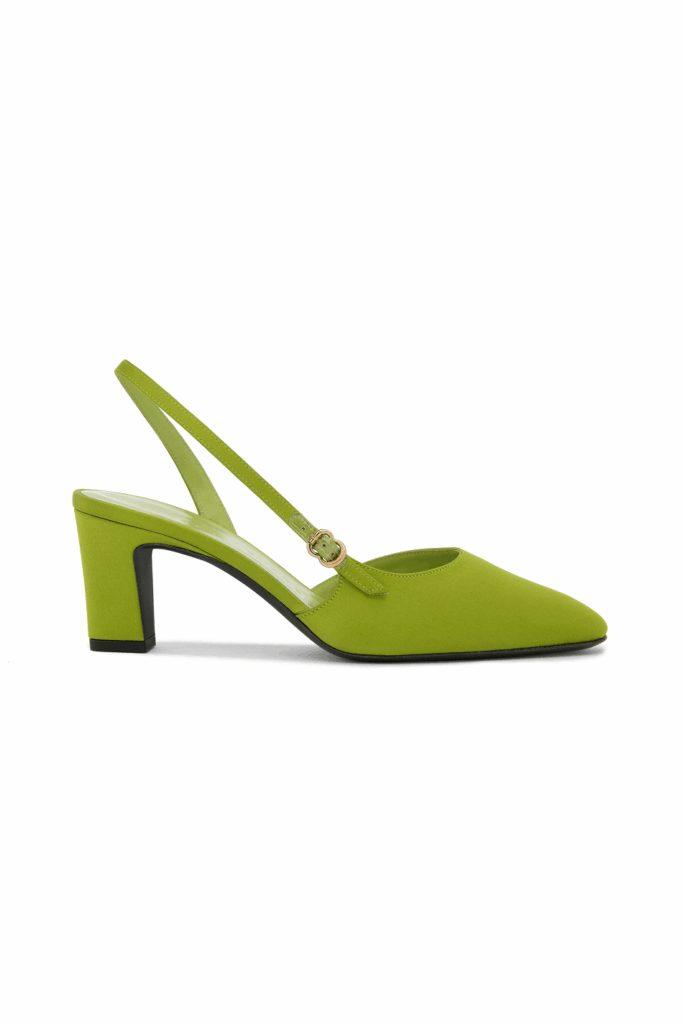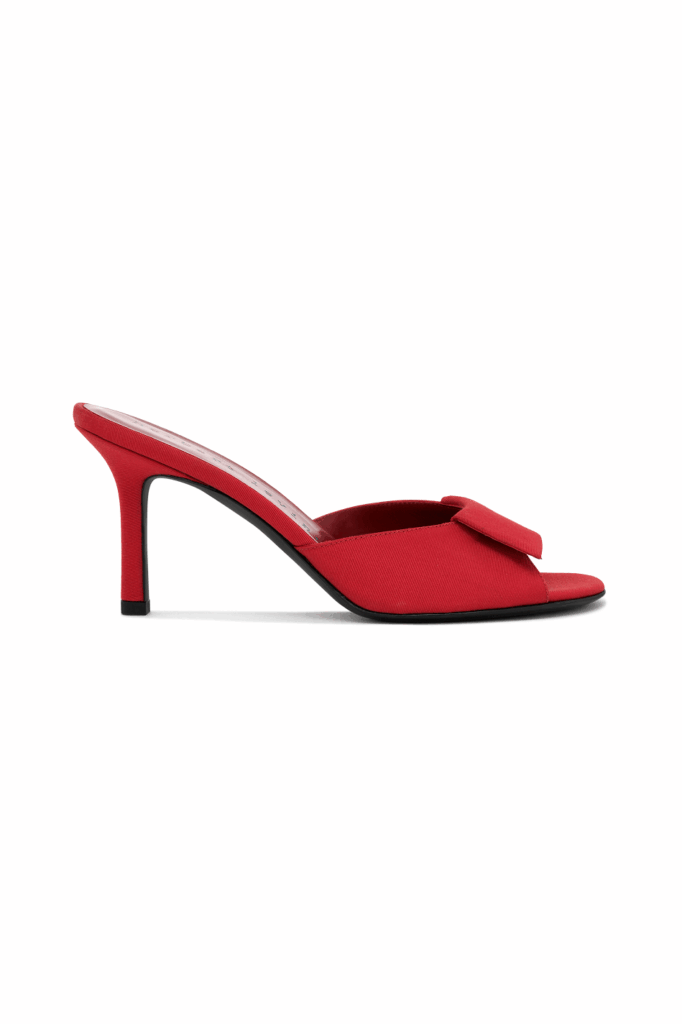
Trevor Houston owns around four hundred pairs of vintage shoes, and roughly two-thirds of them are Herbert Levine. He bought them one at a time, online and out of vintage stores, years before there was any professional reason to. When the new owners of the brand began looking for a creative director for the house, they found him through interviews he had given about his own collection—which is how a designer who had passed through Marc Jacobs, Coach, Tory Burch, The Row, and Khaite ended up running the archive he had spent a decade assembling in his apartment.
The house he took over was built by two people. Beth Levine designed and Herbert ran the business, and from 1948 the label was the most inventive thing in American footwear design. Beth put women back into boots in the 1960s, sold stocking boots with the heels attached, kept mules on the foot with a strip of elastic, and shod Marilyn Monroe, Barbra Streisand, three First Ladies, and Nancy Sinatra. Saks named a corner of its shoe department after her. She won the Coty Award in 1967, closed the company with Herbert in 1975, and remained America’s First Lady of Shoe Design until her death in 2006.
Herbert Levine reopened in 2025, with Houston as creative director and artisanal footwear production in Italy. The first collection landed that summer, and a direct e-commerce flagship followed this July. Here, he speaks to hube about the archive, the Levines, and what an American luxury shoe should be doing now.
hube: What first sparked your fascination with shoes, and how has it evolved from a personal passion to shaping one of fashion’s most storied American revivals?
Trevor Houston: I can’t quite put my finger on what first sparked my fascination, it felt innate. Though it could easily have been Moira Shearer’s shoes in The Red Shoes, the ones that could never stop dancing, or that scene in The Lady Eve where Barbara Stanwyck and Henry Fonda first meet over a pair of broken shoes. Shoes hold a certain power; their function and structure are composed of so many details, and I’ve always been fascinated by details, by how things are made, how things work. All the details tell a story. It begins there, the same way a good book, film or artwork does.
Over the years, I’ve collected vintage Herbert Levine shoes, even some designs Beth Levine created while working for other brands, and developed an obsession with her approach: an elegance that never broke, mixed with witty humor. That refined yet playful language was a reflection of how I’ve always understood the world, and it resonated with me deeply.
The opportunity to be part of such a monumental piece of American design history is not lost on me. The events that led to me being contacted feel like nothing more than serendipity, or maybe destiny.