The new exhibition The Craftocene by Superflux is on view at Weltmuseum Wien from March 3rd to August 16th, 2026. As part of the Vienna Climate Biennale, this immersive project puts speculative design under the spotlight, encouraging visitors to consider a future influenced by ecology, technology, and cultural memory.
Developed by Superflux founders Anab Jain and Jon Ardern, the exhibition reimagines the role of museums as active spaces for envisioning possible futures, rather than as repositories of the past. Through a dialogue between contemporary installations and historical artefacts, The Craftocene questions how we interpret objects, cultures, and the systems that shape them.
Speculative future: rewriting life after the Anthropocene
At the heart of the exhibition lies the concept of the Craftocene, a term coined by Superflux to describe an era after the Anthropocene that is grounded in care, repair and ecological balance. Instead of extraction and excess, this imagined future is based on coexistence and mutual responsibility between humans and the natural environment.
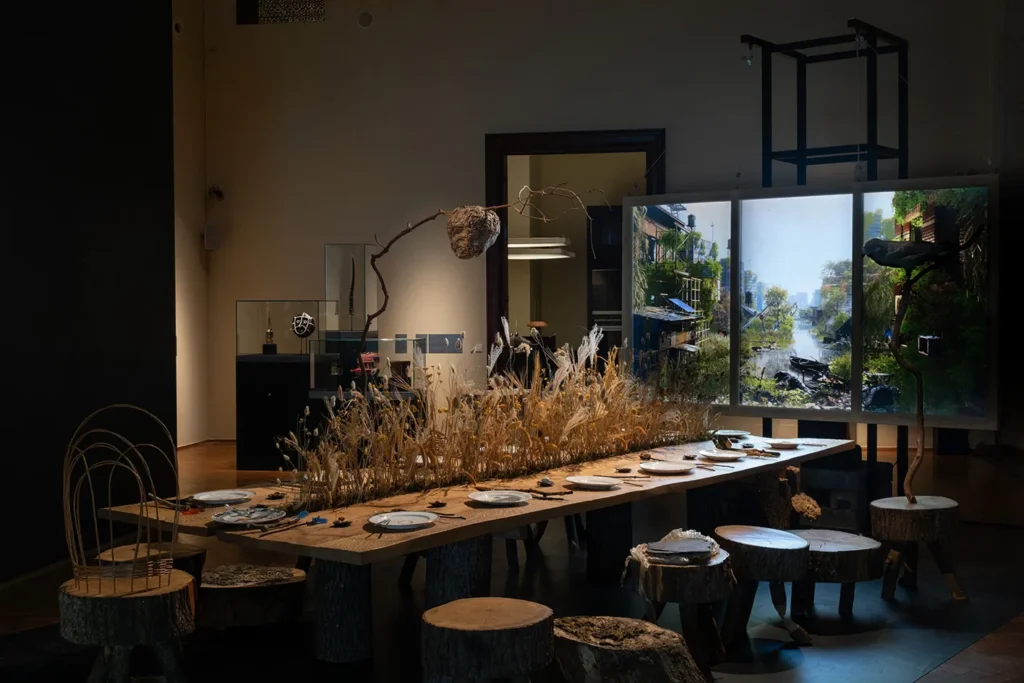
One of the key installations, Refuge for Resurgence (2021), features a communal dining table set in a post-collapse world. Made from salvaged materials — cutlery fashioned from branches and industrial debris, and plates mended using the Japanese art of kintsugi — the installation envisages a new beginning where humans, animals, and plants live together in harmony. It is a simultaneously poetic and unsettling meditation on survival and renewal.
Speculative design: objects between memory and imagination
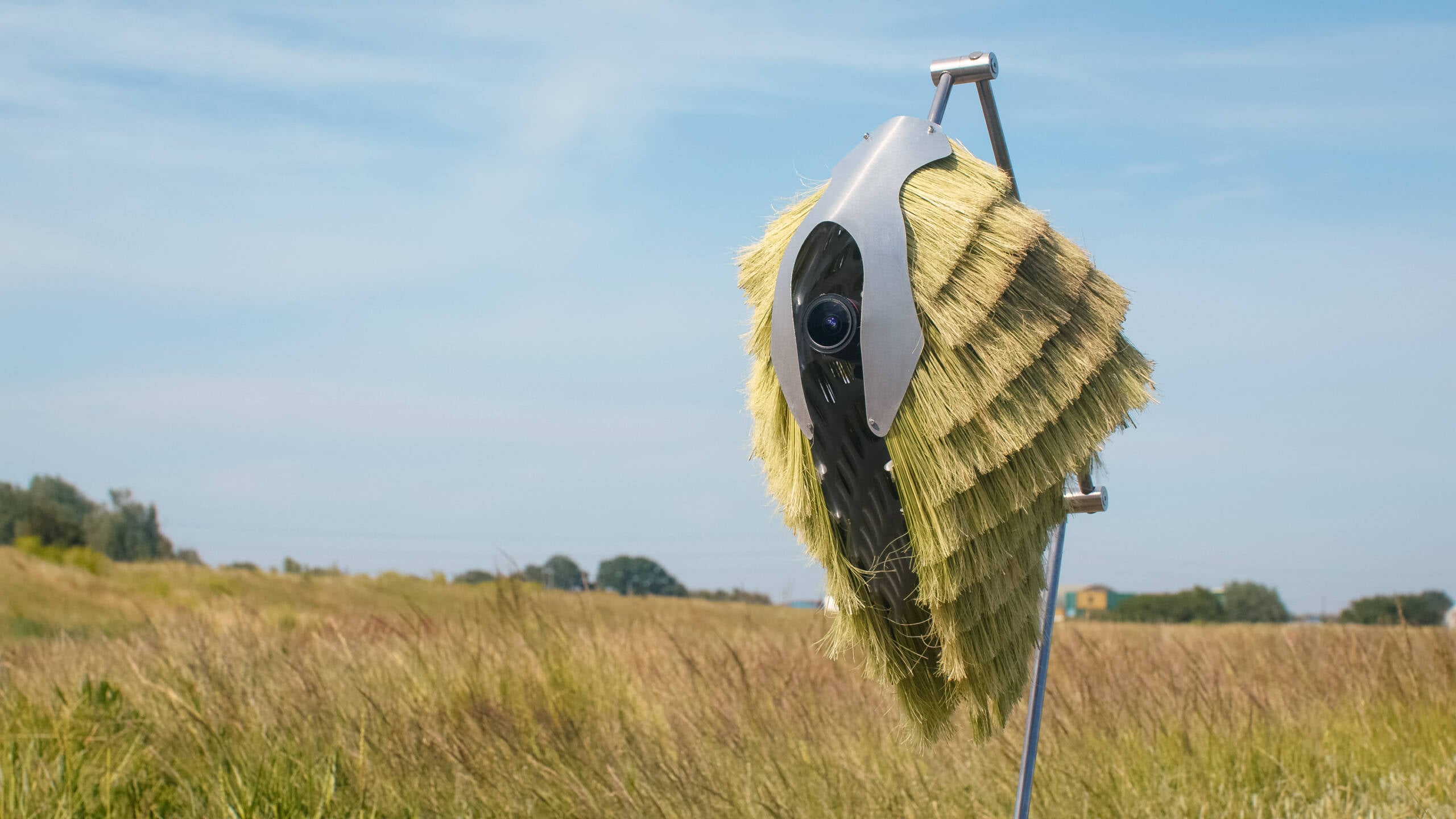
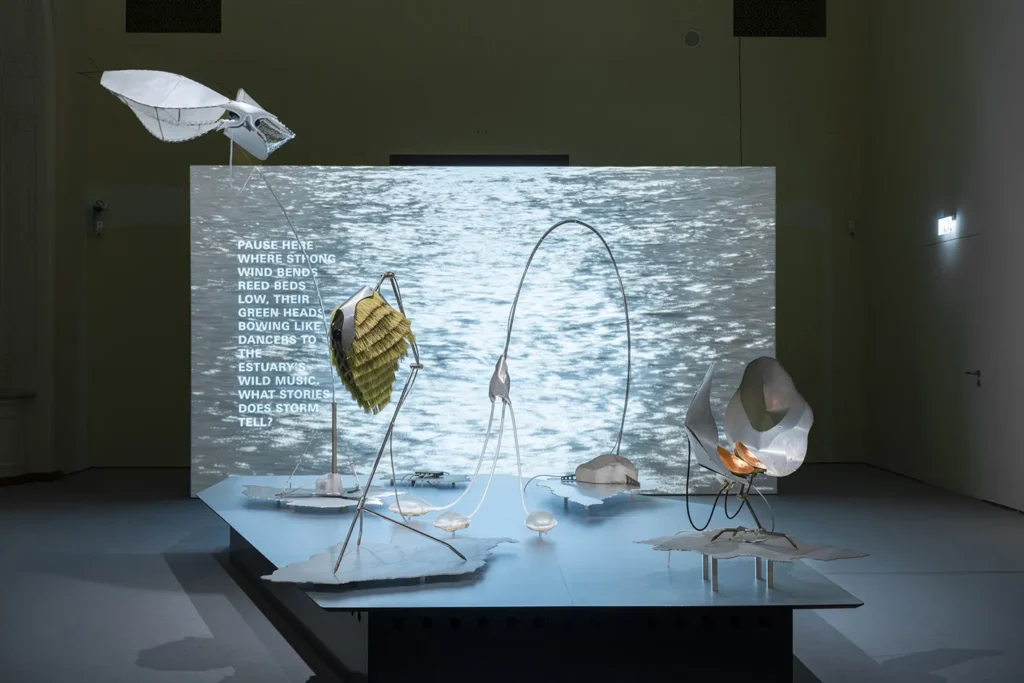
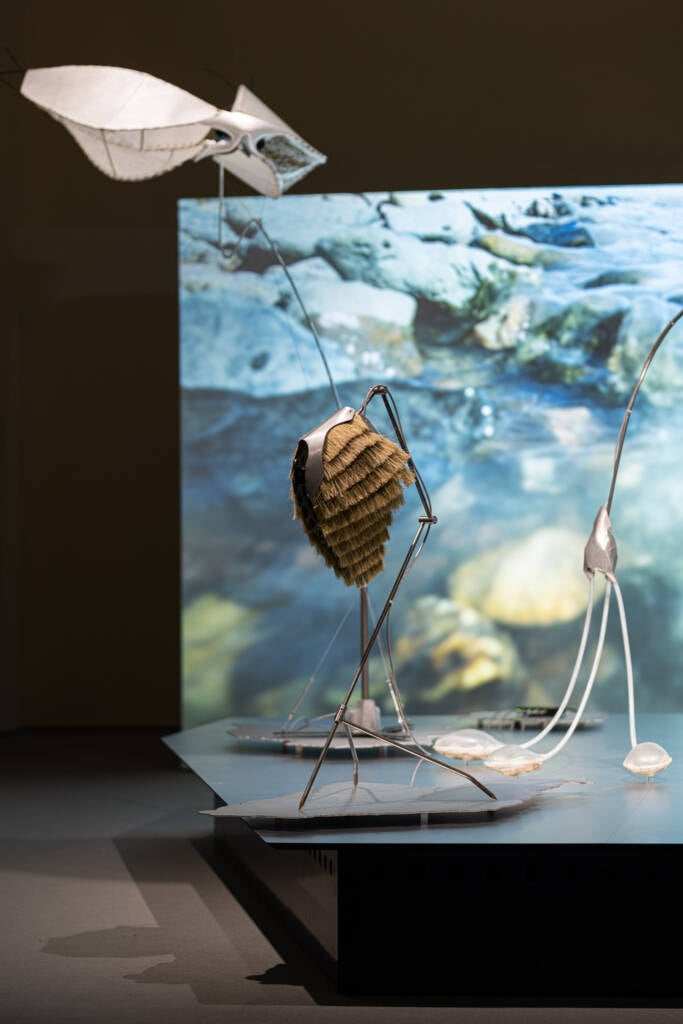
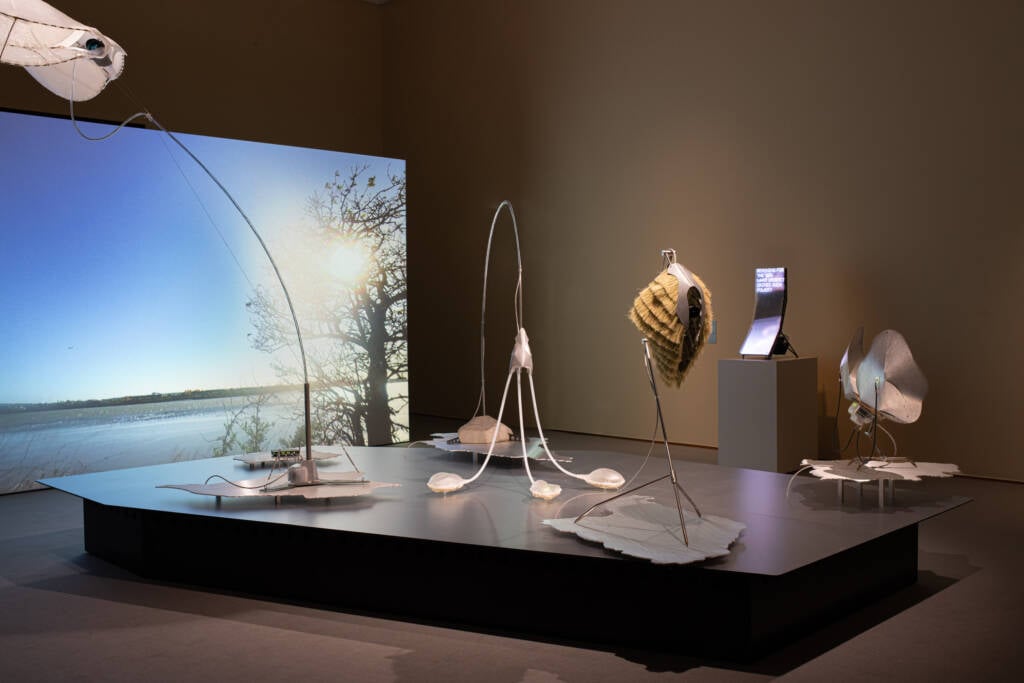
In Nobody Told Me Rivers Dream (2025), Superflux combines technology with traditional wisdom. Insect-like devices gather environmental data from the Thames Estuary, which AI then translates into poetic weather narratives rooted in folklore. Here, speculative design is used as a tool for reconnection, rather than control, bridging digital systems with ecological awareness.
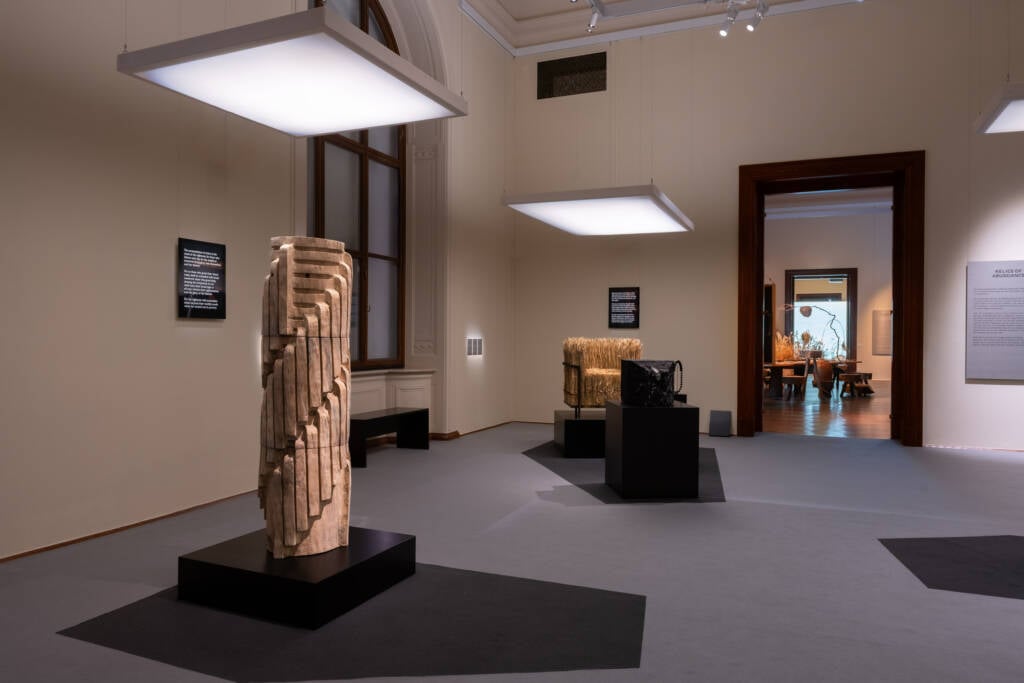
The newly commissioned Relics of Abundance (2026) offers a striking reinterpretation of contemporary consumer culture. Familiar objects such as chairs and trainers are transformed into enigmatic artefacts, as if rediscovered by future anthropologists. Misread and recontextualised, these objects appear as relics of a lost civilisation, blurring the line between utility and ritual.
Together, these works establish Superflux as a leading force in speculative design, employing imagination as a critical lens through which to examine the present.
Courtesy of SUPERFLUX
Photography by MATTHEW EDGSON
Courtesy of SUPERFLUX
Photography by MATTHEW EDGSON
Courtesy of KHM-MUSEUMSVERBAND, Photography by DANIEL SOSTARIC
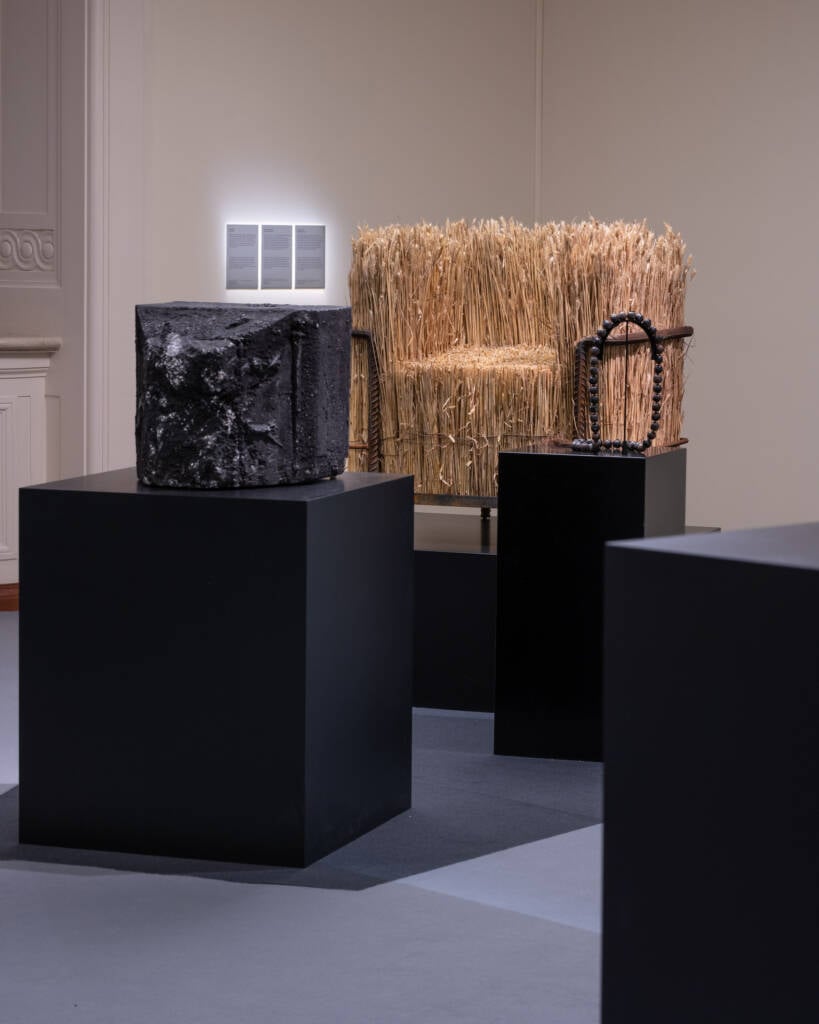
Courtesy of KHM-MUSEUMSVERBAND, Photography by DANIEL SOSTARIC
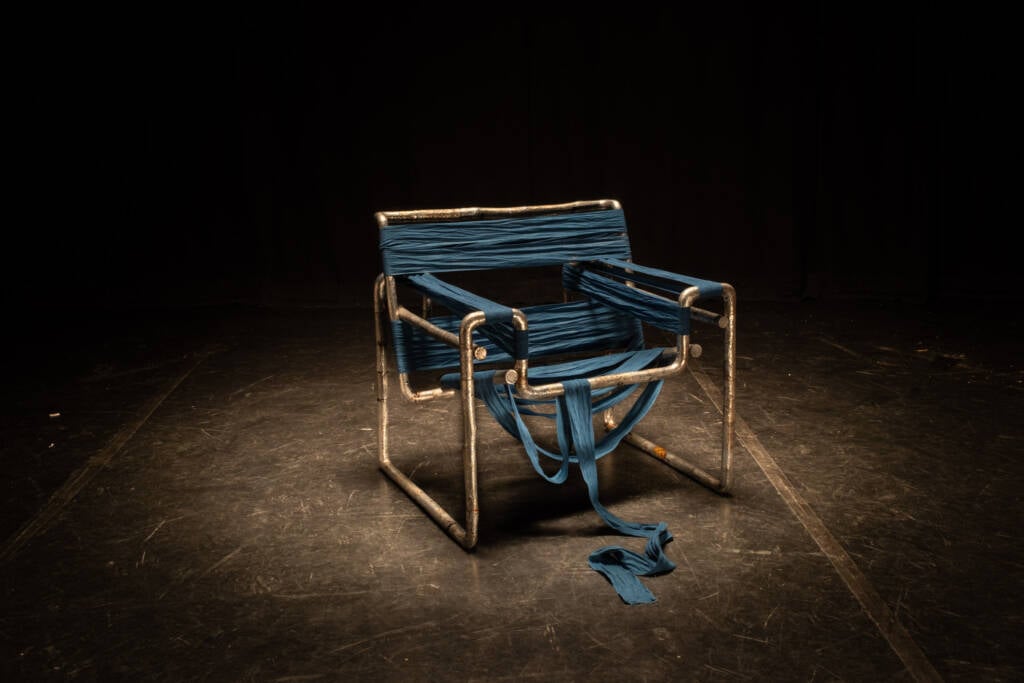
Relics of Abundance
Courtesy of SUPERFLUX
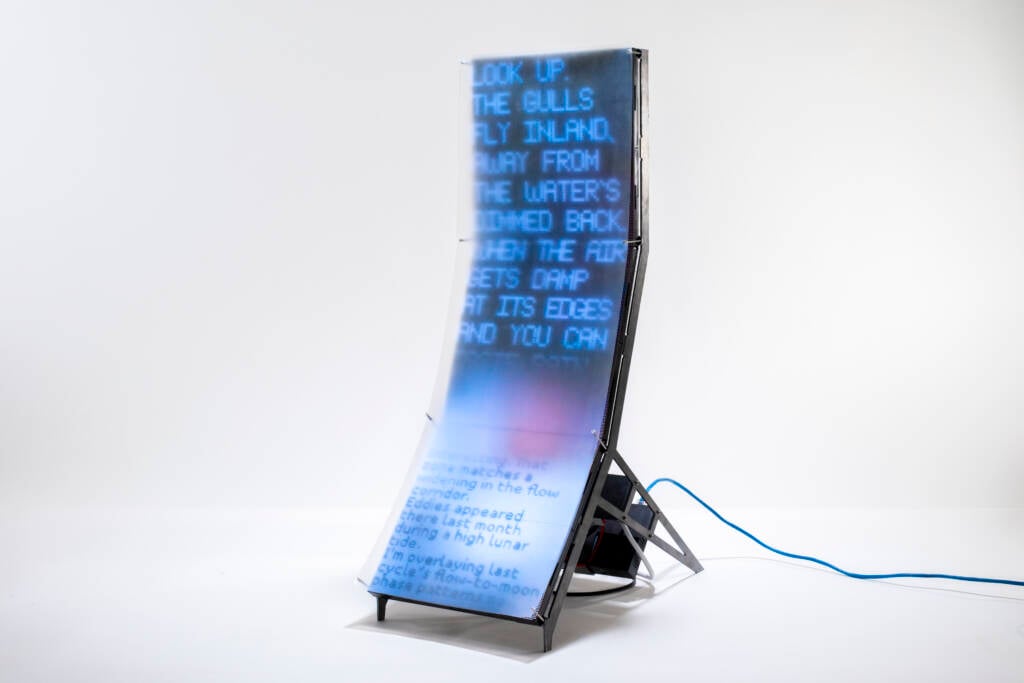
Nobody Told Me Rivers Dream
Courtesy of SUPERFLUX
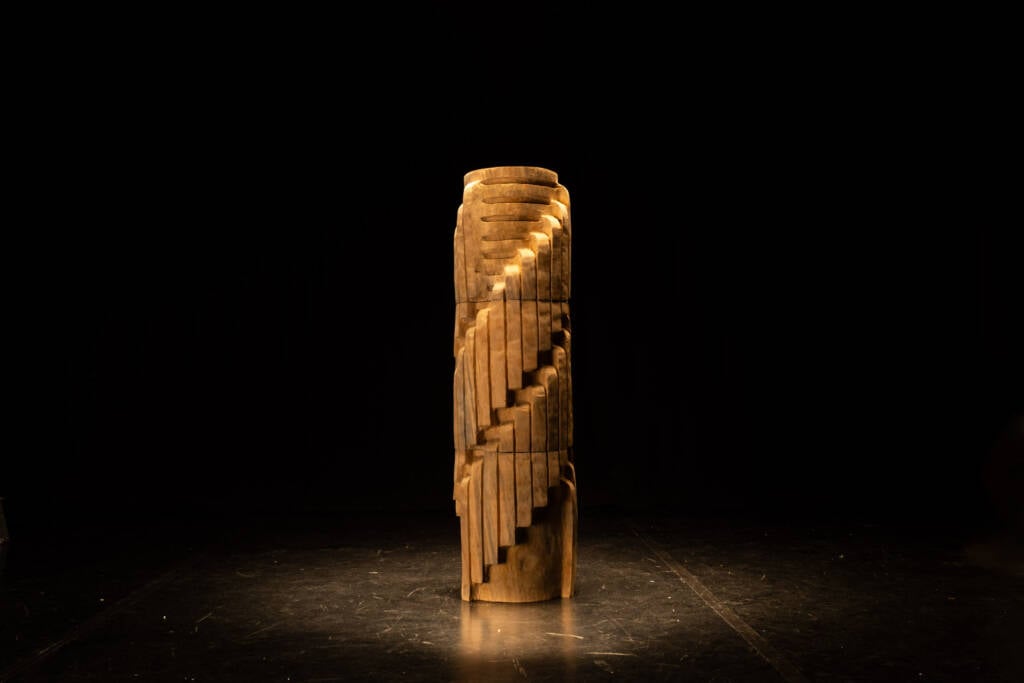
Relics of Abundance
Courtesy of SUPERFLUX
Courtesy of KHM-MUSEUMSVERBAND, Photography by DANIEL SOSTARIC
Courtesy of KHM-MUSEUMSVERBAND, Photography by DANIEL SOSTARIC