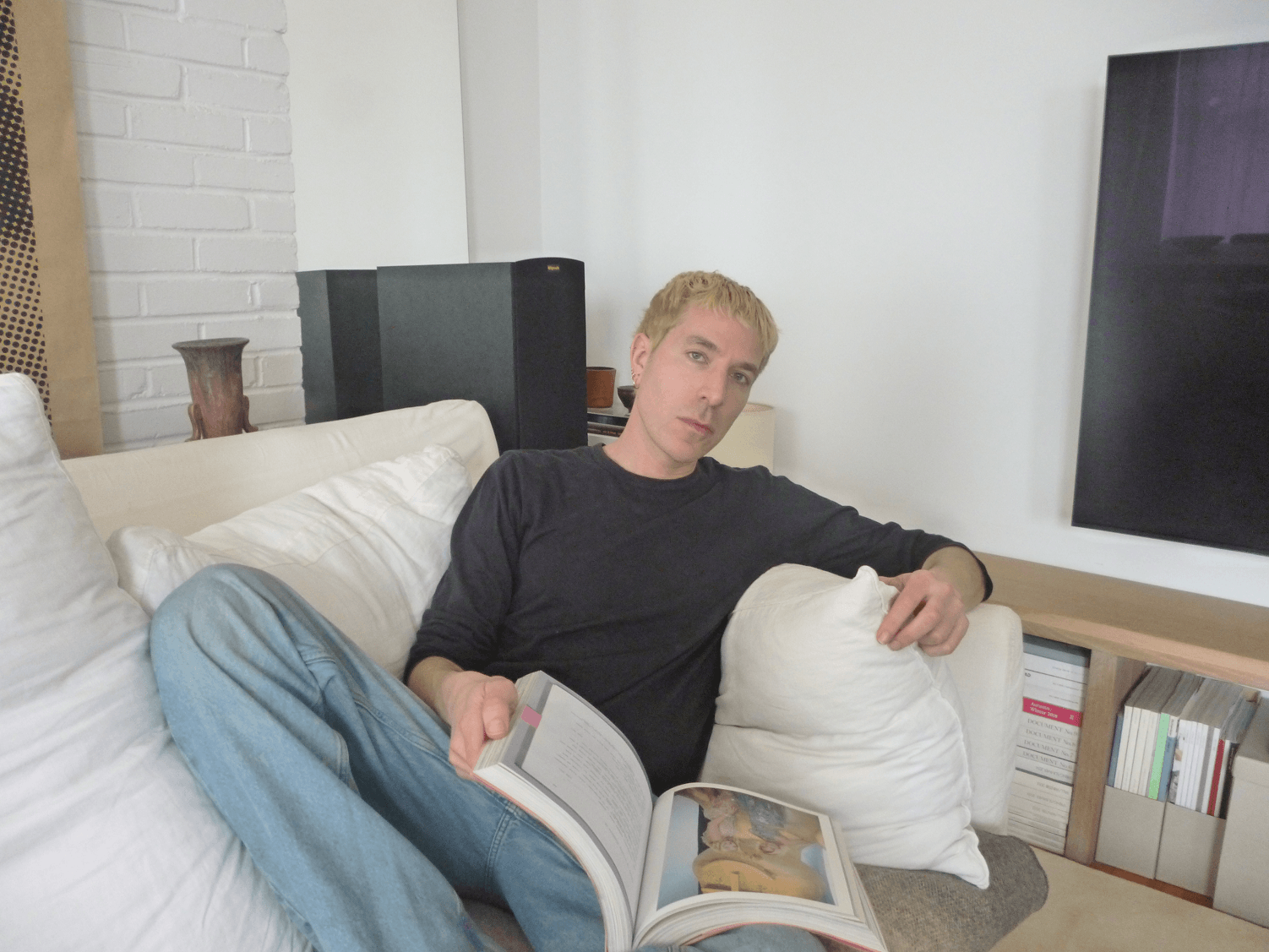
A leading voice in fashion casting, recognised by The New York Times as a ‘secret force’ within the industry, Greg Krelenstein is a New York–based casting director, creative strategist, and co-founder of GK-LD, a studio that he established in 2019 with Lisa Duckworth. Before founding GK-LD, Krelenstein had already made a name for himself as Director of Editorial Operations at Starworks Group, where he demonstrated a rare forward-thinking instinct by securing major names for independent publications and embracing celebrity media branding early in the digital era—an intuition that cannot be taught.
Through GK-LD, he has built a company focused on strategic talent curation for editorial projects and brand campaigns. Krelenstein advises clients on fashion casting for leading publications and major campaigns, with an impressive roster that includes collaborations with Dazed, Perfect Magazine, and Another, as well as major brands such as Acne Studios, Calvin Klein, Chloé, and Miu Miu, among many others. In this conversation, he reflects on meaningful collaborations, the evolving role of authenticity, and the importance of instinctive timing.
hube: What path led you to founding GK-LD? Were there pivotal moments early in your career that fundamentally shaped your vision and approach?
Greg Krelenstein: It wasn’t a deliberate plan. The agency I had been part of for over a decade closed just before the pandemic. I was in the middle of castings for several campaigns I was working on with my colleague, Lisa Duckworth—now my partner—and we decided to finish those projects and then take the time to consider what might come next. GK-LD emerged from that moment. It developed gradually, through ongoing collaborations and a network of relationships that felt important to maintain. It wasn’t necessarily a fixed idea from the start, but something that took shape through continuity and the natural evolution of the industry.
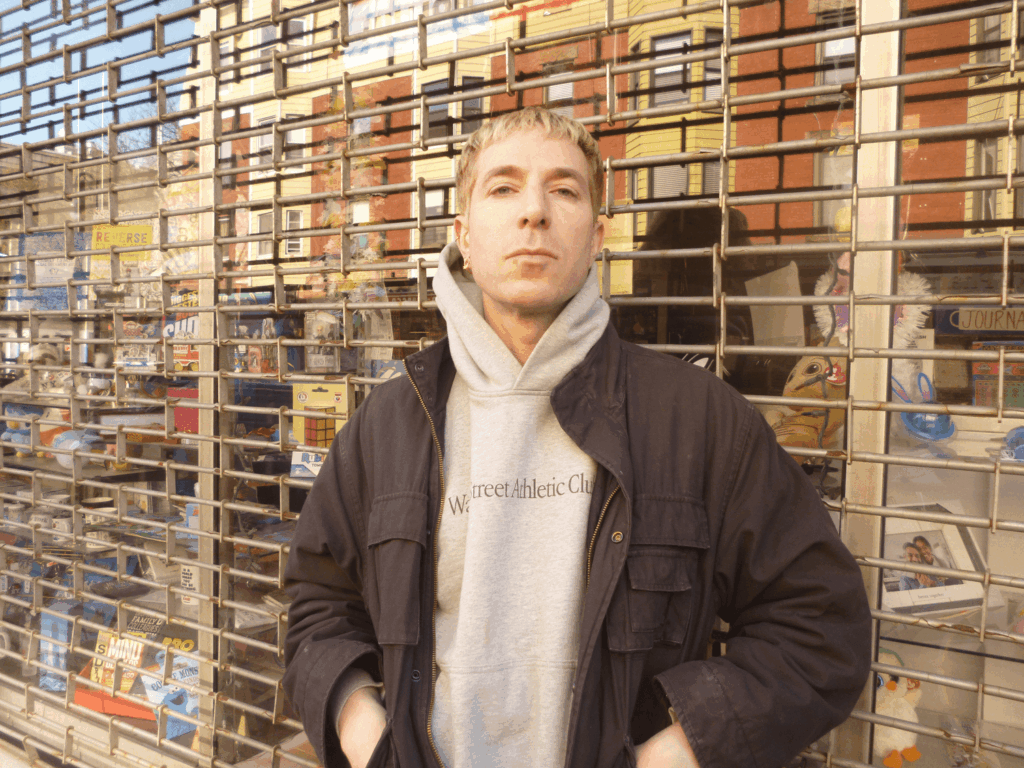
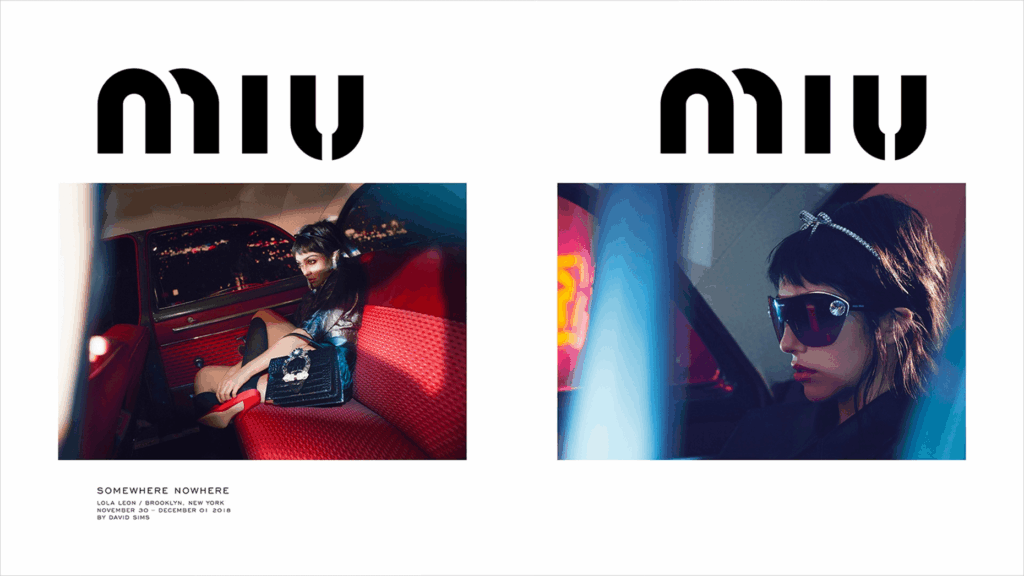
Photography by DAVID SIMS
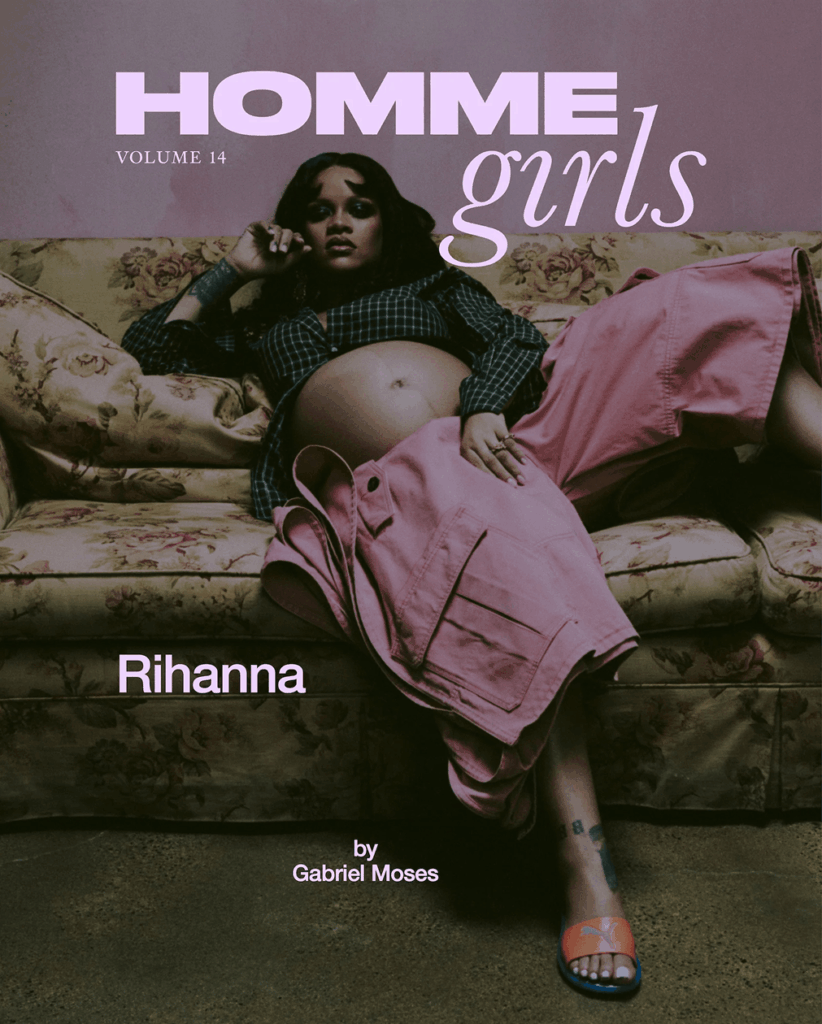
RIHANNA
Photography by GABRIEL MOSES
CHARLI XCX & TROYE SIVAN
Photography by ELI RUSSELL LINNETZ

JENNIFER LAWRENCE & ROBERT PATTINSON
Photography by CASS BIRD

CONNOR STORRIE
Photography by LUIGI & IANGO

DEVON AOKI
Photography by Carlijn Jacobs

FRANK OCEAN
Photography by TYRONE LEBON
h: In an era where casting goes beyond looks and includes storytelling, values, and online presence, how has your perspective on discovering talent evolved? Do you feel the digital world enhances or limits authenticity?
GK: I don’t think my perspective has fundamentally changed, but what has shifted is perhaps the perimeter—who is visible and how influence circulates. Authenticity is more difficult to define now. There is a tendency to reduce everything to performance, but at the same time, there is a movement toward something more direct and less constructed. The tension between the two is what’s interesting.
h: When creating partnerships between brands and creators, what early signals do you look for that indicate a collaboration might succeed—or fail?
GK: It becomes clear quite quickly when something is purely transactional. Without a shared interest in the creative or narrative, it rarely lasts. The more meaningful collaborations tend to come from a certain alignment—something less explicit, but felt early on.
h: As a strategist always looking ahead, how have you developed your sense of timing? What tells you that a cultural or creative moment is about to have real impact, and conversely, how do you recognize when the moment has passed?
GK: Over time, you develop a sensitivity to rhythm—when something needs to pause or reappear in a different form. The idea of ‘missing a moment’ is often overstated. If the work is strong, it finds its moment.
h: How do you foresee the roles of creative strategists and casting directors evolving in the next 5–10 years, given the rise of AI, social media, and influencer culture?
GK: It already feels integrated. For now, it remains a tool—an extension rather than a replacement. At the same time, the more mediated things become, the more value is placed on what resists that: something instinctive and less formalised.
h: With the fashion and cultural landscape accelerating faster than ever, and media constantly saturating the space, how do you sift through the noise to identify and execute meaningful projects? How has your approach evolved since you began your career?
GK: There tends to be some continuity in the clients we work with, which creates a certain coherence. That, in itself, filters a great deal. But our attention remains directed outward—towards clients that are looking to transition or shift perceptions. I always appreciate the ability to work with more emerging figures, ensemble casts, and projects that allow us to actually build and reflect a community that can have impact beyond just the image.
h: Outside of work, what cultural sources—films, art, music, subcultures—currently inspire you?
GK: Cinema always remains important to me, both contemporary and archival. I love checking out the programming at the Metrograph in NYC and, in whatever city I’m in, catching something in the theatre that I may have seen before at home—but it feels different. Nightlife has always been a force in my life – I love the music and the DJ lineup matters, but what truly inspires me is observing people—their presence, their energy, the way they exist in those spaces. It’s a living mood board.
h: How would you describe the future in three words?
GK: Fluid. Instinctive. Human.

LALISA MANOBAN
photographer by JOHNNY DUFORT

ADDISON RAE
Photography by DONNA TROPE

Courtesy of MAC COSMETICS

AIMEE LOU WOOD
Photography by DAVID SIMS, courtesy of CHLOÉ
Words: ISABELLA MICELI
