Miista Laura Villasenin European craft
Courtesy of MIISTA

15 years on, Miista’s strategy still resists the system

“Cool without craft feels hollow,” Laura Villasenin tells us over a video call—she in Spain, us in France.

Over nearly fifteen years, she has built her brand, Miista, into something of a cult name. She doesn’t necessarily position it as a challenger brand, but the qualities are there: a distinct identity rooted in craft, experimentation, and community, all coming together through a considered line of footwear and ready-to-wear, offered at a democratic price point, that she says is for “the well-dressed, weird one.”

When we ask who that is exactly, Villasenin describes the odd kid at school who grew into themselves, the one you’d later find on socials doing something completely different from everyone else. No longer outsiders, they are now ahead of the curve.

Recently, artist Rama Duwaji wore the Shelley boots to the inauguration of her husband, now New York mayor Zohran Mamdani, while Spanish singer Rosalía has been wearing the brand both on and off stage since 2017. Villasenin also points to collaborations with collage artist Maayan Sophia Weisstub, whose work explores surrealism and vintage erotica. You could say those odd kids are now in good company.

Miista is an independent fashion brand, born in 2011 in East London. After studying Product Design for Fashion, specializing in footwear, at Cordwainers and, after working for other brands, she felt something was missing. She thought there wasn’t a designer label taking both experimentation and European craft seriously at a decent price.

“I wanted to democratize design and craftsmanship. The idea was that if you’re someone who understands process, and values how something is made, but you’re not within the 1% of wealth holders, you should still be able to access thoughtful design,” she tells hube.

“It was always product-first: shape, proportion, materials. How can we continue to experiment and push footwear construction forward while keeping it wearable?” she asks, sharing how she designed the first collection before she even had a name. “The name came later, sitting in a pub with friends. We kept coming back to the idea of mixing opposites like heritage and experimentation, craft and cool.” Miista stuck. So did the vision.
Miista
Laura Villasenin
European craft
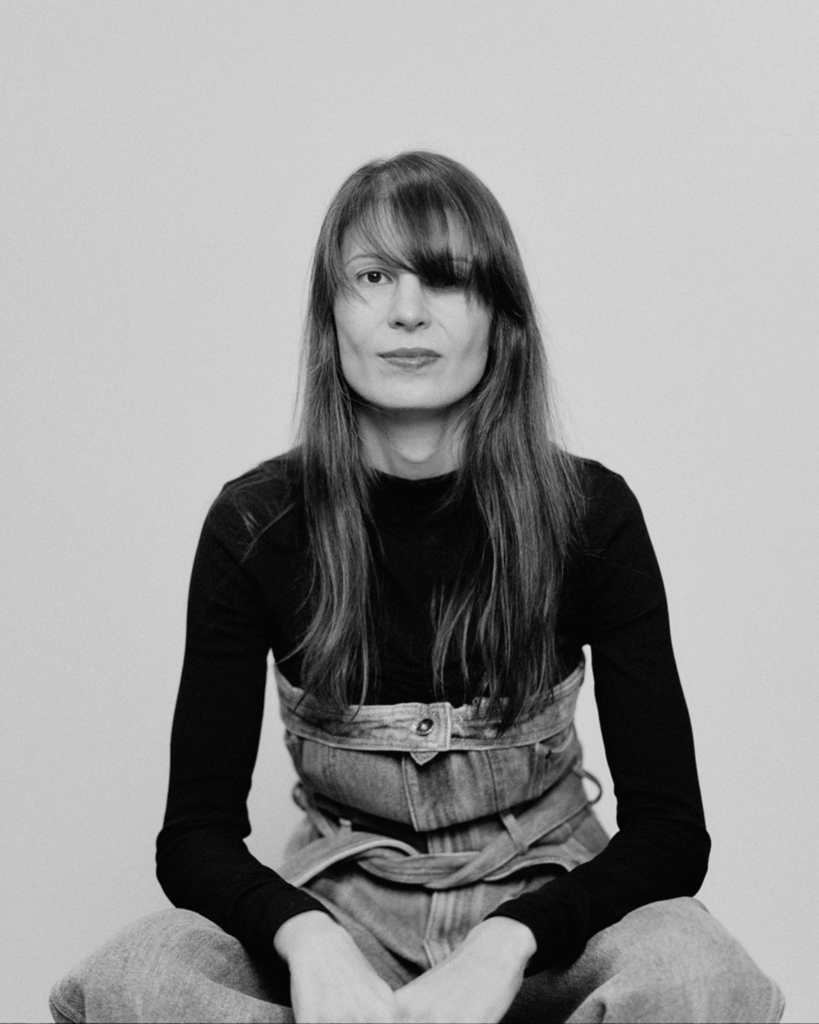
LAURA VILLASENIN
Photography by ELLIE HEMSLEY
Miista
Laura Villasenin
European craft
Courtesy of MIISTA
Miista
Laura Villasenin
European craft
Courtesy of MIISTA
Miista
Laura Villasenin
European craft
Courtesy of MIISTA

Autonomy as design

Independence has allowed Villasenin to continue shaping the brand through her own culturally-attuned philosophies.

Miista launched with a modest investment, which they have intentionally reinvested back into the business. This careful reinvestment and long-term thinking over rapid expansion gave them credibility, allowing the company to organically sustain a 30% year-on-year growth without relying on outside investors.

“In the first three years, we had one small investor. Starting a footwear business, after all, is capital-intensive. Unlike clothing, developing original shoe designs requires moulds and tooling, which demand significant upfront investment,” Villasenin says.

In 2016, her brother Pablo joined as a partner and his arrival felt like the right moment to fully take ownership. As the business matured, they realized external investment no longer aligned with how they wanted to grow. In the same year, they bought out the initial investor and chose not to take further funding in order to protect their creative and operational freedom.

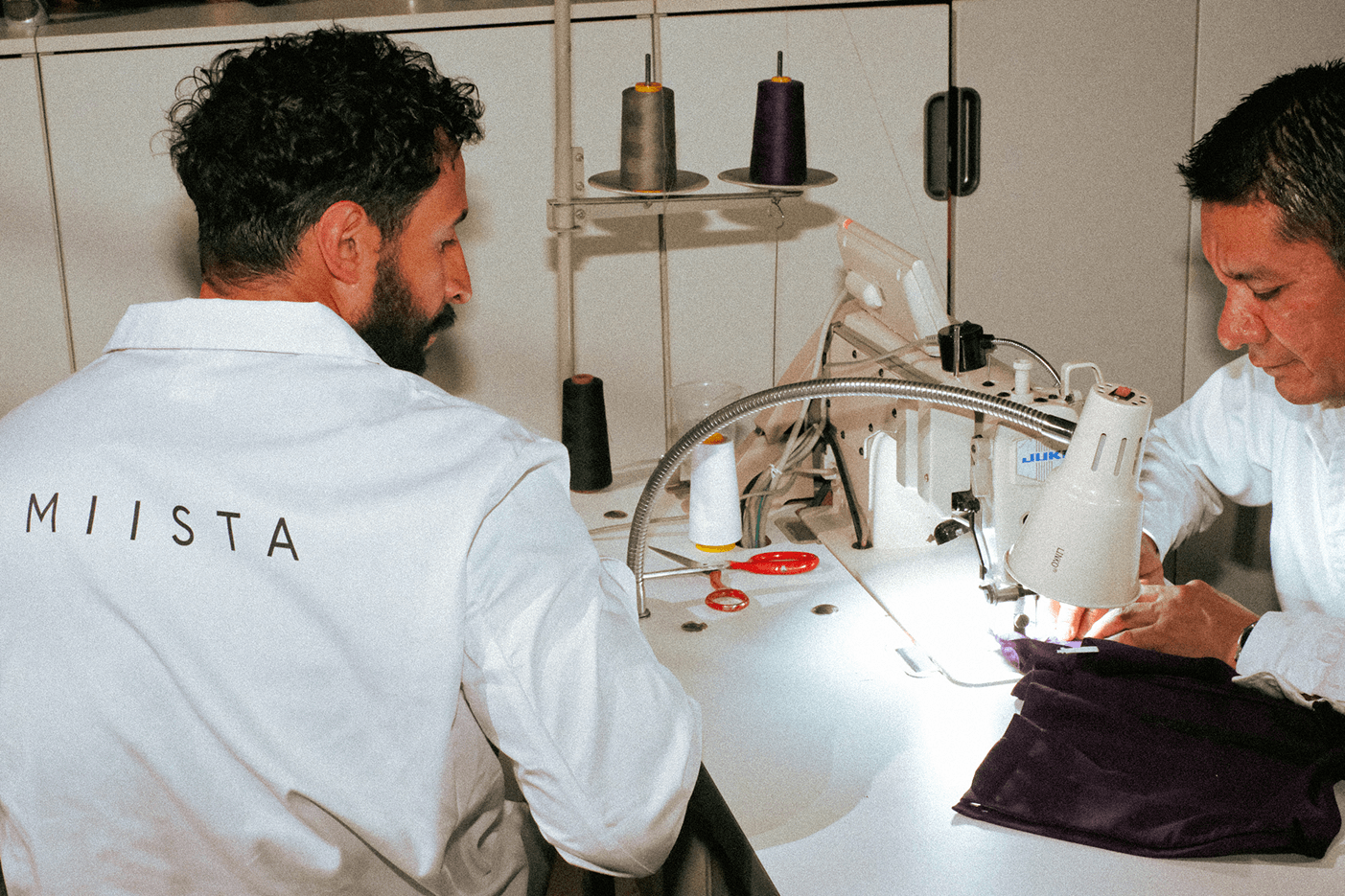
“Owning the business means we can reinvest profits into what we believe in. That means building our factory in Spain, training younger artisans, even  shortening our supply chain,” she explains.

For her, it is about creating cultural value, not just commercial growth. The advantages, she reiterates, are transparency, creative freedom, and control over manufacturing. “We can experiment freely and put energy into making craft exciting again. It also lets us commit to projects that might seem risky from the outside.” As an example, they moved forward with opening a clothing factory in 2020, during a pandemic, despite not having done a clothing collection before. “Convincing external investors at that moment would have been nearly impossible,” she says, “and independence gave us the confidence to take that risk.”

A new factory in sight

The next bold move for Miista is the opening of a larger facility in Galicia this year, bringing development, experimentation, and production closer together. The Miista HQ remains in London, as the heart of its identity, while the factory team in Spain’s northwest manages development, production, and training. A warehouse in Portugal extends its reach. All together, this helps them develop an international scope alongside a local and hands-on structure.

The new factory is expected to expand capacity, housing a growing team of skilled artisans and technicians. A key focus will be training younger local craftspeople, ensuring these skills are carried forward to the next generation. “Scaling isn’t just about volume, it’s all about safeguarding the industry.”

The current clothing factory employs around 20 people, and the new facility will be roughly three to four times that size. Growth, however, will remain steady and sustainable. “By keeping our development and manufacturing close to home, we shorten the supply chain and keep design and production in constant dialogue. Patterns, constructions, and proportions can be tested and adjusted quickly, which allows us to experiment while staying in control. For me, it’s about sustaining people, skills, and place, supporting European craft not just to survive, but to thrive, and giving back to a society I grew up in.” Looking ahead, new European Union  regulations coming into effect in 2027 will require every product to carry a Digital Product Passport (DPP), a digital barcode detailing origins, giving greater transparency as to where and how materials are sourced and assembled. For Villasenin, this rule is not a disruption but more like alignment. “Transparency and traceability are core to our ethos. The Digital Product Passport will only formalize what we believe customers deserve, which is access to the story behind their product: who made it, where it was made, and what went into it. It’s another step in showing our process correctly.”

Miista
Laura Villasenin
European craft
Courtesy of MIISTA
Miista
Laura Villasenin
European craft
Courtesy of MIISTA
Miista
Laura Villasenin
European craft
Courtesy of MIISTA
Miista
Laura Villasenin
European craft
Courtesy of MIISTA
Miista
Laura Villasenin
European craft
Courtesy of MIISTA

Challenge business-as-usual

Today, Miista operates internationally with four stores (Barcelona, London, Paris, and  New York, with plans to open in LA and Berlin later this year) and a strong global online presence. Yet they remain intentionally small and in-house. While they don’t define themselves as a family business, Villasenin’s brother currently leads business development, while she holds full creative direction.

These days, creativity looks like low screentime for Villasenin. She purposely stays away from Instagram and TikTok as much as possible, preferring instead the real world outside, keeping her eyes open for inspiration in the everyday. She loves traveling, immersing herself in other cultures, catching live music, discovering something new, and visiting exhibitions, especially when she’s in London.

For Villasenin, that kind of culture is core to Miista’s universe. “We’ve always been interested in the underground, and that point of difference is part of who we are,” she says. “I hope this never disappears as we grow older,” she adds, noting that they sometimes joke that Miista is “entering its teenage years.” This year marks the brand’s 15th birthday. Villasenin and her team see Miista as a character, one who is growing, who is curious, and still very much in its rebellious teenage phase.

But they are not rushing to grow up. “The challenge is that growth is slower, but it is more intentional,” she says, adding that her team often returns to a quote from Don Letts: “It’s about the way you do what you do.”

Her advice to those building something of their own: Design with intention, take risks, make mistakes, and treat every misstep as part of the process. She also believes that respect for labor is key. “The people around you such as the makers, store teams, everyone are the foundation of everything and the true heart of the business.”

While independence, she adds, is powerful, it demands not only strength and discipline, but a clear understanding of your operations. She can’t stress enough how important it is to really protect and value the human side of it all.

What about being a challenger? She ends on a clear note: “Don’t just participate in the system. Challenge business-as-usual because the fashion industry is needing a big change. Don’t stop experimenting. And, go left, because it’s the right thing to do.”

Words: LIZ BAUTISTA

ISSUE 8

issue no8

Discover the new issue — available now