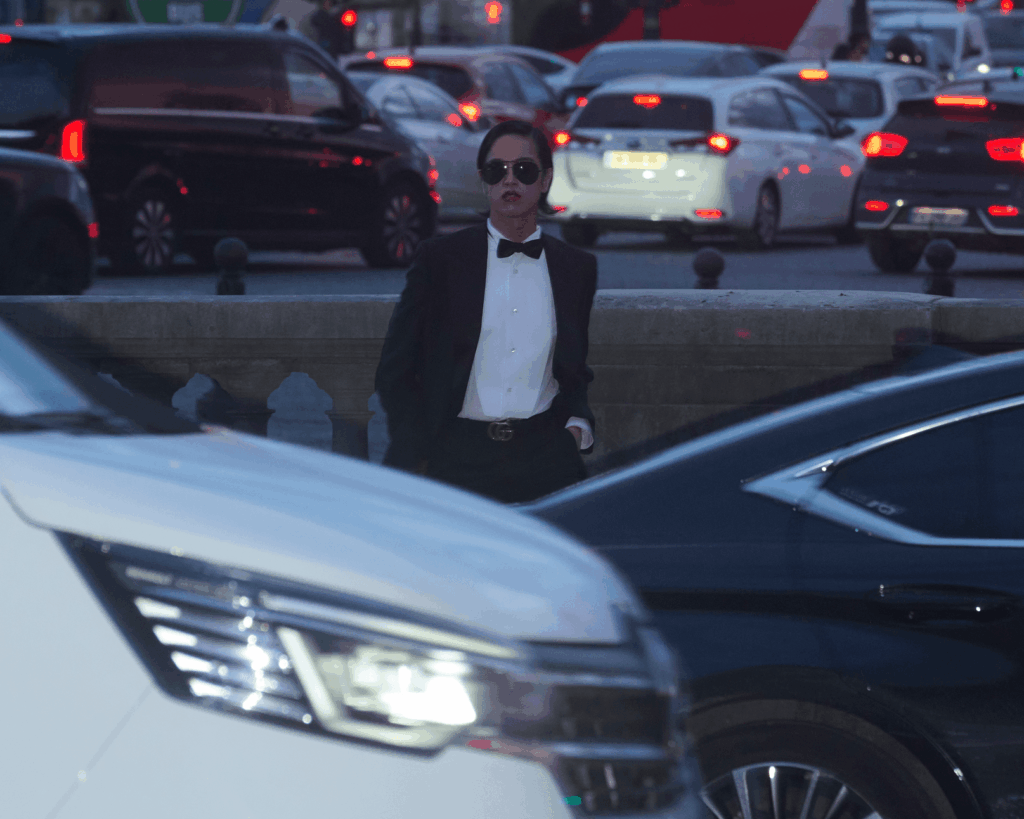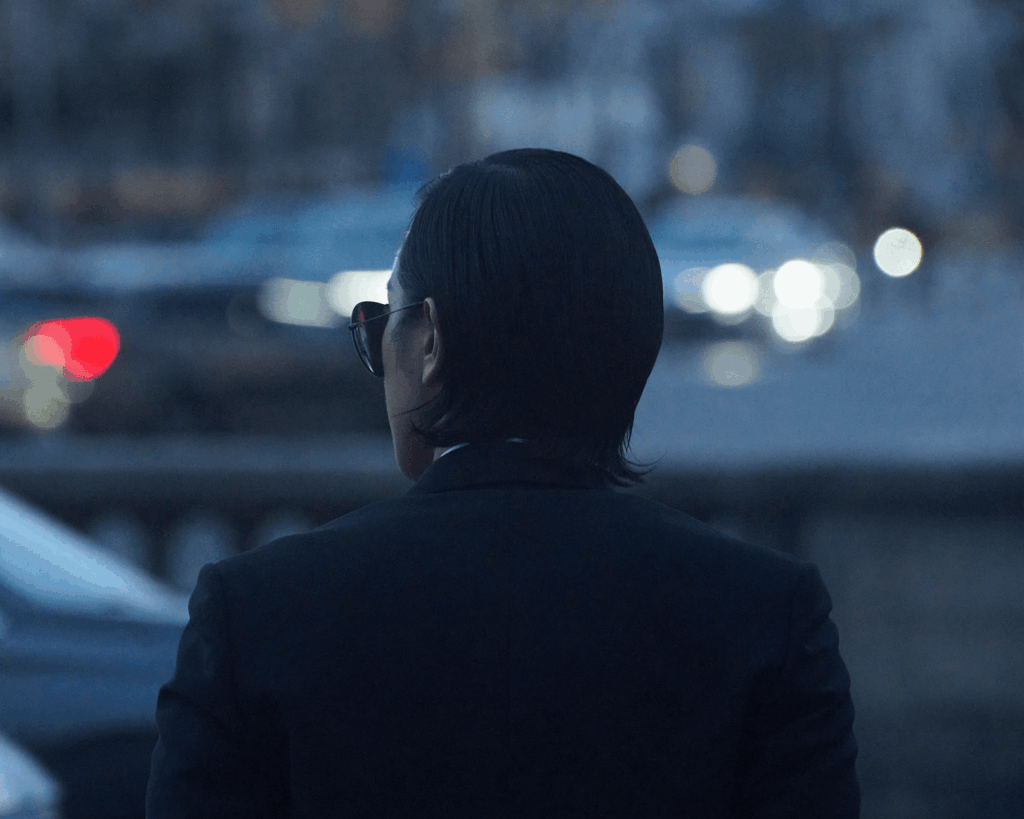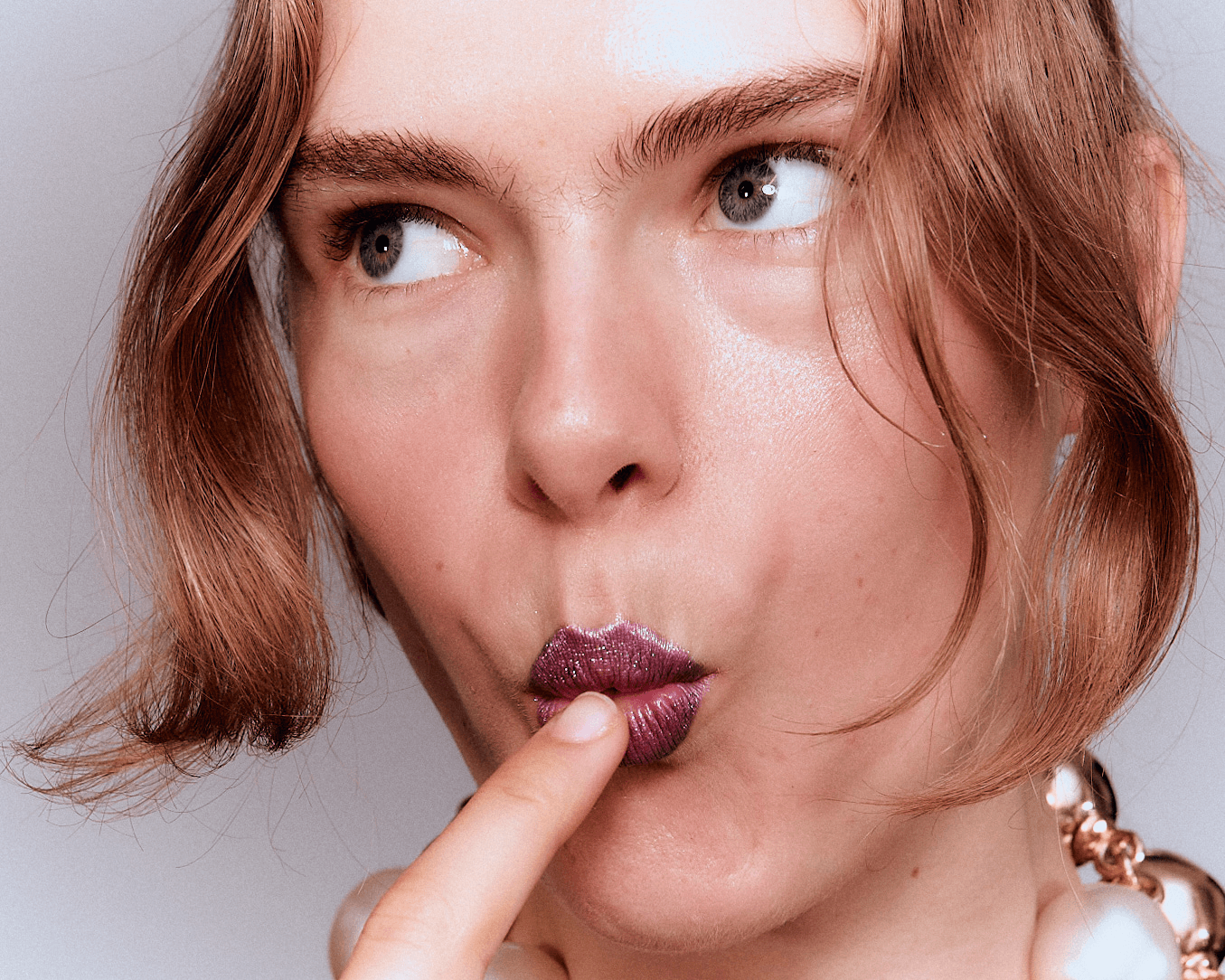
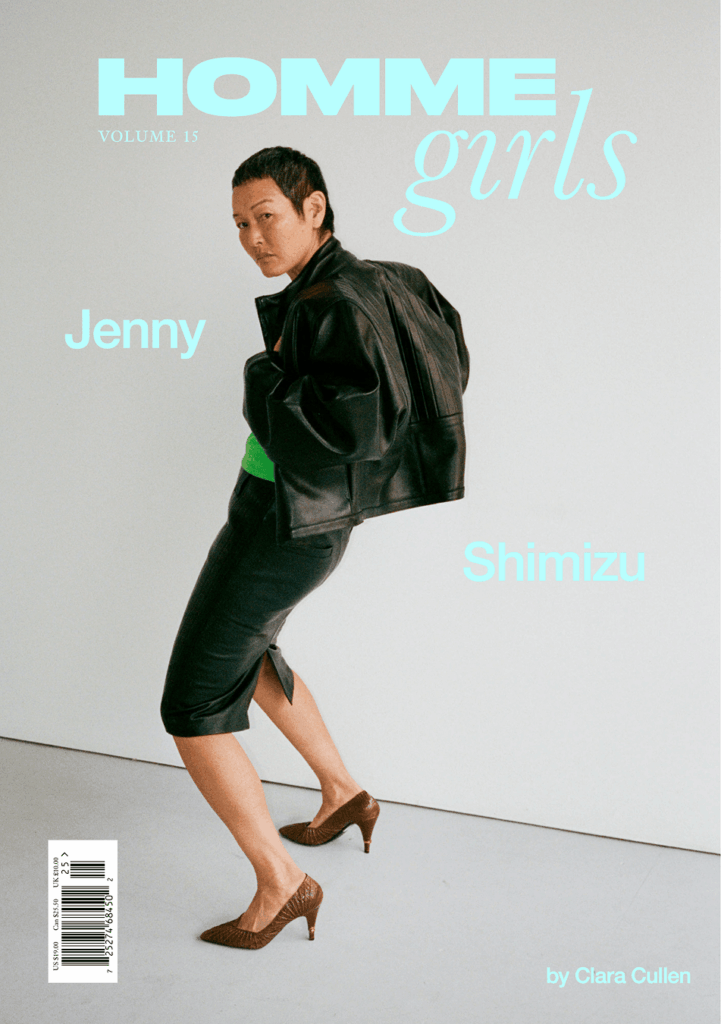
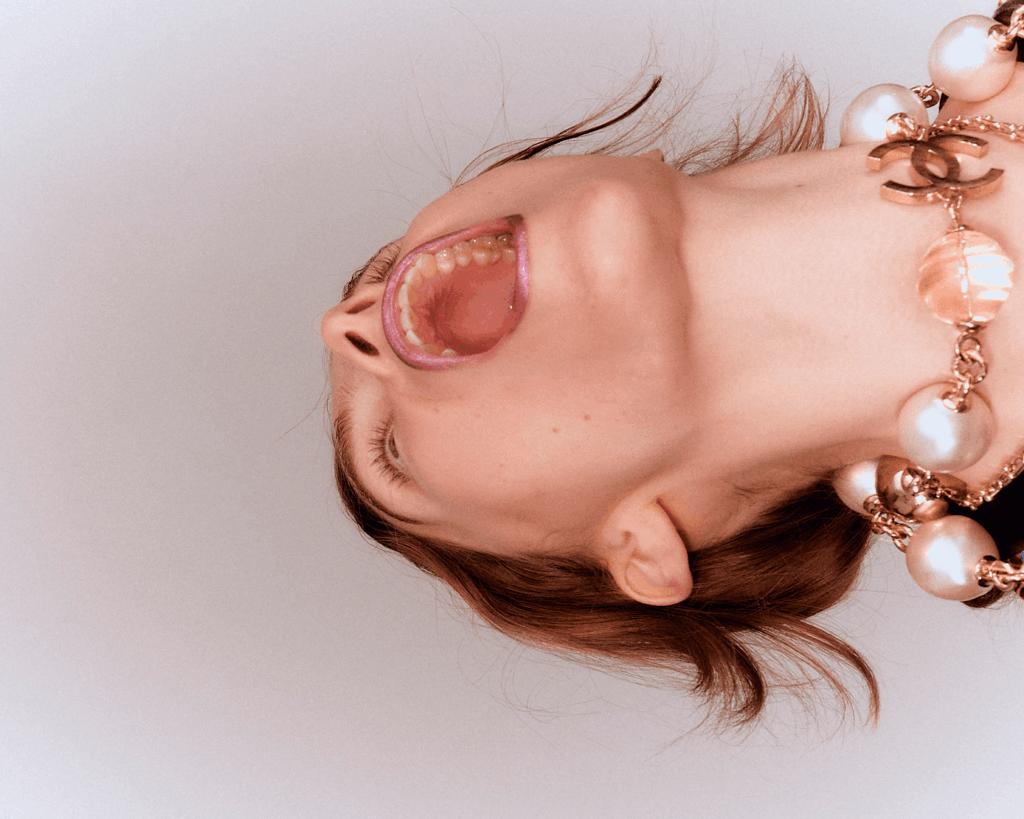
Photography by CLARA CULLEN
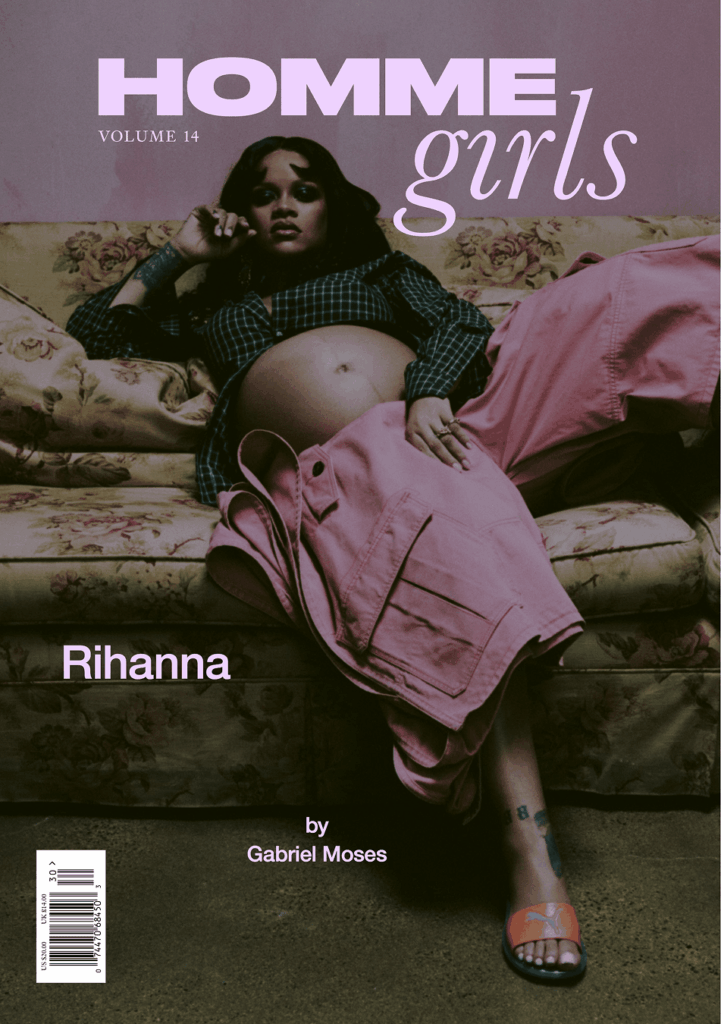
Photography by GABRIEL MOSES
Styling by STELLA GREENSPAN
Thakoon Panichgul’s path into print started with a short stretch of fashion jobs and one assistant role at Harper’s Bazaar. There, he found his sense of what media could be when the people making it are fully engaged in their craft; at the heart of it all is a belief in making work that feels considered, personal, and lasting. Panichgul later launched his own label, then returned to publishing as HommeGirls founder. The magazine keeps its focus narrow and deliberate, with long-form storytelling and sharp style preferred over microtrends and filler content.
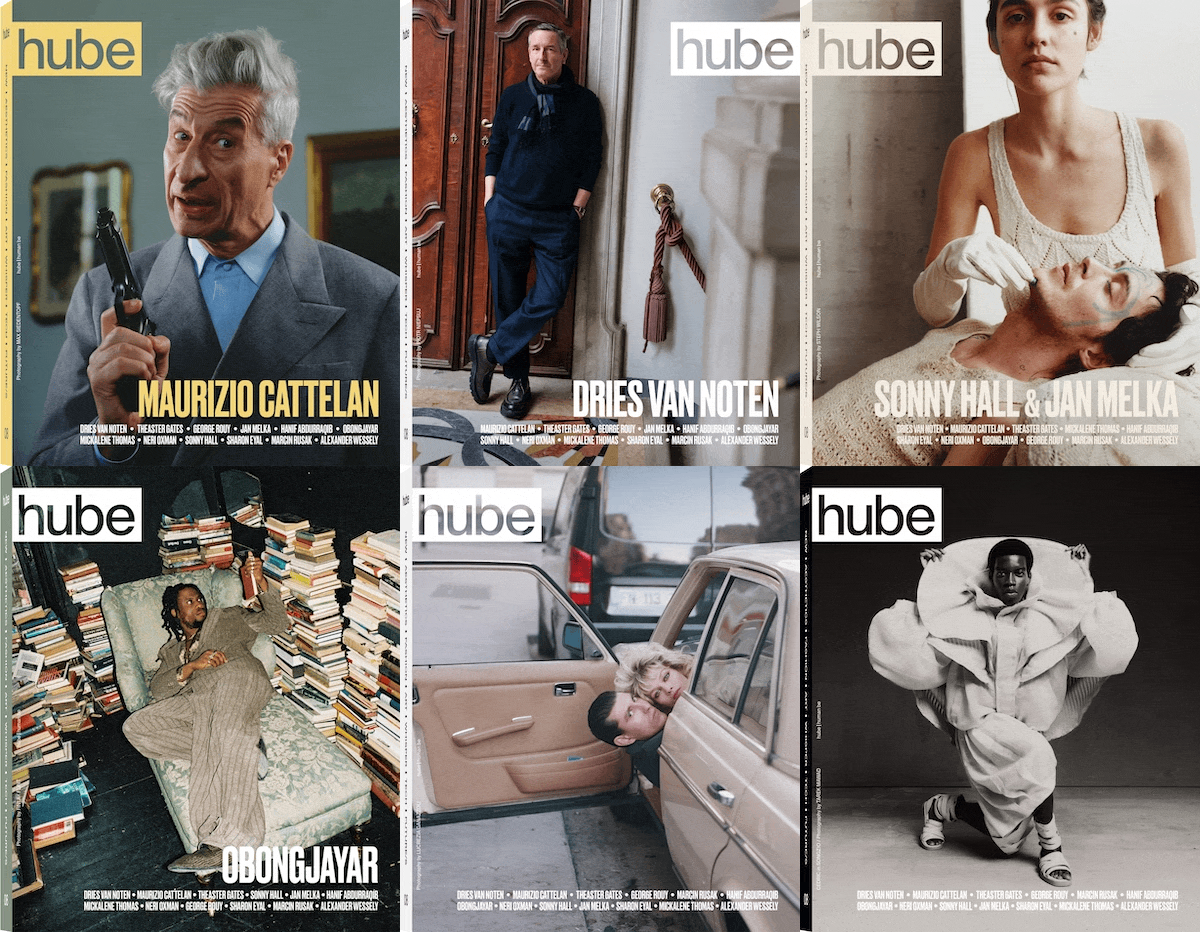
HommeGirls values carefully crafted print publications—like tactile collectibles that offer true permanence. The idea is straightforward: menswear-inflected dressing for women, the people who wear it, and the writers and photographers who understand it from the inside; Panichgul builds a genuine community, not an empty echo chamber. In this conversation with hube’s editor-in-chief, he reflects on the enduring value of strong editorial voices and creative leadership, the future of publishing, and why timelessness still matters in fashion and culture.
Sasha Kovaleva: Many people drift into media, but few remain in it with the same sustained curiosity and passion you’ve shown. Could you walk us through your professional journey, and share the moments or encounters that most profoundly shaped it?
Thakoon Panichgul: I had been drawn to and was consuming fashion magazines voraciously ever since I discovered them around 12 or 13 years of age. After business school I moved to New York and was bouncing around a couple of fashion jobs until a friend who was working at Harper’s Bazaar as an assistant one day told me there was another assistant position available in the fashion writing department. I knew I had to go for it. Not because I wanted to write—actually the opposite—but I knew that it was a door in. At that time Kate Betts had just become editor-in-chief after Liz Tilberis, and the team she had put in place was still fresh. I wanted to be a part of that. I grew up devouring page after page of Liz Tilberis’s Bazaar (who didn’t?) and wanted to be part of that world. I still remember that first day when I sat at my desk for the first time and couldn’t believe it was the same office where Liz and all those legends I had looked up to had worked.
I worked with Melanie Ward, Brana Wolf, my direct boss William Middleton, Samira Nasr—so many amazing people who were all so serious about fashion (in a really wonderful way). At the time I really wanted to work closer with the clothes and the fashion stories than with writing, and I was so inspired by Melanie and Brana and the stories they were working on. That period was incredibly inspiring. There was no clocking-out mentality because I was so excited—and I think everyone was—by creating amazing fashion stories. I think that timeframe really shaped my sense of fashion and media.
SK: You entered fashion with a background in business—an unusual starting point in a field often driven by instinct and aesthetics. How has that perspective shaped the way you evaluate ideas today, and what makes a project feel truly resonant rather than simply trend-driven?
TP: I admire longevity in fashion—Rei Kawakubo, Miuccia Prada, brands that have staying power beyond trends. Looking back, the idea that brands have to grow nowadays, and how some transcend trends year to year and decade to decade, takes a certain kind of conviction, consistency, and precision. Those things make for a successful business and a successful brand. It doesn’t mean you can’t tap into instincts and aesthetics; it just means that instincts and aesthetics need conviction, precision, and consistency to make a sustained impact. Of course, trends have a role in all of this, but they’re only one component of the overall brand.
SK: HommeGirls sits at the intersection of fashion, culture, and identity. What can long-form editorial still achieve today that shorter, faster formats simply can’t when it comes to expressing nuance and personality?
TP: It’s a deeper dig into discovery. I think people crave a deeper dive. I definitely do, and I think people need discovery. We’re over just passively consuming content—not because we’re sick of short-form formats, but because we need to balance them with some meat, some thoughtful storytelling. I find now that I’m preferring to read the long New Yorker articles again, and I no longer complain about how long they are. Maybe it’s age, but I think even younger people want longer-form pieces, maybe because they want to go deeper into a subject. I think it’s very human to want this.
At HommeGirls, we also talk about how we need more voices that can inform, teach, and give more anecdotes and nuances. That drives a lot of us to make stories that have meaning, because we all crave those kinds of stories.
SK: How do you balance bold visual language with substantive writing and features in HommeGirls? What kinds of stories or voices are you most excited to platform that might not find space in a more traditional publication?
TP: We care more about stories that can be timeless, not stories that are only about the moment. Yes, we cover hommegirls that are of the moment, but the way we cover them is more about what makes them tick. We often commission writers who are truly fans or who we know will have a lot to say about the subject or story, and we want that perspective because it’s as much about the writer as it is about the subject we’re profiling. HommeGirls is about hearing from all angles—in front of the camera, behind the camera, and everything in between—because that’s what makes something worth covering: everyone being excited.
We want the language not to feel like words that don’t have meaning, or words that are cliché—especially now when AI can just write anything that has no soul.
SK: What do you feel is missing from today’s fashion and cultural discourse? Are there narratives, voices, or formats that remain overlooked or underrepresented?
TP: I think we’re talking less and less about personal sense of style. Maybe it’s because we move so quickly from trend to trend and reel to reel, and fashion has become so much about entertainment and clicks, that by nature the idea of personal style just isn’t at the top of your feed. And it’s hard to illustrate that idea. But it’s important—otherwise we lose a sense of individuality. We also find and discover new ideas through personal ways of expression, so that’s important. Definitely important to us.
SK: In a fragmented cultural landscape, what strategies have you found effective for building genuine creative communities rather than just online echo chambers?
TP: We stay disciplined about the point of view we have and the voice we have in this niche fashion-media world. We don’t want to be talking about the same things everyone else is talking about, or in the same way. If we cover something, we put a HommeGirls spin on it, or our own point of view. We’re guided by our brand’s north star, and everything filters through that. That’s what makes our voice compelling and genuine.
SK: Your covers and features often carry a sense of playfulness and unexpected pairing. How much of that emerges from deliberate editorial direction versus collaboration, instinct, or chance?
TP: We have deliberate ideas and direction, but we allow collaboration to occur and stay open to how stories ebb and flow toward the end result. We use our intuition, of course, to make sure it’s true to HommeGirls. But I always think the journey is the destination—especially with an independent magazine, where it’s as much about the creators as it is about the ideas and stories.
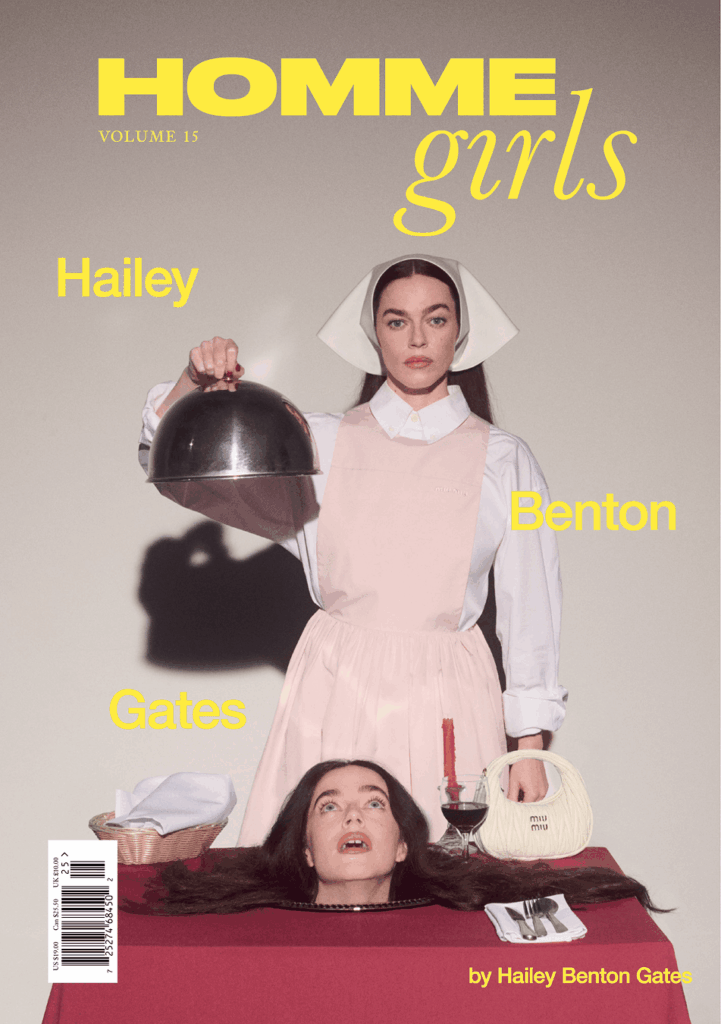
Photography by HAILEY BENTON GATES
Styling by STELLA GREENSPAN
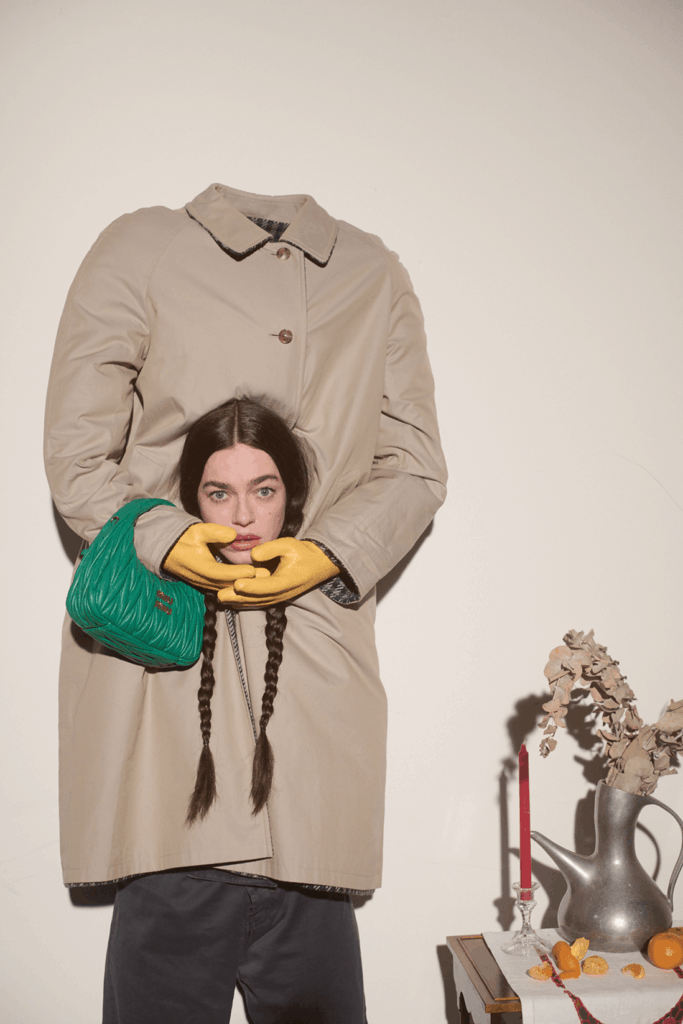
Photography by HAILEY BENTON GATES
Styling by STELLA GREENSPAN
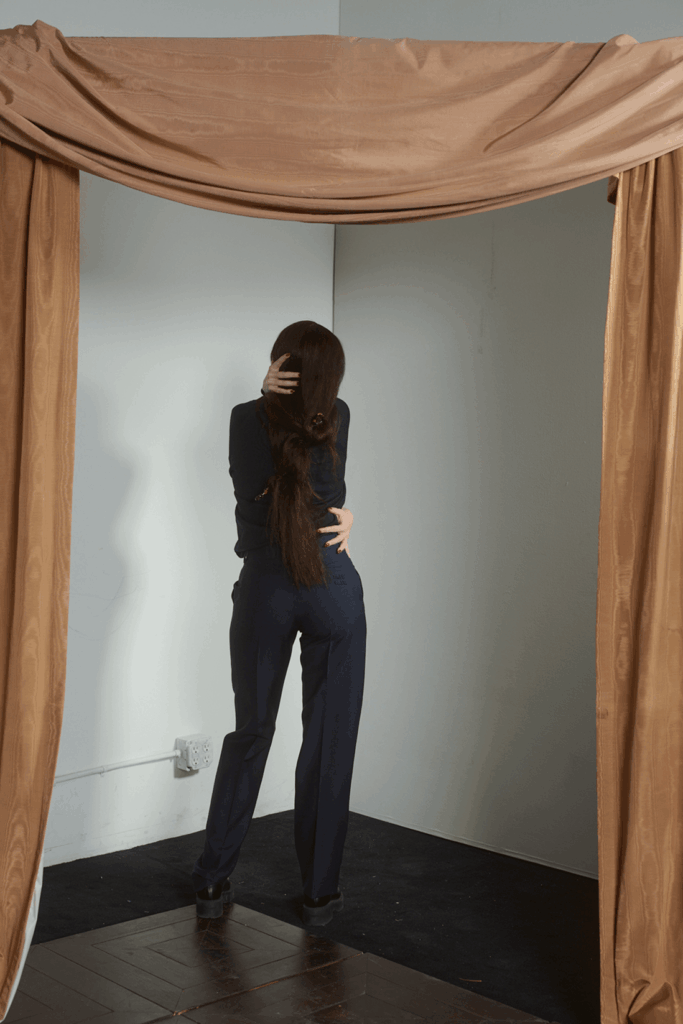
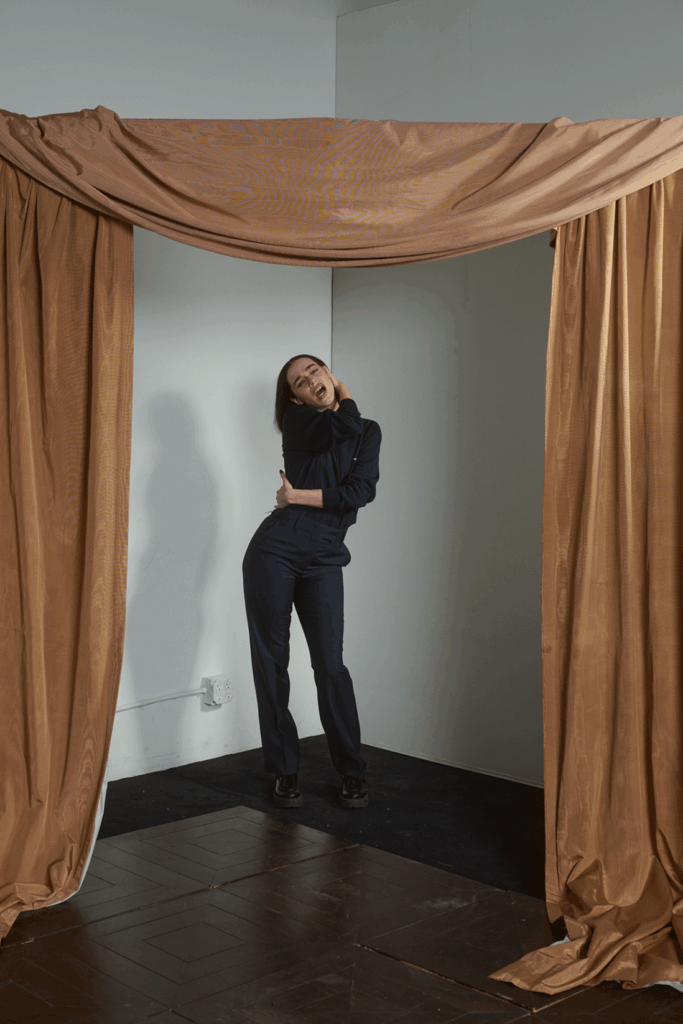
Photography by HAILEY BENTON GATES
Styling by STELLA GREENSPAN
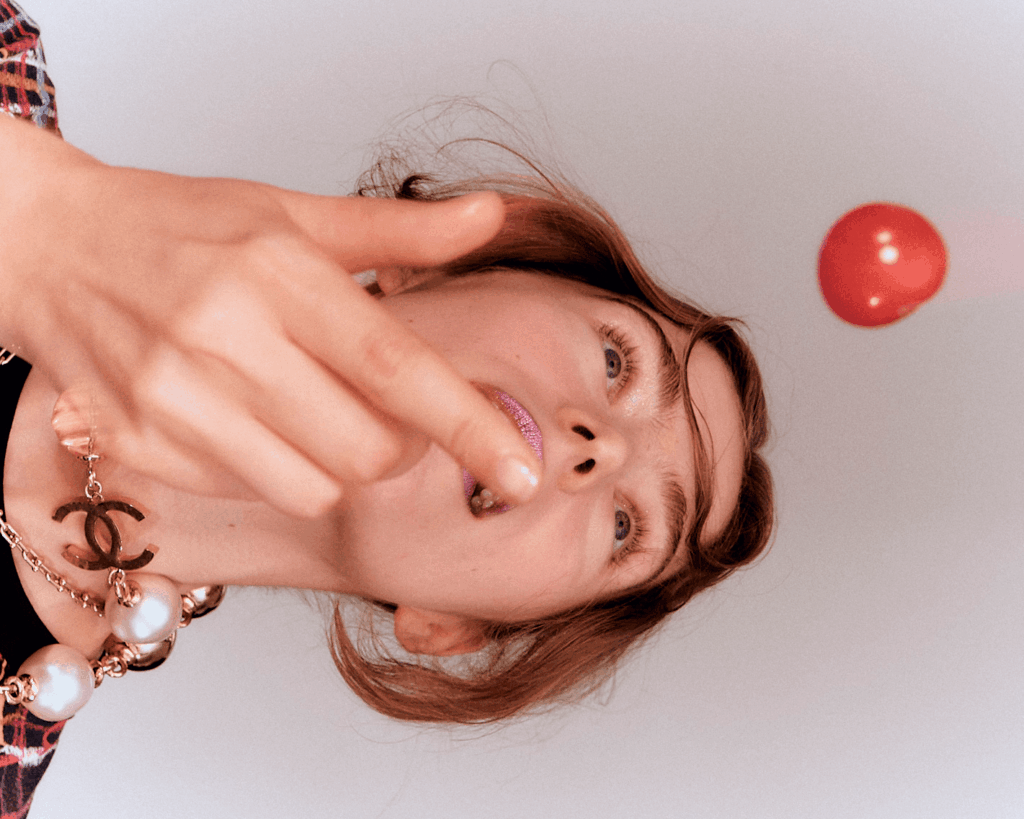
Photography by NICOLAS KANTOR
Styling by GIULIA REVOLO
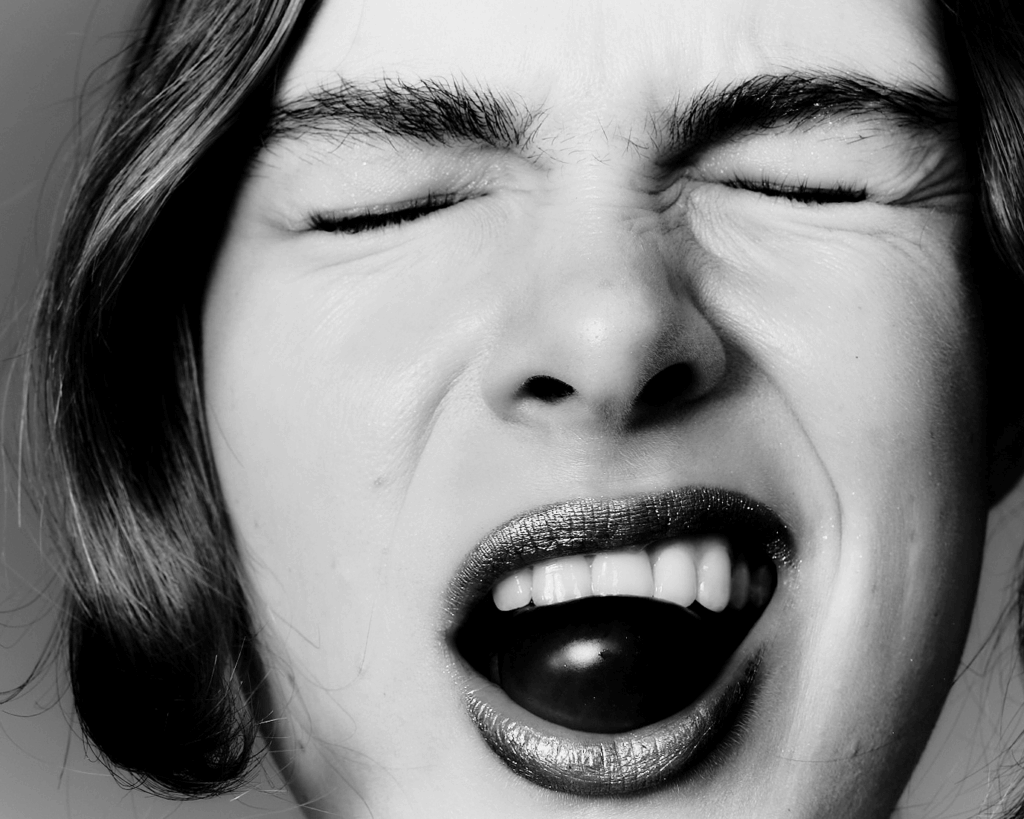
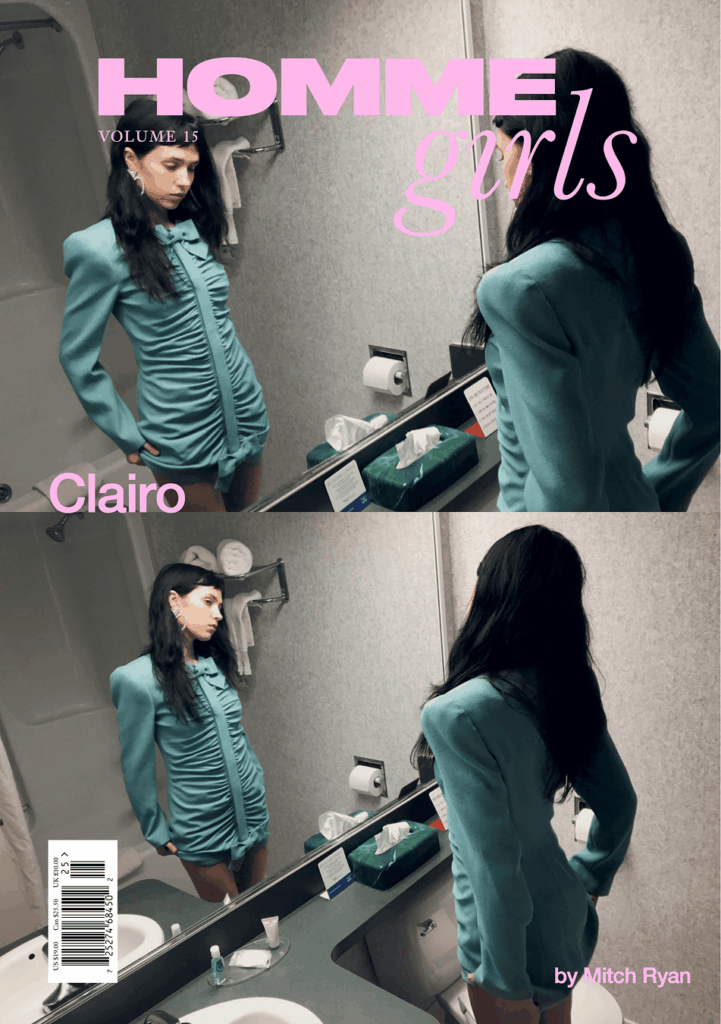
Photography by MITCH RYAN
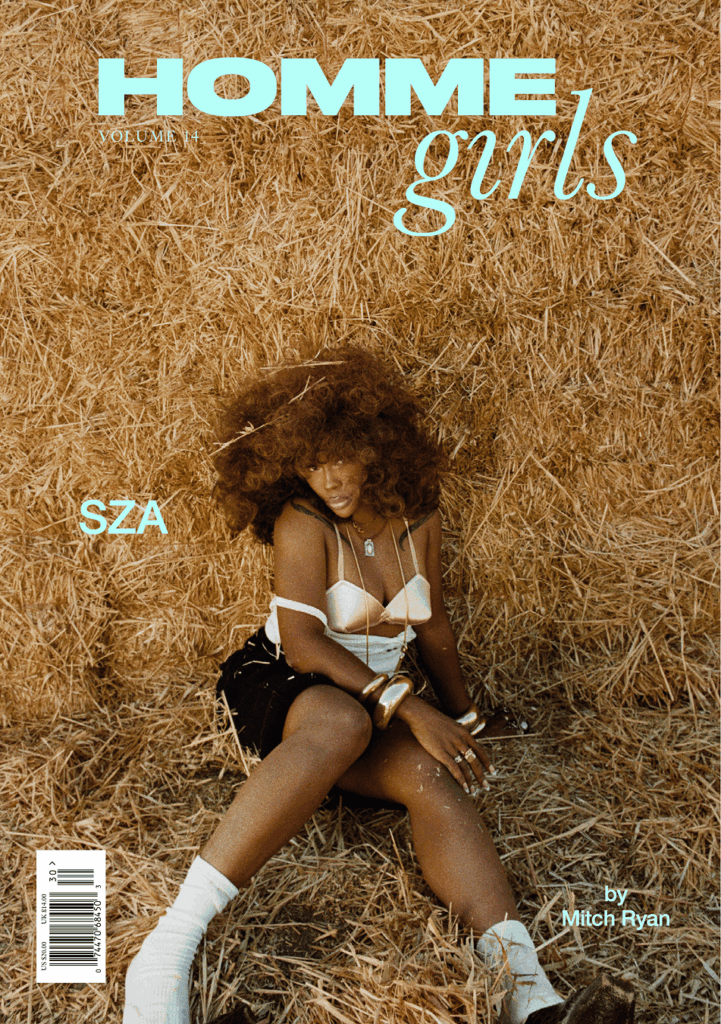
Photography by MITCH RYAN
Styling by STELLA GREENSPAN
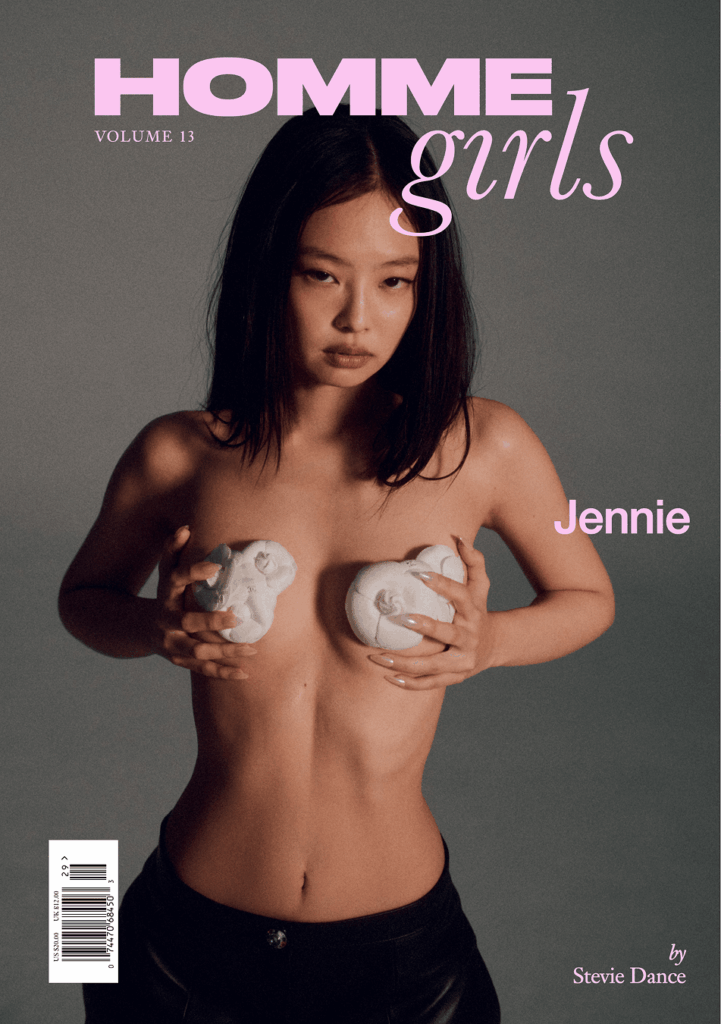
Photography by STEVIE DANCE
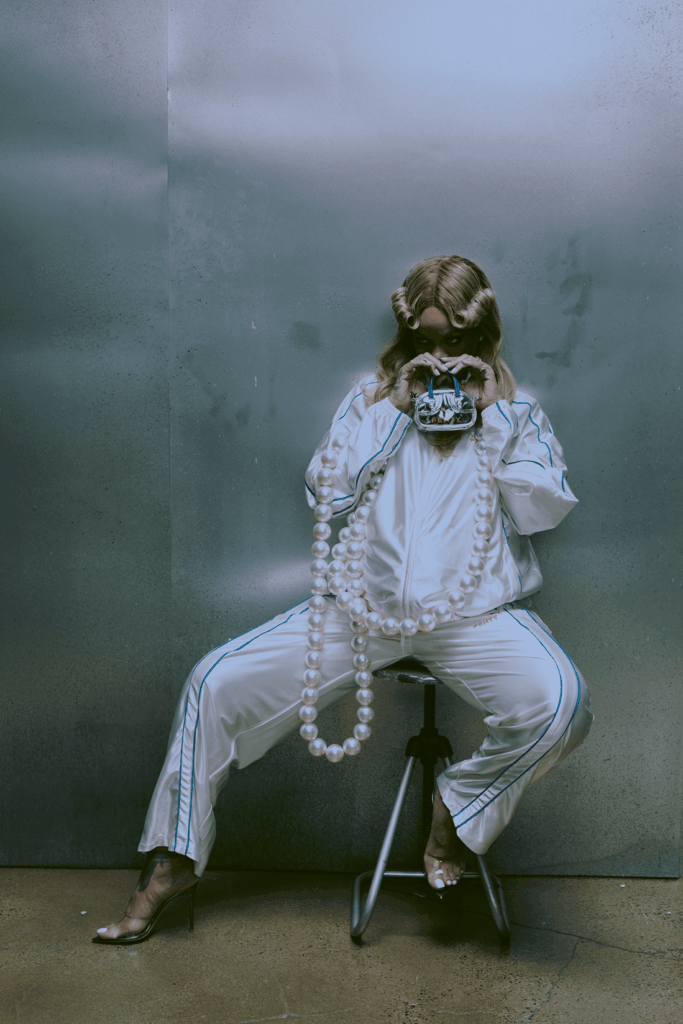
Photography by GABRIEL MOSES
Styling by STELLA GREENSPAN
SK: Independent magazines are often celebrated for their freedom—but in reality, no publication is ever fully independent. What kinds of invisible pressures (financial, cultural, political) do you feel weigh most heavily on HommeGirls?
TP: I think the pressure to grow and evolve is always there. In the beginning, when I launched the idea of HommeGirls, it was so rooted in menswear for women and the style around that—and that’s definitely still a big part of HommeGirls—but you have to keep evolving and moving forward as fashion and culture shift, even if only ever so slightly. And when you shift with culture, you have to assess the root of what makes HommeGirls HommeGirls. That’s the thing that’s always in the back of our minds.
SK: How do you navigate the tension between creative freedom and the realities of running a business—advertising, distribution, retail—without diluting the core spirit of the project?
TP: It’s a constant dialogue with the team. We have a lot of opportunities, and we turn down quite a few too, because sometimes we feel we can’t do the brand or the project justice. We really need to love or be fully engaged in any story—even partnership stories. We only do things when we can all get behind them or get excited by them. I think that’s what brings advertisers back, because they see that the output is really organic and exciting.
SK: With the rise of digital platforms and AI-generated content, what role do you see for tactile, carefully produced print objects in shaping culture and creative inspiration going forward?
TP: Print, especially niche print like ours, has been elevated to become a true collectible, something people will invest in. Digital content and AI content are like noise that comes and goes. What we do has more permanence, more realness.
SK: Looking ahead, what is your vision for the future of independent media? Where do you see publications like HommeGirls leading, especially in spaces where legacy titles may be struggling?
TP: I think there’s room for everyone, especially in independent media and niche print—as long as you can be very clear with your voice and why you’re making the magazine in the first place. It’s easy to try to lure advertisers and do things just for money and growth, and then lose your voice somewhere down the line. For HommeGirls, there are more things we definitely want to do, but we’ll do them when we do them—organically, and without feeling pressure to be something else. That’s been the success of HommeGirls, and that’s why we have the community we do: the feeling of complete independence. And that’s where we can feel free to be creative, do new things, grow, and create a real universe.
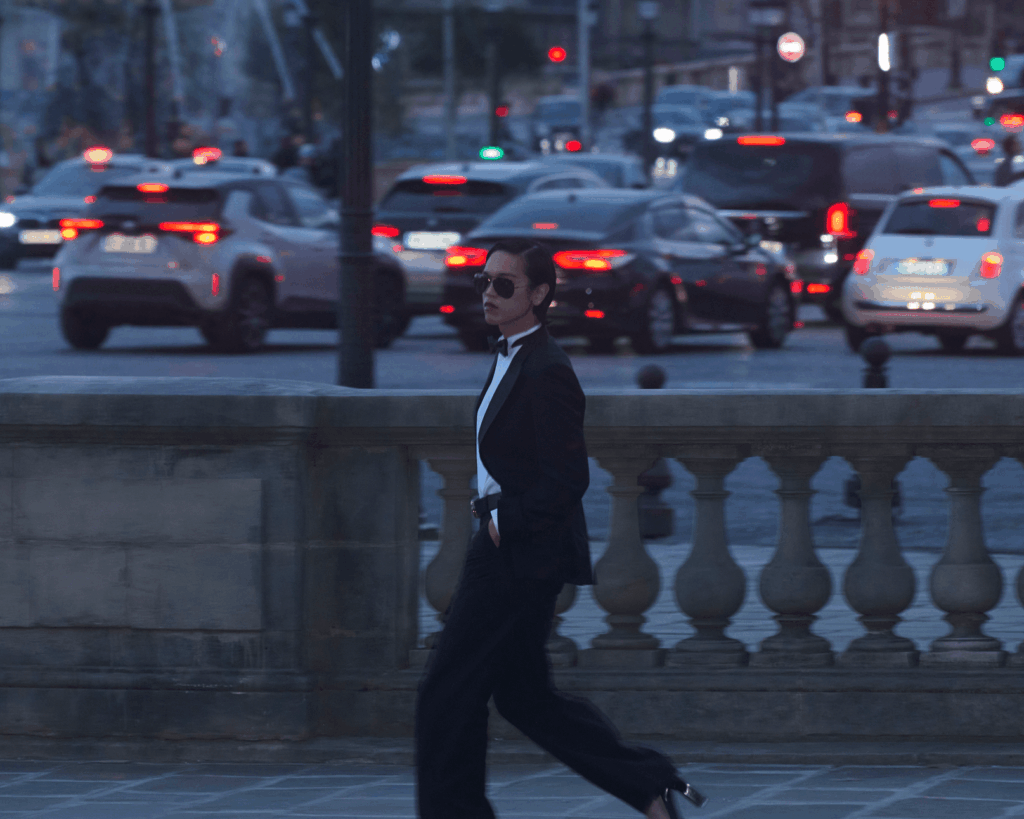
Photography by FRANCESCO NAZARDO
Styling by MARCUS CUFFIE