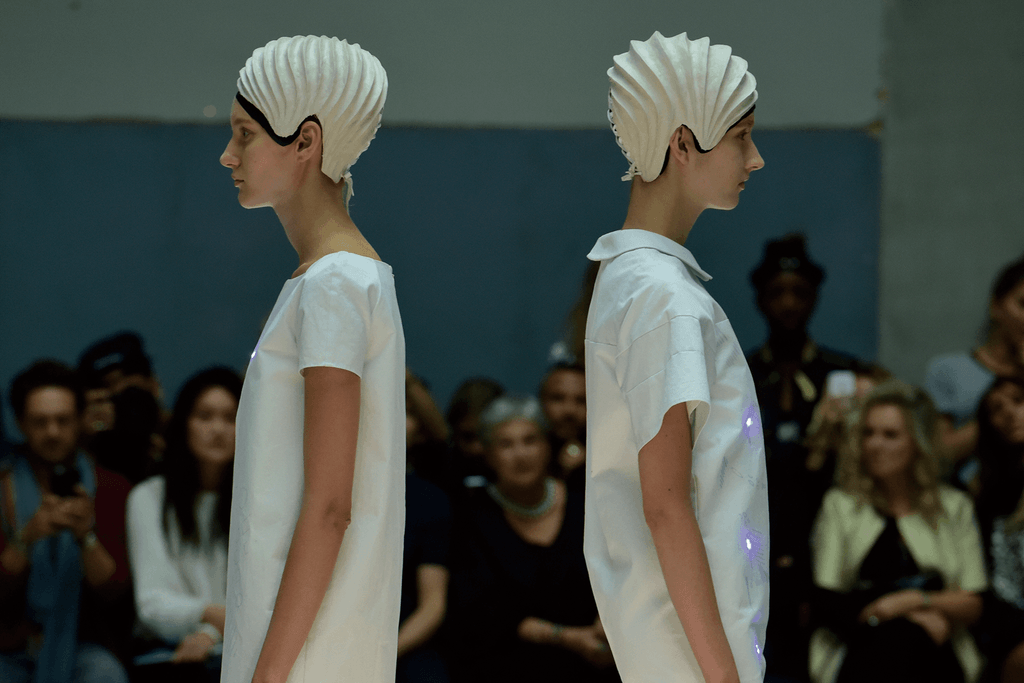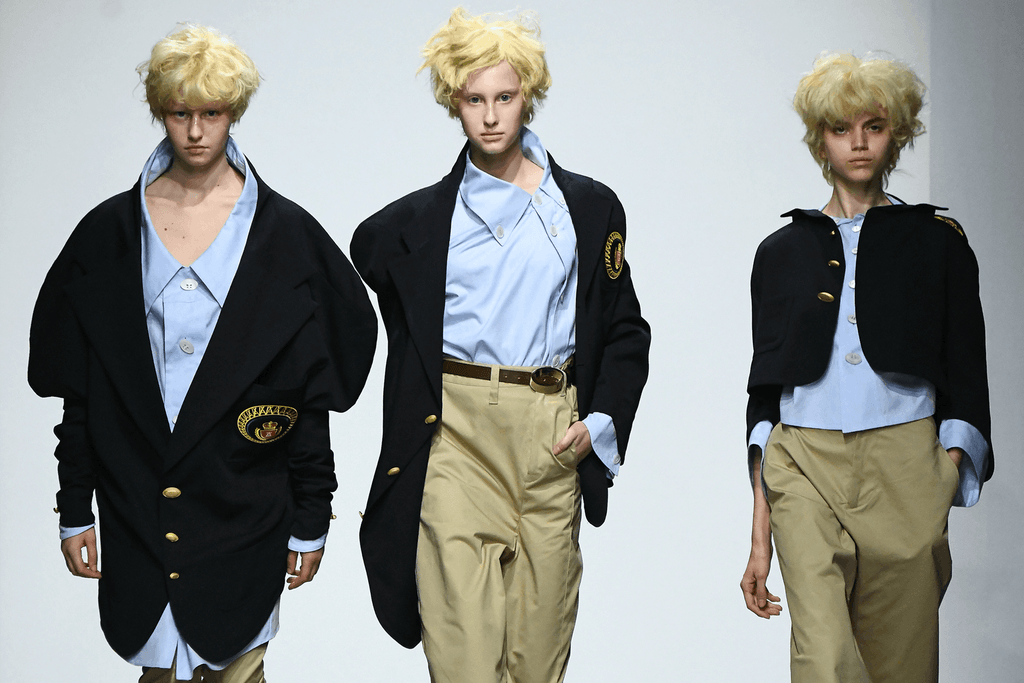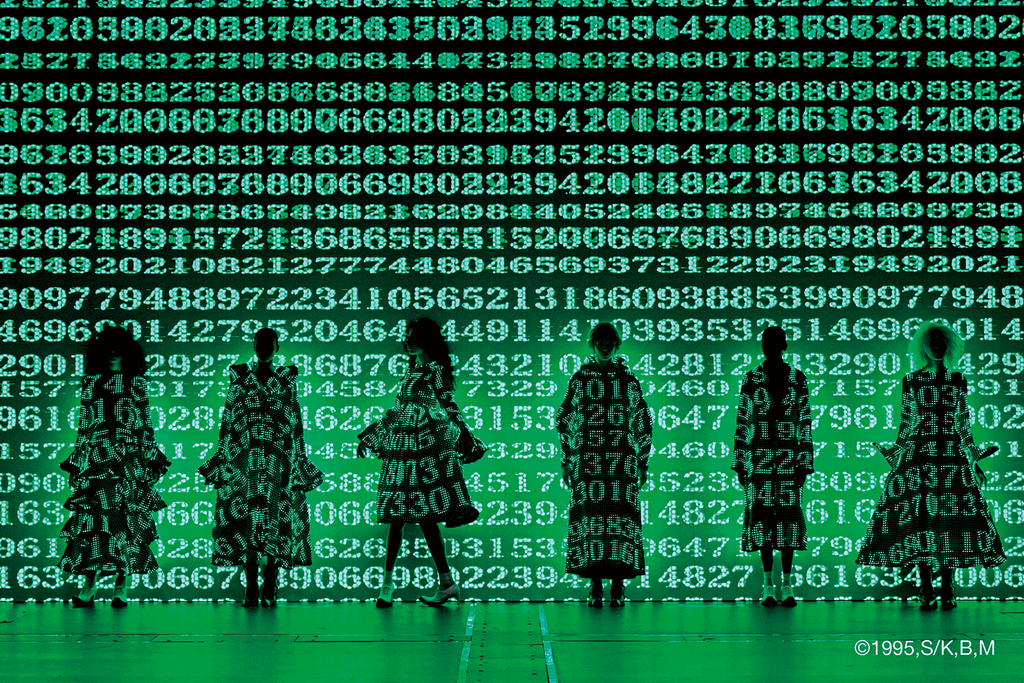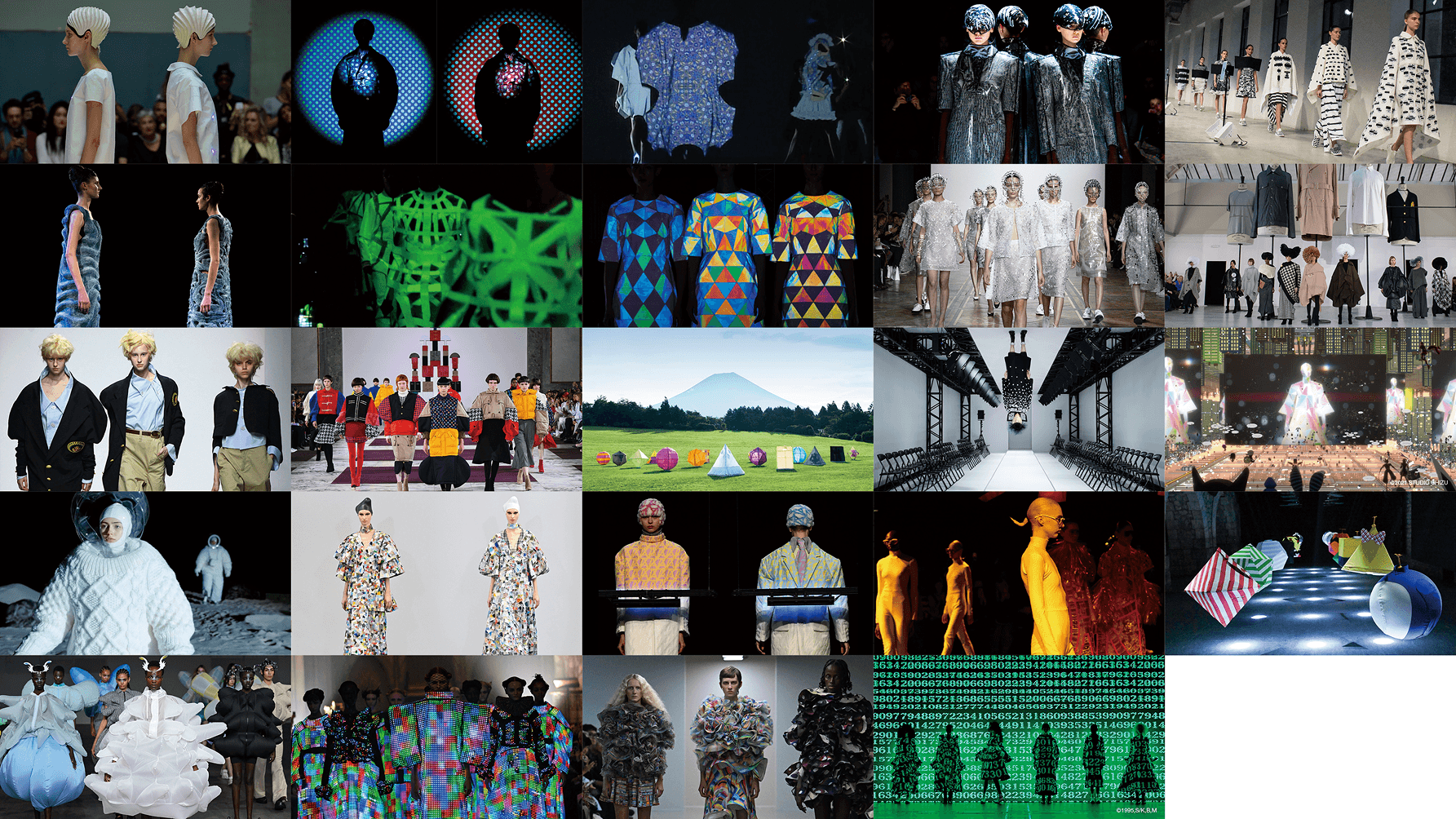
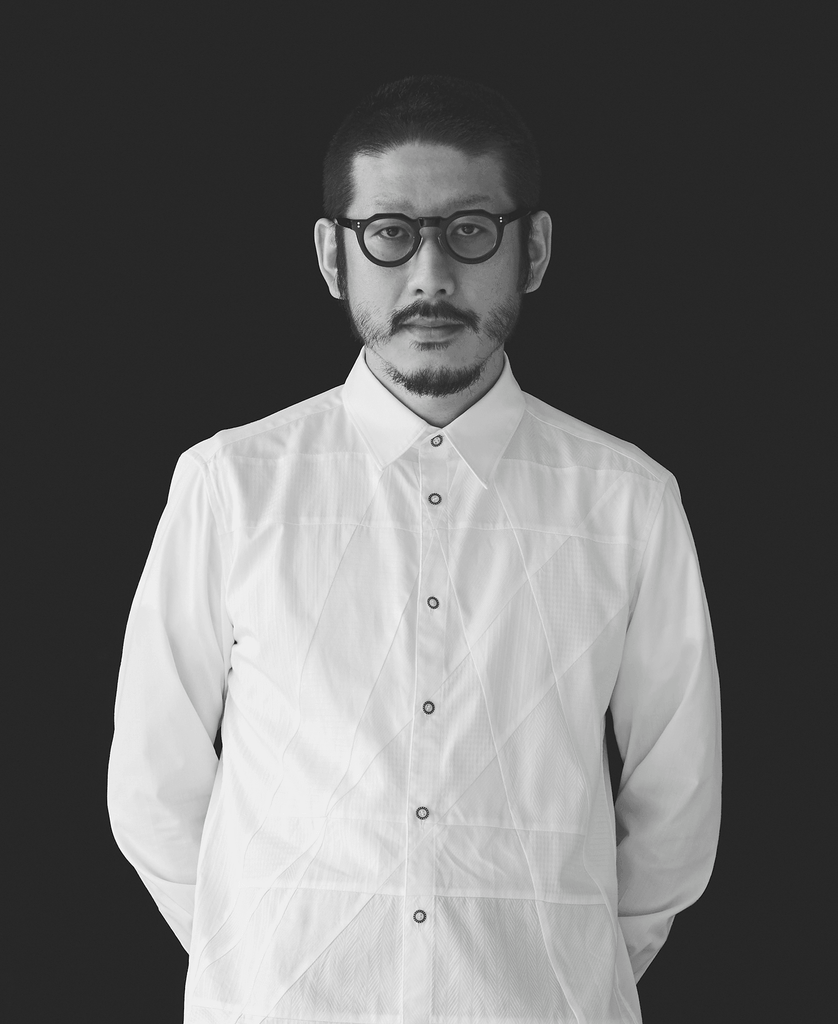
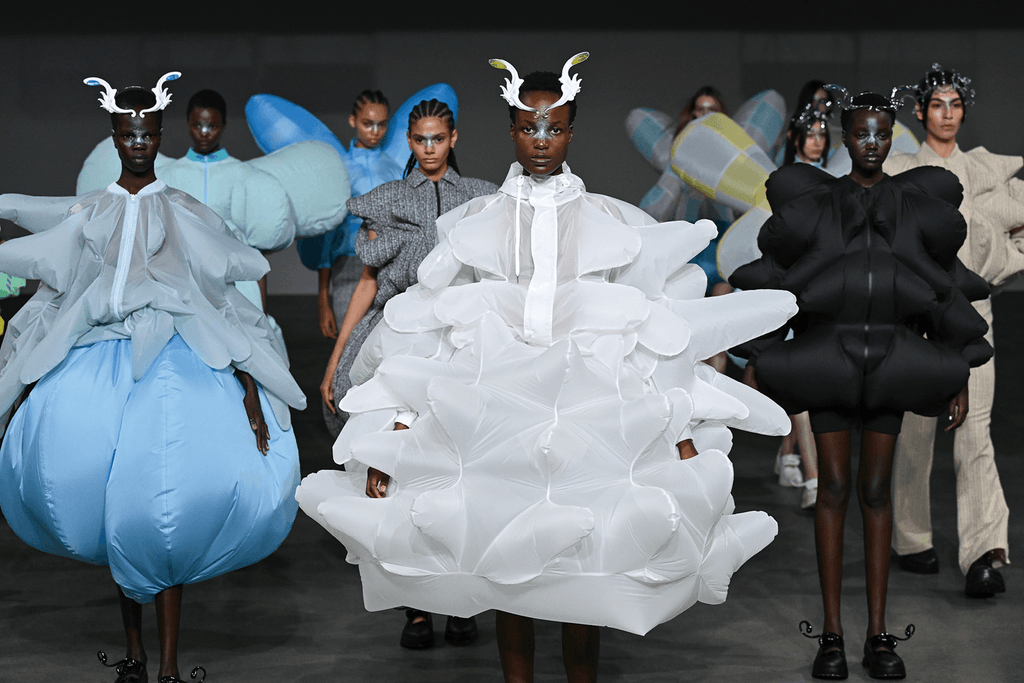
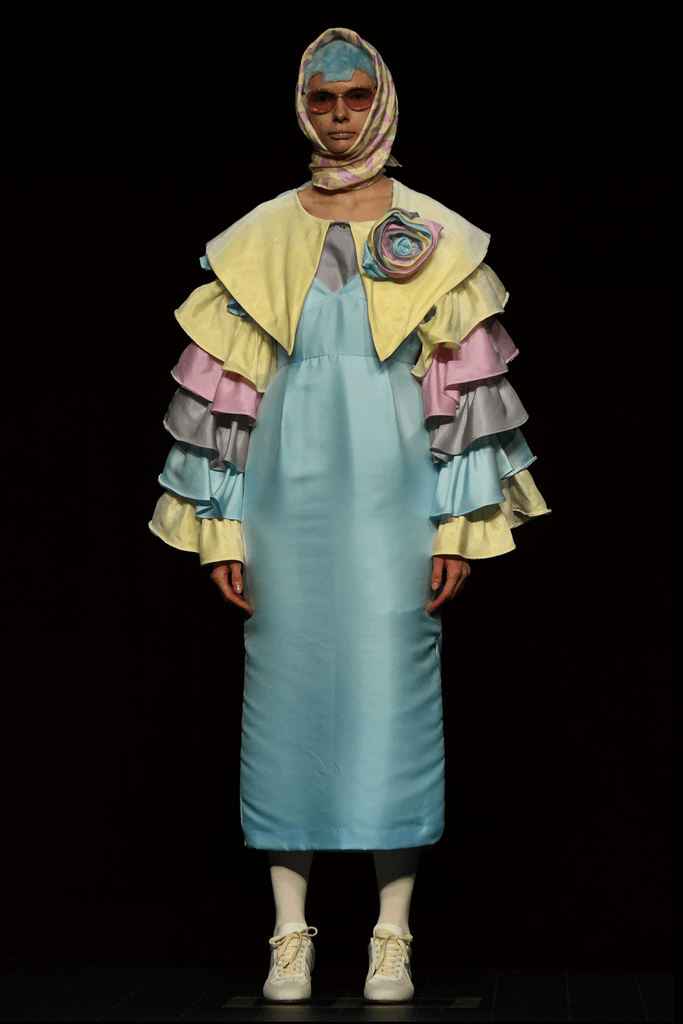
Kunihiko Morinaga founded Anrealage in Tokyo in 2003, joining “real,” “unreal,” and “age” into a single word. The name contains the tension that has driven the brand ever since: the everyday meeting the extraordinary, the familiar becoming strange. A garment may change color in sunlight, expand into a sphere, or be pieced together from fragments until it becomes something else entirely. Anrealage does not so much leave reality behind as quietly bend it.
Morinaga first showed in Paris in 2014. A year later, Sarah Andelman saw the brand’s SS 2016 collection, Reflect, at the Palais de Tokyo. She was then running Colette; Morinaga was beginning to establish Anrealage outside Japan. They stayed in touch, and their relationship eventually became a creative collaboration, beginning with the AW 2024 collection, Object.
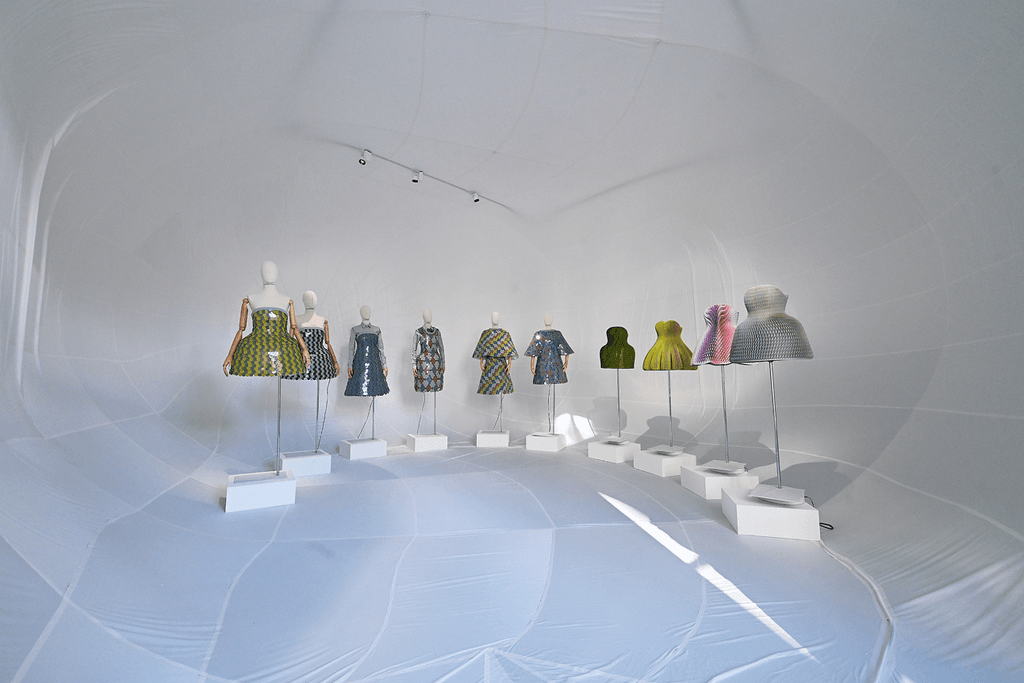
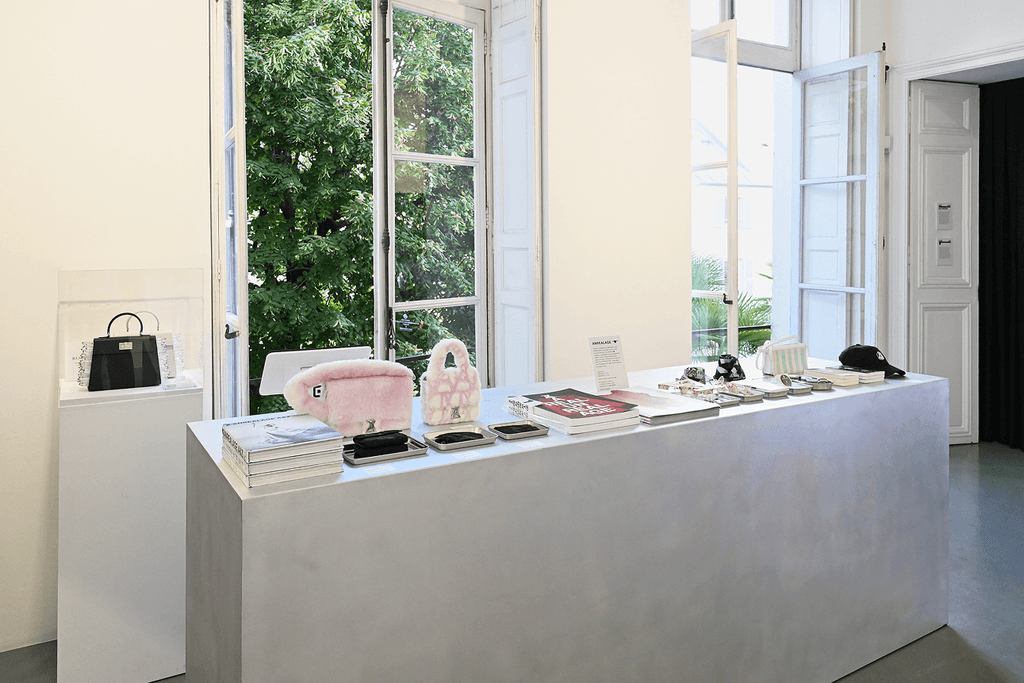
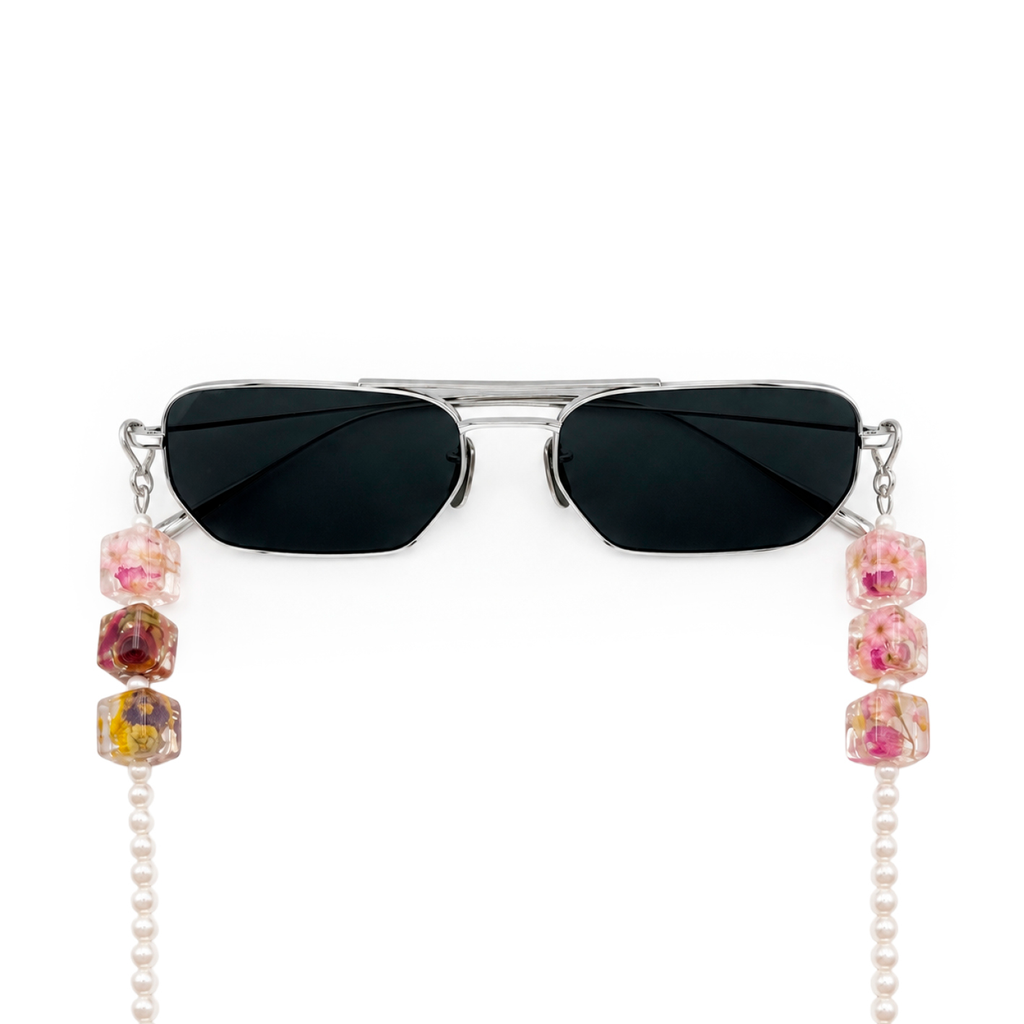
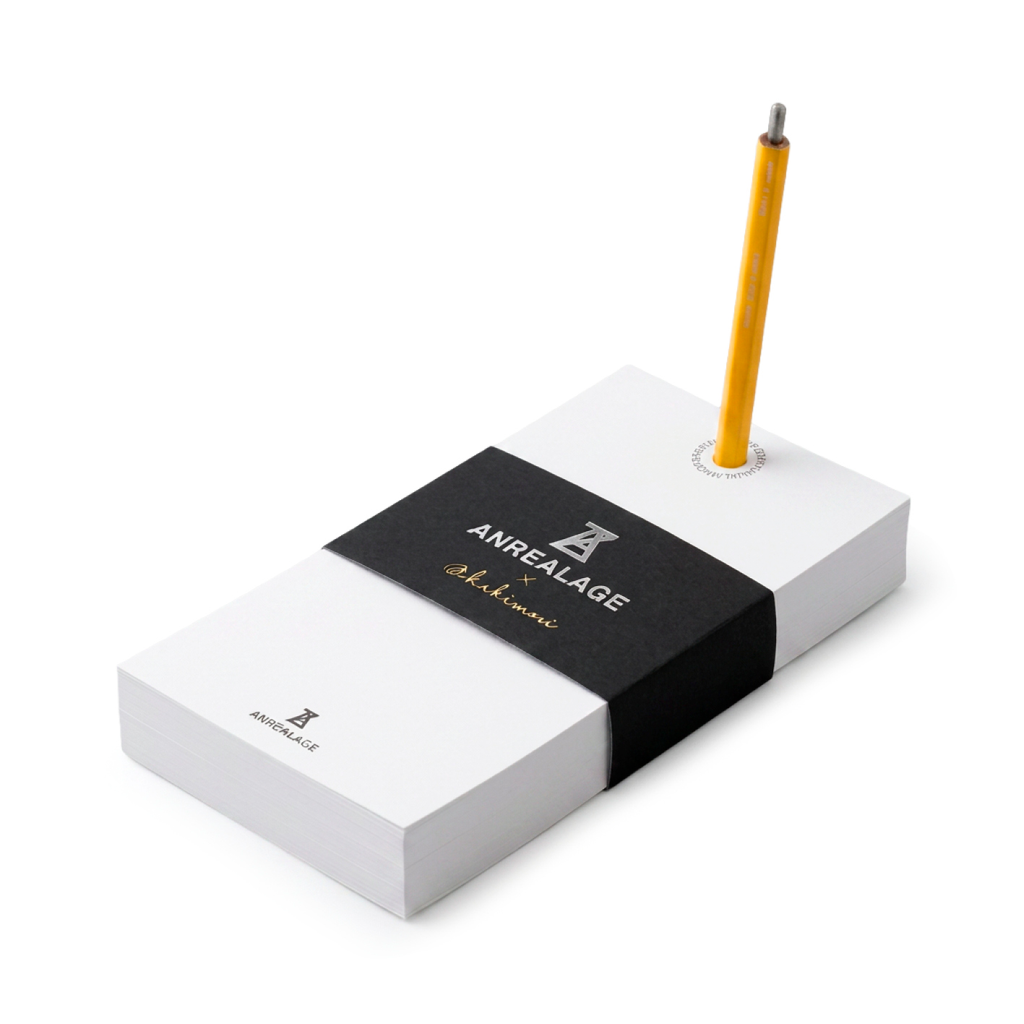
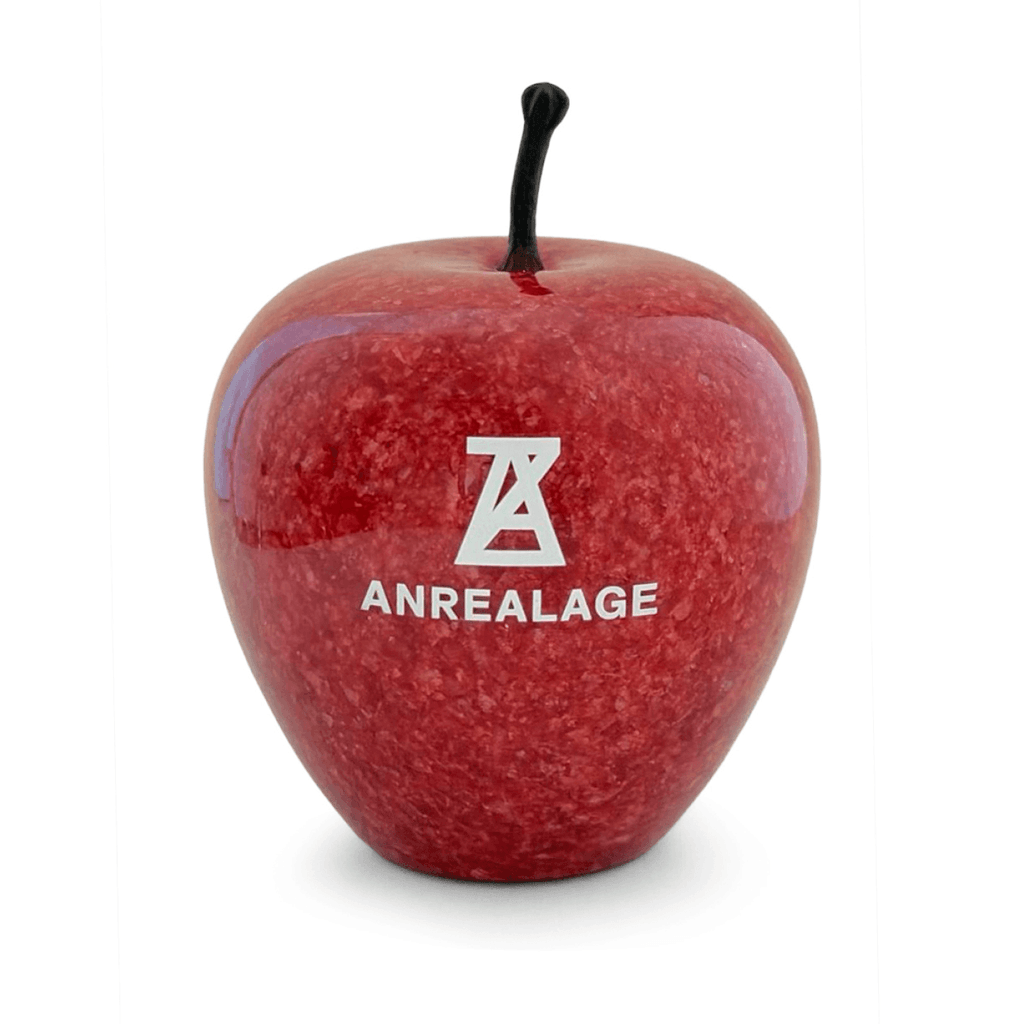
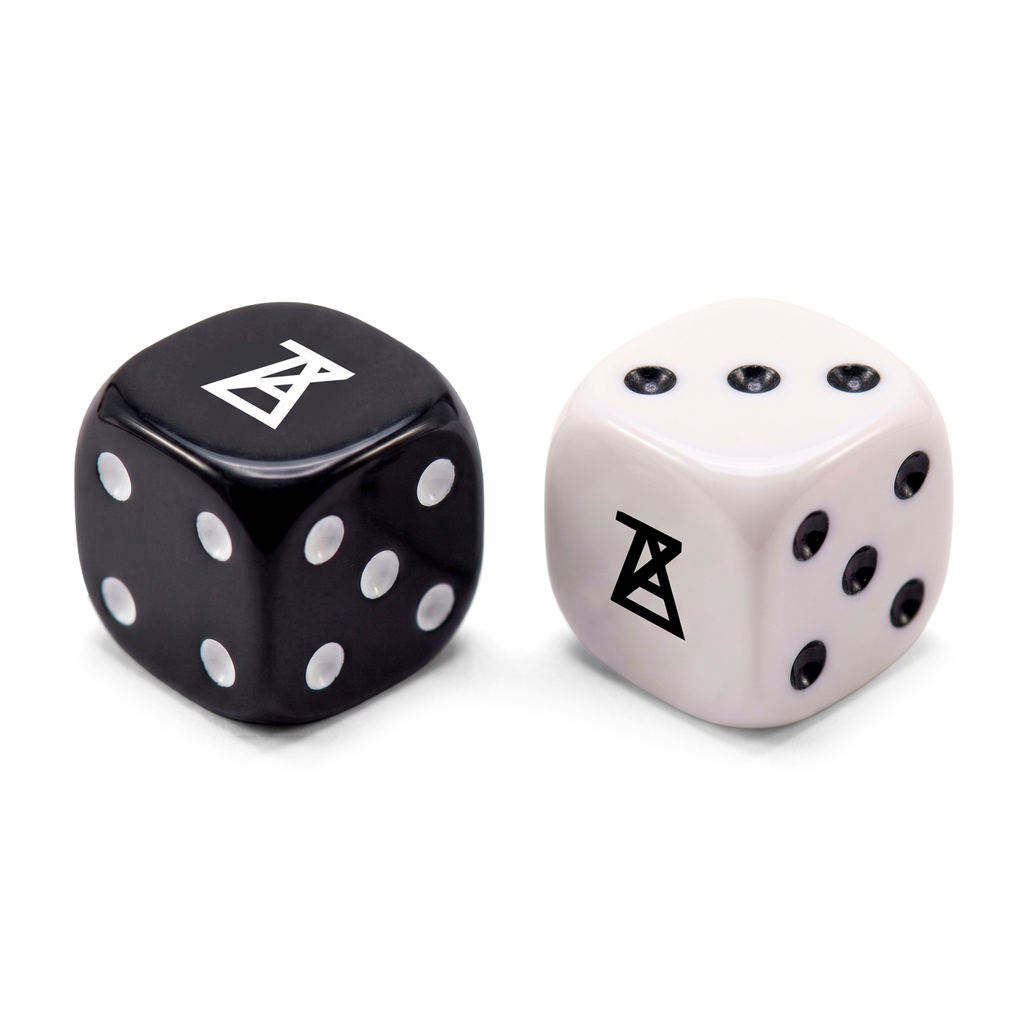
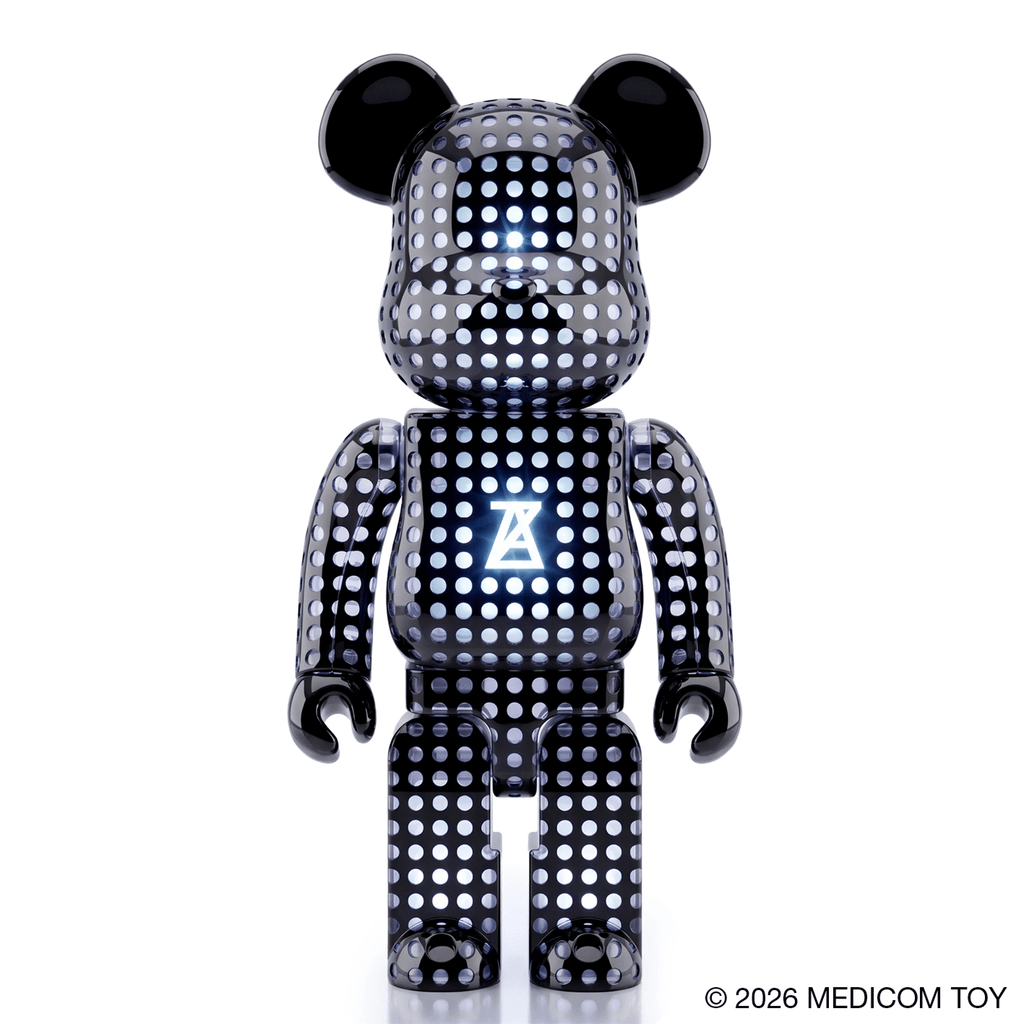
Now, for Anrealage’s 25th Paris collection, the two have come together again. Just an Real Age opens in Paris on October 2, bringing the brand’s history into a single space at 76 rue de Turenne. Andelman has selected pieces from every Paris season, from SS 2015 Shadow to SS 2027 Skin, alongside 26 objects created around the alphabet — a new way of looking at the brand through the things that surround us.
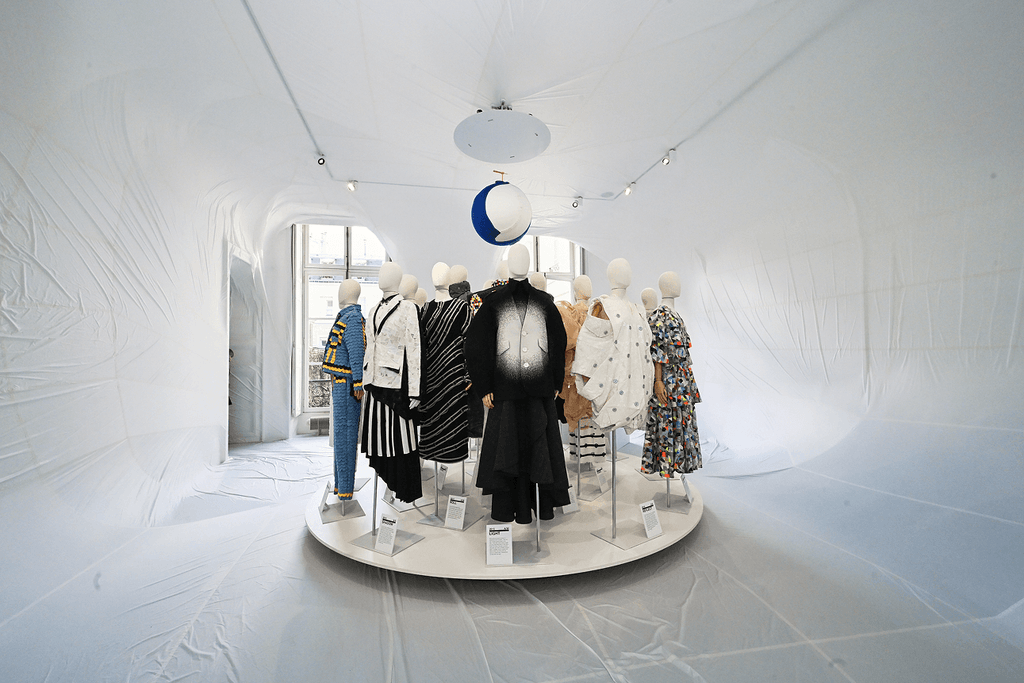
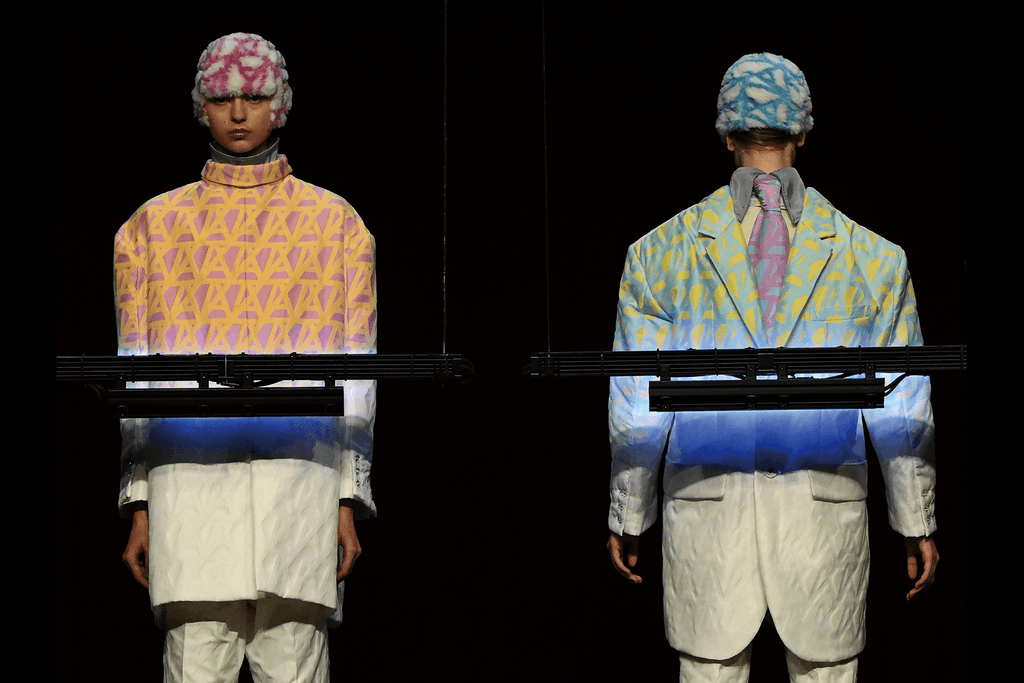
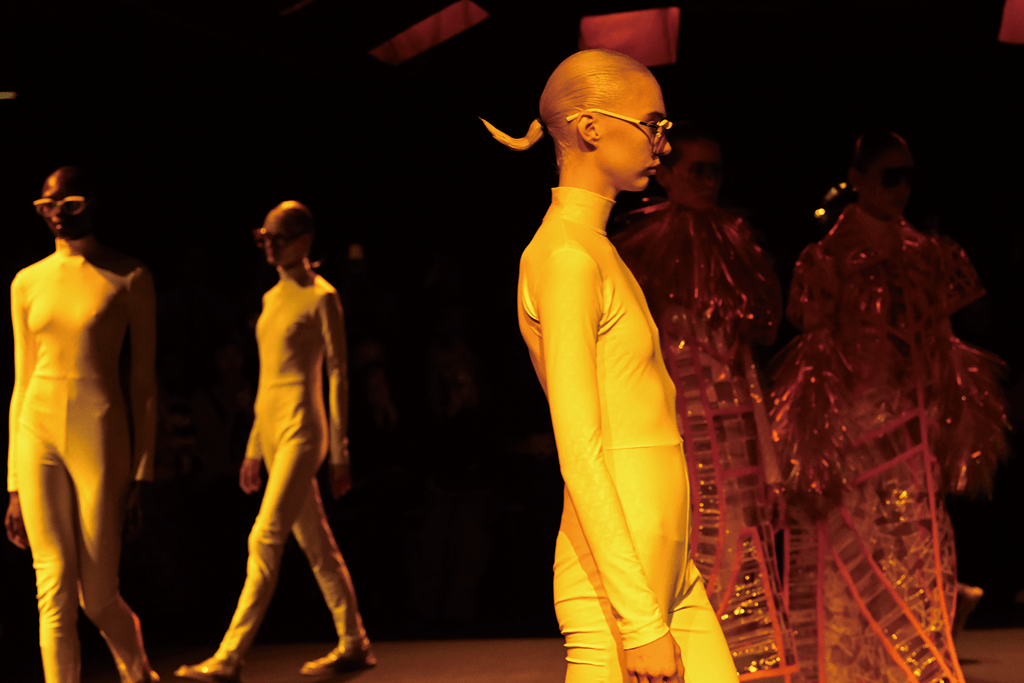
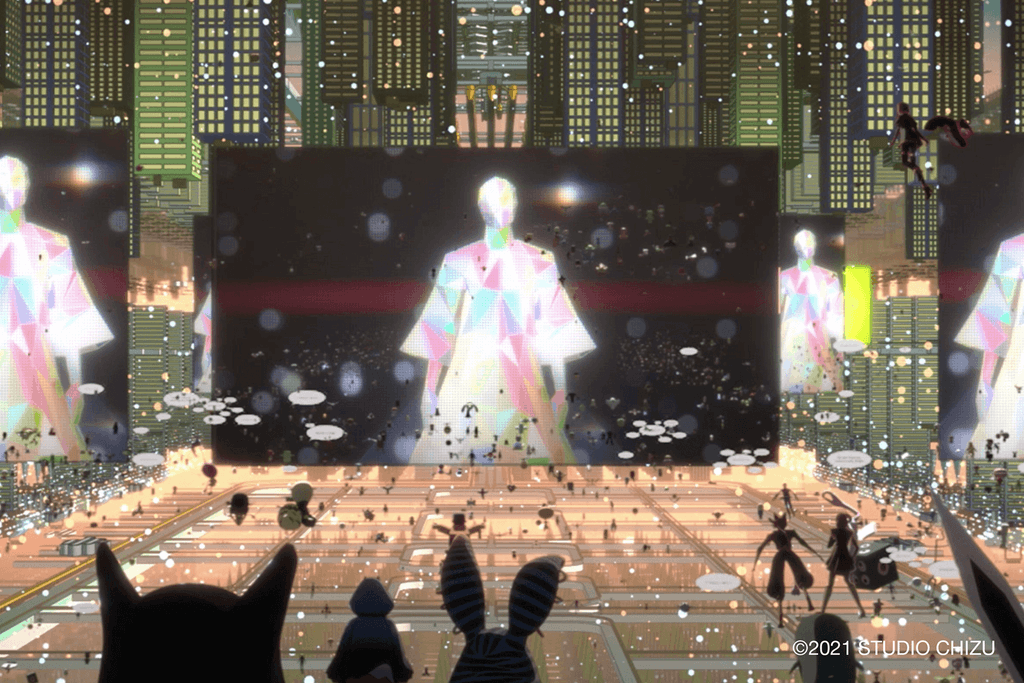
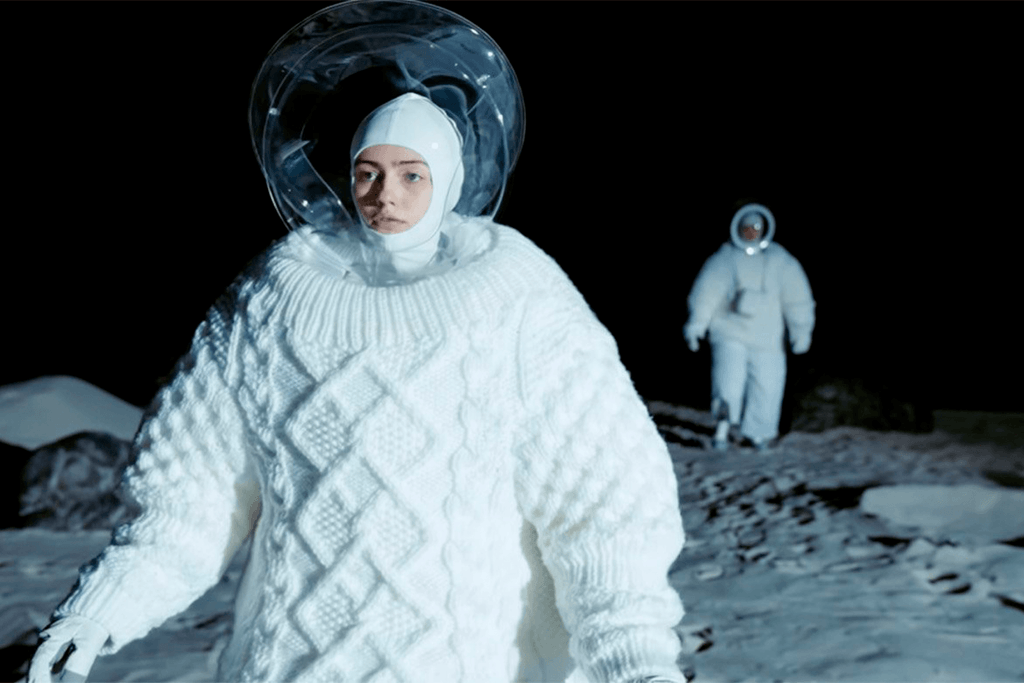
The exhibition itself follows Anrealage’s particular logic of transformation. A huge sphere from Object hangs above a rotating selection of archive looks. Elsewhere, garments from “=” respond to ultraviolet light, shifting from one color to another. In the final room, music by Thomas Bangalter accompanies looks from Screen and “♥”. What once existed only as runway sound has now been pressed into a physical object, Songs for Anrealage, released by The Vinyl Factory.
There is something circular about the exhibition. Anrealage’s logo joins A and Z, collapsing the distance between beginning and end. Its 25th Paris collection brings the brand back to A — not as a return, but as the start of another cycle. For Morinaga, moving forward has always meant looking more closely at where you came from.
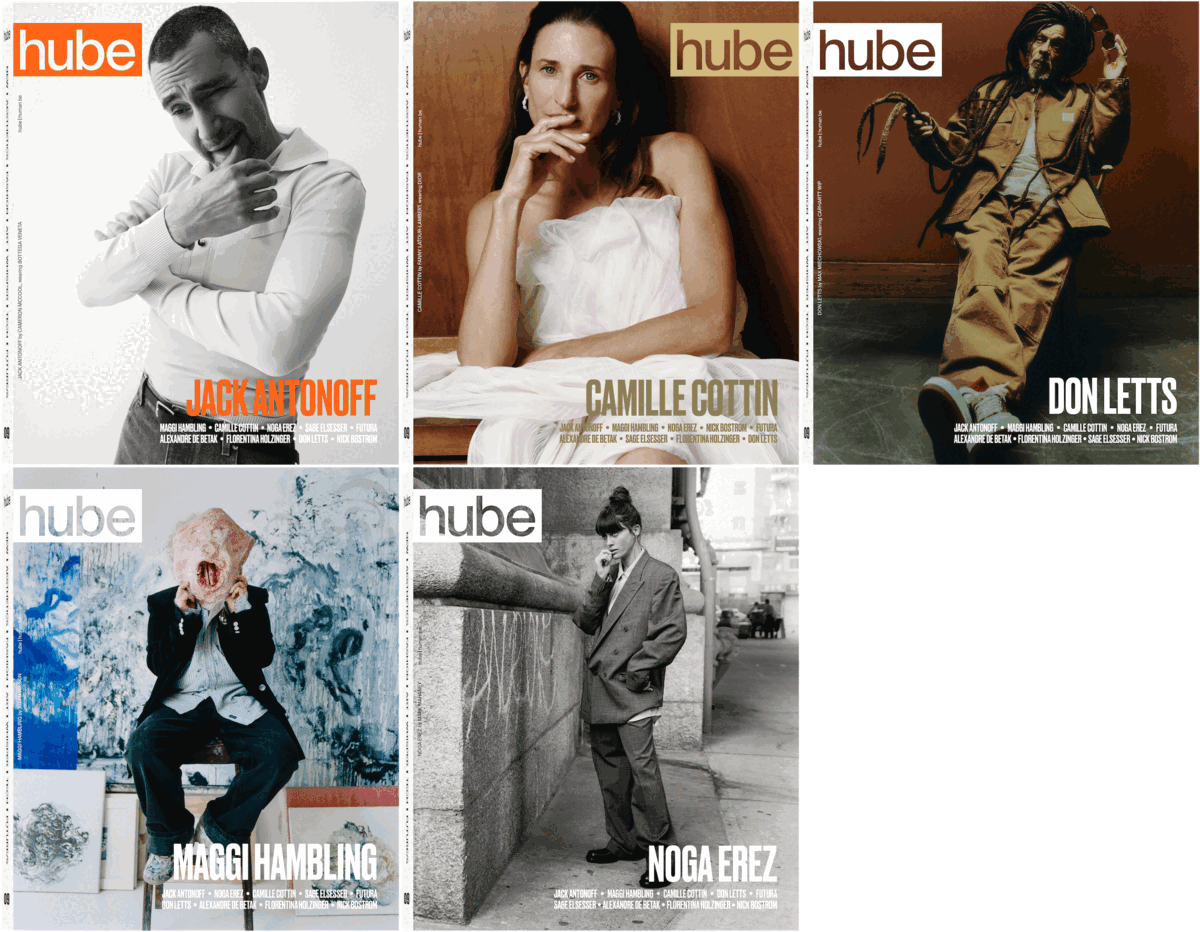
Ahead of the opening, hube spoke with Morinaga and Andelman about Japan and Paris, the everyday objects that become cultural artifacts, the relationship between technology and perception, and what it means to return to the beginning without repeating the past.
hube: Perhaps distance changes what we are able to see. After 25 collections in Paris, has Japan itself become a different kind of presence in your work—something you see from within and from afar at the same time?
Kunihiko Morinaga: Our “AZ” logo teaches us that things that lie far apart—A and Z, the everyday and the extraordinary, Japan and the world—actually meet when each travels to its farthest point. Z is A, the extraordinary is the everyday, and the end overlaps with the beginning.
In the same way, we left Japan and presented 25 collections at Paris Fashion Week. But this was never about moving away from Japan. Through these 25 collections, we have found our way back to what we have always cherished in Japan, something Sarah expressed so beautifully in this exhibition.
The two worlds are not separate; they always exist at the same time. I believe the same is true of the inner and outer worlds.
h: If time in fashion is usually imagined as a constant movement forward, what does it mean to discover that your journey has been a circle? Perhaps we never really leave the beginning—we simply arrive back with different eyes.
KM: In fashion, newness has been seen as a virtue, and moving forward as the right thing to do. Yet we have experienced something different: like the circle formed where A and Z overlap in our logo, the further we go, the more clearly our origin comes into view.
The point we have reached after 25 collections overlaps with where we started, when we set out to build a bridge between the real and the unreal. But this is the beginning of a second cycle. We are not walking the same path again. As on a spiral, the scenery changes, yet we find ourselves looking at things from the same position.
h: You began your Paris journey with Shadow and arrived at Skin 25 collections later. A shadow is something the body casts onto the world; skin is what separates the body from it. Do you see these two ideas as two different ways of asking the same question about where the self ends and the outside world begins?
KM: Shadow and Skin are closely connected. Both collections explored light and shadow and expressed the relationship between substance and illusion.
I think of Skin as the surface of the body, in the relationship between body and soul, that is close to the one between light and shadow. The question we are asking has not changed. I realized once again that we have been building our collections in an attempt to step across the boundary between two worlds.
h: You work at the edge of what clothing can be, but perhaps also at the edge of what we can perceive. Do you think fashion can change not only what we wear, but the way we see reality?
KM: Fashion is something the body wears, but I strongly believe it can change the way we see reality itself. Beyond the range of perception people usually bring to fashion, clothing can show us how the world appears to living beings other than humans.
Animals and insects see different colors, hear different sounds, and live in a world of different textures and different scales. Through clothing, we can experience their world for ourselves. We are trying to make clothes that change perception.
h: The exhibition brings together 25 different moments of Anrealage in a single space. Do you see it more as a retrospective of what has happened, or as a new work created by putting all those moments into conversation?
KM: 25 is a milestone and an ending, but I also see it as the beginning of the next stage. Everything that has happened so far already flows through the brand like lifeblood. Our next step is to make all of that truly part of our flesh and blood. For us, the past and the future mean the same thing.
h: Some ideas disappear with time, while others become more visible years later. When you revisit your earlier collections today, what surprises you most: what has changed, or what has remained strangely relevant?
KM: What surprises me most when I look at our early collections is that what we do has not changed at all. We create transformation within the fashion show itself. We see a garment not as finished the moment it is made, but as something that becomes complete over time and in different environments. We use fashion to excite people and to change the way they perceive the world. I realized that none of this has changed since our very first collection, Shadow.
h: You have spent years asking what clothing might become. When you look at the work gathered in this exhibition, do you feel closer to an answer—or more aware of how many possibilities remain unexplored?
KM: The themes we are working on cannot be fully explored within the span of 25 collections. I think the answer still lies far ahead.
Pursuing a single theme deeper and deeper is a process of crossing the boundary between the everyday and the extraordinary, and it will take much more time.
h: Your work often imagines a future in which technology becomes part of the clothes we wear and the way we experience the world. When you look at the future now, what gives you the most hope—and what raises the greatest concerns?
KM: Twenty or thirty years ago, no one imagined that technology would become part of everyday fashion. Yet today it is simply a given. Buying clothes online once seemed unusual, too.
Clothes that change color. Designs that can be downloaded as programs. Fashion for forms other than the human body, including robots. I cannot wait for the day, decades from now, when what we imagine today becomes reality.
We continue this brand in order to slowly turn what is extraordinary today into the everyday. I would like to express my deepest respect and gratitude to Sarah Andelman, who brought these ideas to life as 26 objects from A to Z.

Photography by AMÉLIE AMBROISE
hube: You have had a long relationship with Japan, but perhaps the most interesting thing about loving another culture is that it keeps changing what you see in your own. What has Japan taught you to notice in your everyday life?
Sarah Andelman: Patience. Things happen when they should happen—there’s no need to rush.
h: You first encountered ANREALAGE almost a decade ago. What has remained constant in Morinaga-san’s work for you, even as the language of the brand has continued to evolve?
SA: Morinaga-san is a visionary, and he keeps surprising me with his innovative work, based on technology but also on craftsmanship.
h: You often seem to notice a certain potential in things before they are given a place or a definition. Some objects seem to carry a meaning that goes beyond what they were made for. What do you think allows an ordinary thing to become a cultural object—something that suddenly asks us to look at it differently?
SA: I wish I knew where the magic comes from! It’s something very instinctive, and yes, the same object can open up so many different perceptions. Everything counts: the place, the atmosphere, the introduction, your mood.
h: An exhibition is always an act of editing: choosing what to bring into focus and what to leave in the background. How did you decide what this particular moment in ANREALAGE’s story needed to make visible?
SA: With its 25th collection in Paris, it’s a good moment to look back—to bring back the past into the present and write the future. In addition to the collections, we played around with this JUST AN IDEA x ANREALAGE collaboration, curating 26 objects, one for each letter of the alphabet, as a gift that introduces ANREALAGE from a new angle.
h: Do you think we understand a culture better through its great monuments and masterpieces, or through the small objects people live with every day?
SA: I like the idea of small, everyday objects—it’s more authentic, and “by accident,” one of these objects can become iconic, a reflection of its times.
h: If you had to describe what makes an ANREALAGE experience different from simply seeing a piece of fashion, where would you begin?
SA: The approach makes it so different from just fashion—there’s always an experiment, a story behind each garment, and a theme that Morinaga-san develops 360°.
h: In a world where we are constantly exposed to new images and ideas, what can still genuinely surprise you?
SA: Creativity. It’s when we discover something we haven’t seen before and it moves us.