In the heart of Italy’s Motor Valley, a new cultural landmark has quietly opened its doors, redefining what a museum can be in the age of data-driven design. Conceived by Carlo Ratti in collaboration with the late Italo Rota, the MAE Museum transforms one of the world’s most extensive carbon-fiber archives into an immersive, research-led public space that blurs the boundaries between exhibition, laboratory, and factory.
Located in Fiorenzuola d’Arda, the museum is now open to the public and adds a contemporary architectural chapter to a region long synonymous with engineering excellence and innovation.
A high-tech museum rooted in industrial heritage
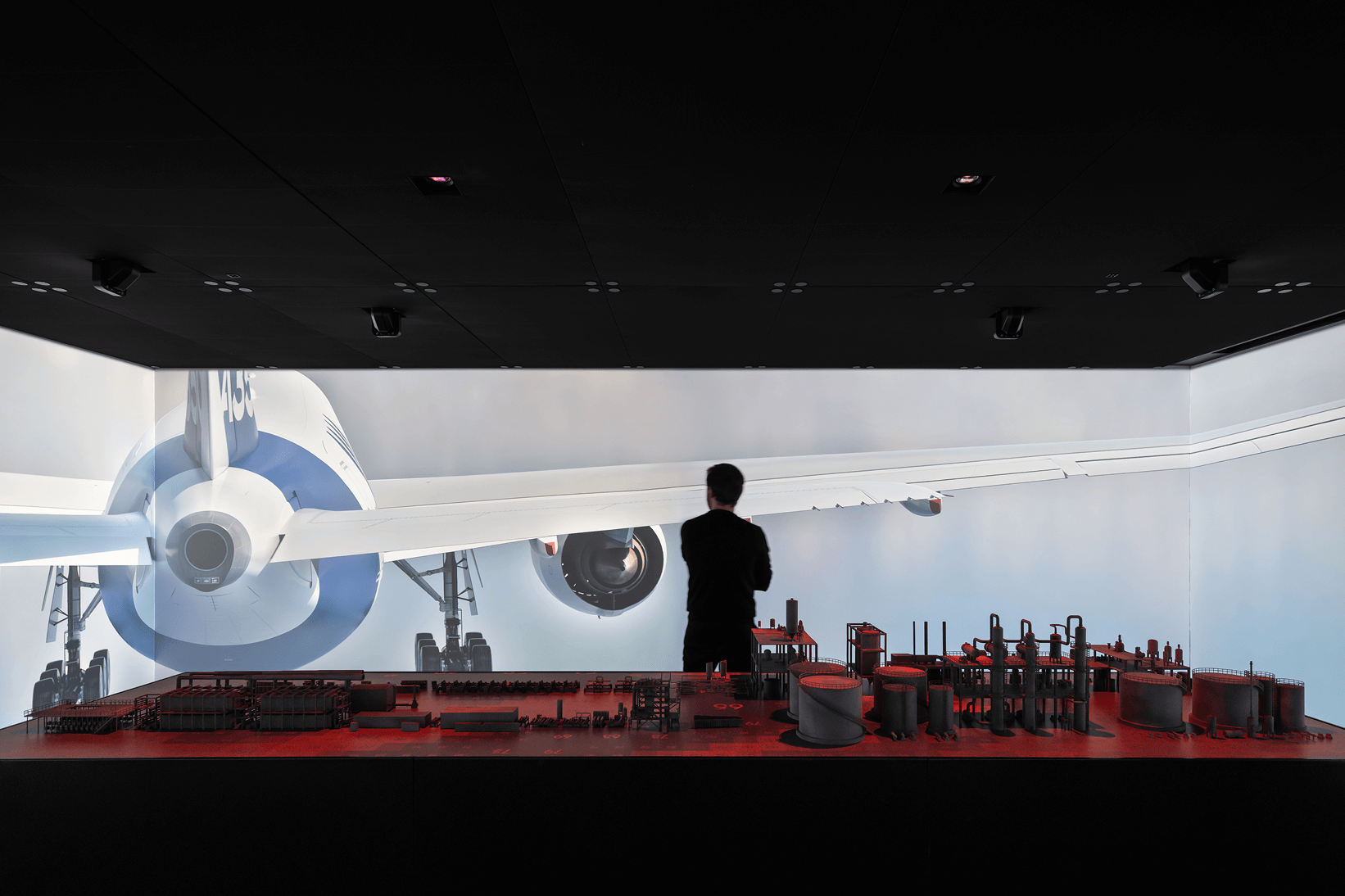
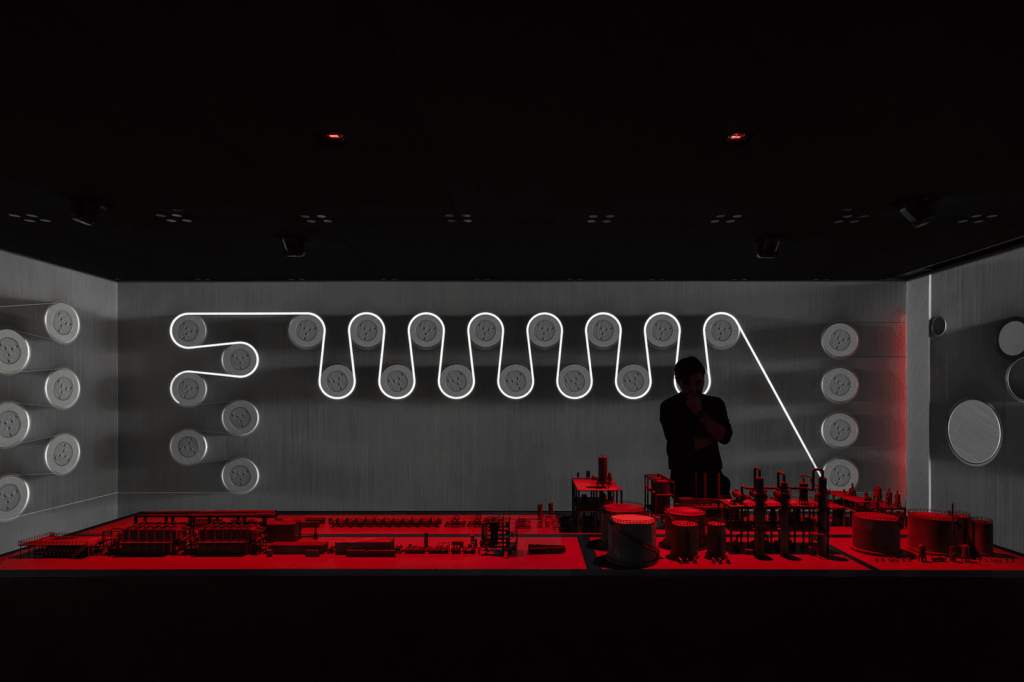
Commissioned by MAE, a global leader in carbon-fiber production technologies, the MAE Museum converts what was once a closed industrial archive into a radically open platform for learning and discovery. Designed by CRA–Carlo Ratti Associati, the project positions the museum as a living system: real-time data from MAE’s testing facilities continuously feeds into the galleries, allowing visitors to witness ongoing research as part of the exhibition experience.
This high-tech museum approach reframes industrial knowledge as cultural material, inviting audiences to explore how carbon fiber—now ubiquitous in supercars, aerospace, medical devices, and sports equipment—is actually made.
From archive to experience
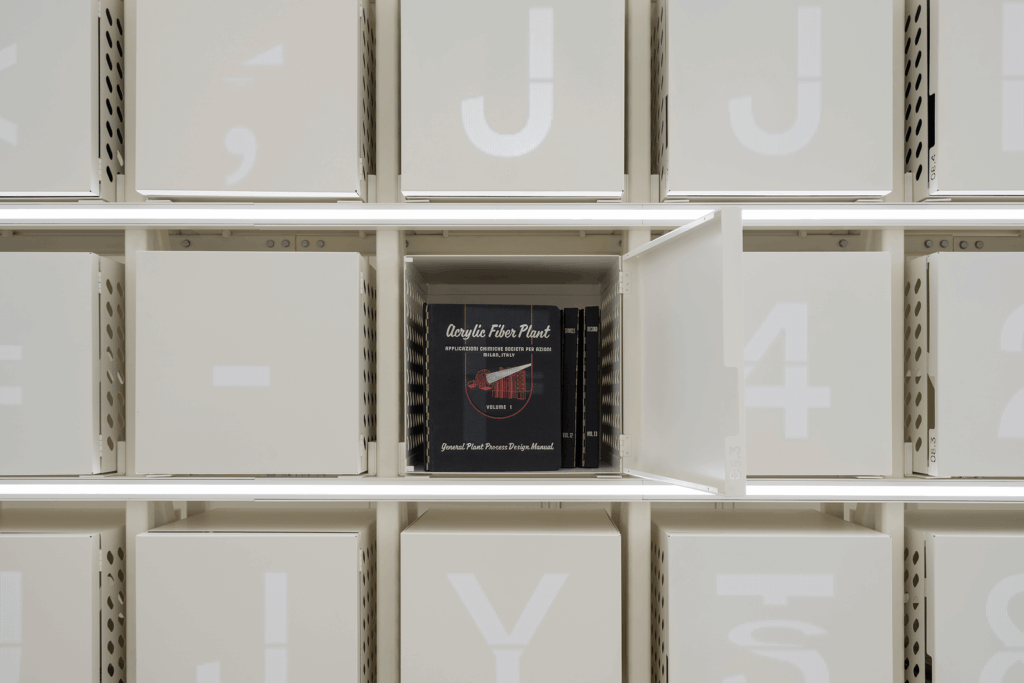
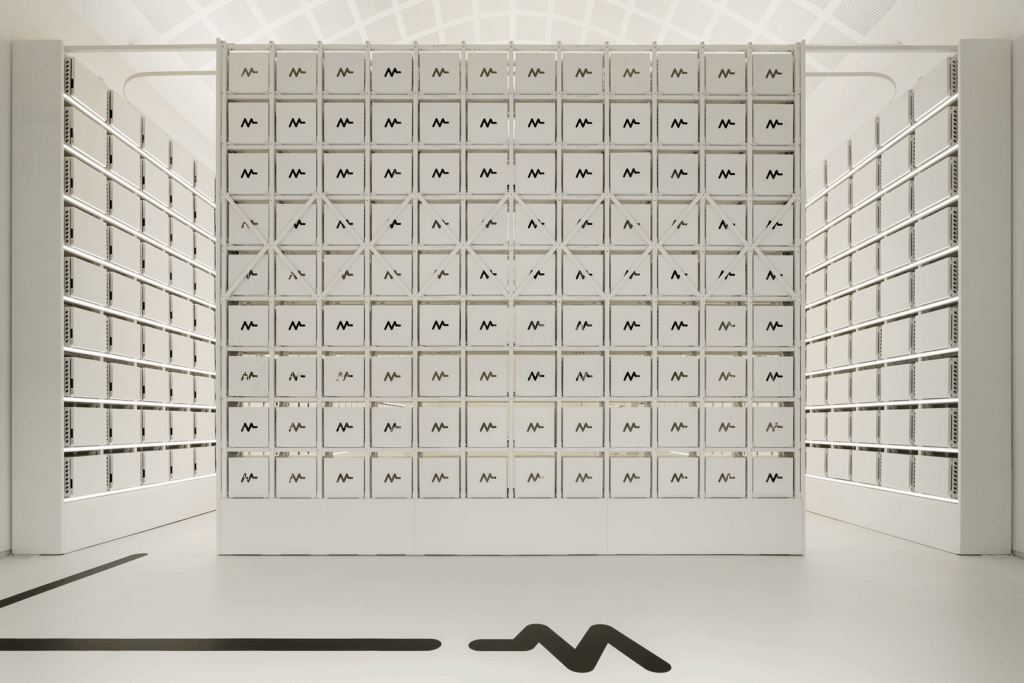
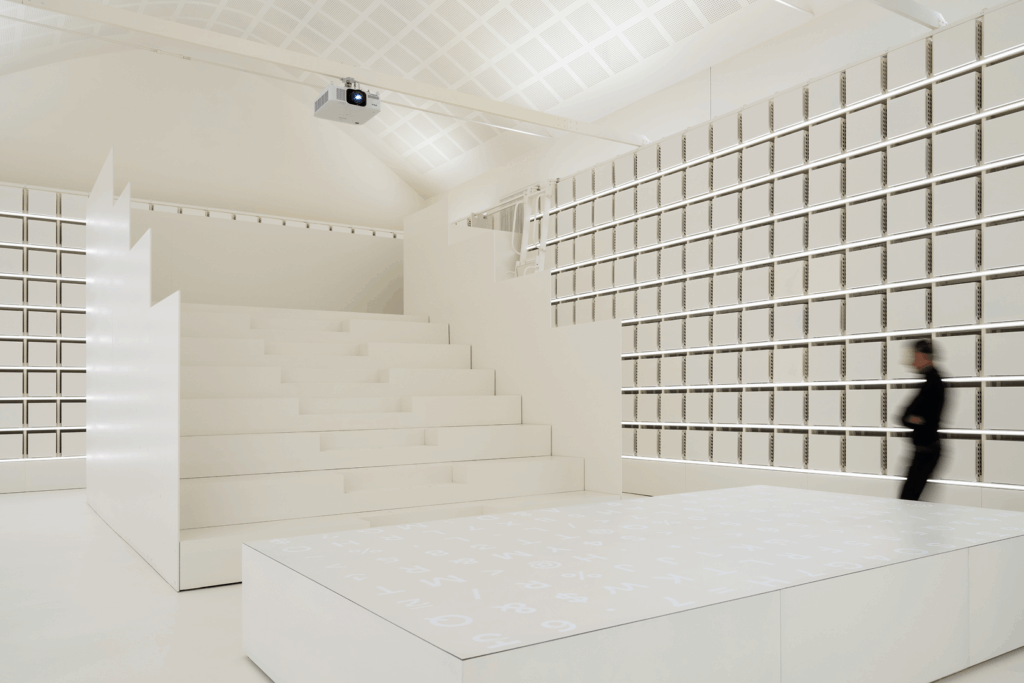
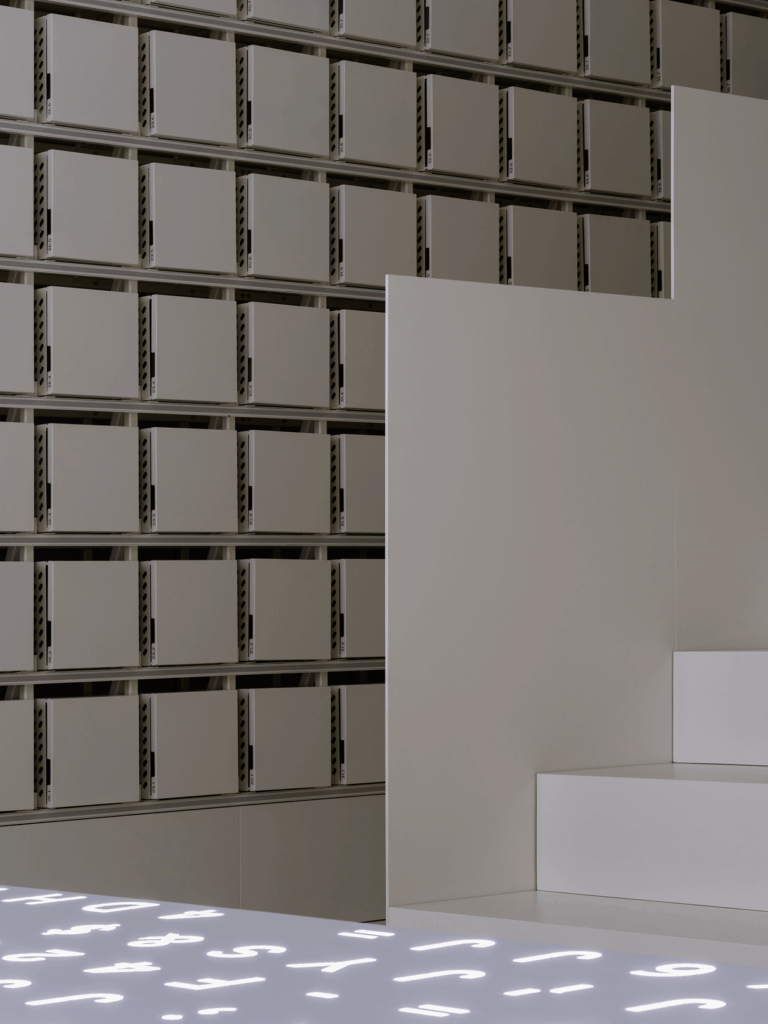
The visitor journey begins within the archive itself. Thousands of boxes containing intellectual property related to acrylic fiber—the precursor to carbon fiber—are arranged as a three-dimensional matrix. Enhanced by digital interfaces and overlays, this archive becomes navigable, readable, and interactive, turning stored knowledge into an active landscape of ideas.
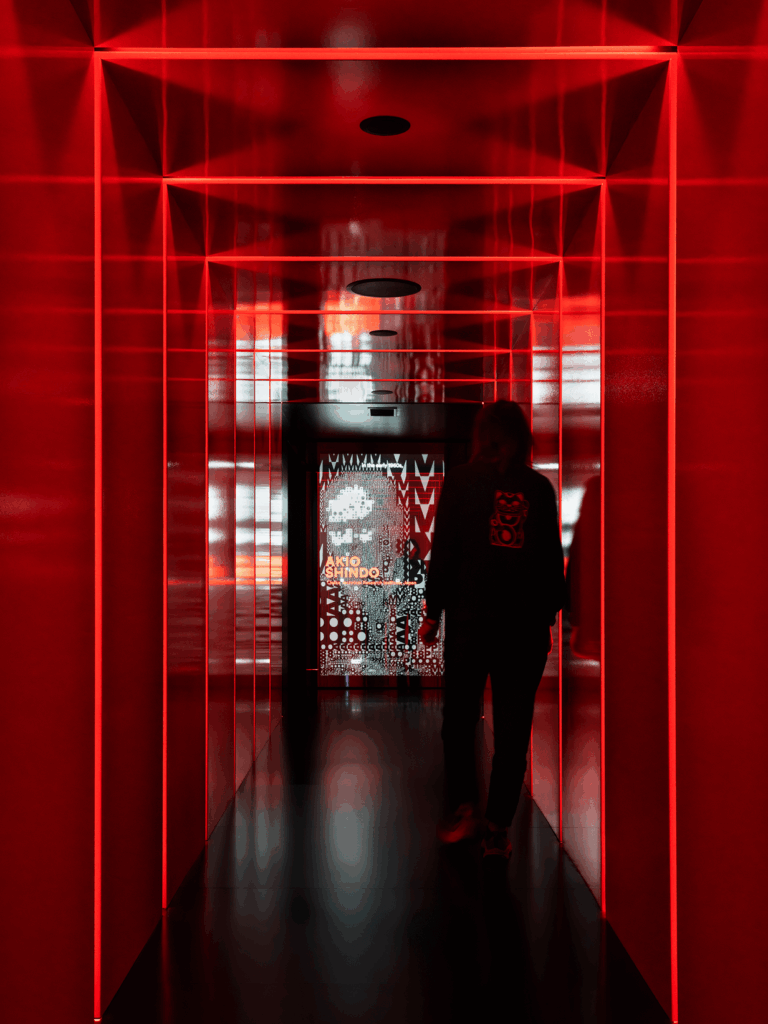
From there, the experience moves into the Carbonization Tunnel, a dramatic architectural passage where light, heat, and spatial compression translate the transformation of acrylic fiber into carbon fiber into a multisensory environment. Here, architecture acts as a narrative device, embodying pressure, alignment, and release—the same forces that give carbon fiber its exceptional strength.
Italo Rota and a shared architectural vision
As one of the final collaborations between Italo Rota and Carlo Ratti, the MAE Museum carries forward a shared vision of architecture as a cultural interface. Rota’s influence is felt in the theatrical sequencing of spaces and the museum’s emphasis on storytelling through technology, material, and atmosphere.
This partnership continues a lineage of joint projects by CRA and Rota, including Milan’s MEET Digital Culture Center and other hybrid cultural spaces that merge media, architecture, and public engagement.
A leading voice in contemporary urbanism, Carlo Ratti sees cities as dynamic systems shaped by people, data, and culture. In our dialogue, he unpacks network-specific design, architectural beauty, and the fragile balance between innovation and privacy.
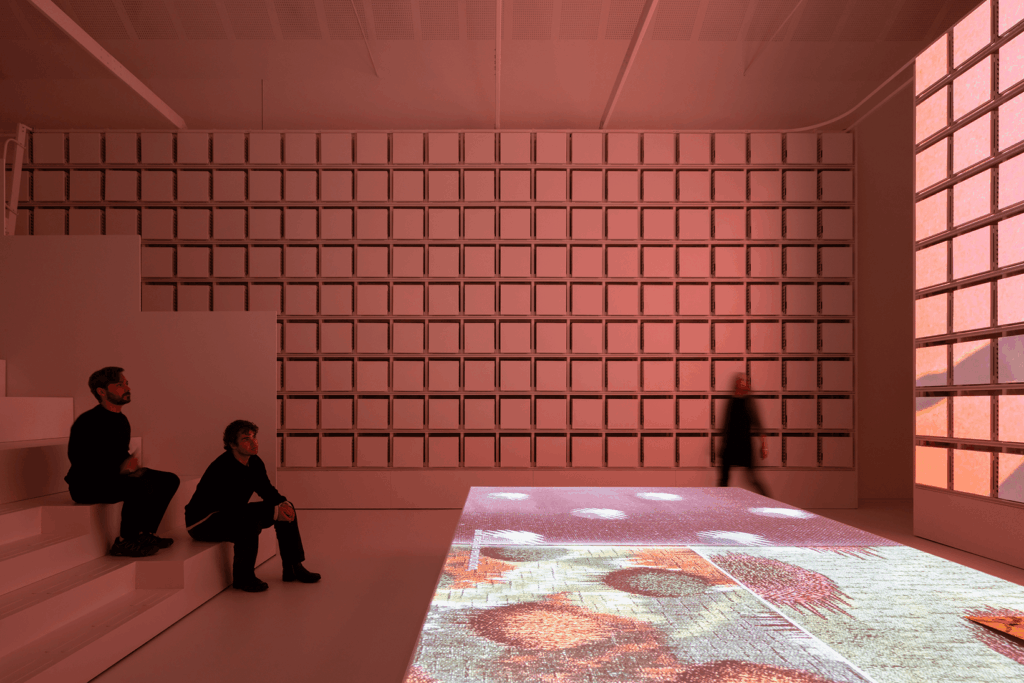
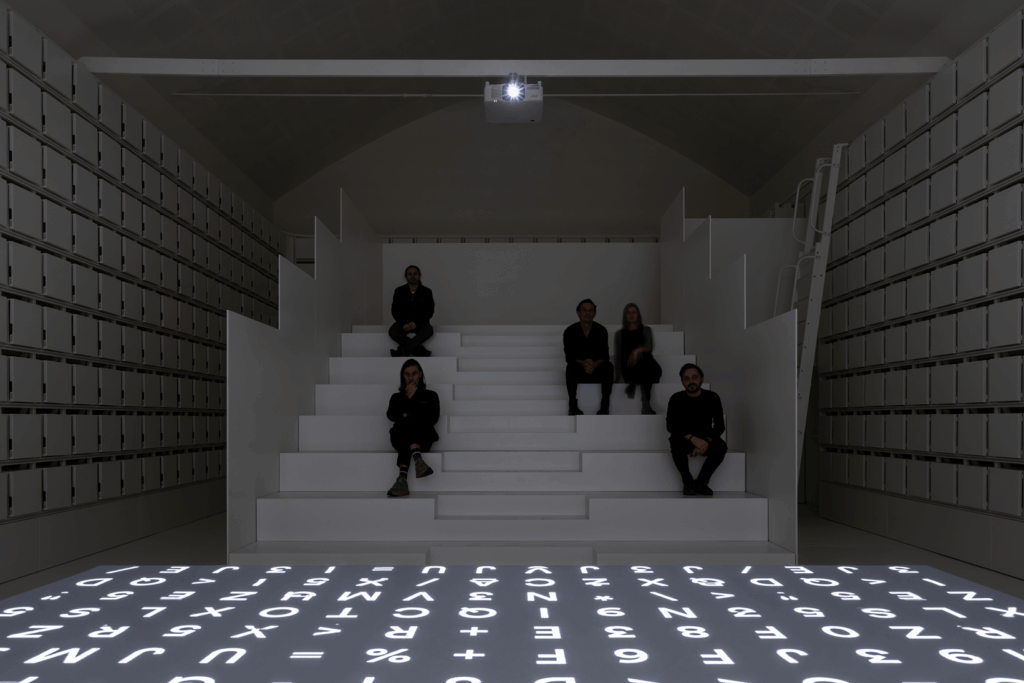
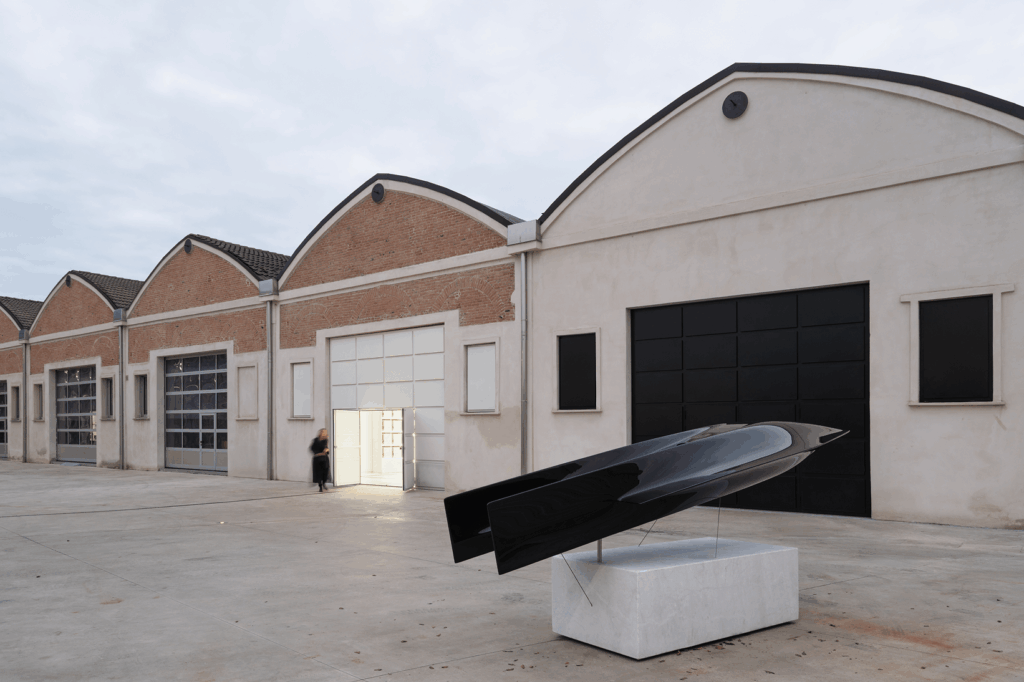
FROM HIDDEN ARCHIVE TO LIVING MUSEUM
Photography courtesy of GIUSEPPE MIOTTO and MARCO CAPPELLETTI STUDIO