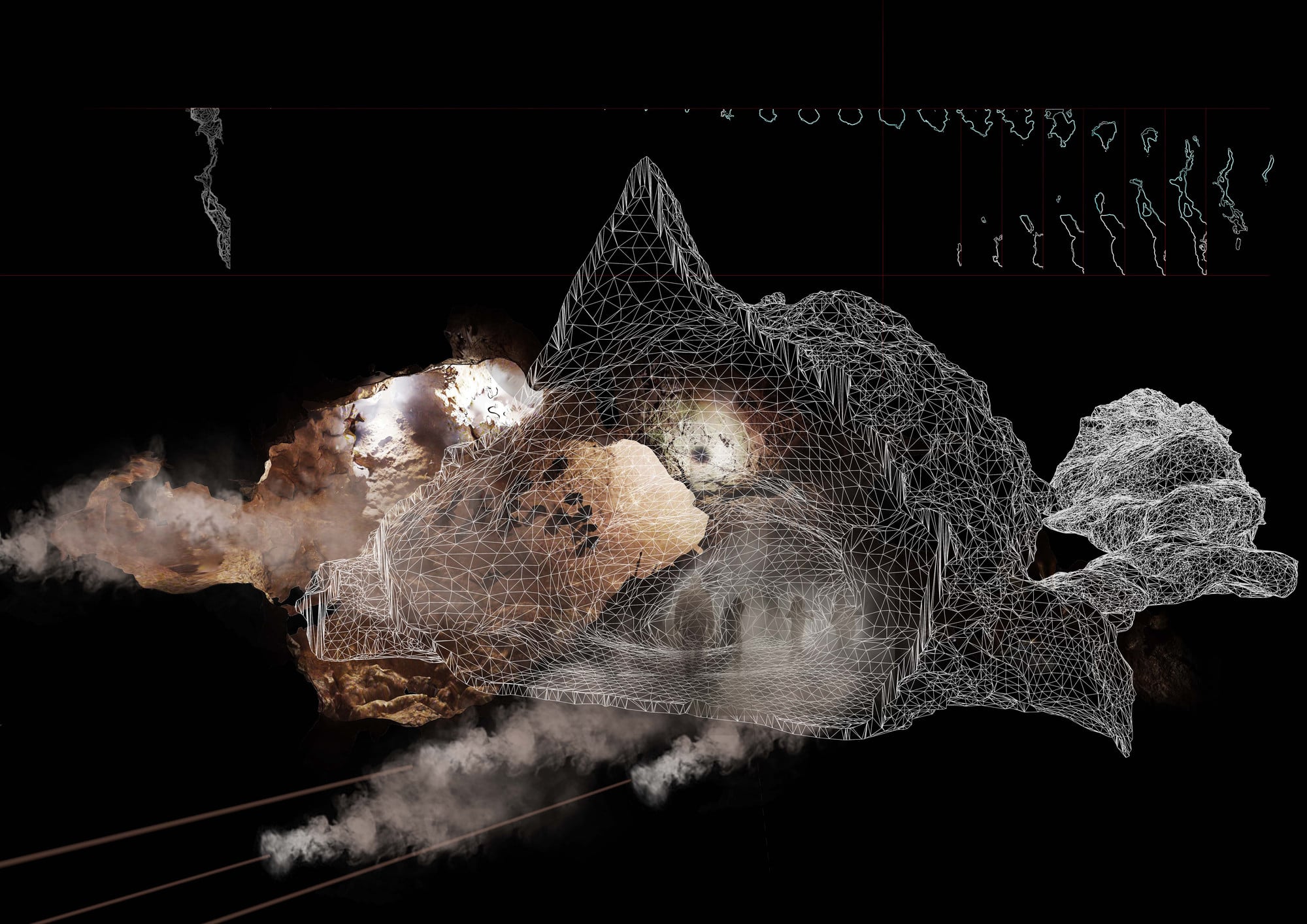
At the Museum of Modern Art in New York, Down to Earth brings Bruno Latour’s vision into conversation with contemporary architectural practice, opening a reflection on design within a “more than human” condition. Presented in Gallery 216, the exhibition examines how architecture is being reshaped through its renewed proximity to the planet’s surface.
Projects across landscapes, species, and futures
The works trace a clear departure from modernist elevation, turning instead toward soil, climate, and living systems as active collaborators in spatial thinking. The ground is no longer treated as inert support but as an engaged participant in architectural thought.
Six projects span speculative and realised environments across different ecologies: flood-adaptive housing in Bangladesh coexisting with livestock, elephant sanctuaries in Thailand, and land-restoration schools that invite vegetation and insect life back into depleted terrain. Elsewhere, proposals for caves in Kenya and structures conceived for nonhuman species extend the field of design beyond human priority.
Framed through the notion of the “critical zone,” the exhibition situates architecture within a thin, interdependent layer between rock and atmosphere, where ecological pressure and life systems intersect. In this context, building becomes an act of negotiation across species, materials, and time.
Organised by Evangelos Kotsioris and Paula Vilaplana de Miguel with MoMA’s Department of Architecture and Design, the presentation extends into public programmes and digital formats, reinforcing architecture as a practice grounded in relation rather than separation.
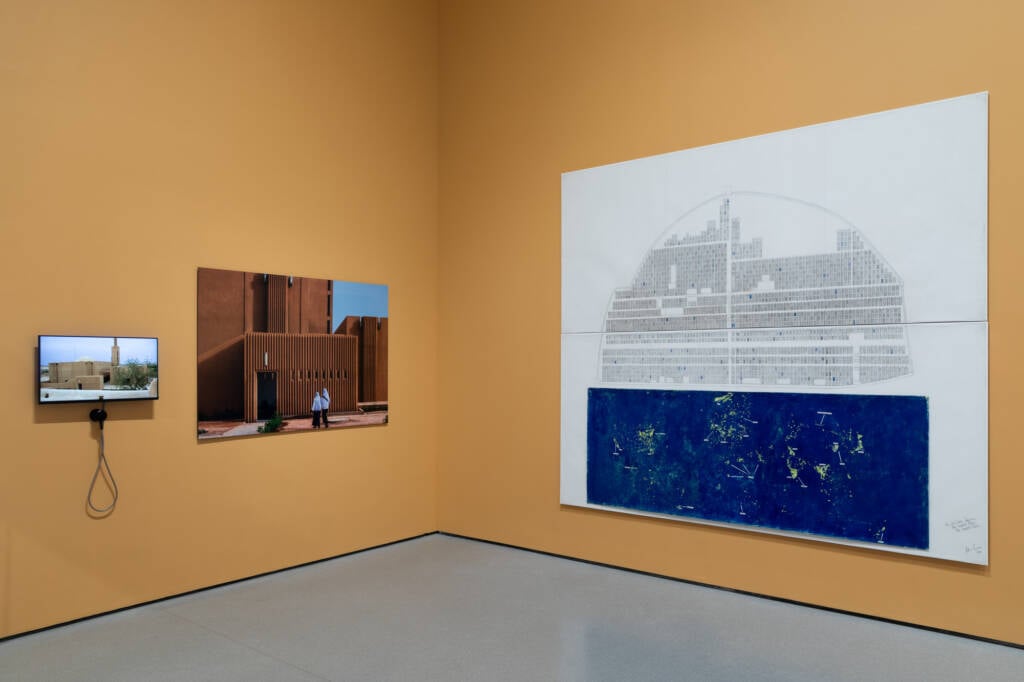
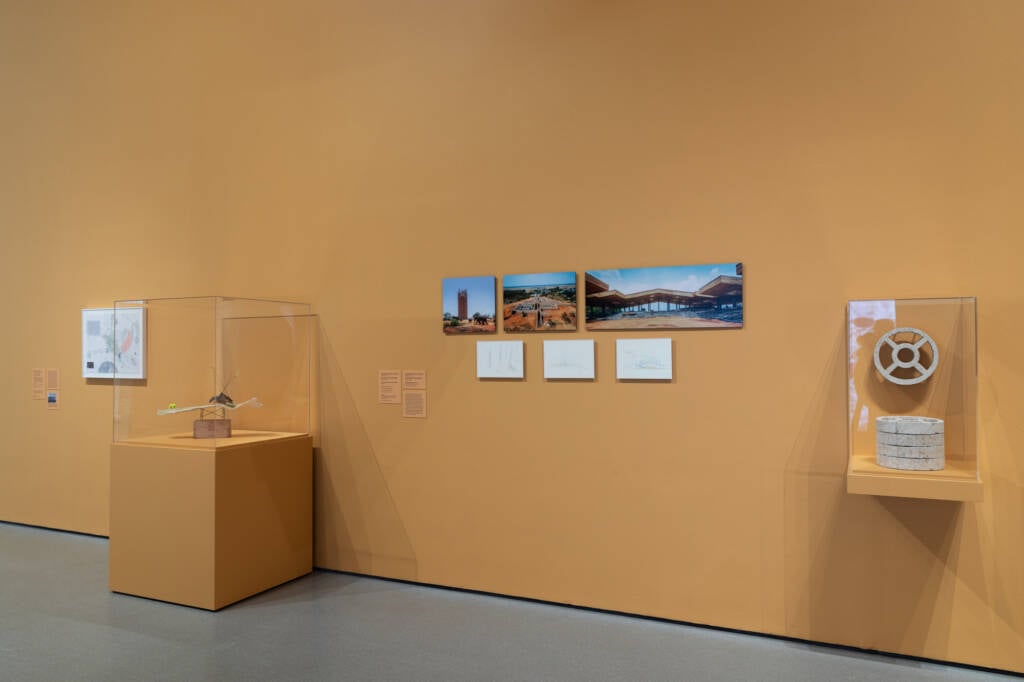
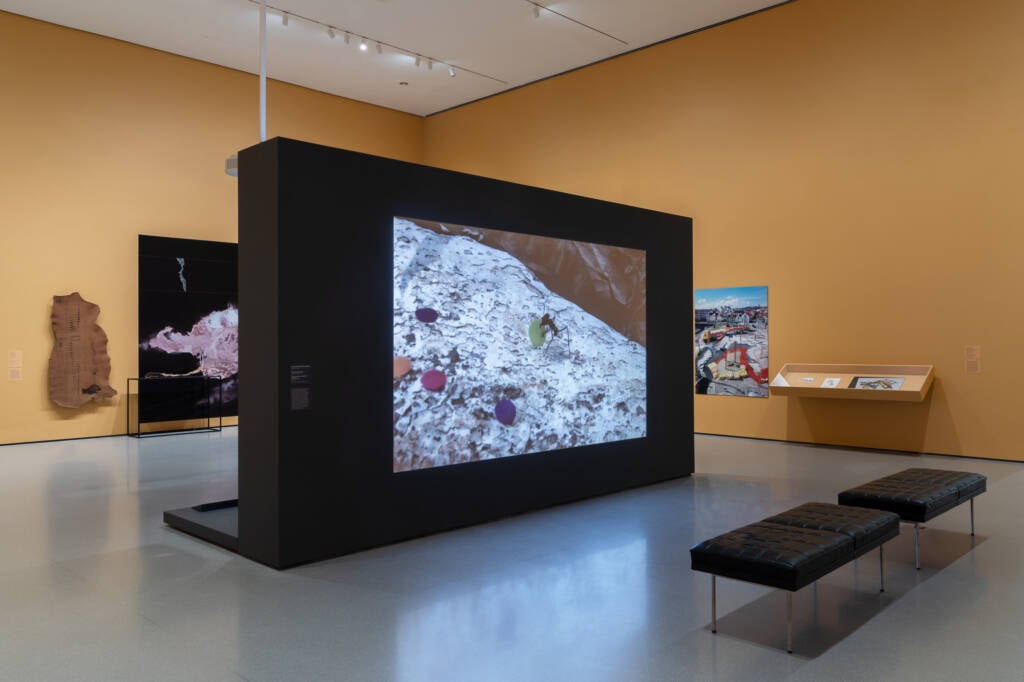
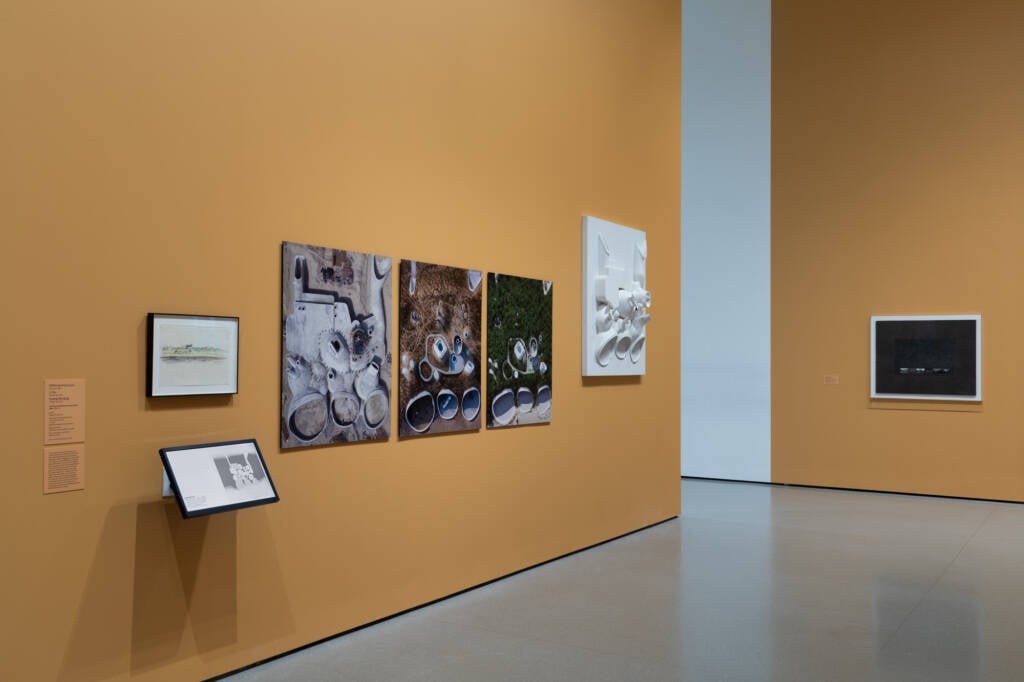
Installation view of the gallery Down to Earth in the exhibition Collection 1980s–Present
November 22, 2024–ongoing. Photographed in December 2024. IN2569.216.5
Photography by JONATHAN DORADO