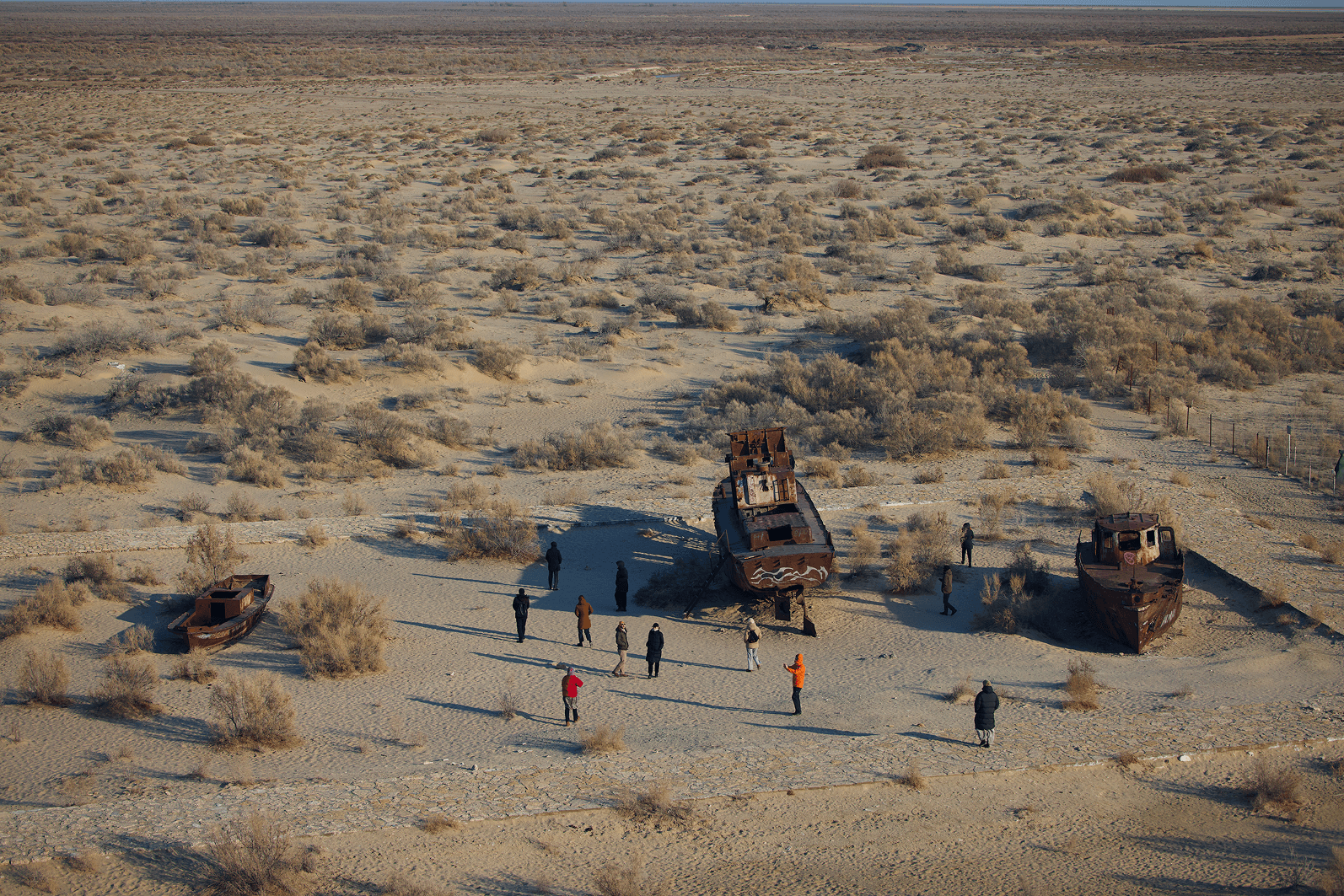
In Nukus, Karakalpakstan, the Aral School is testing a different model of education: one rooted in a specific territory, its histories and knowledge systems, and directed towards questions with a tangible impact on local life.
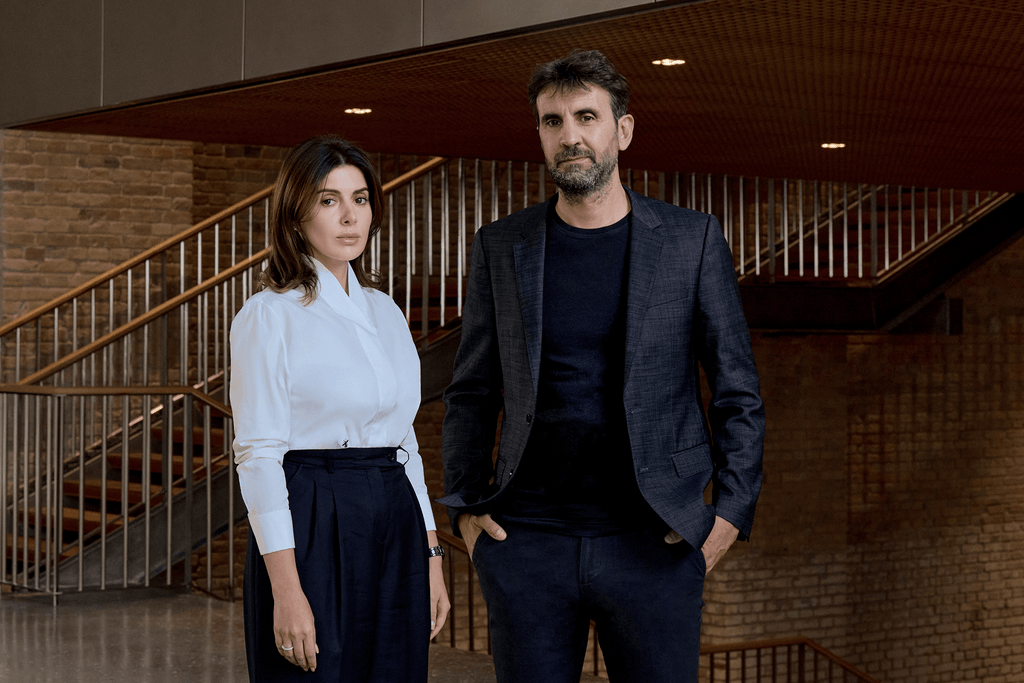
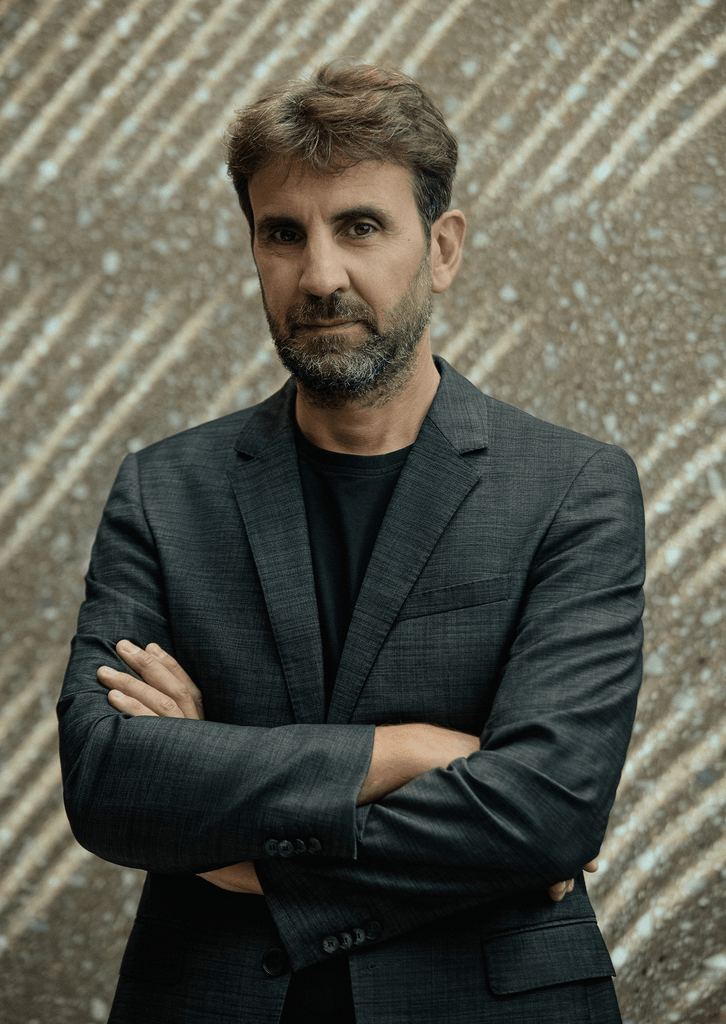
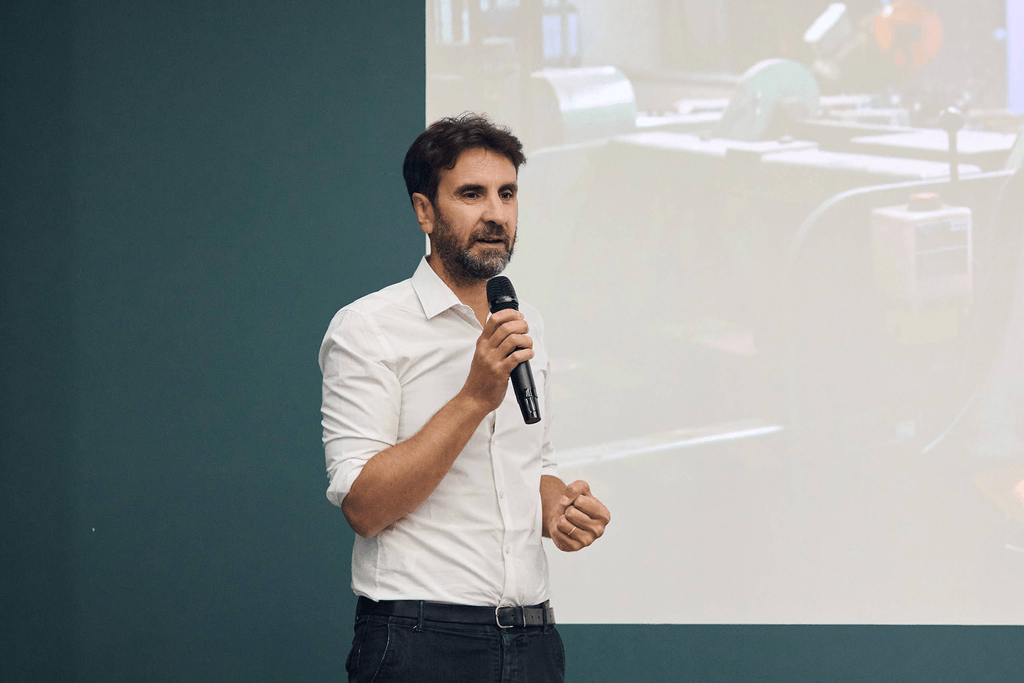
Established by the Uzbekistan Art and Culture Development Foundation (ACDF), chaired by Gayane Umerova, the interdisciplinary postgraduate programme responds to the ecological and cultural shifts of the Aral Sea region. Its second cohort, running from January to June 2027 under the theme Climate and Landscape, will unite designers, architects, scientists, ecologists, engineers and researchers from Uzbekistan, Karakalpakstan and beyond. Joseph Grima, the architect, curator and writer, has been appointed Programme Director.
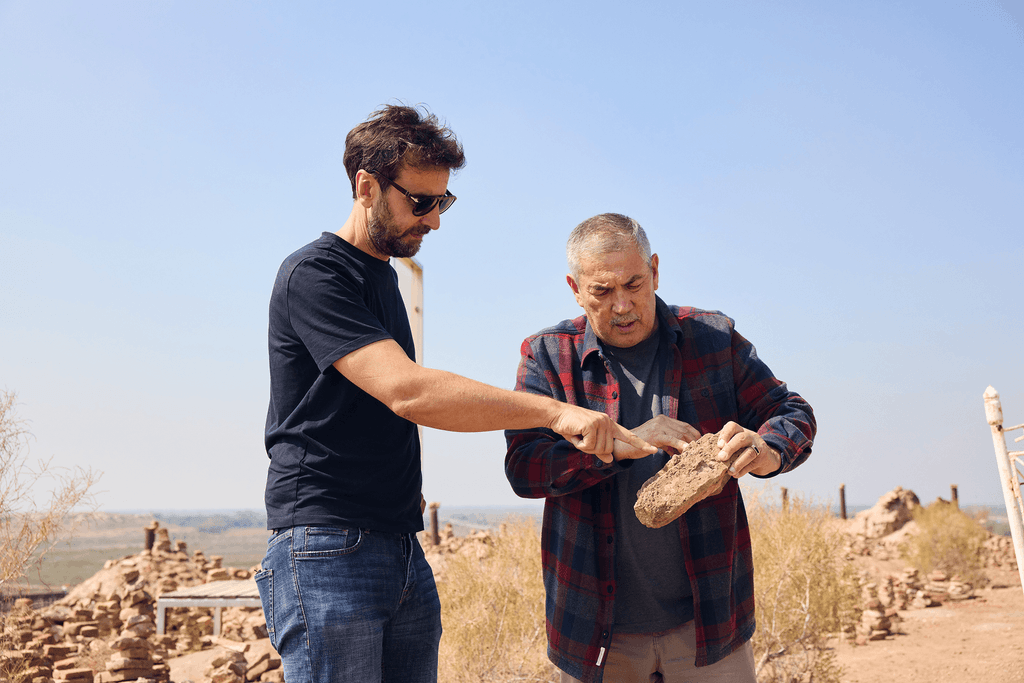
For Grima, the School suggests another kind of educational institution: closer to a task force than a conventional school or residency, with learning taking place within the environment itself. It is a model particularly suited to a territory as layered as Karakalpakstan.
Reading a territory through its layers
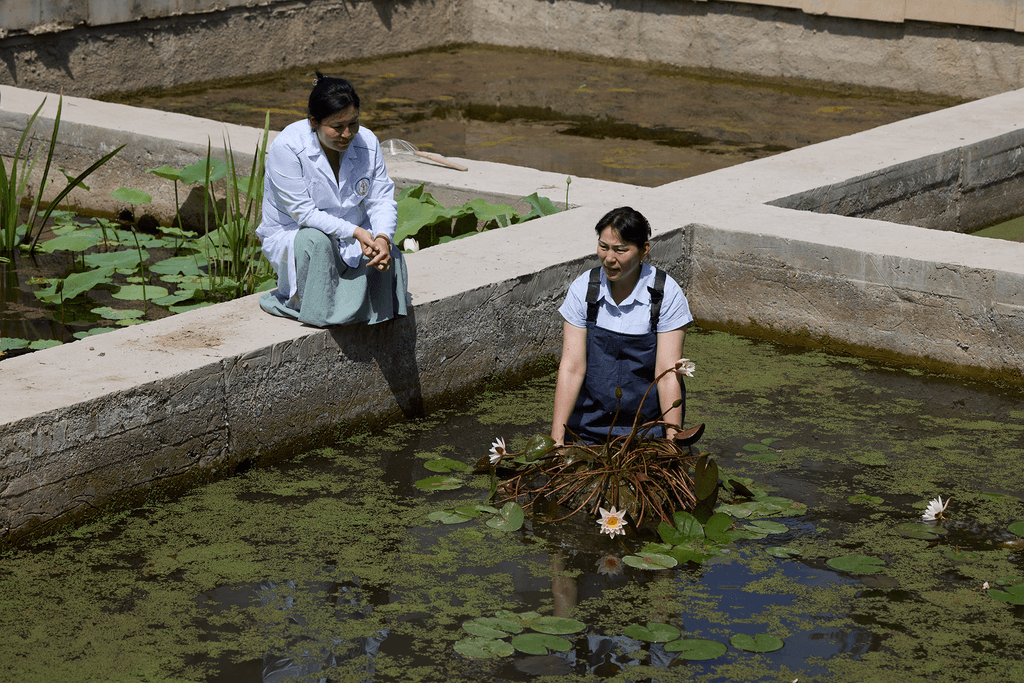
The Aral Sea region cannot be understood solely through ecological catastrophe, although the disappearance of the sea remains one of its defining realities. Once the world’s fourth-largest inland body of water, the Aral Sea has dramatically dried up and salinised over the past fifty years, with consequences for the region’s ecology, economy, culture and public health.
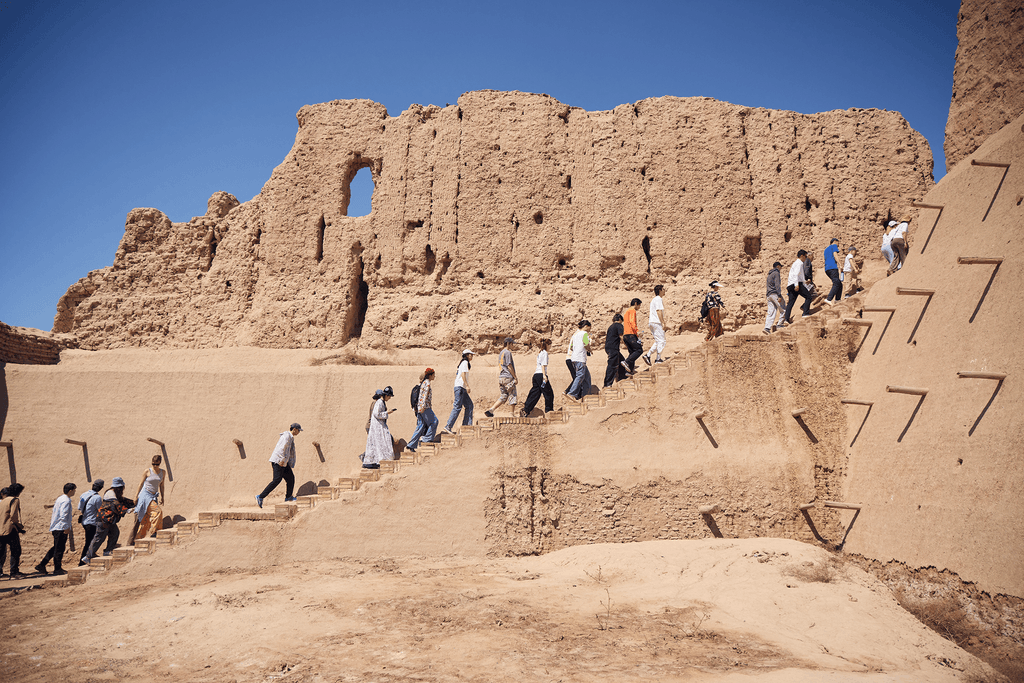
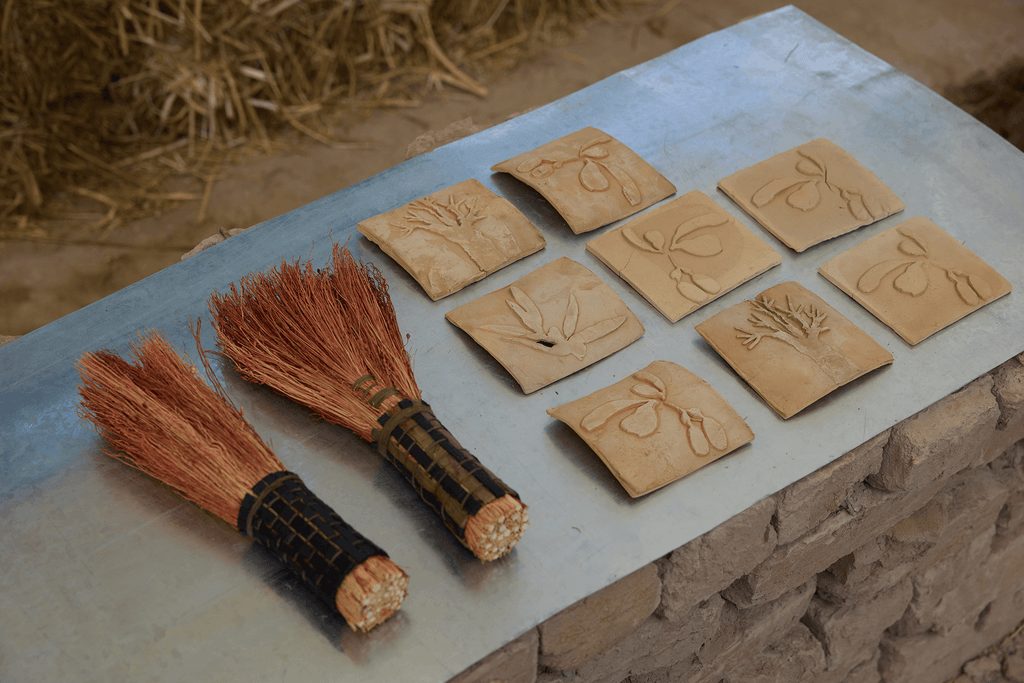
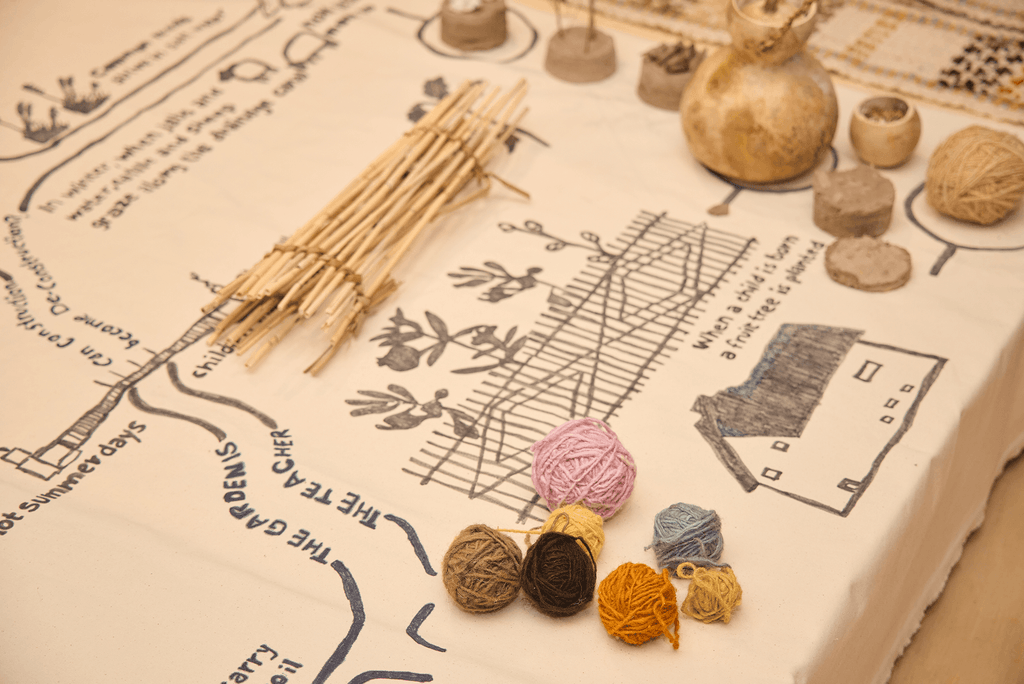
Yet Karakalpakstan is also a landscape of accumulated histories, symbols, traditions and forms of knowledge. A motif carved into a building may carry an entire chain of meaning: a material technique, a way of working with the landscape, or a story passed between generations.
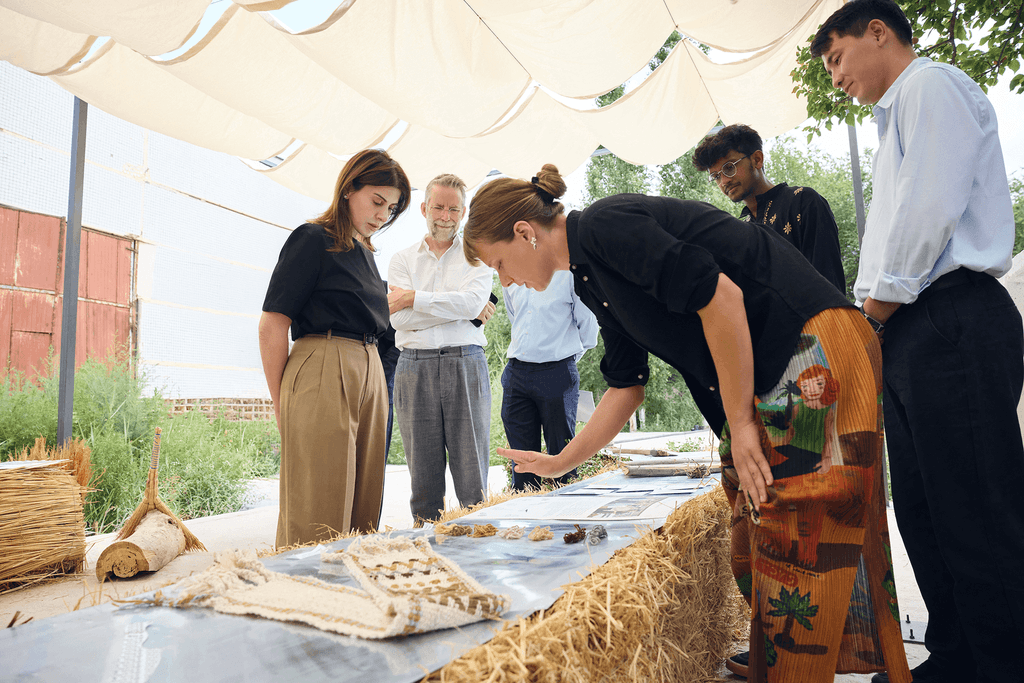
Much of this knowledge cannot be preserved through documentation alone. It lives in gestures, conversations, observation and practice, sustained through relationships between those who know and those who are learning. Knowledge transfer therefore becomes a form of preservation.
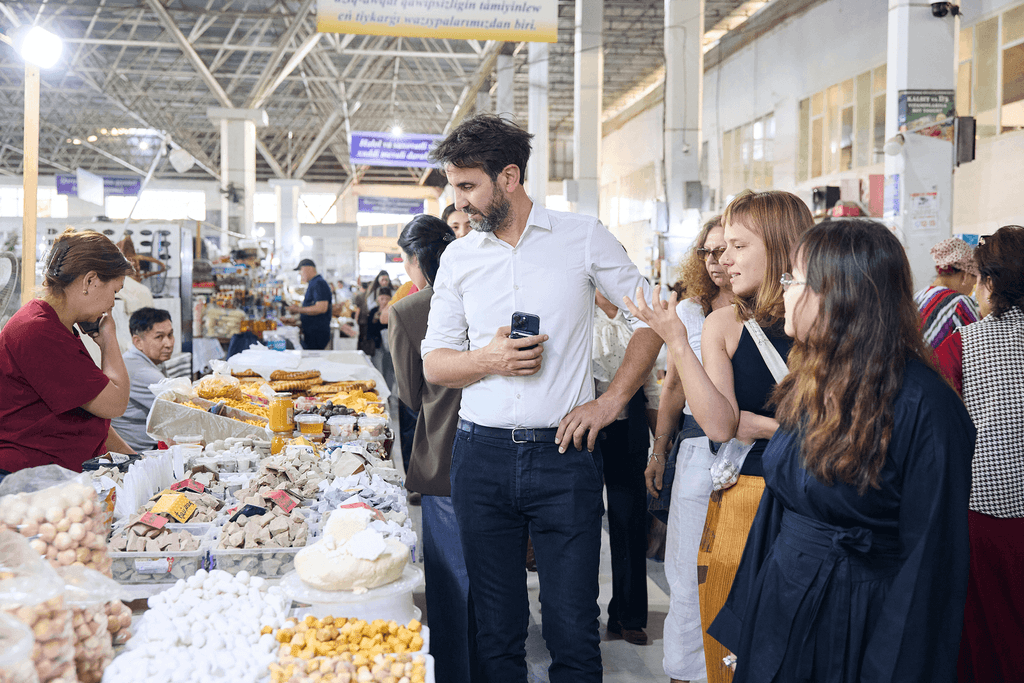
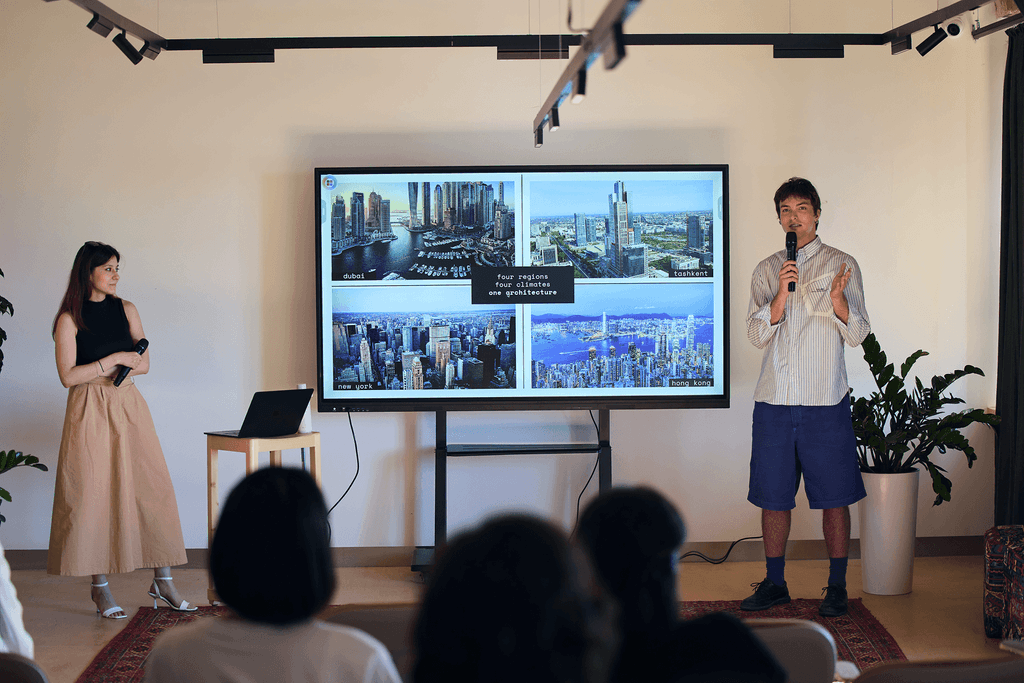
The Aral School places regional knowledge in dialogue with international expertise. For Grima, the relationship between local and global perspectives is fundamental: the aim is not to replace one with the other, but to create an exchange in which each can alter how the territory is understood.
There is also value in allowing people who already belong to the region to look at it anew, with the curiosity of someone encountering a familiar landscape for the first time.
Photography courtesy of ACDF
Photography courtesy of ACDF
Photography courtesy of ACDF
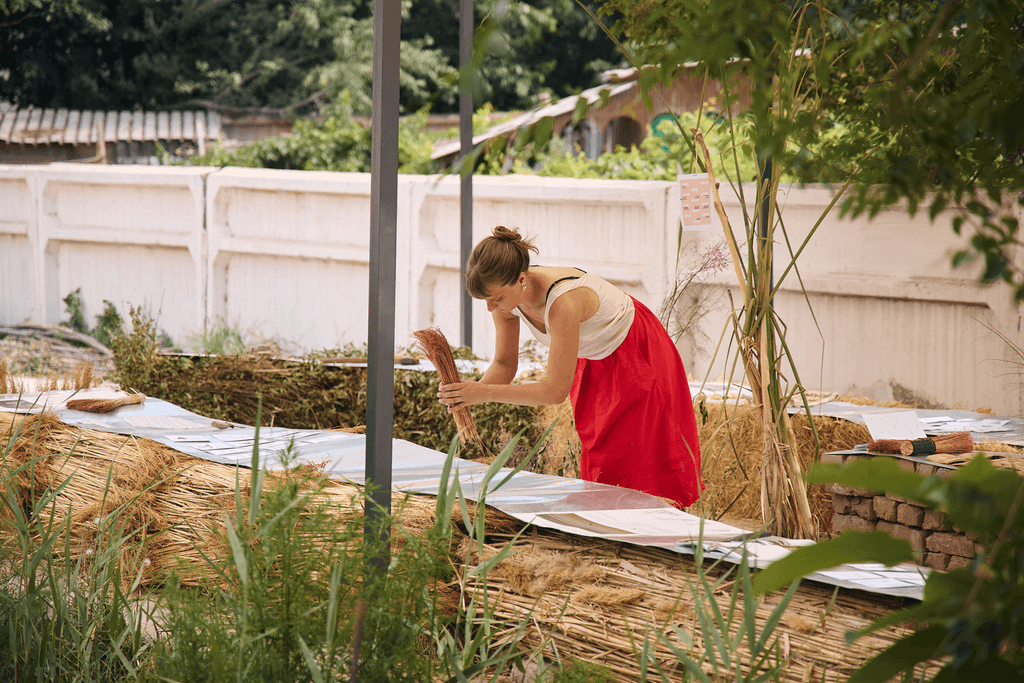
Photography courtesy of ACDF
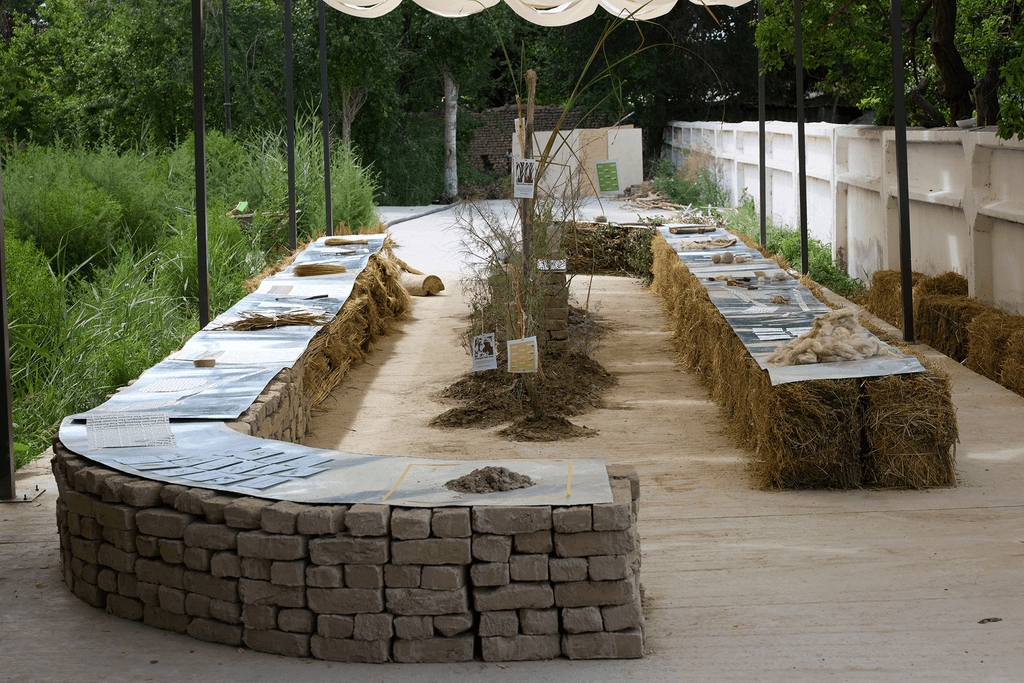
Photography courtesy of ACDF
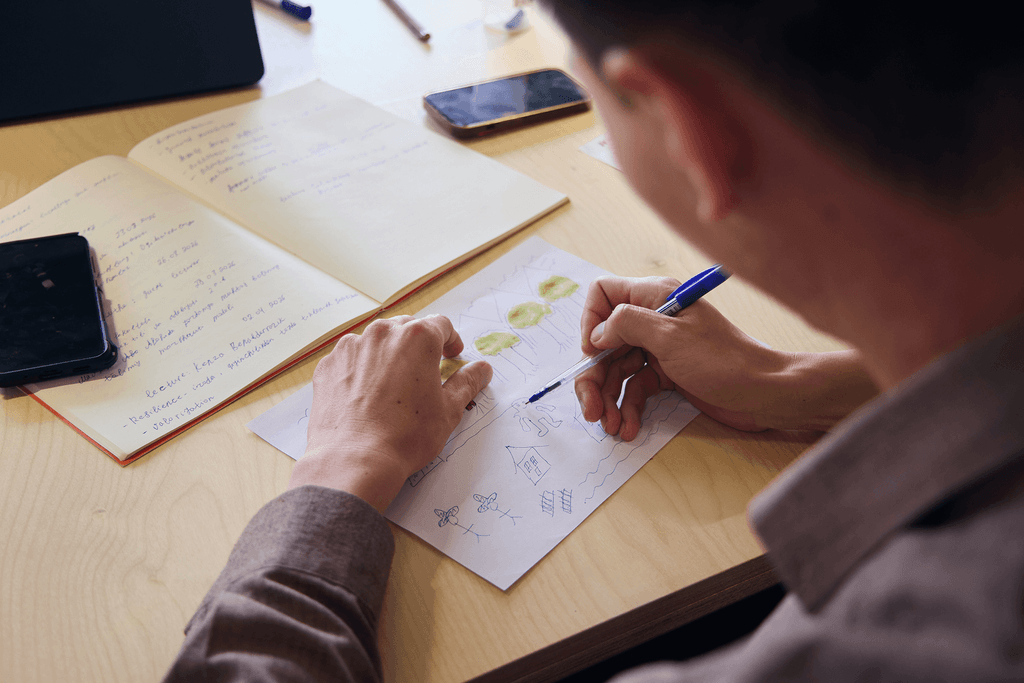
Photography courtesy of ACDF
Twenty-two participants, one unfinished conversation
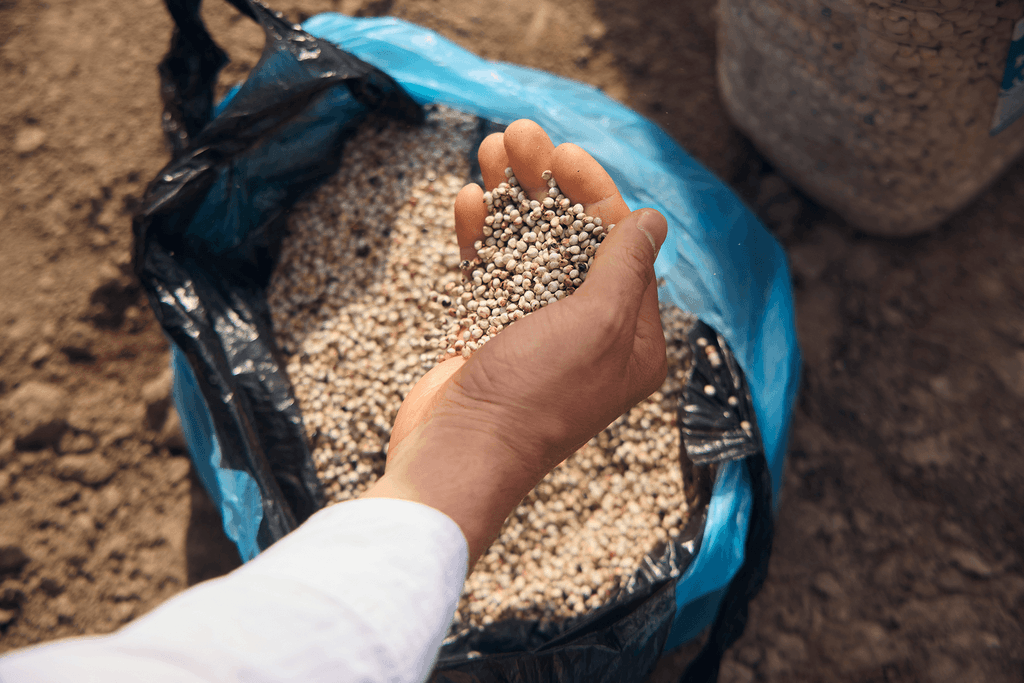
The first cohort gathered 22 participants around the subjects of water and food. Their work became an exercise not only in researching the region, but in learning how to work across disciplines.
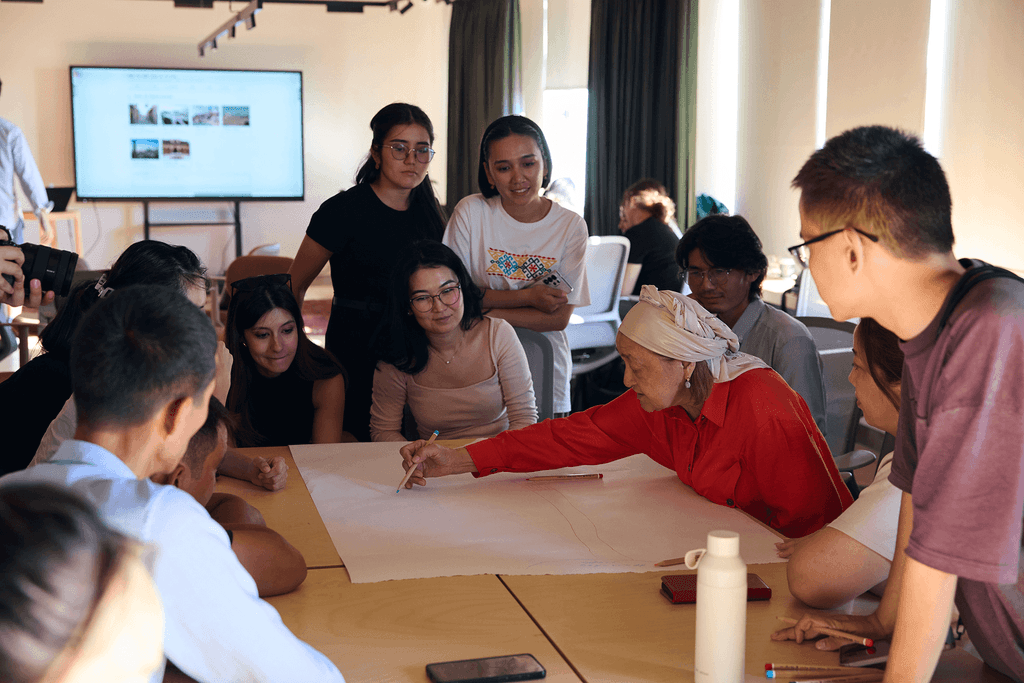
Finding a shared language was not always easy. Different fields carry different methods and ways of defining a problem, and dialogue sometimes had to be built from disagreement. Participants had to give themselves permission to make mistakes, reconsider ideas and arrive at decisions collectively.
That process became part of the education itself.
Each participant developed a project, but the projects grew from conversations, encounters with the territory and exchanges within the group. Professional and personal connections strengthened along the way, creating a network that continued beyond the end of the cohort.
One of the School’s most significant outcomes, then, is not only what its participants make, but the relationships through which knowledge can travel further.
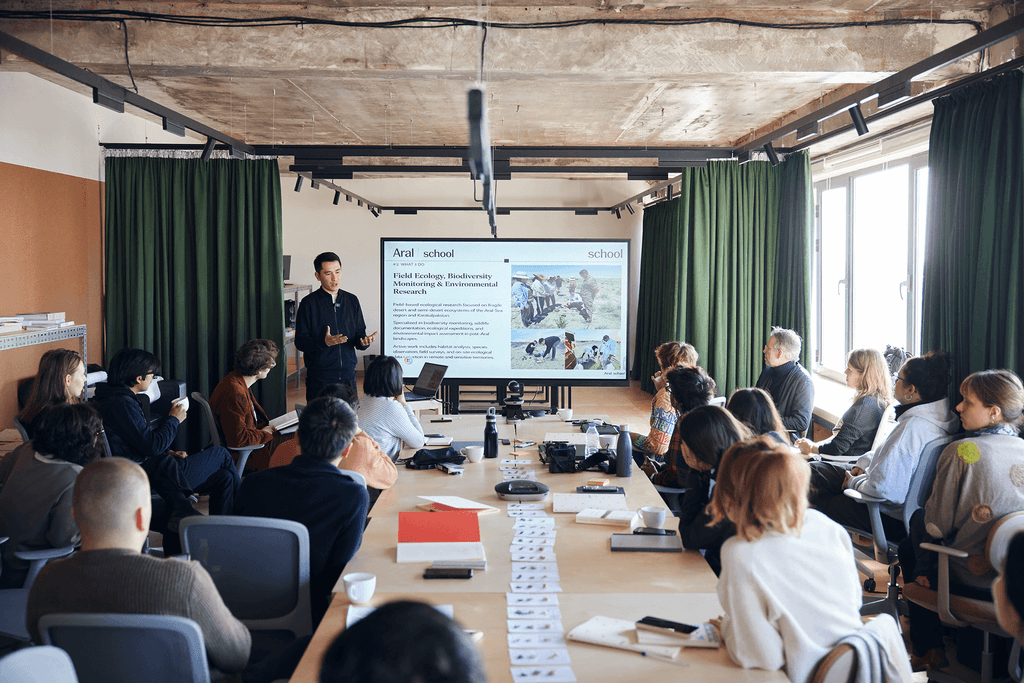
The second cohort is designed to continue that process. The Aral School Assembly in Nukus gathered alumni, mentors and the incoming programme team for three days of knowledge exchange, reviewing the first cohort’s projects and the questions they left unresolved.
For Grima, continuity between cohorts is essential. Knowledge should accumulate instead of disappearing when one group leaves, allowing the next generation to build on previous work while asking new questions of the same territory.
From one urgent question to an incubator for futures
The second cohort shifts its focus from food and water towards climate and landscape, though the subjects remain closely connected. What kind of territory produces food and water? How are these systems shaped by landscape? What can soil, wind, salt, hydrology, irrigation infrastructure and agricultural history reveal about the region?
The School approaches these questions as parts of one living system, crossing the boundaries between disciplines.
This reflects Grima’s broader educational philosophy. He describes the School as an incubator for futures: a place where people can work on urgent, real-world questions and develop responses that may extend beyond the programme itself.
His proposition is deliberately specific: instead of building another large institution attempting to speak broadly about everything, he imagines a network of smaller schools working deeply on particular questions and territories. The Aral School could become one example of this model, rooted in its own landscape while sharing knowledge with similar institutions elsewhere.
Its small scale is therefore an advantage. Specificity keeps education close to reality.
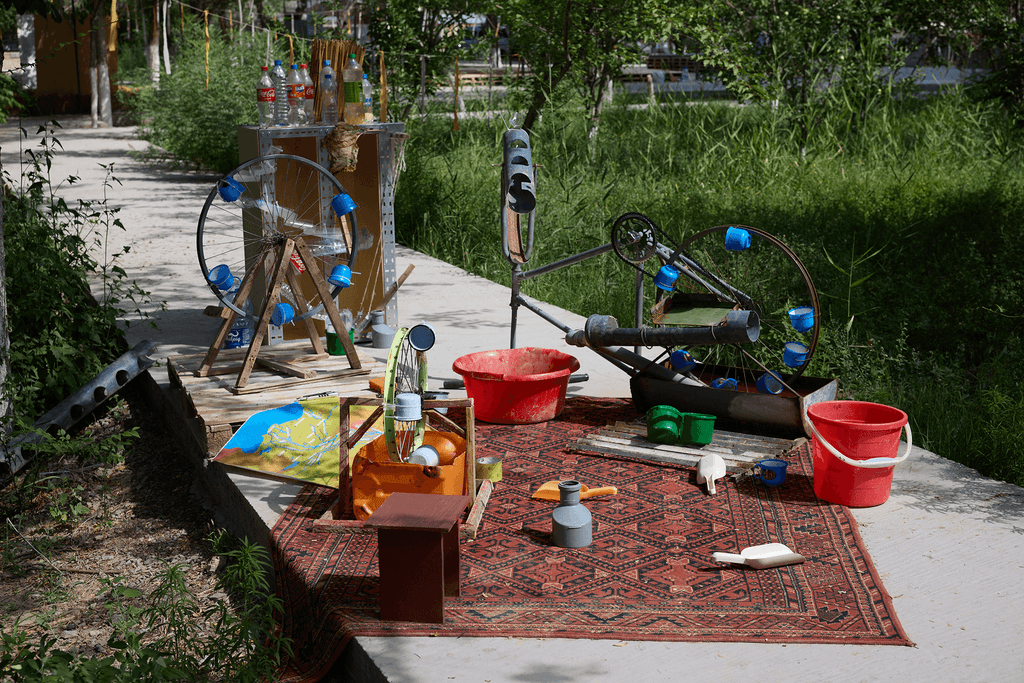
Photography courtesy of ACDF
Courtesy of ACDF
Courtesy of ACDF
Photography courtesy of ACDF
Photography courtesy of ACDF
Photography courtesy of ACDF
hube: What does education look like when the subject being studied is not an abstract problem, but a landscape that participants inhabit and experience for six months? How does being physically present in a place change what and how we learn?
Joseph Grima: I think it’s a question of how education changes. I think it’s possible to become much more effective, to really make something that, as a school, is even more powerful by providing people with the opportunity to learn because they’re working on something real. And they’re working on something that’s quite urgent and that has a real impact in reality. I think the idea of applying the school to a specific territory, to the conditions that exist in that territory, is a really fantastic idea. It’s a great intuition that came from ACDF to take its little laboratory.
And it can be replicated in many other places as well, because I think the idea of studying the Aral Sea is something that can be replicated everywhere. I can imagine a future where we have 200 Aral Schools around the world, looking at different questions and also sharing knowledge between them. It would be a very beautiful thing.
h: The second cohort moves from food and water towards climate and landscape, asking what territory produces these systems and what territory they produce in return. Why was this reversal of perspective important to you, and what does it allow us to see that a more conventional approach might overlook?
JG: I think these themes, always, they’re like an entry point, a point to come into the subject. But in the end, we understand that they’re always connected, connected between them. It’s not possible to talk about landscape without food. It’s not possible to talk about climate without water. They should be a starting point, but then we need to really work on the connections between these points.
I think the power of this approach is that it allows us to really consider the reality of this landscape and to really find some sort of material expression of it, to frame it within the reality of the Karakalpakstan context, which sometimes design schools are a little bit abstract. They’re talking about everything, they’re talking about nothing. Here, I think what is super interesting is the specificity.
h: Does it make us think about some kind of connection between ideas from the first cohort and from the second cohort? Is it possible in your opinion?
JG: For sure. We have to really work hard to make these connections, to make sure we don’t lose knowledge, to pass it on, because if the ones who come afterwards are building on what was made before, then it’s, of course, more powerful. So it’s not just possible, it’s necessary, and it’s very important.
h: Can landscape itself be understood as a kind of archive — one that records political decisions, economic systems, technologies and human behaviour? If so, what can we learn from reading a landscape in this way?
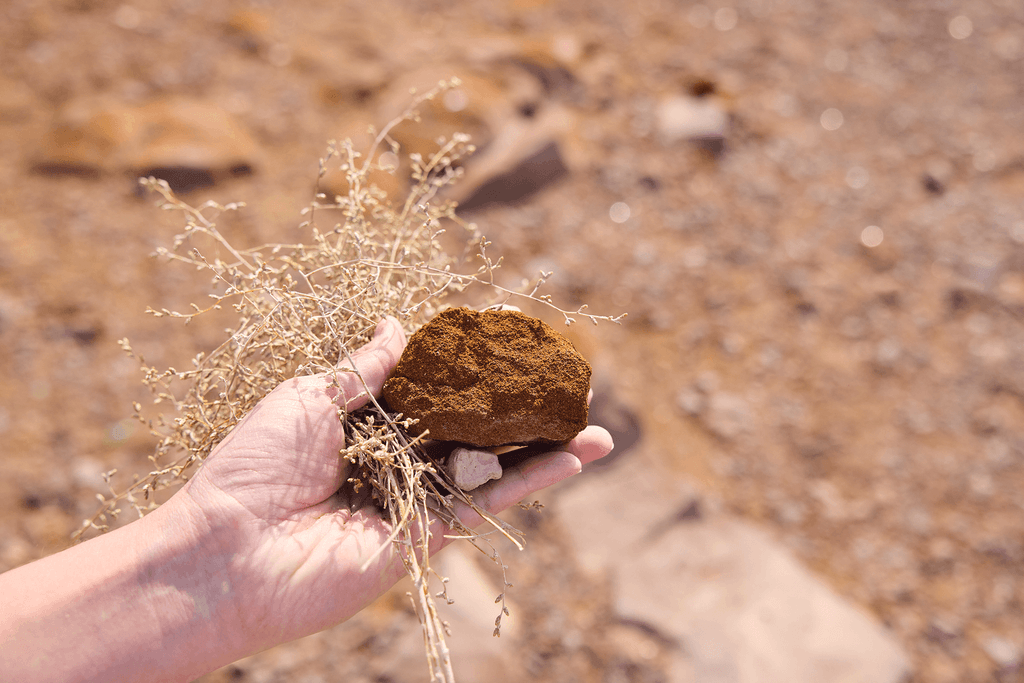
JG: I think the landscape is inevitably an archive. Whether we like it or not, the landscape carries the marks of all of the activities, all of the conditions that exist around it, of everything that has happened. So we have to accept that that is the case, but what we need to do is learn how to read it. Because the archive exists, but if you don’t understand the language, then you aren’t able to learn from it.
So I think that’s what we’re trying to do: learn this language, to be able to read the landscape, understand it, and then be able to take that knowledge and reapply it in other ways. But it’s really true: the landscape is really, I think, at the centre of our school idea.
h: You have spent much of your career questioning what design can do in response to ecological and social transformation. What does “design” mean when the object being designed is not a building or an object, but a relationship between humans, resources and a territory? Does this require us to rethink the role of the designer altogether?
JG: It’s really completely true. I think that design, we have an assumption that design is about creating objects, but it’s absolutely not. It’s about understanding what the problems or challenges are, being able to recognise them because sometimes it’s not obvious, and then being able to propose strategies to deal with them. What are the needs of our time, and how do we address these needs?
In our time, I think it’s really clear that the most urgent needs are really on a big scale, not so much on a small one. And we, therefore, need to develop, to take the methodology developed through design and apply it to this question. It’s about landscape and so on, the largest-scale questions.
I mean, I think the thing about designers and also architects is that people are good at working with big teams, at coordinating different types of knowledge to bring them together. And that’s what I think the Aral School is all about.
h: You describe the School as being built on regional knowledge and on institutions already working in the region. How do you decide when an international practitioner should introduce a new perspective — and when they should simply listen, observe and learn?
JG: I think the question of the relationship between the external and the internal, the global and the local, is one of the fundamental questions for Aral School.
In our time, I think it’s not possible to think only locally. It’s very important to think locally, but everything has to be connected to the outside. So, this formula of having a sort of 50/50 mix of people from the region and people from the global stage is potentially very powerful. It really makes the balance of the school work, to be able to take a regionally grounded approach, but also to be really kind of like connecting with the social reality of the place, while also bringing in a different, outside view. Because sometimes when you’re too much on the inside, you lose perspective; you start to look too much at the small, local things in the same way.
And we need to take a fresh look from the outside. So our hope is that even people who are coming from the region, who are local to this place, when they become part of the school, it’s like they come for the first time. They learn to look again at the landscape.
h: How do we create futures that are not simply imported from elsewhere, but emerge from the specific ecological and cultural intelligence of a place? And what might the Aral region teach us about imagining futures on its own terms?
JG: I think it’s the same point about learning in this place. I think this question about what the landscape has to teach us about the future is very important. We plan to really try to learn to listen to the landscape, and fieldwork will be very important, but also connecting to the people who have already spent many years of their lives working on the reality of this region, like Christina Tardovich, who we heard from today.
We really want to bring them in to have a new start, to be able to start with all of the knowledge that they already have, rather than starting from scratch.
Making space for knowledge to continue
The Aral School’s experiment extends beyond six months of study or the completion of an individual project. Its deeper proposition is that education can create conditions for knowledge to move between generations, disciplines, places and people — from one cohort to the next, from local practitioners to international participants and back again.
In a region where the landscape itself acts as an archive, this exchange is especially powerful. The task is not simply to record what exists, but to learn how to read it and carry that knowledge into new forms.
The first cohort showed that this process can begin with 22 people who do not always share the same professional or intellectual language, but are willing to remain in dialogue long enough to find one. The second cohort now opens that dialogue to new participants and questions, with another six months of living and learning in Karakalpakstan.
Perhaps the School’s purpose lies not in promising a single answer to an enormous ecological crisis, but in creating a focused space where different forms of knowledge can meet, mistakes can become part of learning, and relationships can carry ideas into the future.
The Aral School is therefore studying not only the future of a landscape, but what the future of education itself might look like.
Photography courtesy of ACDF
Photography courtesy of ACDF
Photography courtesy of ACDF
Photography courtesy of ACDF
Photography courtesy of ACDF
Courtesy of ACDF