As part of its ambitious Maison Margiela/folders initiative, Maison Margiela unveiled the Bianchetto: Atelier Experience in Shenzhen on April 11th–12th, 2026. This event placed the Bianchetto technique—one of the house’s most iconic gestures—at the centre of an immersive, participatory format rooted in the Maison Margiela archive.
An immersive atelier in Shenzhen
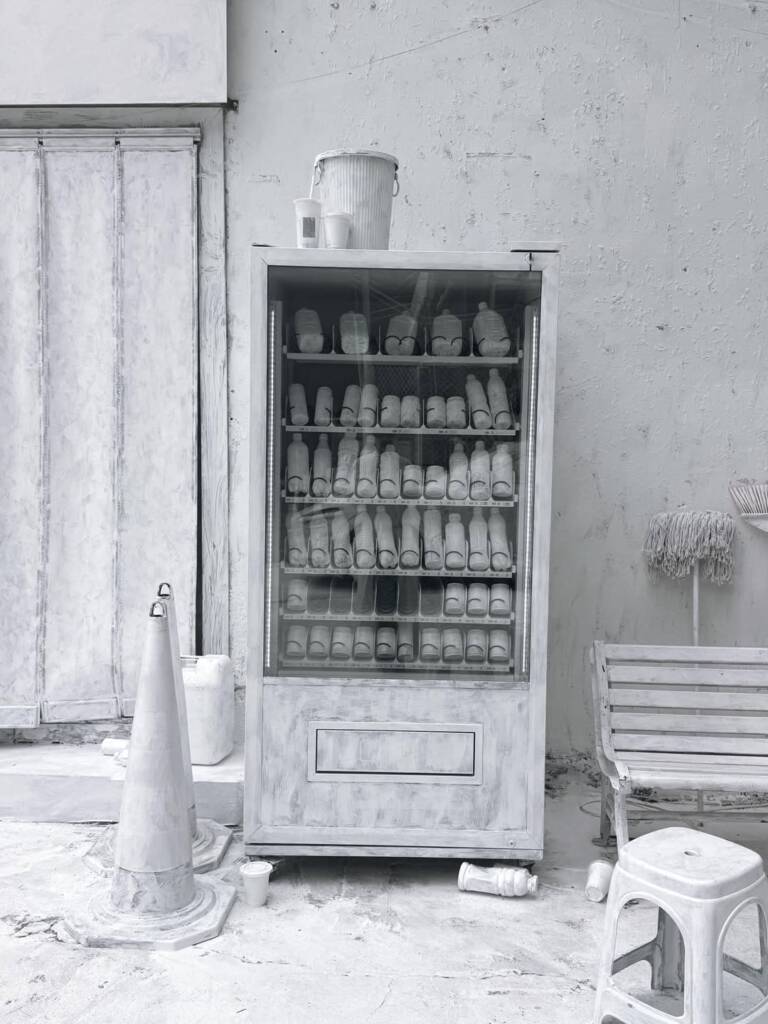
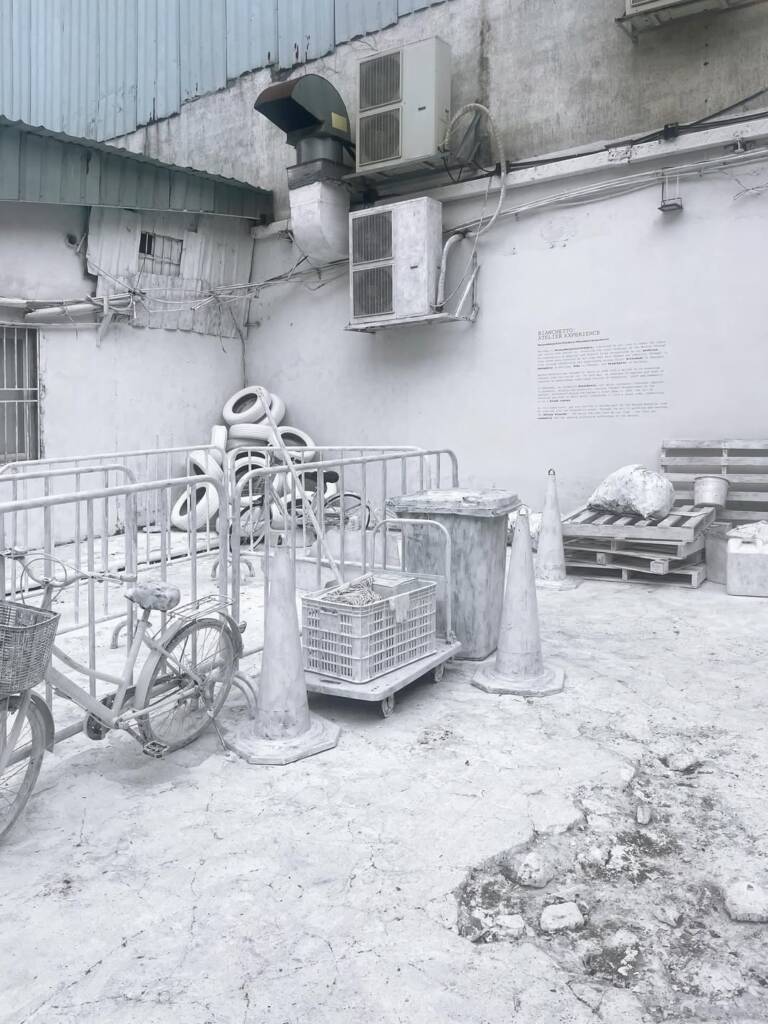
First introduced in 1989, the Bianchetto technique is a signature white overpainting process that transforms garments into blank canvases with visible brushstrokes that preserve gesture and history. In Shenzhen, this concept is brought to life: participants are invited to bring a personal item of clothing and reinterpret it with the help of the Maison Margiela Atelier team.
Each piece is stripped back and redefined through layers of white paint, ultimately becoming part of the house’s visual language marked by the iconic four white stitches. The scenography, conceived by OMA and produced by La Mode en Images, enhances the experimental nature of the project by turning the process into a performance.
MaisonMargiela/folders across China
The Shenzhen experience formed part of a wider cultural programme that took place across multiple cities in April 2026 under the Maison Margiela/folders umbrella. These events explored four of the house’s foundational codes through a series of exhibitions and immersive experiences.
In Shanghai, the focus was on Artisanal, the house’s couture line, where 58 looks created between 1989 and 2025 were brought together for the first time, showcasing handcrafted techniques such as upcycling, deconstruction, and trompe l’oeil. In Beijing, attention turned to Anonymity, presented through a unique display of 46 masks that traced the brand’s enduring exploration of identity through concealment, material, and form.
In Chengdu, the narrative shifted to Tabi, where collectors from around the world presented their personal archives of the iconic split-toe shoe, combining full-scale imagery with rare and original pieces, alongside a dedicated Maison Margiela Café. Finally, in Shenzhen, Bianchetto was presented as an interactive atelier experience, inviting visitors to engage directly with the house’s transformative white overpainting technique.
Together, these projects outlined the conceptual foundations of Maison Margiela, bridging past and present through a dialogue between archival material and contemporary interpretation.



Courtesy of MAISON MARGIELA