The Rimowa Design Prize returned to Berlin with a renewed emphasis on design innovation, celebrating a new generation of creatives addressing mobility through social, environmental, and human-centred perspectives. Held on May 11th, 2026, at the Kulturforum, the fourth edition gathered emerging designers, industry leaders, and cultural figures around projects with the potential to drive meaningful change.
Created to support young talent across Germany, the Rimowa Design Prize has grown into a platform where student concepts evolve beyond prototypes into viable responses to real-world challenges.
Accessibility design at the centre of the Rimowa Design Prize 2026
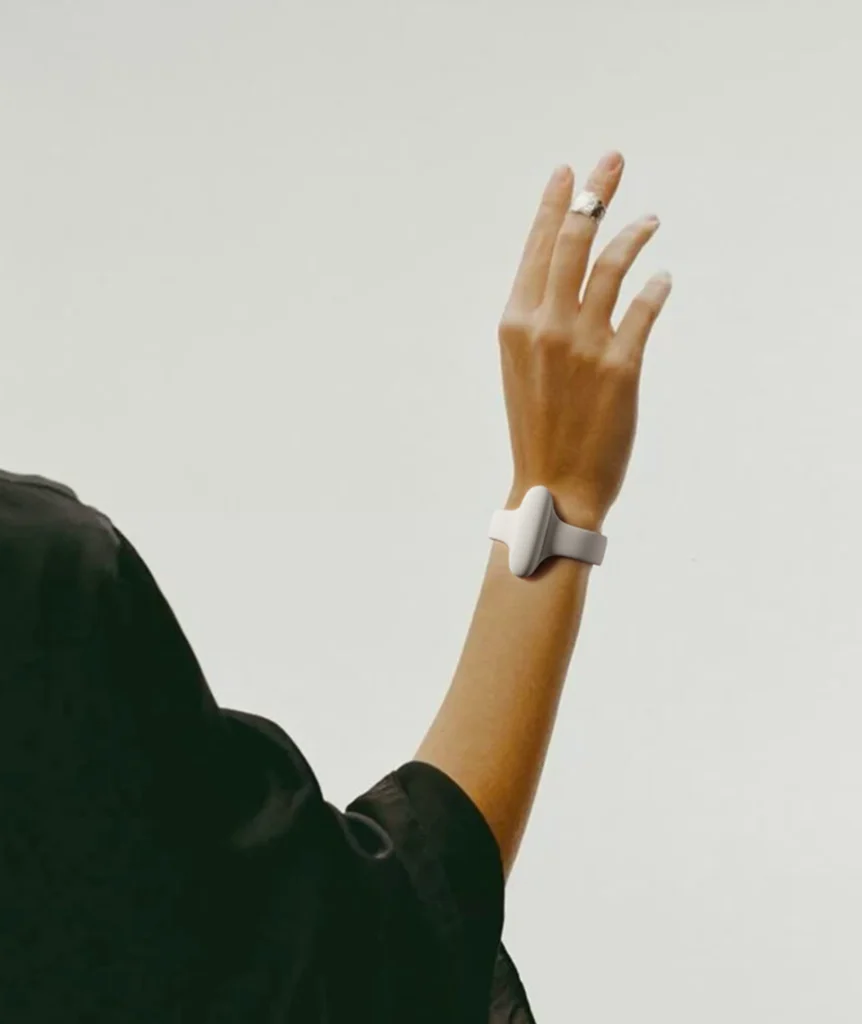
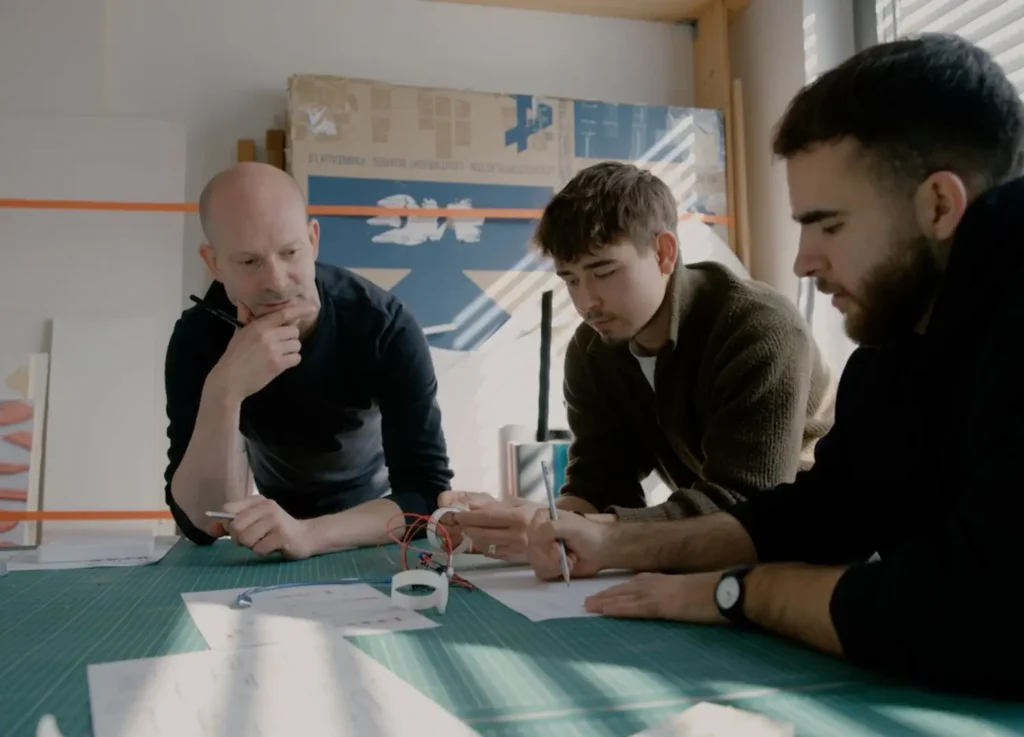
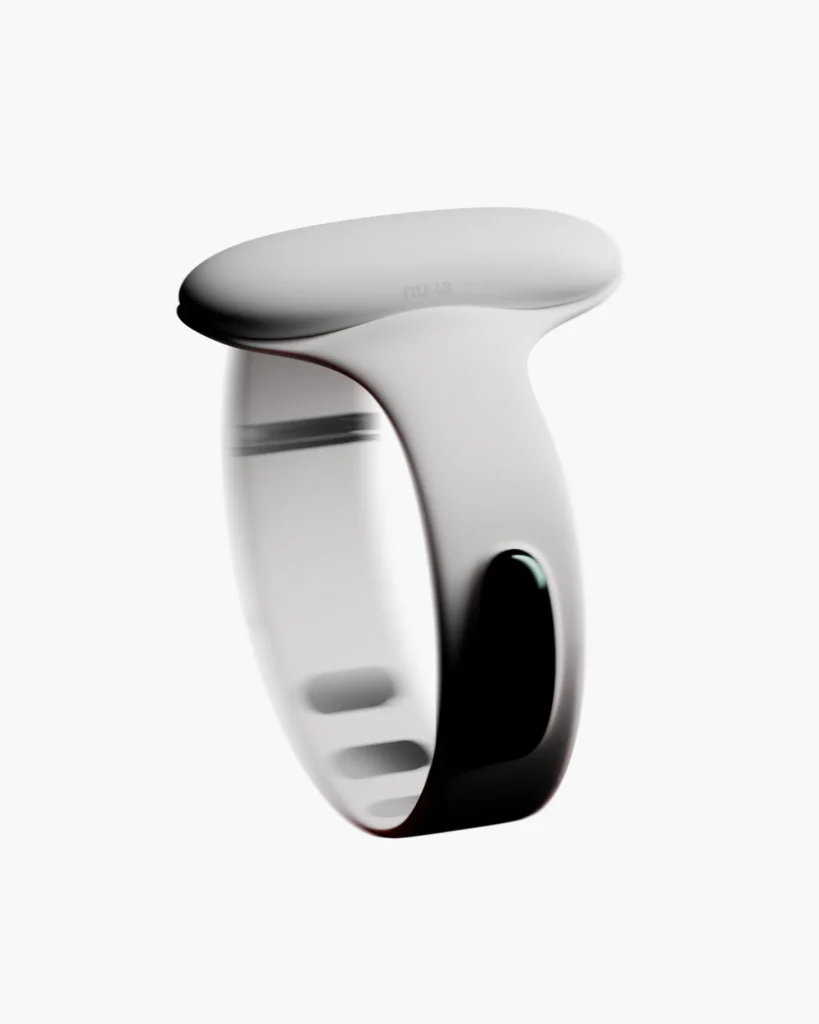
This year’s top honor went to Samuel Nagel and Paul Feiler of Hochschule für Gestaltung Schwäbisch Gmünd. Guided by Tim Richter, Head of Industrial Design at Siemens Healthineers, the duo received the €20,000 first prize for NURA, a sleek wearable bracelet designed to bridge communication between deaf and hearing communities.
Using electromyography (EMG) technology, NURA interprets muscle signals in the forearm and converts sign language into spoken words in real time. It also translates speech into visible text, creating a seamless two-way exchange.
The project’s vision of accessibility design is what sets it apart. Rather than being conceived as a clinical aid, NURA is designed to be a sophisticated, wearable object that combines functionality, dignity and everyday usability.
Design innovation beyond communication
The jury also awarded a Special Mention and €10,000 prize to Niklas Henning of Hochschule Magdeburg-Stendal for Paludi Harvesters, developed under the mentorship of Stefan Daniel, Vice President of Photo & Design at Leica.
The project introduces two autonomous machines designed for large-scale reed cultivation on peatlands. By reducing labour demands, supporting habitat preservation, and aiding peatland restoration, the system demonstrates how design innovation can address environmental challenges while creating economic opportunities for local communities.
A platform for the future of design
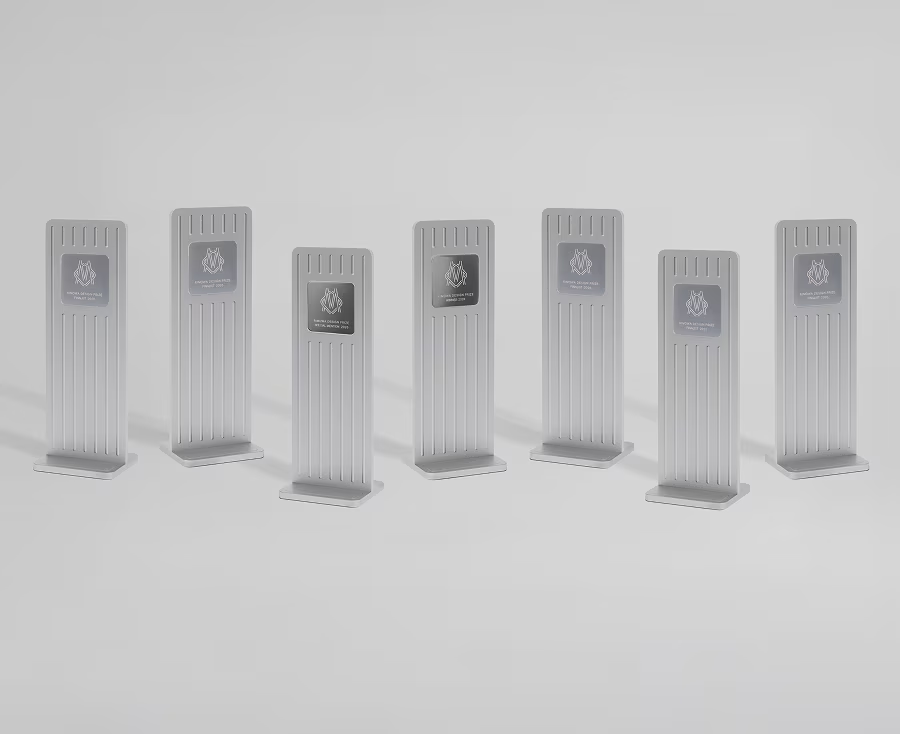
Selected from submissions by students representing more than 40 universities, the seven finalists approached mobility through the lenses of healthcare, infrastructure, sustainability, and communication. Their work was assessed by an international jury including Konstantin Grcic, Farah Ebrahimi, Matylda Krzykowski, Hanne Willmann, Clemens Poloczek, Tim Richter, and Rimowa CEO Beatrice Monguidi.
As the 2026 edition demonstrated, mobility today extends far beyond movement alone. Through projects such as NURA and Paludi Harvesters, the prize continues to champion a future where accessibility, sustainability, and thoughtful design shape the next generation of innovation.
Courtesy of RIMOWA