The long-awaited Taichung Art Museum opens on December 13th, 2025, unveiling Taiwan’s first-ever hybrid museum-and-library complex—a bold cultural gesture shaped by SANAA architecture and conceived as a fluid meeting point between art, knowledge, and nature. Its debut exhibition, A Call of All Beings: See you tomorrow, same time, same place, anchors the launch with an expansive meditation on the human and nature relationship in art.
A new cultural icon: the museum design concept
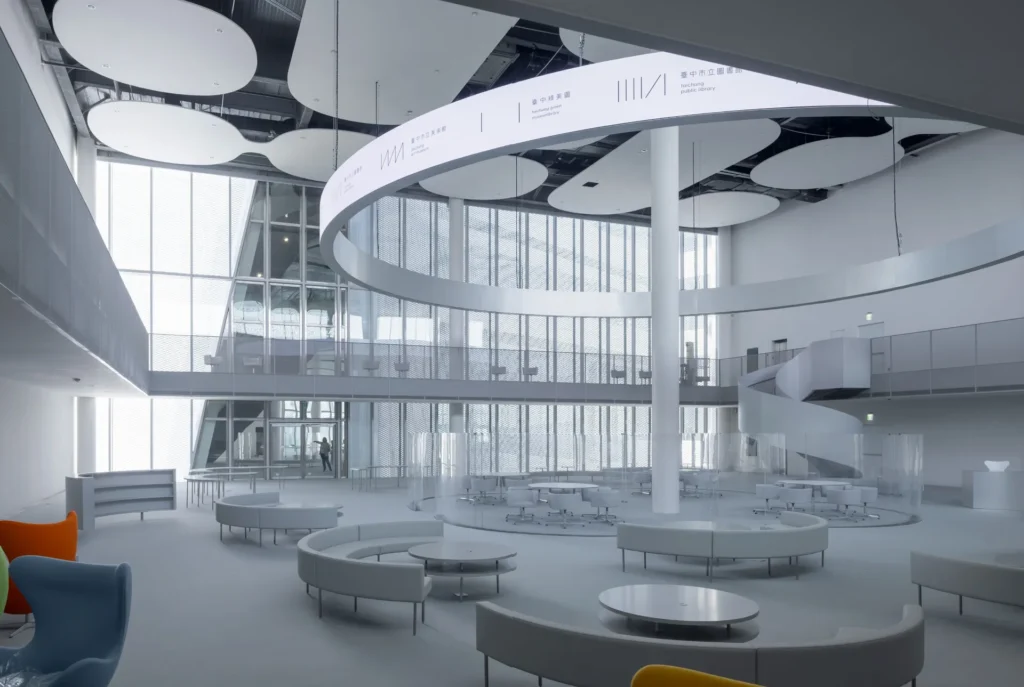
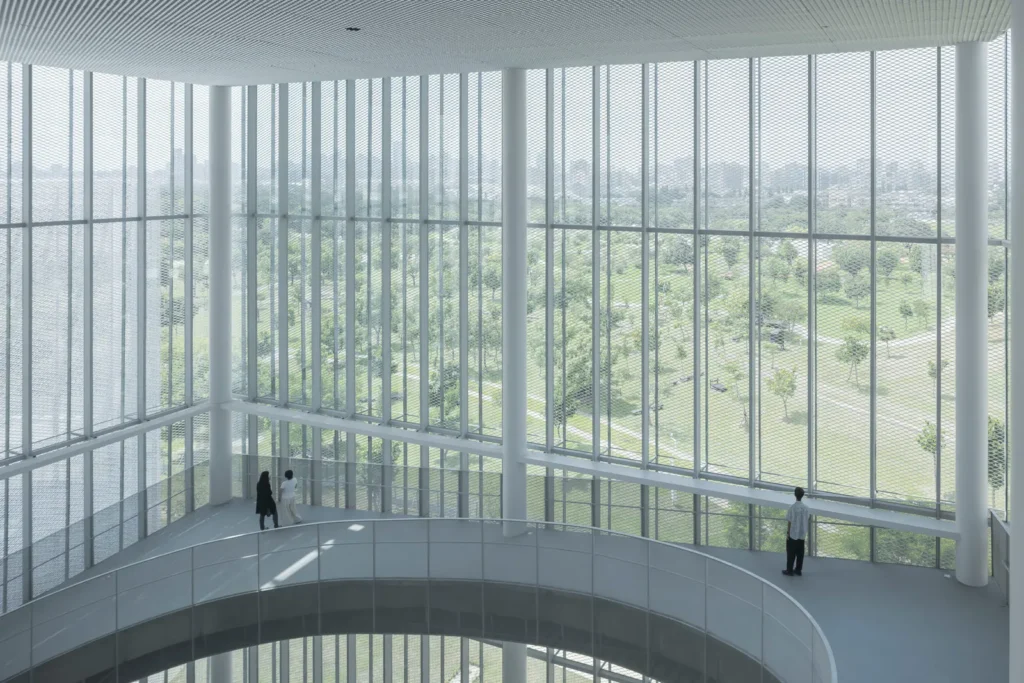
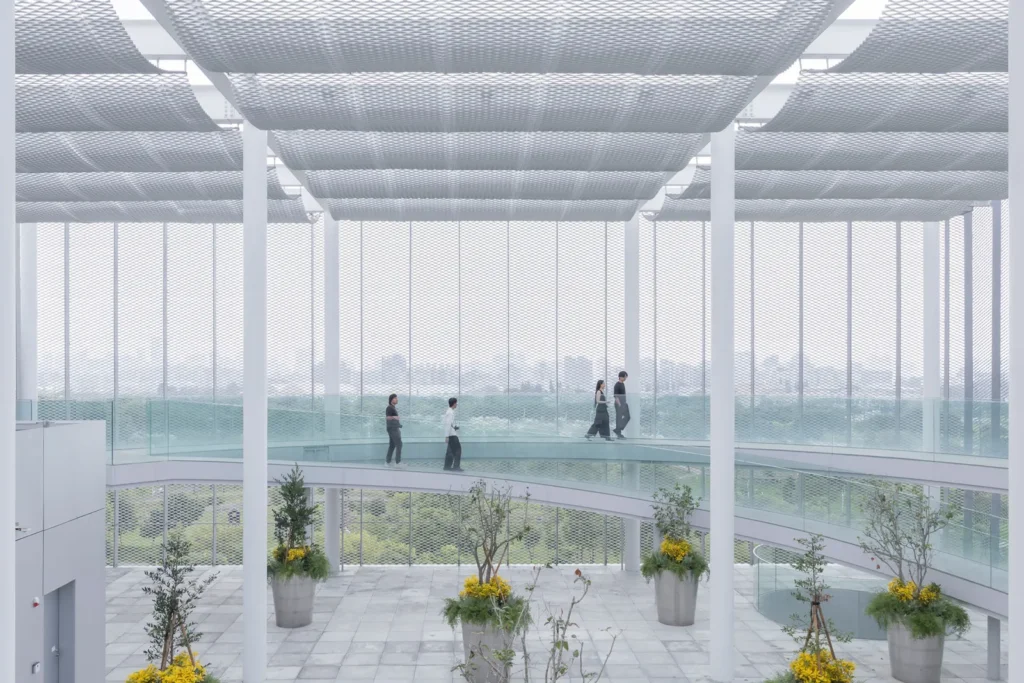
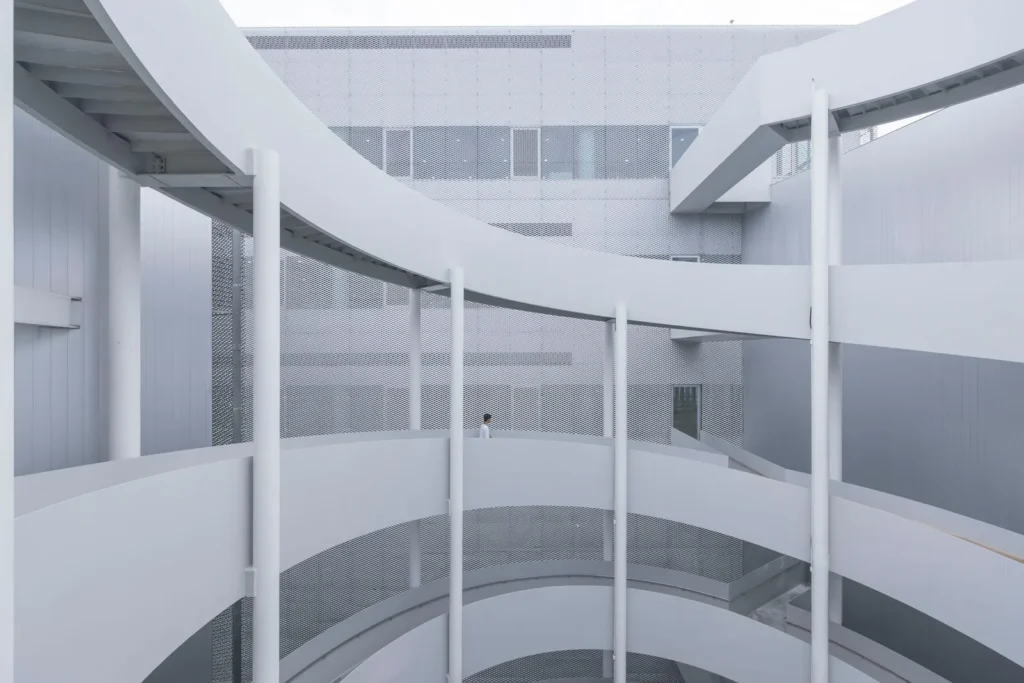
Rising within Taichung’s vast Central Park, the new Taichung Green Museumbrary marks SANAA’s largest cultural project to date. Japanese architects Kazuyo Sejima and Ryue Nishizawa envisioned the building as an open, almost weightless cultural landscape comprising eight gently elevated cubic volumes wrapped in shimmering expanded aluminium mesh. From afar, the structure appears to hover, filtering sunlight and wind in a way that dissolves the boundary between architecture and nature.
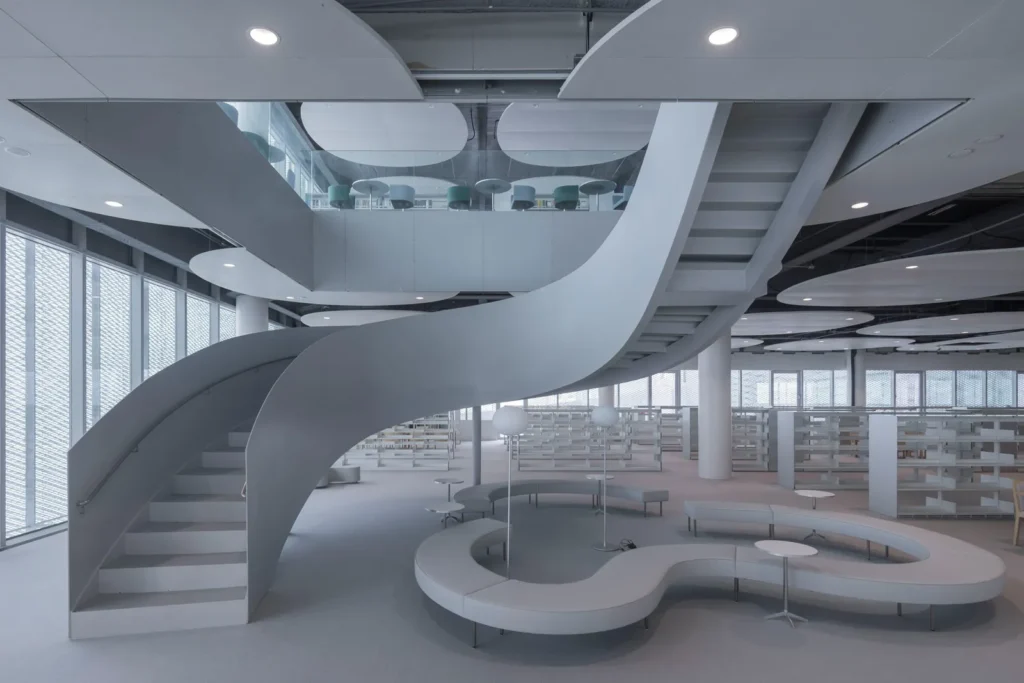
Inside, the museum design concept prioritizes permeability and freedom of movement. Soft curves, spiraling ramps, bridges, and voids connect gallery spaces with library zones, encouraging visitors to wander intuitively between books, artworks, and open-air plazas. The complex also includes a 27-meter-tall atrium anchored by large-scale commissioned installations and framed by panoramic park views.
The hybrid model, blending a metropolitan art museum with a central public library, embodies SANAA’s long-standing belief that cultural spaces should mix, merge, and evolve. Here, reading and looking, learning and imagining, are woven together in one continuous spatial experience.
Exploring the human and nature relationship in art
At the heart of the inaugural program is A Call of All Beings, an exhibition unfolding across galleries, library interiors, and outdoor paths. Co-curated by the museum’s in-house team with Ling-Chih Chow (Taiwan), Alaina Claire Feldman (USA), and Anca Mihuleţ-Kim (Romania/South Korea), the project assembles a polyphonic narrative shaped by Daoist ideas, indigenous worldviews, embodied knowledge, and non-Western perspectives.
Rather than presenting a single storyline, the exhibition invites visitors to encounter many voices—human and non-human alike—and to rethink how nature, culture, and coexistence are perceived in the Anthropocene.
Selected works: reimagining worlds old and new
Several standout pieces reimagine how ancient and contemporary worlds can be perceived. Chen Yin-Ju’s Evocative of Mountains and Seas draws on a millennia-old bestiary, using sound, scent, and sparse text to conjure mythical beings and invite viewers into realms beyond ordinary logic. Au Sow Yee’s The Broadcast Project II layers fiction with fragments of Malayan colonial history, allowing coconut palms to “speak” as myths and archives merge into shifting narratives of place and identity. Chen Ting-Shih’s The First Crack of Thunder (1972) anchors the show historically, its cane-fiber relief capturing the elemental force of nature and revealing how earlier Taiwanese artists grappled with similar questions. This dialogue extends into the present with TAI Body Theatre’s performances animated by Truku mythology and Joan Jonas’s suspended paper creatures that redirect the viewer’s gaze upward. Karolina Breguła brings urgency to rising sea levels through her stark coastal studies. Meanwhile, Myrlande Constant’s richly beaded Vodou flags weave together belief, memory, and lived experience, underscoring the exhibition’s expansive vision of interconnected worlds.
A new platform for shared futures
Beyond the exhibition, the museum inaugurates the TcAM Art Commission program, introducing long-term architectural-scale works including Haegue Yang’s Liquid Votive—Tree Shade Triad rising through the atrium and Michael Lin’s textile-inspired interventions that ripple across public areas.
With its transparent volumes, open circulation, and seamless integration into Central Park, the Taichung Art Museum positions itself as a cultural commons—a place where art, architecture, and learning converge. In both design and programming, the institution offers a powerful proposition: that gathering, witnessing, reading, and imagining together can help foster new relationships between humans, nature, and the worlds we share.
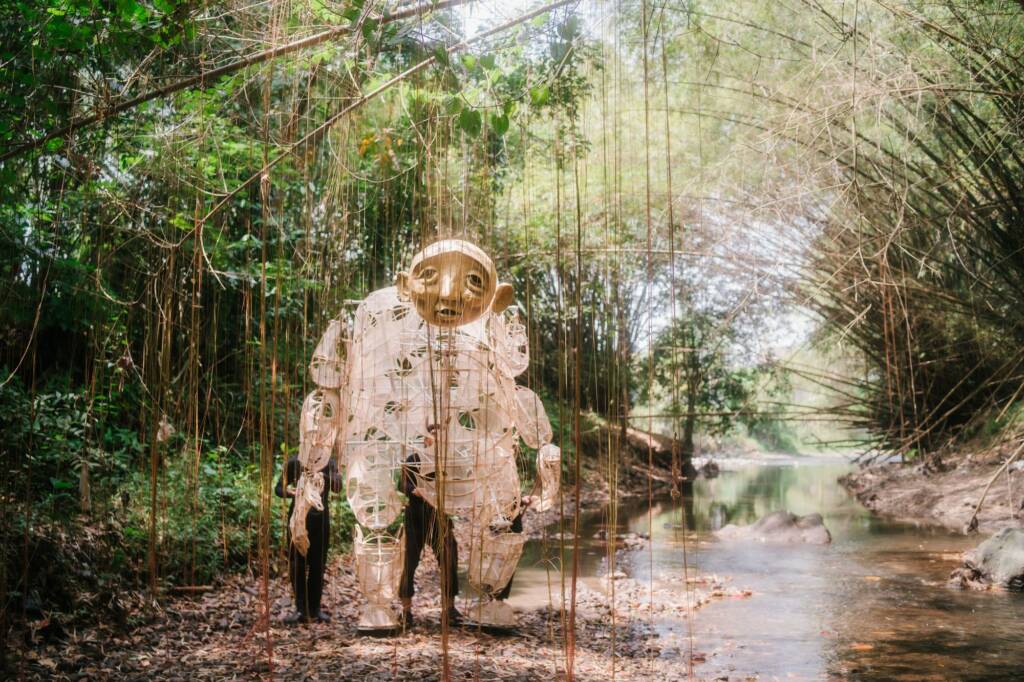
KALI-Stream Of Memory, 2022
Photography by RANGGA YUDHISTIRA. Courtesy of PAPERMOON PUPPET THEATRE
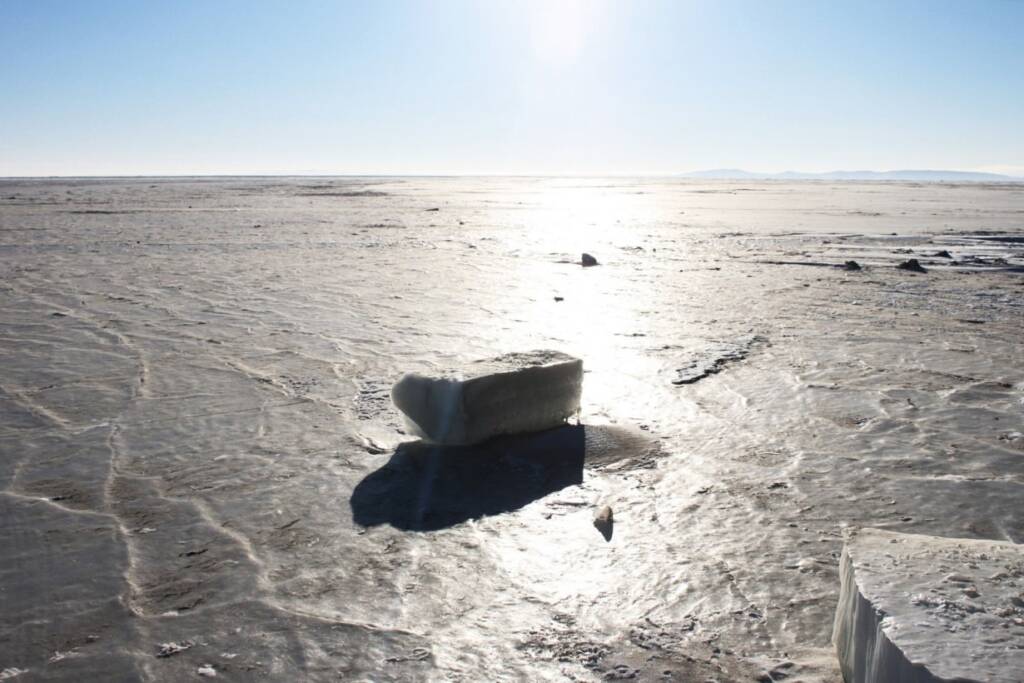
Moving Ice Block, Keshiketeng Banner, Dalinor Lake, 2014
Provided by artist LIN RENDA