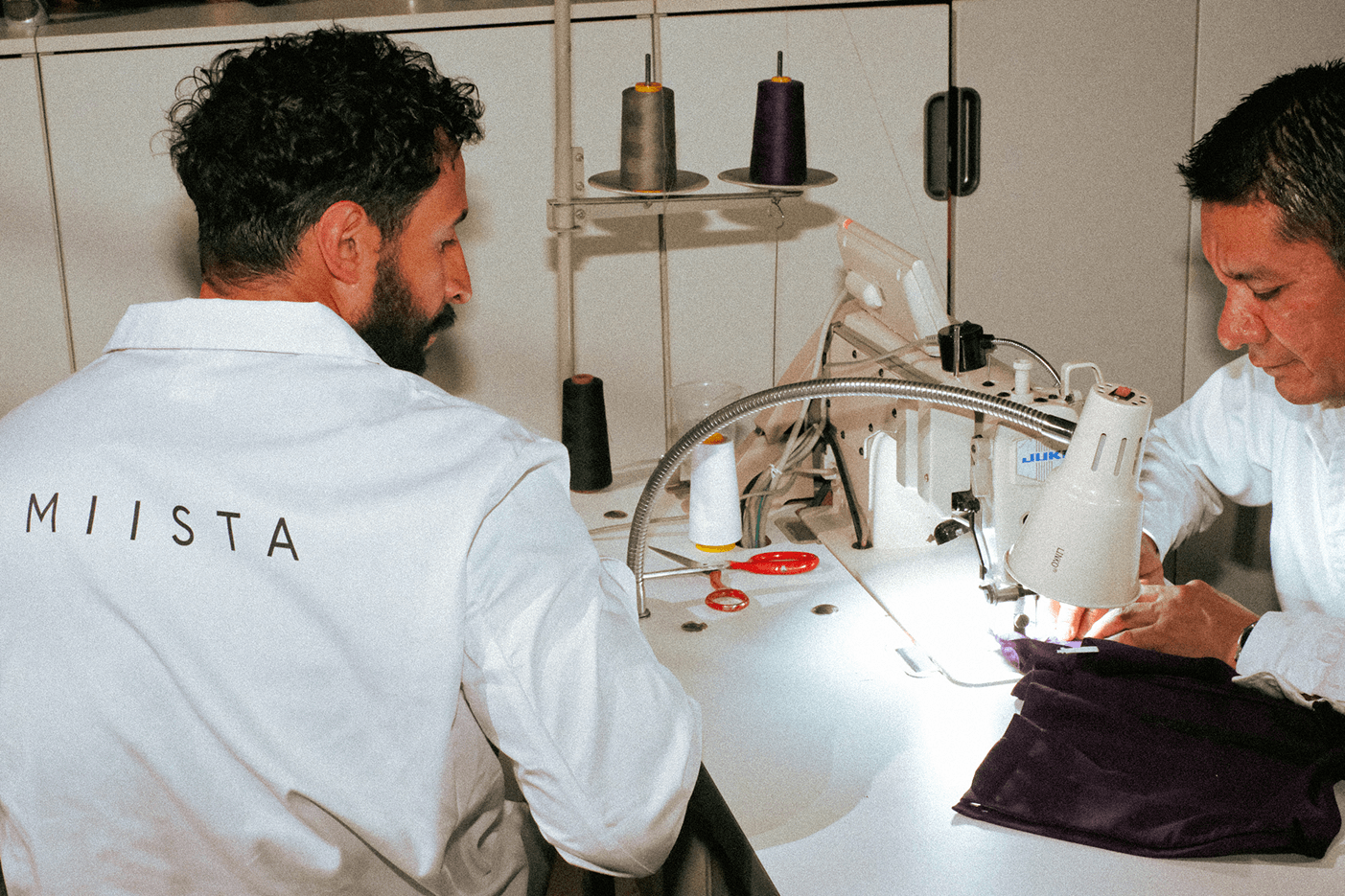
“Cool without craft feels hollow,” Laura Villasenin tells us over a video call—she in Spain, us in France.
Over nearly fifteen years, she has built her brand, Miista, into something of a cult name. She doesn’t necessarily position it as a challenger brand, but the qualities are there: a distinct identity rooted in craft, experimentation, and community, all coming together through a considered line of footwear and ready-to-wear, offered at a democratic price point, that she says is for “the well-dressed, weird one.”
When we ask who that is exactly, Villasenin describes the odd kid at school who grew into themselves, the one you’d later find on socials doing something completely different from everyone else. No longer outsiders, they are now ahead of the curve.
Recently, artist Rama Duwaji wore the Shelley boots to the inauguration of her husband, now New York mayor Zohran Mamdani, while Spanish singer Rosalía has been wearing the brand both on and off stage since 2017. Villasenin also points to collaborations with collage artist Maayan Sophia Weisstub, whose work explores surrealism and vintage erotica. You could say those odd kids are now in good company.
Miista is an independent fashion brand, born in 2011 in East London. After studying Product Design for Fashion, specializing in footwear, at Cordwainers and, after working for other brands, she felt something was missing. She thought there wasn’t a designer label taking both experimentation and European craft seriously at a decent price.
“I wanted to democratize design and craftsmanship. The idea was that if you’re someone who understands process, and values how something is made, but you’re not within the 1% of wealth holders, you should still be able to access thoughtful design,” she tells hube.
“It was always product-first: shape, proportion, materials. How can we continue to experiment and push footwear construction forward while keeping it wearable?” she asks, sharing how she designed the first collection before she even had a name. “The name came later, sitting in a pub with friends. We kept coming back to the idea of mixing opposites like heritage and experimentation, craft and cool.” Miista stuck. So did the vision.
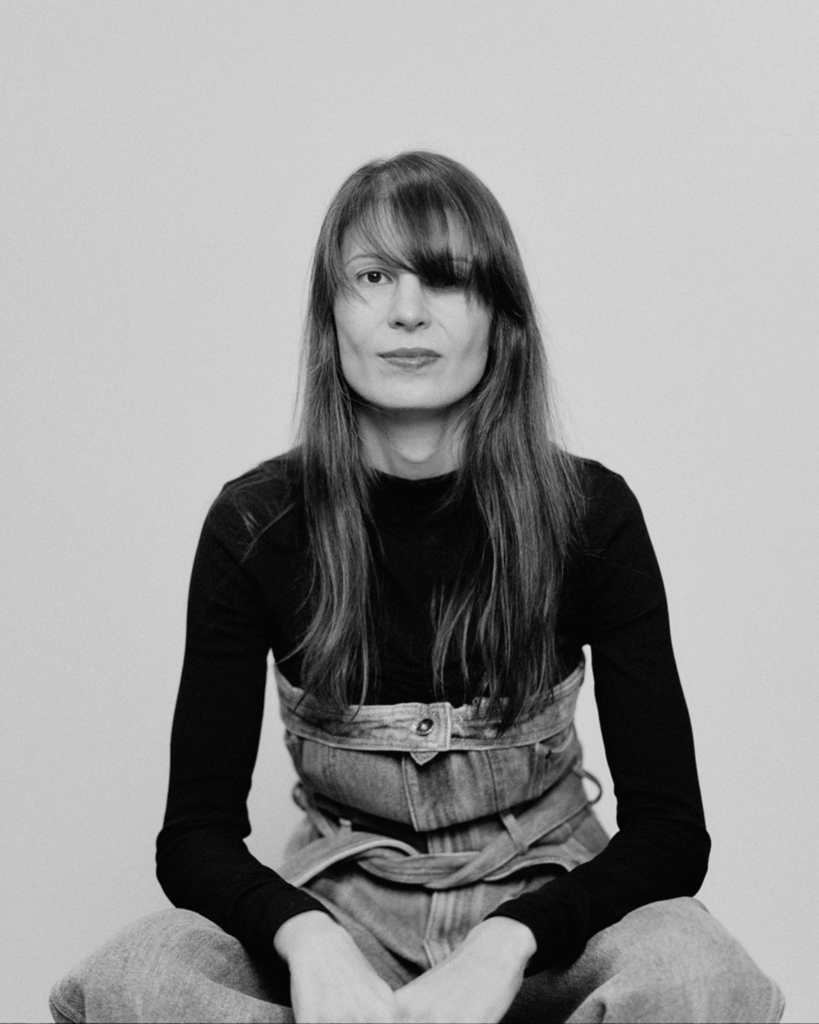
Photography by ELLIE HEMSLEY