Costume Art arrives at The Met as a living correspondence between fashion and art—less a display than a continuous exchange of gestures, surfaces, and ways of seeing. Opening on May 10th, 2026 in the Condé M. Nast Galleries beside the Great Hall, the exhibition marks a new chapter for The Costume Institute under Andrew Bolton, who brings these two worlds into close, unexpected proximity.
Thinking through form
The exhibition begins with an idea of perception itself. Andrew Bolton draws from The Met’s collections to set garments and artworks alongside one another, not to illustrate a point but to test how meaning shifts when they share space. Across centuries, clothing and imagery quietly echo each other—sometimes aligning, sometimes resisting—revealing how identity is constructed through what surrounds and defines it.
Making as conversation
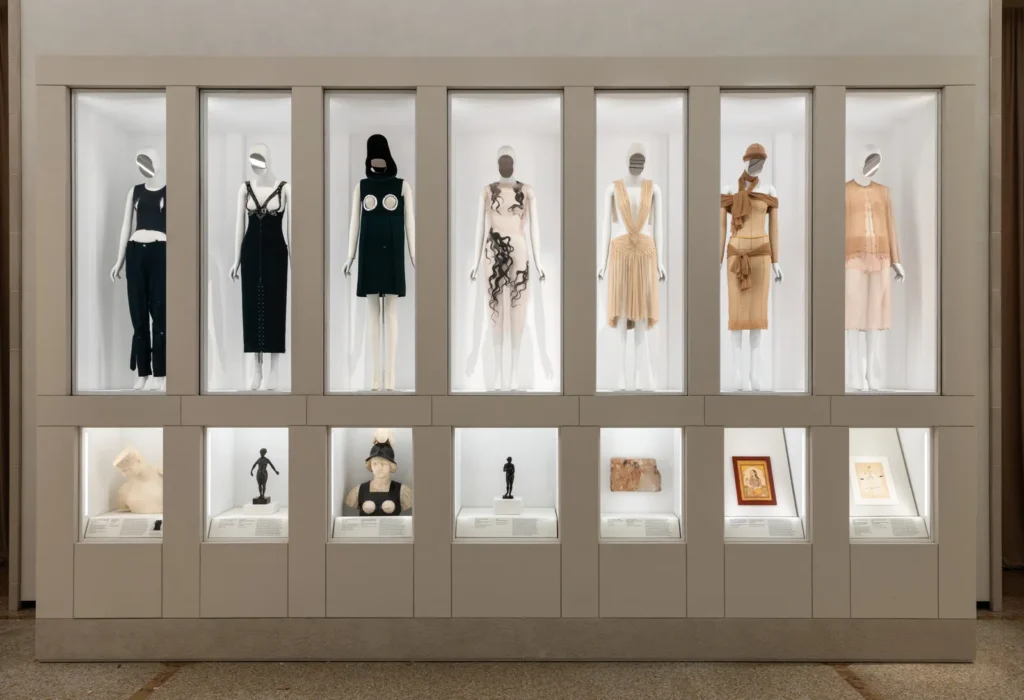
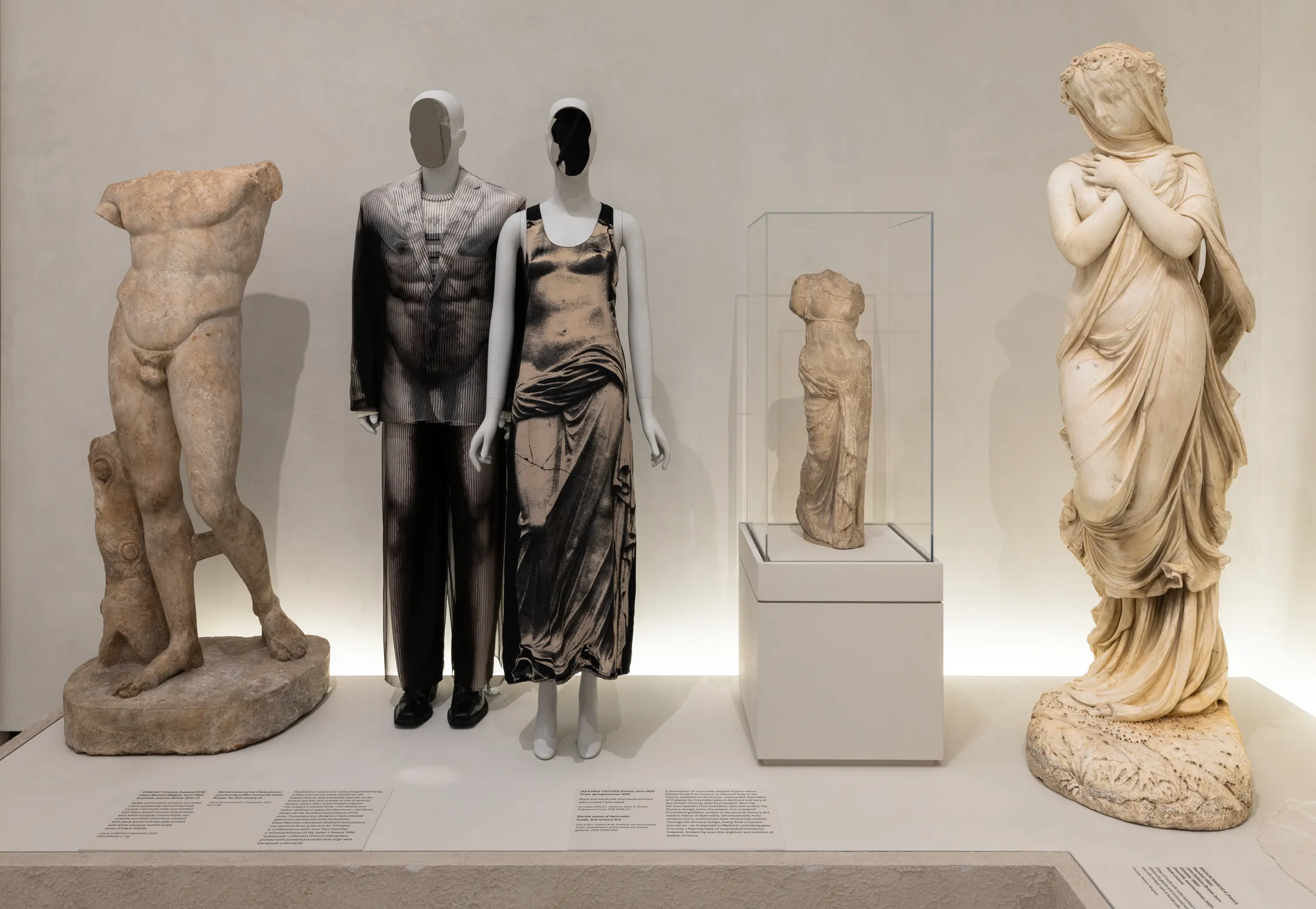
From there, attention turns to how things are made. Fashion pieces from The Costume Institute appear alongside paintings, sculpture, and historical objects, forming relationships that feel instinctive rather than curated. A sculptural Comme des Garçons gown stands near anatomical drawings; classical drapery meets contemporary tailoring; familiar categories loosen their edges. Nothing is elevated above anything else—each work responds, interrupts, or extends the other, as if part of an ongoing studio conversation that has never fully closed.
A passage through shifting perspectives
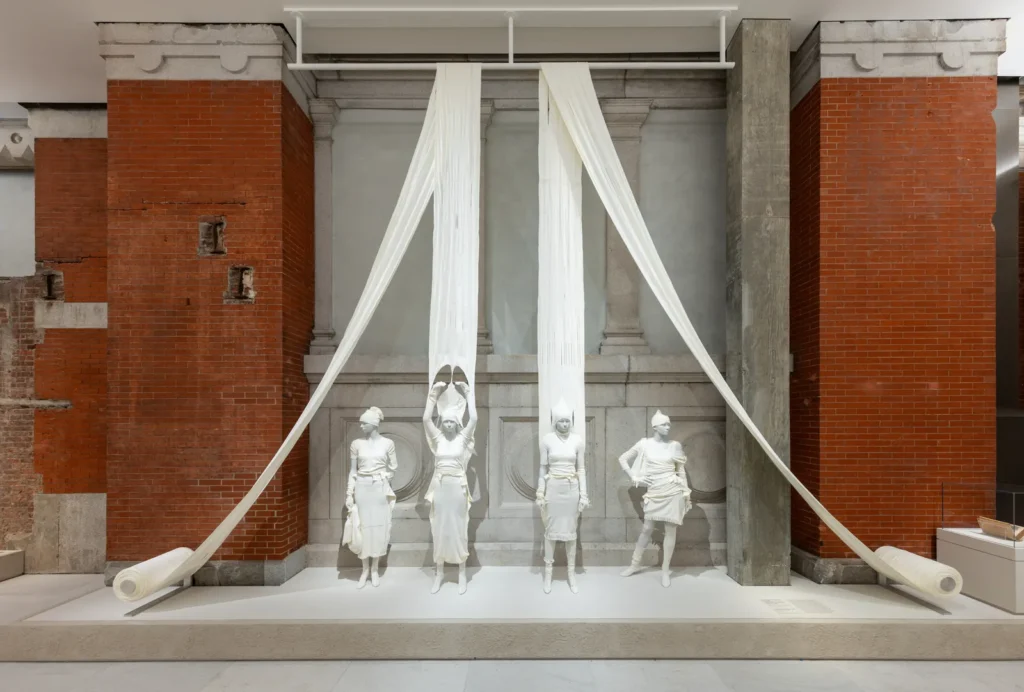
The exhibition then moves through a sequence of thematic rooms that alter how the viewer reads the human figure in culture. The Naked & Nude Body examines exposure through works by Vivienne Westwood, Rudi Gernreich, and Jean Paul Gaultier alongside Renaissance depictions. The Classical Body turns to ideals of proportion, pairing Greco-Roman references with designers like Madame Grès and Fortuny. The Abstract Body focuses on constructed silhouettes—corsetry, padding, and architectural dress. The Reclaimed Body opens space for designers such as Rei Kawakubo, who question inherited norms of beauty. The Anatomical, Aging, and Mortal Bodies bring attention to what lies beneath appearance—fragility, time, and continuity.
Each section changes tempo, asking visitors to adjust their attention as they move.
A shared system of looking
Rather than separating disciplines, Costume Art lets them circulate through one another until distinctions begin to blur. Fashion, painting, sculpture, and historical objects operate within a single field of reference, where each depends on the others to be fully seen.
Join us for a conversation with Andrew Bolton, in which he discusses the emotional power of fashion, its relationship with tradition and innovation, and how self-expression will evolve in virtual worlds.
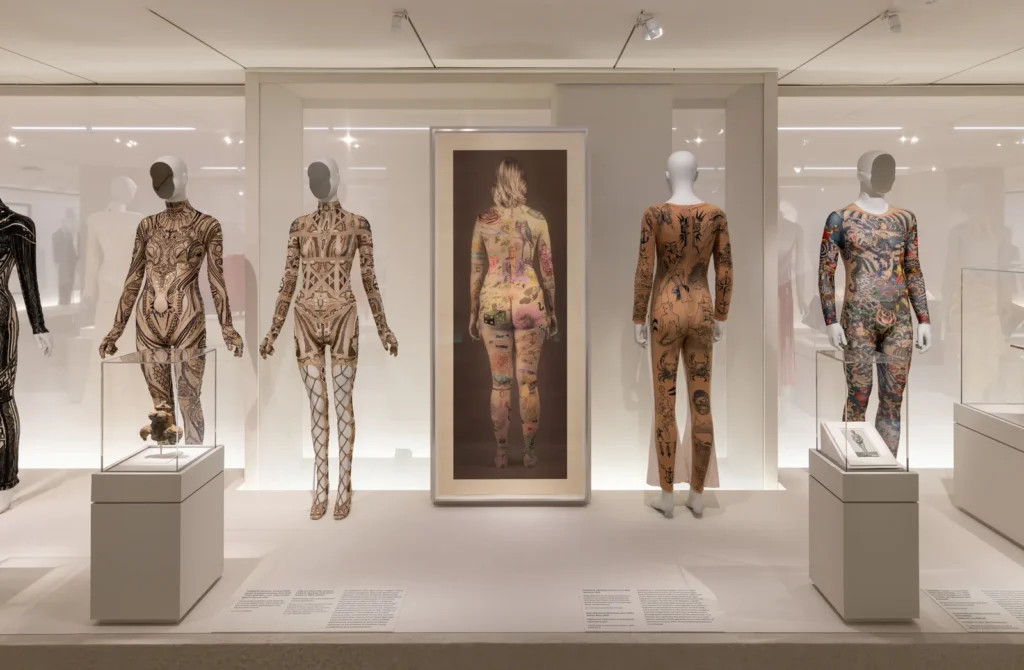
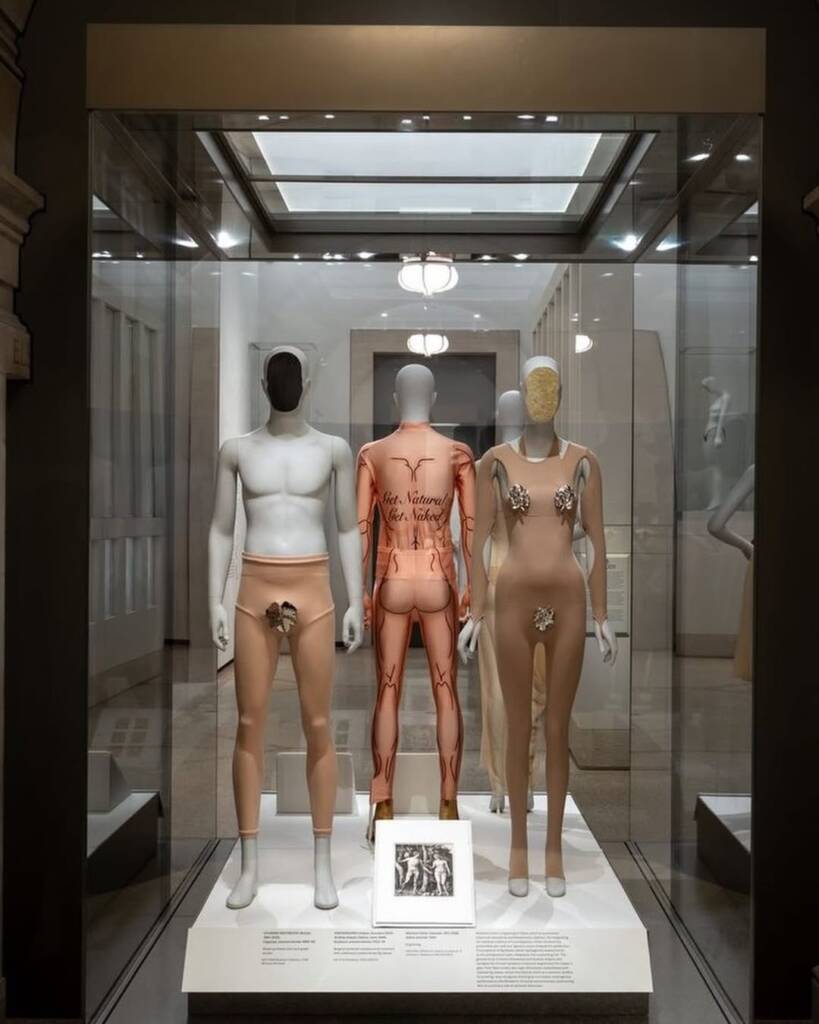
Photography by ANNA-MARIE KELLEN, courtesy of THE METROPOLITAN MUSEUM OF ART
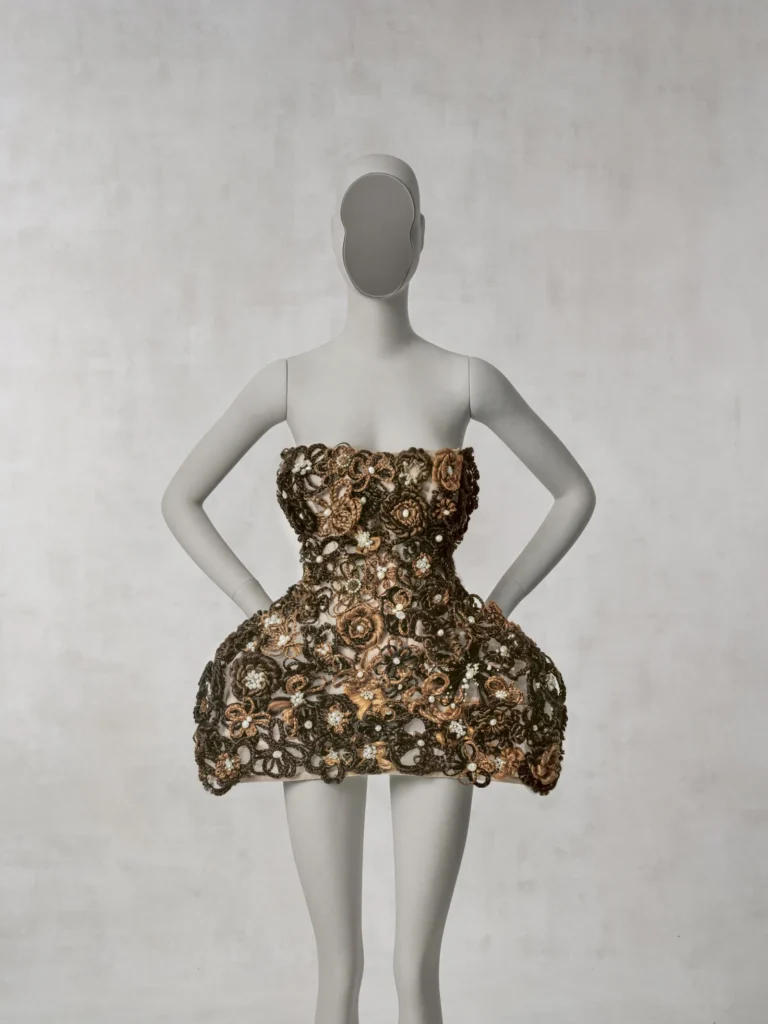
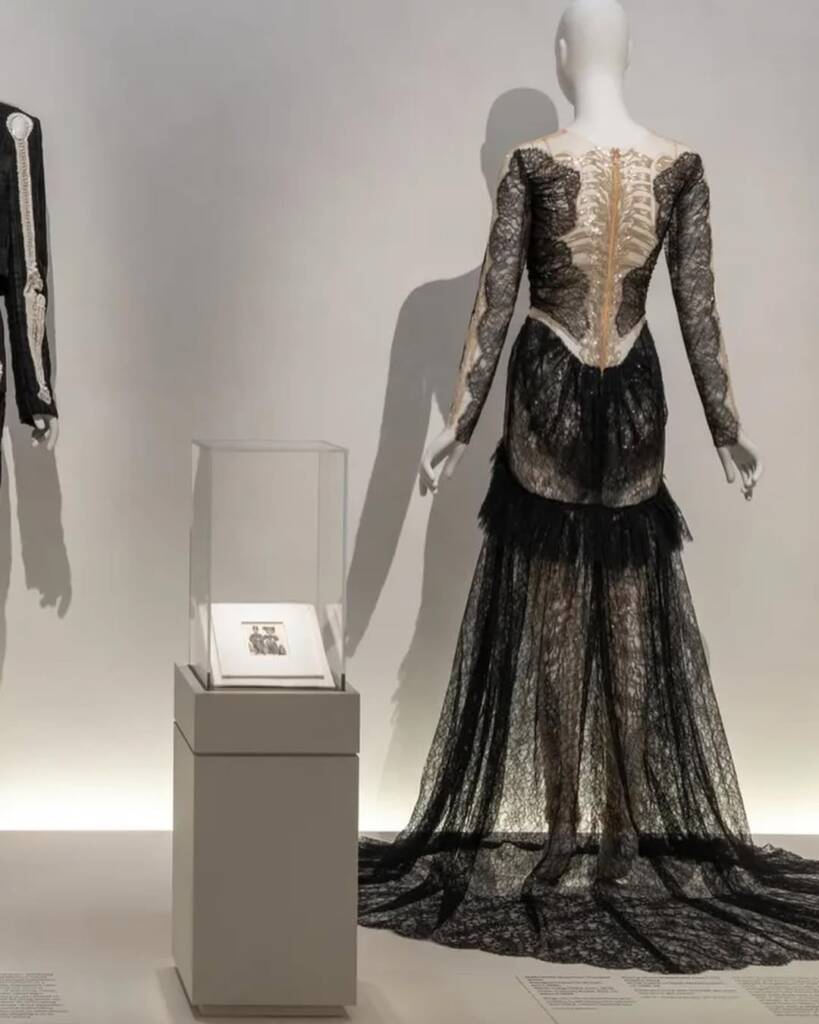
Photography by ANNA-MARIE KELLEN, courtesy of THE METROPOLITAN MUSEUM OF ART
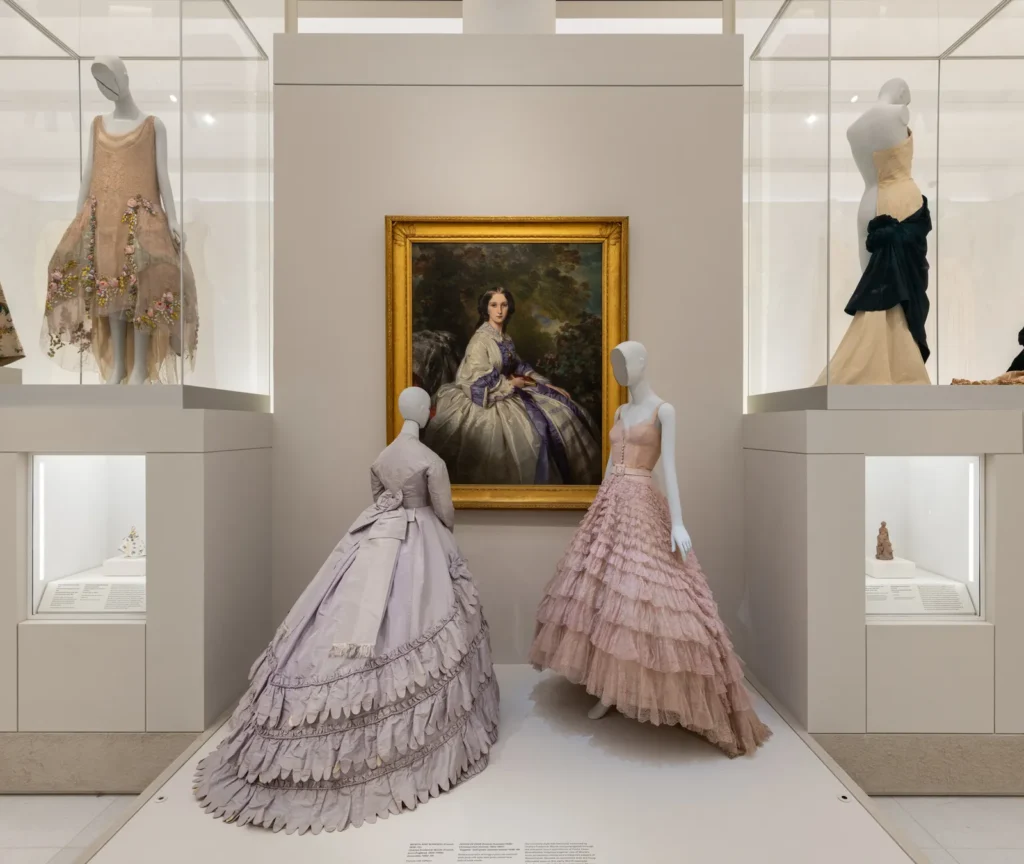
Photography by ANNA-MARIE KELLEN, courtesy of THE METROPOLITAN MUSEUM OF ART
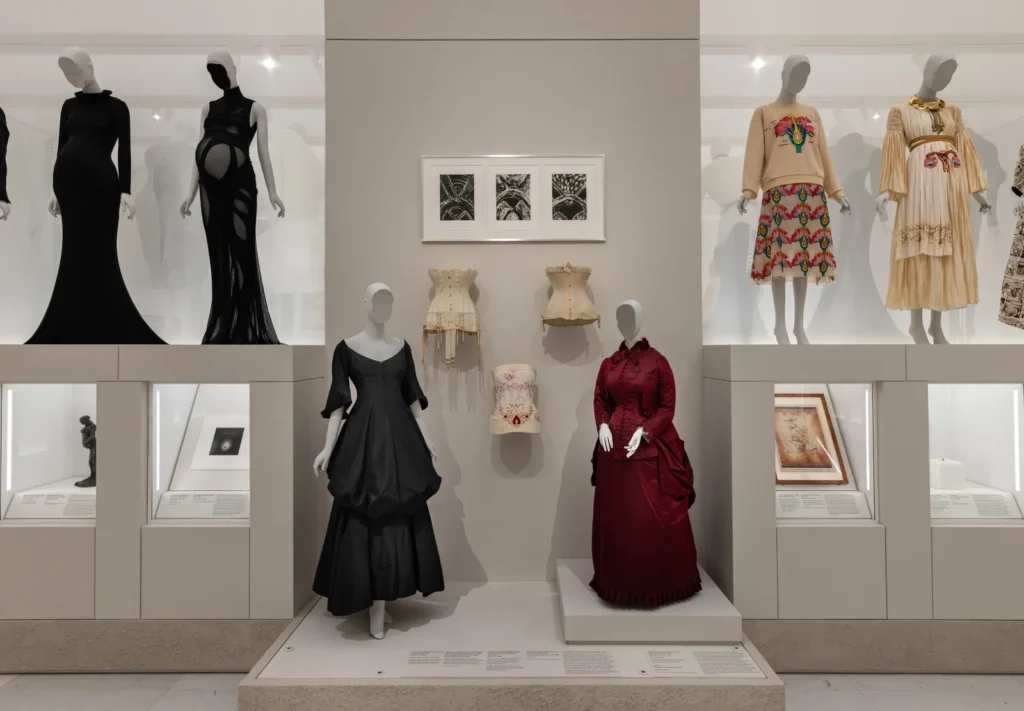
Photography by ANNA-MARIE KELLEN, courtesy of THE METROPOLITAN MUSEUM OF ART
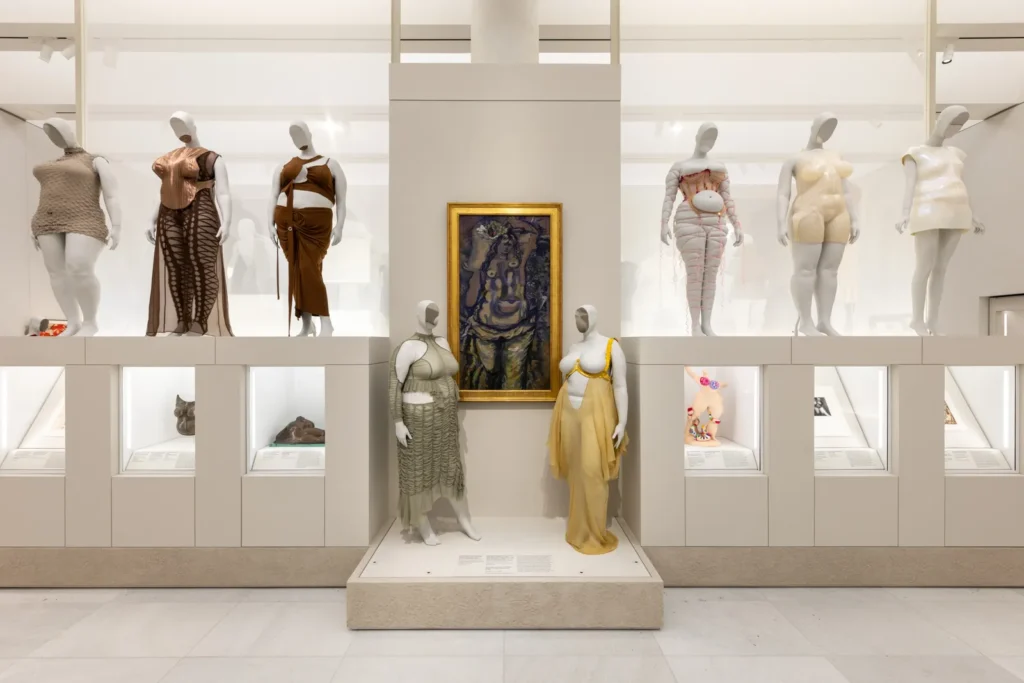
Photography by ANNA-MARIE KELLEN, courtesy of THE METROPOLITAN MUSEUM OF ART