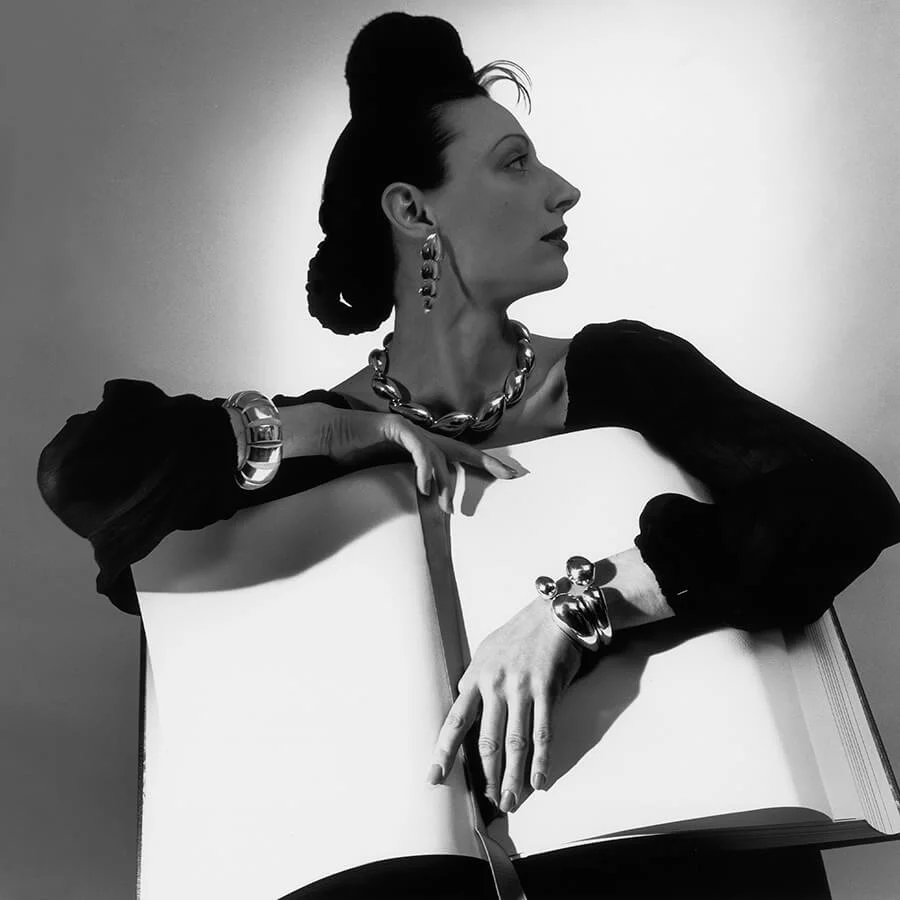
This summer, Pomellato arrives in Paris with Le Joaillier Révolutionnaire, its first exhibition in the French capital, on view at the Palais de Tokyo from June 24th to July 20th, 2026. Conceived as a journey through jewelry, photography, and design, the exhibition traces the bold ideas that have shaped the Milanese Maison since 1967—from craftsmanship and color to image-making and its longstanding dialogue with women.
Curated by Alba Cappellieri, Professor and Head of Jewelry Design at the Politecnico di Milano, the exhibition brings together archival treasures, iconic creations, contemporary collections, and the visual codes that continue to define Pomellato today. Open free of charge by reservation, it offers a rare glimpse into the evolution of one of Italy’s most influential jewelry houses.
A jewellery exhibition exploring six decades of creative innovation
The exhibition highlights the signatures that established Pomellato as a trailblazer in contemporary jewelry. Visitors encounter sculptural gold forms, vibrant gemstones, and iconic chains that challenged conventional ideas of precious adornment.
Among the highlights are the celebrated Mora and Rugiada rings, alongside creations that embody the Maison’s pioneering vision of New Precious gemstones. Historic chain designs inspired by the 1967 Gourmette reveal exceptional craftsmanship through techniques such as Ricciolo, Catena Spiga, Intreccio, and Boule. Statement pieces including the Gemelle necklaces, Raggio di Lucy, and Amazzone chokers showcase Pomellato’s distinctive command of volume, texture, and form.
Photographers behind Pomellato’s visual identity
A major section is dedicated to the image-makers who reshaped the visual language of luxury jewelry. Long before storytelling became central to fashion branding, Pomellato collaborated with some of photography’s most influential figures.
Works by Gian Paolo Barbieri, Helmut Newton, Herb Ritts, Snowdon, Michel Comte, Albert Watson, and Horst P. Horst reveal how the Maison forged a new relationship between jewelry and fashion imagery. Newton’s striking black-and-white campaigns elevated jewels into symbols of desire, while Barbieri infused the brand with a distinctly Milanese sensuality. In the 1990s, Herb Ritts brought a sculptural sensibility to his photographs, balancing the presence of the body with the allure of the jewels to create images of enduring elegance.
Women at the center of the Pomellato story
Threaded throughout the exhibition is the idea that has guided Pomellato since its inception: women. Founded during a period of profound cultural change, the Maison created jewelry for women purchasing pieces for themselves, championing individuality, independence, and self-expression.
That vision continues through Pomellato for Women, the initiative dedicated to advancing gender equality and supporting efforts to combat violence against women. Through jewelry, photography, and design, Le Joaillier Révolutionnaire presents a portrait of femininity that is confident, multifaceted, and self-determined.
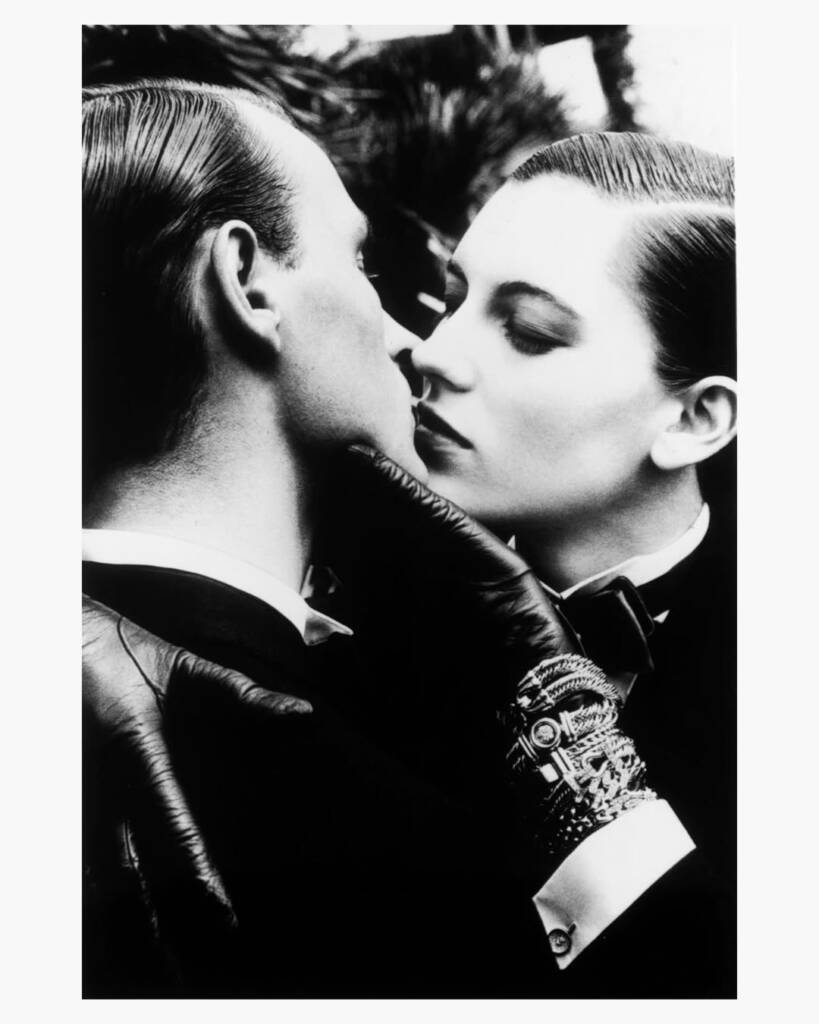
Pomellato, 1984
Courtesy of HELMUT NEWTON FOUNDATION
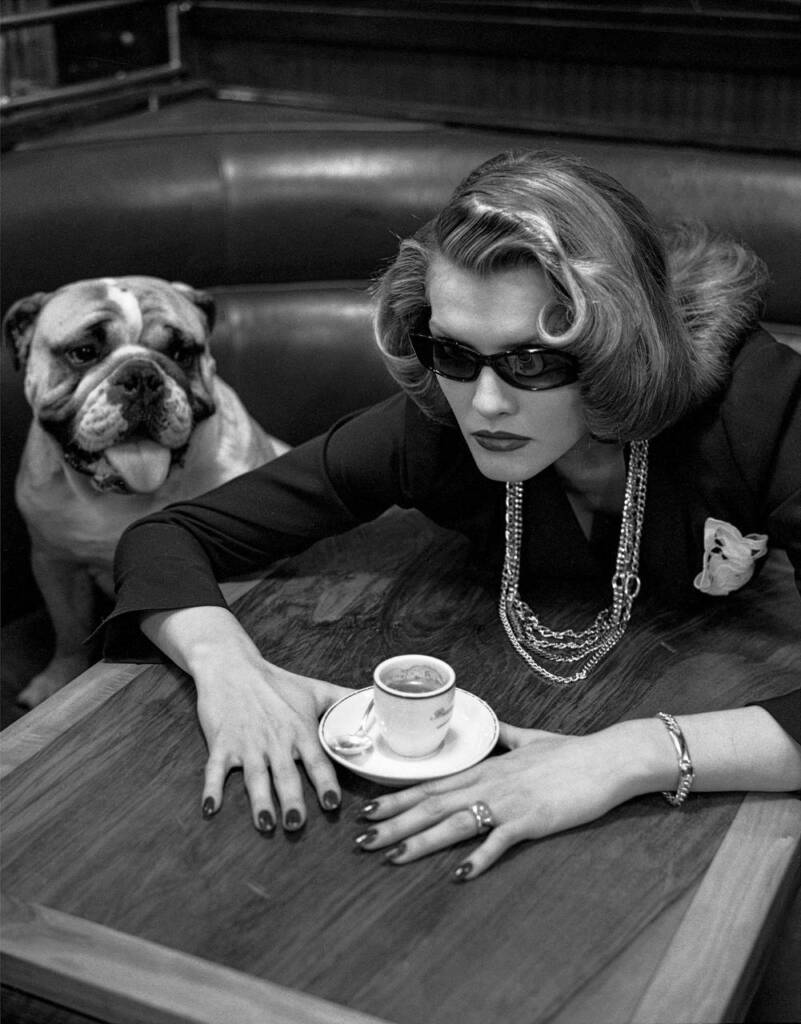
Pomellato, Paris, 1982
Courtesy of HELMUT NEWTON FOUNDATION / TRUNK ARCHIVE
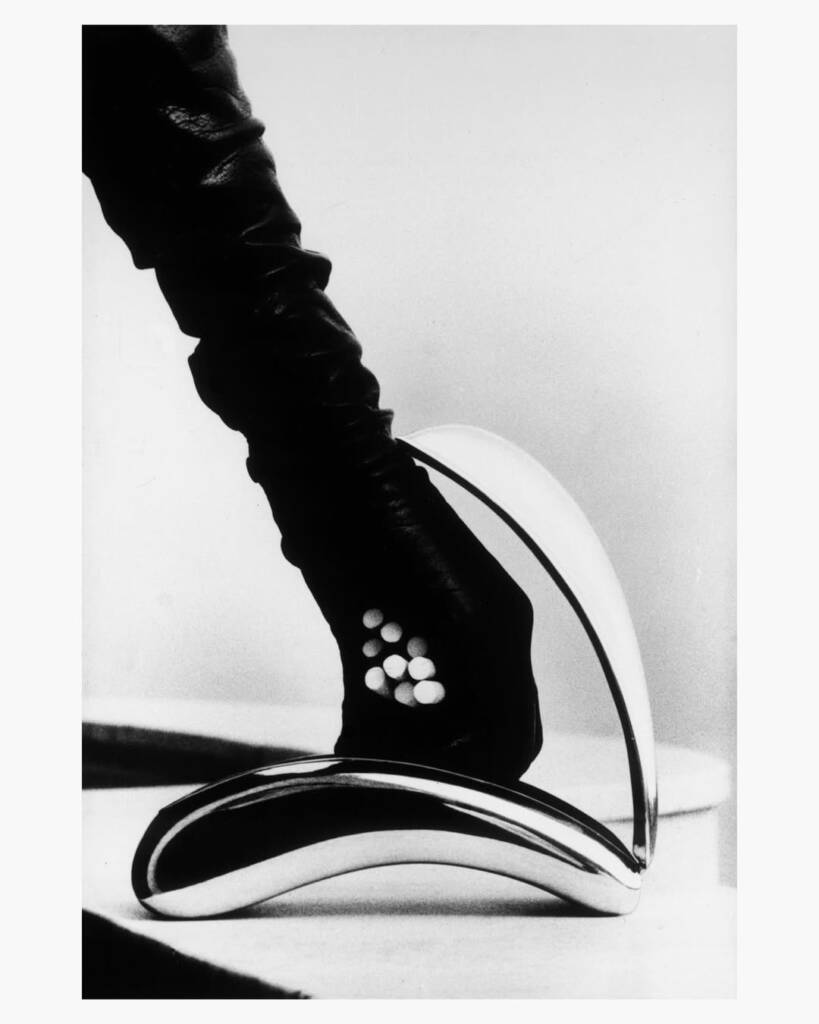
Pomellato, 1984
Courtesy of HELMUT NEWTON FOUNDATION
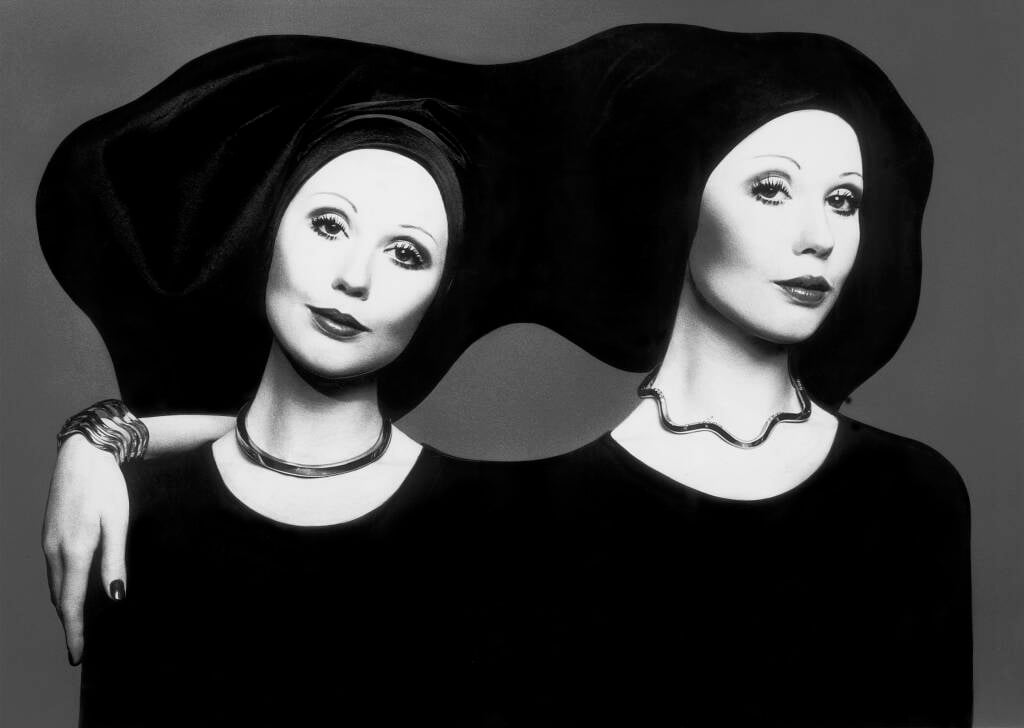
Pomellato Advertising, Milano, 1971