Ibeyi Ibeyi Offering
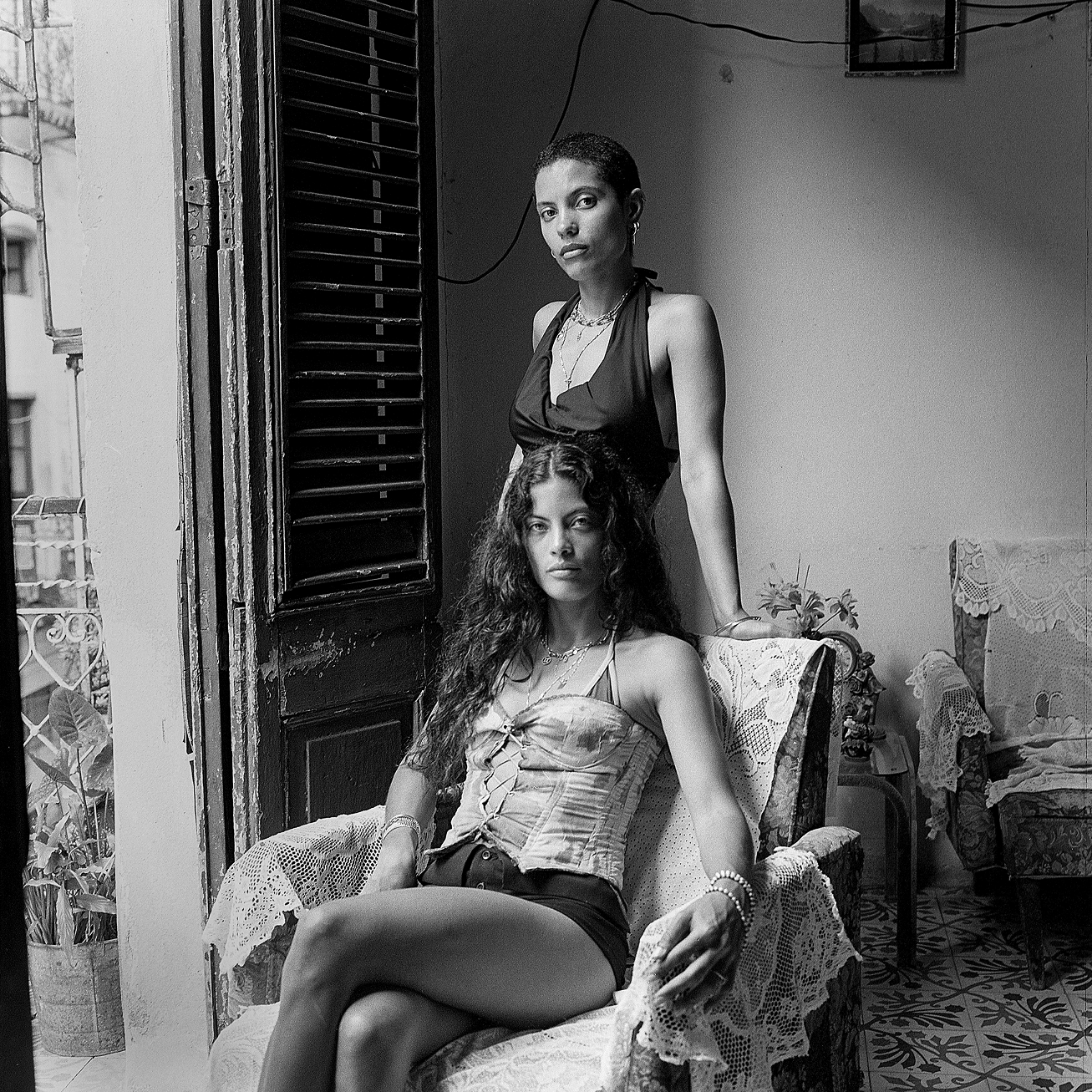
LISA-KAINDÉ DIAZ and NAOMI DIAZ. Photography by LISANDRA ALVAREZ

Ibeyi’s ‘Offering’: an intimate conversation about sisterhood, heritage and becoming

With Offering, Ibeyi return with their most intimate and uncompromising project to date. Released Friday 26th June, the album marks the French-Cuban sisters’ first as independent artists under Ibeyi Records, with a UK and EU tour to follow later this year. Taking a multicultural and multilingual approach to lyricism and percussion, Offering becomes a manifesto in praise of their heritage, an iconoclastic journey of self-affirmation through vulnerability and acceptance.

With this newfound freedom, Lisa-Kaindé Díaz and Naomi Díaz have conceptualised an immensely sensitive audiovisual world, one of introspection and community. There is no holding back: the scenes are at once vividly cinematic and grounded in soulful realism. Each narrative is fearlessly human, with the music videos for Aset and Offerings shot on location at the El Gao Art Community with the Vaillant de la Lisa, Díaz, and Endez de Regla families.

We spoke with Ibeyi about the inspirations and realisations behind this fervently defiant body of work. Offering relishes uncertainty and the courage to let go, together.

hube: What has inspired the album’s visuals, and what was it like crafting these stories in collaboration with local families and artists?

Lisa-Kaindé Díaz: In the making of Offering, we knew that we wanted to reveal something vulnerable. It was a coming back to ourselves, a realignment. Therefore, we knew that we couldn’t create visuals for the album in a studio. We needed to come home. As soon as we thought about Cuba, we knew it was time. We were ready to do it, to say thank you to this island that has given us so much. It was a way to honour our dad. We got to work with family and people that we have known for a long time; all of us are a part of it. It was a way to honour our culture, who we are. It was very emotional to take this offering to Cuba and to commemorate the offerings Cuba has given us.

h: You have previously spoken about the significance of ancestry in your work. What can we learn from looking back and fostering an awareness of those who have come before us? How can an engagement with history, and specifically our family heritage, help shape our futures with mindfulness and empathy?

Naomi Díaz: For us, talking about our family has always been one of the main sentiments behind Ibeyi. We lost our dad when we were eleven, when our other sister was eighteen. So, making music, and doing interviews like this one, are ways to connect with them.

LD: Our dad used to say, escucha a los viejos, which means ‘listen to the elderly’. We always remember that. Knowledge of the past and its traditions are a very important part of growing up.

h: Aset is sung predominantly in Spanish, Offerings in English, while other tracks are performed in French and Yoruba. How does your multilingual background influence the way you write and express emotions? Do different languages allow you to access different parts of yourselves as artists?

ND: We are a mix of different cultures, different languages. Since the beginning, we have used all these tools to make art. It’s something that we see more and more now, but I feel we were doing it early on. Spanish is way more poetic. French is fucking hard—and we finally did it with this album! And English is way more direct. Each language has its own energy, and we move through it all.
Ibeyi
Ibeyi Offering
Photography EU tour IBEYI 
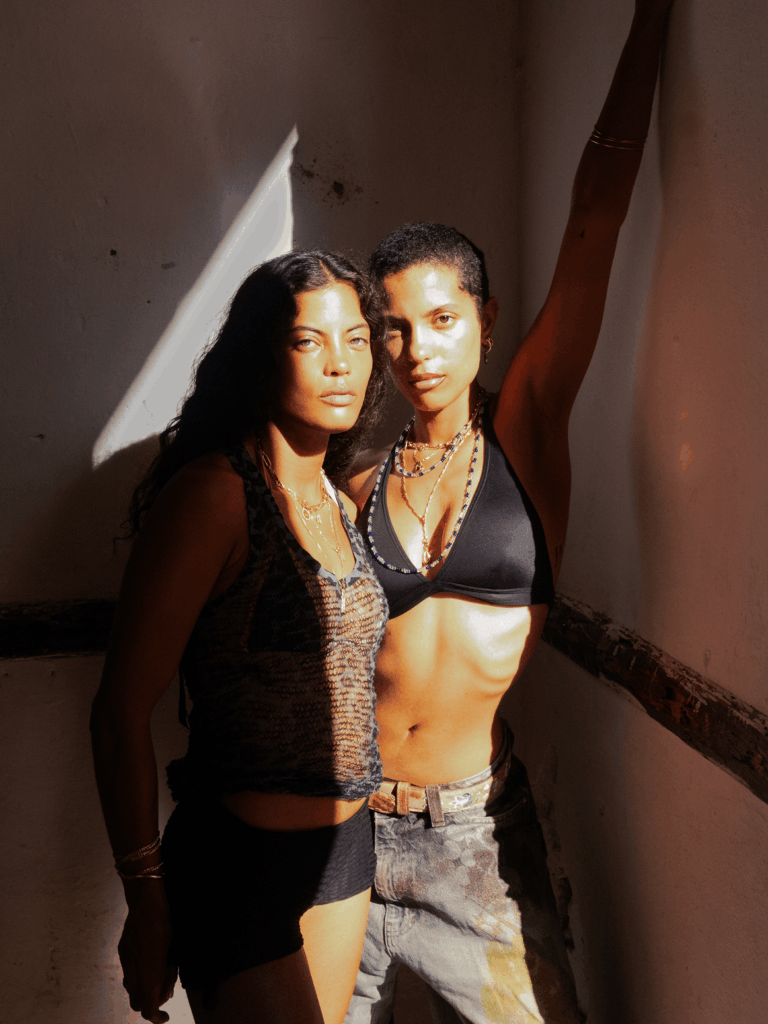
Photography by LISANDRA ALVAREZ
Ibeyi
Ibeyi Offering
Offering cover art by LISANDRA ALVAREZ

h: A sense of gratitude seems to run throughout this new chapter of your work. Offering feels like a tribute to the people, experiences, and traditions that have shaped you. Can you tell us about this mindset? What role does gratitude play in your creative life, especially in a world that often encourages us to move too quickly?

LD: I think, over the last three years, we had lost touch with gratitude. We were so consumed by other feelings. Actually, these other feelings are also depicted in Offering: whether it’s rage, anger, sadness, or desperation. Then, towards the end of making the album, it suddenly hit us. We felt gratitude. Gratitude for finding ourselves through the hard times and difficulties, finding realignment, for transmuting and transcending. Suddenly, when this enormous wave of gratefulness hits you—to be alive, to experience, to change, to discover, to fall and rise again—you realise that there’s nothing better. It’s like pure joy.

h: In Offerings, you sing, ‘I’m scared of change,’ yet the album embraces transformation, growth, and acceptance. Change can be unsettling, but it can also be liberating. What does change mean to you at this point in your lives and careers?

ND: A lot of people are scared of change, people are scared of vulnerability, and of recognising they are scared to change. But change is the future. We all change. Partners should change. Parents should change. Life should change.

LD: We have learnt to fall in love with change because we’ve learnt to fall in love with the process. In our song The Process, we say:

All those feelings in me are complex.
Suffering is so hard to accept.
I went through what I thought was the end.
I’ll be brave. I won’t numb the process.

h: Naomi, the batá drum and cajón connect you to powerful musical and familial traditions, while Lisa, you’ve spoken about the influence of Yoruba folk songs on your writing. Your work consistently defies expectations of genre. How do you balance tradition and experimentation in your creative process?

LD: It’s funny because, to us, the most difficult balance to achieve is between Naomi’s world and my world, not between tradition and experimentation. Our dad was a master of percussion, and he always liked to mix genres and styles. He did it in such a natural way; that’s how it happens within us too. It’s not very analysed. Now, coming back to this balance between Naomi’s world and my world. For the past ten years, the needle has been pointing more towards me. And now, with this album, the needle is falling towards Naomi, a new experimentation. Every new Ibeyi album will allow us to play with this balance of two universes in new ways.

h: Sisterhood has always been at the heart of Ibeyi. How has your relationship evolved over the years, both personally and creatively? What helps you stay connected through growth?

ND: Sisterhood is really important for us. It always has been. This band is rooted in sisterhood. What is beautiful is that through both good and bad, we’re always there for each other. Musically and artistically, we expand together. Ibeyi is the middle ground between our two very different worlds. Each world is taking up more and more space. Through this, we are stronger.

h: What do you hope listeners will take away from Offering? Is there a particular feeling, reflection, or conversation that you hope the album inspires?

LD: We have realised that neither of us have to shrink. Actually, we can stretch out, and everything can get bigger. That’s what makes Ibeyi.

ND: That falling is not the end of you. That being scared is not the end of you. That being vulnerable and having a big ego is not the end of you. I personally have a lot of ego. I’ve realised that ego goes hand in hand with vulnerability. That, you know, not avoiding shit is the best.

LD: Facing your demons is the best. On the other side, there are new springs. Only then can you feel truly excited for the future.

Official music video for Hurry hurry by IBEYI from the album OFFERING.
Original concept by IBEYI
Directed and edited by THOMAS LE PROVOST

Words: MARTA TERESA

ISSUE 8

issue no8

Discover the new issue — available now