Ras Bartram fashion styling fashion industry
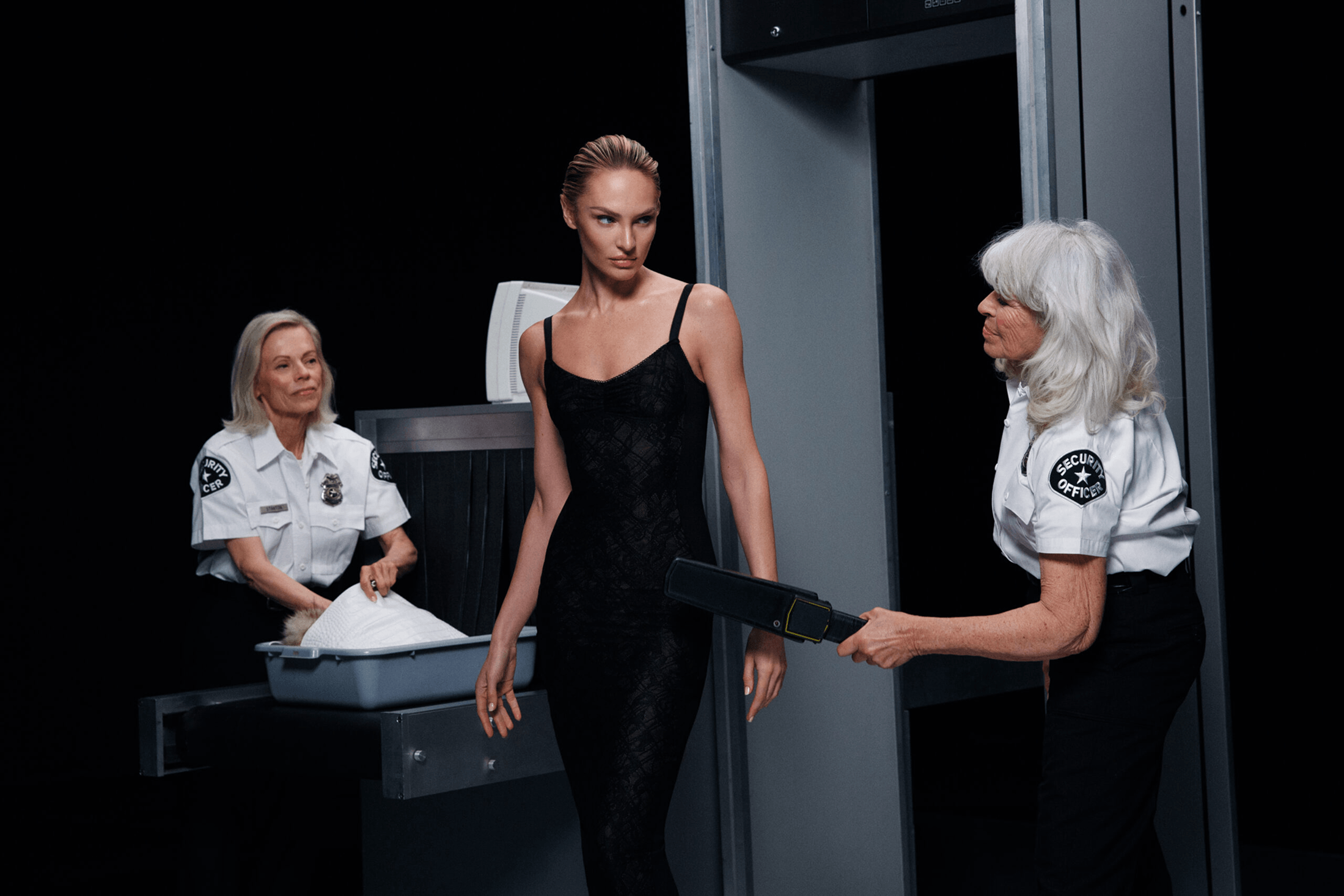
CANDICE SWANEPOEL in a campaign for the brand CDP. Photography by DANIEL SACHON; styled by RAS BARTRAM

Ras Bartram on instinct, risk, and fashion styling

Ras Bartram
fashion styling
fashion industry
Courtesy of RAS BARTRAM
Ras Bartram
fashion styling
fashion industry
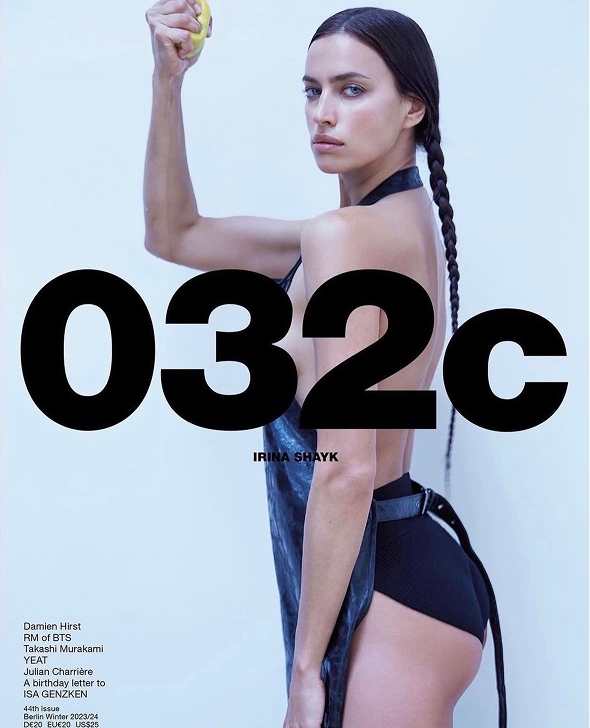
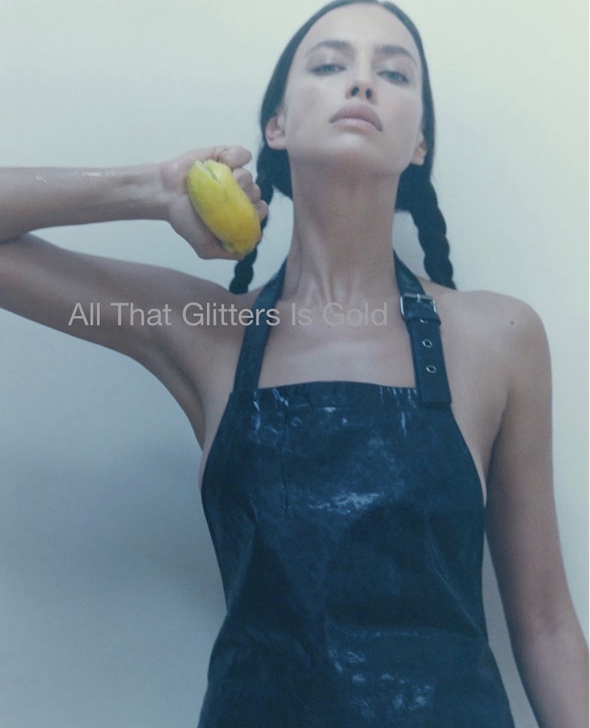
IRINA SHAYK for the cover of 032C MAGAZINE, Winter 2023/24 issue
Photography by SEAN AND SENG
Ras Bartram
fashion styling
fashion industry
Ras Bartram
fashion styling
fashion industry
032C MAGAZINE
Photography by STEVEN KLEIN
Styled by RAS BARTRAM

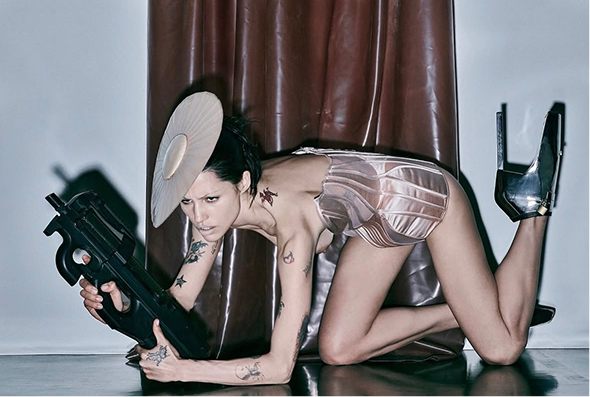
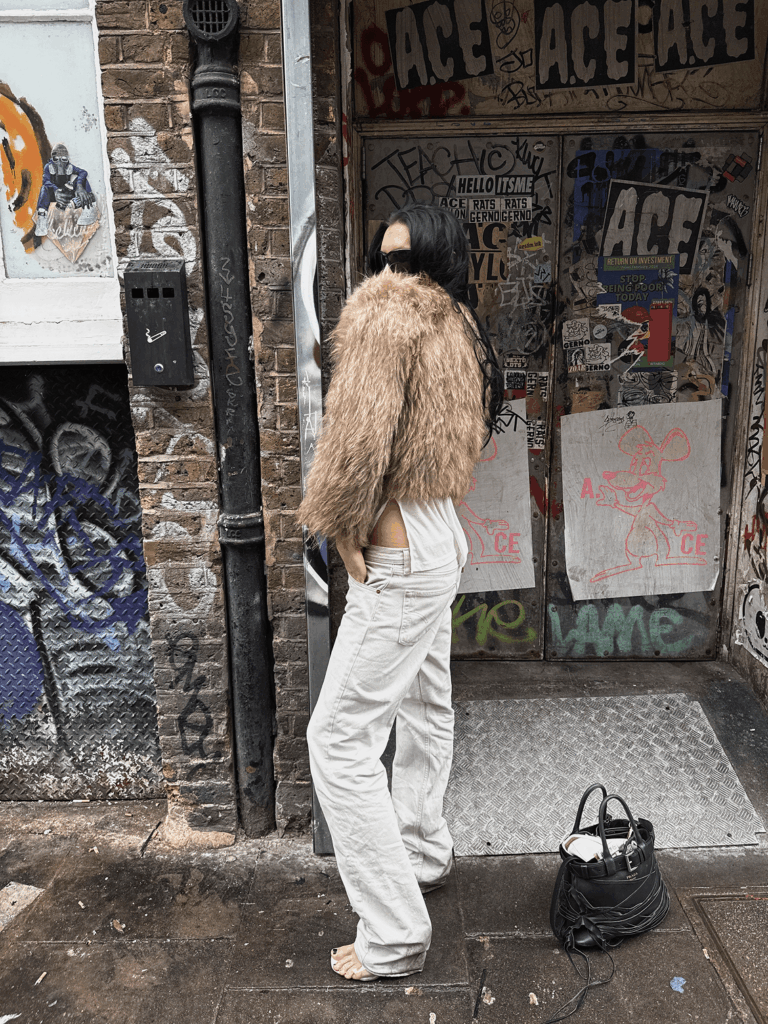
Ras Bartram’s approach to fashion styling is rooted in a rich mix of early influences. A stylist and creative consultant who previously served as the fashion director of 032c and currently acts as editor-at-large at CR Fashion Book, he brings a layered sensibility to his collaborations—one in which every detail contributes to a cohesive world rather than isolated looks. His work consistently balances precision with a willingness to take risks, creating visuals that feel both curated and slightly unresolved. This makes him sought-after in the fashion industry: his distinctive visuals, defined by character and edge, stand out in an increasingly homogenized landscape. In this conversation with hube’s editor-in-chief, Bartram reflects on memorability, the balance he maintains in his work, and why magazines still matter.

Sasha Kovaleva: Thinking back to your childhood, before fashion became a professional language—what were the first images, environments, or sensations that shaped how you see? Not necessarily fashion references, but anything that left a visual or emotional imprint on your sense of form, body, or atmosphere.

Ras Bartram: My first references were probably Disney villains, Alice in Wonderland, Sleeping Beauty, Maleficent, the Evil Queen, characters like that. They always looked the best to me: dark, theatrical, sharp. Tim Burton films had the same effect on me.

Later it shifted into early 2000s pop culture and music videos. The Black Eyed Peas, especially Shut Up and My Humps, then Madonna, Britney, and eventually Gaga. I was always drawn to artists who brought darker or more unsettling elements into their visuals. In my teens it became Bowie. Just everything Bowie. The constant transformation, the control of image, the world-building around him stayed with me. In my late teens I got more into dark wave, post-punk, and gothic rock bands like Siouxsie and the Banshees, The Sisters of Mercy, and Clan of Xymox. Beyond falling in love with the music, that visual universe definitely healed something in me. So it’s safe to say my main inspirations and references come from music. Anything is better if it comes with sound.

SK: We’re arguably in a moment where traditional notions of taste—good, bad, refined, vulgar—have collapsed into something more ambiguous and fluid. Yet your work still feels very precise, almost surgical in its decisions. Do you believe in taste as a meaningful category anymore, or are you operating according to a different internal logic?

RB: I think precision still matters, but perfection doesn’t interest me that much. I’m more interested in risk. Sometimes risk works against precision, but it also gives the work tension and personality. When something becomes too controlled or overthought, it usually loses something human.

I like the balance between instinct and precision—precise risks. I also think every era of your work matters, even the messy ones. Development is more important to me than consistency.
SK: Magazines historically functioned as powerful filters—deciding not only what is seen, but how it is framed, contextualised, and remembered. Today, when images circulate independently of editorial structures and often outpace them, what role do magazines still play for you? Are they spaces of authorship and depth, or have they become just one node in a much larger image economy?

RB: Magazines work the same way favourite artists do. You follow certain publications because you trust their world, their references, their point of view. Sometimes an issue hits instantly, other times it pushes you toward something unexpected you wouldn’t have found on your own.

I still think magazines matter because they create continuity and identity. In a certain way, every magazine builds its own subculture, even now.

SK: Celebrities and brands both operate through careful image control, while your work often introduces ambiguity, tension, or slight instability. How do you negotiate that space? Is there room for vulnerability within highly managed images, or does it have to be carefully staged to exist at all?

RB: I’m very selective about who I work with because I don’t respond well to overly managed environments. I’m much more interested in spontaneity, accidents, and moments that feel slightly unresolved. The best images usually happen when people stop trying to control everything. Vulnerability only works when there’s enough trust for something real to happen.

SK: You’ve said gender isn’t a framework for you—so what actually structures your visual decisions instead?

RB: Instinct. Usually my first reaction is the right one.

SK: Images now are produced, consumed, and forgotten at an accelerated pace, often within the same day. As someone whose work exists within that circulation, how do you think about longevity? Is there still value in making images that last, or is ephemerality the condition we have to accept and even work with?

RB: If even one person remembers an image I made, that’s enough for me. Some of my strongest references are images most people probably forgot years ago, but they stayed with me. I think memorability is personal. There are hugely iconic images that do nothing for me, and obscure ones I’ll probably think about forever.

Ras Bartram
fashion styling
fashion industry
KIM KARDASHIAN for 032C MAGAZINE, Winter 2022/23 issue
Photography by COLLIER SCHORR
Styled by RAS BARTRAM
Ras Bartram
fashion styling
fashion industry
Ras Bartram
fashion styling
fashion industry
Matthew M. Williams for 032C MAGAZINE, Winter 2023/24 issue
Photography by SEBASTIÁN FAENA
Styled by RAS BARTRAM
Ras Bartram
fashion styling
fashion industry
032C MAGAZINE, Officecore with Gucci
Photography by TERESA CIOCIA
Styled by RAS BARTRAM
Ras Bartram
fashion styling
fashion industry
KATE UPTON for 032c MAGAZINE, Summer 2024
Photography by SEBASTIAN FAENA
Styled by RAS BARTRAM
Ras Bartram
fashion styling
fashion industry
RAMI MALEK for CR FASHION BOOK
Photography by ERIKA KAMANO
Styled by RAS BARTRAM
Ras Bartram
fashion styling
fashion industry
STELLA MAXWELL for 032C 032c MAGAZINE, Winter 2024
Photography by BRENT MCKEEVER
Styled by RAS BARTRAM
Ras Bartram
fashion styling
fashion industry
KATE UPTON for 032c MAGAZINE, Summer 2024
Photography by SEBASTIAN FAENA
Styled by RAS BARTRAM
Ras Bartram
fashion styling
fashion industry
UMA THURMAN for CR FASHION BOOK
Photography by LUIGI & IANGO
Styled by RAS BARTRAM
Ras Bartram
fashion styling
fashion industry

SK: In many of your images, the body doesn’t read as something stable or “natural,” but as something almost sculptural—reshaped through styling, pose, light, and context. Do you think of the body as a material to work with, similar to fabric or space?

RB: Absolutely. The body completely changes the attitude of an image. The way someone moves, holds tension, or occupies space can define the entire mood more than the clothes themselves sometimes.

SK: If you could invite any three people to a dinner—living or not—knowing they would definitely say yes, who would you choose, and what kind of conversation would you hope to have with them?

RB: David Bowie, Uma Thurman, and Paul McCartney. We’d play Would You Rather with questions written by me, and listen to Ram the entire night. 

SK: What frustrates you most about the fashion industry today, and, despite that, what still gives you a sense of hope within it?

RB: People overanalyse everything now, often without any real understanding or instinct behind it. Everything needs a think piece or explanation. What still gives me hope are people who trust taste, emotion, and intuition enough to make something slightly dangerous.

SK: How would you describe the future in three words?

RB: Nostalgic, unhinged, gay.

Ras Bartram
fashion styling
fashion industry
032c MAGAZINE, Summer 2025
Photography by STEVEN KLEIN
Styled by RAS BARTRAM
Ras Bartram
fashion styling
fashion industry
STELLA MAXWELL for ISSUEISSUE MAGAZINE 04 PLAY
Photography by FREJA WEWER
Styled by RAS BARTRAM
Set Design by LEO MARIBO
Ras Bartram
fashion styling
fashion industry
032c MAGAZINE, Codependency
 Photography by SEBASTIAN FAENA
Styled by RAS BARTRAM

ISSUE 8

issue no8

Discover the new issue — available now