Photography by ILLYA OVCHAR
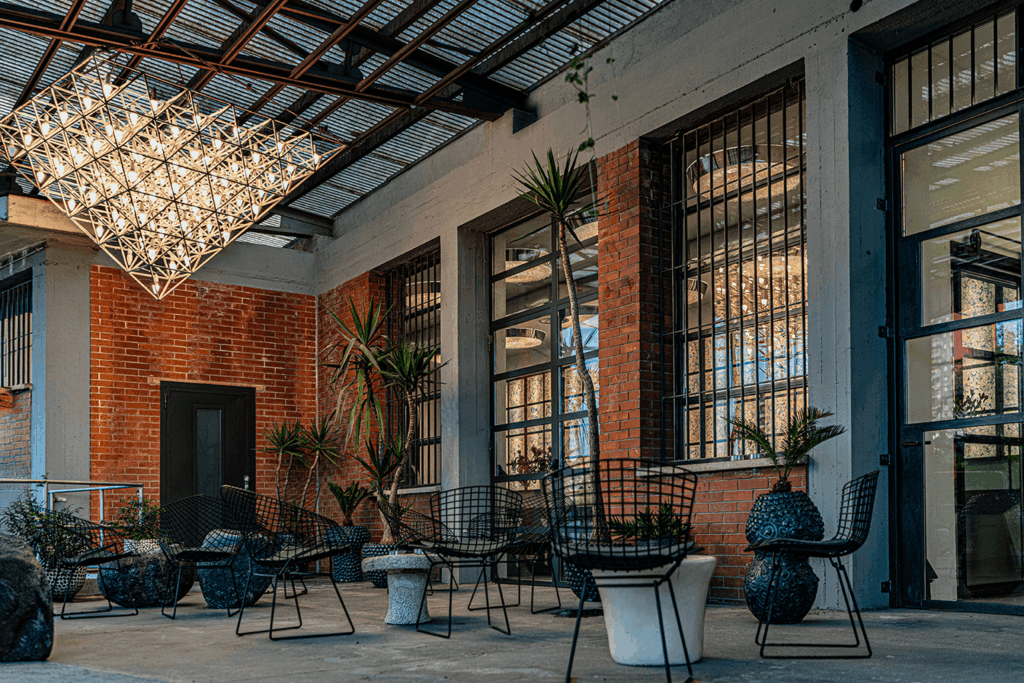
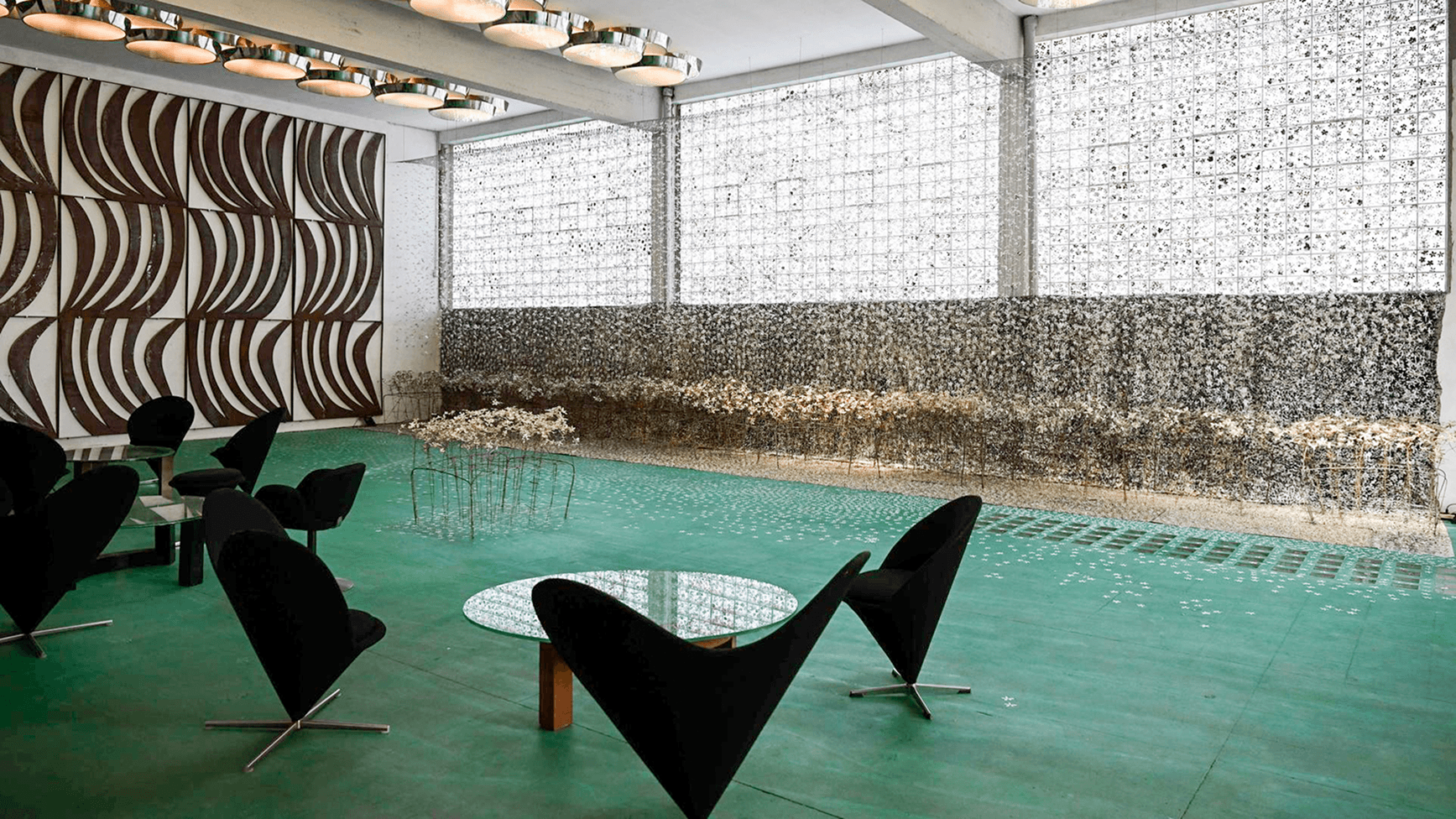
The Fondazione Sozzani understands an archive not as a place where the past is preserved, but as somewhere it can continue to live. Its collections of photography, fashion, design and the applied arts are made available to the young creatives who pass through the Foundation, allowing images, objects and ideas to move between generations rather than settle into history. Founded by Carla Sozzani, the institution has become part of Milan’s visual culture precisely by keeping it in motion: looking backwards, not out of nostalgia, but to understand what might still be possible.
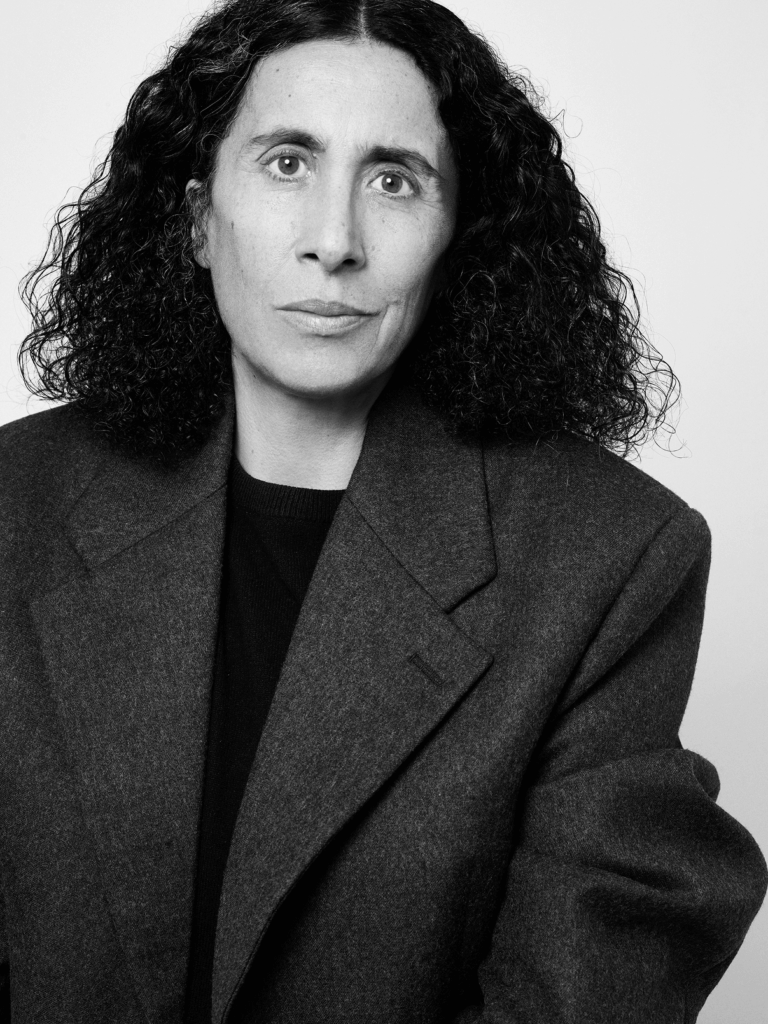
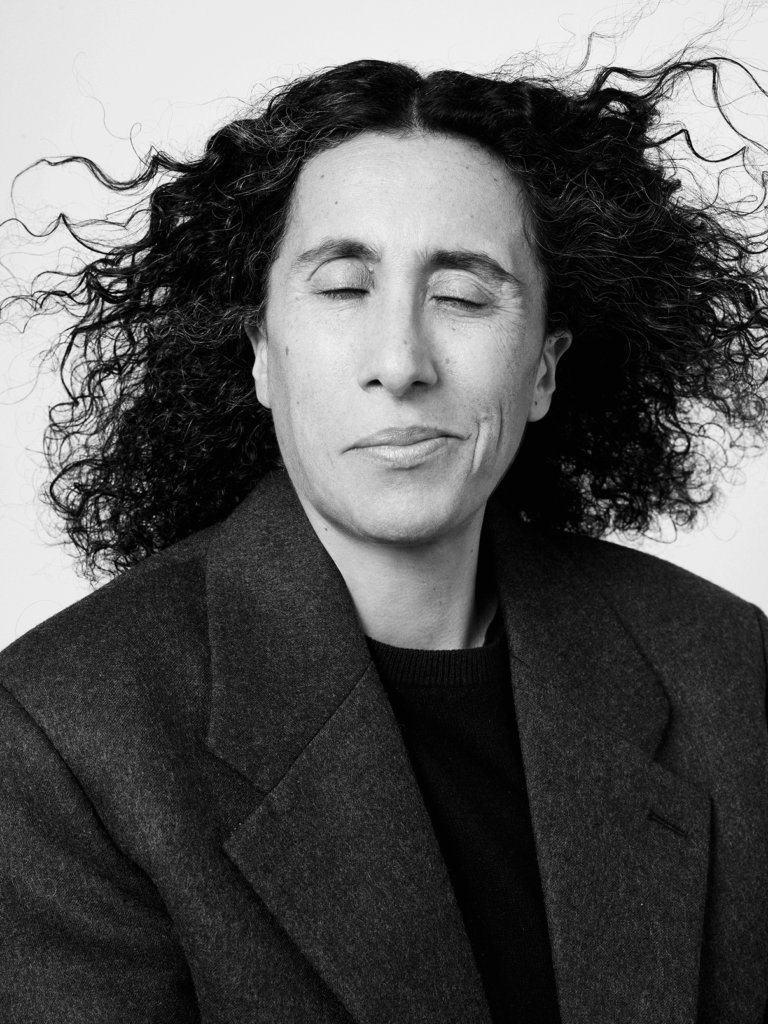
As Creative Director, Sara Sozzani Maino stands within this lineage with both loyalty and independence. After decades spent discovering and supporting emerging talent, she is expanding the Foundation as a space in which a new generation can develop on its own terms—and, crucially, at its own pace. In a creative economy increasingly organised around immediacy, visibility and volume, the Foundation proposes another measure of value: time, curiosity, craft and the freedom to resist a system that demands too much, too quickly. Its ambition is not simply to launch careers, but to give ideas the conditions in which they can endure.
This year, that philosophy has moved beyond the Foundation’s own walls. Through its participation in UNESCO’s Global Education Coalition and the launch of the Sozzani Award, which provides scholarships and educational support, the institution is extending its commitment to education, independence and women’s empowerment in craft and design. It is a natural evolution of an idea at the heart of Sozzani Maino’s practice: that cultural responsibility is not only about preserving what came before, but about deciding what is worth carrying forward. In conversation with hube’s Editor-in-Chief, she reflects on the life of an archive, the necessity of independence, the enduring value of making things slowly, and what it means to create a future without severing ties with the past.
Sasha Kovaleva: As Creative Director of the Fondazione Sozzani, you are extending a family legacy built around images, fashion, and culture into a new generation. Today, what do you see as the Foundation’s deepest purpose—and how does it create a slower, more reflective space within a world increasingly driven by speed and constant consumption?
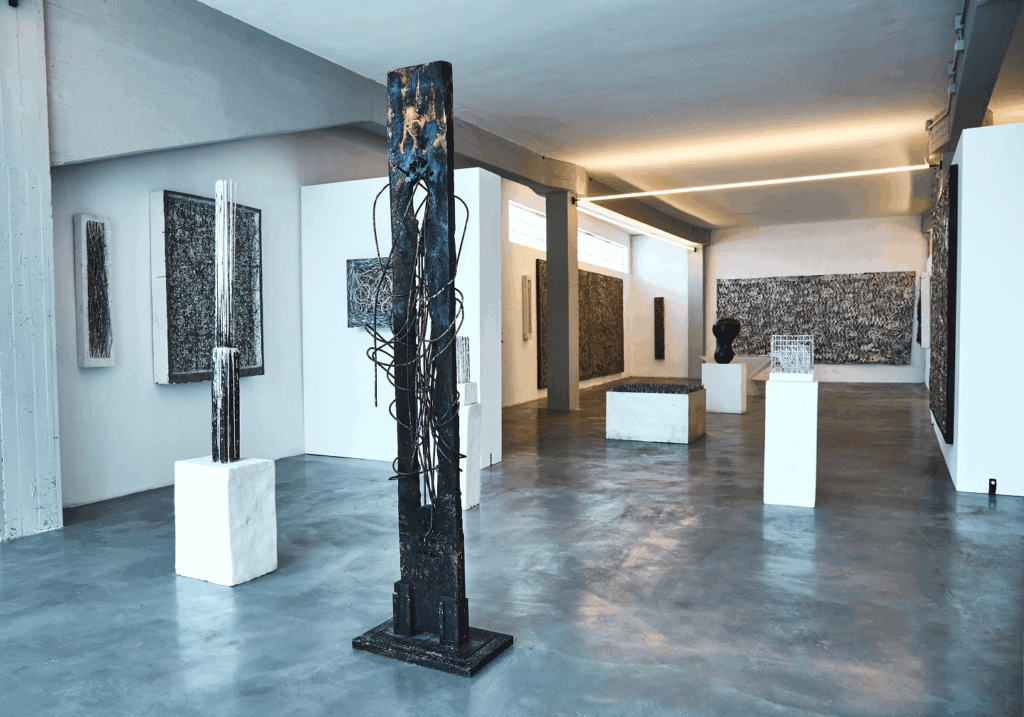
Sara Sozzani Maino: The Foundation right now wants to become a place where people from the new generation can express their creativity—building on what Carla has done over the last forty, fifty years of her career, and what I’ve done in my thirty years. It’s about creating cultural heritage and education for the public, and becoming a place where you can draw on the insights of photography, art, design, and fashion, but also on our values and pillars, which are education and responsibility.
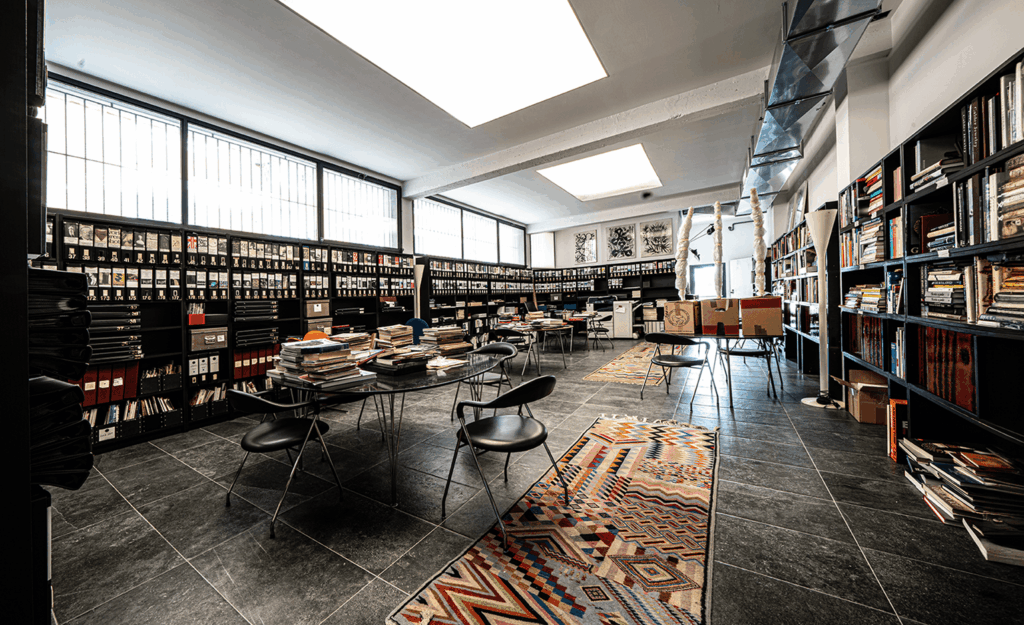
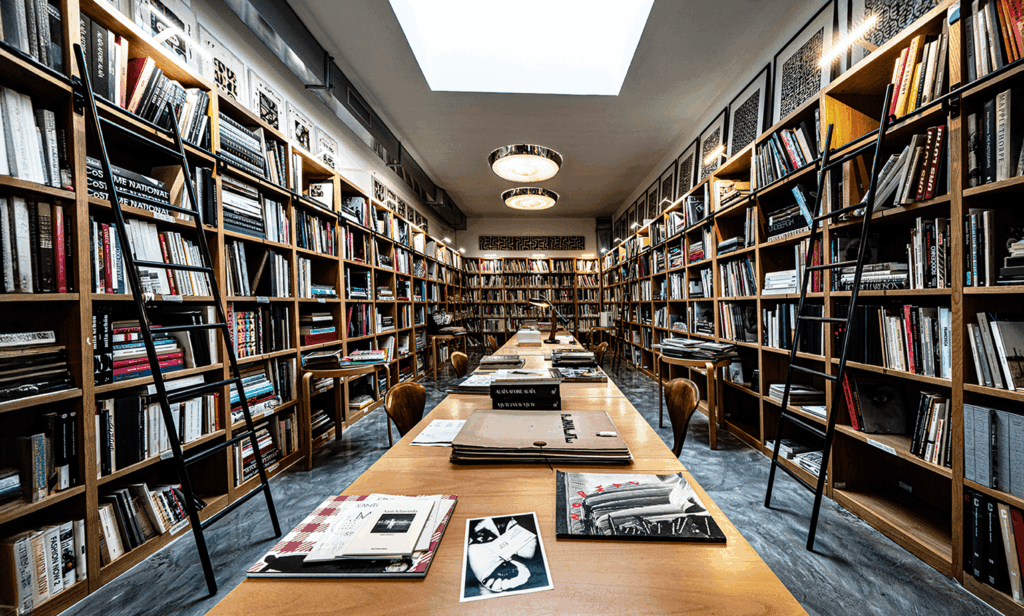
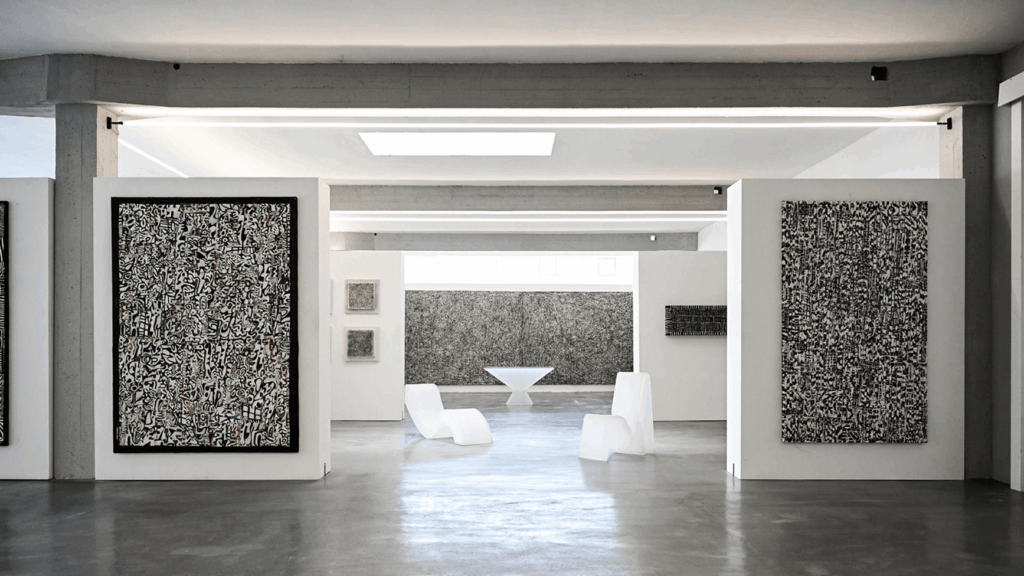
We want to encourage the new generation to express their creativity in different forms, without feeling they have to adjust to a market or a system that isn’t working right now. Part of our idea for the Foundation is understanding that there are different ways of expressing creativity and building a business—whether it’s a fashion brand or something else—and giving people the freedom of expression they don’t always find elsewhere. It has to be a place where people feel accepted and open to being seen. There’s obviously a selection process, but for us, creativity in all its forms is always welcome. That’s what the Foundation wants to be: a place where people can recognize themselves, whether they’re seeing an exhibition or studying in the library and looking through the archives. Cultural heritage matters a great deal to us.
I think this is especially important given what we’re facing now and in the future, because we have to look at the whole system—at quality versus quantity—and speak up about it. Right now, whether you’re a brand or a product, it’s always difficult at the beginning: you may not have economic support, or you need visibility. The challenges are different depending on the person. But I think the best way is to start at your own rhythm, in your own way of seeing things, without getting trapped in a system that demands too much, too fast. It’s a slower way, maybe, but a very important one.
SK: The Foundation’s archives date back to 1990, but you often speak about archives as living entities rather than static collections. What does it mean to truly activate an archive—to allow the past to become a source of dialogue, inspiration, and new creation rather than simply something to preserve?
SSM: The importance of creating an archive comes back to what I was saying about cultural heritage. When we talk about the past or history, it’s about creating synergies for the new generation. Archives are fundamental because they hold our memories of the past, but they’re also something you can bring from the past into the present and evolve into the future. Technology is becoming very important, and there’s AI too—I’m not against it—but I think it’s important for the new generation to keep track of, and stay close to, the past. Everything you come to know is built on what happened before.
That’s why archives—whether for photography, for clothes, or for books—are so important: they’re tangible, you can see them, and the story comes alive through the people who lived in that period. At the same time, it’s about heritage, because time passes and those people won’t be here anymore. You have to pass it on to the next generation and help them understand what came before, and how that connects to what’s happening today. What’s happening now is something new, but there’s always a link to history.
SK: Fashion has always existed between commerce and culture. At a moment when these two forces often seem to be in conflict, what role can independent cultural institutions play in protecting experimentation and imagination?
SSM: Independence is always the key word for foundations and cultural spaces like ours. To be independent is to be free—not to get pulled into a system, or to try to create a new one. I think independence is very important because, like a lot of words—“trends,” “fashion,” “sustainability”—it can get used so often that its meaning gets lost. Right now, being independent matters because it gives you the freedom to decide whether you want to enter a system or a mechanism you’d otherwise have to go through to get results. You’re not obliged to.
When I speak to students or designers, I always say that starting out is difficult—it’s easier to explain how to do something than to actually do it. But it’s important for people like me, and others across the industry, to show that there’s always a different way to do things. There doesn’t have to be one system to follow. At a certain point, the fashion industry seems to demand the classic path—production, retail, distribution, shows—but that’s no longer the only case. You can choose that path, but there are other ways too.
Independence is important because it gives you the freedom to choose what to do. There will always be compromises—that’s part of life—but being independent means staying as free as possible, and deciding how to build and accept those compromises, and how to encourage a conversation rather than simply doing what you’re told. That’s why, for us, the Foundation is also about building a community around it—it’s not just about the Foundation itself.
SK: The Foundation’s program moves fluidly between fashion, photography, design, cinema, and conversations. How do you define the boundaries of what belongs within this ecosystem? Is there a particular thread—perhaps invisible at first—that connects all the disciplines you choose to bring together?
SSM: I think the main threads are passion and curiosity. What distinguishes me as a person is that someone always opened a door for me, gave me an opportunity, and I took it as best I could. When I started at Vogue, and throughout my career, I always had the chance to be somewhere I could make a difference and offer support. I think it’s also about responsibility—that’s something you never forget.
And it’s about giving back, because you can’t just think about yourself, or about the results of the Foundation at the moment. You have to think about the fact that the Foundation will go on after we’re no longer here, and that it’s going to be run by other people who carry forward the same values and pillars we’ve built it on. That, I think, is extremely important.
SK: The Foundation has supported emerging creatives for years, and the launch of the Sozzani Award created a new structure for that commitment. What made an award the right gesture at this moment? What did you feel was missing that this initiative could provide?
SSM: We have a lot of awards already, but for us, this one was more about underlining the work the Foundation is doing and where we want to go. An award, for us, isn’t about the money—though that matters—it’s about recognition, support, and opportunity. Doing this award was also a form of communication: a way to show what we’re doing on the inside, which not everyone knows, even though we run a lot of events.
Creating the award was a way to communicate the results we’re achieving, while also giving support and responsibility to the person who receives it—and going directly to what they really need. For our first edition, that’s women’s empowerment in design and craft, because for us, education is central. We give a scholarship—whether to a student, a designer just starting out, or a designer who already has their own project or brand and a community they want to educate. Applicants tell us what kind of course or educational path they want, and we cover their costs and give them the chance to move their business or education forward.
It’s less about the monetary value—though that’s important—and more about giving practical opportunities. If you give someone a large sum of money, you also need the structure around it: mentoring, people to follow up with them. We’re a very small foundation, so we felt the practical route was more effective, and truer to what we do.
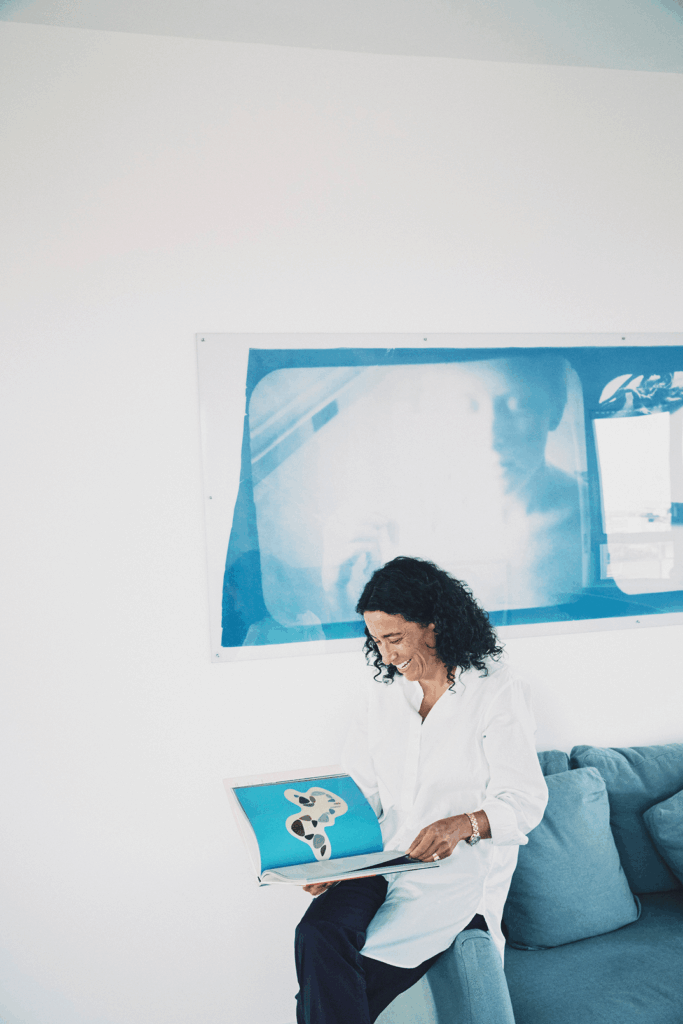
Photography by STEFAN GIFTHALER
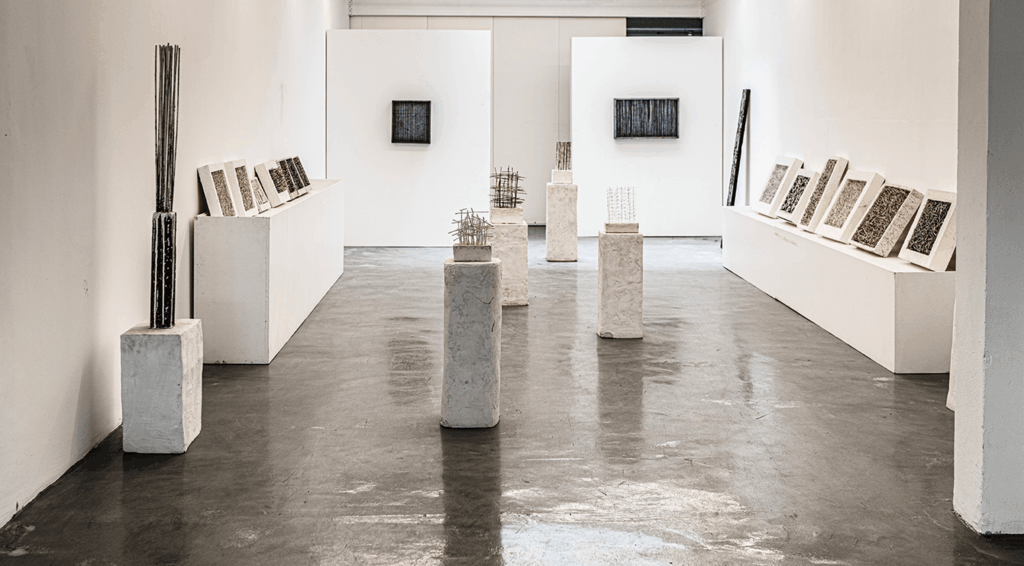
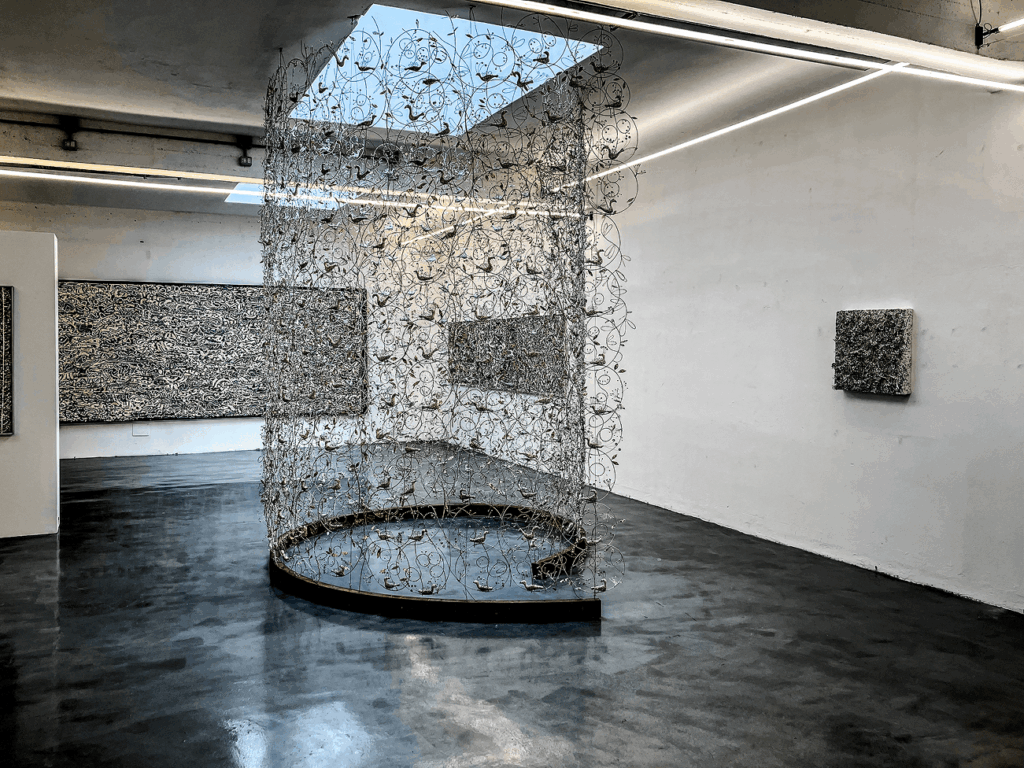
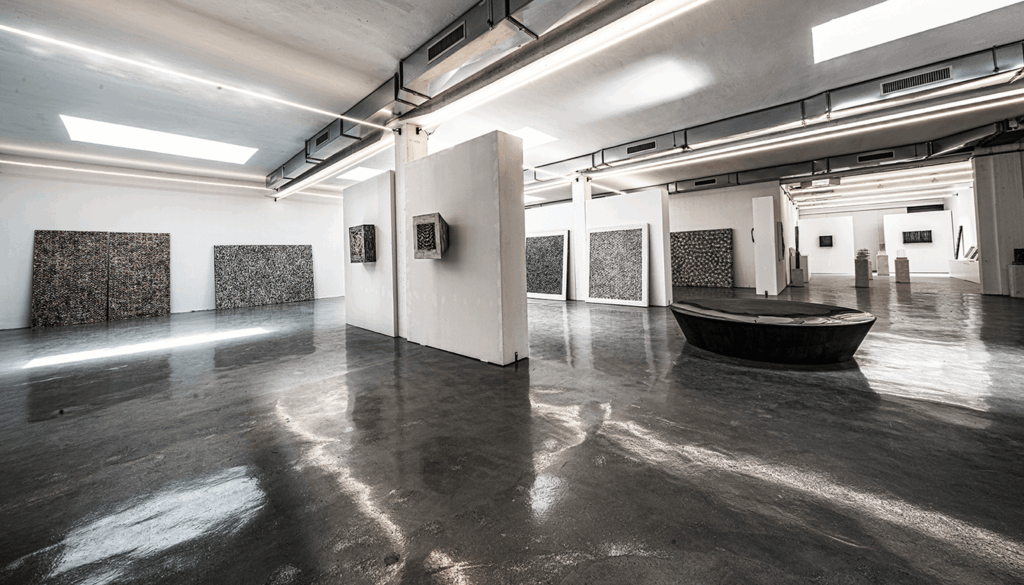
Photography by ILLYA OVCHAR

SK: The first edition of the Sozzani Award focuses on women working in craft. Why did you choose craftsmanship as the starting point? What does craft represent today, at a time when technology is transforming the way we create and perceive value?
SSM: Our three categories are fashion, photography, and design and craft. Craft matters to us especially because we’re based in Italy, a country full of history and quality craftsmanship. I think the new generation genuinely wants to do this—everyone says we’re losing the handmade, and that’s true, but I see more and more students and creative people who want to go back to that slower way of doing things, working with their hands.
Craft is really the start of everything. If you talk about clothing, you start with a jacket—sartorial, handmade. If you talk about couture, it’s about making one piece, not industrializing it—it’s about something special. And it always comes back to slowness and quality. That’s something very important to us.
SK: Taste is often described as something intuitive, almost impossible to explain. Yet your work requires making choices every day—what to preserve, what to support, what deserves attention. How do you understand the relationship between intuition and responsibility?
SSM: Sometimes it is intuition. But throughout my career, I’ve never chosen based only on my own taste—obviously I need to like something, but sometimes I see a project that I don’t love aesthetically, yet there’s such a strong story behind it that I know it deserves help and support. It’s not just about choosing something, launching it into the system, and saying goodbye—it’s about following through, which takes a lot of work.
Instinct comes very naturally, but in the end, it also takes courage to choose something that might not work out, knowing that something valuable will remain regardless. It’s not only about taste and aesthetics—it’s about the depth of the story behind the work, and making people stop and think about it, and stay curious about why that person chose to do what they did. It shouldn’t always be fast and immediate. Sometimes you need to sit with something—study an exhibition, watch it, and be curious enough to understand how the person arrived at that result.
SK: You have described creativity as an act of responsibility. What does responsibility mean for a young creative today—before they have an audience, influence, or recognition? Can the act of creating itself already be a form of social contribution?
SSM: Everything. For young creatives today—and for our public in general—it starts with stopping to understand why that creative person decided to make that particular project.
I use the word responsibility not just in the sense of sustainability, but socially and ethically. When you make something, it’s not just about the final product—a piece of clothing, a piece of design—it’s about the story behind it, and why you’re doing it. Responsibility means the project carries that storytelling: it’s not just showing a piece of clothing, but recognizing the people and communities behind it, and showing something that might otherwise be lost. It’s about creating educational value. That, to me, is very important.
SK: Every generation creates its own visual language. Looking at young artists and designers today, what new sensibilities or ways of seeing do you feel are emerging? And what conversations do you think the next generation is trying to start?
SSM: I think what they want to show is that they want something different—that the world they’re living in now moves too fast, and they don’t feel they fully belong to it. Technology is fantastic, fundamental, amazing—but at the same time, they don’t want to lose touch with something physical, something beyond the online world. When I speak to students, I see them going back to wanting physical magazines, wanting physical contact with things.
It’s not just a cliché to say they want a better future—it’s true. They don’t want to be pushed to do everything so fast. I always tell students: you’re twenty-one, in two years you’ll be twenty-three, you’re still young—live your age. Sometimes social media and this constant fastness just make things pass you by so quickly that you don’t even realize what’s happening around you. That’s really what they want.
SK: Beyond your professional roles, how do you personally cultivate a sense of wonder, style, and intellectual curiosity in daily life? Are there rituals, places, or practices that keep your perspective fresh?
SSM: I’ve always been someone very passionate. I travel a lot, I see a lot of exhibitions, I read, I buy a lot of books. Part of why I work with so many young people is that I learn so much from them—they say they learn from me, and I hope that’s true, but meeting so many creative people from all over the world gives me so much in return. You can’t travel the whole world, so working with them is a way for me to keep learning. I always say I’ll keep doing this job as long as I keep learning something—the moment I stop learning is the moment I need to change direction. It’s really about staying passionate and curious.
SK: If you could invite three people (dead or alive) to dinner—knowing they would accept your invitation—who would they be?
SSM: One, for sure, would be my aunt, Franca Sozzani, who was my mentor—I’d want to know what she thinks about everything happening now. Another would be Basquiat. And the third would be Jane Goodall.