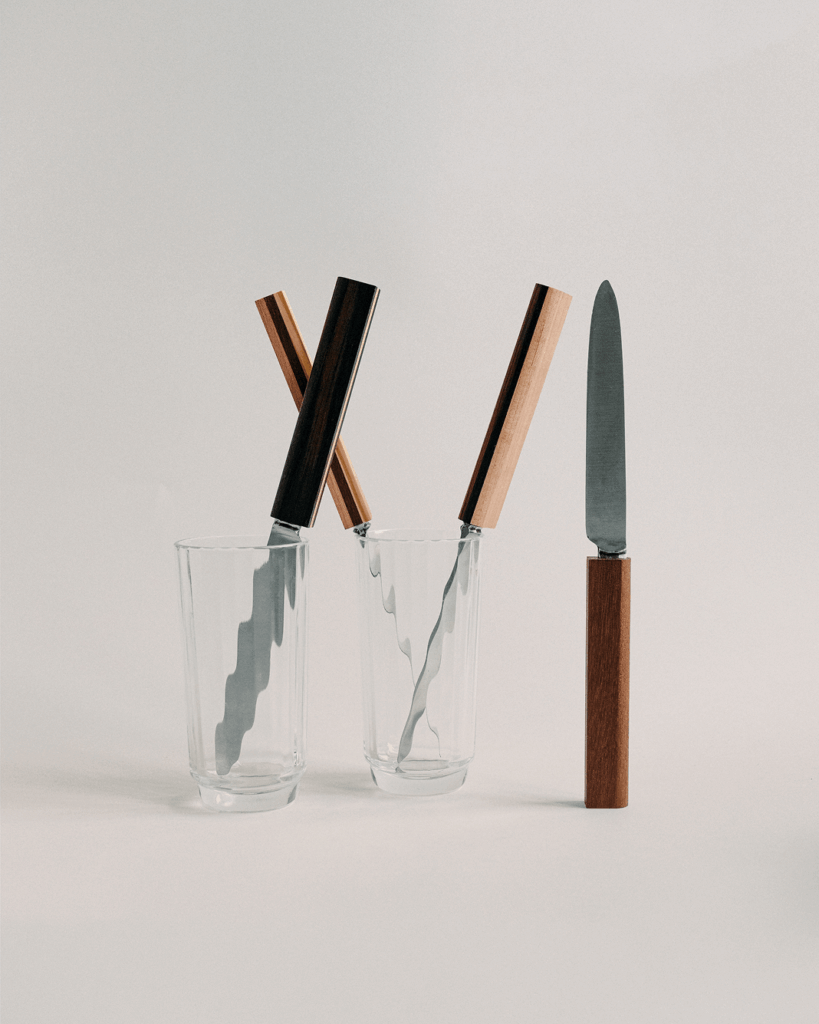
Crisol.Knives
Photography by CLEMENTE VERGARA, CD ELISA DI DATO, 2025
Francisco Jaramillo is interested in what an object can say before it is asked what it should look like. Trained as a product design engineer, he became increasingly restless with the human-centred logic that shaped his education, questioning why design so often begins and ends with the human. That question eventually led to Fango, the studio he founded around a simple but demanding premise: every object should have a reason to exist beyond its form.
Working between Colombia and Barcelona, Jaramillo treats design as a form of research into place, material, memory, and the systems that connect them. His furniture grows out of Colombian traditions of woven making, developed in close dialogue with artisans and pushed into unfamiliar forms. Materials are never neutral in his practice: yaré carries the knowledge of Indigenous communities and the cycles of the Amazon; weaving becomes a way of testing how far a tradition can move without losing its meaning.
Distance has added another layer to this investigation. Since moving to Barcelona, Jaramillo has begun exploring blown glass through the experience of migration, reflecting on the Venezuelan communities he encountered in Colombia and on his own, more privileged experience of leaving one place for another. For him, identity is not something to recover in its purest form, but something that accumulates—through movement, history, colonisation, exchange, and time.
What emerges from Fango is therefore less a fixed visual language than a way of looking: at where materials come from, at whose hands transform them, at the histories embedded in objects, and at what design might reveal when it stops treating context as background. We spoke with Jaramillo about designing with purpose, challenging inherited techniques, the politics of materials, and what happens to a practice when its own geography begins to shift.
hube: What first drew you from design engineering toward furniture specifically—toward pieces that sit in rooms, that invite the body, that gather presence over time?
Francisco Jaramillo: There has never really been a shift toward furniture pieces specifically. My approach to design has always tried not to be defined by a particular type of object. It always depends on the message that the piece needs to communicate, and from there, the object takes shape and purpose.
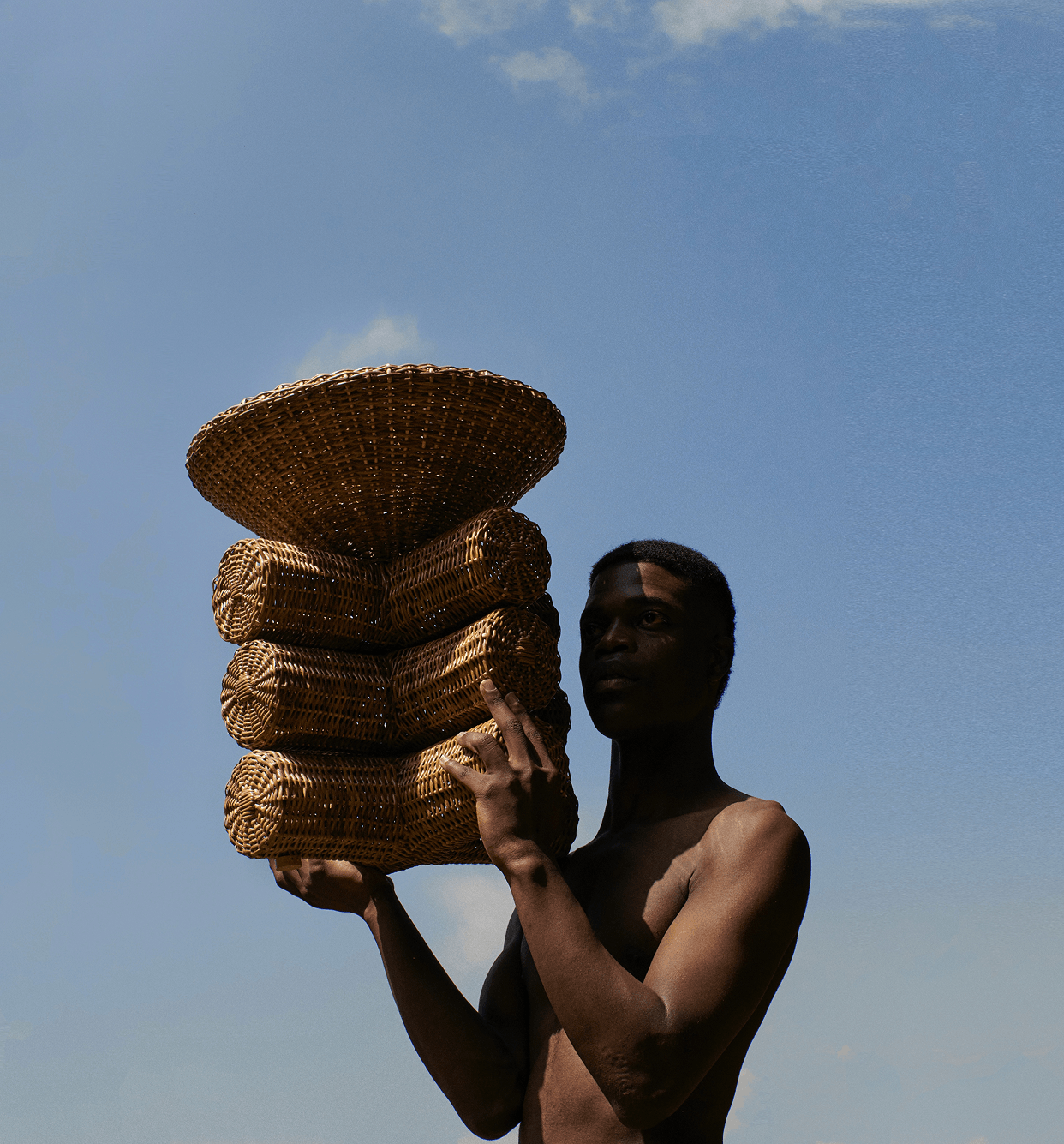
In the case of the Ibuju collection, it ultimately became a group of furniture pieces because the idea was to create a parallel with furniture traditionally produced from large logs or trunks of wood.
h: When you started Fango, what core question did you want the practice to keep returning to, even as the materials, collaborations, and geographies shifted?
FJ: The question is: what does the piece communicate? What purpose for reflection does each object have within our broader understanding of the world?
My goal is to design with a purpose. And within our countries in Latin America, the environment, the people, and the surrounding context are everything. I want the work to reveal what is happening there.
h: You often describe design as a form of storytelling. What kinds of stories do you feel most compelled to tell through furniture?
FJ: The stories always begin with context. When I studied product design engineering in my hometown, I became frustrated always designing around the human-centered design paradigm. I kept asking myself: where are all the other species that surround us? For me, design has to narrate something with a purpose.
h: You work closely with Colombian artisans while showing on international stages. How do these two spheres nourish—or sometimes tension—each other in your practice?
FJ: There is nothing wrong with taking the work to an international stage; on the contrary, it helps showcase our mastery of handmade processes and, at the same time, reveals a little more about the country.
h: What does it mean, for you, to design from Latin America without simply borrowing or resisting Western formulas? What is the approach that feels the truest?
FJ: I don’t really believe in formulas—at least not in certain disciplines. Just as the human body is the same wherever you are in the world, design is a universal language shaped by the person behind it. I feel that, specifically within my process, every project represents a different kind of research.
h: Much of your recent work turns to materials rooted in specific Colombian landscapes. What draws you to a material—its history, its behavior in the hand, its social life, its vulnerability?
FJ: Honestly, all of it matters to me. Behind every material there is a whole chain of elements that influence it—from where it is extracted to the moment when it is finally processed.
h: The Ibuju collection uses yaré, a renewable fiber that grows around trees rather than requiring them to be felled. How did the encounter with that material reshape your thinking about furniture and about the Amazon itself?
FJ: As I mentioned, there is an immense chain behind every material. In the case of yaré, it is not a material we discovered in the studio. It has been used in Colombia for decades.
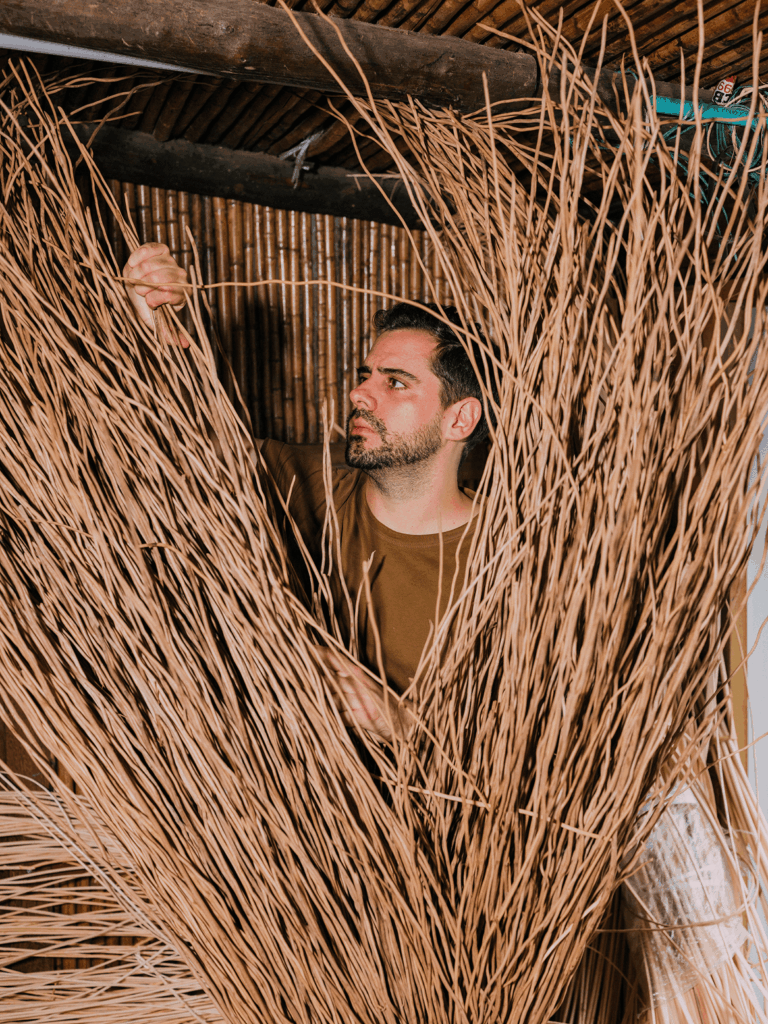
The goal was to understand that we had a material in our own country that was very similar to what is normally imported from Indonesia—such as wicker and rattan. I decided to investigate it more deeply, and that is when I discovered the richness of the entire chain behind it: its collection by Indigenous communities in Putumayo, Colombia; the time periods in which it can be extracted; and the way this material, like thousands of other species, depends on the jungle and its cycles.
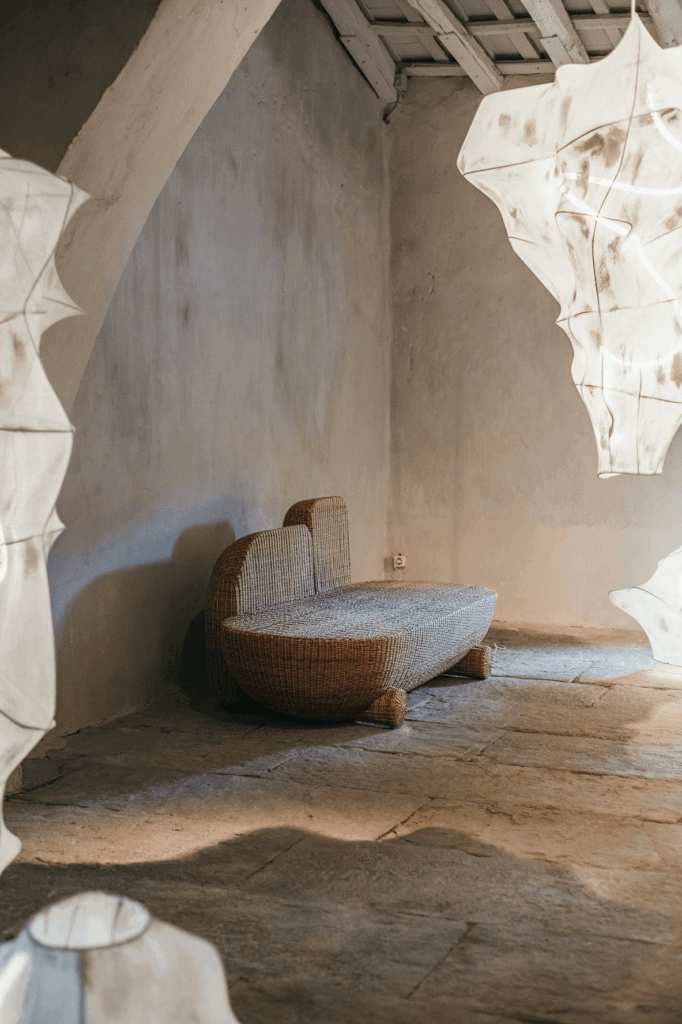
Ibuju
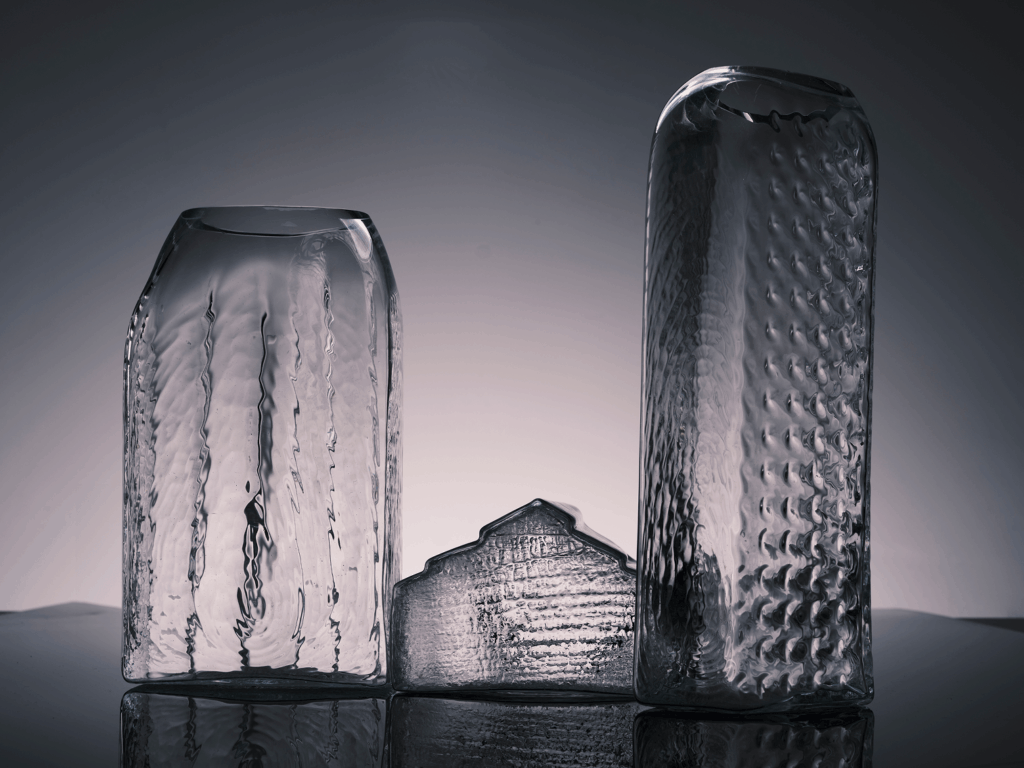
Hope Token Vases
Photography by NACHO ALEGRE
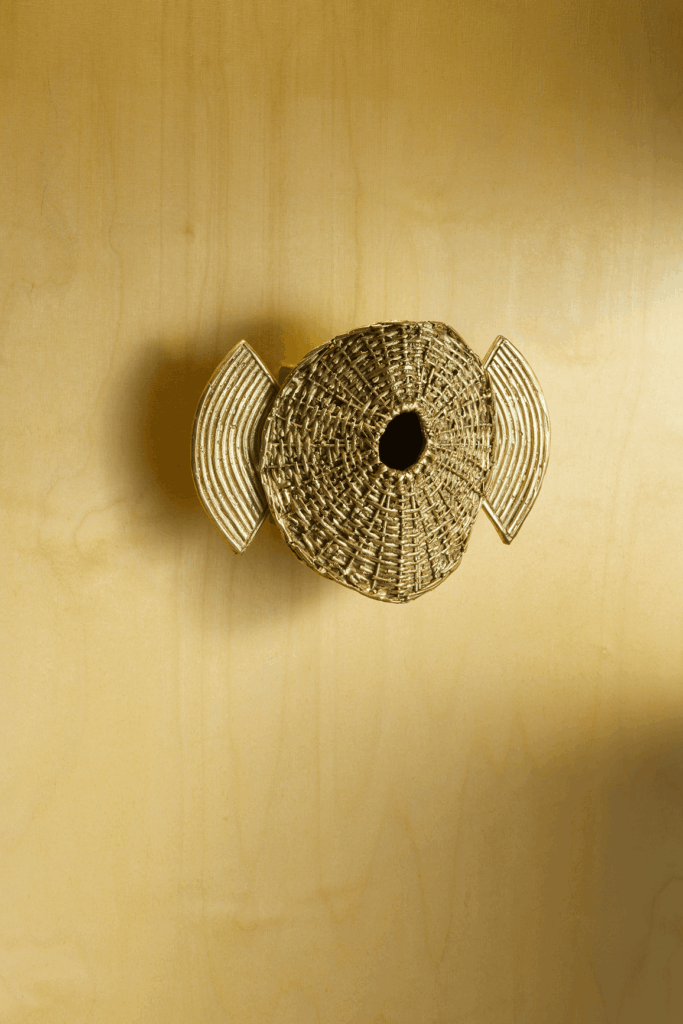
Alado.Birdhouse
Photography by HEINZ UNGER
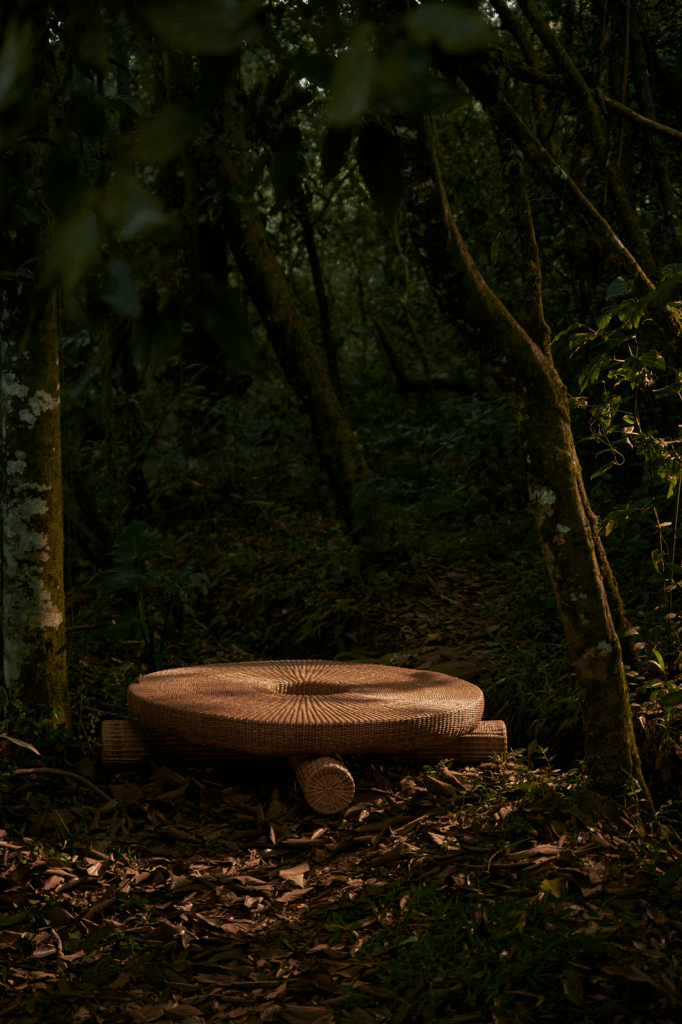
Ibuju coffee table collection
Photography by DEPARTAMENTO DE ARTE, 2023
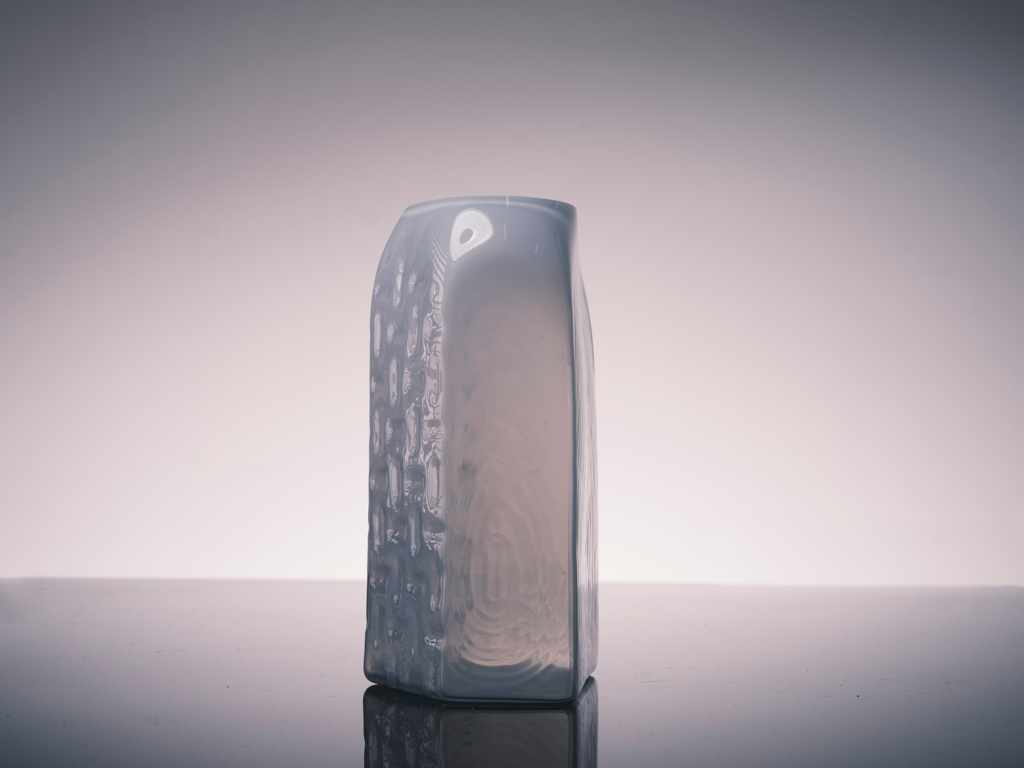
Hope Token Vases
Photography by NACHO ALEGRE
h: When you collaborate with weavers near Medellín, what is the actual exchange of knowledge like? What do you learn from their hands that no academy can teach?
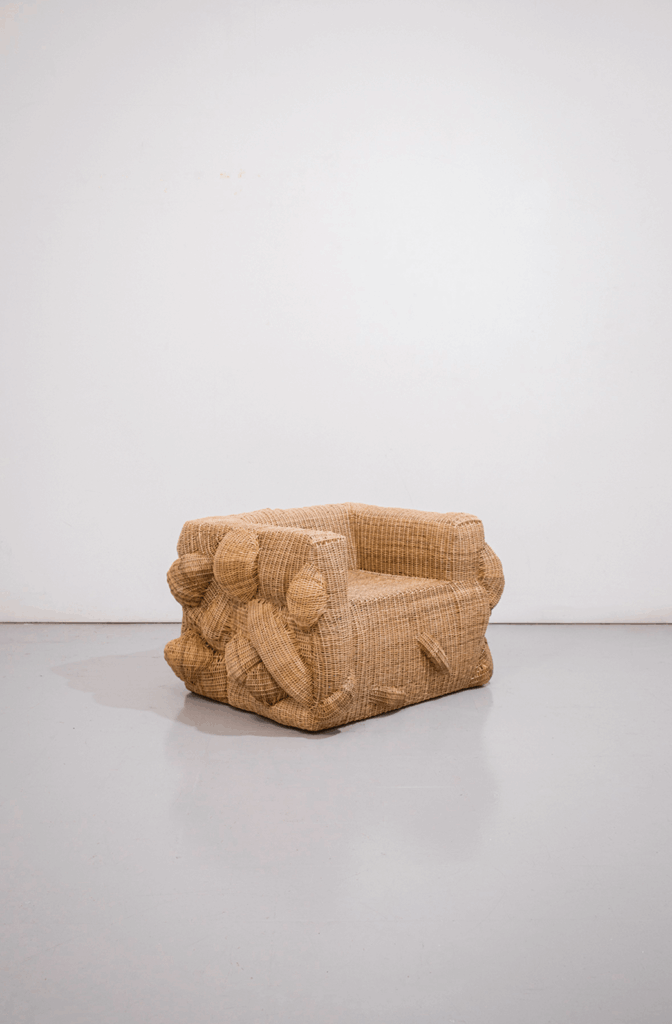
FJ: We all learn from each other. We learn how to push the material to its limits, while also challenging the weavers to explore new ways of working with it, often in order to achieve different volumes and forms—as we did with the Emulate Nature collection.
h: The Emulate Nature collection challenges traditional weaving techniques to let the fiber take freer, more random forms that echo nature’s own intelligence. What prompted this shift from structured weaving toward a more open, experimental dialogue with the material?
FJ: Precisely that: challenging the hands and minds of the weavers. It is about taking on a new challenge every time we create one of these pieces. The material itself remains the same, but the more “disordered” way of weaving makes the process much more demanding.
h: You have said that Colombia lost much of its identity after colonization and that it falls to its people now to create and shape what exists today. How does design participate in that act of cultural recovery or reinvention?
FJ: I don’t believe Colombia has lost its identity. Populations around the world carry multiple layers of identity—not only those of their earliest inhabitants, but also those shaped by the different changes they have experienced and continue to experience.
Our identity today is also represented by colonization and everything that came after it. I have German and Italian ancestry myself, so I believe the identity that should be told is the one that brings together all the different elements that make up each region.
h: Having settled in Barcelona a few years ago, how has the daily reality of working from Europe changed the practical rhythms of Fango—material decisions, production timelines, collaborations, or the scale of what you choose to develop?
FJ: Being far away has questioned many things for me and has been a great challenge. But it has also allowed me to observe more closely the movements and changes in people, and to design from that perspective. I am now developing a new collection of blown-glass pieces, produced here in Barcelona, in which I explore the experience of migration.
When I was in Colombia, seeing so many migrants, especially from Venezuela, I used to wonder what it meant to migrate under different circumstances. I have to say that I have experienced it in a very fortunate way. But being here has made the differences much clearer to me—and has made me understand what it means for many people to simply survive, taking on activities such as collecting metal and selling it for scrap because they don’t have the proper documents or face language barriers when trying to find work.
The project Hope Token speaks precisely about this: a talisman of hope that each individual carries when leaving their homeland and facing the changes that come with starting somewhere new.
h: Looking ahead, where is your creative energy currently traveling—toward new materials, new geographies, new collaborations, or perhaps something more personal?
FJ: Part of that question is answered in the previous one. But I am also exploring new material from the Amazon that I have been researching for about three years.