What does it mean to read the truths and fictions of a scene? Set designer Jabez Bartlett talks to us about leaving in the ‘working out’. A digitally captured scene feels habitable when we allow the construction process to remain visible. Bartlett is not in pursuit of the optimum image, but of the optimum conditions in which to suspend our disbelief. There is a rebelliousness in making things physically, he says—hands and tools, not touchpads and keyboards. It’s that feeling of surrendering to potential impossibility, of letting the making run away with you, of letting yourself go.
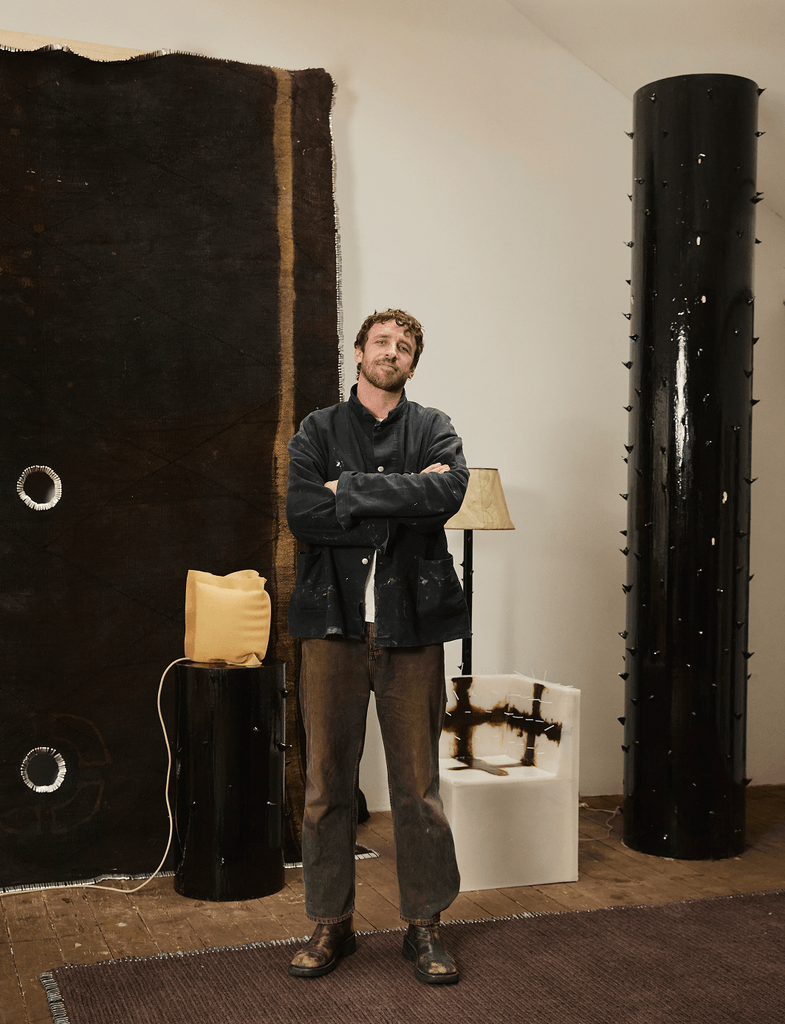
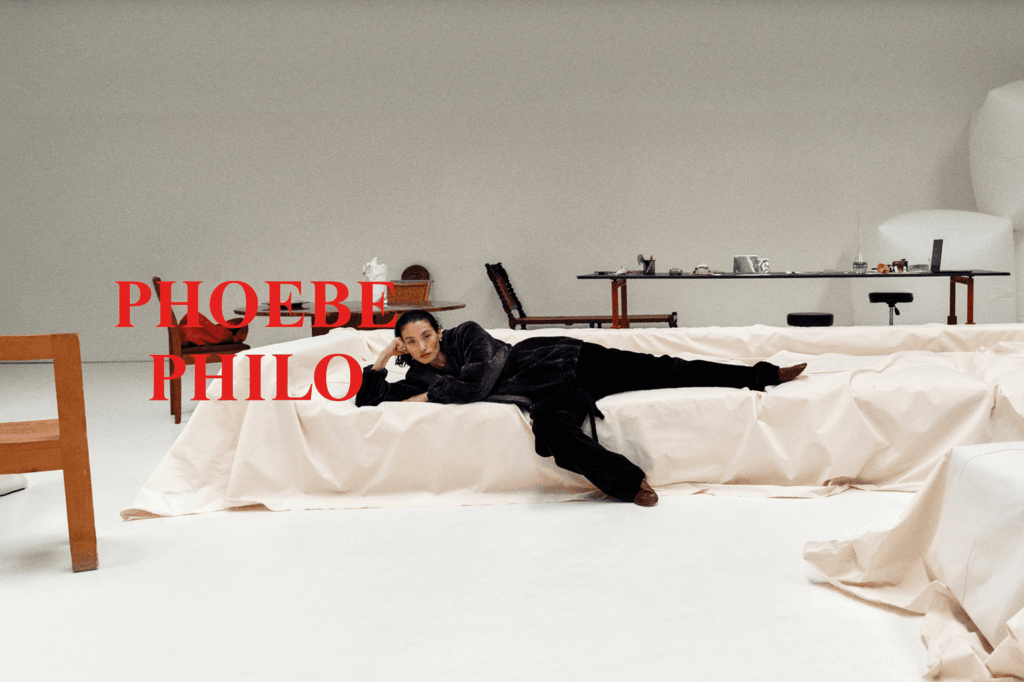
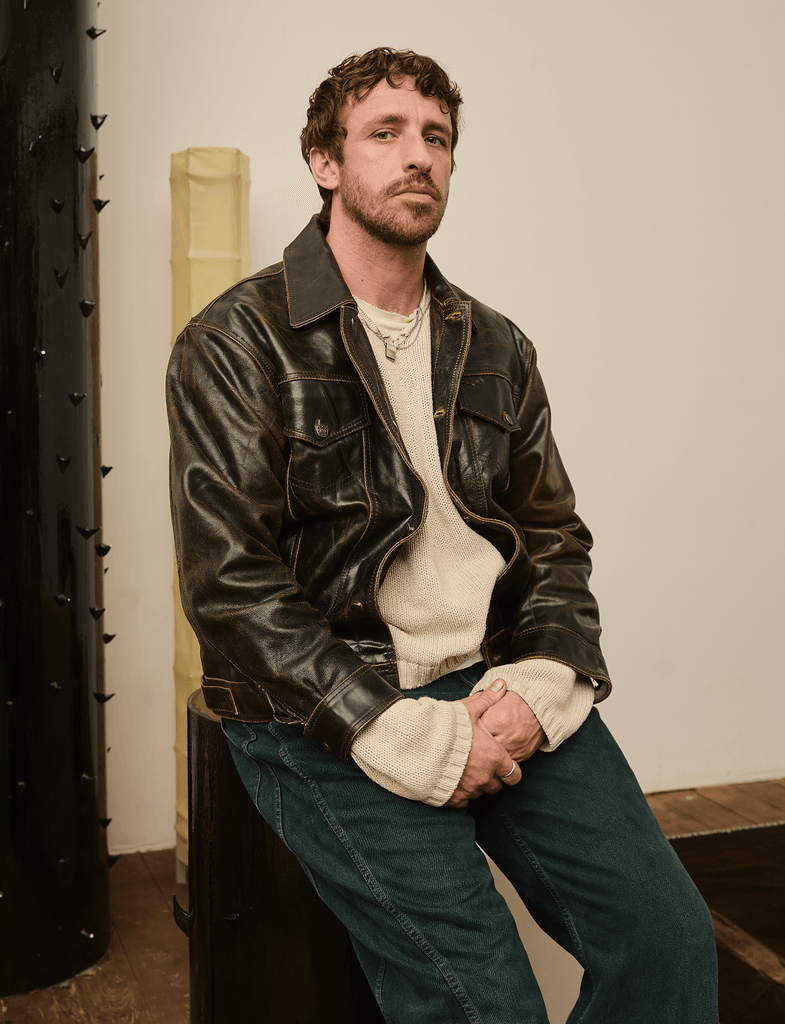
With sets designed for the likes of Phoebe Philo, Miu Miu, Beauty Papers, Re-Edition and Middle Plane Magazine, Jabez Bartlett’s practice feels like an antidote to artificially generated visuals. His first solo show, the freight proportioned to the groove, is set to open this Thursday, 26th November, in London. Following presentations at this year’s Milan Design Week and Present.Space, Bartlett’s new furniture showcase cements the multimodality of his practice, an ongoing dialogue between scenography, art direction and product design. Perhaps, he suggests, in order for us to have faith in an image or object, there needs to be subtle evidence of its material construction. Belief lies in willingness, not flawlessness.
hube: Every creative practice has its own beginnings. What first drew you towards set design? Was there an early project or experience that still echoes through your work today?
Jabez Bartlett: I had a very vivid imagination as a kid, spending time in my head, trying to turn whatever was around me into a story. Looking back, I think a lot of it was about escape. I was shy and a little awkward, never quite at ease in the world, so I started inventing one I could lose myself in, adding a little bit of fantasy to the realism. That impulse never left me. Every set I design now still comes from that same place, trying to add something fantastical to the material.
h: Set design is all about world-building, the creation of an illusion. Much of your work feels meticulously cinematic. Equally, much of it feels rooted in realism. What interests you about designing spaces that exist between the organic and the imagined?
JB: It’s funny that ‘world-building’ has turned into a bit of a buzzword for branding. I’ve always known it from role-play computer games.
It’s always been the core of what I do. This was what made me swap from film production design to fashion. I saw so much more potential for abstract and high-concept ideas. At one point, I almost transferred from film school to art school—to make installations and video art—but fashion felt more welcoming of these ideas.
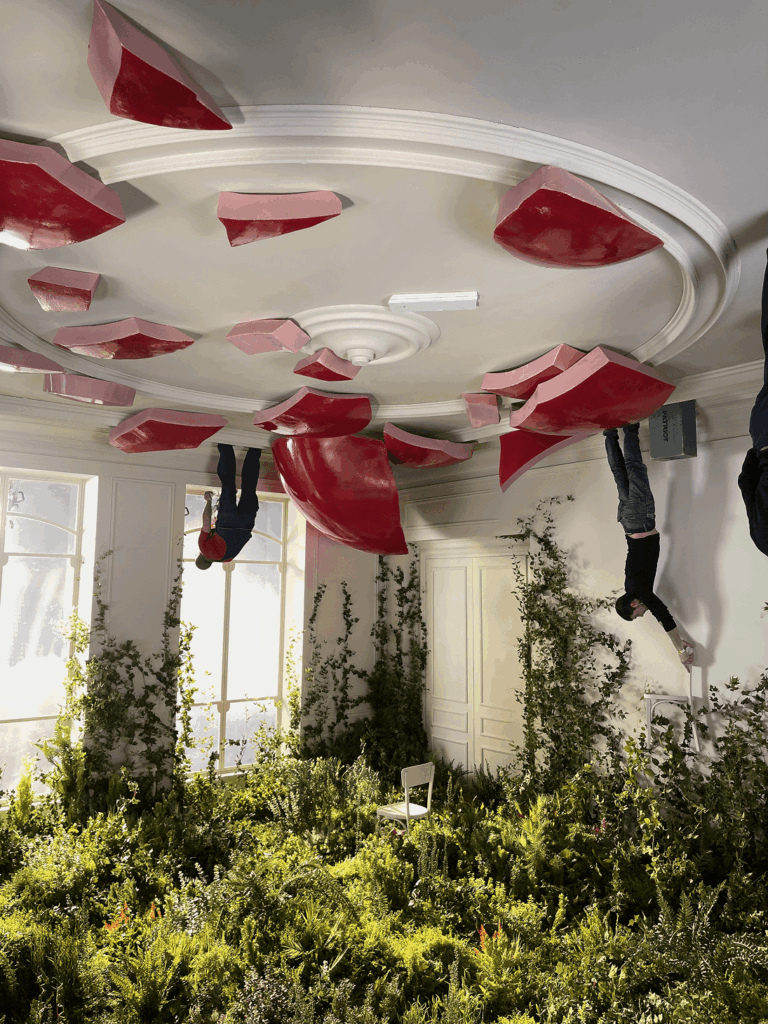
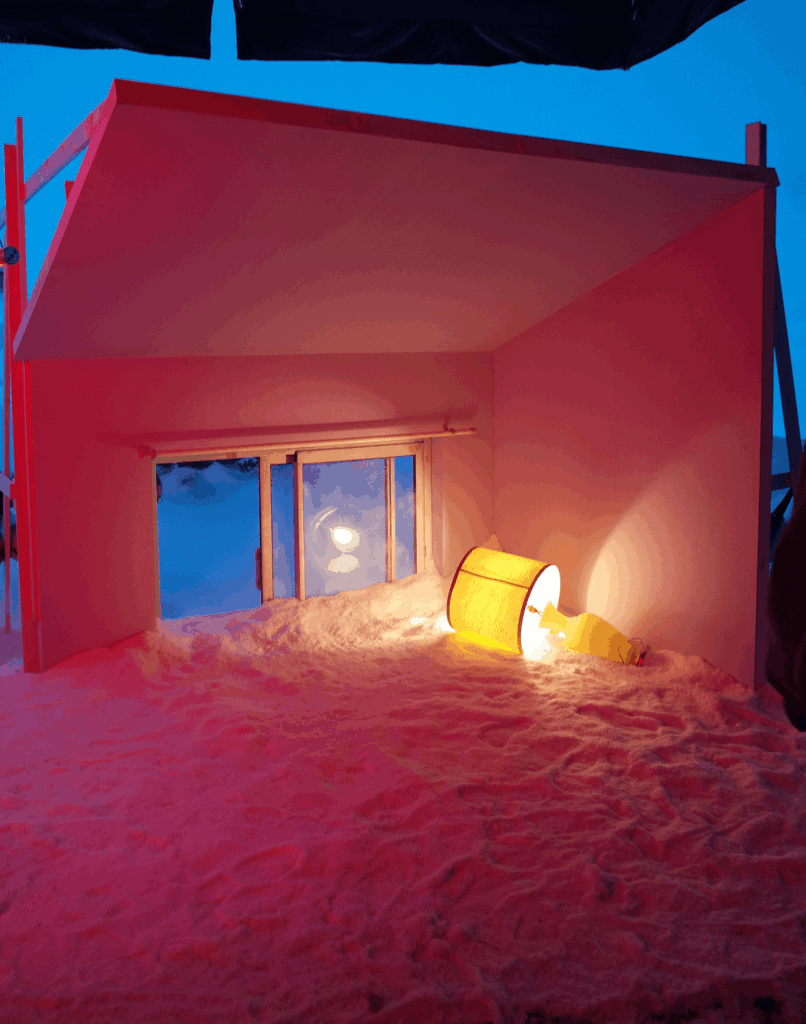
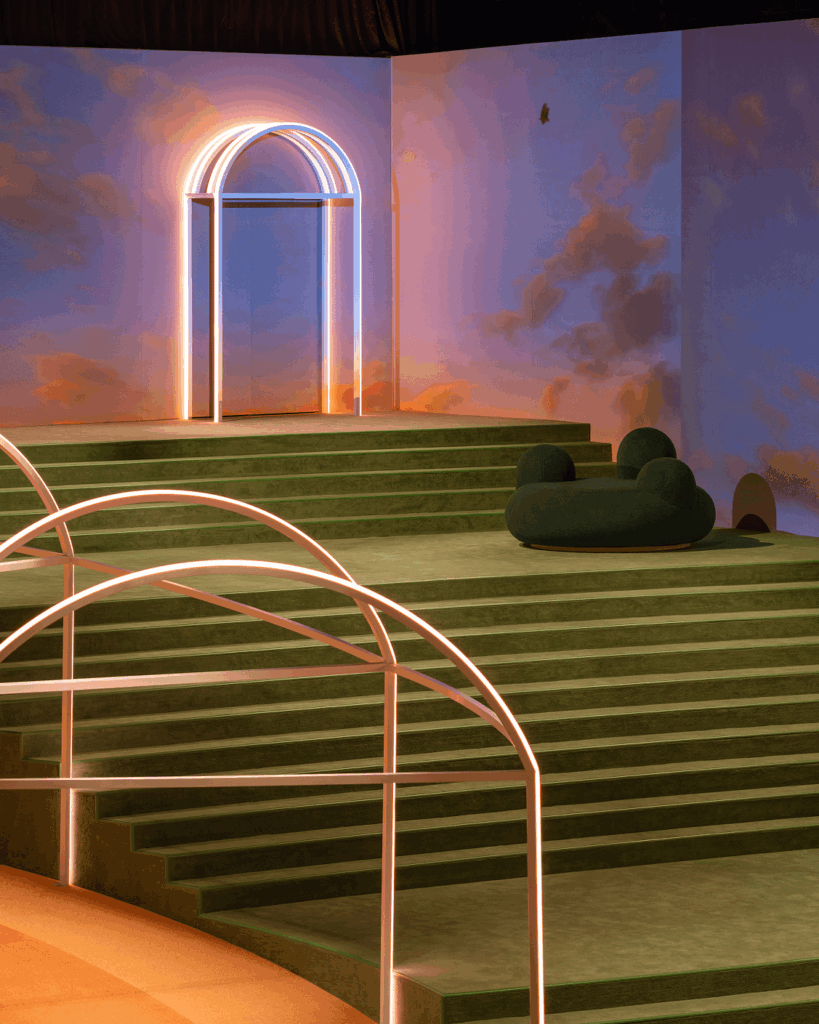
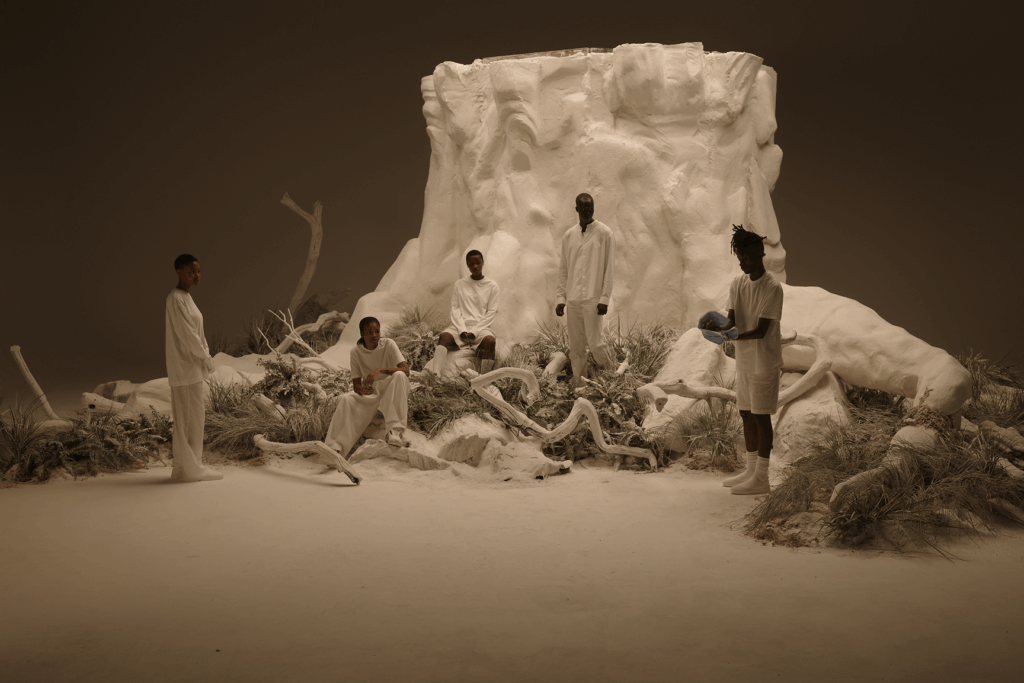
I think the filmic realism has stuck around in my work because it gives me constraints to work within. I’ve always said that you have to set rules for the world you’re building; even if they’re abstract physics. Then, no matter how surreal your world is, people will believe it.
I think we all want to detach from reality a bit; if the audience can’t suspend their disbelief, then they can’t lose themselves in it.
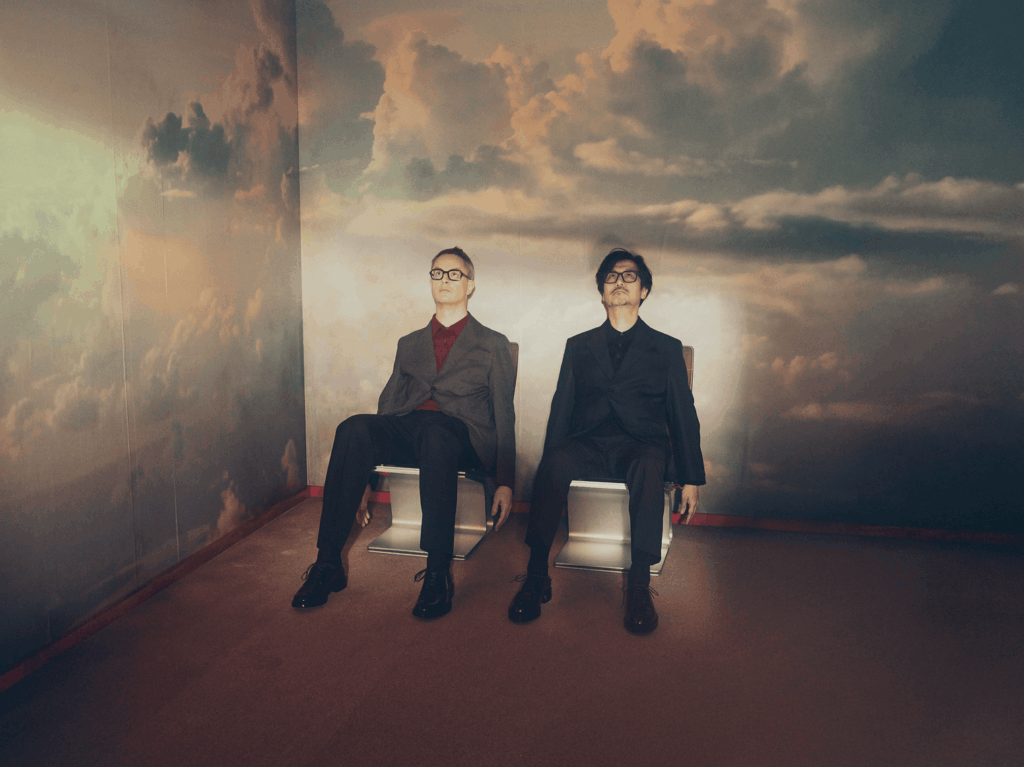
Photography by CASPER SEJERSEN
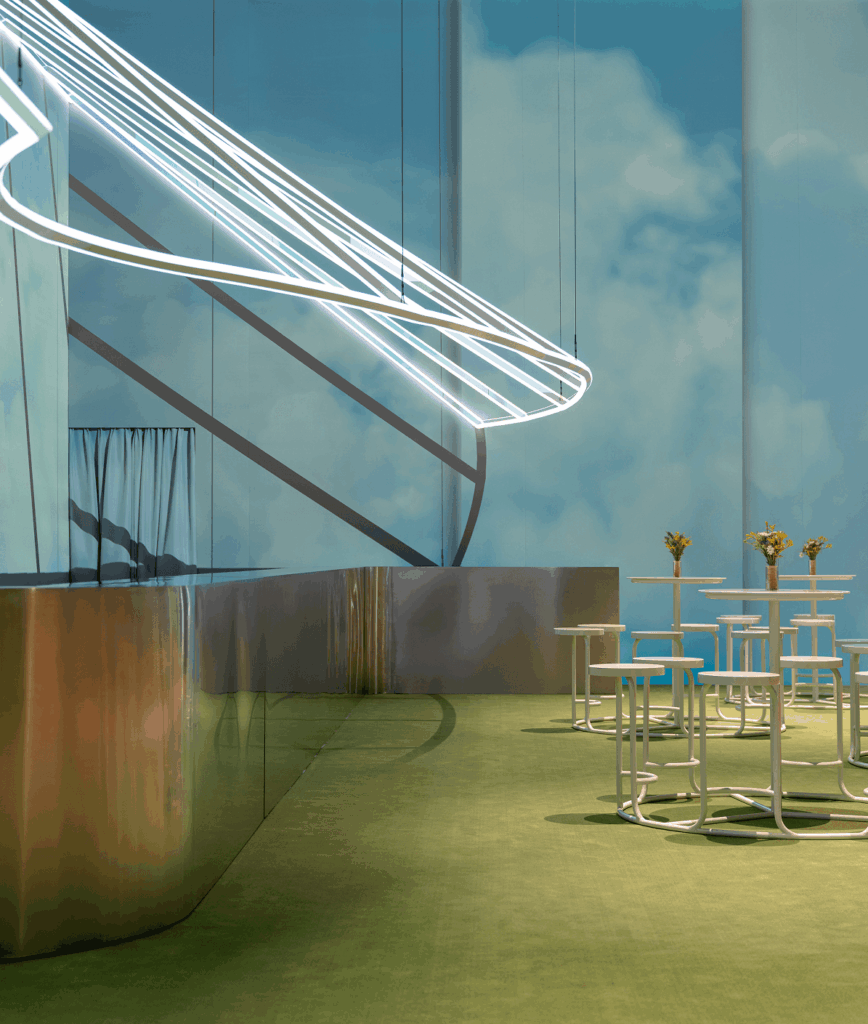
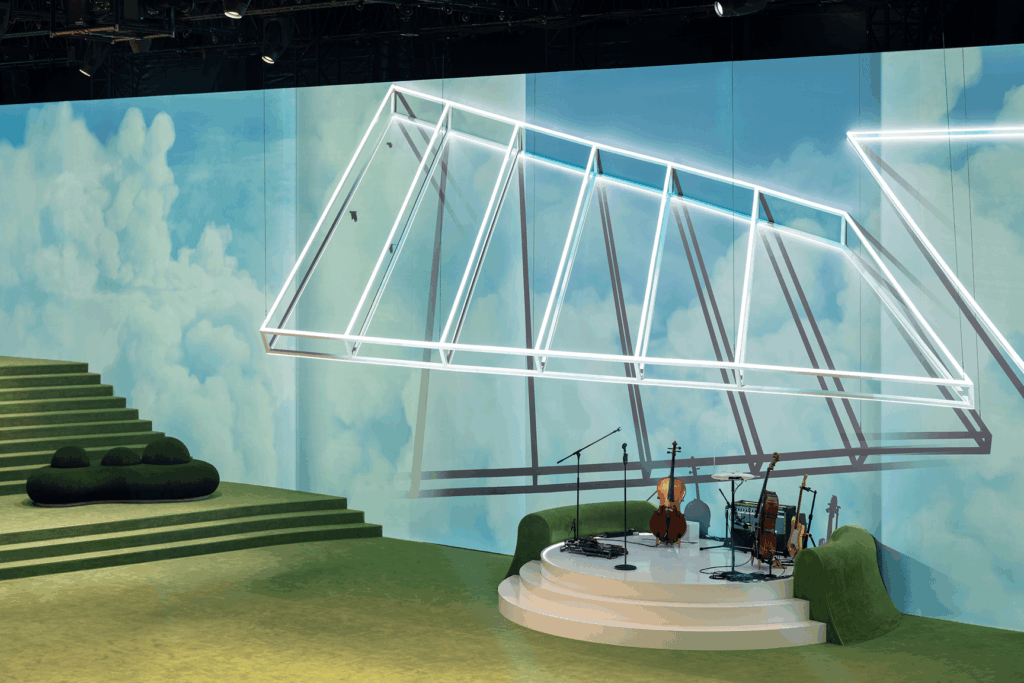
h: Fundamentally, what fascinates you about the relationship between the body and the spaces we inhabit? Do you consider a set something that should frame and support the subject, or something that could create tension or discomfort?
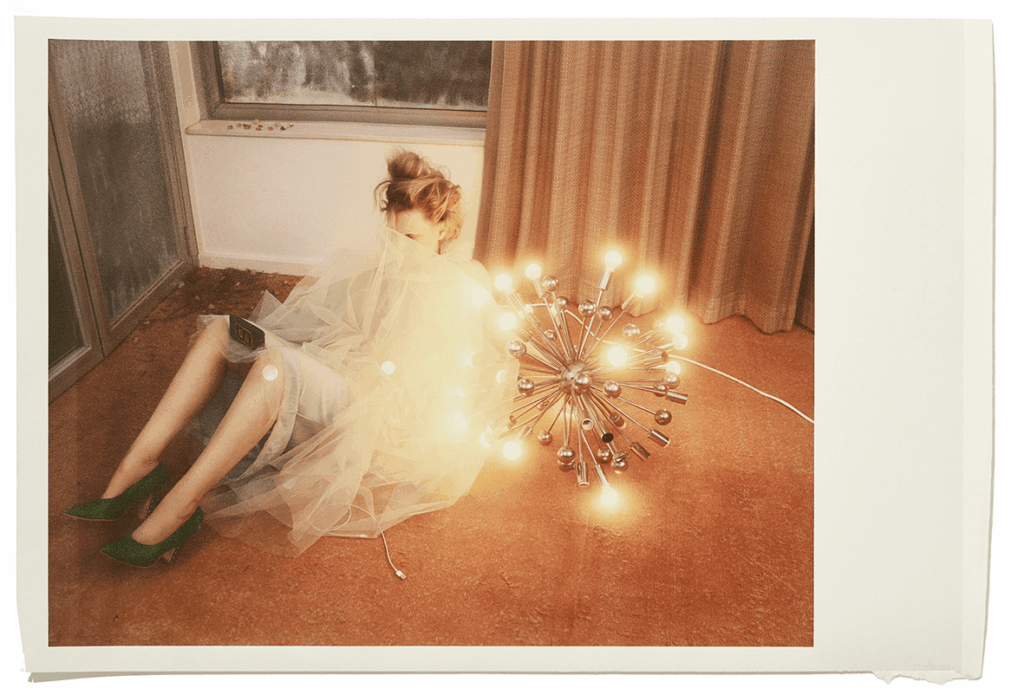
JB: With film production design, there is an insistence that the audience should suspend their disbelief—everything must feel believable or it will take the audience out of the story. In this sense, finding the truth between a body and a space is arguably the most important thing. Within fashion, the images are generally quite abstract. We are more forgiving of how we perceive advertisements; you can play with less realistic spaces. It’s how I prefer to work.
h: When designing for moving image, a set becomes more than a composition within a frame—it becomes a space that can be entered, inhabited and transformed. How does this shift your approach?
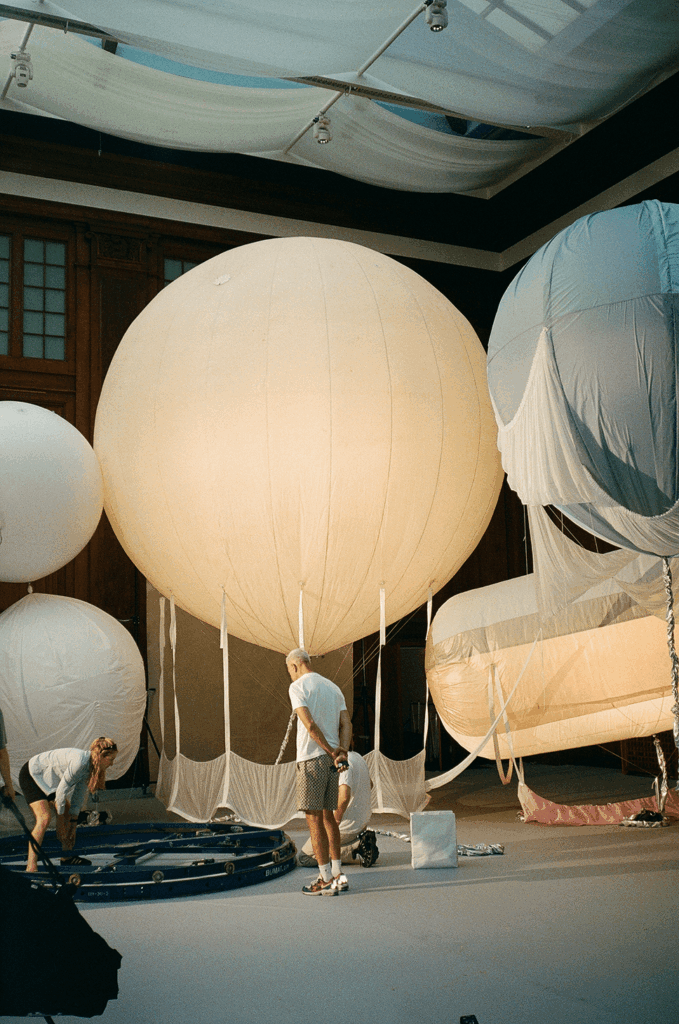
JB: In all honesty, shooting motion involves camera movement, but movement is always there, in the crew and in the talent. In the same way that actors can inhabit a set and be affected by it, the images made between a photographer and a model can be affected too. It becomes even more of a consideration when designing for events, as you have hundreds of people moving through the space, taking up visual real estate.
h: Set design is such a collaborative practice. You’re constantly working with photographers, stylists, creative directors and fabricators, all with different ways of seeing. How do you balance those perspectives with your own visual language?
JB: I’ve been really lucky with that, thanks to my agency, which I signed with eight years ago. My way of working is always ideas-led, and this has drawn me to the right kind of photographer and client. If you find those people, you become close, and then the collaboration is easy. They’ll be open to your ideas, and in turn, you’ll trust them when they have doubts.
h: What usually comes first for you? Is it a material, a reference, a mood, a piece of architecture, or something much less tangible? And where do you find yourself looking for inspiration?
JB: I often have ideas unrelated to commercial projects, but I always find a way to act on them. Like everyone, these ideas rarely come to me when looking for them, but when I’m cycling around the city, lying in bed listening to music, or something like that.
I’ve always been more interested in finding inspiration outside of fashion photography. Especially now, we’re so saturated with images, it’s really risky to take inspiration from something you see online. Sometimes I’ll see a shoot someone else has done which is entirely based on a reference I also have.
h: As we spend more of our lives in digital environments, how do you think our relationship with physical space is changing? What role do you believe tangible, material experiences play in our ability to connect with images, objects and each other?
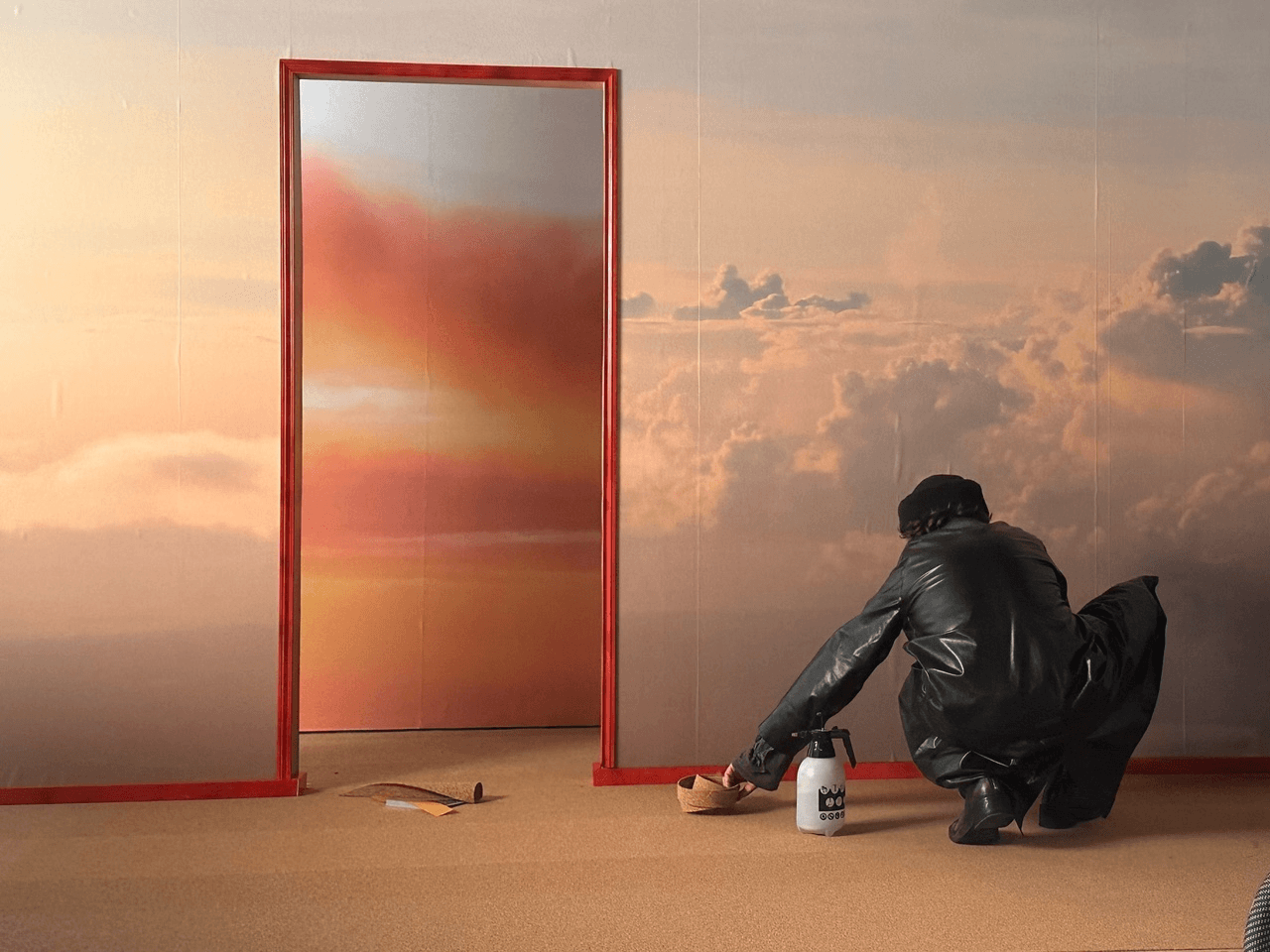
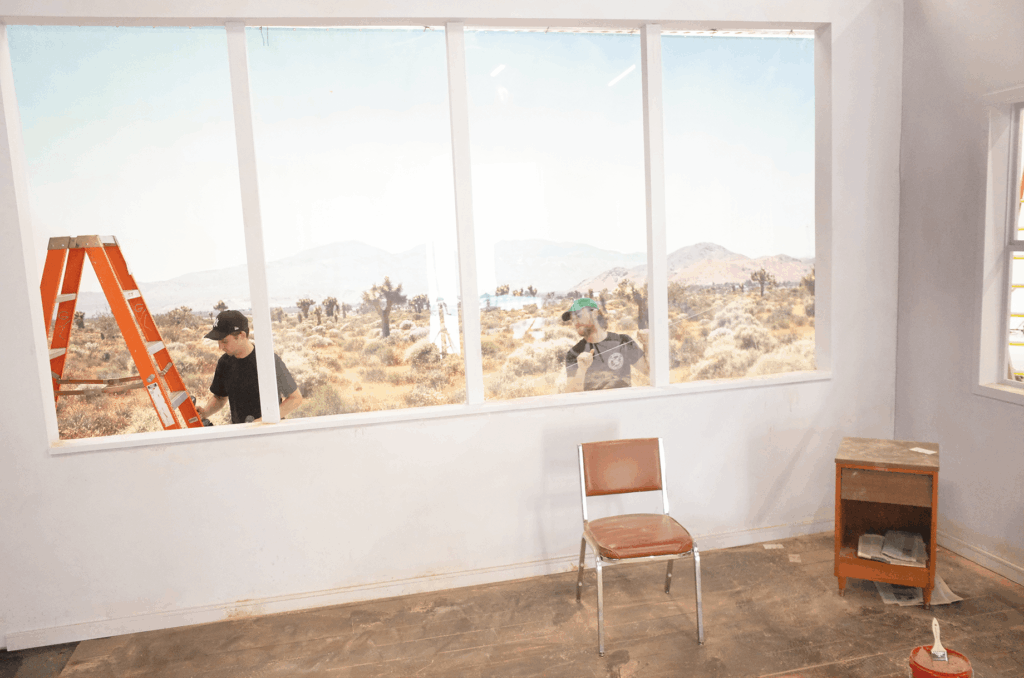
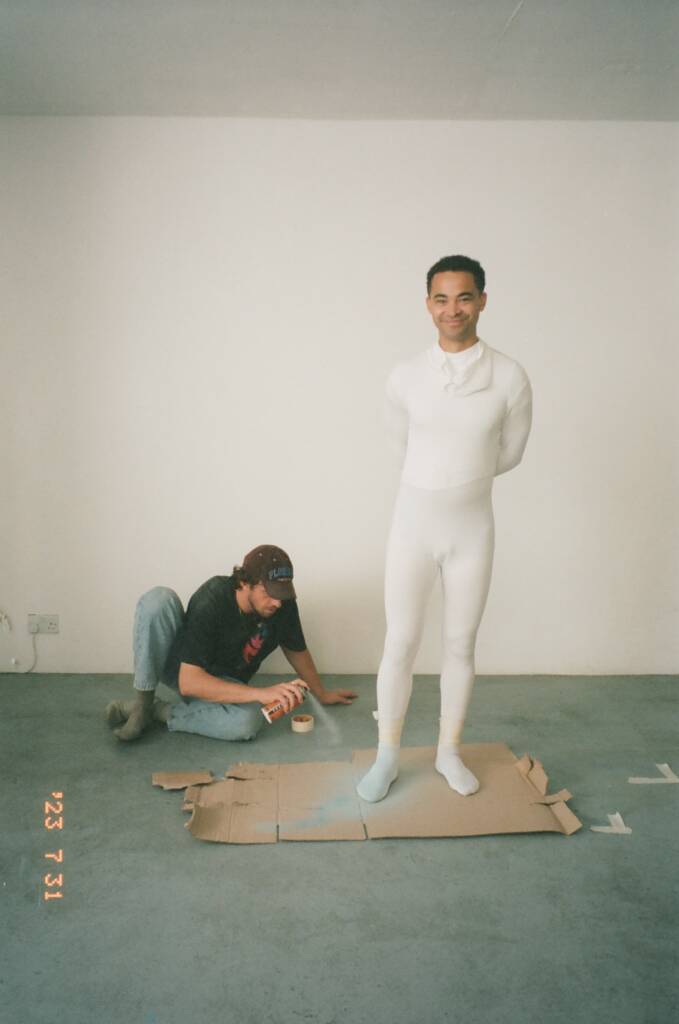
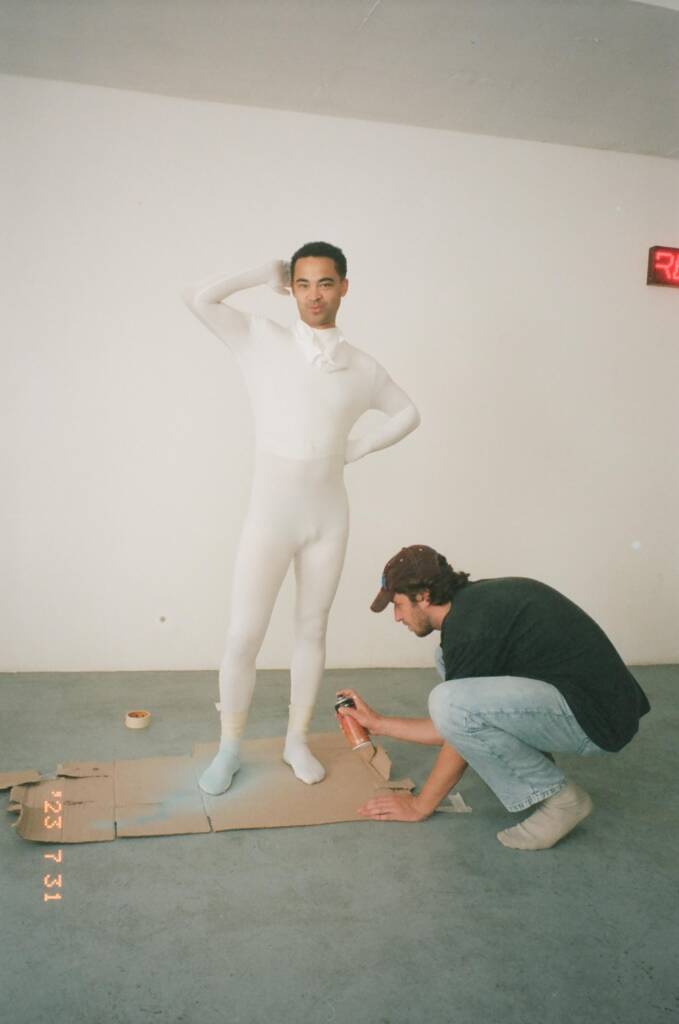
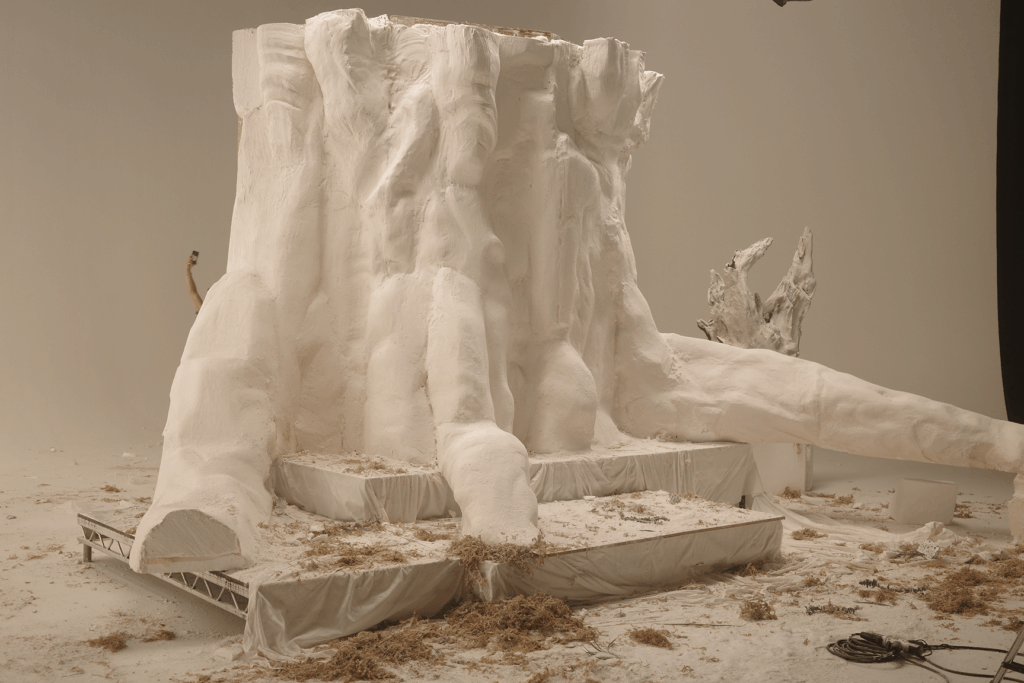
JB: Everyone is getting image fatigue at the moment. I’ve always said it’s important for audiences to understand that we actually built something, and to show the ‘working out’—through markings left on the furniture, tape or cables left on the floor.
People are losing touch with the physical; the more they can read that physicality through the digital, the more the work resonates. It proves the value of labour in this new age of AI. It feels more rebellious to build something physically when entire worlds can be created at the push of a button.

h: Sets are often created with extraordinary attention to detail, only to exist for a brief moment before disassembly. Does their temporary nature influence the way you approach making them? Do you think there is a particular beauty or freedom in creating something that is not designed to last?
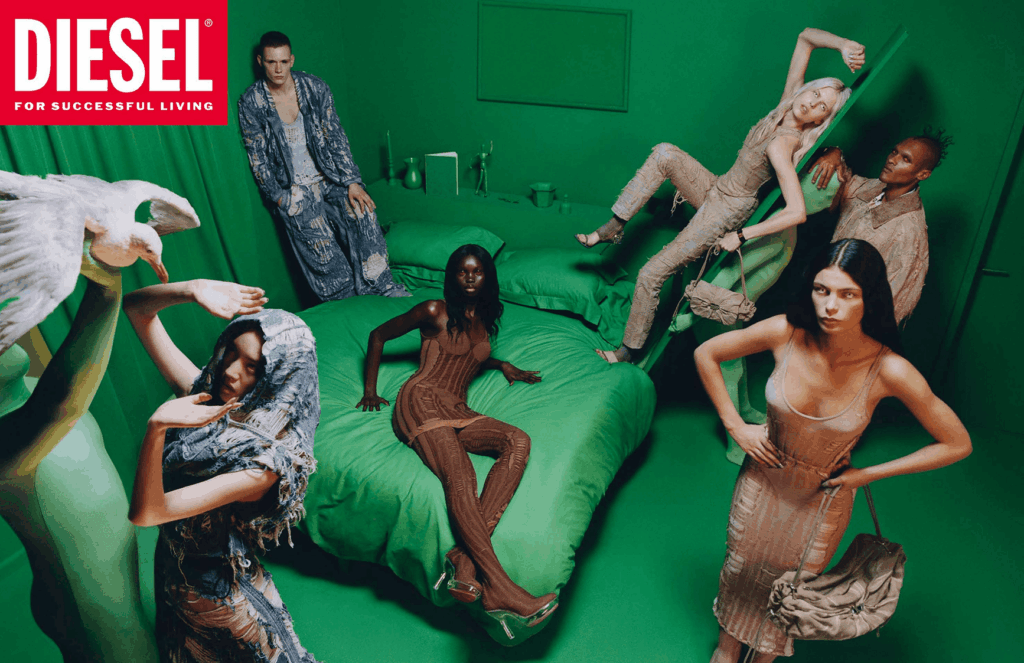
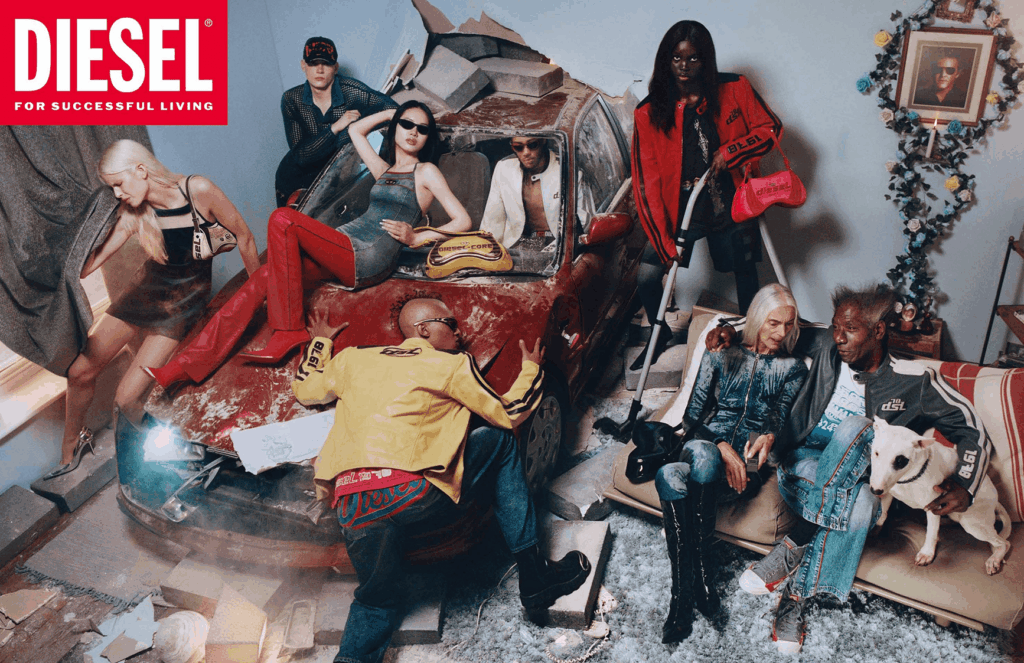
JB: For me, the absolute core of set design is illusion. Especially when it comes to photography. The moment when the temporary becomes permanent is one of the most exciting moments in image-making. That’s the real wonder here: taking something that only exists in the moment and cheating it into looking like it could last forever. The set disappears, but the image doesn’t know that. It extends the illusion, permanently, long after the room has been dismantled.
h: We assume a different dialogue with a space that already exists, versus one that is created entirely from imagination. When you build a set from scratch, you have the freedom to construct a world from the ground up; when working with an existing location, you respond to what is already there. How do these two approaches influence the stories you are able to tell?
JB: Although most of my work is studio-based, found locations are such amazing catalysts for storytelling. However, it does mean that the parameters for world-building are already set, which can be a challenge in itself. It’s quite refreshing to go into an existing space, chase the light, and essentially have all the movements dictated to you by the existing design. Then, you just fill in the pieces and accentuate the right things. Sometimes, it feels like editing someone else’s work—which is, of course, a completely different approach; it exercises different muscles.
Building from the ground up can feel way more exciting, but you’re often limited by production budgets—how big or how detailed can you actually make something?
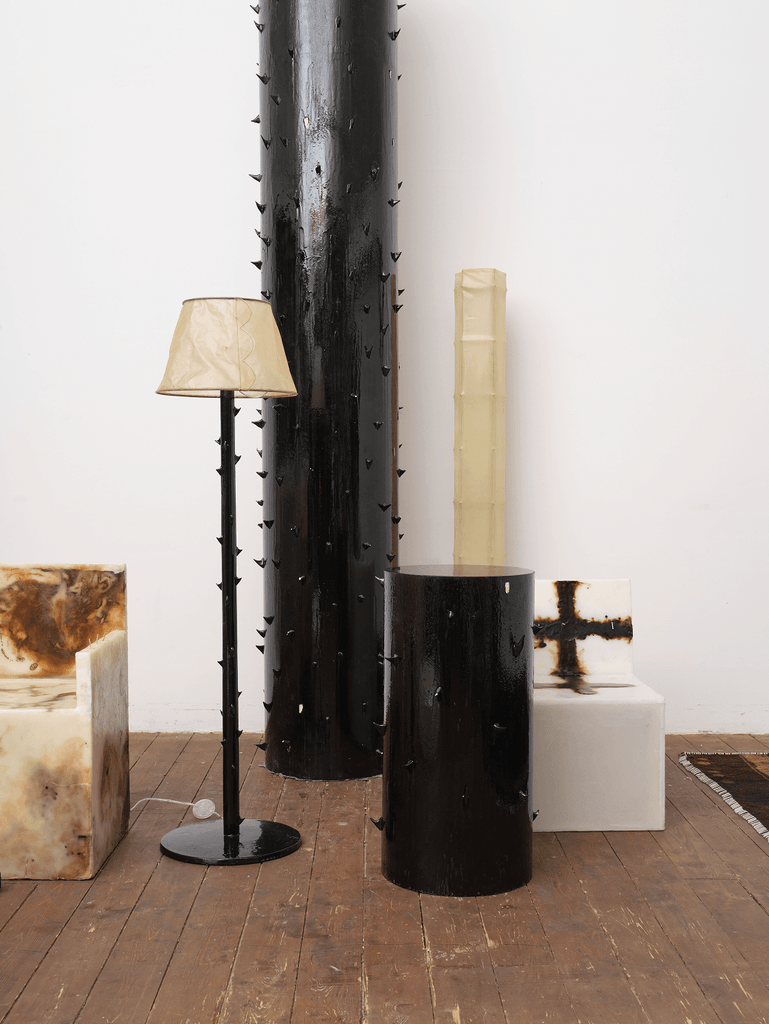
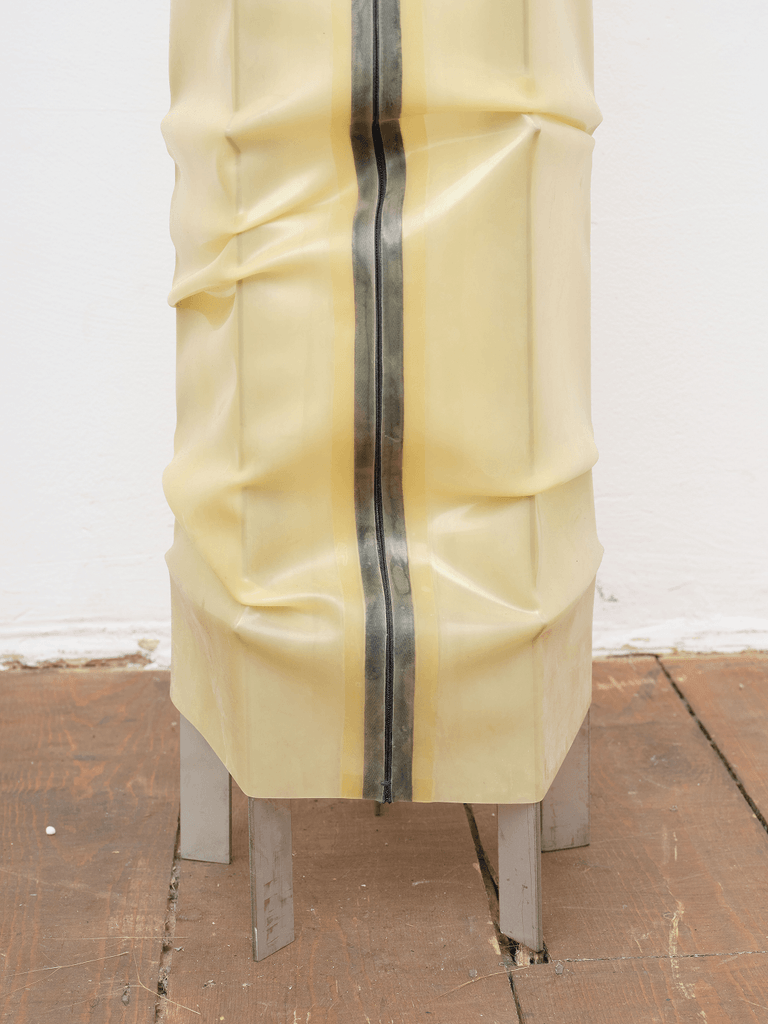
h: More recently, with your furniture presented at Milan Design Week and Present.Space in London, you’re taking a new approach to objects. This feels like a natural extension of your interests—moving from environments people temporarily enter to objects they can live alongside. What are you exploring through this new direction? Do you see this as an expansion of your practice, or a different way of approaching the same questions?
JB: The whole furniture practice has really been crazy this year. It honestly started out as wanting to make a table and mirror for my apartment, but it really feels like it’s growing into something much bigger, and I’m still trying to get my head around what that is.
Being able to move from the temporary to the permanent within my own isolated practice is taking some getting used to, but I’m finding it very rewarding.
Ultimately, there is no denying the influence that set design has on the pieces, but I think if set design is illusion, then furniture is the illusion revealing itself. It’s really exciting to show this to the world.

Words: MARTA TERESA