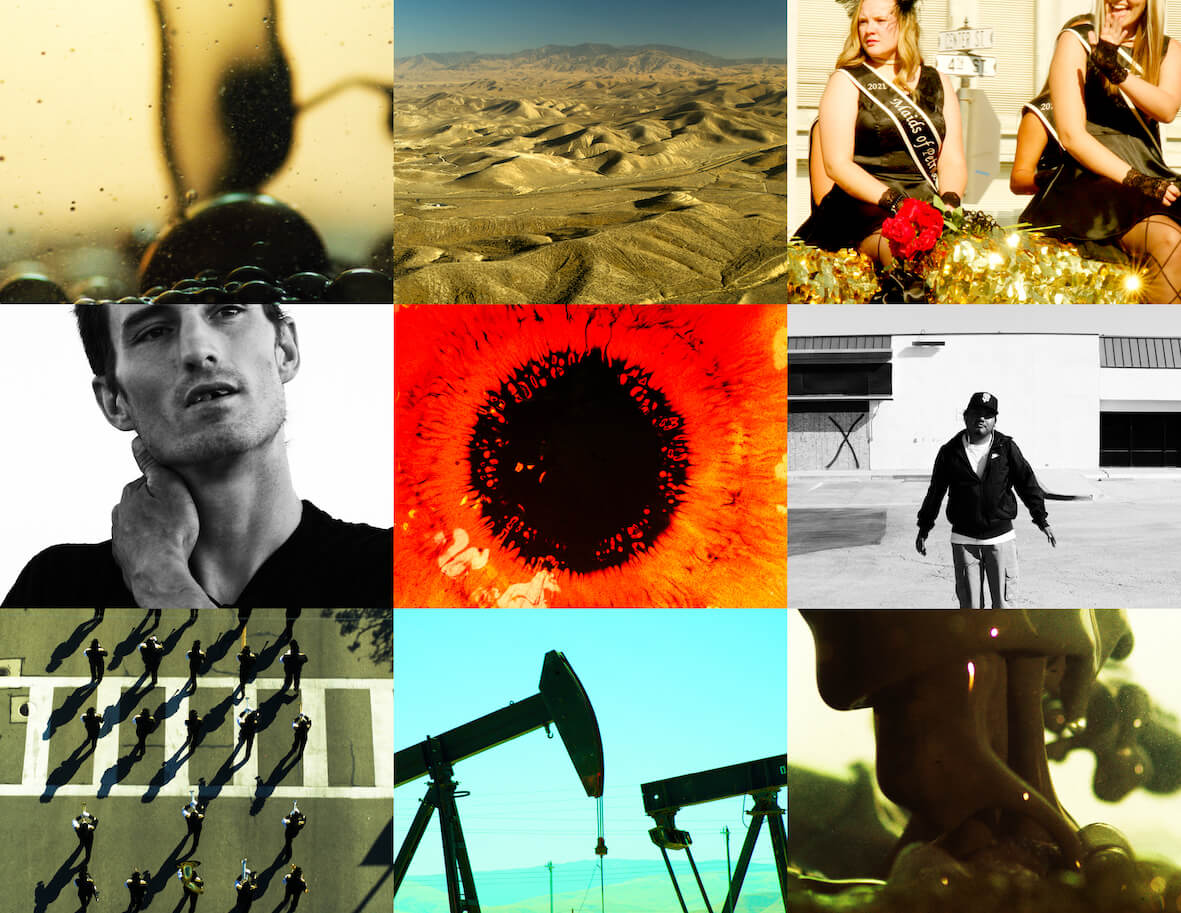
On view at New York’s 303 Gallery from November 13th to December 19th, 2026, HOWL, a new exhibition by Los Angeles-based artist Doug Aitken, traces the rise and decline of a remote desert town built on the oil industry. Through an immersive film installation and site-specific sculptures, the exhibition captures the uneasy legacy of industrial ambition and its toll on the American West.
Echoes of an industrial wilderness
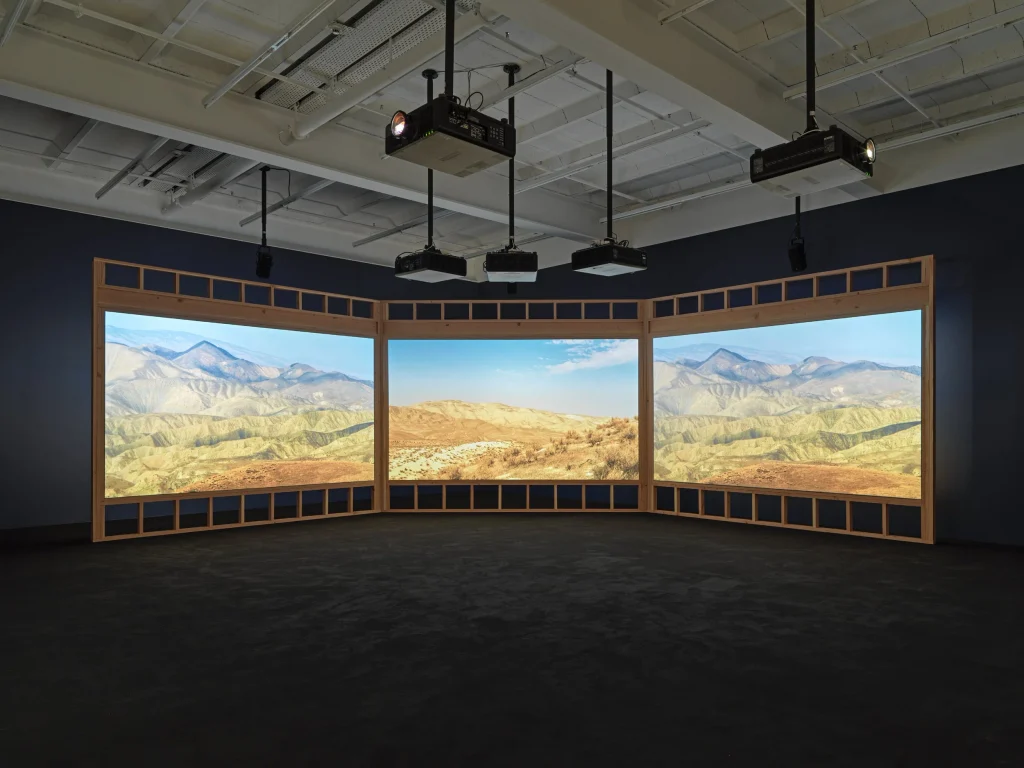
At the centre of HOWL is a 15-minute, five-channel film depicting a former oil boomtown that flourished in the 1930s, 1940s and 1950s before slipping into decline. Sweeping aerial views of oil fields, deserted streets and candid conversations with residents reveal a community caught between fading prosperity and uncertain hopes for the future.
Aitken weaves mechanical rhythms, industrial noise and images of dancers into a hypnotic audiovisual composition, drawing parallels between human movement and the repetitive gestures of oil extraction. Projected onto skeletal wooden structures, the film surrounds viewers with its desolate landscape, while a sculptural bus stop doubles as an intimate viewing space.
Sculptures from a changing landscape
The exhibition extends into sculpture through works assembled from discarded tyres, freeway rubber, microplastics, composted seeds and other reclaimed materials. Among the highlights is an ice machine housing a cactus ecosystem, an unsettling encounter between desert nature and artificial refrigeration.
Through these contrasting works, Aitken examines the environmental cost of industrial expansion and the fragile communities left in its wake. HOWL ultimately raises a haunting question about the American West: can we escape the cycles of extraction and abandonment, or are we destined to repeat them?
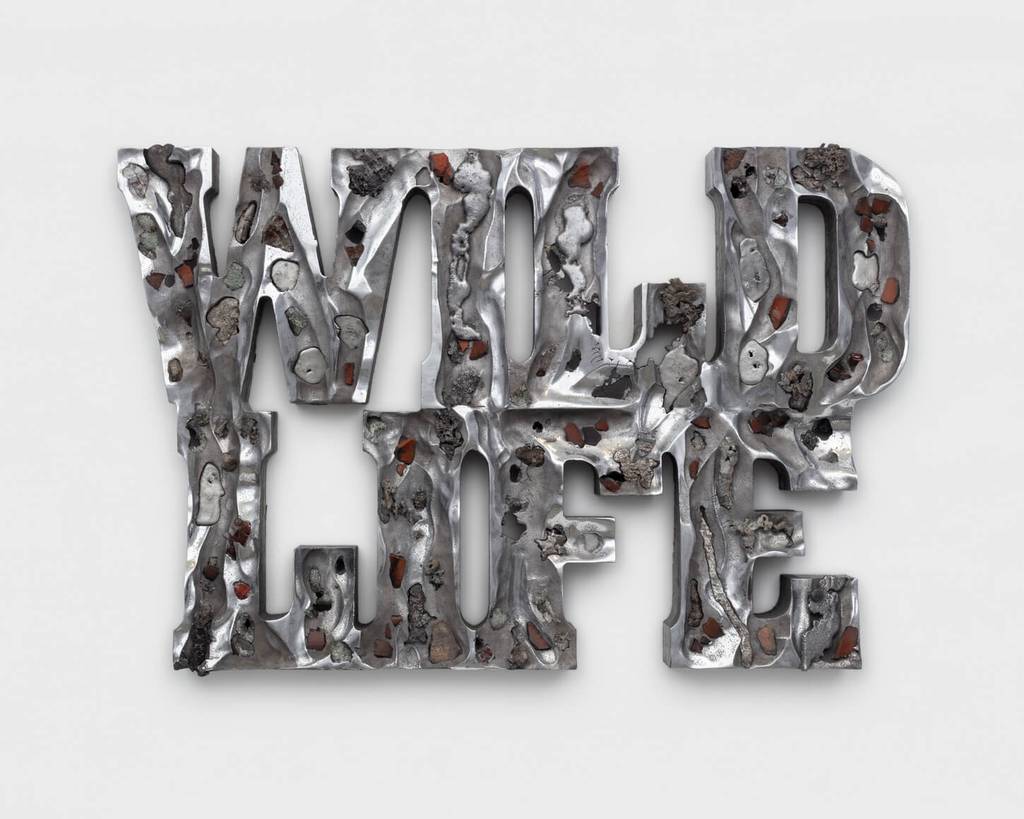
WILDLIFE, 2026
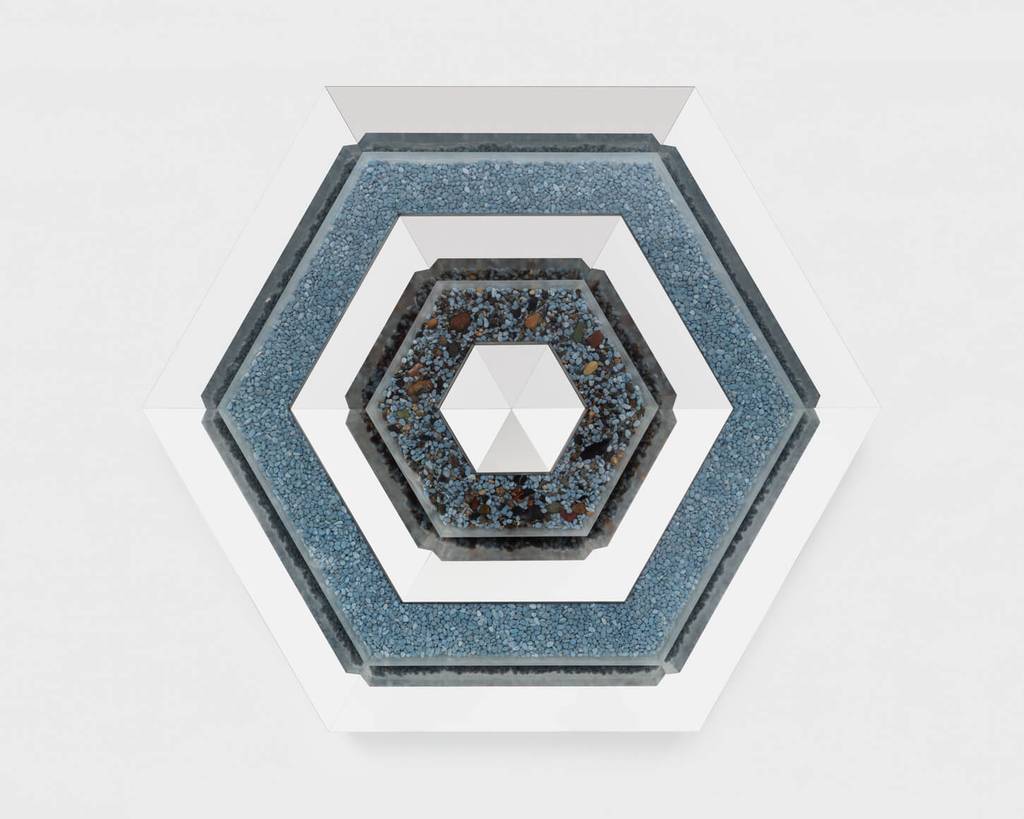
Below the Surface (Hexagon I), 2026
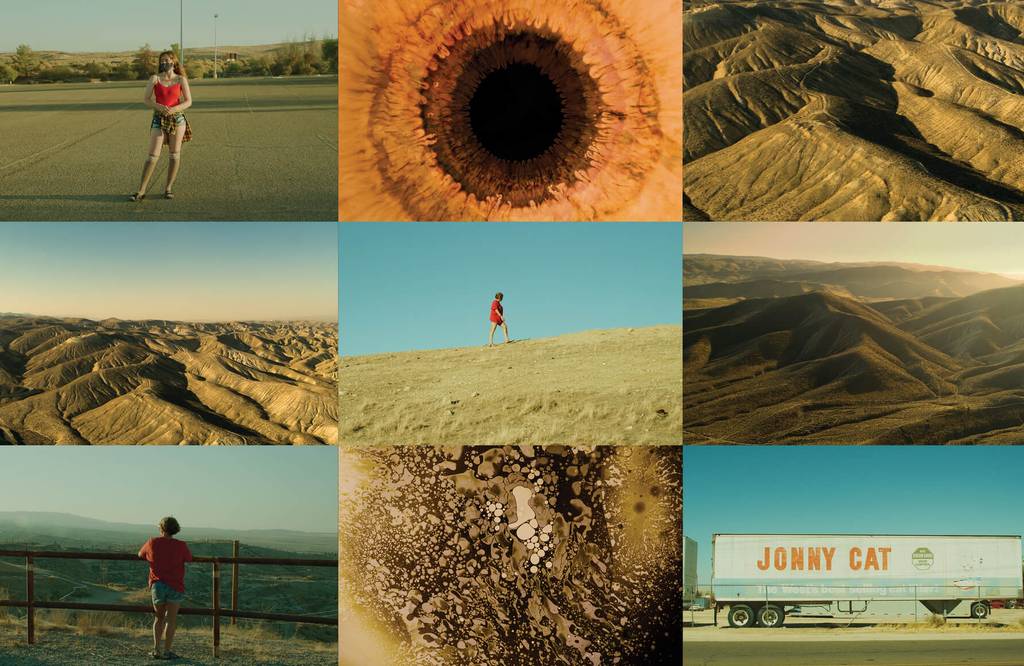
HOWL (film stills), 2026