The Andy Warhol drawings exhibition, La ligne et l’image, opens at the Musée du Luxembourg in Paris on September 16th, 2026. The exhibition will spotlight a lesser-known aspect of the Pop Art icon’s work. Around 150 drawings will be shown alongside paintings, screenprints, photographs and archival material until January 10th, 2027, tracing the vital role of drawing in Warhol’s visual language.
Long before his celebrated silkscreens turned celebrities and consumer goods into icons, Warhol trained as an illustrator. Drawing remained a constant throughout his career, from a 1942 self-portrait to acrylic works linked to The Last Supper in 1986. His drawings were far more than preparatory sketches, becoming fertile ground for invention, repetition, and experimentation, often matching his paintings in scale and impact.
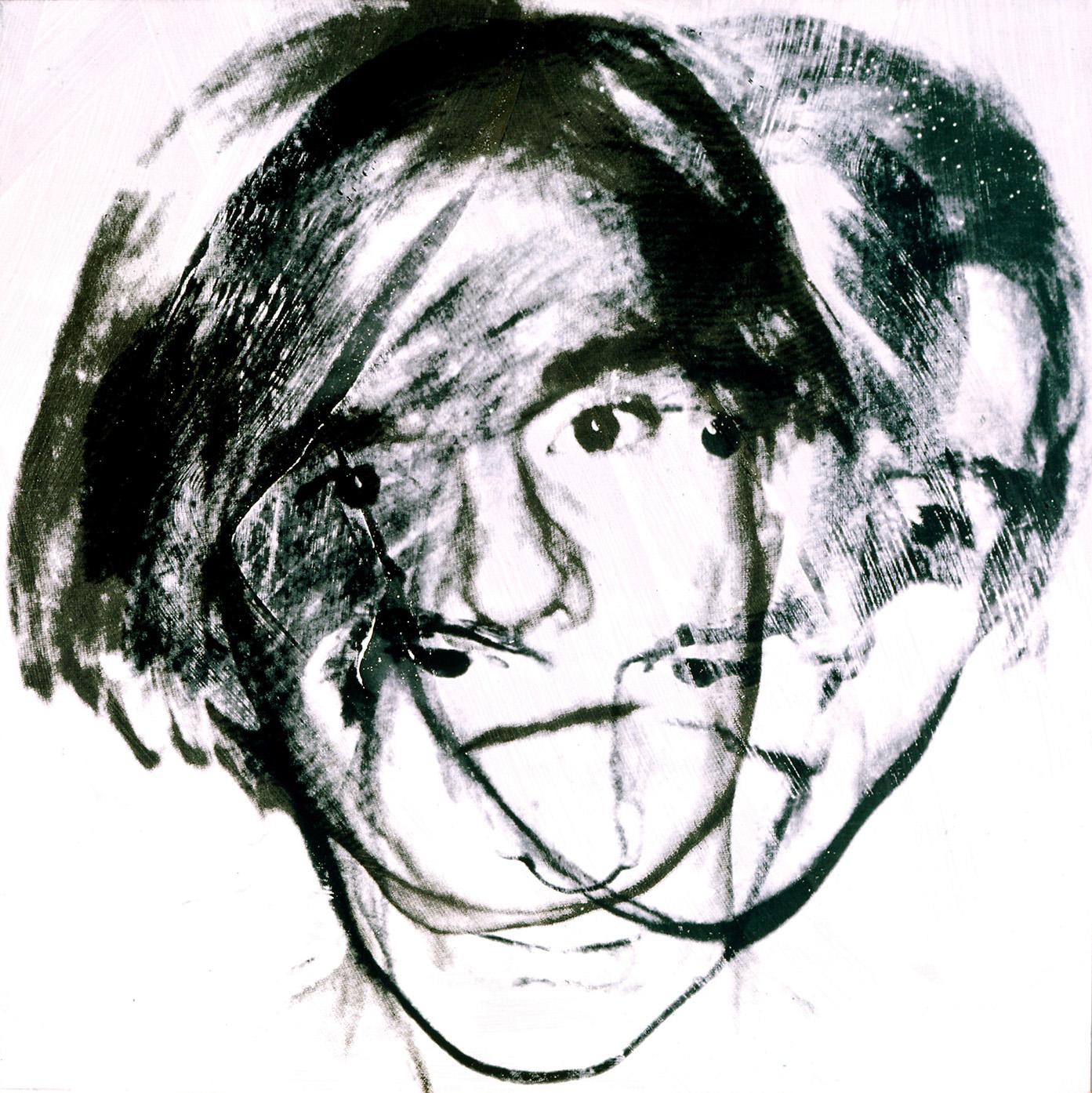
Andy Warhol self-portraits, faces and the art of becoming
The exhibition is divided into five thematic sections charting drawing’s shifting role in Warhol’s career. Excentricities, Commonplaces examines his beginnings as a commercial illustrator, while Alphabet Books and Basics focuses on handwriting, including his own and his mother’s, elevated into a visual element in its own right.
Faces and Masks explores Warhol’s fascination with portraiture and identity. Among the Andy Warhol self-portraits, a 1942 work reveals his early interest in the face as both likeness and symbol, while later portraits repeatedly distort and stylise their subjects.
Erotica brings together intimate images of gay life that remained largely private until the early 1970s. Hell and Wonders turns to mortality after the 1968 shooting that nearly killed him, with the Skulls series confronting death while retaining a striking visual vitality.
From the hand to the machine
The exhibition traces the techniques that carried Warhol from drawing towards mechanical reproduction. During the 1950s, he experimented with stamps, transferred and broken lines, stencils, and collages to repeat and alter images. These methods reveal the manual discipline beneath the mechanical aesthetic of his later Pop Art.
After painting and filmmaking dominated his practice from 1963 to 1973, Warhol returned to drawing with renewed intensity. Portraits of commissioned subjects, including the celebrated Mao image, became testing grounds for colour, composition, and concept, often approaching the scale of the finished paintings.
Bringing rare drawings into dialogue with photographs, screenprints, paintings, and Factory archives, Andy Warhol. La ligne et l’image offers a fresh view of one of the 20th century’s most recognisable visual languages. It reveals an artist constantly negotiating between the intimacy of the hand and the seductive precision of the machine.