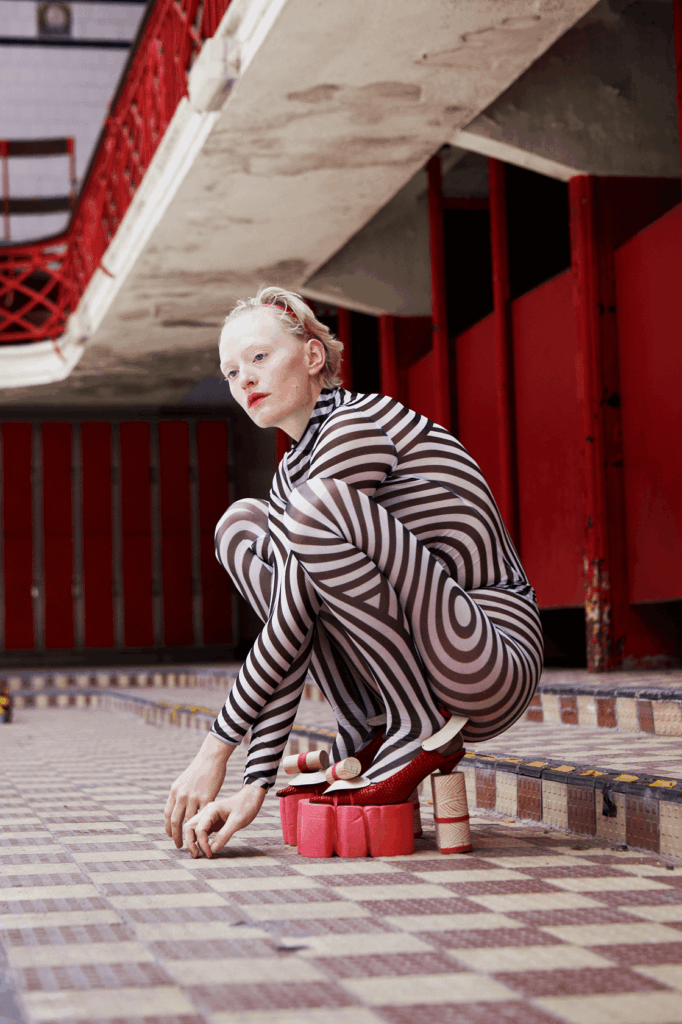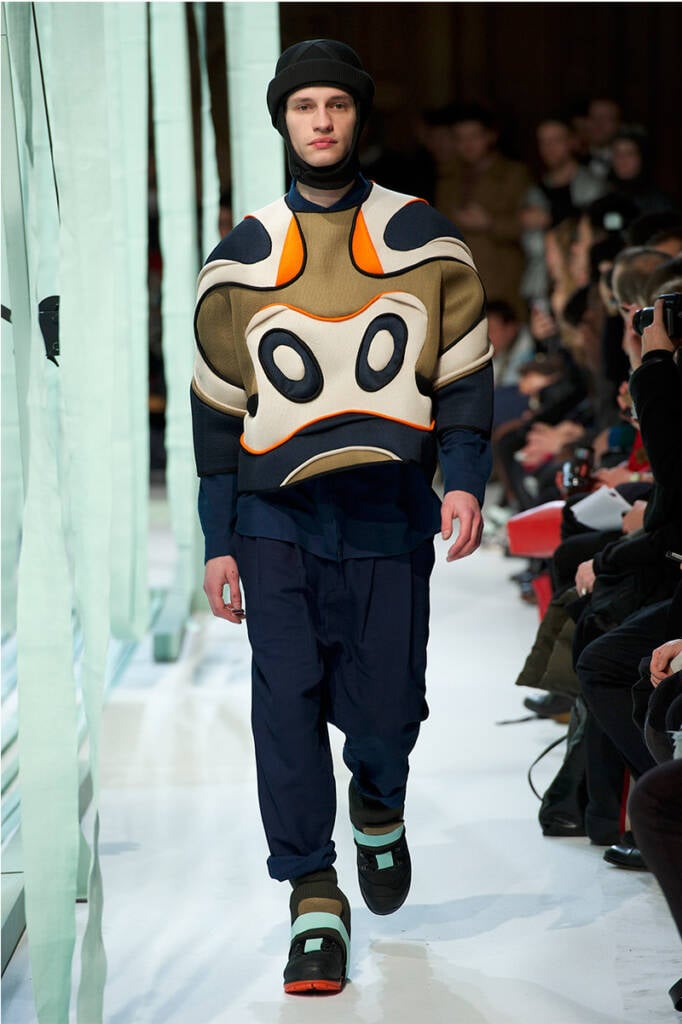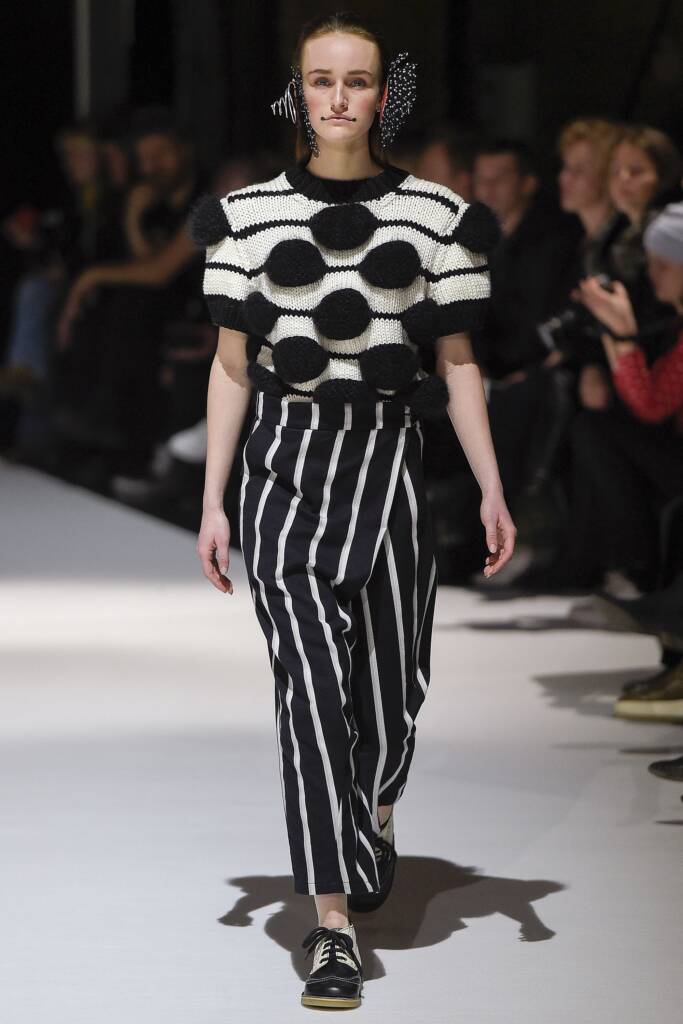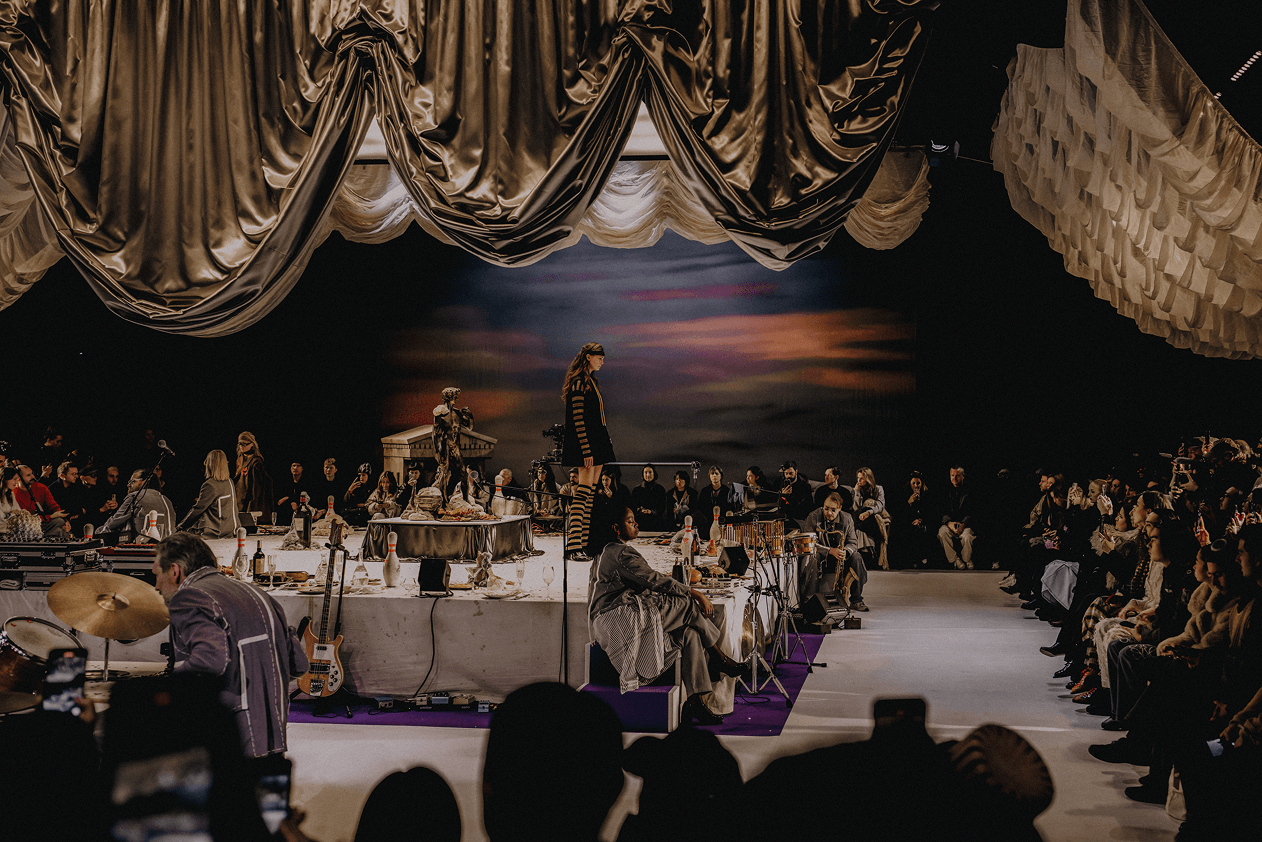
When one thinks of Scandinavian fashion, the mind doesn’t usually jump to bold colors and eccentric prints. Yet Danish designer Henrik Vibskov has spent the last two decades rewriting that narrative. His work moves fluidly between fashion, music, performance, and installation, creating a world built on rhythm, color, and play. Through garments, objects, and immersive spaces, Vibskov transforms the ordinary into the surreal, crafting a universe where experimentation is the rule.
In this interview with hube, the artist reflects on his ongoing exploration of form and material, his current obsession with How to Cook a Bear, his idea for a “speed dating” dream dinner party, and what it means to sustain curiosity after twenty-five years in the industry.
hube: You’ve been part of the fashion and art world for over a decade now. Looking back, what has changed in the way you approach creativity, and what still inspires you to keep going?
Henrik Vibskov: It’s actually been nearly 25 years since I graduated from Central Saint Martins. What’s changed most is my relationship with form and material. Back then it was all about expression, being wild with shape, form, and structure. But over time, everything shifted toward material, especially from an environmental point of view. What kind of material is it? How can I create less waste? How can I shape something differently? That’s been a big game changer.
What keeps me going is the variety. I’m constantly switching between projects like fashion, ballet, and installations, so I’m never just doing the same red cardigan over and over. That keeps the passion alive.
h: Patterns, structure, and visual logic are central to your DNA, yet you now also create immersive installations. How does your mind navigate between the tangible discipline of garment-making and the expansive freedom of spatial art?
HV: I was at the Royal Academy yesterday for a talk about how runway shows today often come with a set or conceptual layer, it’s not just straight walks anymore. I spend a lot of time creating installations and narratives that expand beyond the clothing itself. It gives the work more depth and longevity. Instead of a static lookbook, which can feel flat, storytelling makes the image last. It gives it value beyond the moment.
h: You studied at Central Saint Martins, a building that acts as a crucible for creativity. How did that time shape the way you think today? Does London still feed your imagination, or has it become more of a chapter you reflect on?
HV: What I took from that time was the constant questioning. Why am I doing this? Being critical of storytelling and concept. I still work like that. I always ask myself, why is it red? Why this shape? Why this texture? That mindset came from having to defend your work during critiques, you needed to explain and justify every decision. I think that way of thinking never left me.