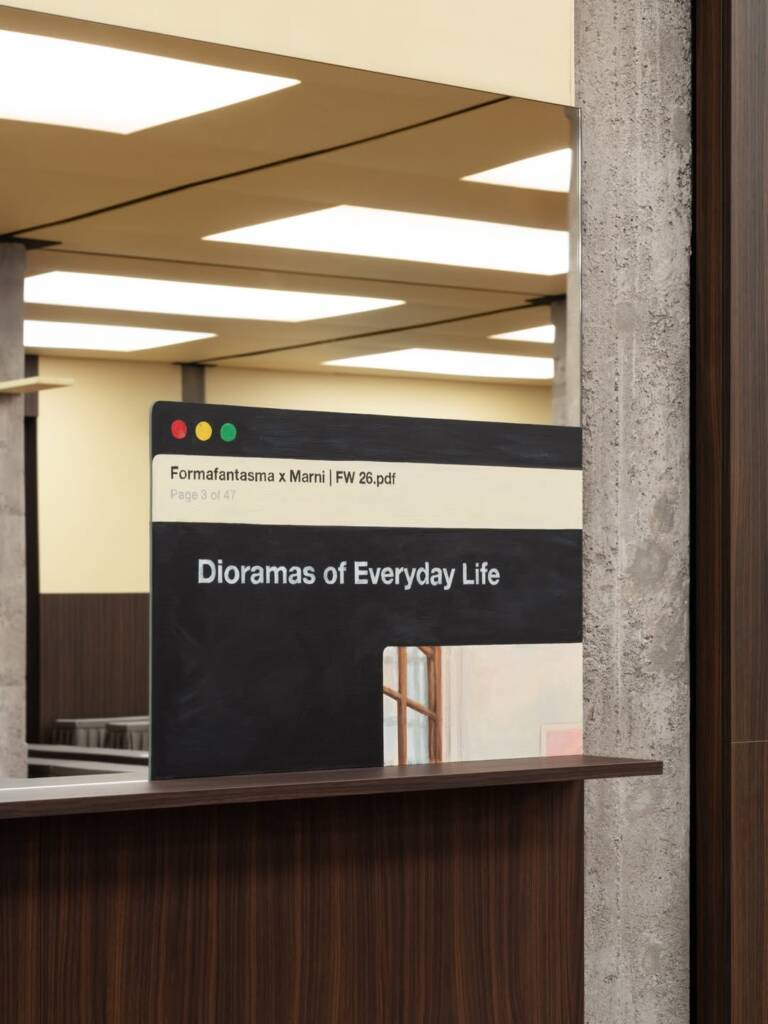
At Milan Fashion Week 2026, Belgian designer Meryll Rogge unveiled her highly anticipated debut as creative director of Marni with a scenographic collaboration alongside Formafantasma. Titled Dioramas of Everyday Life | Marni FW26, the show took place in Milan on February 26th, 2026, transforming the brand’s headquarters into a reflective meditation on how fashion inhabits daily existence.
The partnership between Rogge and Formafantasma became one of the defining creative statements of Milan Fashion Week 2026 — not simply a runway presentation, but an exploration of how clothing moves between lived experience and staged representation.
Milan Fashion Week 2026: a debut rooted in the familiar
Held in Milan on February 26th, 2026, Rogge’s first show for Marni was teased in the days leading up to Milan Fashion Week 2026 through a series of short films directed by Davide Rapp. Captioned “echoes of the familiar,” the clips depicted everyday gestures — a key turning in a lock, coffee poured into a glazed mug, a bakelite telephone at rest. Even the invitation echoed the concept, designed to resemble a humble Post-it note elevated through luxury craft.
Formafantasma’s reflective set design
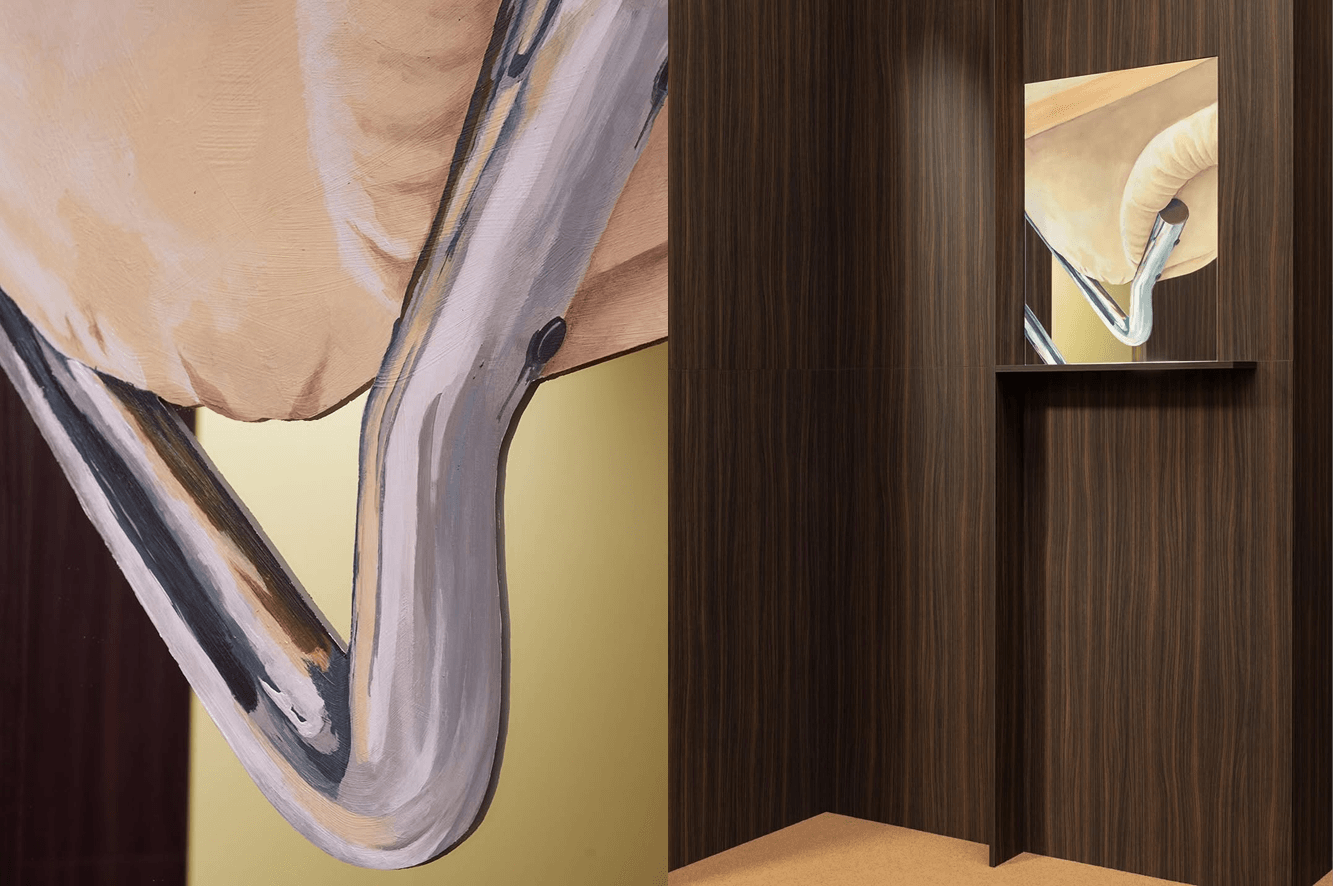
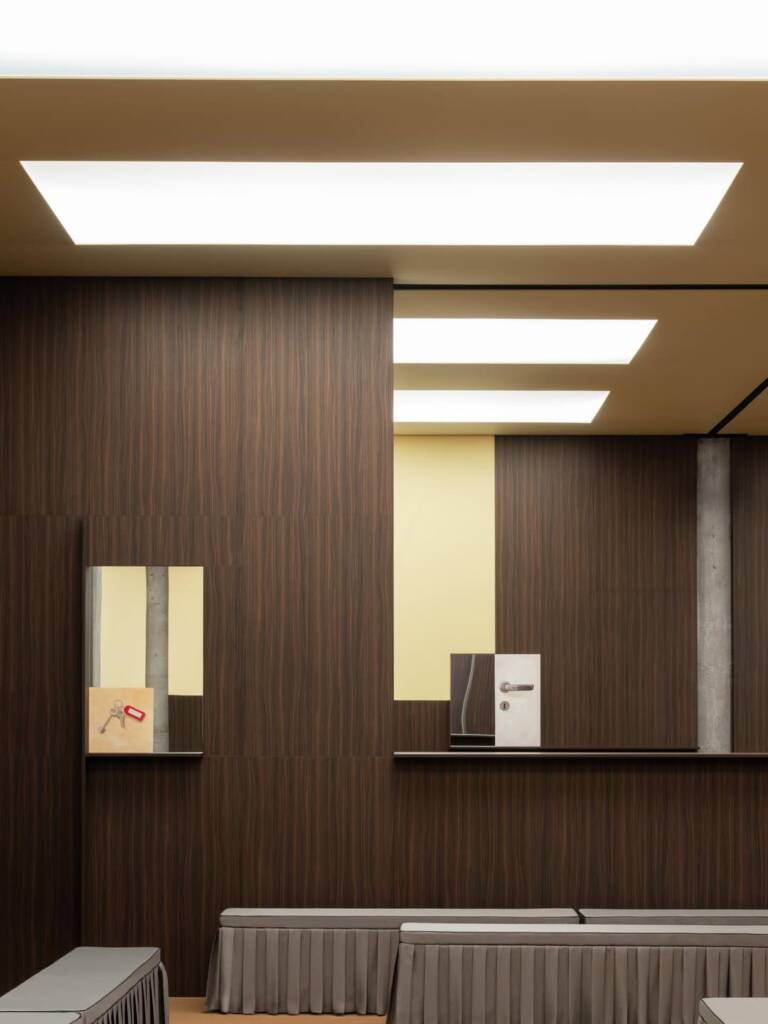
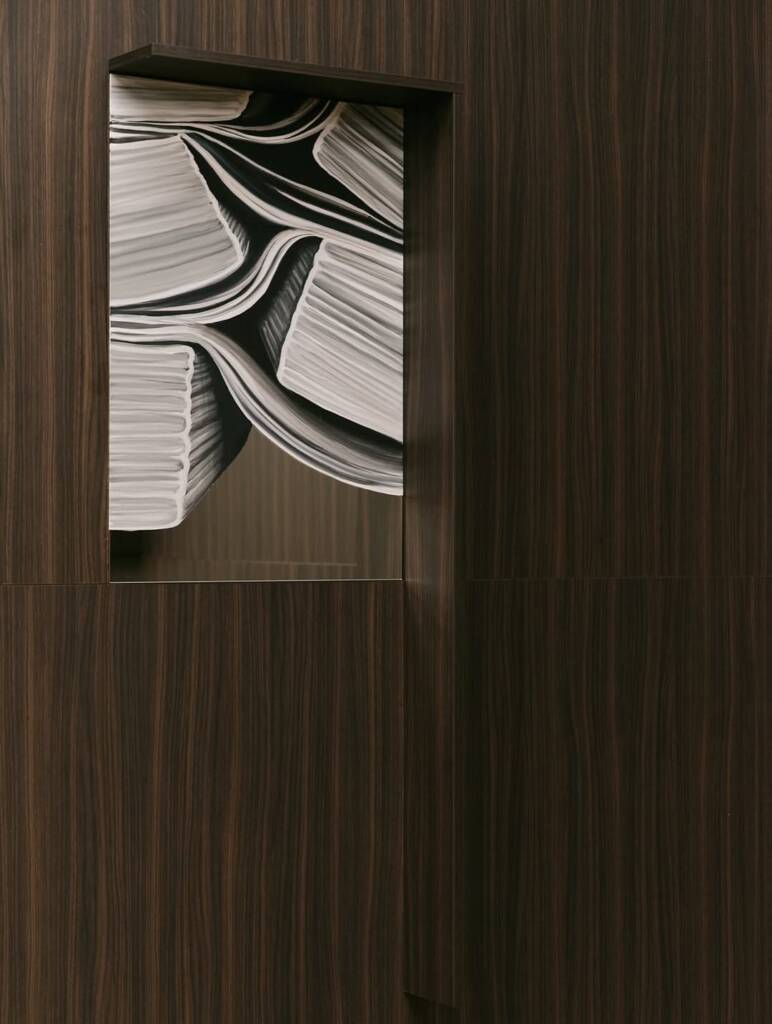
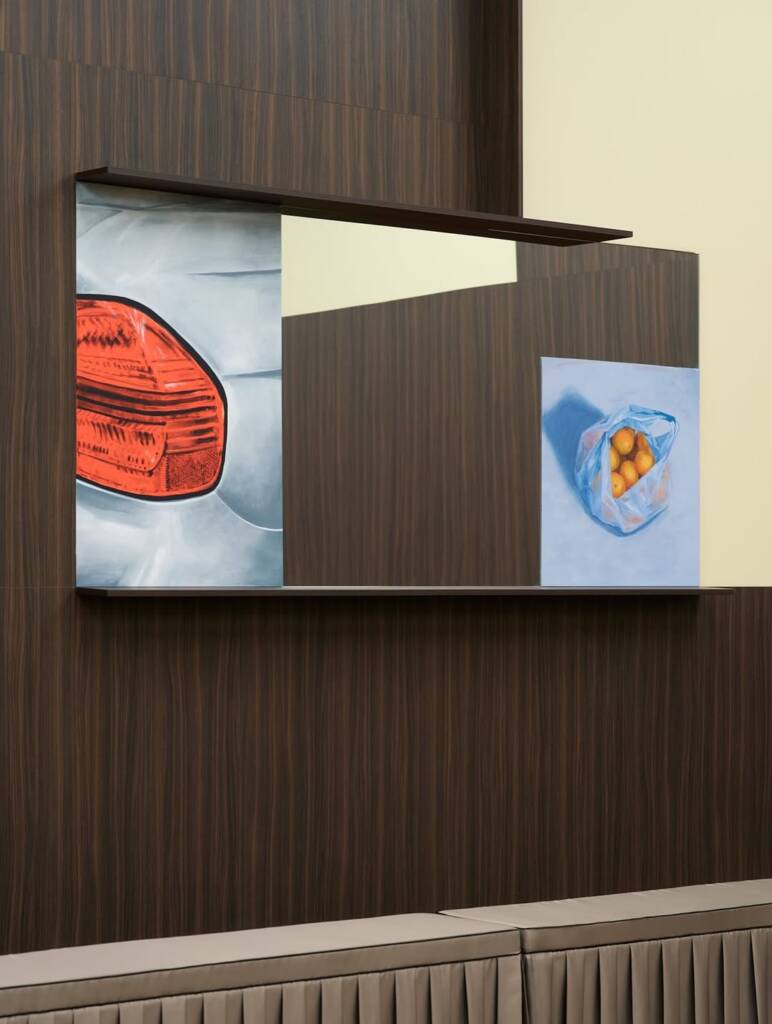
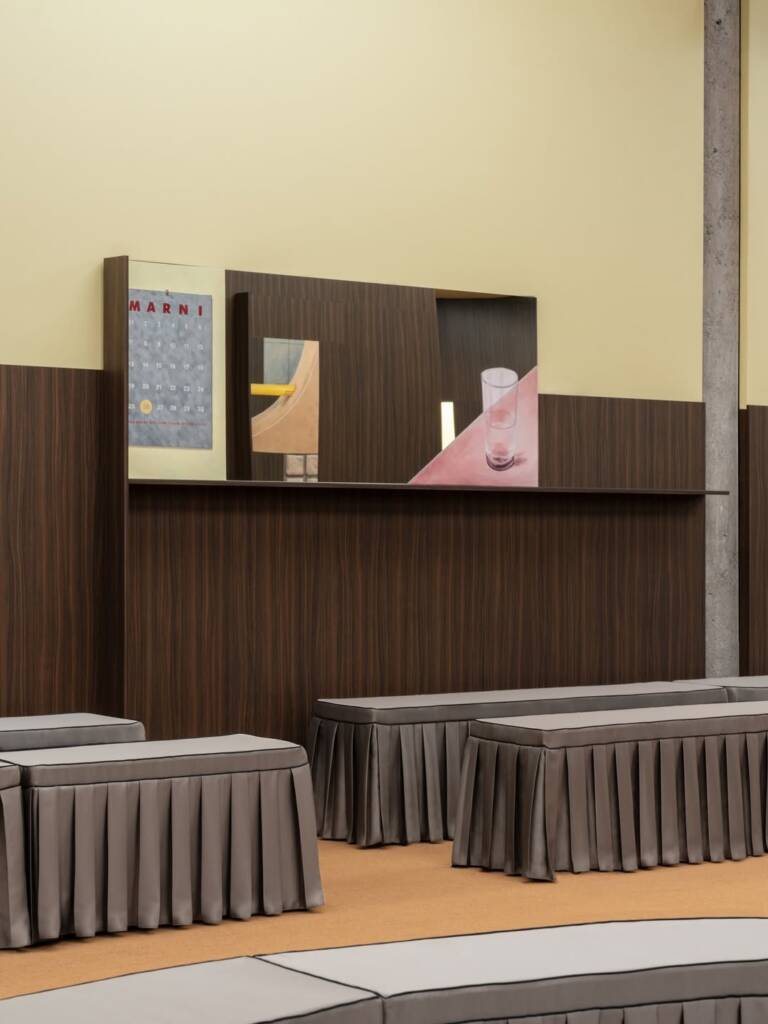
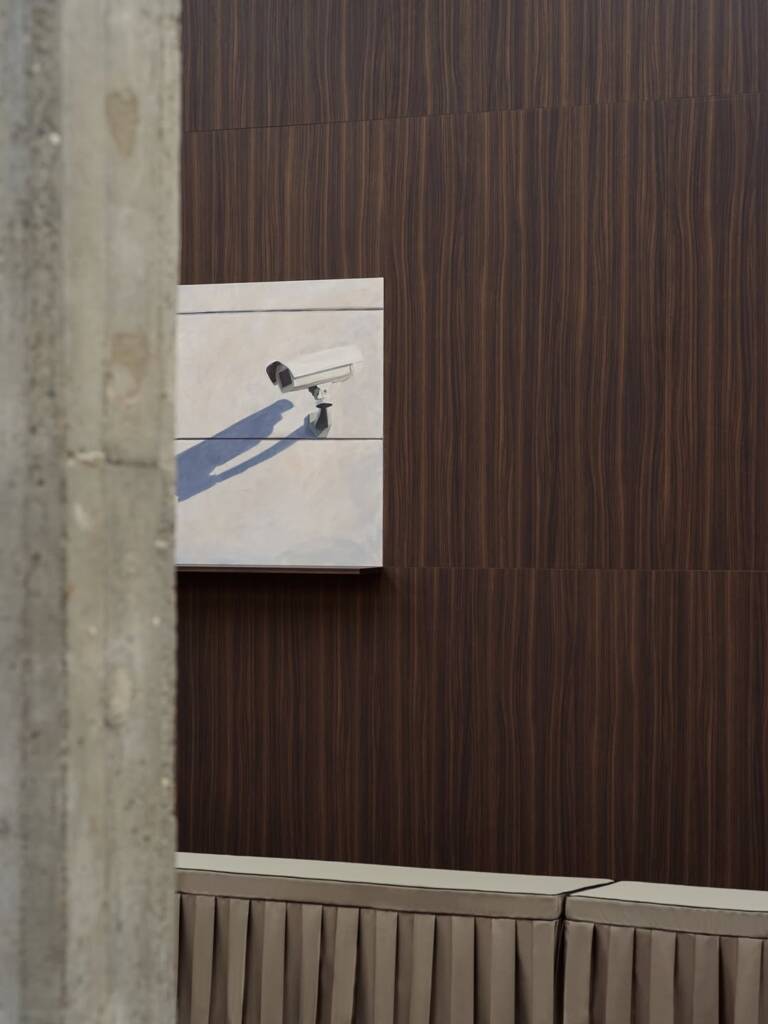
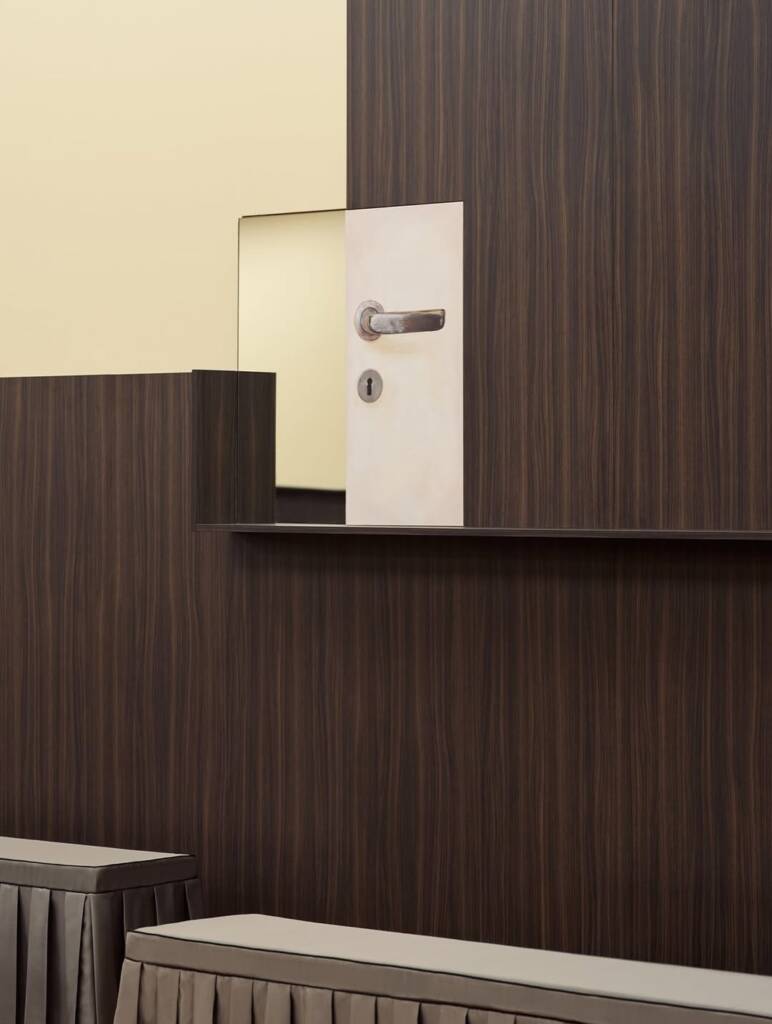
The scenography, conceived in close collaboration with Formafantasma founders Andrea Trimarchi and Simone Farresin, transformed Marni’s headquarters into a fragmented domestic landscape. Wood-effect paneling and fabric-covered benches suggested bourgeois interiors, while mirrored panels introduced a more conceptual dimension.
Partially hand-painted with fragments drawn from quotidian life — a car headlight, an office chair, leftovers on a table, a CCTV camera, an open computer tab — the mirrors layered reality with representation. These deliberately unremarkable motifs accumulated across reflective surfaces, collapsing distinctions between image and presence.
By combining reflection and painting, the mirrors functioned as both spatial instruments and pictorial devices. Models and guests saw themselves merged with painted fragments of ordinary life. The garments were neither isolated as spectacle nor flattened into mere documentation; instead, they existed within a visual field that mirrored contemporary experience, where lived moments and their representations continuously overlap.
The collaboration ultimately reinforced Rogge’s core philosophy: fashion does not exist solely on the runway. It moves through kitchens, offices and city streets.
Read our conversation with Formafantasma, covering the meaning of objects, ecological responsibility, and design as revelation.
Courtesy of MARNI and FORMAFANTASMA