In a fashion landscape often dominated by established names, the International Talent Support (ITS) Contest continues to champion the next generation. On 20 March 2026, in Trieste, Italy, ITS revealed the ten winners of its 2026 edition. Selected from hundreds of entries worldwide, the designers—aged 22 to 33 and representing several countries—have received an ITS Excellence Award. More than a prize, it is an invitation to join a family-like community that extends far beyond the competition.
The mission behind the ITS Contest
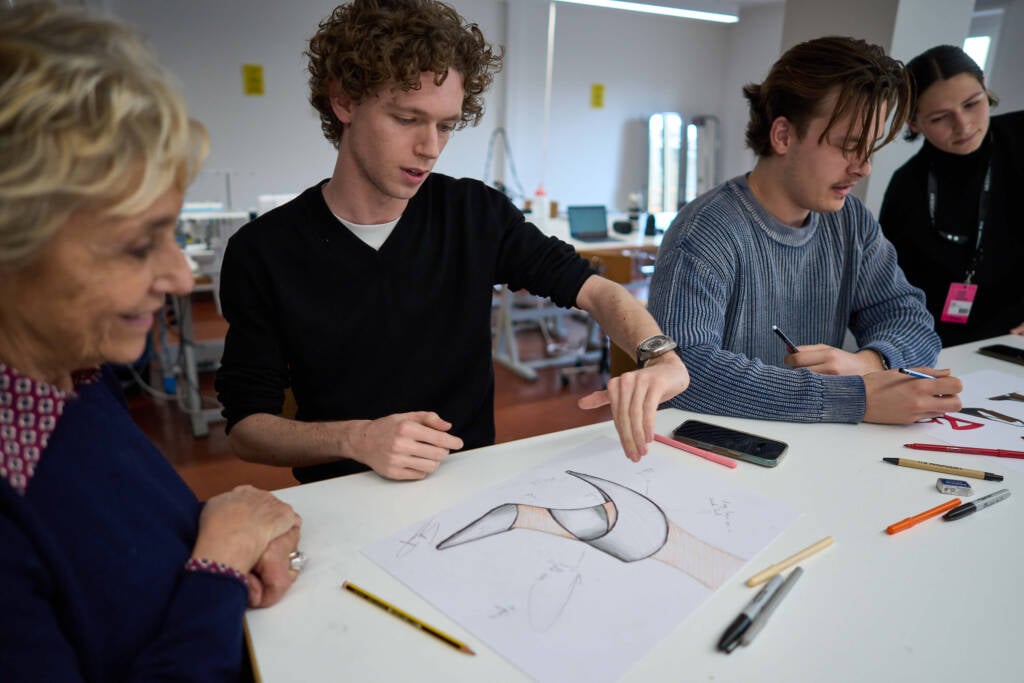
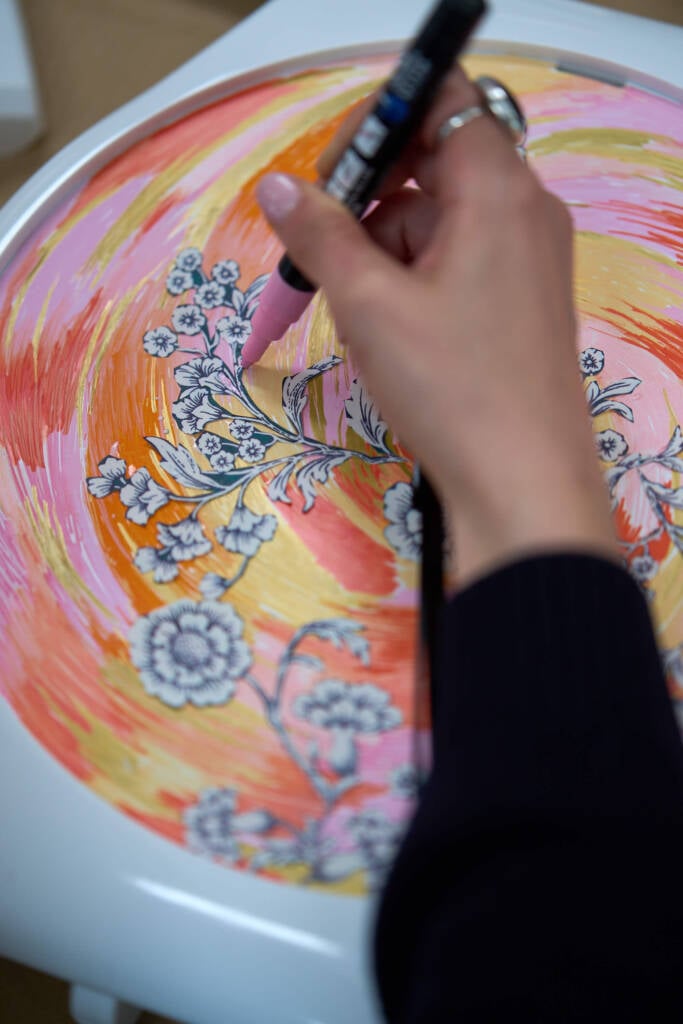
Since its establishment in 2002 by Barbara Franchin, the ITS Contest has become one of the most respected launchpads for young talent in fashion, accessories, and jewelry design. The organization helps discover and promote the work of emerging designers and keep them connected in a network of established professionals, mentors, and fellow creatives. During the experience, the finalists get to meet the industry pioneers, visit partner headquarters, and receive the support of ITS founders.
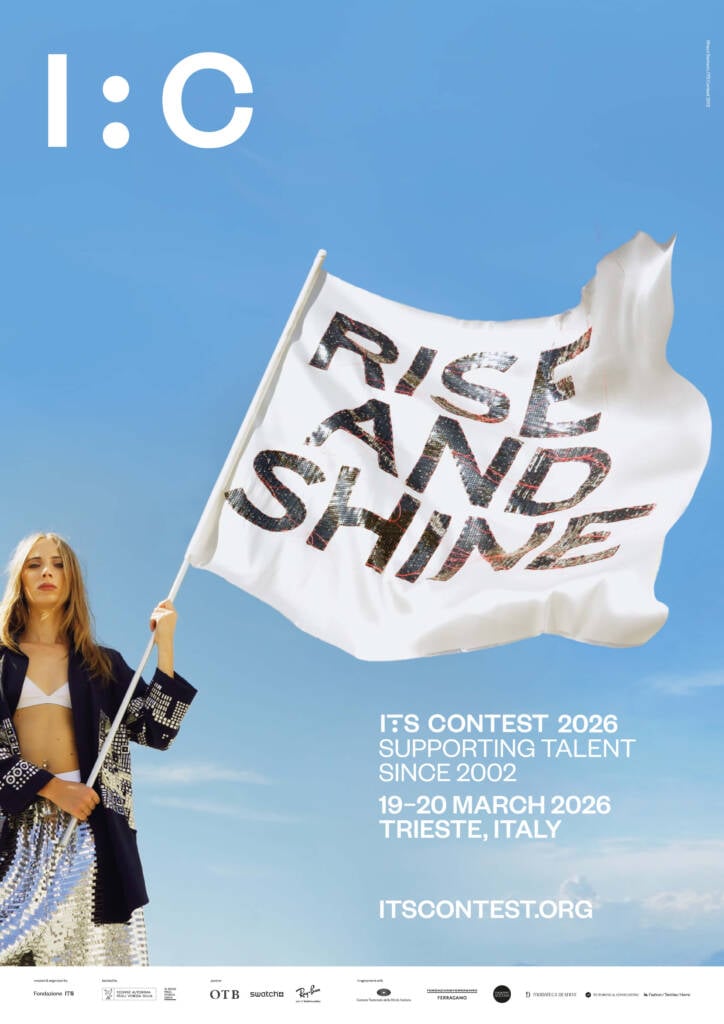
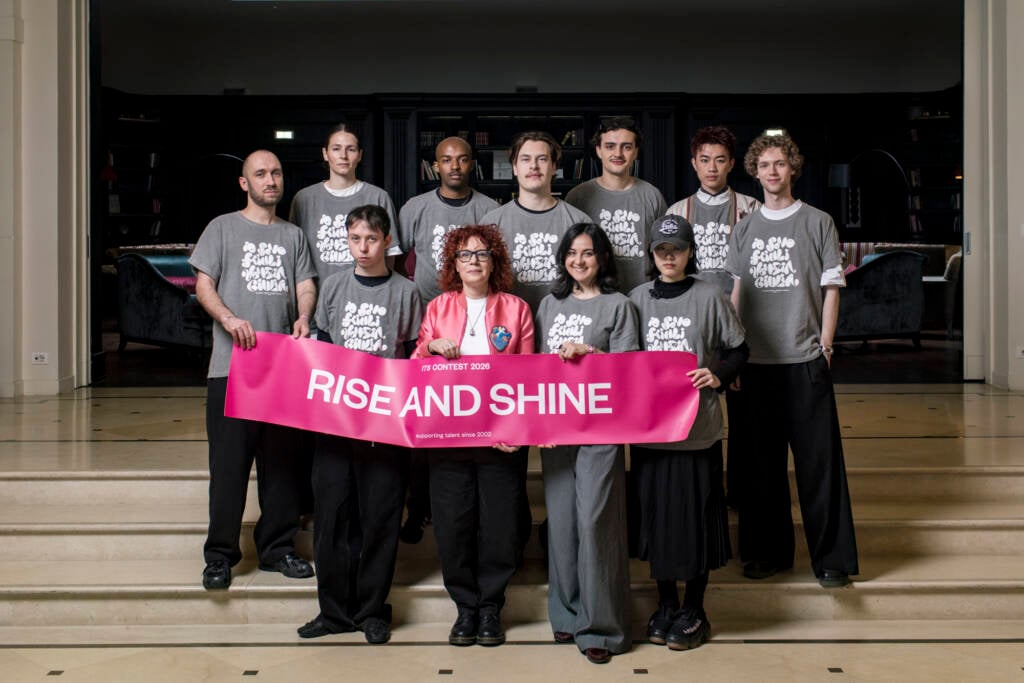
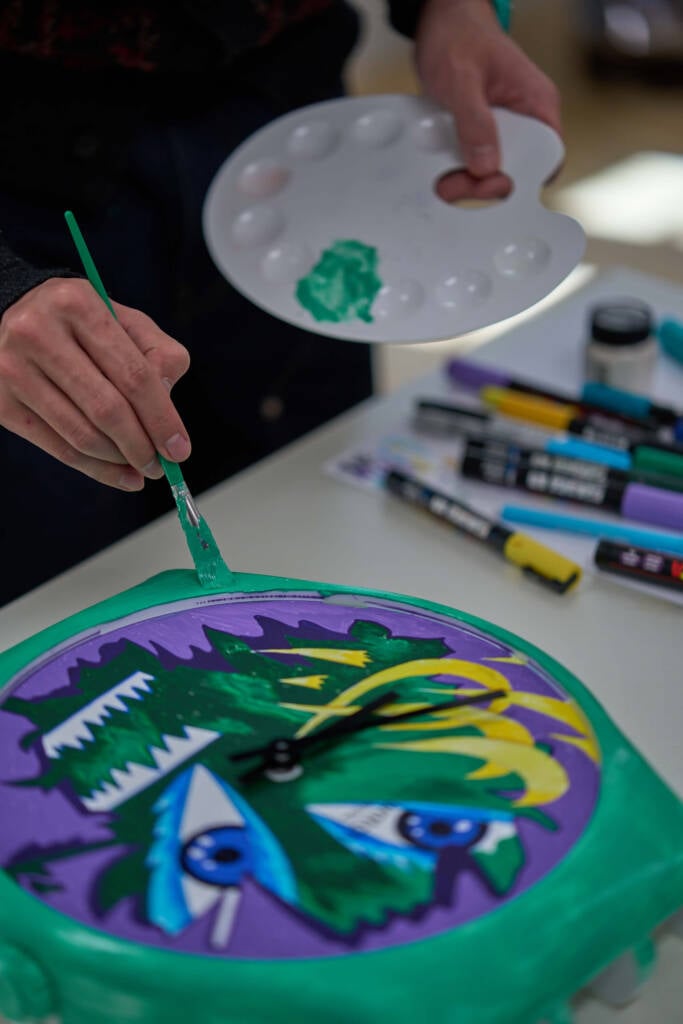
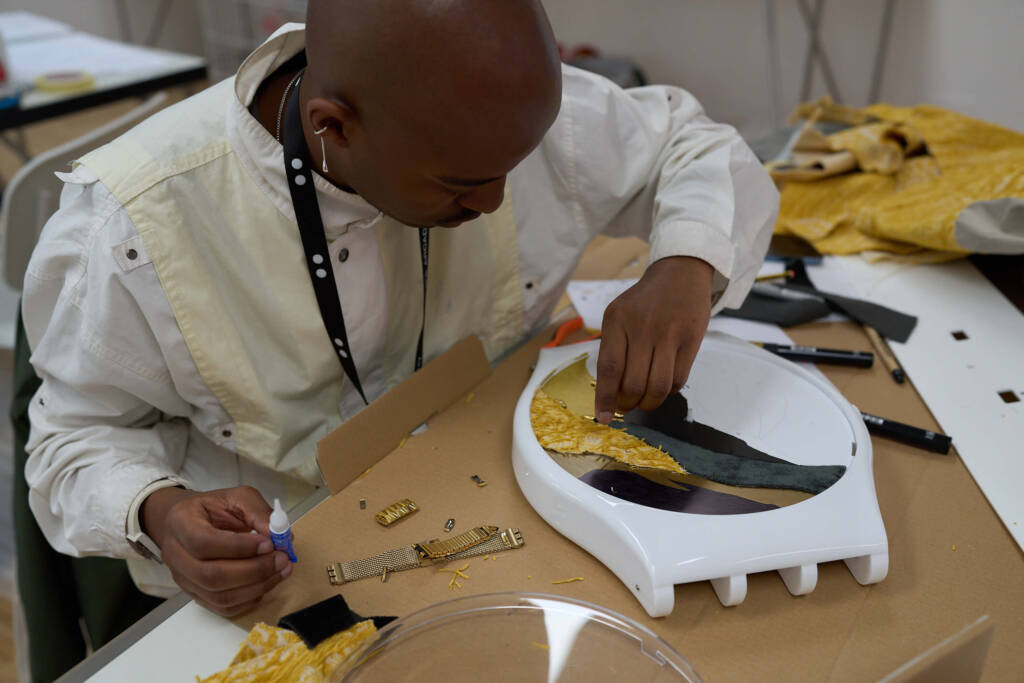
ITS Contest, this year organized by Fondazione ITS under the patronage of Camera Nazionale della Moda Italiana, Fondazione Ferragamo, Fondazione Sozzani, Miss Deanna, Pitti Immagine, and Inside Out Fashion Textiles & Home and with support of Io Sono FVG, OTB Group, Swatch, and Ray-Ban Part of EssilorLuxottica, aims to support young creatives both financially and by offering mentorship. Each winner receives the ITS Excellence Award 10x10x10: a €10,000 grant, a ten-day creative residency in Trieste, and a ten-month exhibition of their work. This year, the show, titled Rise and Shine, opens on 26 March 2026 at ITS Arcademy – Museum of Art in Fashion and remains on view until 3 January 2027. Visitors will have the chance to vote for the Public’s Choice Award, worth an additional €5,000.
The winners of 2026 edition
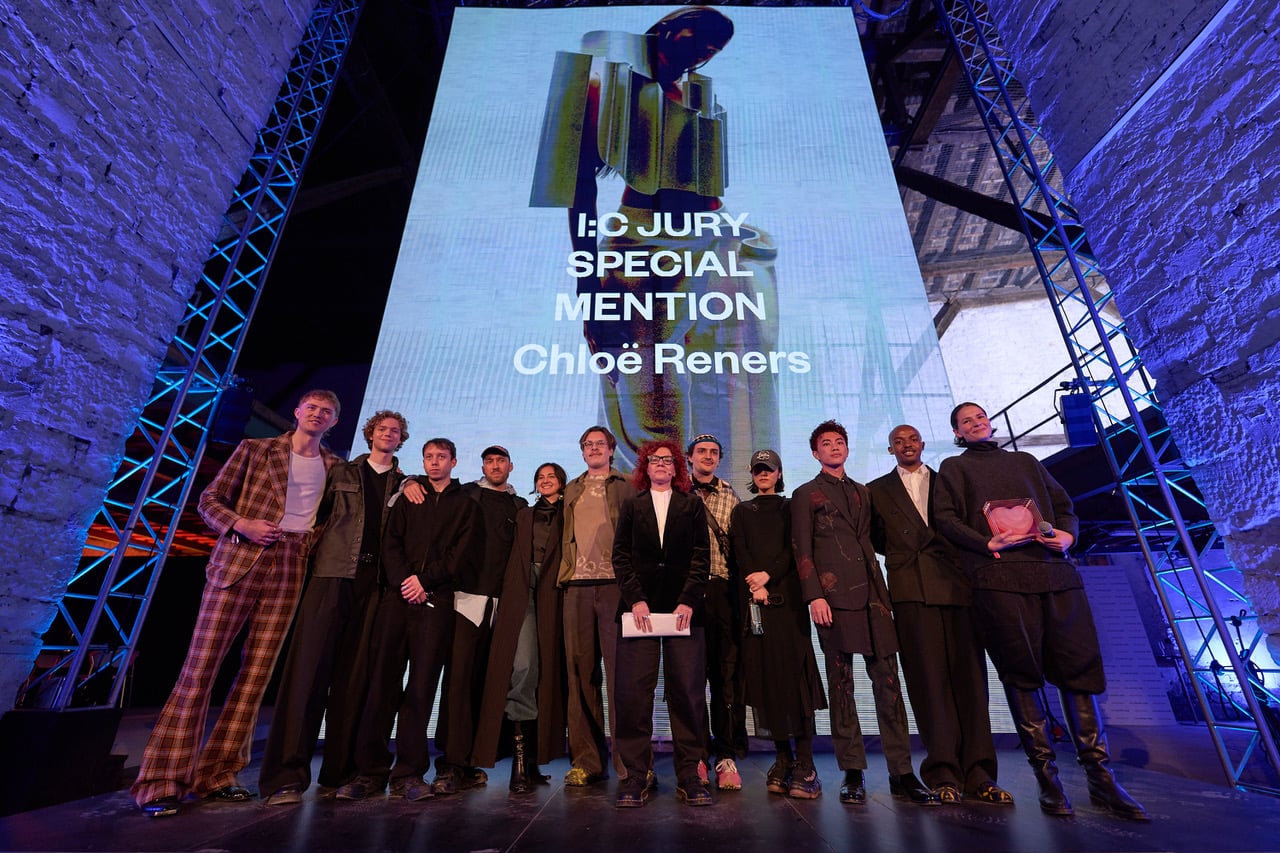
Each year, the Jury selects ten outstanding designers—at ITS Contest 2026 they are Darius Betschart (France), Steven Chevallier (France), Yi Ding (China), Jamie O’Grady (United Kingdom), William Palmer (United Kingdom), Stan Peeters (Belgium), Chloë Reners (Belgium), Tidjane Tall (France), Anna Maria Vescovi (United States), and Wenji Wu (China). Chloë Reners has also been awarded the Jury’s Special Mention for her “well-researched expertise with a confident vision for the future.”
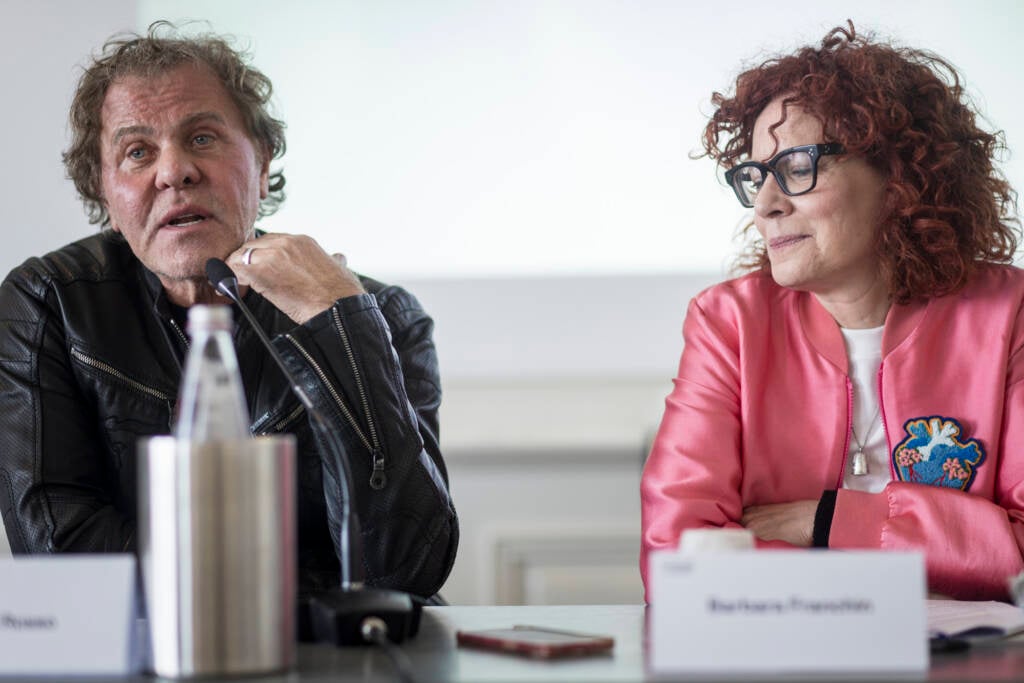
The ten designers have also received the I:C OTB Award, offering them to see first-hand the creative process behind the work of OTB Group and Diesel and take part in a sustainability coaching seminar with experts. By supporting young talent, OTB reinforces the vision of its founder Renzo Rosso: to expand the fashion’s boundaries, support the innovative spirit, and gather diverse perspectives and fresh insights.
Several winners received additional partner awards recognizing specific strengths in sustainability, innovation, identity, and craftsmanship.
During the event, Sasha Kovaleva, hube’s editor-in-chief, spoke with three key voices at the heart of the International Talent Support Contest.
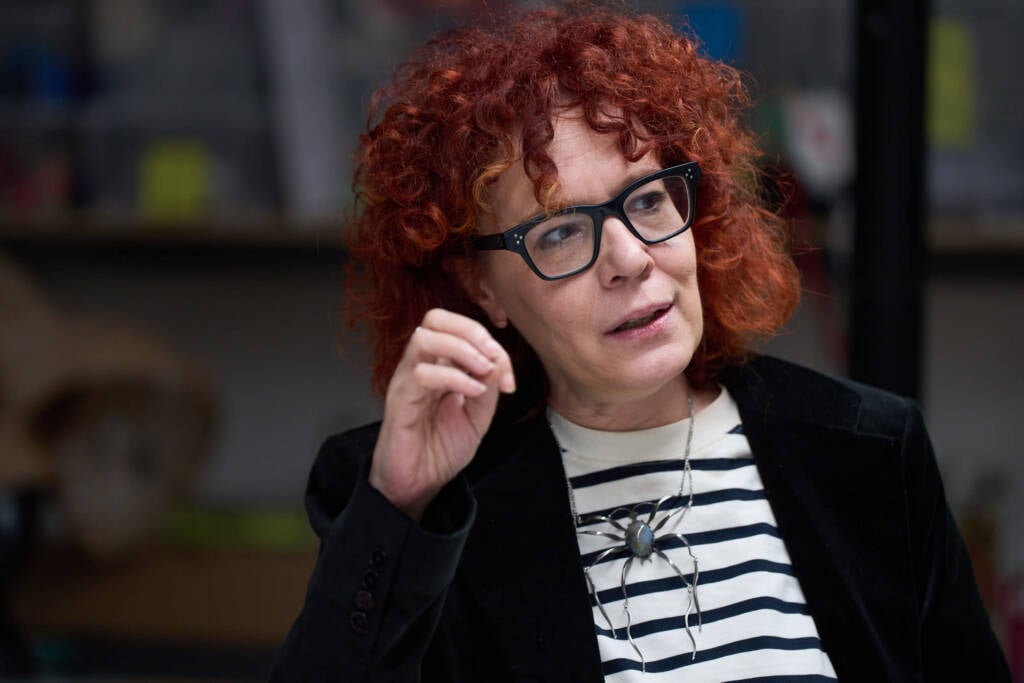
First is Barbara Franchin, who founded ITS twenty-four years ago and has steered the organization through generations of aspiring designers and turbulent global events. What began as an international competition has evolved, under her direction, into a living cultural institution: the ITS Arcademy – Museum of Art in Fashion, Italy’s first contemporary fashion museum, which houses a meticulously preserved collection of nearly 15,000 portfolios and hundreds of garments, accessories, and visionary projects.
Franchin has never simply scouted talent—she has safeguarded it, mentored it, and woven it into a global family that outlasts any single runway season. For her, the contest has always been less about crowning winners than about creating a home—one where raw creativity is protected, borders dissolve, and the next generation is handed the tools, the networks, and above all the belief to rise. In this conversation, Franchin reflects on ITS’s roots and its evolution into a powerful force in the fashion industry, and why collaboration, rather than competition, may be the only way forward in uncertain times.
Sasha Kovaleva: This year’s theme, Rise and Shine, feels both like an invitation and a call to action. How did it come about, and what ideas were behind it?
Barbara Franchin: We always try to stay in tune with the world. In this period, with so many wars and so many problems, we risk destroying our humanity—this is what is going to happen in the coming years. We felt that focusing on the capacity of a human being to rise and shine was very important.
SK: ITS is truly international, yet deeply rooted in Italy, with its museum in Trieste and its residency program. How do you balance this dual identity?
BF: Without any effort. It’s in our roots. From the very beginning, we felt the need to have a home. Over time, we realized that home was, eventually, a museum. Even twenty-two years ago, since the beginning, the idea was to create a house. Then, after twenty years, we understood that the right thing was to have a museum where we could share all the richness we’ve been able to protect with as many people as possible.
SK: Mentorship is often as important as formal education. What qualities do you look for in mentors at ITS, and how do they shape the development of young designers?
BF: If you look at the names, you can understand how we work. We try to open windows of knowledge for our designers, giving them as much information as we can—they need it to understand what kind of futures might be waiting for them.
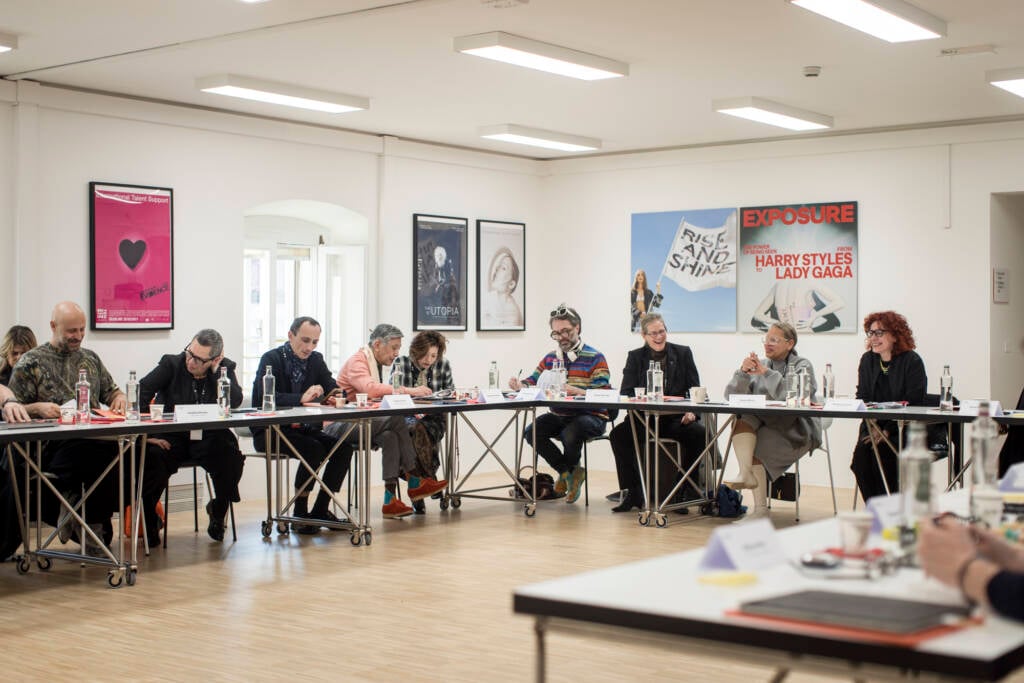
During these ten days, they’ve been to Diesel and spoken to Renzo [Rosso], met people from EssilorLuxottica and Swatch, and talked with someone who develops collections from the sketch to the production. We’re giving them access to the kind of information that schools usually don’t provide.
Afterwards, we stay available. If we can support them in any way, we’re always there. It’s a family—but not just on paper. We live in the family spirit. Nobody forced me to dedicate twenty-four years of my life to this; I chose it because I love it. Every portfolio that arrives is a possibility, a dream, an emotion that we can help translate. When I say “family”, it’s not just a word—I mean it as a philosophy, a way of life.
SK: Over more than twenty editions, the world has changed dramatically. How has ITS evolved in response? What does it take to stay not just relevant, but ahead?
BF: We started in 2002, right after the Twin Towers fell. So, we began at a moment when nations were closing their borders—and we opened ours. Today we are in the same—or probably even worse—situation. I feel we are very close to a selection process for humanity: those who will get to live, and those who are no longer useful.
We change in response to the needs of our designers and to what the world is able to understand. We started as a contest, and now we are here with ten people that stay together for two weeks without any kind of competition, because all of them are winners.
The shift is from competition to collaboration. For me, collaboration is the word for the future. If we don’t learn to collaborate, we won’t survive. We are dangerously close to the end, but we’re not conscious of it, and we’re not facing reality. It’s scary—absolutely scary. But if humanity is going to make it, if we are going to survive, we will only be able to do so by collaborating and forgetting borders. Borders don’t exist—they are only in our minds. But life is serious.
SK: Many ITS alumni, like Matthieu Blazy and Demna, now lead major fashion houses. What, in your view, makes ITS such a strong platform for emerging talent? What helps these designers grow and sustain long-term careers?
BF: Love, love, love—nothing else. Love and belief.

Courtesy of FONDAZIONE ITS
Photography by CASPER KOFI
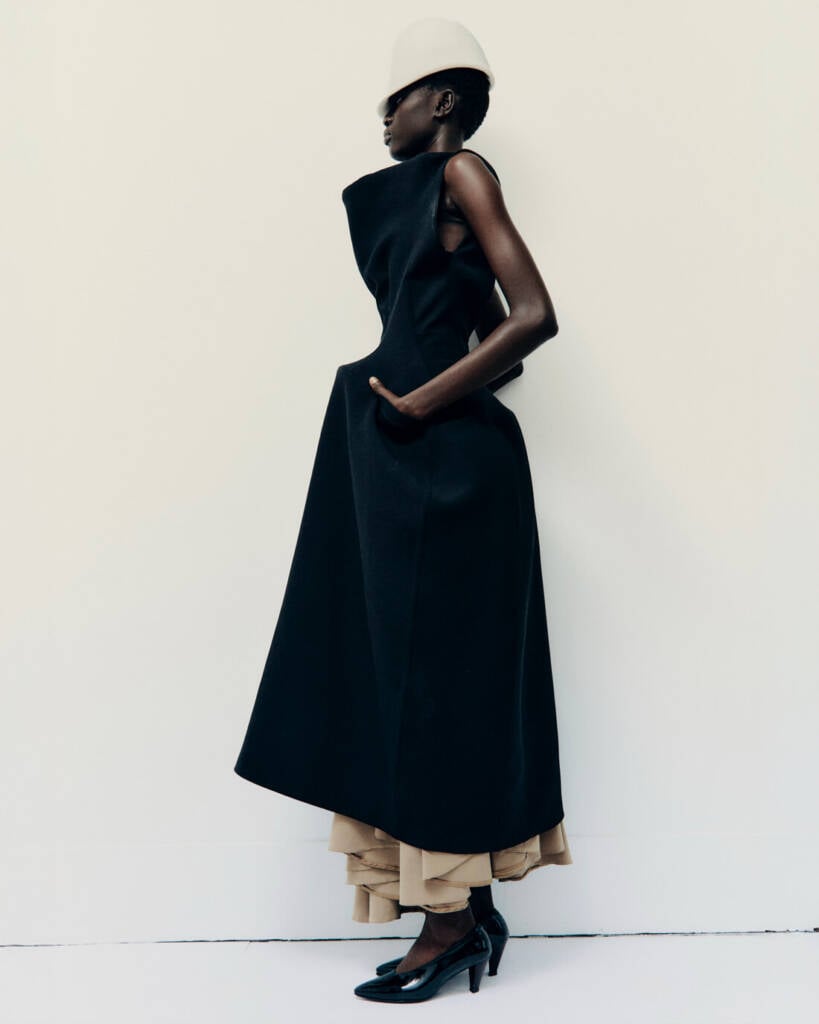
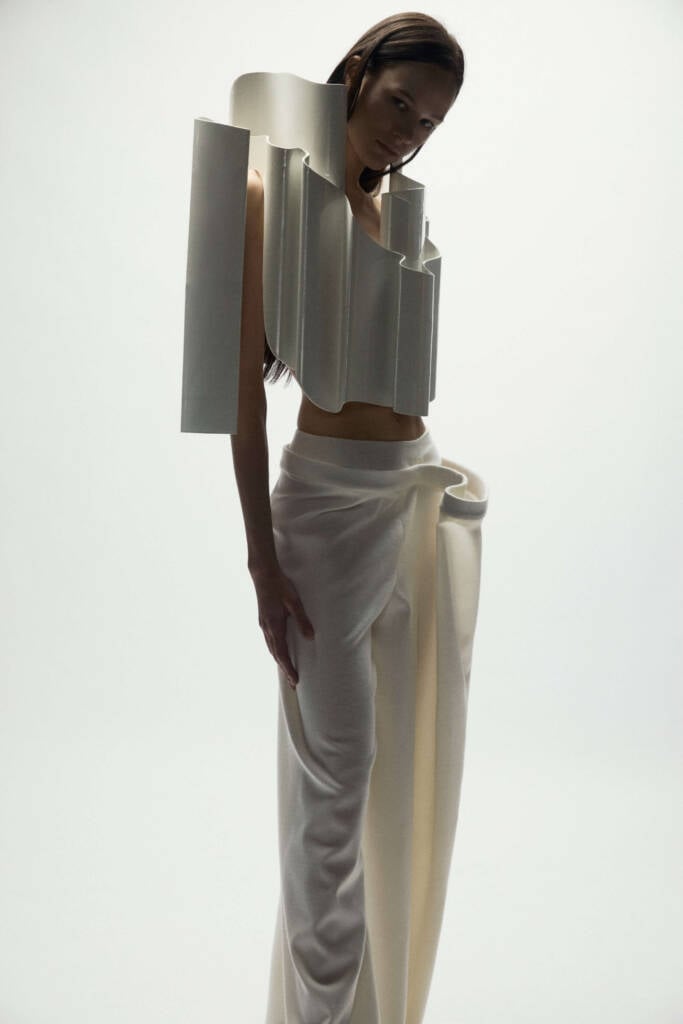
Echoing those themes of legacy and identity is Tidjane Tall , one of this year’s ten winners of the ITS Excellence Award. An emerging designer, his work is deeply connected to the duality of personal and cultural experience that he translates into his collections. For his profound reflection on the relationship between heritage and individuality, Tall has also received the prestigious I:C Fondazione Sozzani Award, providing him with a fully supported exhibition of his collection in Milan.
Rather than erasing his history, Tall amplifies its implicit details with a fresh perspective, tailoring and transforming references into garments. In his designs, Tall redefines effortless elegance with a fresh, youthful perspective—balancing familiarity and quiet rebellion in every piece. In our conversation, Tall shares his creative process, his vision for the future, and what he hopes to gain from the upcoming residency.
Sasha Kovaleva: So far, what has been the most challenging part of the ITS process—and what has been the most rewarding?
Tidjane Tall: I’d say the most challenging part was the jury session yesterday. It was the peak moment we had all been waiting for. Also, it was the first time I had spoken about my work in front of that many people. So it was very challenging, but at the same time incredibly exciting. I think the most rewarding part will also be this one, because I received a lot of feedback and compliments from insiders, from people across different departments inside the fashion industry. It was really interesting.
SK: Your grandfather founded the storied nightclub ‘La Boule Noire’, a legacy that served as an inspiration within your work. How did its presence shape your early environment and imagination?
TT: For me, it was sort of a constant story that my parents told me throughout my childhood. I’d think they made it sound bigger than it was, and I didn’t realize how important it was at that time. But after doing my own research—and now working on a project around the cabaret to know more about it—I found out that it was a really significant place at this time. A lot of famous people and politicians went there.
There was always the duality between European culture and the actual presence of Ivorian people. I was really fascinated by this duality that you can also find in my identity as I was born and raised in France, yet have a perspective on the Black body and West African culture. It became the perfect starting point for me to understand how my creative approach would lead me and how this collection can be created.
SK: You’ve spoken about how the wigs worn by Nigerian women informed this collection. Could you expand on what the wig signifies for you within a broader cultural and personal context?
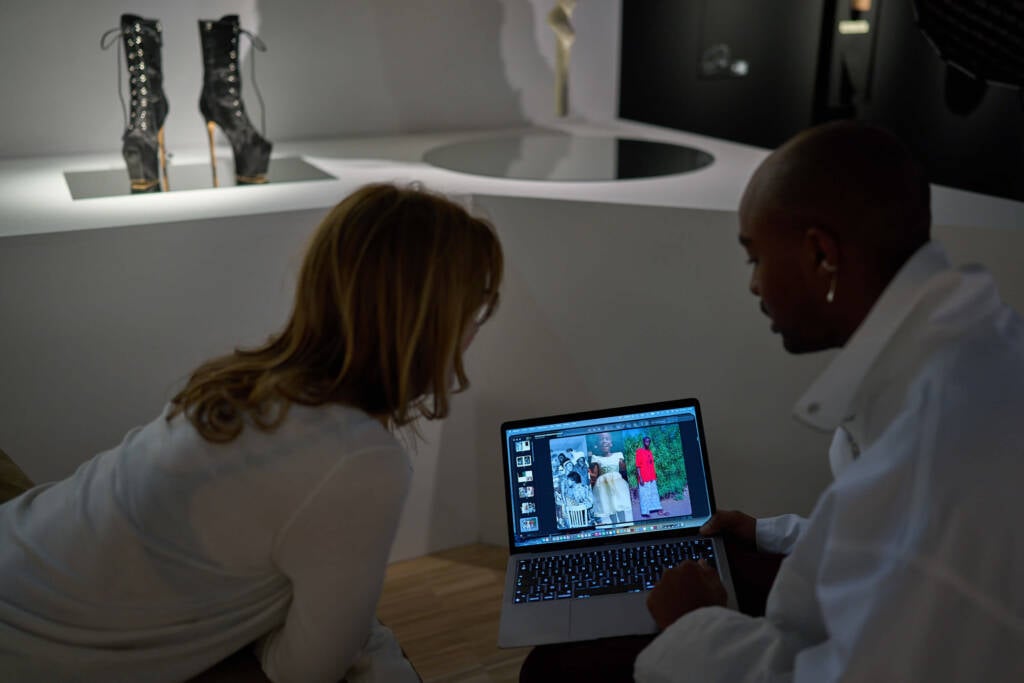
TT: I’ve always been obsessed with wigs and hair in general. When I discovered the work of Émilie Régnier, I was blown away by how real and familiar those images felt. It was something my eyes were used to seeing in Paris or in Senegal during my childhood vacations. There’s a certain familiarity, and also a sense of all those colors and layers that feel a bit out of this world—it’s not something that you are used to seeing in the street in Paris.
For me, it became a key point to explore that extravagance. I say “extravagance”, but in their context, it’s completely normal; they wear these wigs on a daily basis. There’s this idea of effortlessness that I wanted to explore in my collection—how effortlessness is perceived differently in more Afrocentric cultures compared to others. That balance is what I’m interested in.
SK: Who or what inspires you outside of the fashion world—artists, thinkers, or perhaps someone else?
TT: I’m really obsessed with music, so I’d definitely say Solange Knowles and Kelela. The imagery and sound these two artists create is something that touched me in a special way.
SK: What frustrates you the most about the fashion industry today?
TT: It’s the lack of space and support for new-generation designers. I’m based in Paris, and I talk about this all the time with my friends who also work in fashion as we met at school. We all have the same frustration: if we want to start a brand, there’s no financial support for us to sustain ourselves, have a showroom, a small show presentation. How do you do it properly then? I feel like in London—even though the industry is still not stable—you have a lot more initiatives for emerging designers to just take the risk of doing it.
SK: Did you think about moving to London?
TT: No, because I still love Paris. Also, London is a more expensive city, so it would require a lot of adjustments.
SK: Looking ahead to your upcoming residency, what do you most hope to absorb, challenge, or refine within your practice?
TT: For me, it was also a great social experience. It’s the first time I’ve been abroad for more than ten days with ten people I didn’t know, yet we all shared the same passion. It was really interesting for me. What I’m happiest about is the people we met—a lot of professionals who are pioneers in the industry, whom I would have never met outside of this contest and residency. Through the workshop talks and meetings, we were so close that we had the chance to ask them the questions we wanted. This part felt very special.
SK: How would you describe the future in three words?
TT: Uncertain, capitalist, and selfish.
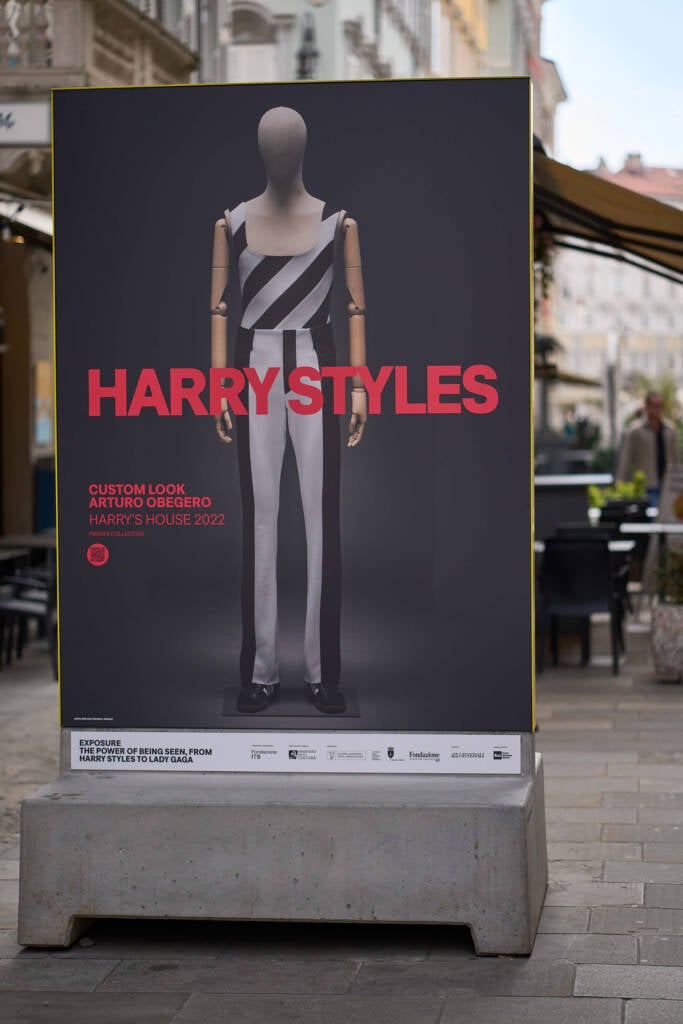
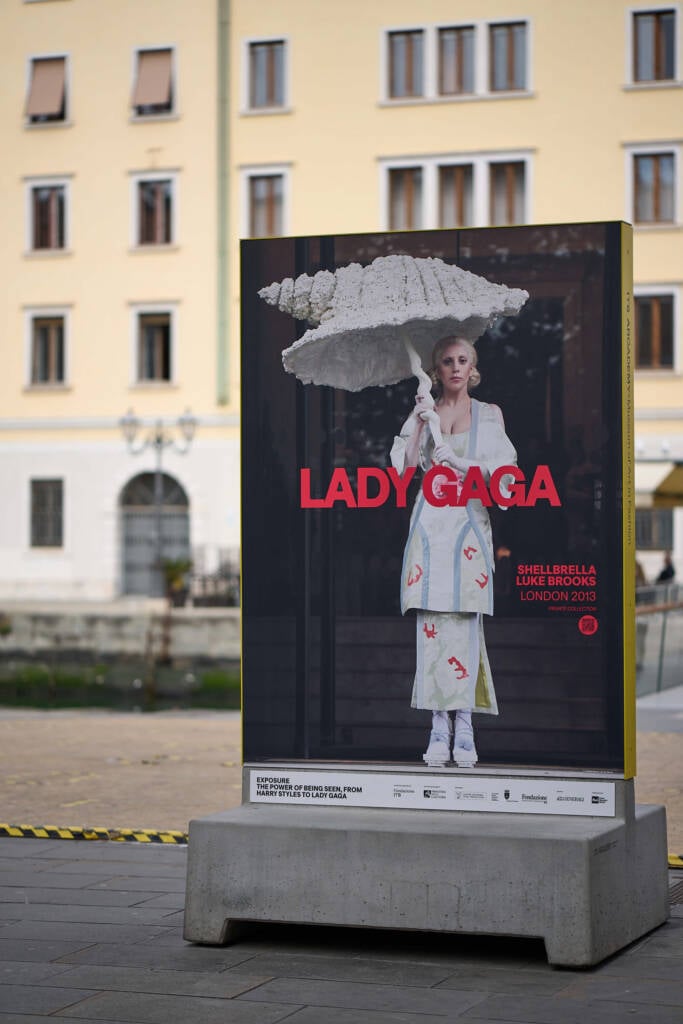
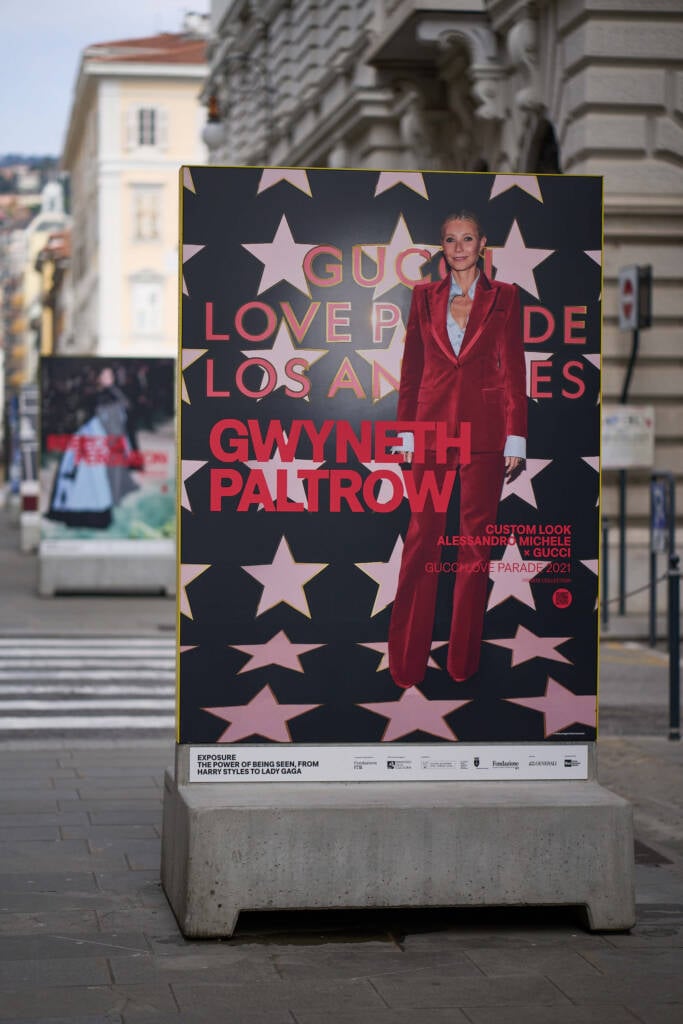
Finally, Maiko Takeda, a wearable art and accessory designer who took part in the ITS Contest in 2014 as an accessories finalist and winner of the Vogue Talents Award, looks back at her journey and tells hube about her approach to balancing concept and production—and reveals what she finds especially meaningful in the final outcome and her finished pieces.
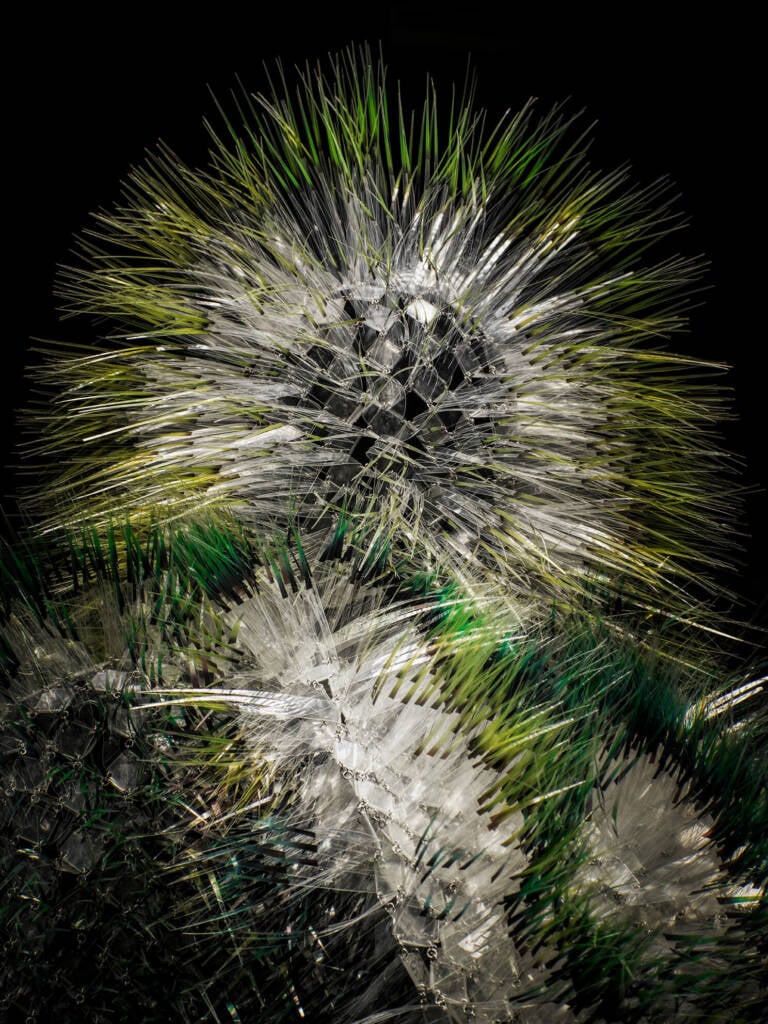
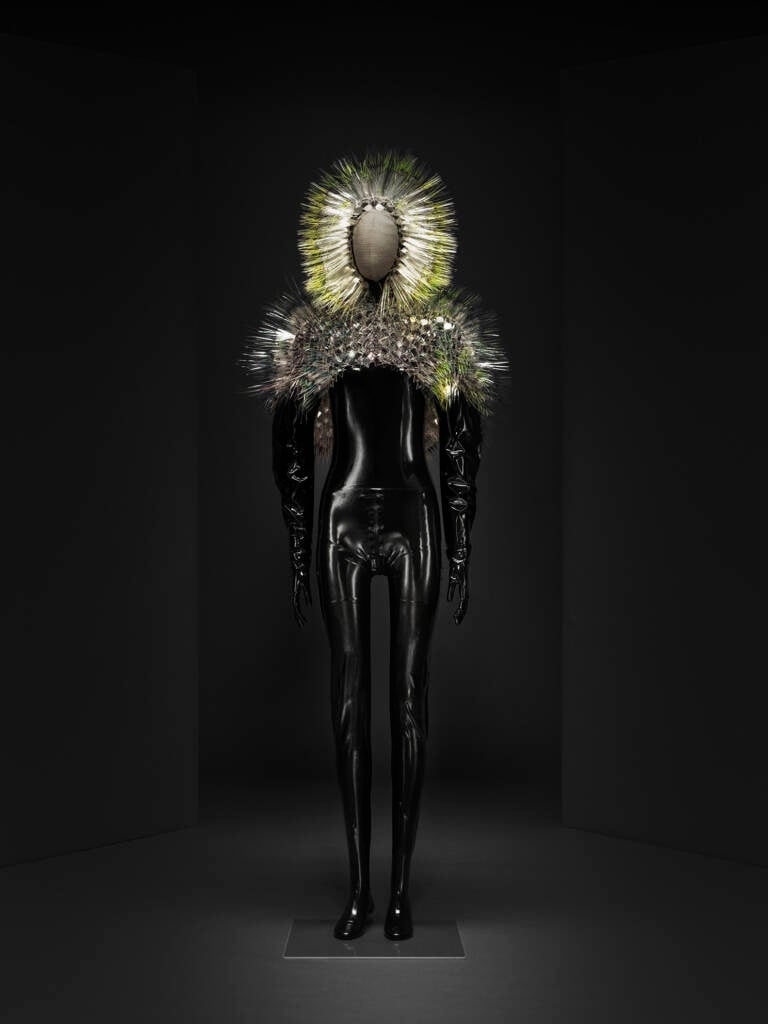
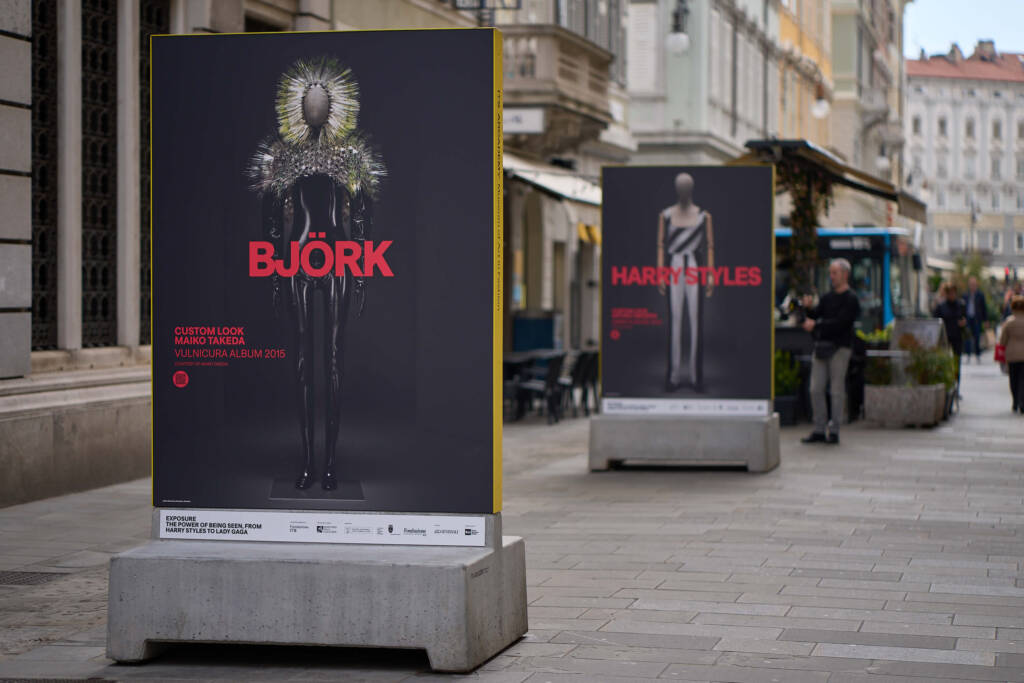
Born in Tokyo and trained at Central Saint Martins and the Royal College of Art, Takeda creates ethereal, sculptural pieces that blur the line between fashion and art. She has collaborated with Issey Miyake, Nike, Björk and many others, while continuing her personal art practice that draws inspiration from nature, light, shadow, and movement. Takeda’s work is held in permanent collections of the Metropolitan Museum of Art and Central Saint Martins.
Speaking with hube’s Sasha Kovaleva, Takeda reflects on the enduring power of the ITS community she joined twelve years ago, the privilege of putting concepts before commercial constraints, and why she values the contrast between the fast pace of fashion and the slower rhythm of her artistic commissions.
Sasha Kovaleva: You were awarded the ITS prize in 2014. Could you reflect on the enduring impact this recognition has had upon your career, and how it has informed the evolution of your practice?
Maiko Takeda: It has definitely had a wonderful impact on me. First of all, being a finalist and winning the award was obviously great for my CV. But beyond that, the community of incredible people I gained through this competition has made a huge difference. For instance, another finalist I shared the hotel room with back in 2014—we took the train together this morning to come here, and we’re still very good friends with quite a few others from that year. Also, the way Barbara communicates and always welcomes us at any stage of our careers makes me feel like I truly belong to something special.
For me, that’s the most important thing that came out of this—meeting a wonderful community of people, and being able to grow with them. Back then, twelve years ago, all of us were just starting out in a new job or in the new industry, and now, whether we’ve stayed in fashion or not, everybody’s grown. It’s a really beautiful thing to do that together—to become adults.
SK: Observing the competition a decade on, what shifts or developments do you perceive, and are there any in particular that you find especially compelling or inspiring?
MT: This is actually the first time I’ve come back here. But I see the images on Instagram, the updates, and the newsletters, and it’s amazing how ITS is evolving and creating history, year by year. It’s wonderful to see the new generations doing great things. I also really like the way they communicate—I don’t have to do any special research to check what’s happening, as it just appears on my phone every year. I think they’re doing a great job.
SK: Many young designers today face the tension between concept and production. How do you balance commitment to your vision with the practical realities of making and distributing wearable art?
MT: I only do what I can do. I’ve never been interested in having a huge team and producing and selling large quantities. What I really love is to create one-of-a-kind, bespoke artistic pieces for different kinds of projects in different industries. Still, besides working on my own collection, which is more art-oriented, I take commissions. But in my case, concepts and ideas always come first. When I design something for clients, fashion shows or films, I create the work first—and then, if they need to produce something out of it, we think about it. I don’t have to balance production and concepts, and it’s a privilege for me to be able not to compromise my ideas and concepts too much just to make the production doable.
SK: I don’t want to refer to your pieces and to your work as simply fashion, because it’s much more. Still, what frustrates you the most in the fashion industry today?
MT: It’s so fast. Every half a year, or even every three months, you have to come up with something new. That, of course, exhausts a lot of people when it comes to generating truly unique and fresh ideas. You’re always chased by time and deadlines. Still, I think I enjoy it because I’m not fully in the fashion world. I sometimes work with movie costumes or more artistic practice so I always have a place to escape to—or even different places to belong to.
Of course, I don’t like fashion being so superficial and quickly-consumed. But on the other hand, if you’re stuck in your studio all day trying to create an art piece, it can be actually nice to throw yourself into this fast flow of time, so that you simply have to do something. If there’s a deadline, you have to work for it. I somewhat like to have that contrast in my own life so that I’m not entirely bound to one particular way of working or thinking.
SK: If you were mentoring an ITS finalist, what questions would you encourage them to ask themselves about their practice—beyond technical skill or aesthetics?
MT: That’s a very difficult question. In 2014, when I went to ITS, I had just graduated a year before and didn’t know what was going to come into my life. I didn’t know where I would be working and felt very insecure and unsure. But now twelve years have passed, and if I could tell something to myself back in 2014, I would just ask to not be too narrow-minded with the idea of what success looks like in fashion. You go through your thirties, through all these life stages, especially as a woman, when some people want to start a family, some want to change careers, some want to have a break. It’s not all about going up the fashion ladder—which is also a wonderful path to take.
When you have just graduated and are surrounded by all the aspiring fashion designers, the vision of success feels quite particular—something like having a very high position in a fashion house or flying around all over the world. It’s great indeed, but that’s not the only answer, and it took me a long time to realize it. A lot of people from the ITS family ended up doing completely different, but amazing things.
SK: Looking forward, how do you envision the future of wearable art—both in terms of technology and cultural relevance?
MT: In terms of cultural relevance, I think wearable art is always not so relevant, but without it the world is super boring. I really appreciate people who wear interesting things. Maybe these items of clothing and accessories are not so practical in everyday life, but they really bring excitement and theater to the everyday world.
The people who buy my pieces don’t usually wear them every day, but rather on special occasions, or for Instagram posts, and that makes me really happy, because it suddenly creates a connection between my work and society. It’s not just me making some objects for them to be archived in a box—but to be worn. That’s very important for me.
Photography by M.GARDONE
Courtesy of FONDAZIONE ITS
Photography by M.GARDONE
Courtesy of FONDAZIONE ITS
Photography by ORIANE VERSTRAETEN
Lights by KOEN VERNIMMEN
HMU by SANNE SCHOOFS
Post production by @estherrrrrr_lm
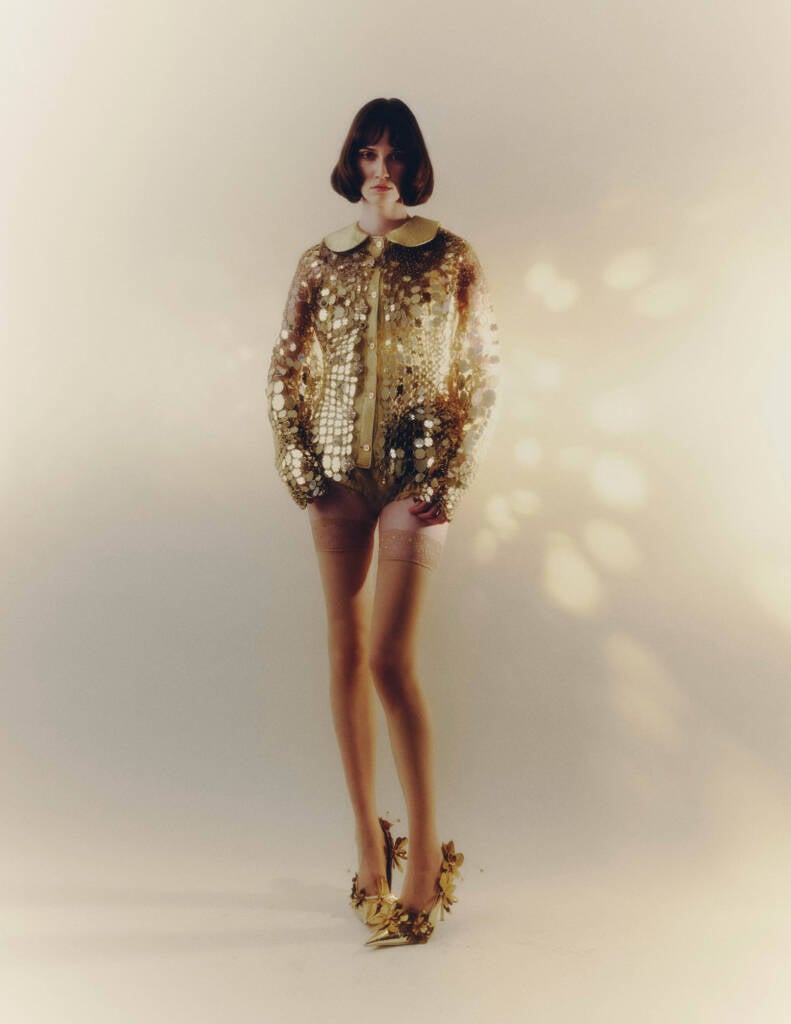
Photography by JULIUS BOHLIN; Hair by RIMI URA; Make-Up by ISIS MOËNNE-LOCCOZ; Model: LOLA MARCHAND @ THE CLAW MANAGEMENT
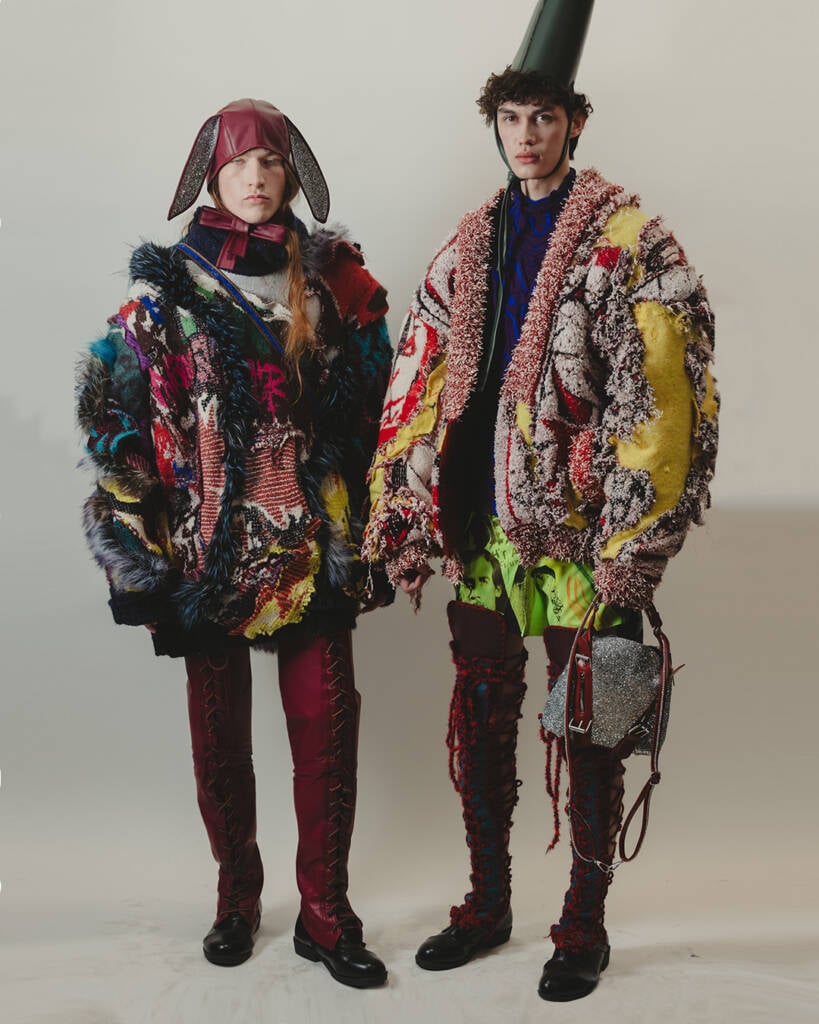
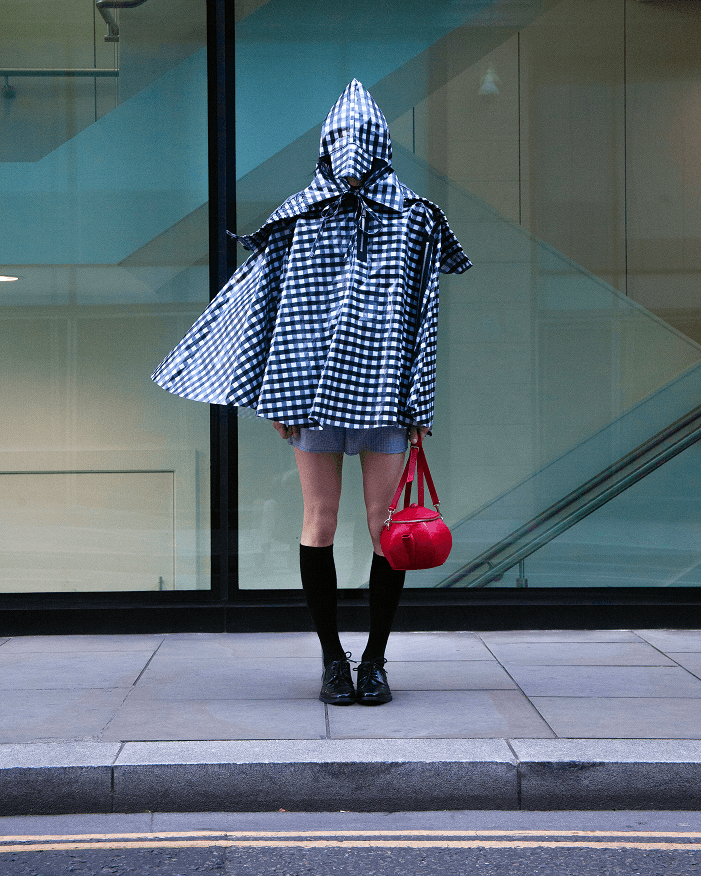
Runway images from CSM MA fashion show
Photography by REBECCA MAYNES
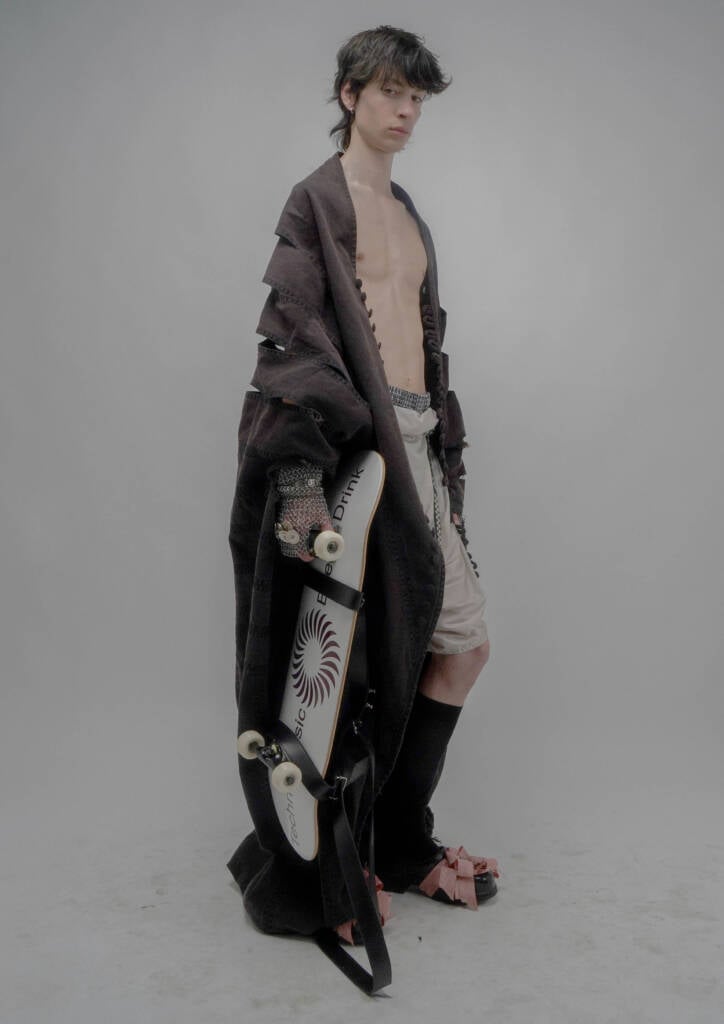
Photography by LÉONIE ROUSSEL, styled by GIORGIA TOSCANI, models are PAUL GUIAN and GALILÉO BAJARD
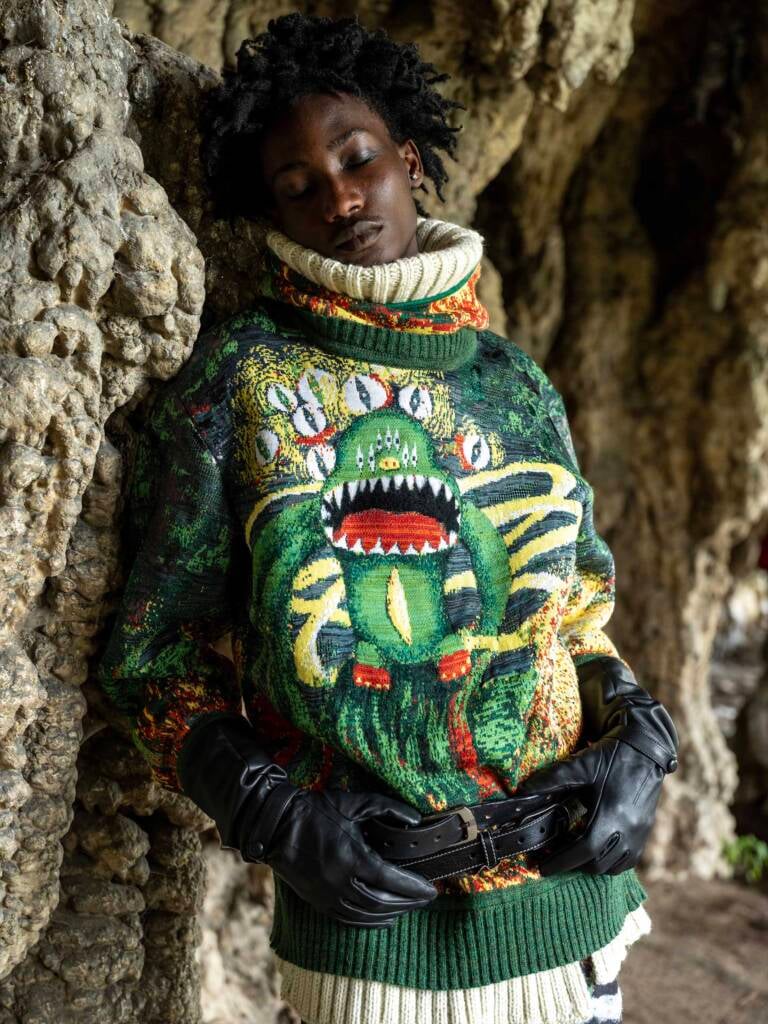
Model: ADE; Makeup by WU WENJI; Direction of Fashion Design Collections: ADAM JONES; Technical Faculty: JOHN BELLORD
Yarn sponsor: FILPUCCI SP, FILATI BE.MI.VA., LINEAPIÙ ITALIA
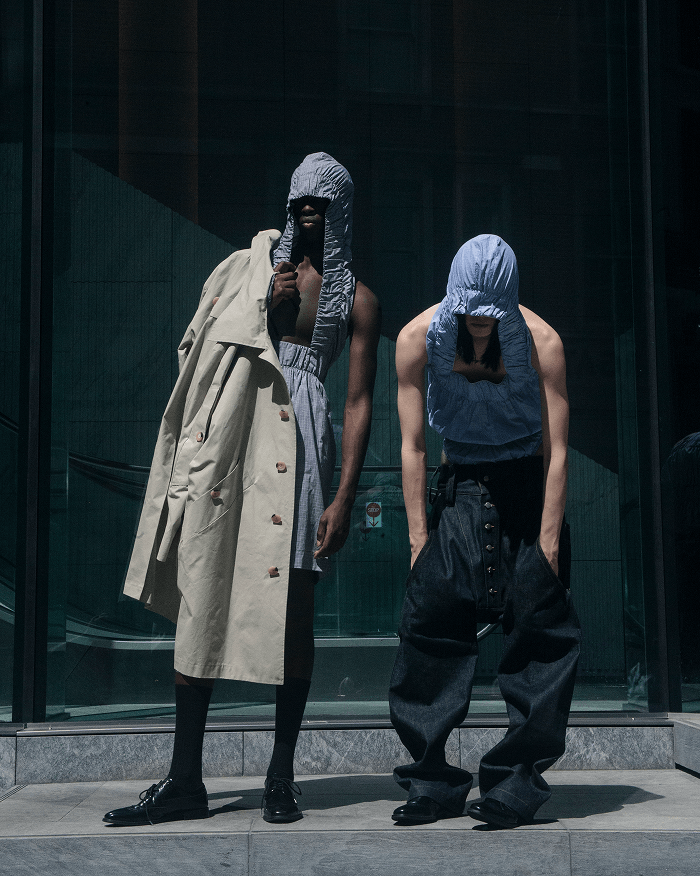
Runway images from CSM MA fashion show
Photography by REBECCA MAYNES
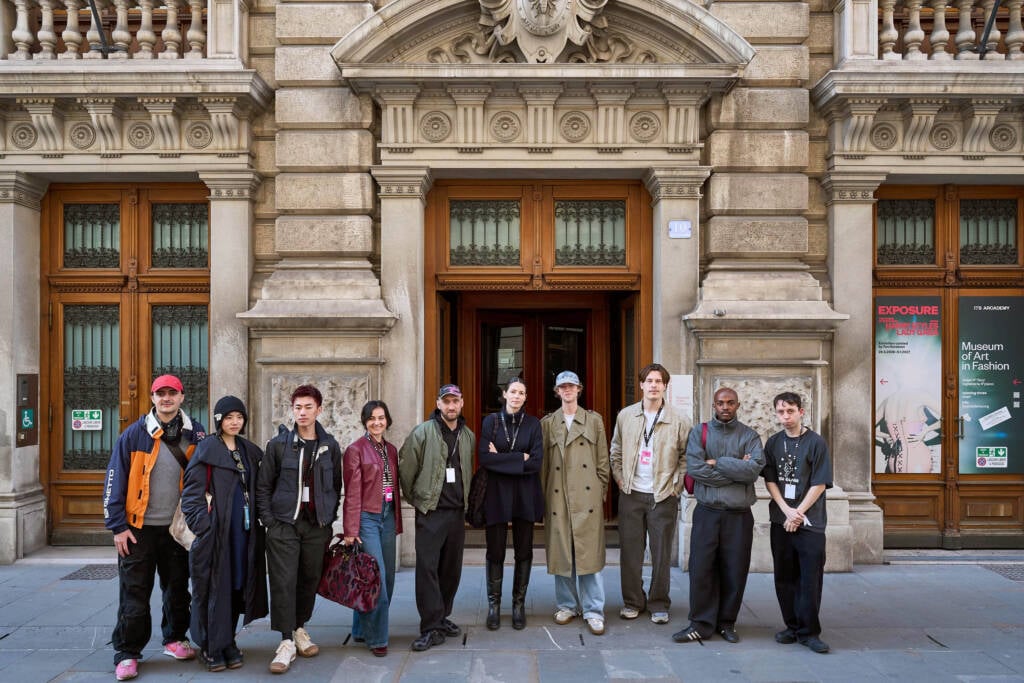
Courtesy of ITS CONTEST