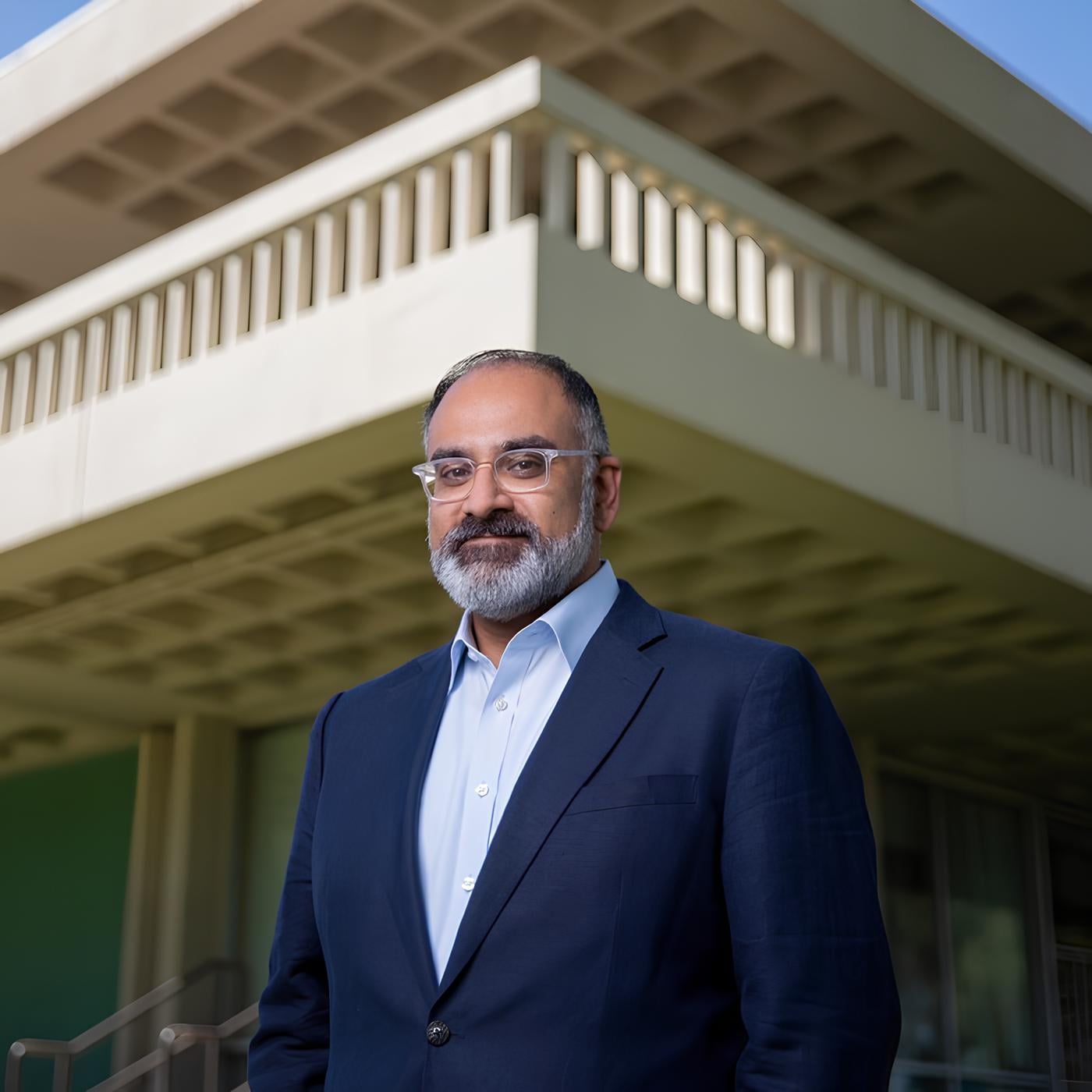
In a time of rapid change and constant instability, questions around the role of artists feel more urgent than ever. What do artists uniquely contribute to the world today—beyond aesthetics, beyond commentary? For Ravi S. Rajan, President of CalArts, the answer lies in synthesis. Artists, he argues, work distinctly, drawing together history, lived experience, and emerging realities to create speculative models of how the world might be otherwise.
In this conversation, Rajan reflects on artistic agency as the core value of CalArts, on the widening gap between artists and technologists, and on the need for education to evolve at the speed of life. He also discusses CalArts’ collaboration with the Chanel Culture Fund, a partnership based on shared values: invention, experimentation, and a curiosity about what comes next. Together, they are working to establish a new research hub that brings artists and technologists into closer dialogue, facilitating multidisciplinary exchange and expanding access across geographies.
Rather than positioning CalArts as a driver of culture from above, Rajan imagines it as a collaborative node in a global ecosystem where artists are equipped not only to respond to the world but also to shape its future.
hube: At a moment shaped by political polarisation, climate crisis, and rapid technological change, what do you see as the unique contribution of art—something that other forms of knowledge or action cannot fully provide?
Ravi S. Rajan: I said this a lot, and I’m not the only one who said this, but artists work in a special way in the world. They create models of how the world could be. Those speculative models take into account all sorts of things from their lives, everything that happens, from history. They do that through the work that they make.
Other forms of knowledge and action, like science, about medicine, the climate crisis, and technology, are good in a technical way of understanding things. But with artists, it’s almost a Gestalt. They pull all of that together and make things in the world that then show us how the world could be, maybe different from how it is now. I think that’s special, unique, and really important.
h: Do you feel the role of the artist has shifted in recent years? Are artists today facing greater responsibility, greater freedom, or a new tension between the two?
RR: I don’t think that’s changed. Artists have done this forever, since time immemorial. I don’t think that the tension between freedom and responsibility has changed either. With great freedom goes great responsibility, as the adage goes.
I do think there are more people, more artists in the world who may have more freedoms, and with that comes responsibility. Who gets those freedoms and how that operates, shifts over time depending on countries and geopolitical realities. But the responsibility is the same. It is significant. I don’t know if it’s greater or less than before, but it’s always been there. It comes back to the ability to make things that challenge us.
“Artists are the touchstone of our judgment”, John Kennedy said in a famous speech. Winston Churchill also spoke very elegantly about the purpose of the artists, about how they create works that are a salve during current events that are happening right now. These were the heads of state recognising that artists let us see further.
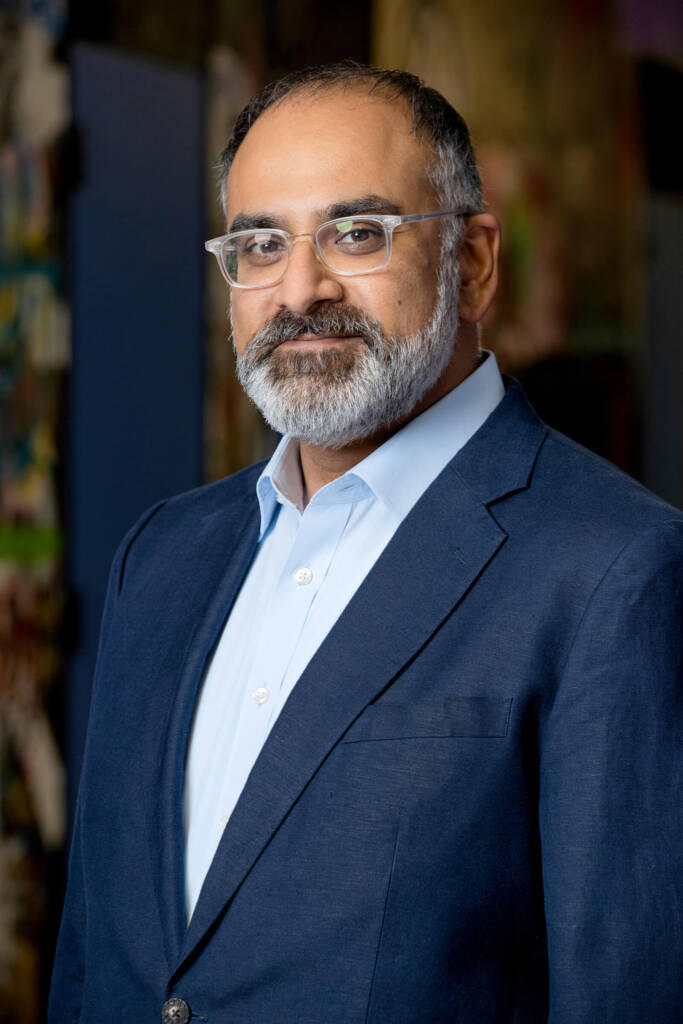
Photography by RAFAEL HERNANDEZ
Courtesy of CALIFORNIA INSTITUTE OF THE ARTS
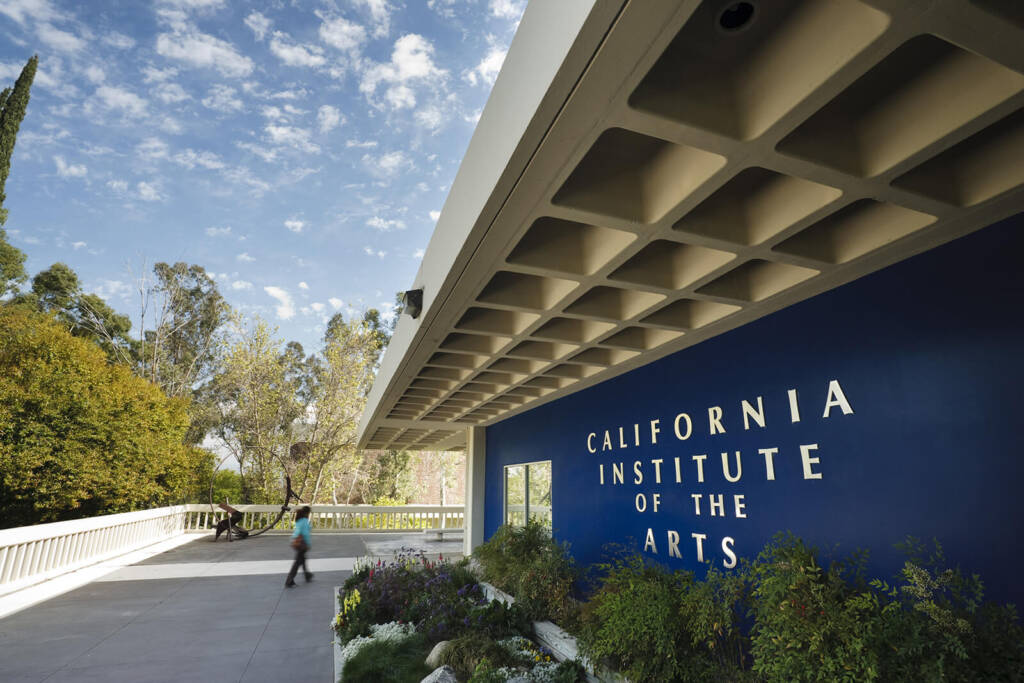
Photography by SCOTT GROLLER
Courtesy of CALIFORNIA INSTITUTE OF THE ARTS