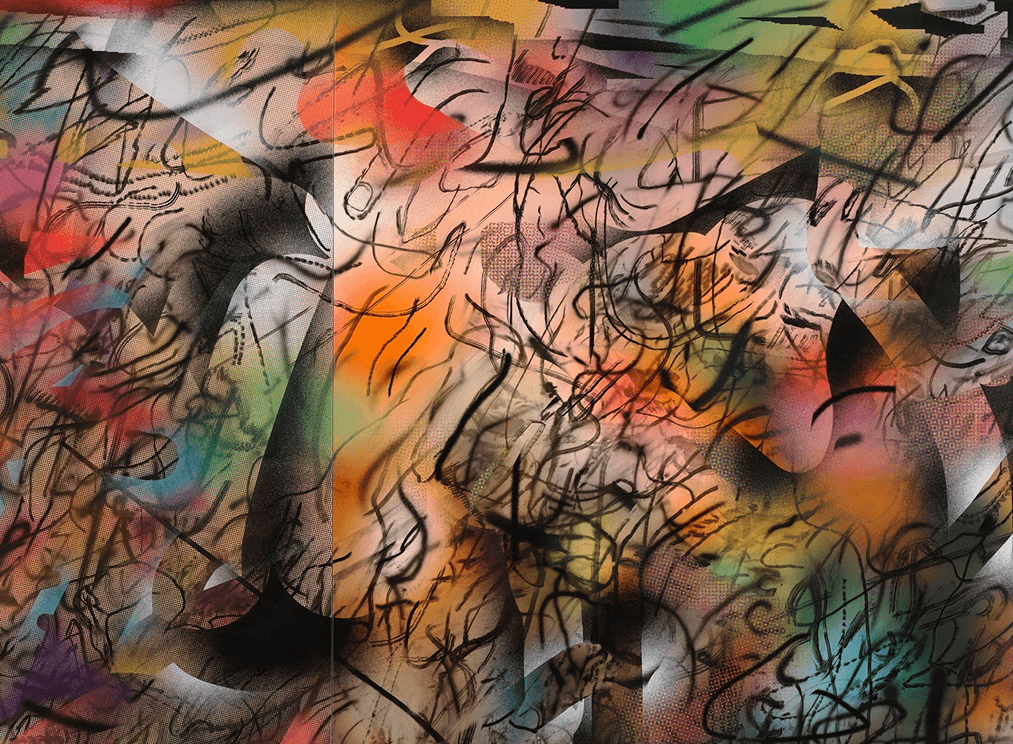
Opening today at the Museum of Modern Art in Warsaw, Julie Mehretu: Kairos / Hauntological Variations (March 20th–August 30th, 2026), marks the artist’s first exhibition in Poland. This ambitious exploration of abstraction is shaped by history, memory and movement. Presented alongside Maria Jarema: Cracked Modernism and a site-specific installation by Minh Lan Tran. The project brings together three generations of female artists who share a visual language.
Abstraction and cartographic drawings as a language of the present
Conceived by Szymon Żydek and based on an original curatorial framework by Susanne Gaensheimer and Sebastian Peter, the exhibition provides a comprehensive overview of Julie Mehretu’s work. Spanning works from the late 1990s to the present day, it traces her artistic development from analytical diagrams to monumental canvases that serve as seismographic records of global unrest.
Central to Mehretu’s approach is her use of cartographic drawings, such as maps, architectural plans and urban schematics, which she overlays with gestural marks, erasures and painterly interventions. Rather than aiming to represent reality directly, these compositions construct dense visual fields where geopolitics, migration, and collective memory collide. In Mehretu’s hands, abstraction becomes a tool of heightened perception, not escape.
Julie Mehretu, Maria Jarema, and Minh Lan Tran
The exhibition brings together important bodies of work by Julie Mehretu, including the rarely exhibited Archive Pages (1997), in which fragments of photographs, clippings and maps come together to form an intimate yet expansive atlas of references. This archival impulse continues in her later works, in which layers accumulate like sediment, capturing events such as the fire at Brazil’s National Museum and the global impact of the pandemic.
Equally significant are the TRANSpaintings, which are displayed within sculptural frameworks by Nairy Baghramian. Drawing on imagery from mass media — including the ongoing war in Ukraine — these translucent, double-sided works strike a balance between violence and the possibility of light, embodying the tension between catastrophe and resilience.
In Kairos / Hauntological Variations, Julie Mehretu invites viewers to navigate a world in flux, where memory is unstable, history is unresolved and abstraction remains one of the most urgent languages through which to understand the present.
Don’t miss our conversation with Julie Mehretu, where she reflects on art as a mirror of society, the fluidity of time, and the deep layers of memory embedded in her work.
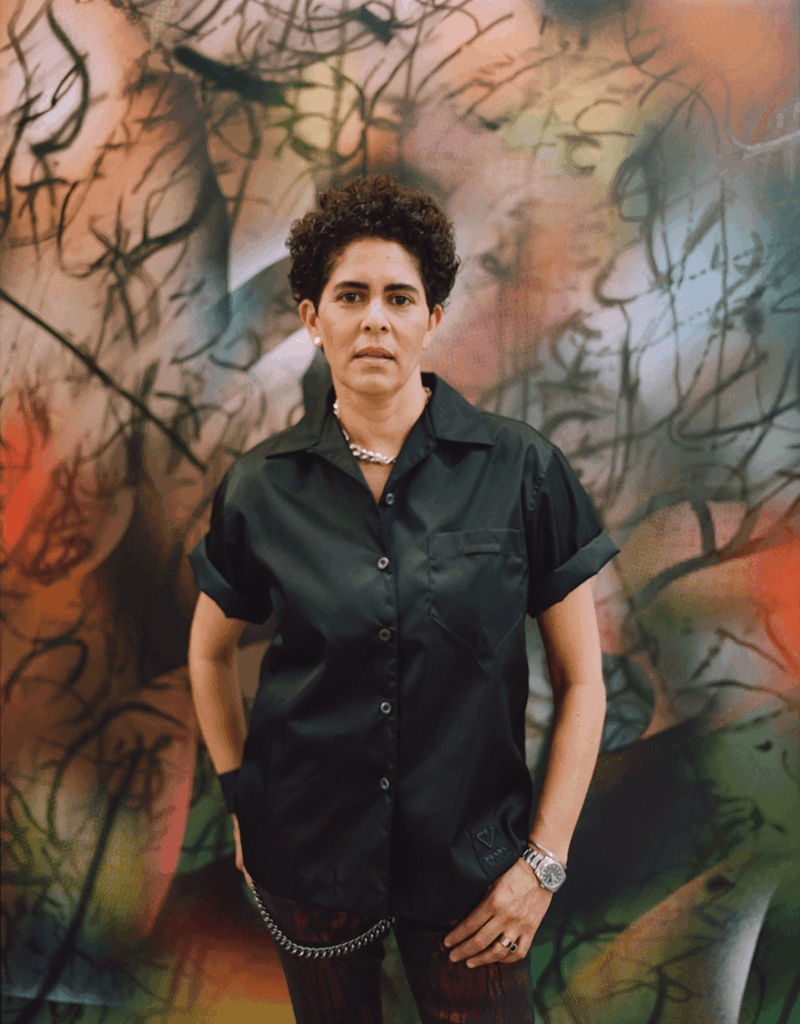
Photography by JOSEFINA SANTOS
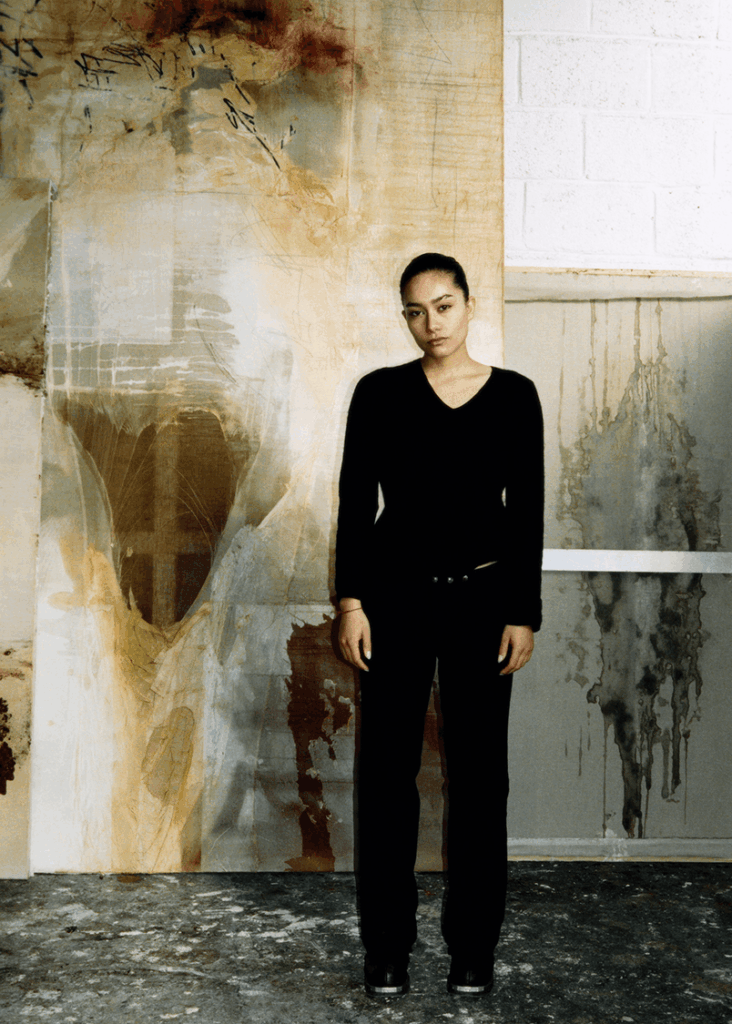
Photography by LARISSA HOFMANN
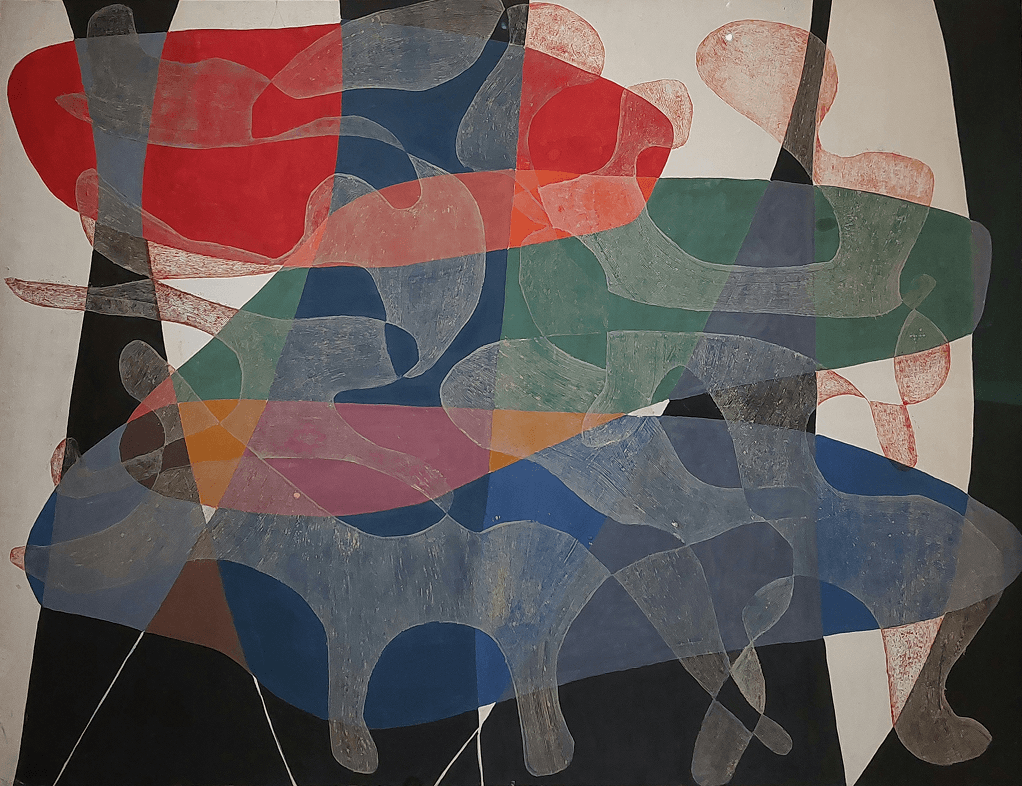
Penetrations I, 1957
Courtesy of MUSEUM OF ART, ŁÓDŹ