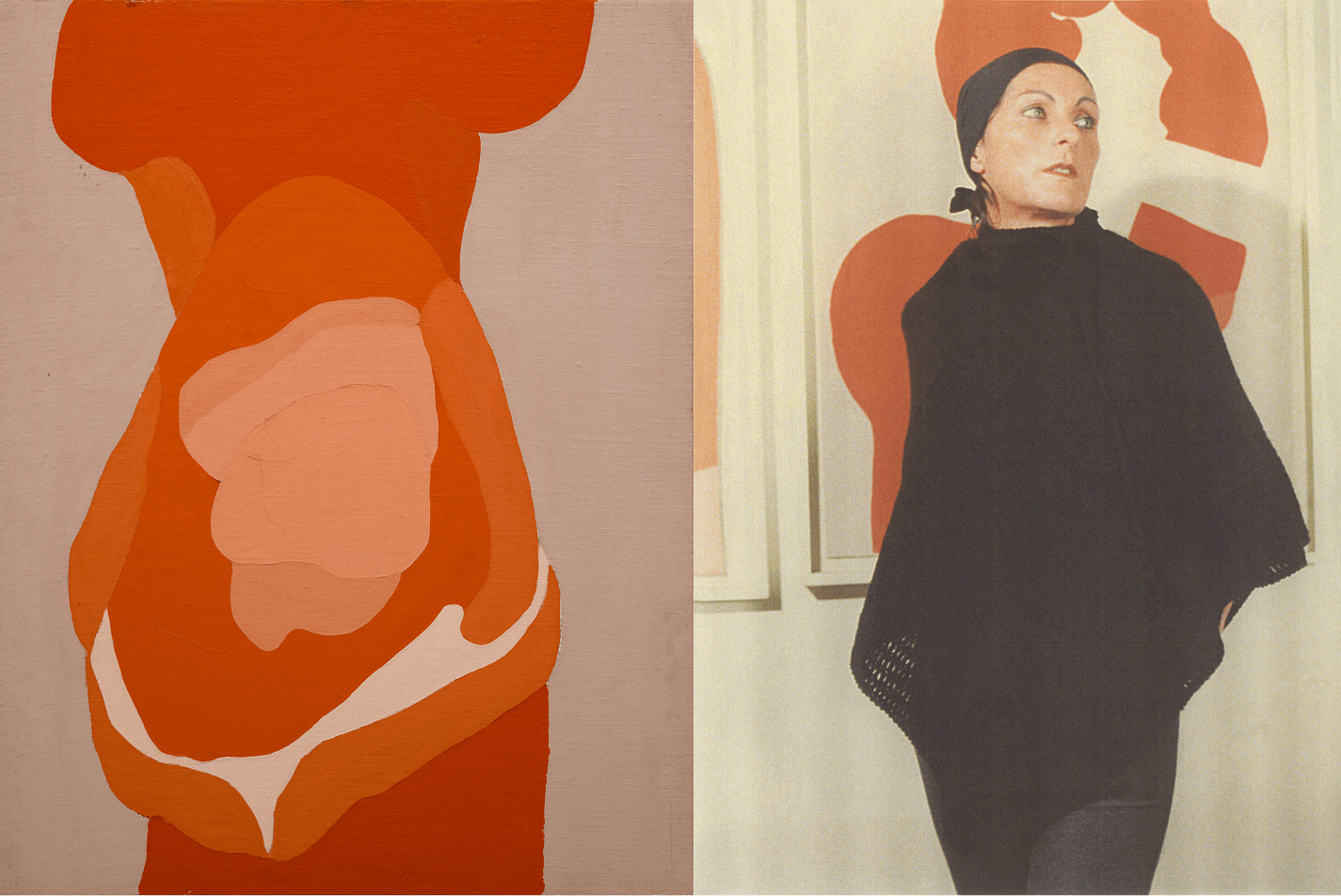
This summer, Muzeum Susch in Switzerland presents Mariuccia Secol: Unraveling, the first major institutional retrospective devoted to Italian artist and activist Mariuccia Secol. On view from June 11th to November 1st, 2026, the exhibition surveys more than seven decades of work, bringing renewed attention to one of the most original and underrecognized figures in post-war European art.
Curated by Monika Branicka and Eva Brioschi, the exhibition follows Secol’s path from her early post-war paintings to the radical textile pieces that secured her singular place in contemporary art history.
Feminist art as an act of refusal
A central focus of the exhibition is Secol’s groundbreaking contribution to feminist art. Influenced by the political and social upheavals of late-1960s Italy, she turned away from traditional painting and embraced textiles, garments, and everyday domestic materials.
Her landmark series The Doll’s House (1970–73), created from dismantled personal clothing, including her wedding dress, became a striking challenge to prescribed ideas of womanhood. Throughout her practice, Secol developed a distinctive method of removing threads from fabric, creating gaps, tears, and delicate voids that evoke the female body, lived experience, and personal freedom.
The title Unraveling refers not only to this physical gesture but also to the dismantling of social norms, patriarchal structures, and historical erasure.
A retrospective spanning seven decades
The exhibition brings together paintings, textile works, pastels, ceramics, archival documents, and large-scale installations. Visitors will encounter early works marked by the shadow of war alongside later projects addressing migration, ecology, marginalization, and social justice.
Highlights include the celebrated The Doll’s House series and Woman Bridge (1989), a monumental ten-metre textile installation widely regarded as one of Secol’s defining achievements. The work speaks to connection, solidarity, and the meeting of different social and cultural realities.
Many of the works have not been publicly displayed for decades, while others are presented for the first time.
Rewriting contemporary art history
More than a retrospective, Mariuccia Secol: Unraveling offers a renewed reading of an artist whose influence reaches far beyond conventional artistic categories. Across her career, Secol combined formal experimentation with political commitment, taking an active role in feminist movements and co-founding the Immagine Feminist Group of Varese in 1974.
Her work feels strikingly relevant today. Long before terms such as intersectionality became widely used, Secol linked women’s rights to broader questions of social exclusion, violence, environmental responsibility, and collective emancipation.
By bringing this remarkable body of work into focus, Muzeum Susch affirms Mariuccia Secol’s essential place within post-war European art and gives overdue recognition to a visionary artist whose ideas continue to resonate across generations.
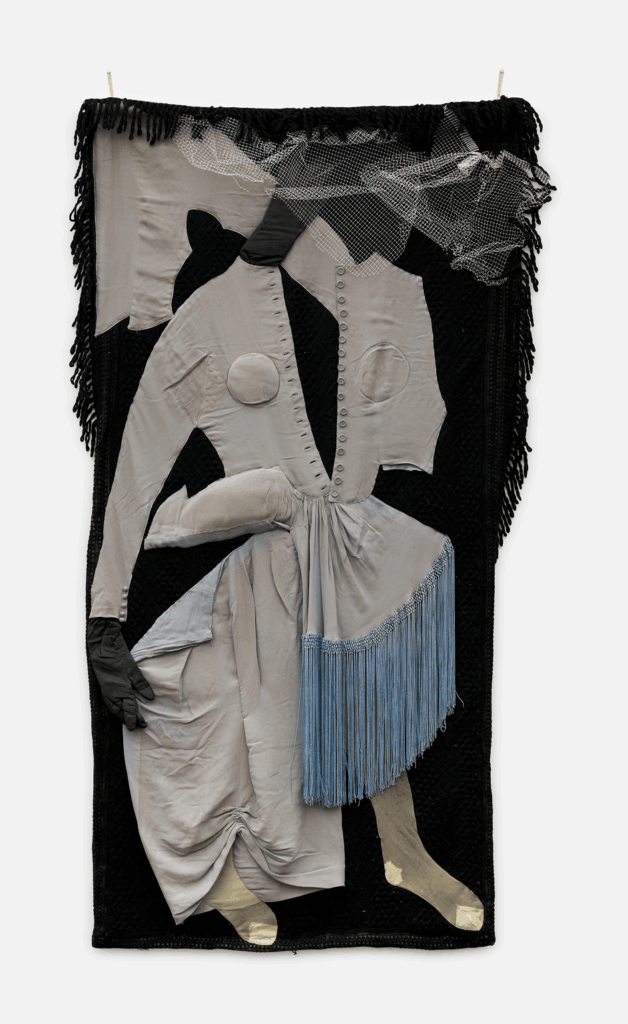
The Doll’s House. Wedding dress (Casa di bambola. Abito di sposa), 1970, patchwork of clothes, 173 x 97 cm © MARIUCCIA SECOL
Courtesy of the artist’s family and GALERIE GISELA CLEMENT, Bonn. Photography by MAREIKE TOCHA
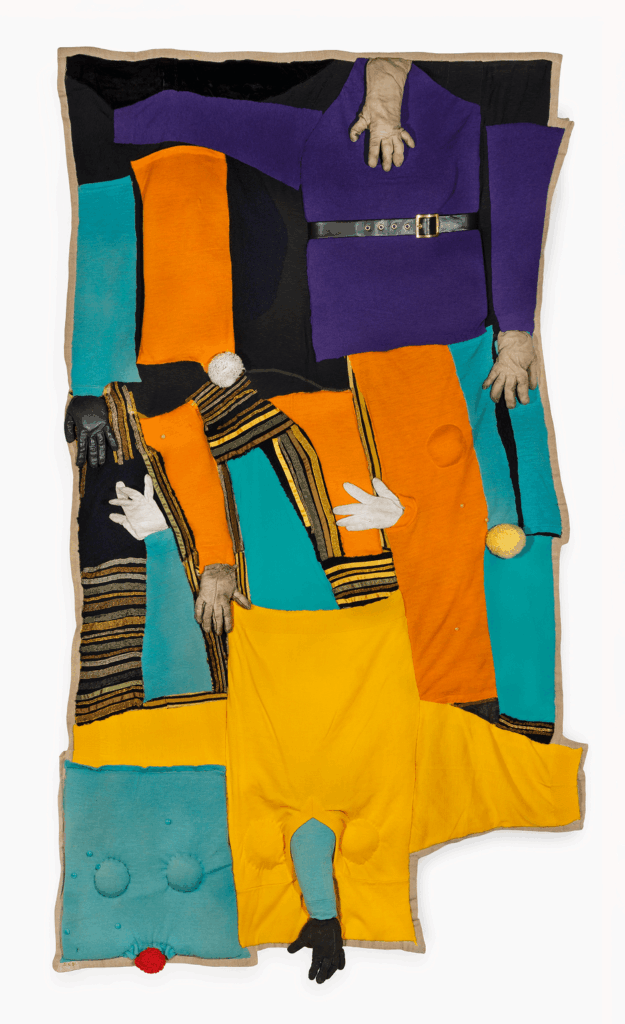
Undressing / Destructuring (Spogliazione / Destrutturazione), 1974 -1976, patchwork of clothes, cordura, jersey, 215 x 113 cm © MARIUCCIA SECOL
Courtesy of the artist’s family. Photography by MAGDALENA TYPIAK
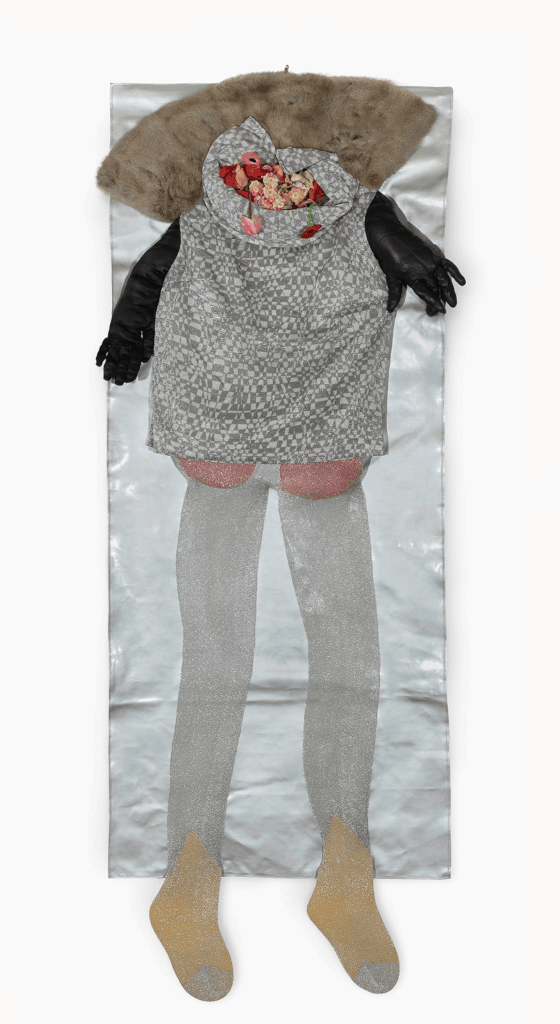
The Doll’s House. (No. 5), (Casa di bambola [No. 5]), 1970, patchwork of clothes, canvas, fur, flowers 137 x 57 cm © MARIUCCIA SECOL
Courtesy of the artist’s family. Photography by MAGDALENA TYPIAK
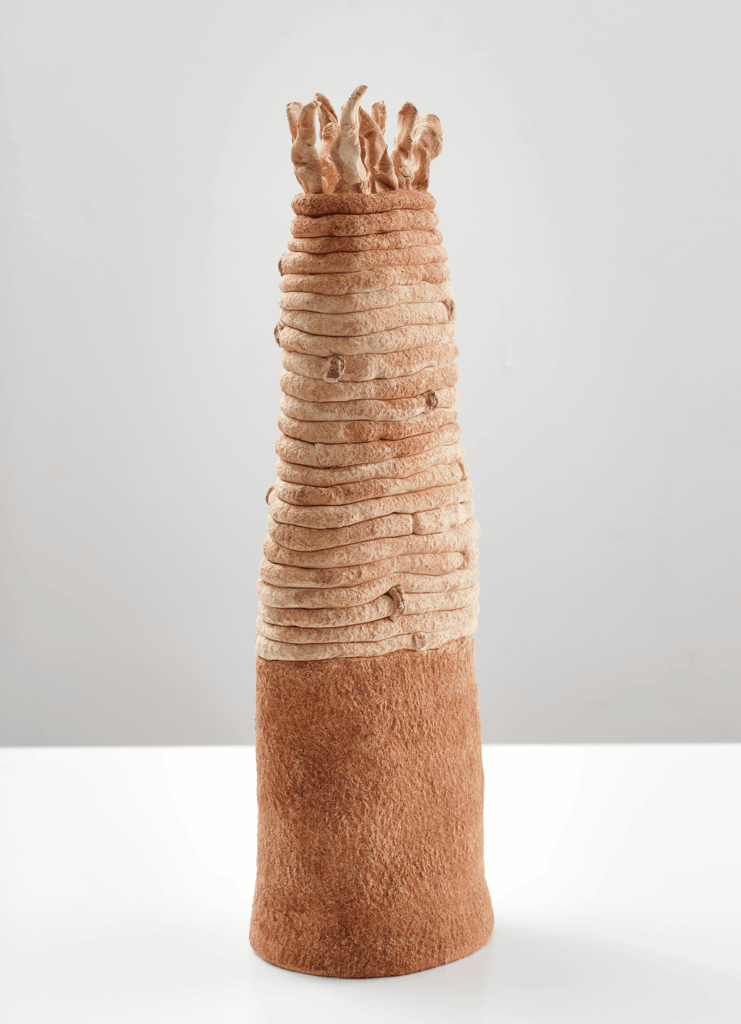
Tudia, 2012, ceramic, terracotta, 55 x 15 x 8 cm
© MARIUCCIA SECOL. Courtesy of the artist’s family and GALERIA MONOPOL, Warsaw. Photography by BARTOSZ GÓRKA
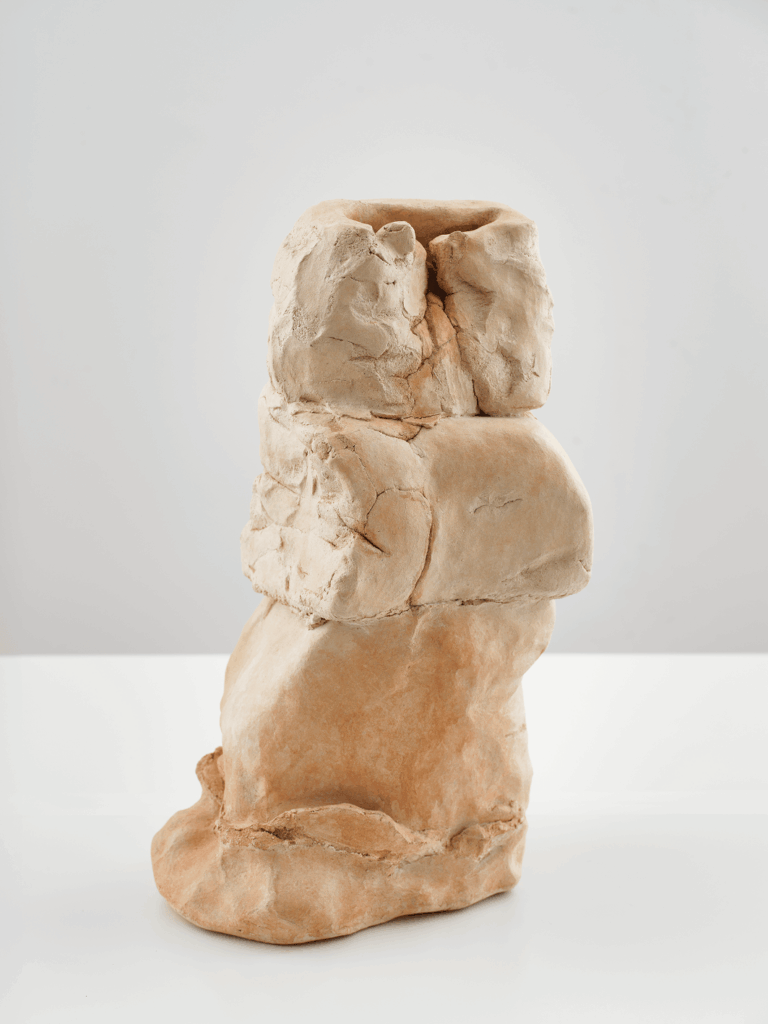
Untitled (Senza Titolo), 2016, ceramic, terracotta, 49 x 20 x 19 cm © MARIUCCIA SECOL
Courtesy of the artist’s family and GALERIA MONOPOL, Warsaw. Photography by BARTOSZ GÓRKA