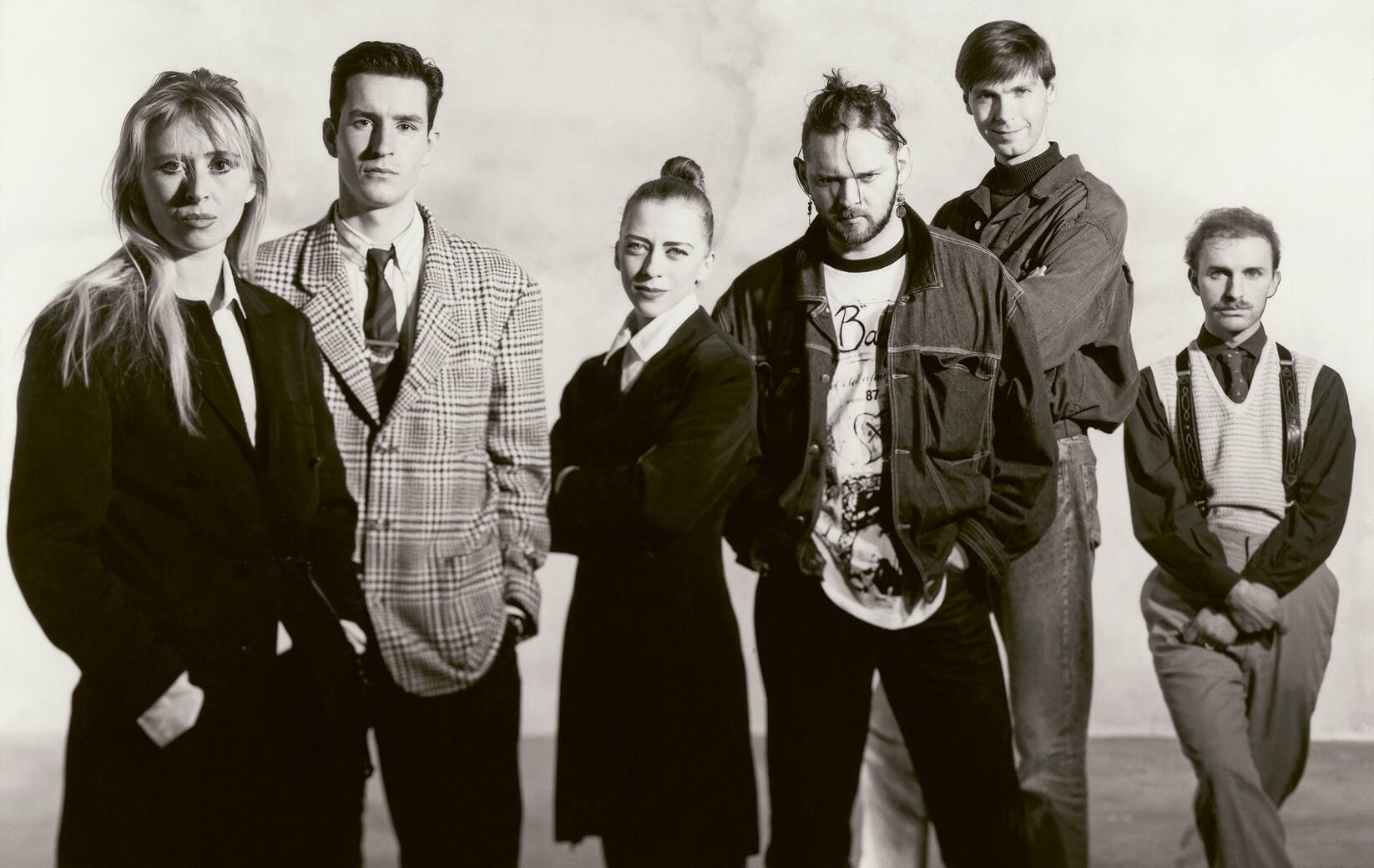
The Antwerp Six, a landmark exhibition honoring the visionary designers who heralded a daring new era of Belgian fashion, is now on view at MoMu – Fashion Museum Antwerp from March 28th, 2026, through January 17th, 2027.
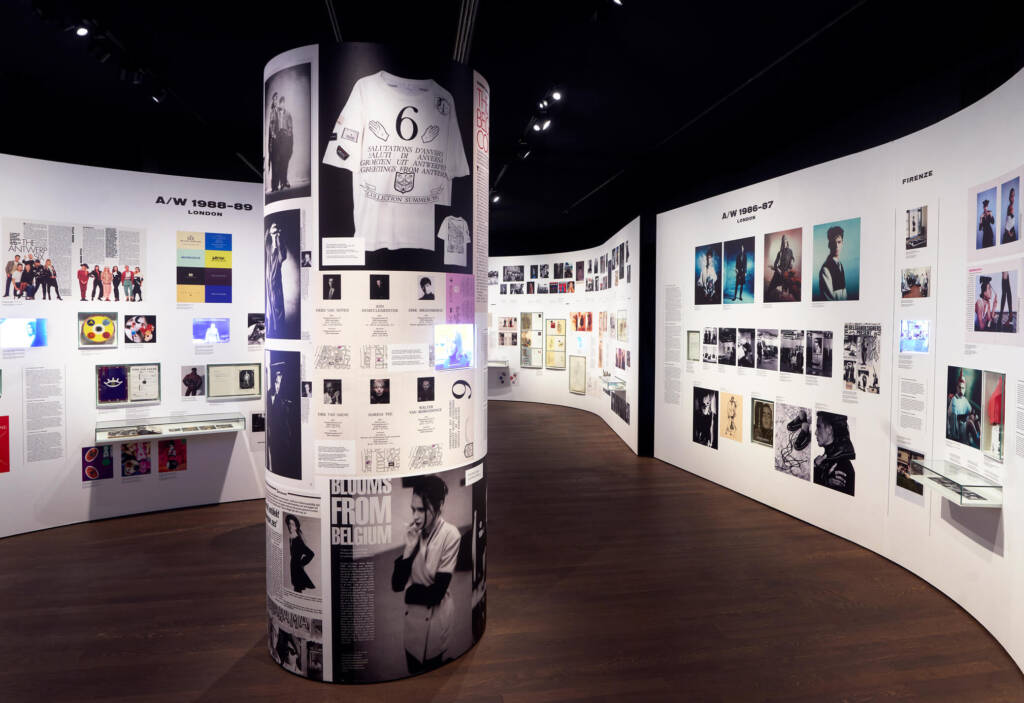
At MoMu, visitors are invited into a richly woven tapestry of creativity and rebellion—an intimate journey through the enduring legacy of the Antwerp Six. This first retrospective devoted entirely to their work traces how their fearless vision reshaped the very language of fashion, securing Belgium—and Antwerp in particular—a lasting place on the global stage.
Curated by Geert Bruloot, Romy Cockx, and Kaat Debo, the exhibition unfolds like a dialogue across time, marking the 40th anniversary of the designers’ groundbreaking international debut at the British Designer Show in London in 1986—an electrifying moment that forever transformed contemporary fashion.
Placing Antwerp on the international fashion map
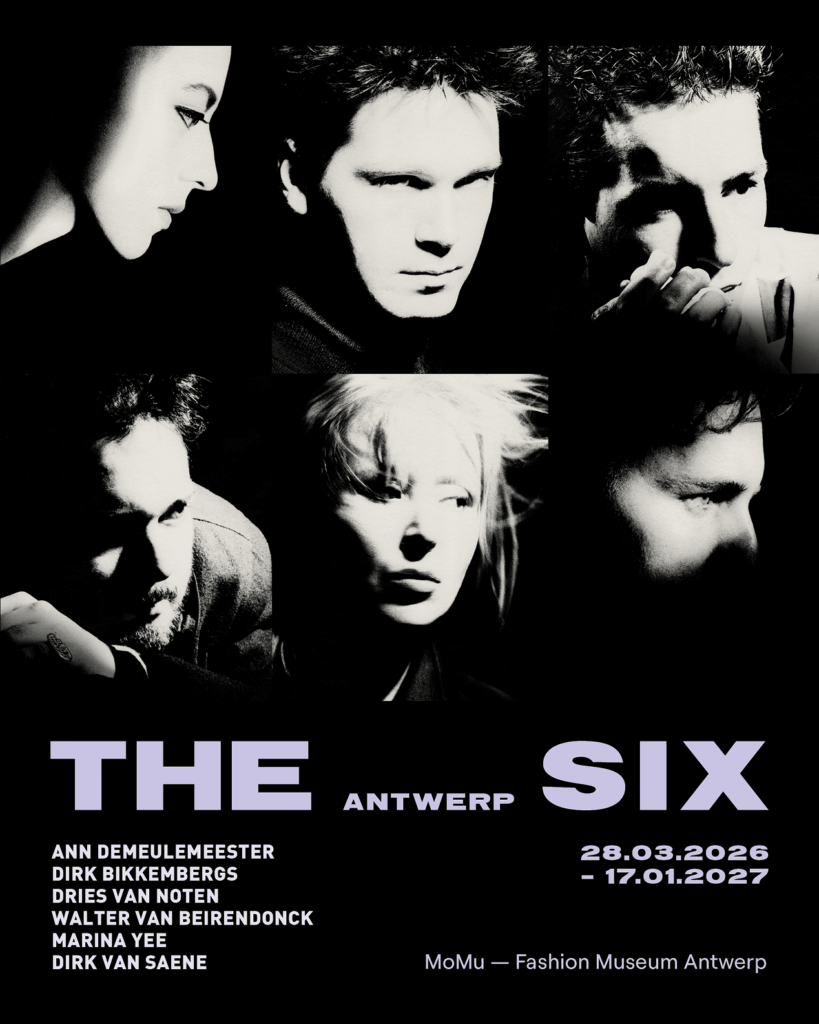
Dirk Bikkembergs, Ann Demeulemeester, Walter Van Beirendonck, Dries Van Noten, Dirk Van Saene, and Marina Yee first crossed paths as students at the Royal Academy of Fine Arts in Antwerp. What united them was not a shared aesthetic, but a quiet defiance—a desire to unravel convention and reimagine what fashion could be. From that moment of convergence, six distinct voices emerged, each carving its own path, yet all echoing a spirit of fearless experimentation that continues to resonate with younger generations of designers.
In 1986, they brought their work to the British Designer Show in London. Though each presented an entirely individual vision, the world, in its search for a name, gathered them under one: the Antwerp Six. It was less a collective than a constellation—briefly aligned, then forever drifting apart—its stars still flickering across the landscape of fashion, sometimes brightly, sometimes faintly, but never entirely disappearing.
Different voices, shared spirit
While carefully preserving each designer’s distinctive approach, MoMu highlights what makes the Antwerp Six unique: six strikingly different creative visions united by shared values. The exposition traces the connections between the designers’ approaches and outlines a similar trajectory in their work while devoting a dedicated section to each designer, illuminating the unique personal codes and signatures that define their work.
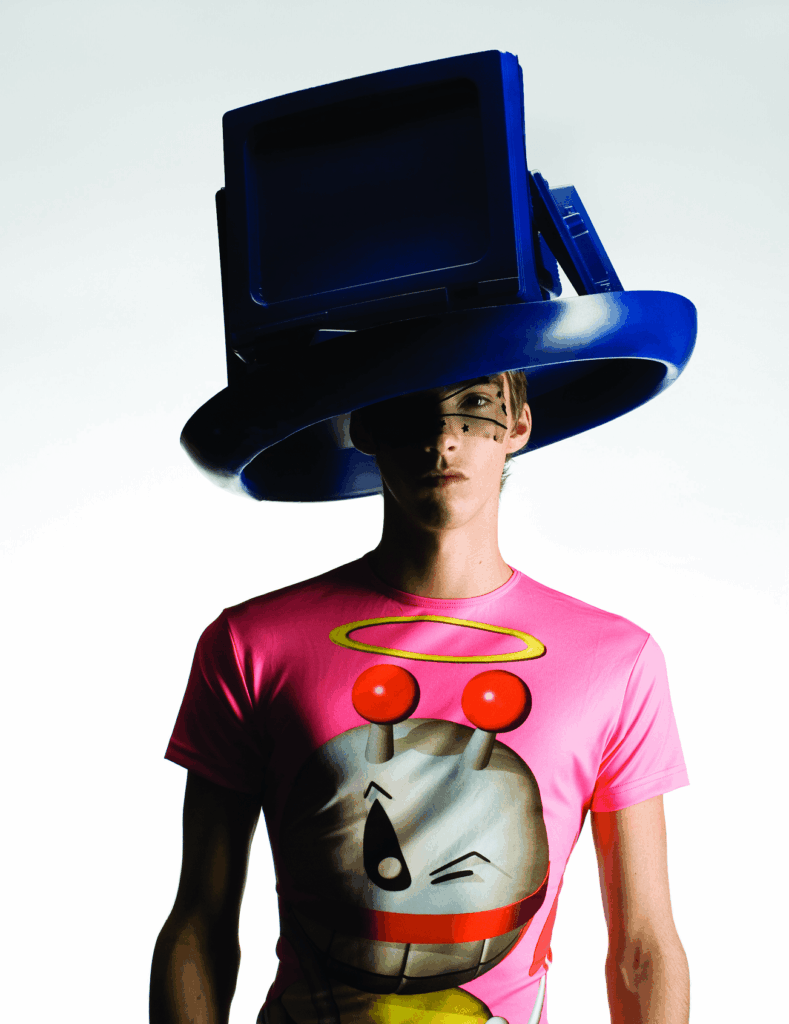
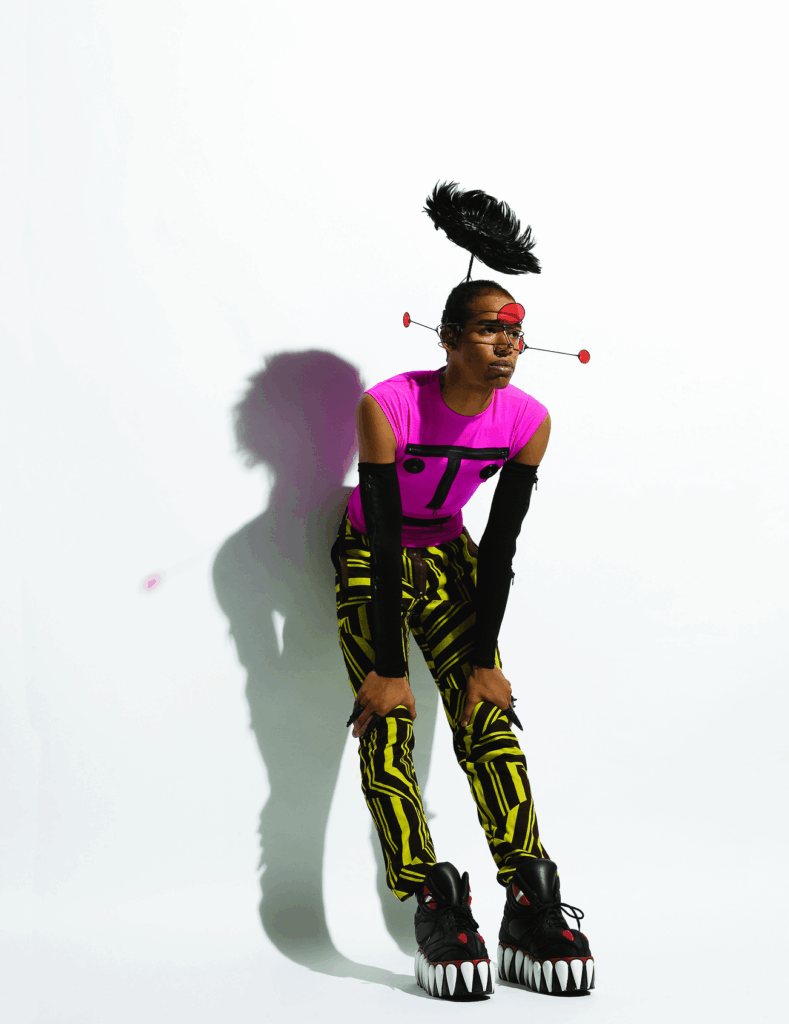
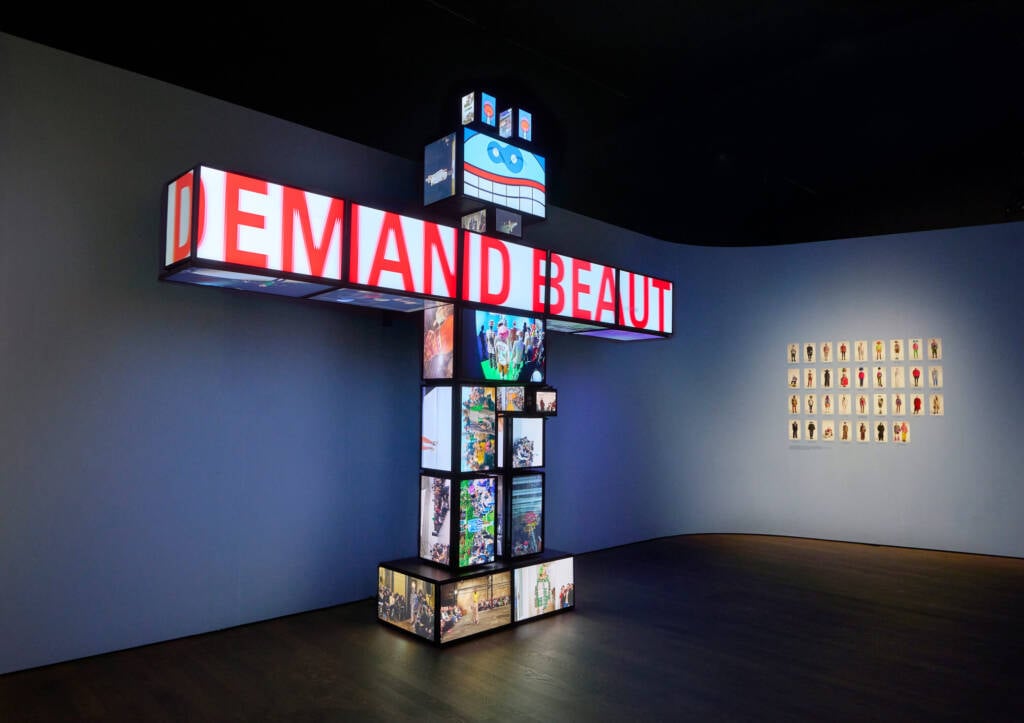
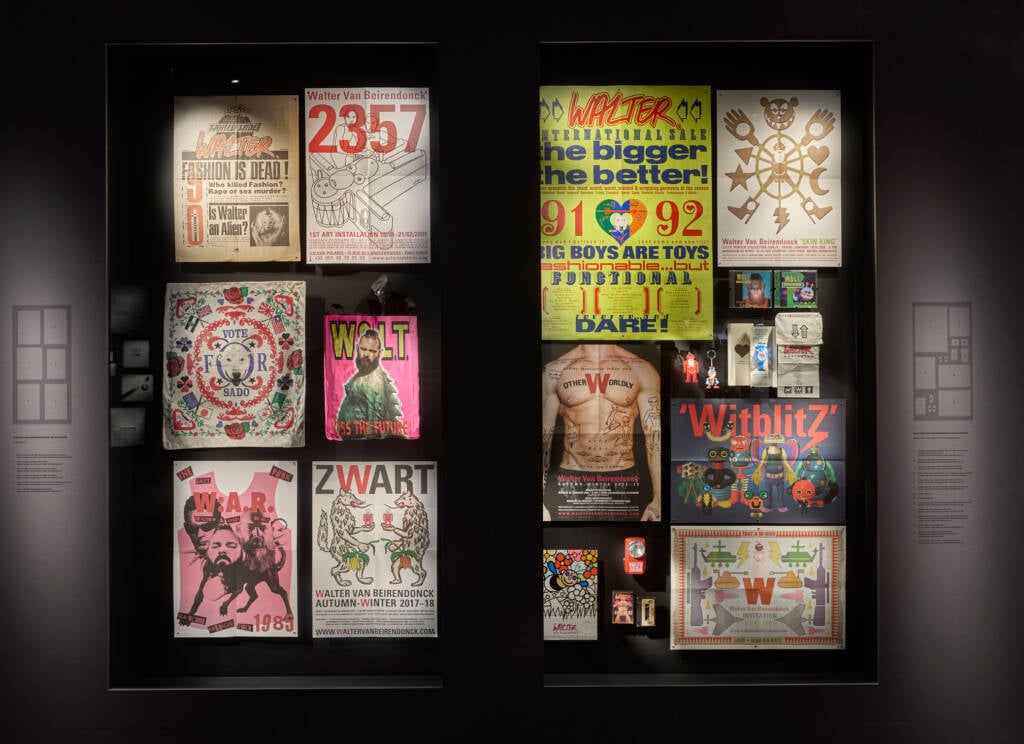
With an oeuvre consistently radical, playful and socially engaged, Walter Van Beirendonck uses fashion to translate ideas that once felt too risky for the runway. With raw energy and unapologetic color, he has long tackled sexuality, queer identity, AIDS, ecology, war, and racism—topics the fashion world largely avoided. For him, beauty is not mere decoration; it is a shield against fear.
Discover an earlier interview with Walter Van Beirendonck for hube, in which he reflects on fashion’s role in activism and the lasting legacy of the Antwerp Six.
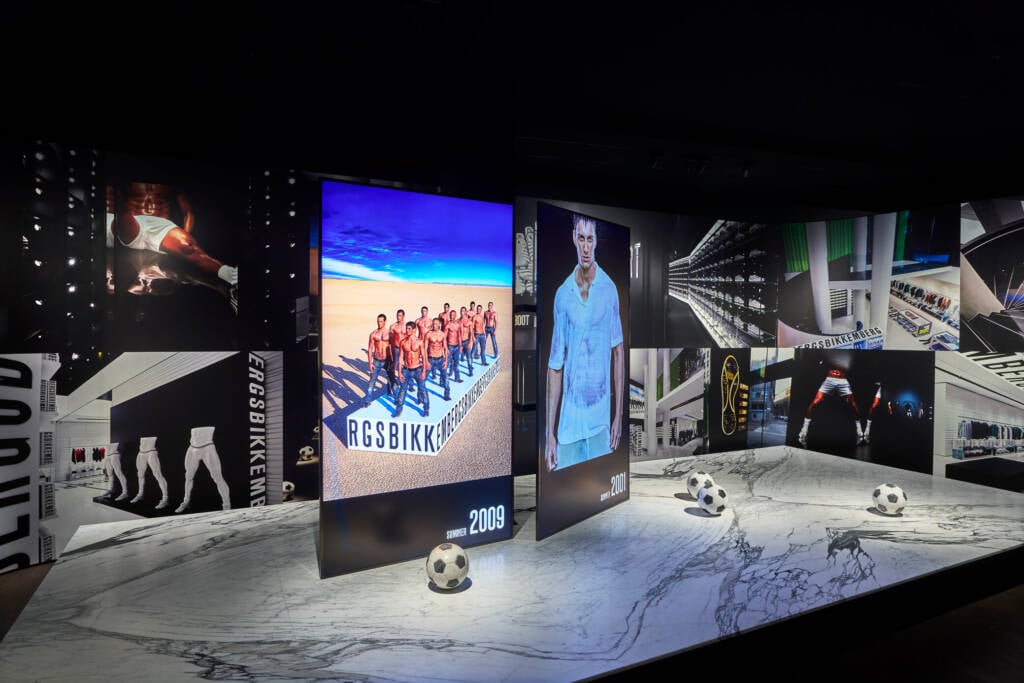
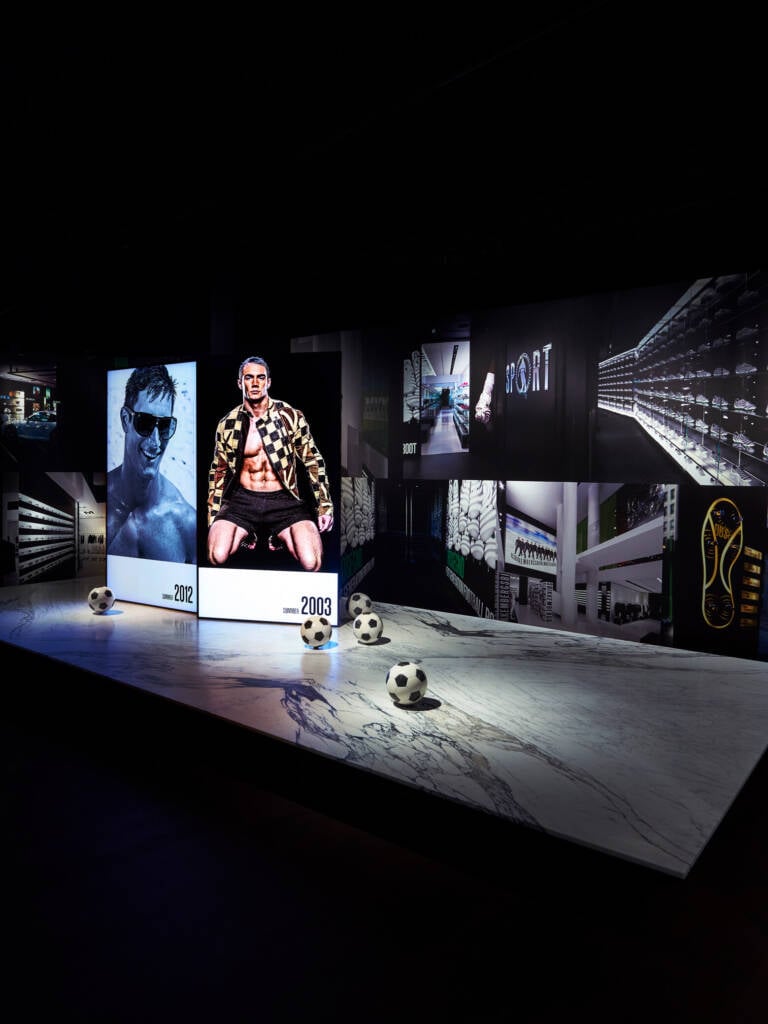
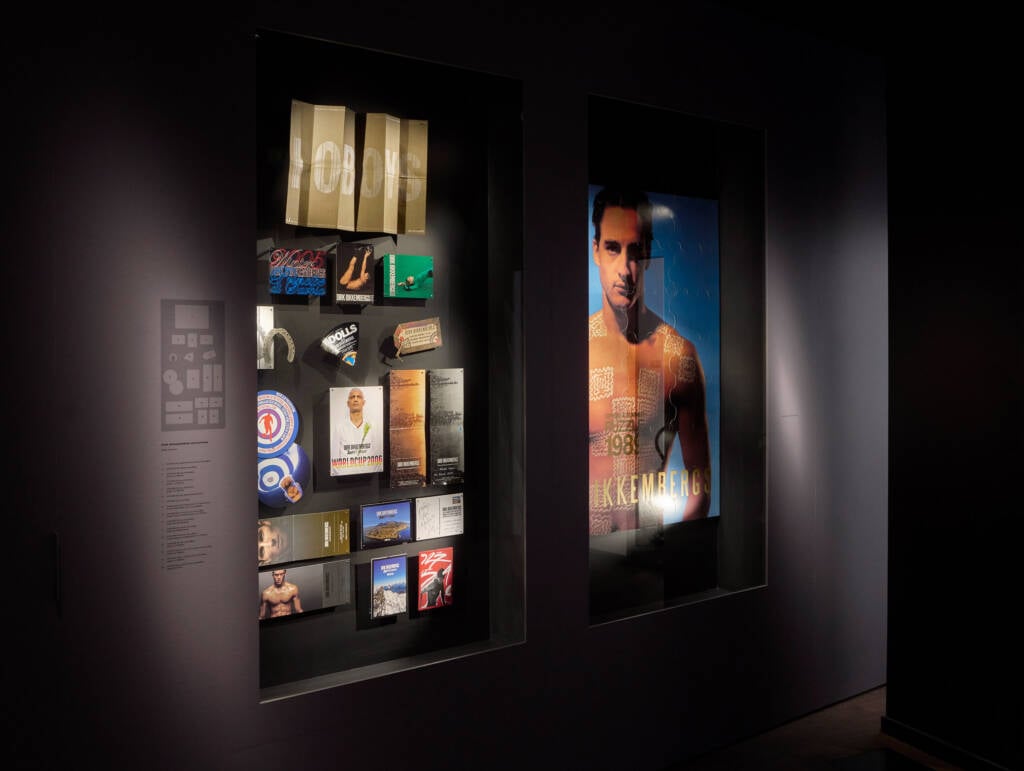
Fascinated by clothing’s power to transform and elevate everyday life, Dirk Bikkembergs created collections that blended wearability and comfort with architectural precision. He has always centered his visual communication around the power and sensuality of the athletic male body. His early rugged shoes and sturdy yet refined menswear stood in sharp contrast to the polished Italian elegance of the era. Later, Bikkembergs pioneered what he called “Sport Couture”—infusing everyday luxury with the freedom, dynamism, and sex appeal of sport.
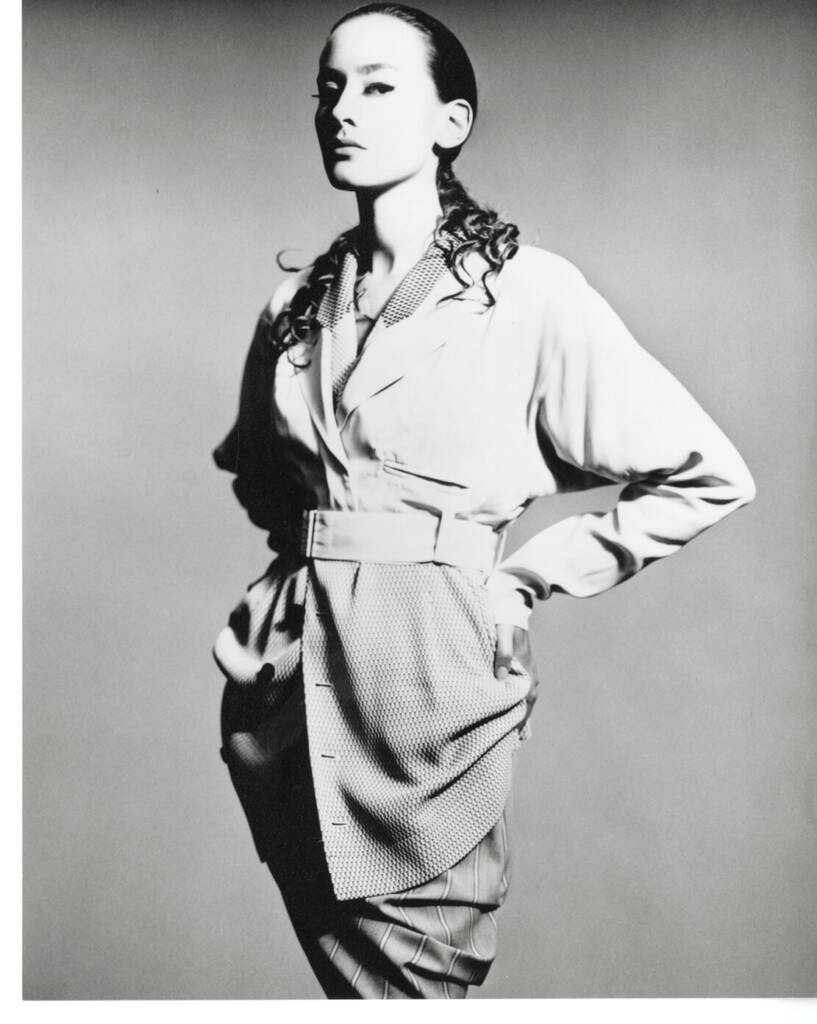
Where Bikkembergs brought athletic strength, Dirk Van Saene offered mischievous wit. His early Paris runway shows were memorable for their theatricality and precision, from personalized magazine-cover invitations to cabaret-style performances. Van Saene reveled in twisting proportions, inserting surreal touches into impeccable craftsmanship, and offering ironic nods to French haute couture traditions. The result was clothing that felt both meticulously crafted and playfully unpredictable.
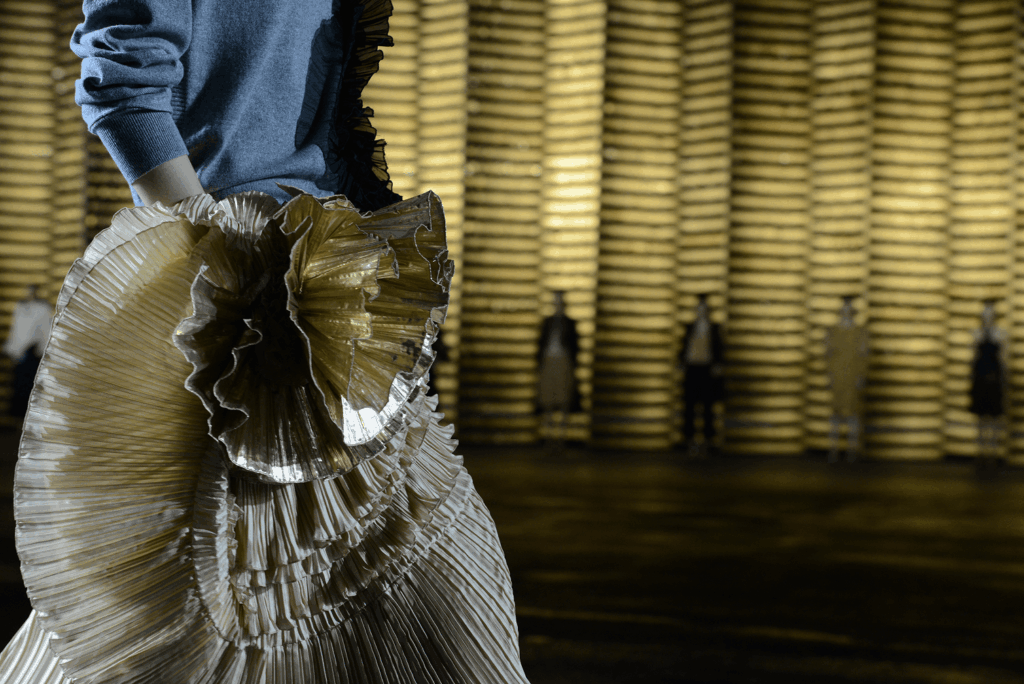
This reinvention found a quieter, more poetic echo in the work of Dries Van Noten. He has long explored the world through imagination, subtly transforming familiar elements into surprising new visions that evoke emotion. There is a certain endurance in his approach: a constant dialogue between men’s and women’s collections, evolving gradually rather than through abrupt shifts. Although he stepped down as creative director of the brand in 2024, Van Noten continues to exert a profound influence on contemporary culture. This spring, he unveils his first major project at the newly founded Fondazione Dries Van Noten in Venice. The presentation, The Only True Protest Is Beauty, co-curated by Van Noten and Geert Bruloot, investigates beauty as a force capable of inspiring transformation.
In our newest issue, Dries shares his insights on contemporary art, beauty, and the future of the Fondazione in an exclusive talk with Theaster Gates.
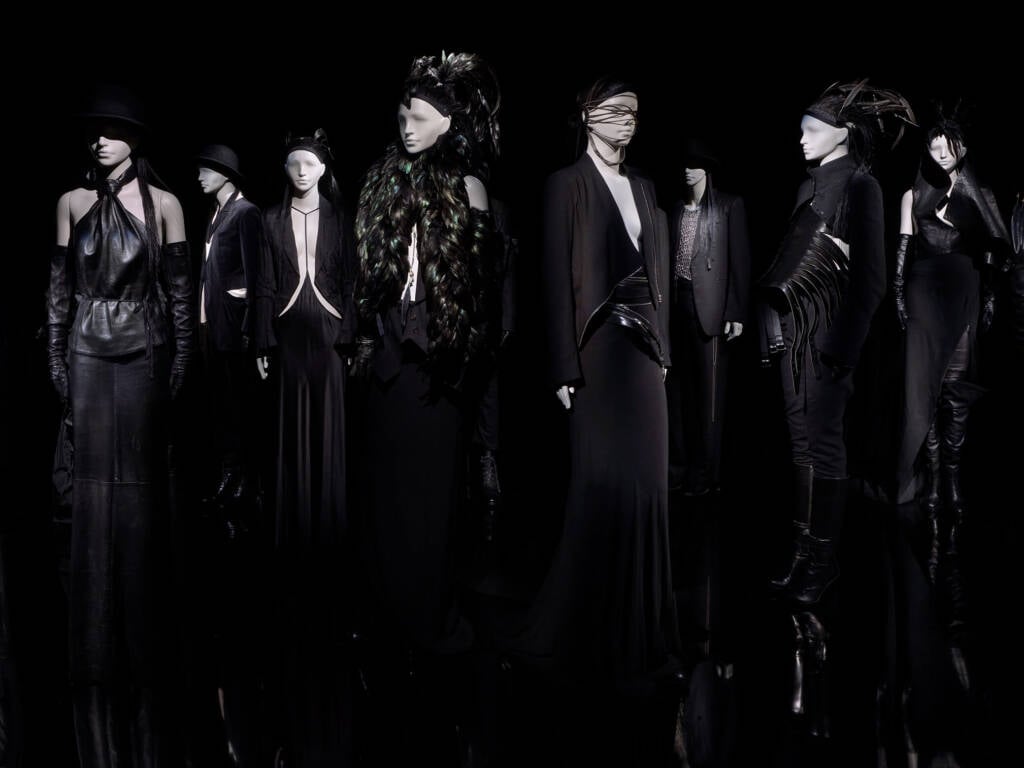
A more introspective tone appeared in the designs of Ann Demeulemeester, who approached fashion as a language she spoke with poetic precision. Demeulemeester’s work featured fluid yet rigorously tailored silhouettes and striking contrasts between strength and vulnerability. She consistently began with the material, challenging gravity to achieve the perfect fit that embraced the body in unexpected ways.
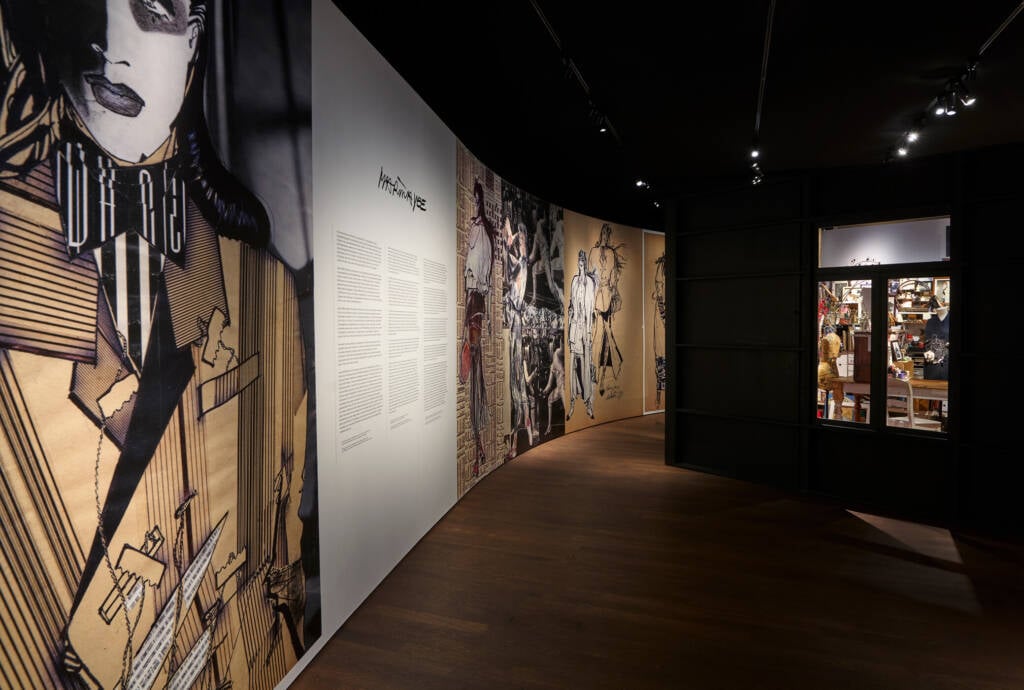
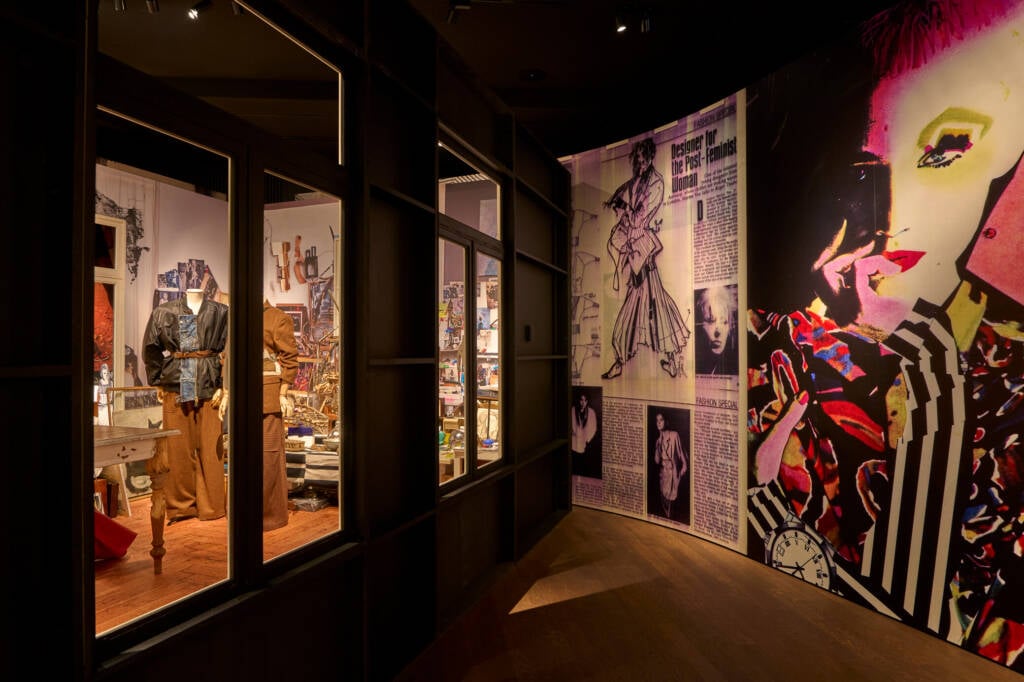
Marina Yee saw herself as an artist making clothes. She preferred working directly on the tailor’s dummy, often starting from existing garments that guided her fingers as she pinned ideas into being—a process that came to define her later, deeply personal work. Her practice extended far beyond fashion: she explored theatre costumes, interiors, painting, collages, and upcycling. Her work was guided by a nonconformist, bohemian spirit—always on her own terms, until her death last year.
In honor of Marina Yee’s legacy, her eponymous exhibition, Marina Yee, opened on March 28th at Gallery Sofie Van de Velde in Antwerp and will be on view until May 10th. It presents a substantial body of the designer’s work—not only garments, but also paintings, collages, assemblages, and installations—fully reflecting her multifaceted practice. Meanwhile, her fashion house, revived a few years ago with the help of longtime collaborator and the exhibition’s co-curator Rafael Adriaensens, continues under his direction, faithfully carrying forward her vision of sustainable, human-centered design even after her passing.
Courtesy of MOMU – FASHION MUSEUM ANTWERP
Rebuilding the myth
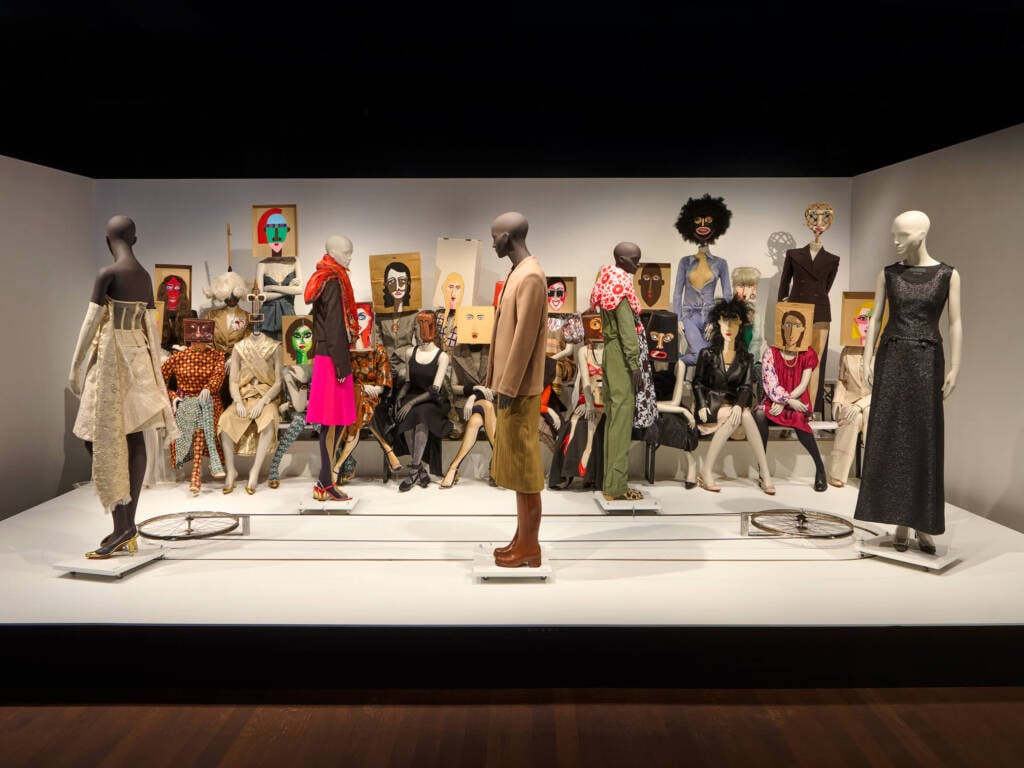
Through thoughtful scenography, archival depth, and a poetic approach to storytelling, The Antwerp Six exhibition invites visitors to actively engage with their legacy—rediscovering how six strikingly different talents collectively placed Antwerp on the global fashion map and continue to inspire new generations. The immaterial spirit and stories behind the work are made visible through the curators’ sensitive presentation. hube spoke with Geert Bruloot and Kaat Debo, who co-curated the exhibition alongside Romy Cockx, to get to know more about their approach and work process.
Geert Bruloot is one of Belgian fashion’s most quietly influential figures—a pioneering retailer, curator, and longtime champion of independent design. A close friend and collaborator of the Antwerp Six since their student days, Bruloot was instrumental in organizing their landmark 1986 presentation in London. Today, as guest curator of the major exhibition at MoMu – Fashion Museum Antwerp, he returns to help shape the definitive narrative of this defining chapter in fashion history.
In this conversation with hube, Bruloot reflects on the rebellious spirit that defined a generation of young Belgian creatives in the mid-1980s and discusses the challenges of translating the myth of the Antwerp Six into a tangible exhibition—balancing individual voices with a shared legacy. Beyond the past, Bruloot looks toward the future of fashion, questioning rigid gender norms and calling for a renewed sense of creative freedom in an age dominated by algorithms and constant documentation.
hube: The success of recognition of an artist is often associated not only with their work, but also with the context that surrounds it. Do you think the rebellious energy of the Antwerp Six was inherent to their personalities, or was it also a response to the cultural and educational environment in Antwerp at that time?
Geert Bruloot: Yes, of course it was. It was a period when we were no longer agreeing with the establishment in general. In 1986, the students tried to break with the past. They wanted a new, contemporary world, and over the ten following years, it slowly filtered through the arts, architecture, and music. These students knew what was happening in Paris and Milan; they admired Armani, Versace, and Mugler. But they also sensed that there was a new kind of fashion emerging for younger people—something less bourgeois. They wanted to be part of that movement and break with the rules and tradition in the fashion education at the academy and in the city itself. Of course, we were not London, or Paris, or New York, but this energy was everywhere—in the clubs with their new music, and in a new kind of public starting up in the art galleries, where they started presenting installations, performances, and so on. There were cafes where punk or pop groups came to perform. It started gradually, and that atmosphere inspired them the most.
It was a time of rebellion. We did not want to accept what was happening. It was also a period with a different information system. Now, all day and all night, we are informed about what happens in the world. Back then, we had to watch television, read newspapers, and travel. We wanted to control it by rebelling against it. That was the general mood among the young people here in Belgium—and perhaps in the Netherlands too. It had already begun with the hippies, punks, disco, and the gay liberation movement. For instance, sexual liberation was a very important issue in the 70s and 80s. That was one of the reasons behind the miniskirt—the contraceptive pill gave girls the freedom; they could show their legs again. We were living on the doorstep of the modernity that we know now—but we wanted change.
h: The Antwerp Six have influenced generations of designers. Do you see their legacy as a blueprint for rebellion, craftsmanship, or something more philosophical—an approach to questioning fashion itself?
GB: Yes, absolutely. What feels most relevant today is the need for authenticity. The Antwerp Six did things entirely on their own terms. They did not follow an existing system, nor did they try to fit into one. Each of them developed a very personal language and way of working. So their legacy is not a blueprint in the literal sense. It is not something to copy. It is more a way of thinking and an attitude. The idea that you have to find your own voice, question what exists, and define your own position rather than simply adapting to the system. That is the kind of inspiration we hope to pass on through the exhibition.
h: The Antwerp Six are often celebrated as a collective, yet each designer had a very distinct voice. In curating this exhibition, how did you navigate between their individual identities and the myth of the collective?
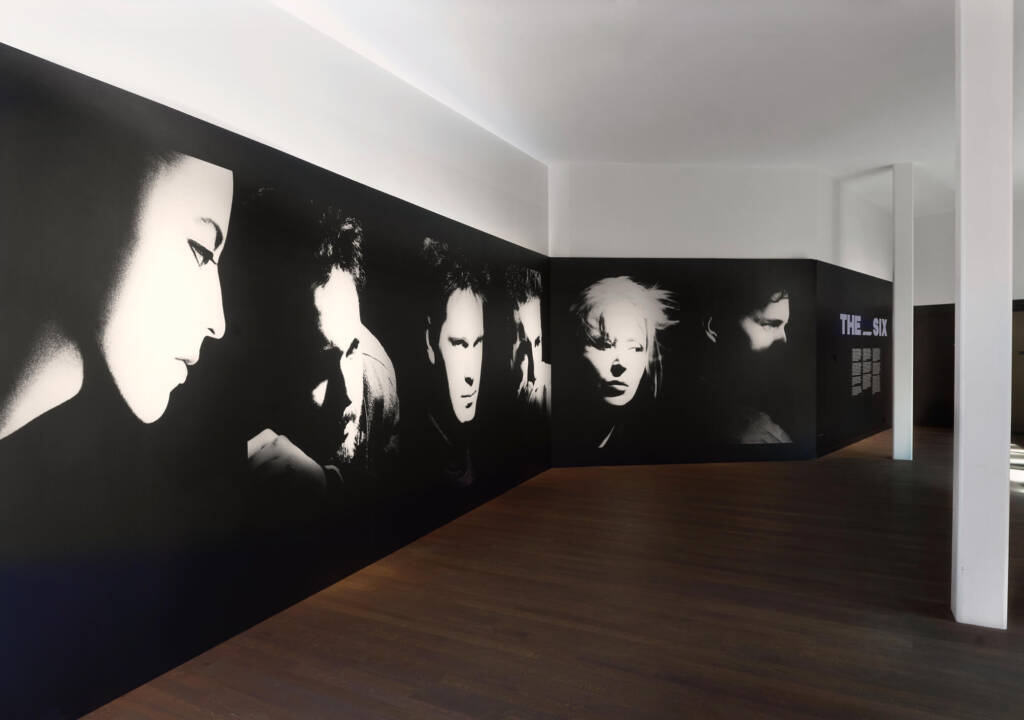
GB: That tension is at the heart of the exhibition. The Antwerp Six were never a collective in the strict sense, so we did not want to present them as one. From the beginning, the concept was very clear: to show six independent designers, each with their own world. Spatially, that meant giving each of them a distinct environment, with their own logic and rhythm.
At the same time, the exhibition acknowledges the historical moment that brought them together. We introduce that context at the beginning (with the timeline), and towards the end (with the invitations). So the narrative moves between separation and connection, rather than choosing one over the other.
h: Which designer challenged you the most, curatorial-wise?
GB: Each of them presented a different kind of challenge, precisely because they are so distinct. Marina Yee’s section was only difficult in the first days, because of all the “I got the last show, there is almost nothing”. But when I went to see her to talk about it, I immediately knew what to do. I said, “This is your world, and we will show your world.”
With Dirk Bikkembergs it was much more difficult. The question was very much how to present the work in relation to the body it was designed for. His work is deeply connected to movement, to masculinity, to a very physical presence. So the challenge was to translate that into an exhibition format without losing that essential relationship. How could we represent his clothes on window mannequins? It’s impossible, he doesn’t like it, and it doesn’t work. I had to convince both him and the museum to work only with the images that he shot—because the museum wants to show actual clothes, of course. But I said, “You will never capture this spirit of Bikkembergs this way. You will never be able to enter into the world of Bikkembergs. You’ll never be able to enter his world if we put the clothes on window mannequins.”
Dirk had an idea—he always has fantastic ideas, but much too grand to execute. We had one idea, then another; they all seemed impossible to Dirk, but he finally said, “Okay, do what you want.” I had this idea with the books, but I needed him to choose the images he’d like, reframe them for the screens, and add the years so that we can see that something that looks contemporary was actually created in 1989, for instance. I knew he could handle this remotely, as my partner had previously saved his archives. There were 3000 pieces, getting lost, and no museum was interested in archiving it, because it’s a costly thing. Working remotely—Cape Town to Rio—via iPad, Eddie and Dirk archived a large part of the collection and even recreated new silhouettes with it. They were archiving literally everything: the material, who made it, which model wore it on, what show it appeared on, the video of the show, the invitation, and much more. Then it was presented to famous museums around the world, which were happy to accept it because everything was ready to show. So I knew that Dirk was able to do this, and I let him do whatever he wanted—so he did. For me, it was very difficult to show the world of Bikkembergs without him being there and without showing the actual garments. But in the end, I think it worked.
h: At what point did the exhibition start to “take shape” for you—not just conceptually, but spatially? How long did the process take from the initial idea to the final installation? And did the project change significantly along the way?
GB: The process took about a year, and it was one of constant refinement. In a way, the exhibition already took shape from the very beginning, because the conceptual basis was very clear: to show six independent designers within a shared timeline. From there, it was about continuously fine-tuning—adjusting, rethinking, repositioning. Spatially, it became clearer over time how to articulate that balance between individuality and connection.
You continue to adjust and refine until the very last moment. In a sense, you only truly let it go at the end, when everything is installed.
Photography by PATRICK ROBYN
W.&L.T. AVATAR, Autumn/Winter 1997-1998
Photography by RONALD STOOPS
Courtesy of MOMU – FASHION MUSEUM ANTWERP
Courtesy of MOMU – FASHION MUSEUM ANTWERP
Courtesy of MOMU – FASHION MUSEUM ANTWERP
Spring/Summer 1988
Photography by ANDREW MACPHERSON
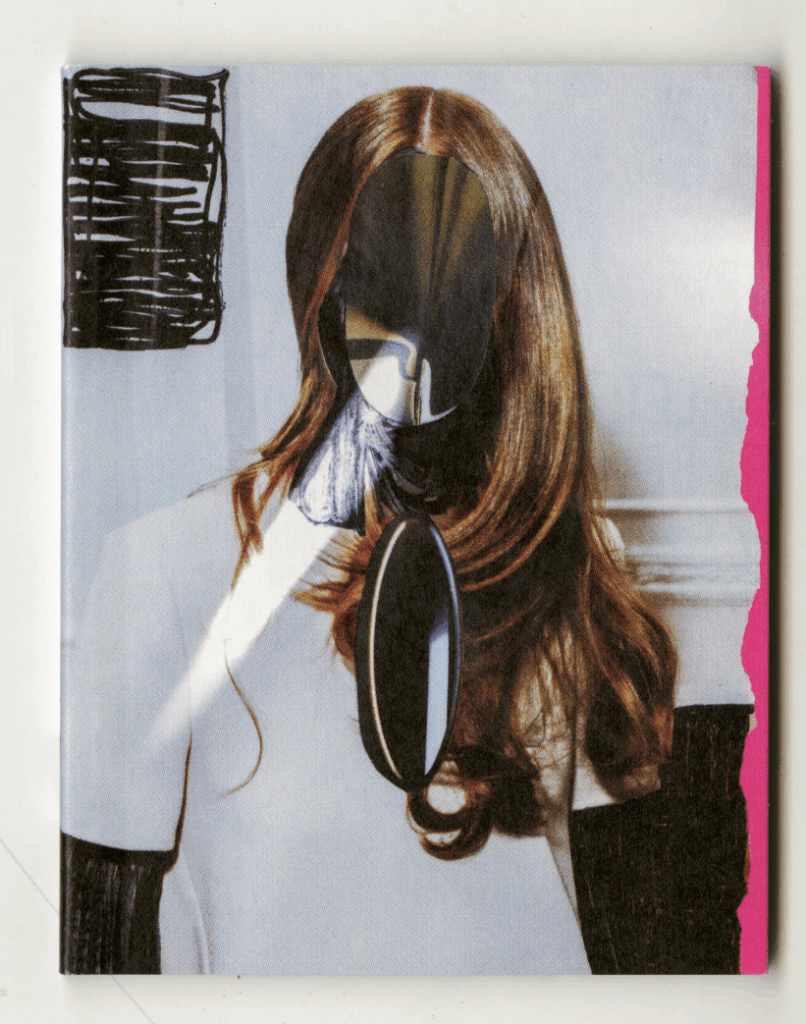
Micro Book by MARINA YEE in collaboration with LAILA TOKYO, 2018
Photography by JOHAN MANGELSCHOTS
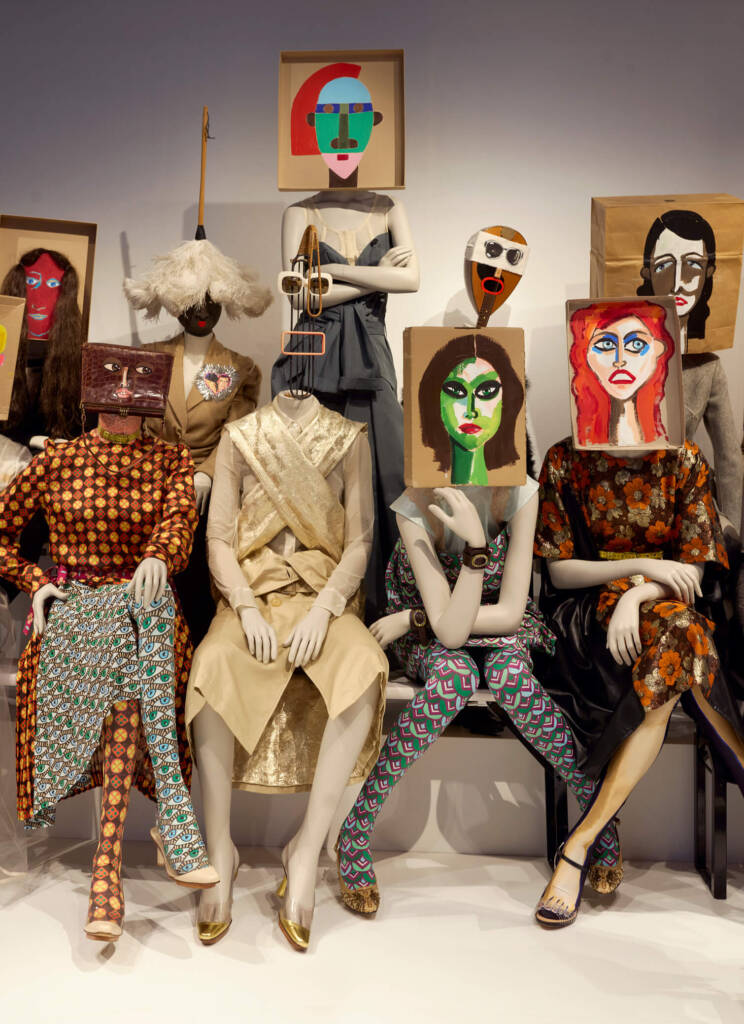
Courtesy of MOMU – FASHION MUSEUM ANTWERP
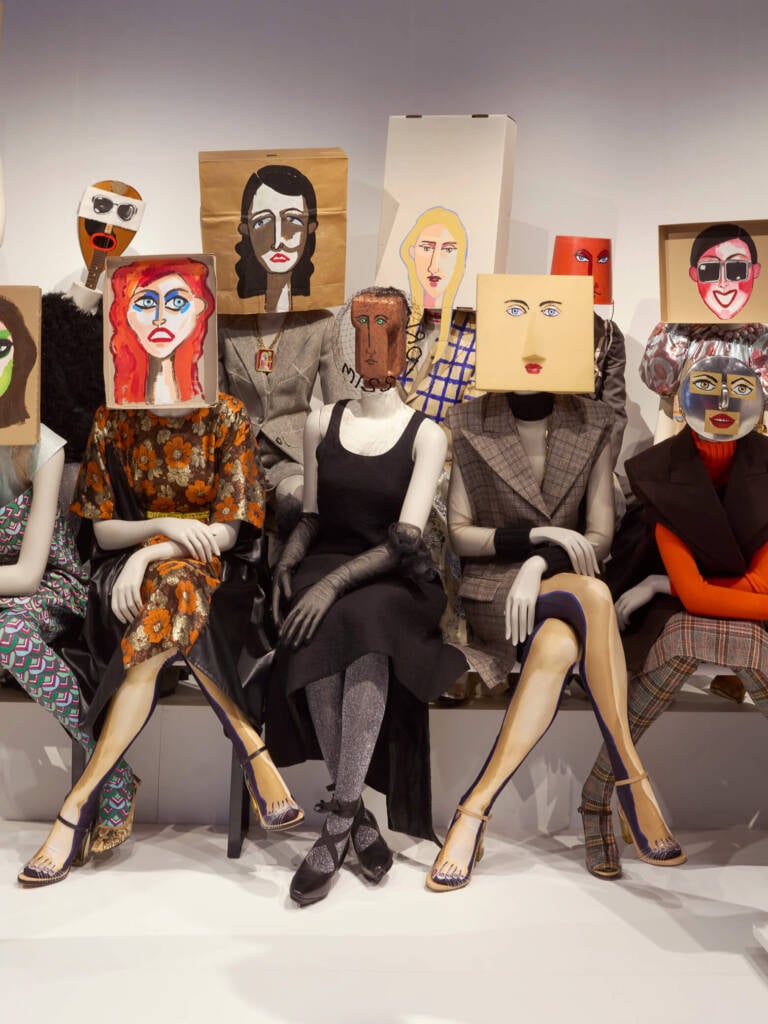
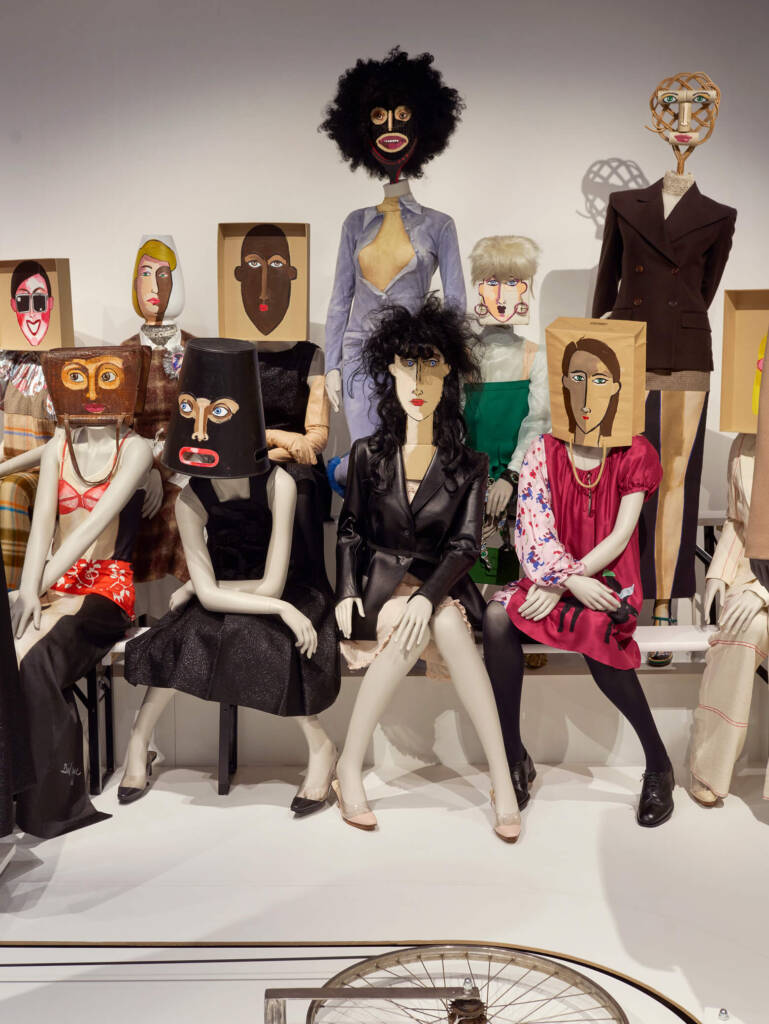
h: The history of fashion is not just a subject of research, but also a great source of inspiration. What ideas and subjects have personally inspired you the most during your research and work on this project?
GB: What inspired me most was the entire ecosystem that existed at that moment. Not only the designers themselves, but also everyone around them—photographers, stylists, graphic designers, shop owners, teachers. It was not yet a structured system, but rather a group of people who, together with the designers, pushed things forward. They created something collectively, in a country where there was very little infrastructure for fashion at the time. We felt that something important was happening, that it would work—but we did not yet know how. That sense of shared belief and uncertainty is something I find very inspiring, even today.
The difficult part was in visualizing something non-material: the myth of the Antwerp Six. My approach was to first gather all the facts in chronological order for the catalogue. During this research, we found a huge amount of material, sometimes very interesting, though we had to edit it. We were able to search the designers’ archives and incorporate them. Little by little, the story started to take shape—in a very poetic way. We realized that it gave us the inspiration to choose the right image and concepts to recreate the myth of the Antwerp Six. I’m a big fan of David Lynch, who can tell a story on a very personal level and involves the public to help create the book. That’s why the public here has to be part of the story. For me, the human element—the person behind a fashion house, the person behind a visitor, or person behind the writer of a book—is utterly important. We do it for people, and it’s people who create it for others. It’s not AI; it’s not a robot.
I wanted the public to be involved. That’s why, in the first part of the exhibition with the paper leaves, you have to search and discover what to read. I thought that was interesting. If you open a magazine and see just one article per page, it’s boring. And that’s what I wanted to recreate.
I also wanted to make their careers clear and present them in a way that revealed their individual vocabulary and character, showing how different they were. You should scratch your head and say, “How could they be a group, while so different?” They never sang the same song. That was the main inspiration for building the entire exhibition. Romy [Cockx], who is a generation younger than me, was a good protagonist to talk with. She was a kid when it all happened and knew nothing about the story, so I had to explain her everything I discovered—why it happened, what it was, how it unfolded, and so on. She was genuinely interested and fascinated. I could tell whether the message worked on her. For me, everything was obvious—we went to France; but why and how? Working with her was a very good way to retell the story. At the same time, I often had to consult the designers when they felt stuck. They understood exactly what I wanted to do because I approached it the way they themselves would have wanted. I know them too well. When we were building the exhibition, and there were propositions from David, Kaat [Debo], or others—“They won’t like this, you have to do it this way”—even when the designers weren’t physically present, they were here with me. And we were able to recreate it.
h: We live in a world where rigid concepts of gender still heavily impact many aspects of our lives, exploring and observing the evolution of women’s and men’s fashion. How do you see the future of fashion in terms of gender?
GB: I don’t know if we should split the genders. What we need now is a return to authenticity and to the person behind. When you look back at the independent fashion houses of the 90s, like Giorgio Armani or Jean Paul Gaultier, you saw the person. You saw Giorgio Armani, Romeo Gigli, and Jean Paul Gaultier. It was recognizable on the street too.
That’s one thing—the person behind. Gender-wise, it’s the same problem. We had a period of experimental unisex in the 70s with Jacques Esterel, which was rather ridiculous. If you look at sportswear, you see ladies’ and men’s collections, but sportswear is very avant-garde in this. I’m sure, for instance, that many girls buy Dries van Noten’s casual menswear. They love it. A man’s white, oversized shirt on a lady is a fabulous thing.
I think fashion needs a new mental freedom, creative-wise, and a new concept, human-wise, so that the rules of creating for ladies and men will disappear or won’t be so strict anymore. It has not happened yet, because we live in a strange world where old-fashioned ideas and rulings still exist for the moment, there is the return to the extreme right and popularization of the old rules. But I think young people act differently, and what they want is the experience of fashion. They want to go back to the vintage fashion of before the 2000 because this was fashion that was not documented all the time everywhere. It was unique, and it represented just the person behind. Kids now buy vintage Raf Simons—girls as well. They love it. They aren’t buying just clothes, but also the spirit, the story behind, which is nice.
I believe the gender difference will not be a rule anymore in the future. But I don’t think this is the most important worry we should have. It’s rather the freedom we need again, the young people, not only in fashion, but also in politics, in furniture, in architecture, everywhere—young people who have the freedom to create without the evident references. The algorithms and literally everything is influencing us so much that we forget who we are. What can you do? What are your limits? What are your chances? I think this is a very important issue for the future. That’s what we should go after.
h: After completing this project, do you feel you understand the Antwerp Six differently than when you began?
GB: Not fundamentally. But what the exhibition did was to sharpen that understanding—to make visible once again how different they truly were, and how intentional their work always was.
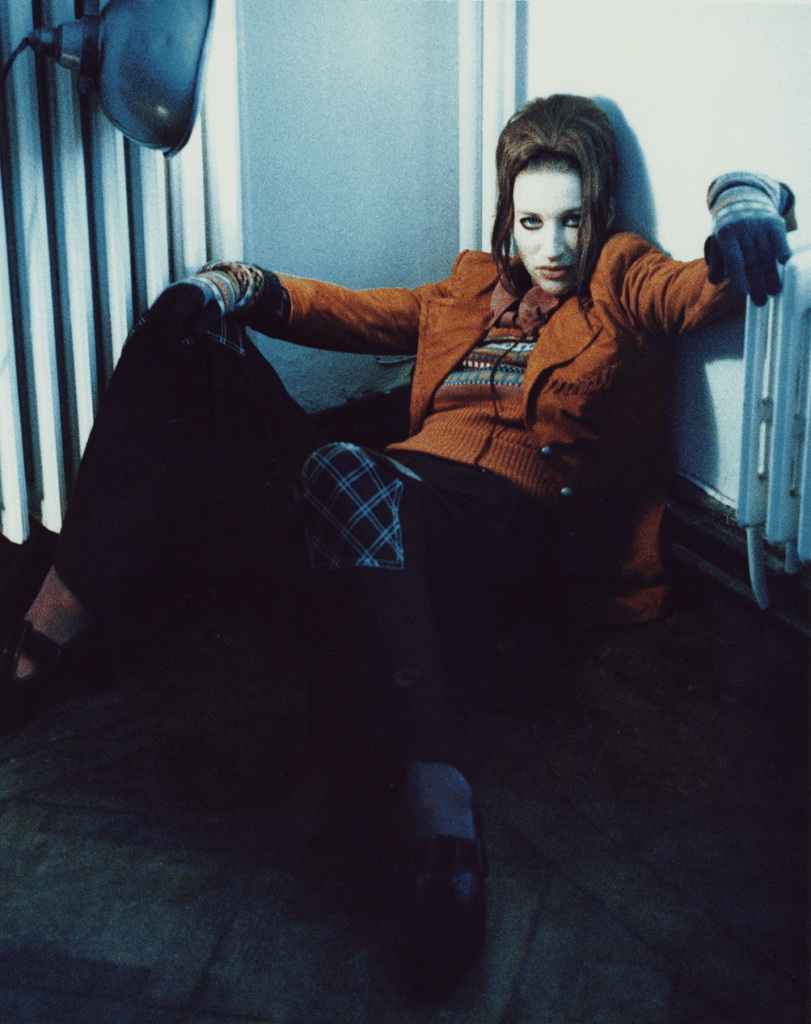
Autumn/Winter 1989-1990
Photography by RONALD STOOPS
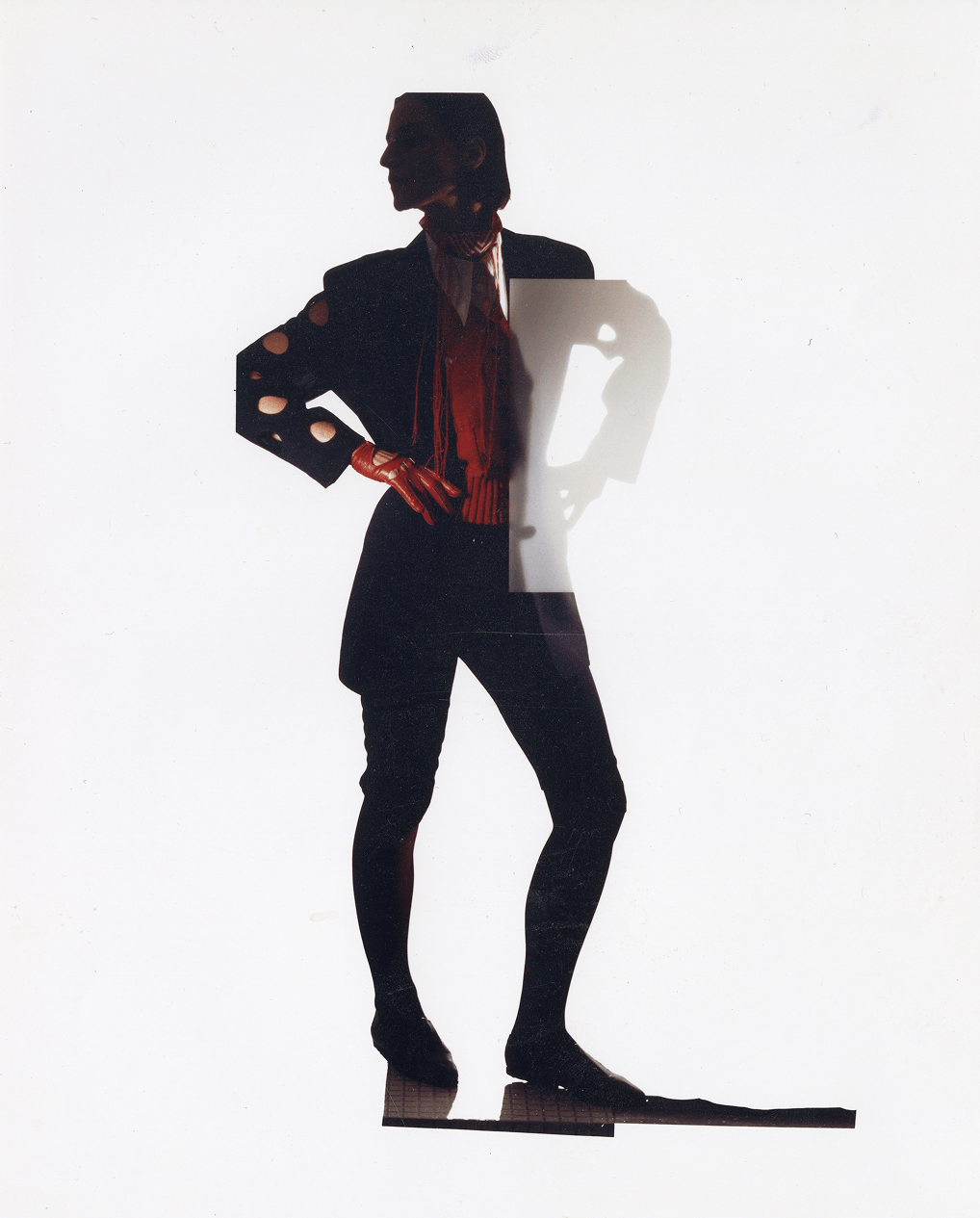
Spring/Summer 1988
Photography by HENZE BOEKHOUT
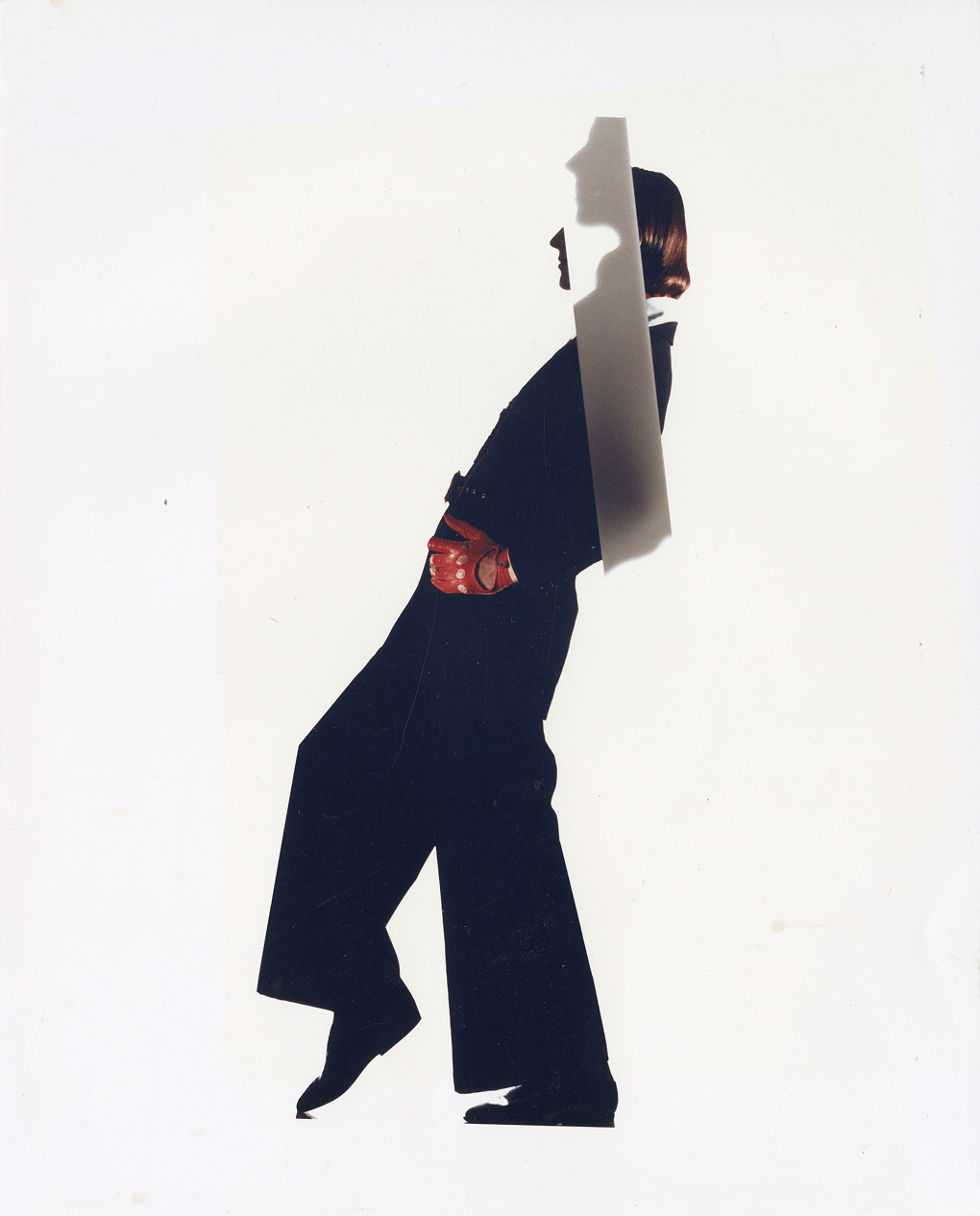
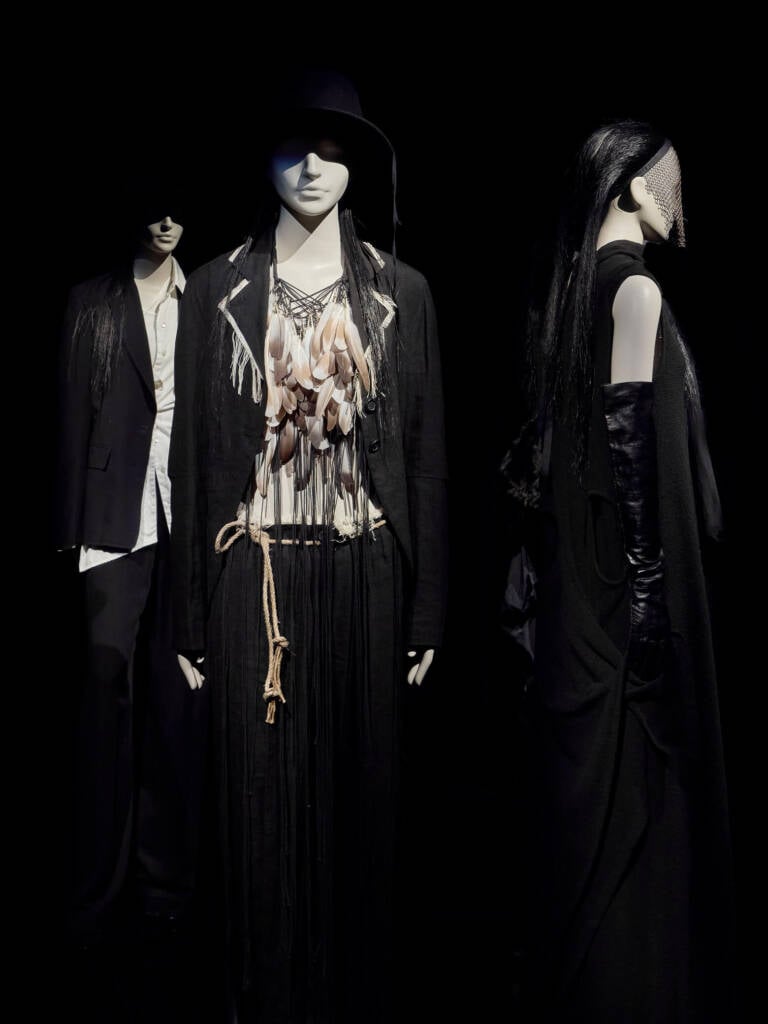
Courtesy of MOMU – FASHION MUSEUM ANTWERP
Courtesy of MOMU – FASHION MUSEUM ANTWERP
Spring/Summer 2014
Photography by TOMMY TON
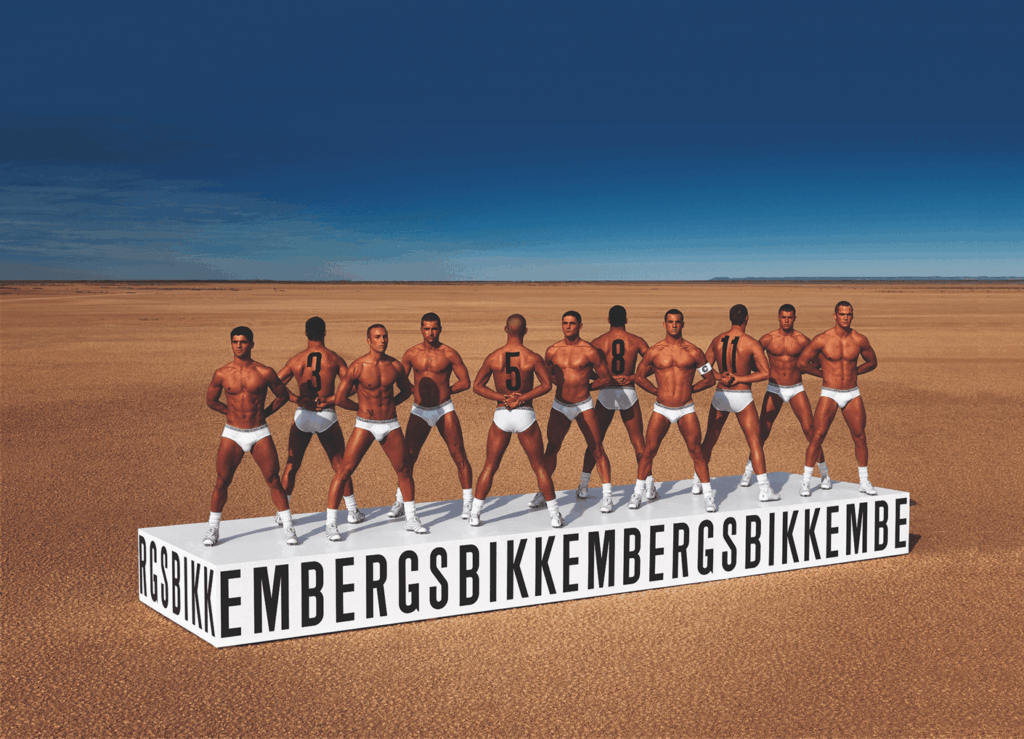
Eleven European football players, photographed in the Karoo Desert, South-Africa, 10-17 June 2008
Photography by LUC WILLIAME
Courtesy of MOMU – FASHION MUSEUM ANTWERP
Courtesy of MOMU – FASHION MUSEUM ANTWERP
Courtesy of MOMU – FASHION MUSEUM ANTWERP
Courtesy of MOMU – FASHION MUSEUM ANTWERP
Kaat Debo has been at the helm of MoMu – Fashion Museum Antwerp since 2008, steering one of Europe’s most forward-thinking institutions with a rare blend of scholarly depth and quiet radicalism. Trained as an art historian, she has consistently positioned the museum as a space where fashion history is not merely preserved but actively questioned, reframed, and brought into dialogue with the present. Under her direction, MoMu has become known for exhibitions that treat garments as cultural artefacts while never losing sight of their emotional and political charge—an approach that feels especially fitting for The Antwerp Six.
In our conversation, Debo opens up about the challenges of doing justice to six fiercely individual practices within a single exhibition, the evolving role of the fashion museum, and why the Antwerp Six’s story feels more urgent than ever in an industry increasingly shaped by commercial pressures and algorithmic logic.
hube: You stepped into the role of director at a relatively young age. Did that responsibility make you more decisive in your vision, or more attentive to uncertainty and change?
Kaat Debo: I am very aware that institutions are not fixed structures, but evolving ones. Rather than becoming more rigid in my vision, I became more interested in creating space for dialogue, for multiple perspectives, and for change. A museum should not be a place of certainty, but a place where questions can be asked and where different interpretations can coexist.
h: Museums often balance between preserving and reinterpreting. Do you see MoMu more as a place of memory, or as a space where meaning is constantly being rewritten? You’ve worked extensively with fashion history. Do you feel that the past becomes clearer with distance, or more ambiguous the more closely you look?
KD: For me, MoMu is equally a space where meaning is continuously reinterpreted. Every exhibition is a new reading of the past from the perspective of the present. That also means accepting that there is no single, definitive narrative. So preservation and reinterpretation are not opposites, but part of the same process.
h: Which designer from the Antwerp Six challenged you the most, curatorial-wise?
KD: It is difficult to single out one, because each designer posed a different kind of challenge. That is precisely what makes the Antwerp Six so compelling. The real challenge was not one individual, but how to do justice to six very distinct practices within one exhibition, without reducing them to a shared narrative. Each required a different approach, and finding that balance was the most complex aspect of the process.
h: What kind of conversations do you hope visitors leave with after seeing the new exhibition? What frustrates you about the modern fashion industry and what gives you hope?
KD: Marking forty years for us was not about nostalgia. We want to use the exhibition as a lever to start a dialogue about talent. Forty years ago, the Antwerp Six were our emerging talents. How do we nurture, support and challenge our talent today in an industry that’s very different than forty years ago. The Antwerp Six emerged at a time when it was still possible to invent an independent fashion practice outside dominant systems. Today’s fashion landscape is very different, but precisely for that reason, their story feels urgently relevant.
What they represent is not a look that can be replicated, but a mindset: creative autonomy, intellectual ambition, and the courage to operate from the margins. At a moment when many designers are questioning the structures they work within, this exhibition offers a historical example of another way of working—one that remains deeply inspiring. We hope the expo encourages conversations about how talent is nurtured, how creative ecosystems function, and what it means to develop a personal language in a rapidly changing industry.