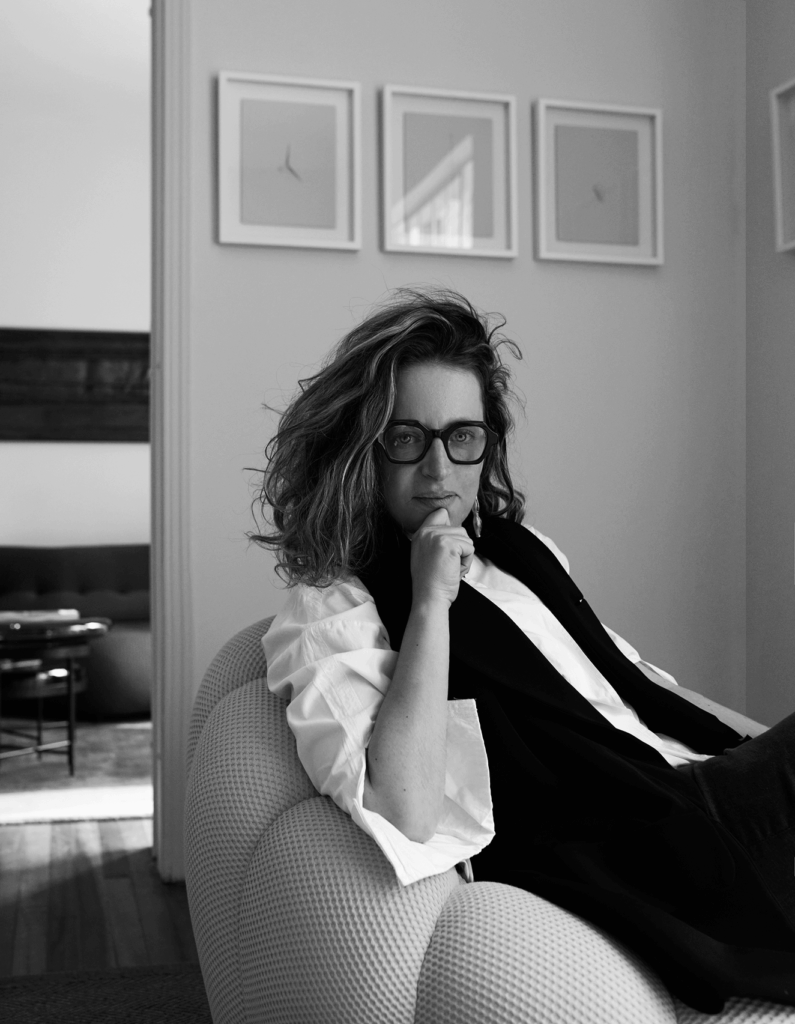
Mónica Barreneche works across photography, journalism, curation, and creative direction, but design is the thread running through all of it. Based in Bogotá, she has spent years documenting and shaping conversations around Latin American architecture and design, paying close attention to the details that make a place feel lived rather than simply designed.
In 2018, she founded El Buen Ojo out of a frustration with how much strong work from the region remained outside the international conversation. What began as a bridge between local creators and global publications has since evolved into a more independent editorial practice, driven by curiosity rather than the usual channels of promotion. Her approach to curation follows a similar instinct: start with an idea, listen closely, and create enough tension to make people look again.
In this conversation, Barreneche speaks to hube about learning to see beyond aesthetics, the challenge of defining a contemporary Latin American design language, why good curation should push people slightly out of their comfort zones, and why, whether working with an architect or a client, listening may be the most important creative tool of all.
hube: Your work spans journalism, photography, editing, and curation. How do these practices inform and enrich one another in your daily creative life?
Mónica Barreneche: At its core, it’s remarkably simple: everything I do is connected by a single thread—design. It has always been my greatest passion, the force that shapes my curiosity and gives direction to my work. Whether I’m photographing, writing, editing, or curating, each discipline becomes another way of exploring the same subject. They are not separate practices, but different perspectives on a shared fascination.
h: Were there particular mentors, places, or moments in your formative years that taught you to see beauty not just as aesthetic but as deeply cultural and lived?
MB: Many. I’ve been extraordinarily fortunate to cross paths with people who have been generous with their knowledge and to work alongside individuals whose talent has continually expanded my way of seeing.
If I had to name one person who shaped my eye, it would be my aunt, María Clara Olivares, who passed away not long ago. She had an extraordinary ability to recognize quality instinctively, and she taught me that discernment is something you cultivate over time, through careful observation and curiosity.
Later, meeting the renowned gallerist Cristina Grajales opened an entirely new world for me. Through her, I began to understand design and craftsmanship not simply as objects of admiration, but as cultural expressions with history, depth, and meaning.
Today, perhaps as a way of navigating an increasingly chaotic world, I’ve developed a different kind of practice. Whenever I can, I return my attention to the simplest moments of everyday life and to nature. Learning to notice them with genuine wonder has become less an aesthetic exercise than a way of remaining present.
Photography by MONICA BARRENECHE
Casa
Photography by MONICA BARRENECHE
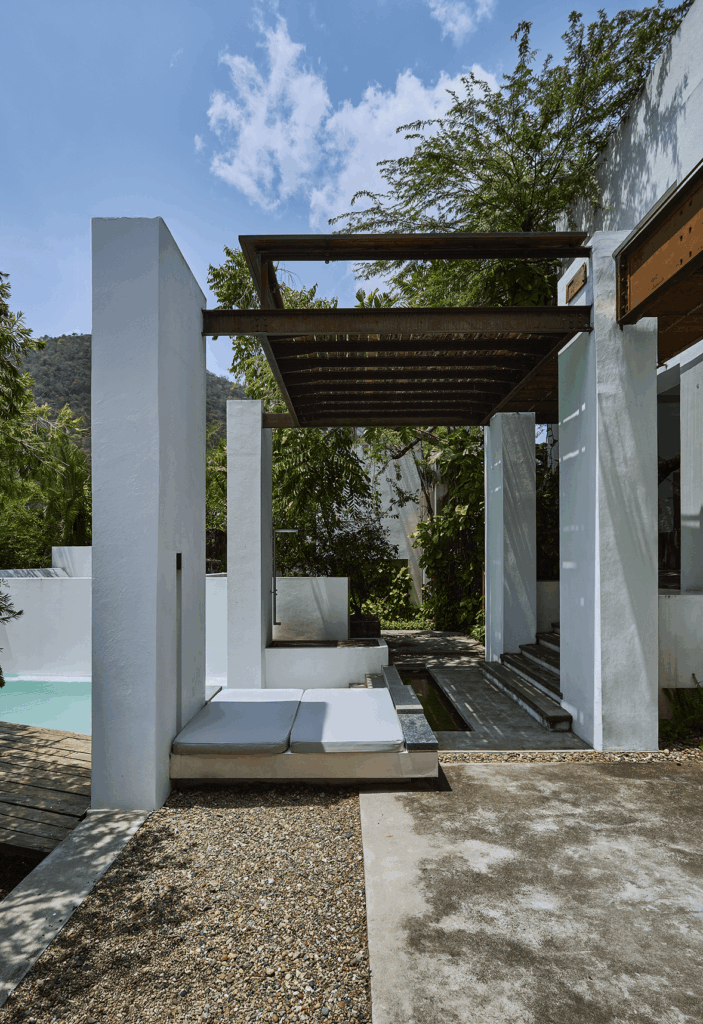
Casa Las
Photography by MONICA BARRENECHE
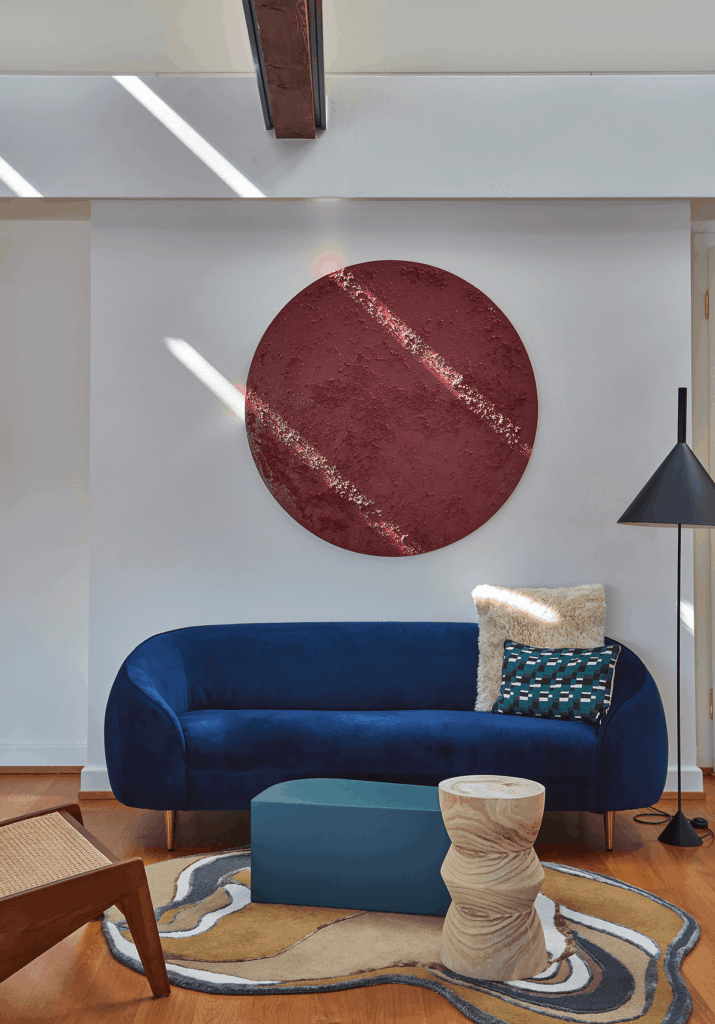
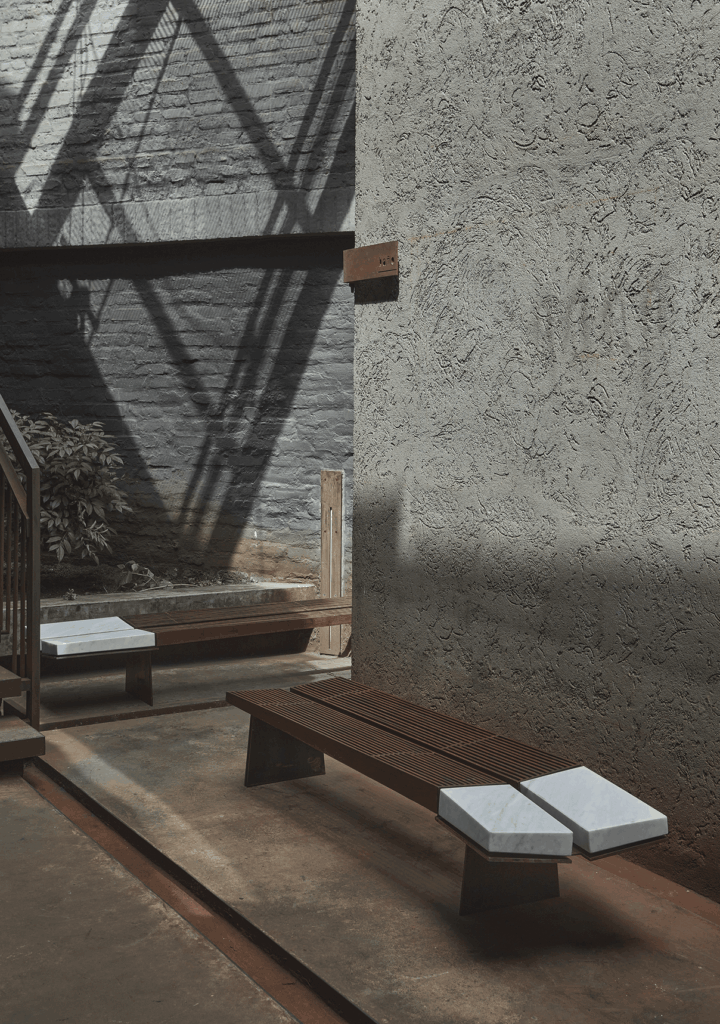
Cazar-La
Photography by MONICA BARRENECHE
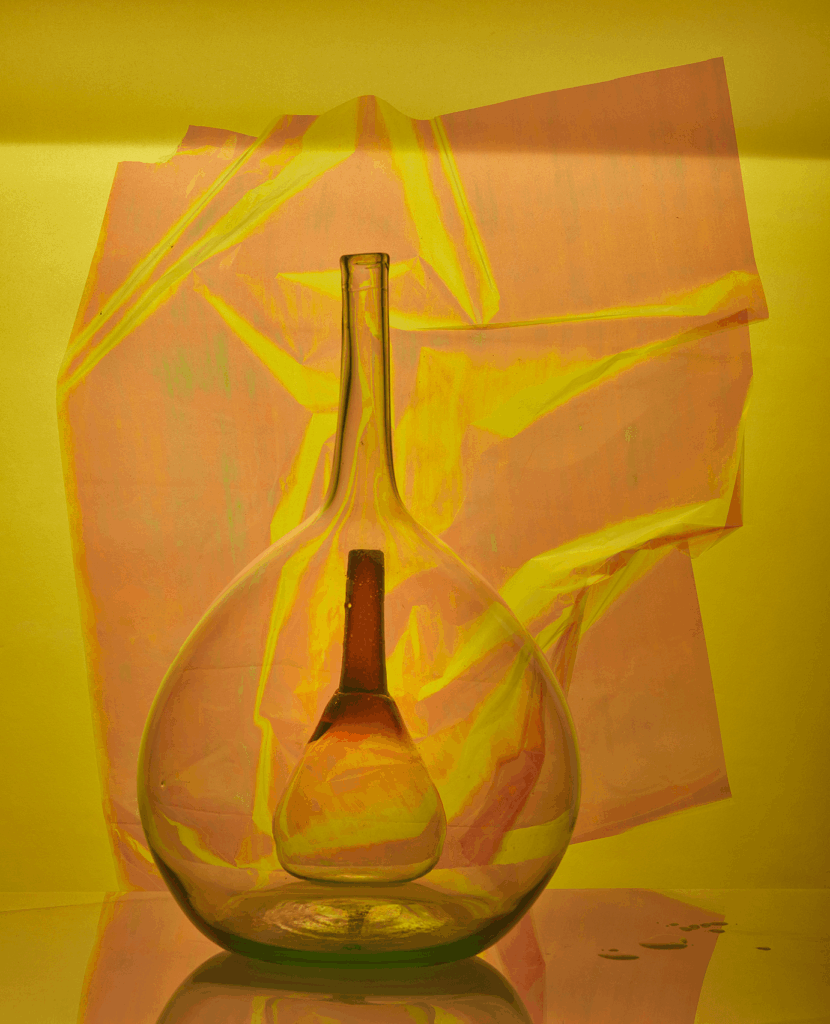
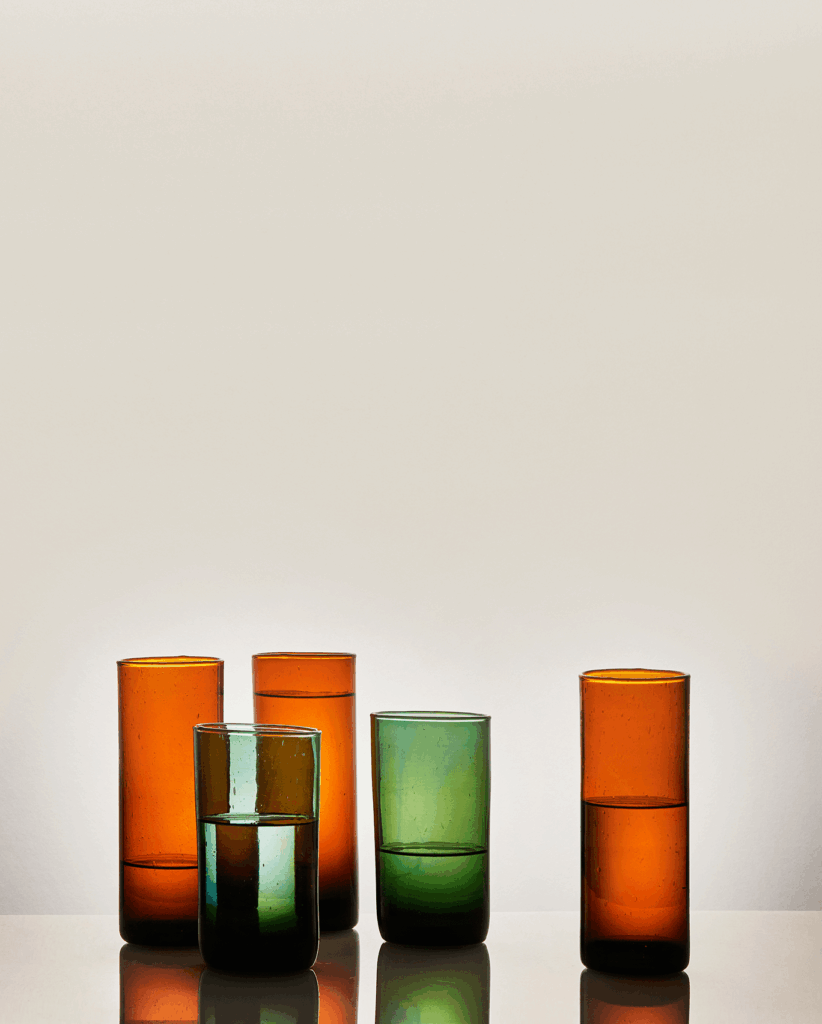
Vidrio
Photography by MONICA BARRENECHE
h: What drew you specifically to architectural photography, and how do you approach capturing not just buildings but the spirit of how people inhabit them?
MB: Before I found my way into the worlds of architecture and design, I spent years working in fashion. At the time, I was dating an architect who also taught at a university, and, quite honestly, I was embarrassed by how little I could contribute to our conversations. That curiosity became the starting point. I began reading, visiting buildings, asking questions, and gradually shifted my attention toward architecture.
Looking back, I realize that my earlier experience in fashion photography—and its emphasis on intimacy, tighter framing, and more instinctive visual narratives—combined with the master’s degree in journalism I pursued later, shaped the way I approach architecture today. Rather than treating a project as an object to document, I’m interested in telling a story. My photographs aim to capture atmosphere, character, and the traces of human life that give architecture its meaning.
h: In your roles with publications like Architectural Digest and through projects like Design House Colombia, what have been the most rewarding challenges in telling stories of contemporary Latin American design?
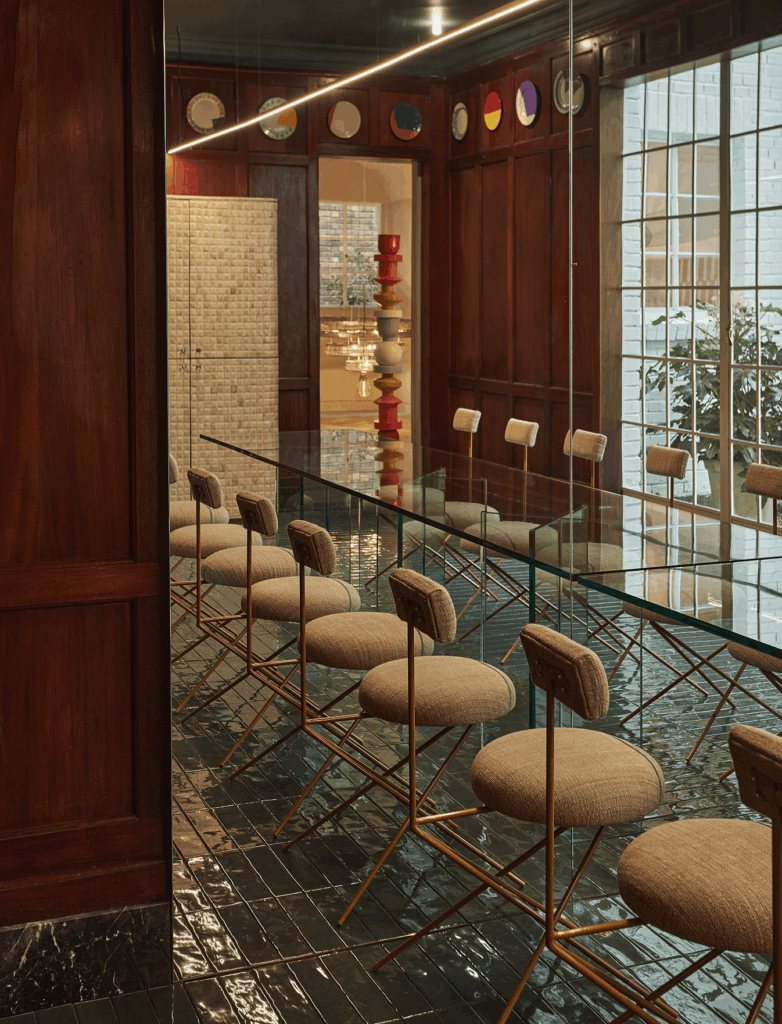
MB: The most rewarding challenge has been trying to identify the true essence of Latin American design—particularly Colombian design. That question became especially central while creating and curating Design House Colombia.
In a region shaped by countless cultural references, global influences, and rapidly evolving visual languages, it has become increasingly difficult to distinguish what is genuinely our own. My work has never been about defining a fixed identity, but rather about uncovering enduring values and reinterpreting them for a contemporary audience. The challenge lies in looking beyond trends to find the ideas, materials, craftsmanship, and ways of living that give our design culture its distinctive voice.
h: As a curator, what principles guide you when bringing together diverse voices, designers, and artists into a cohesive narrative?
MB: Every curatorial project has its own logic and its own voice. I usually begin with a single, central idea, but the narrative only truly emerges through research. As I dig deeper, the connections reveal themselves, and what started as an intuition gradually becomes the thread that holds everything together.
One principle remains constant, though: I try to push people beyond their comfort zones. The goal is never to make them uncomfortable for the sake of it, but to create just enough creative tension that they begin to question their instincts and explore unfamiliar territory. In my experience, that’s often where the most original and meaningful work begins.
h: You founded El Buen Ojo as a platform that intersects curation and consulting. How has the agency’s role evolved over the past eight years, and what kinds of projects or collaborations feel most representative of its identity today?
MB: At its inception, El Buen Ojo (EBO) was conceived as a response to a glaring disconnect. While Latin America was producing extraordinary architecture and design, much of that work remained invisible to the international publications shaping the global conversation. Local creators and major editorial platforms simply weren’t speaking to one another. El Buen Ojo emerged as a bridge, helping remarkable projects cross that divide and find the audiences they deserved.
Over time, however, we began to notice an unintended consequence. A model that was eventually replicated around the world also began to reshape editorial practices. As many publications grew increasingly dependent on externally supplied material rather than producing original reporting, the diversity of perspectives gradually narrowed. Different magazines often found themselves publishing the same projects, photographed through the same lens and framed by remarkably similar narratives. That realization prompted a shift in our own thinking.
Today, EBO is moving toward a model centered on independently produced, non-commercial editorial content. Rather than relying solely on projects filtered through public relations channels, we seek stories discovered through curiosity, research, and firsthand observation. The ambition is not simply to publish something new, but to uncover work that genuinely expands the conversation—stories that, when readers encounter them, leave them with a deeper understanding rather than just another image to scroll past.
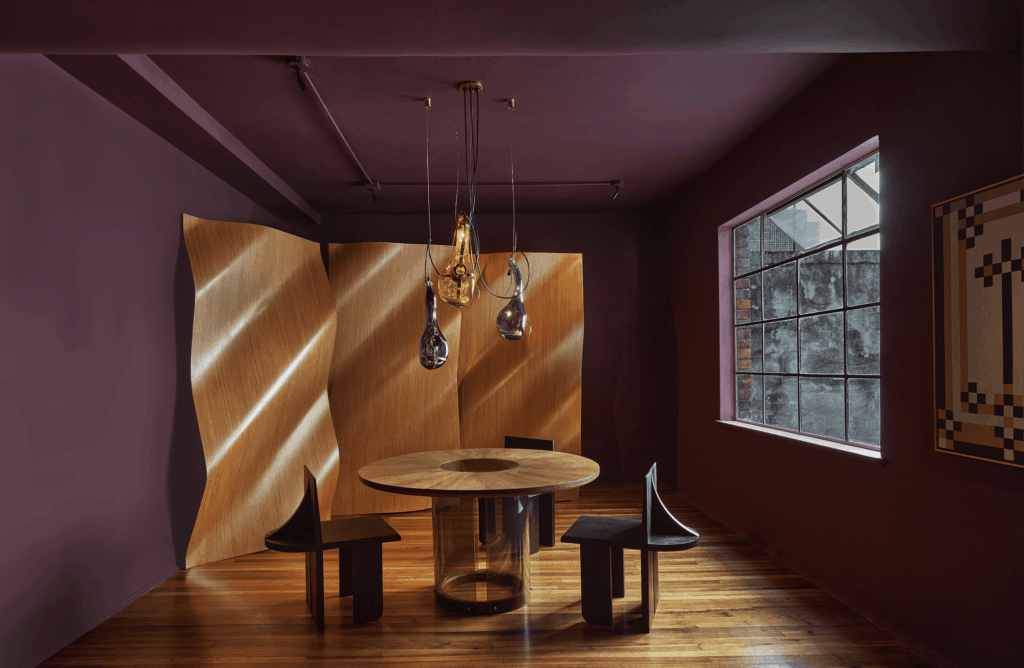
Photography by MONICA BARRENECHE
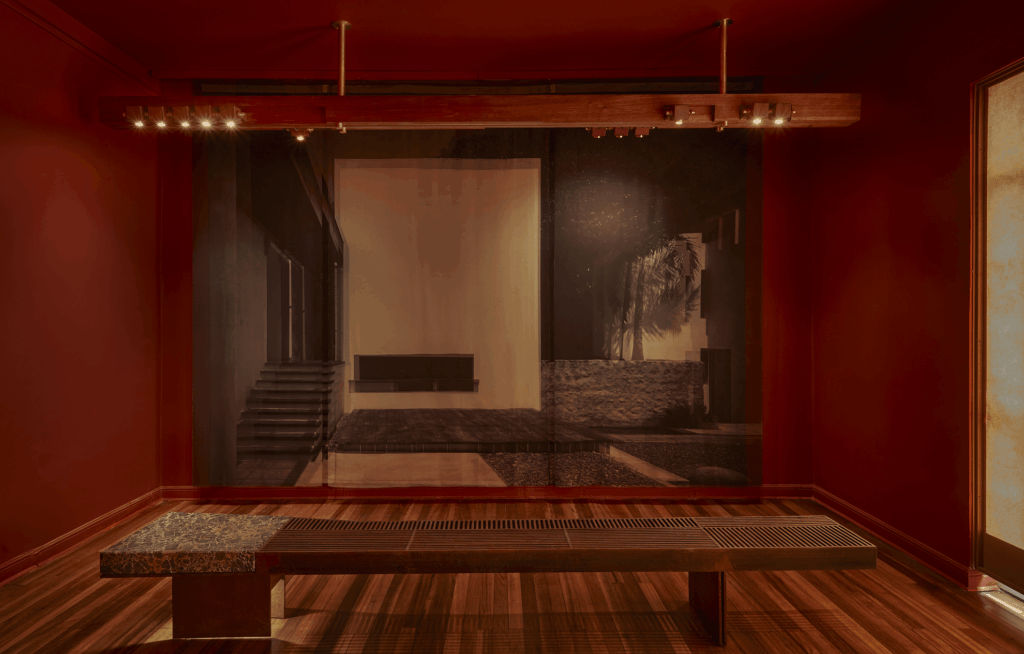
Cazar-La
Photography by MONICA BARRENECHE
h: What helps you find the balance between independent creative vision and the collaborative, often commercial nature of a consultancy?
MB: The key is remembering that every commissioned project begins with someone else’s vision. My role is not to become the story itself, but to help that story reach its fullest expression.
That requires listening carefully before making creative decisions—understanding the client’s real intentions, respecting the integrity of their work, and recognizing where my own perspective can add value without overshadowing it. I see myself less as the author than as an interpreter, someone who helps reveal what is already there.
In the end, it all comes down to listening. The better you listen, the more honest and meaningful the collaboration becomes.
h: In an era of rapid urbanization and cultural shifts, how do you see design serving as both a mirror to society and a gentle force for better living?
MB: Design plays a fundamental role in the way we experience the world—both through its presence and, just as importantly, through its absence.
Good design has the power to improve everyday life in ways that often go unnoticed. When it is thoughtful, it removes friction, creates clarity, and makes even the simplest actions feel intuitive. When it is missing, the opposite happens: systems become rigid, objects become frustrating, and our daily interactions require more effort than they should.
That influence extends far beyond furniture or buildings. It can be found in something as ordinary as the way a can opens, but also in the principles of design thinking that shape organizations, public spaces, and communities. At its best, design offers a framework for understanding how people live together and how those experiences can be made more humane, inclusive, and meaningful. For me, that is design’s greatest contribution: not the objects it produces, but the better ways of living it quietly makes possible.
h: Looking at emerging talents and trends across Latin America, what shifts or continuities in design philosophy give you the most hope for the future?
MB: Perhaps what gives me the most hope is seeing a new generation of designers who seem increasingly willing to explore without fear of failure. There is a growing sense of creative freedom—a willingness to experiment, question conventions, and embrace uncertainty as part of the process rather than something to avoid.
h: You’re a photographer, a journalist, a curator, and a creative director all at once. When you walk into a space, which of them arrives first?
MB: A frustrated designer who has found a way to stay immersed in this world by wearing many different hats—haha.
h: If you could photograph or profile one unvisited place, project, or cultural phenomenon that embodies the essence of thoughtful living, what would it be, and why?
MB: Surprisingly, I wouldn’t choose to photograph Frank Lloyd Wright’s work. If given the opportunity, I would much rather curate an exhibition about his life and legacy at the Vitra Design Museum.
What has always captivated me is not only the architecture he produced, but the extraordinary mind behind it—the ideas, contradictions, ambitions, and relentless curiosity that shaped one of the twentieth century’s most influential creative figures. His buildings are only part of the story.
The exhibitions I admire most are those that expand the way we see familiar subjects. I would love to revisit Wright through that lens: not simply as an architect, but as a thinker whose work continues to shape our understanding of nature, domestic life, and the relationship between people and the spaces they inhabit. To me, that would be a far more meaningful way of engaging with his legacy than photographing it.
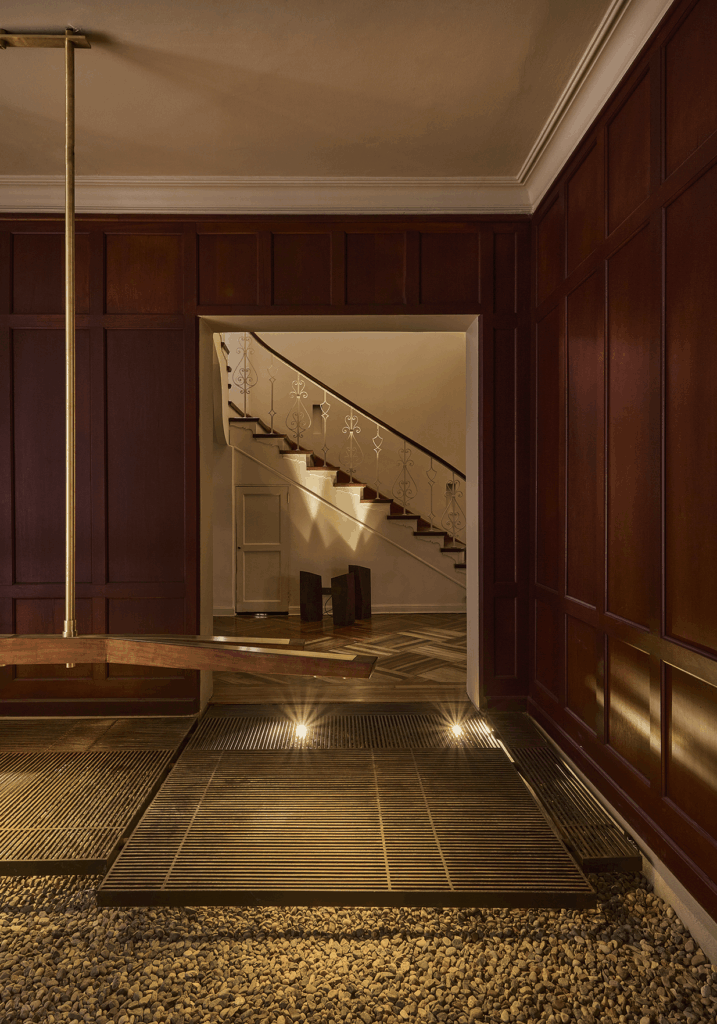
Cazar-La
Photography by MONICA BARRENECHE
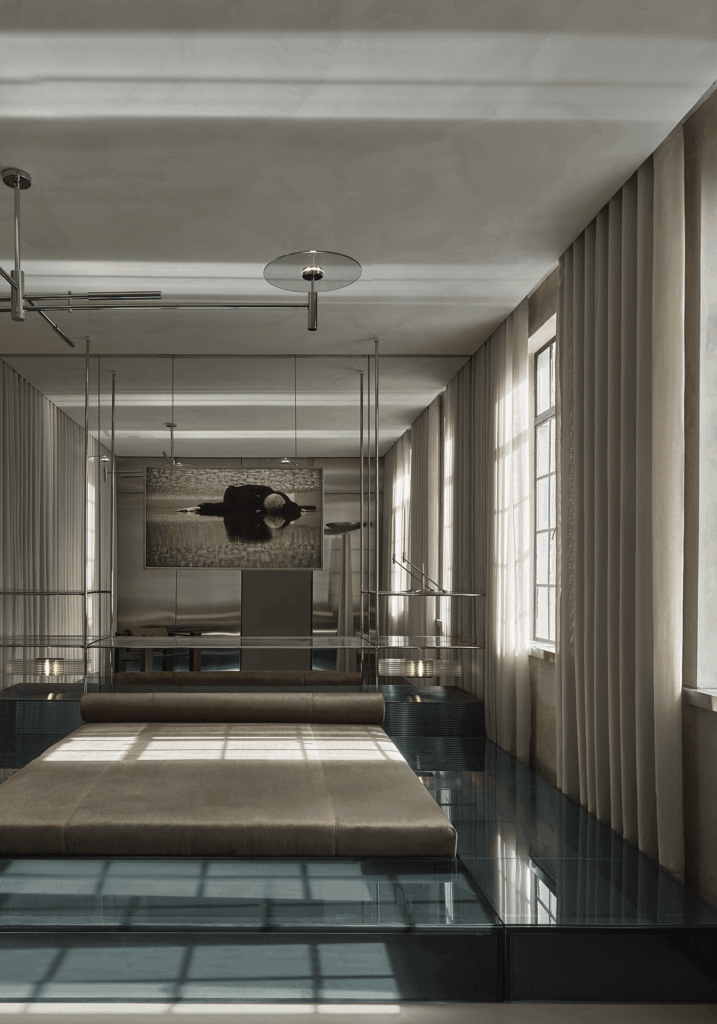
dhc, 2025
Photography by MONICA BARRENECHE
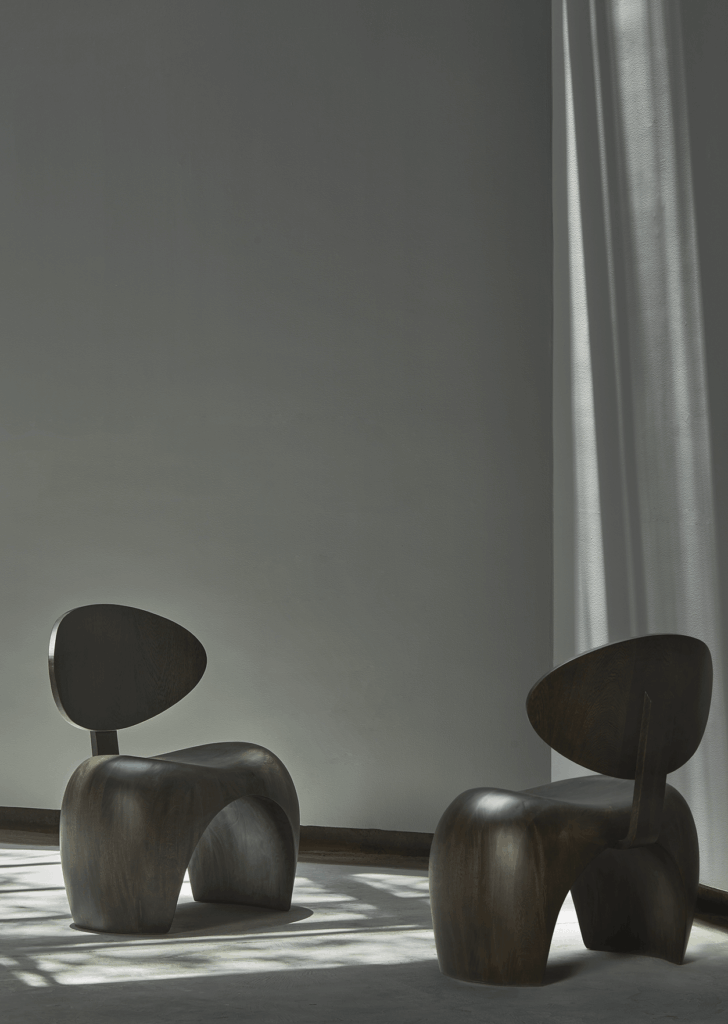
Photography by MONICA BARRENECHE
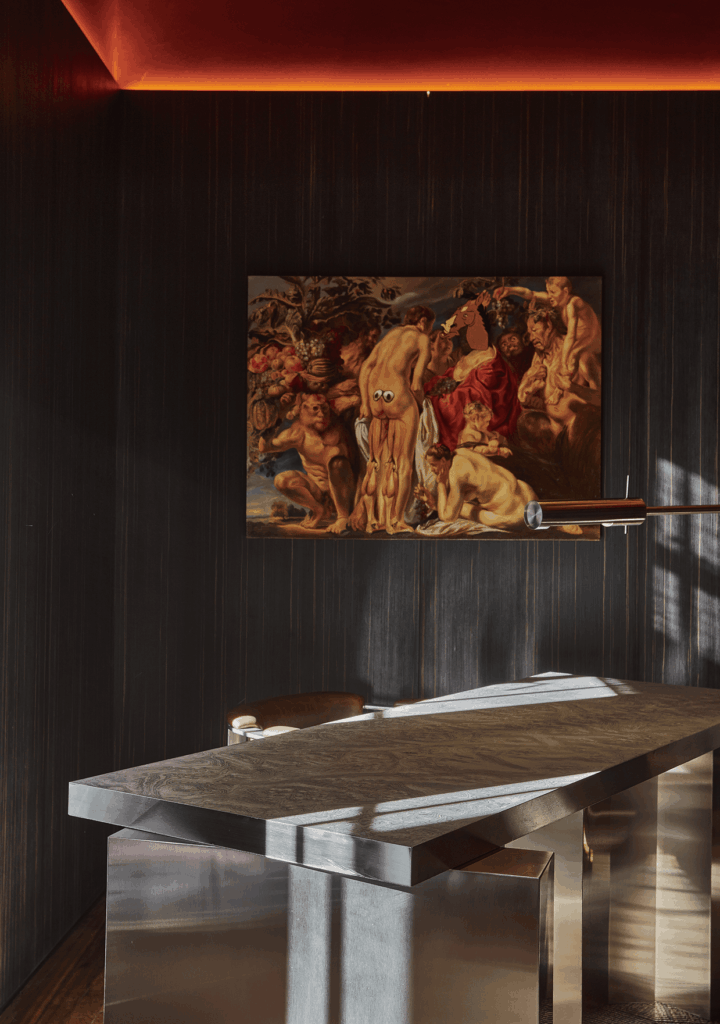
Design House Colombia
Photography by MONICA BARRENECHE
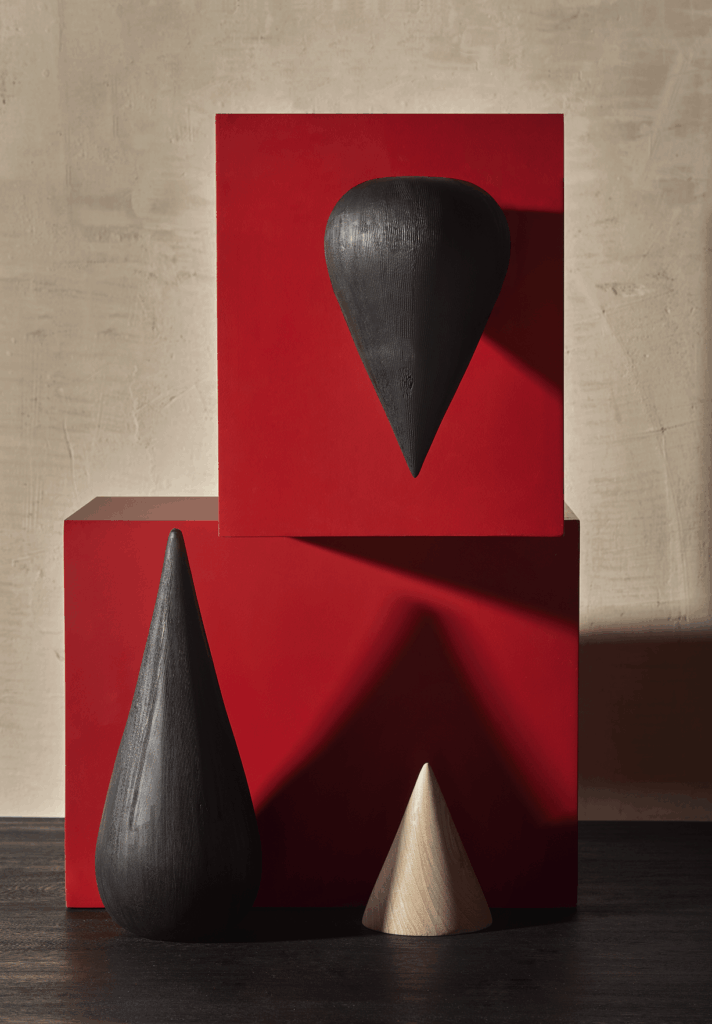
Photography by MONICA BARRENECHE