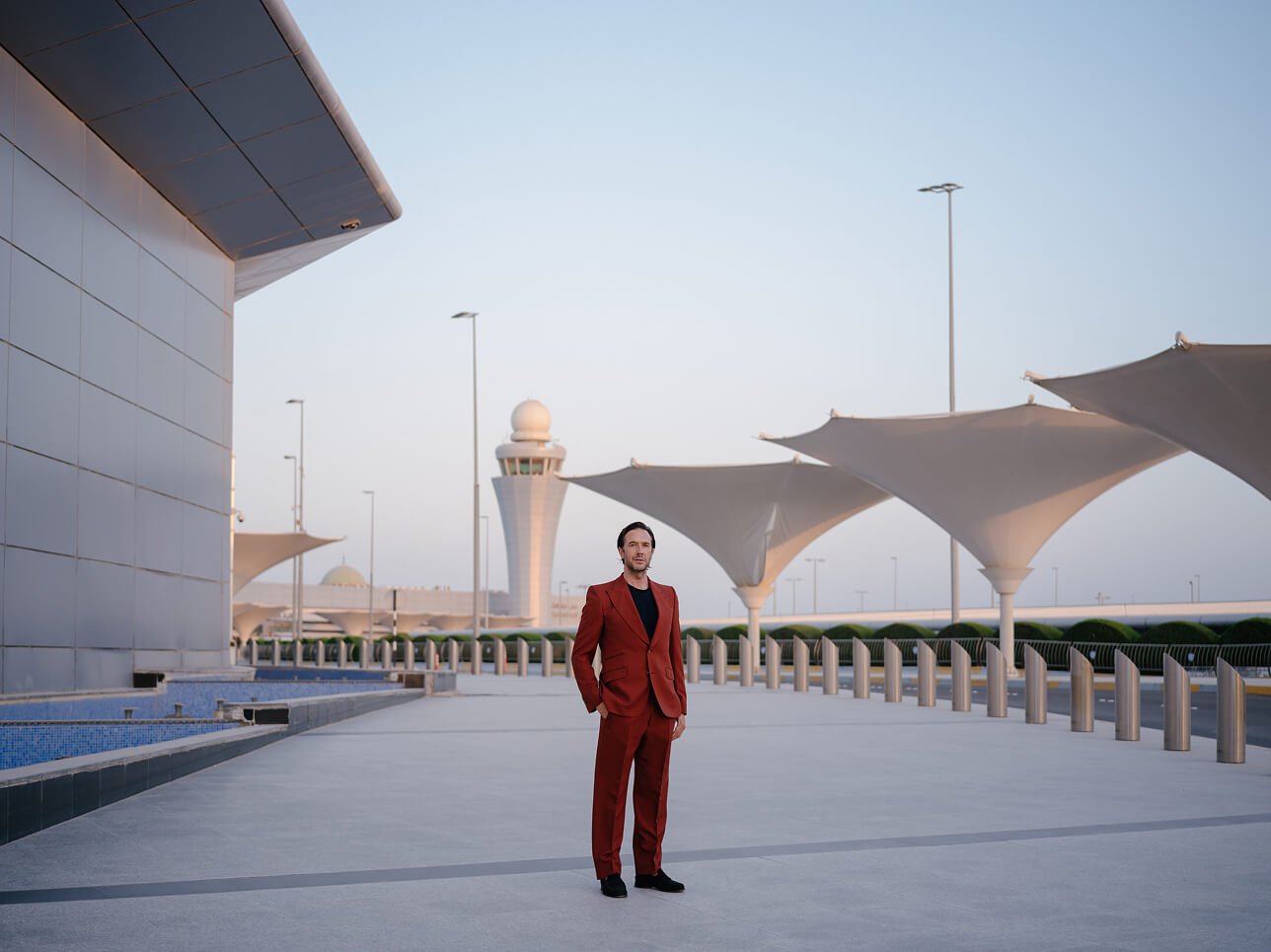
As the boundaries between exhibition, architecture, and cultural diplomacy continue to blur, the very idea of a design fair is being rewritten. At the center of this evolution stands Nicolas Bellavance-Lecompte—architect, curator, and founder of NOMAD, whose upcoming edition, NOMAD in Abu Dhabi, reimagines the design fair as a space of encounter rather than commerce.
Bellavance-Lecompte began his journey in the field through Carwan, a pioneering design gallery he founded in Beirut, which between 2011 and 2019 played a key role in bringing contemporary voices from the Middle East into dialogue with the global design scene. That experience laid the foundation for a practice rooted in cross-cultural exchange and curatorial experimentation.
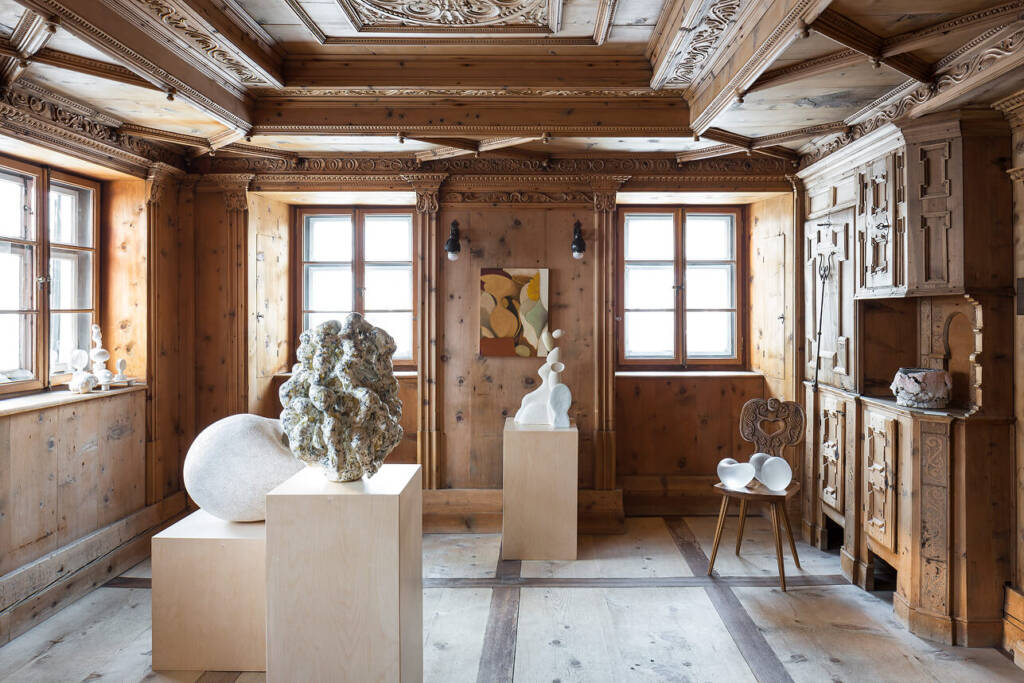
Soon after, he launched NOMAD—a traveling design experience that merges architectural heritage with contemporary creation. Each edition inhabits a different historic villa, alpine landmark, or coastal palazzo, encouraging exhibitors to engage directly with architecture, light, and local culture so that the site itself becomes a co-author of every presentation. Over the years, NOMAD has partnered with Dior, Gucci, Loro Piana, and Bulgari, among others, becoming a bridge between craft, luxury, and cultural dialogue.
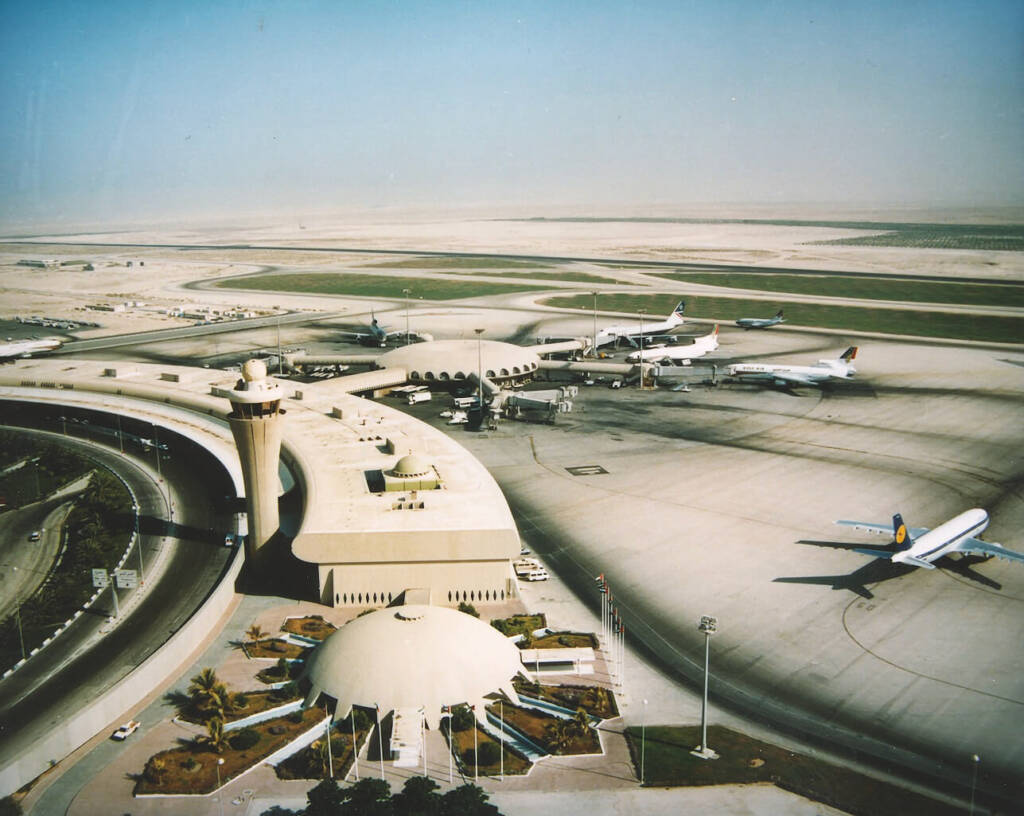
This November, NOMAD will take over the transformed Terminal 1 of Zayed International Airport, a 1970s modernist monument by Paul Andreu—reimagined as a platform for cross-cultural exchange. Bellavance-Lecompte’s practice, rooted in architecture yet constantly in motion, continues to blur boundaries between curation, design, and diplomacy, inviting us to experience culture as both artifact and encounter.
Right after the announcement of the new edition, we sat down with Nicolas to discuss how fairs can evolve beyond commerce—into spaces of meaning, care, and cultural transformation.
hube: What are the biggest challenges facing art and design fairs today, beyond logistics or economics? Are there cultural or ethical pressures that feel more urgent than before?
Nicolas Bellavance-Lecompte: The challenge today is really about the experience and its meaning. A fair is no longer judged simply on how well it runs. It’s about how well it positions itself culturally. Why does it exist? Who does it serve? What is its purpose beyond commerce? Those are the questions people are asking. Sustainability, provenance, diversity, and ethics of production aren’t footnotes anymore, they’re central. To stay relevant, a fair must act as a new cultural vector. It must stand for something, offer context, and create a narrative that goes deeper than transactions.
h: The profile of collectors is changing. How should fairs adapt?
NBL: Collectors today are younger, more global, and more interdisciplinary. They are architects, entrepreneurs, as well as people from the technology, fashion, and cultural industries. Many come from growing geographies—the Global South, the Gulf, India—and they want to engage differently. They are not looking for rows of anonymous booths; they want intimate encounters, strong curatorial ideas, and stories they can connect to. That’s why NOMAD has always resisted the idea of scale for its own sake. We design curated formats that foster meaningful connections, not crowds, where conversations have room to breathe and you feel at ease.
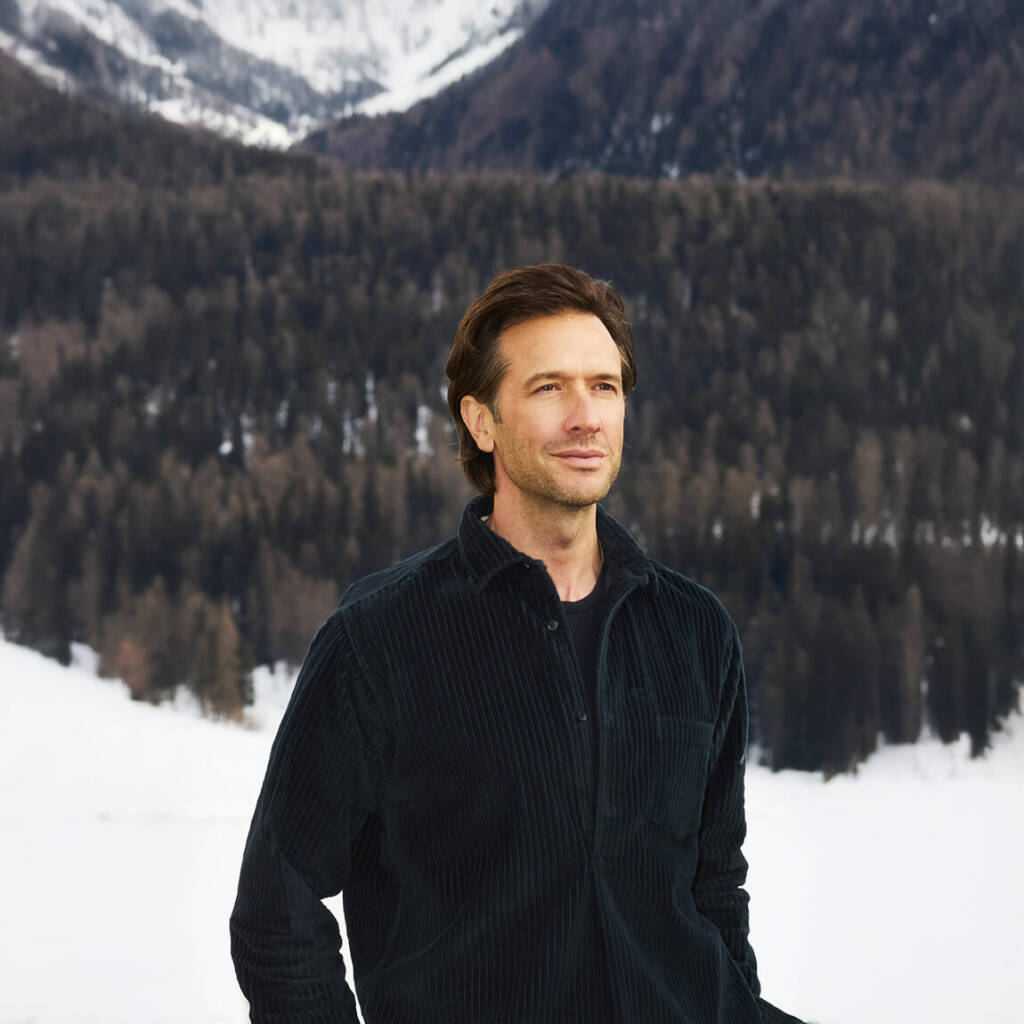
Photography by DE PASQUALE+MAFFINI, Courtesy of NOMAD CIRCLE

Photography by N. BEREZHNOy, courtesy of NOMAD
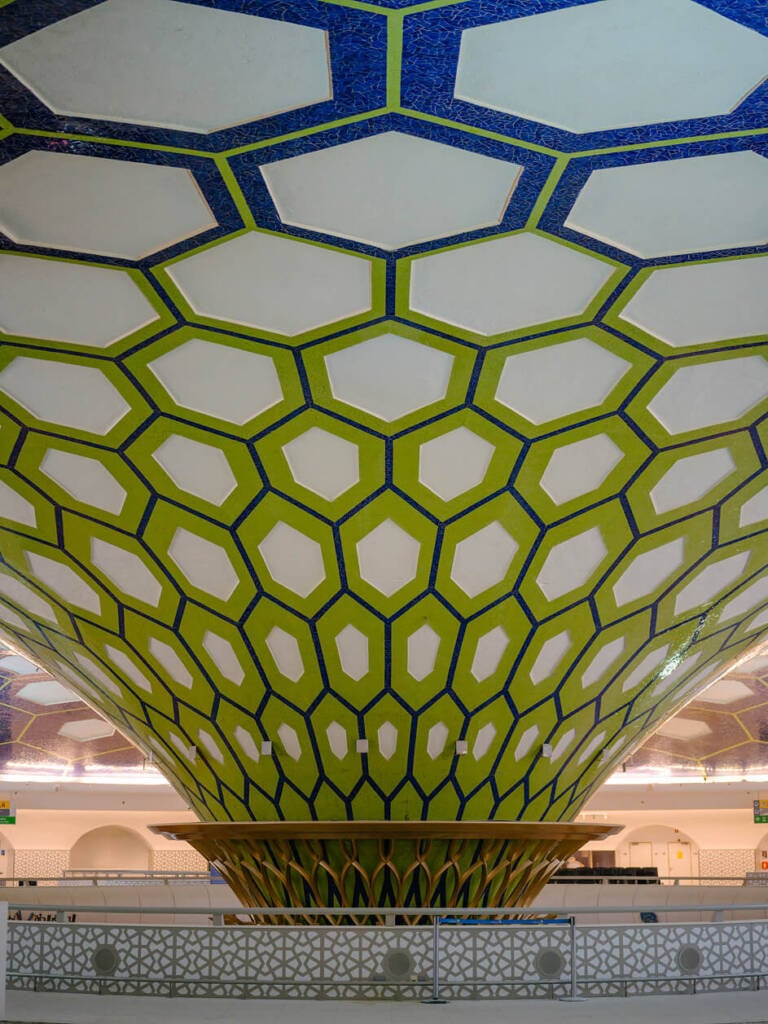
Photography by N. BEREZHNOy, courtesy of NOMAD
Courtesy of ZAYED INTERNATIONAL AIRPORT
Photography by FILIPPO BAMBERGHI, Courtesy of NOMAD