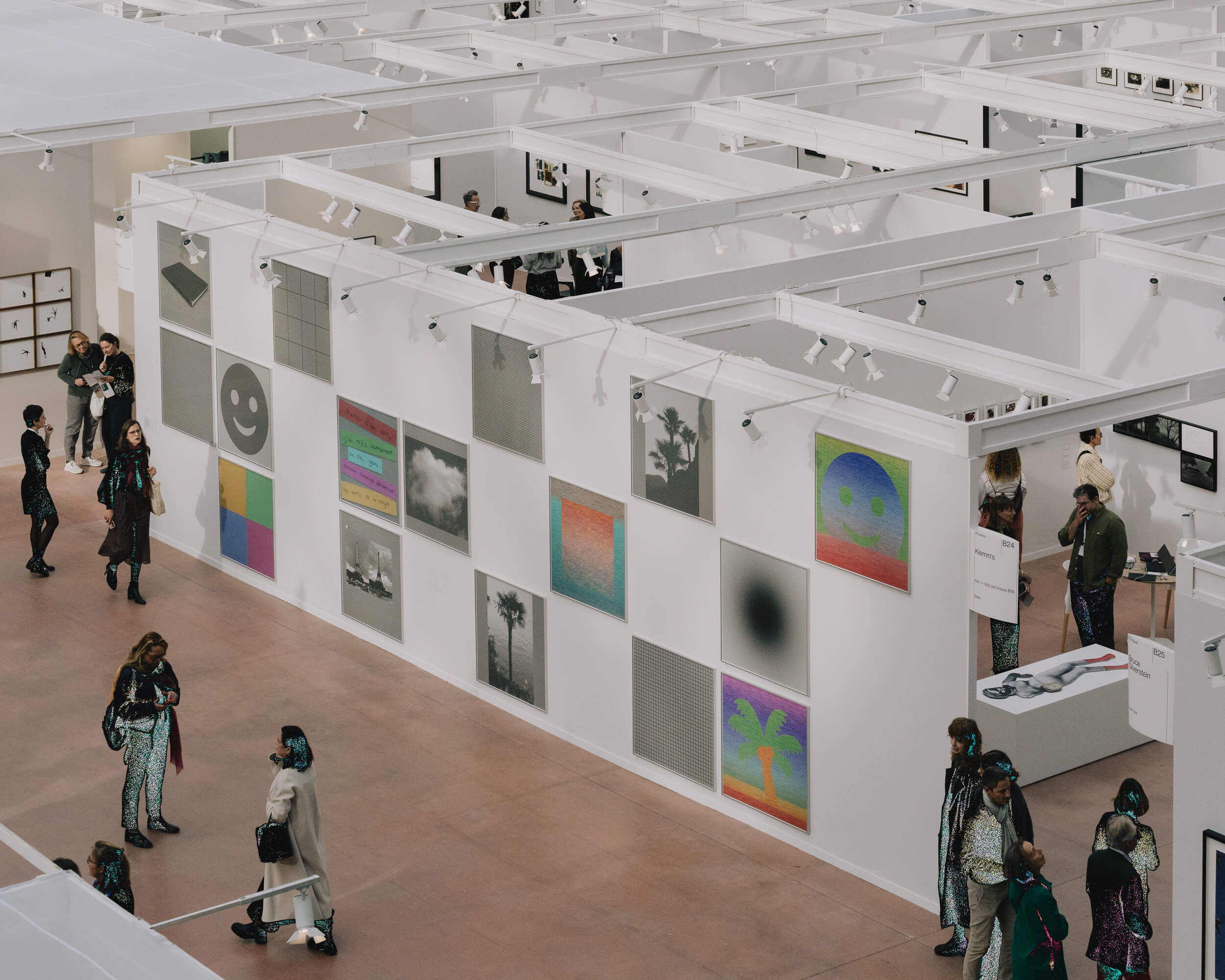
From November 12th to 15th, 2026, Paris Photo returns to the Grand Palais for its 29th edition, gathering more than 220 exhibitors from over 30 countries. Marking the Bicentennial of Photography, this year’s fair traces two centuries of image-making, from early photographic processes and vintage prints to contemporary installations, photobooks and digital experiments. Its programme looks back at the medium’s history while questioning where photography is headed next.
Founded in 1997, Paris Photo has grown into a leading international platform for galleries, artists, publishers, institutions and collectors. Beneath the Grand Palais’s iconic glass roof, five sectors—Main, Voices, Digital, Emergence and Book—anchor a programme of exhibitions, talks, book signings and guided tours.
Two centuries of looking: the curatorial vision
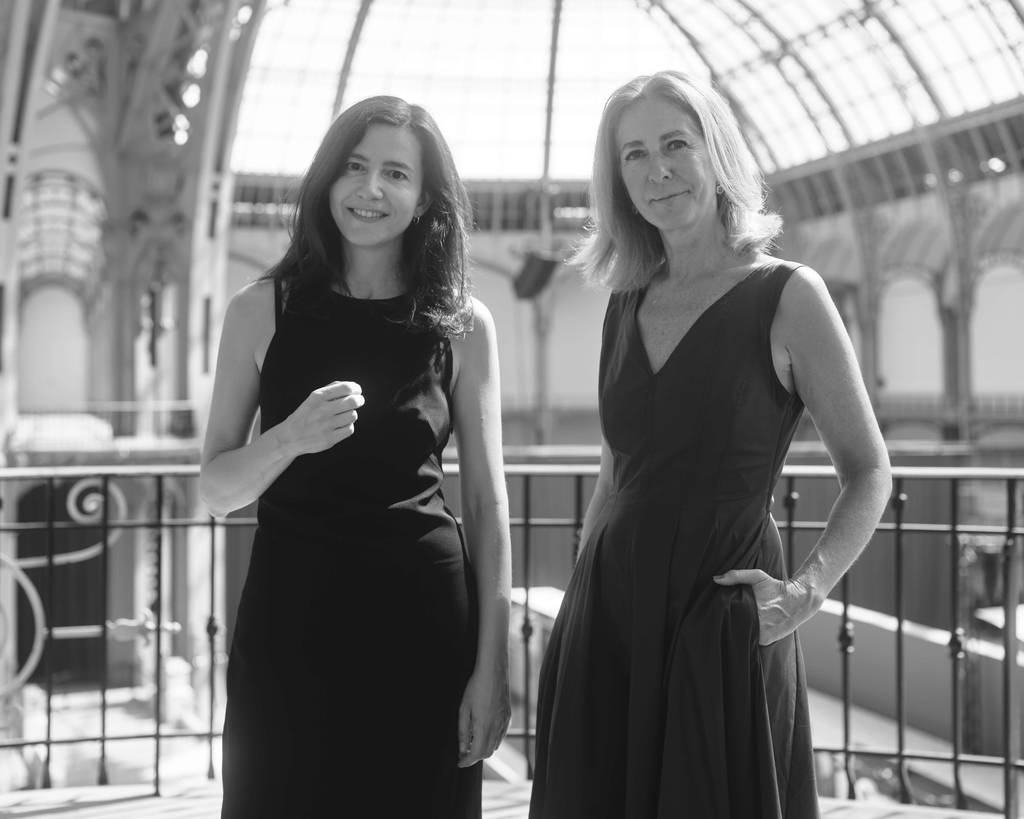
The Bicentennial provides the central thread of the 2026 edition. Florence Bourgeois, Director of Paris Photo, and Artistic Director Anna Planas have shaped a programme tracing photography’s technical and cultural evolution, placing pioneering processes in dialogue with contemporary practices.
A major highlight comes from the Centre Pompidou, which will showcase around 100 works by 30 artists from its collection, including recent Bicentennial acquisitions. At the Grand Palais entrance, Thomas Ruff will unveil a retrospective installation conceived as an open book, reflecting his experimental approach to the photographic image. Elsewhere, daguerreotypes, calotypes and photograms offer a glimpse of photography’s earliest experiments alongside works that challenge its established boundaries.
The fair’s five sectors offer distinct perspectives on the medium, spanning established galleries, emerging talent, digital practices and the photobook.
© COLE BARASH
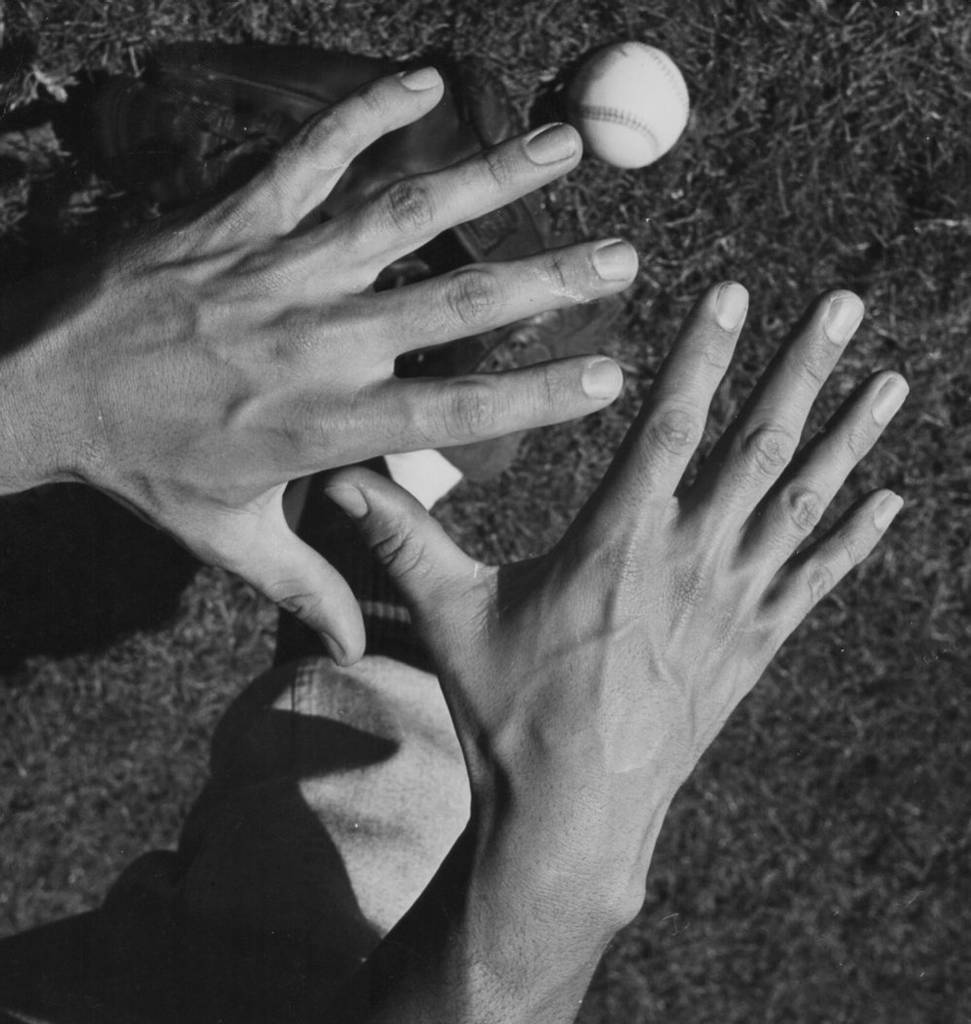
Stanley Kubrick 3, 1950
Courtesy of the artist & DUNCAN MILLER GALLERY
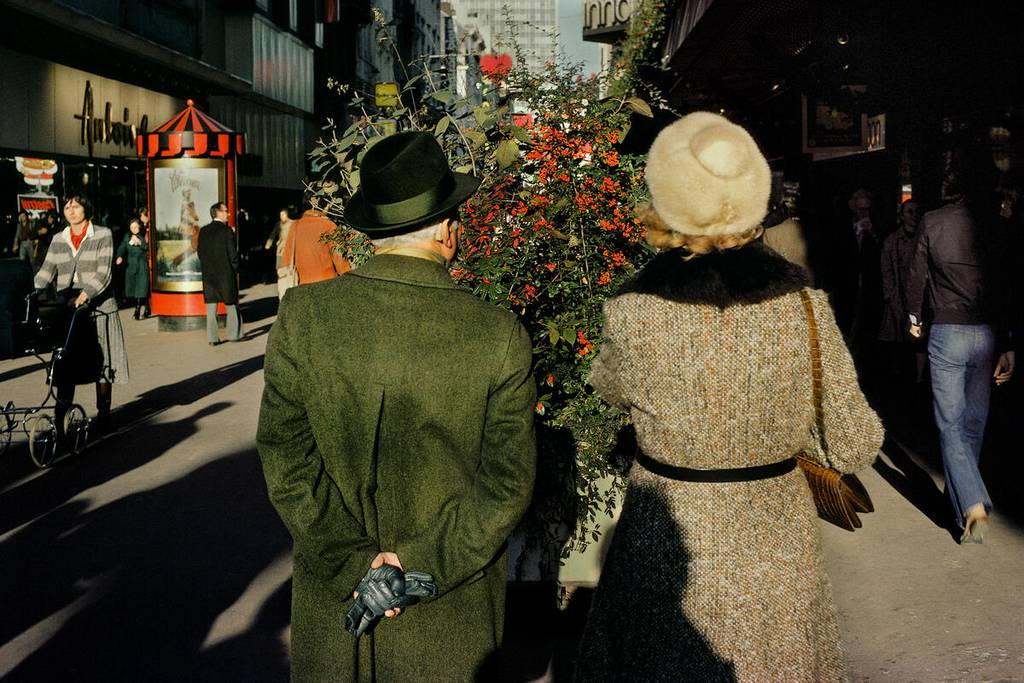
Rue Neuve. Brussels, Belgium. 1981
© HARRY GRUYAERT / MAGNUM PHOTOS
Five ways of seeing: sections and projects to discover
Main & Prismes: photography on a grand scale
The fair’s largest sector features 152 galleries from 32 countries, with 44 solo presentations, 10 duo shows, 93 group exhibitions and four large-scale Prismes projects conceived for the Grand Palais. Historical and contemporary photography meet across documentary, political and experimental practices.
Among the highlights:
Stanley Kubrick at Duncan Miller Gallery—Booth A20 features photographs from Kubrick’s assignments for Look magazine, including images never previously published or exhibited, offering a rare glimpse of his early career before cinema.
Jack Davison at COB Gallery—Revisiting his commission for Maroma, A Belmond Hotel, Davison captures the Mexican landscape through light, texture and abstraction. Two monumental black-and-white works feature multiple etched panels, accompanied by miniature photopolymer gravures.
Isabelle Le Minh at Christophe Gaillard—A solo presentation examining photography’s history, visual language and limitations.
Early photographic processes at Hans P. Kraus Jr.—Works by Louis Daguerre, William Henry Fox Talbot, Anna Atkins and Girault de Prangey trace the medium’s pioneering techniques.
At Booth C02, Magnum Gallery gathers 41 fine prints spanning several generations of photographers. Vintage works by René Burri, Leonard Freed, Philippe Halsman, Herbert List and Susan Meiselas appear alongside photographs by Chris Killip, Eve Arnold and Paul Fusco, as well as contemporary Magnum members Myriam Boulos, Zied Ben Romdhane and Gregory Halpern.
Voices: the many forms of disappearance
Curated by Zasha Colah and Francesco Zanot, the third edition of Voices takes Disappearance as its theme. The selection examines photography’s relationship with absence: a medium long associated with preserving people, places and moments now faces profound shifts in the digital age.
Historical images of vanishing worlds sit alongside contemporary works addressing threatened landscapes, marginalised communities and fragile social realities. Some artists explore disappearance through materials that fade or deteriorate, while others extend photography into sculpture, painting and installation.
Four presentations to look out for:
Viasaterna: Guido Guidi and Alessandro Calabrese—At Booth B57, the Milan gallery pairs Guidi’s attentive observations of everyday landscapes with Calabrese’s experimental post-photographic practice, moving between abstraction and documentary vision.
Léonard Pongo at Kristof De Clercq Gallery—A solo presentation exploring the relationship between photography, landscape and perception.
Hannah Darabi at Ithaque—The Iranian-born, Paris-based artist examines history, politics and visual culture.
Ulay at Charim—A tribute to the influential performance artist, whose practice challenged conventions of the body, identity and photographic documentation.
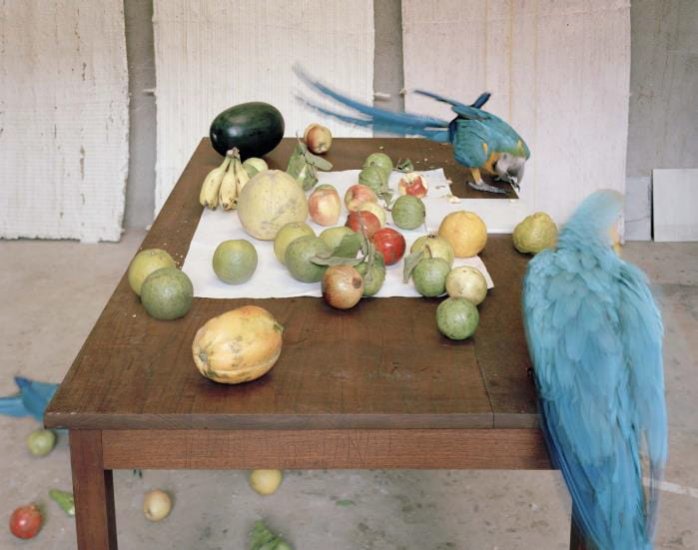
Natura Morta con Pappagalli, 2020
Courtesy of the artist & GALLERIA MAZZOLI
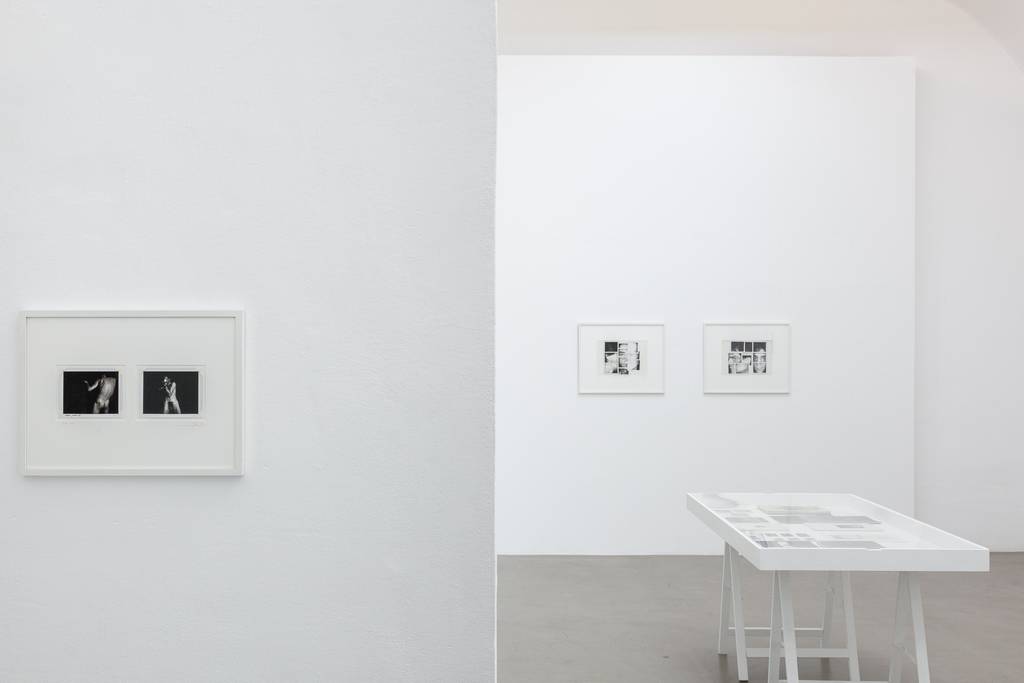
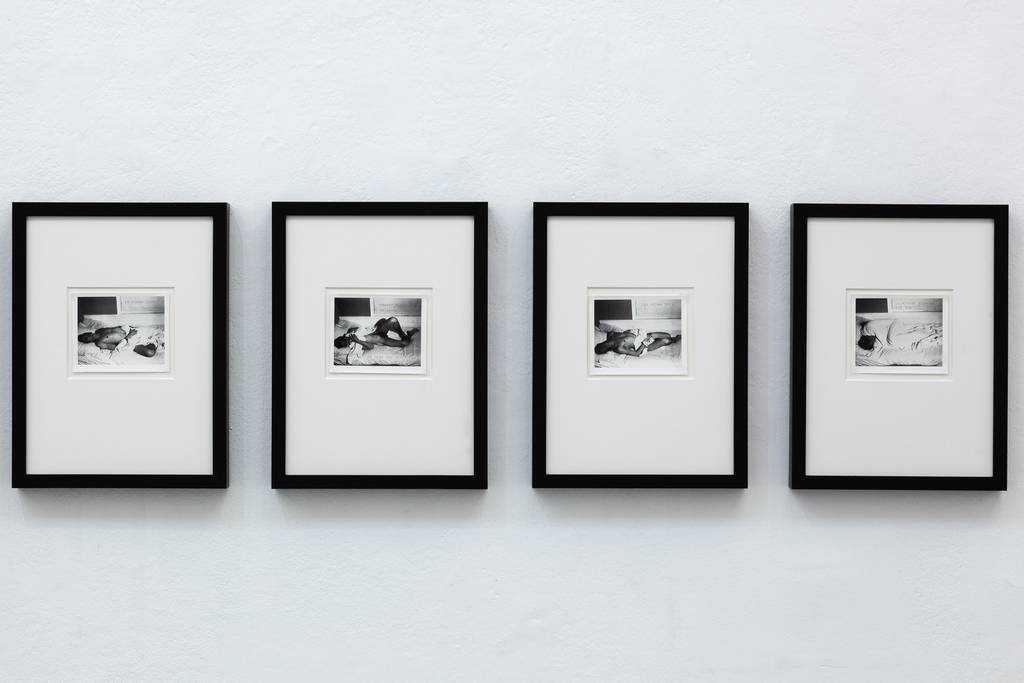
Traumatic Fears, 1973, series of 7 Original Auto- Polaroids, type 107, with typewriting (aphorisms in German), 8.5 x 10.8 cm each, 24 x 32 cm (framed each)
Photography courtesy of CHARIM GALERIE
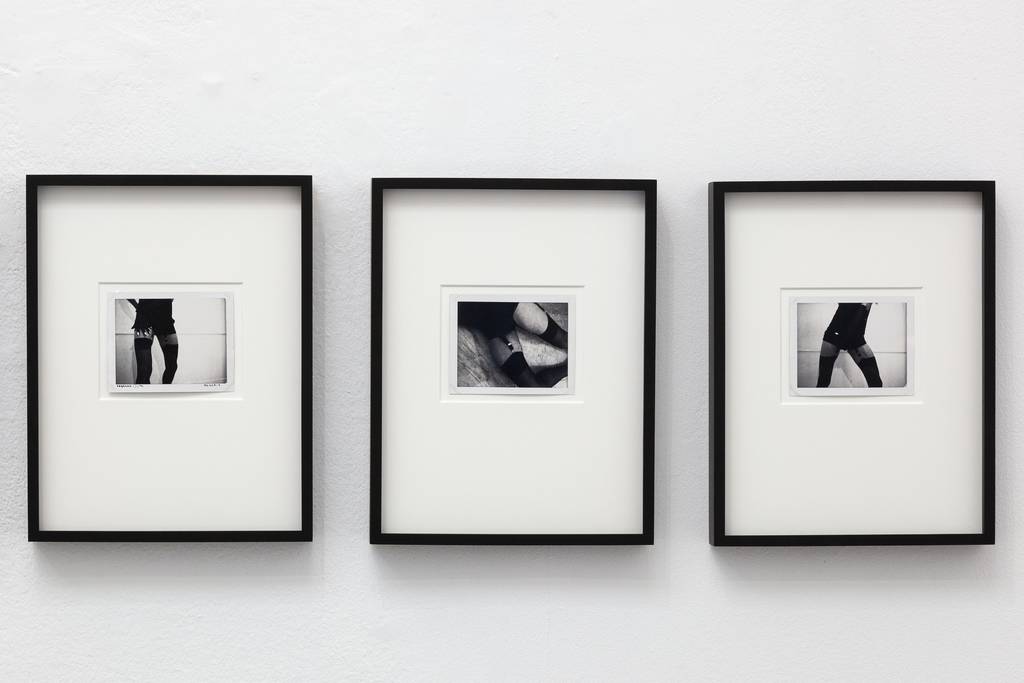
Death of a Transvestite, 1973, series of 6 original Auto-Polaroids, framed separately each 8.5 x 10.8 cm
Photography courtesy of CHARIM GALERIE
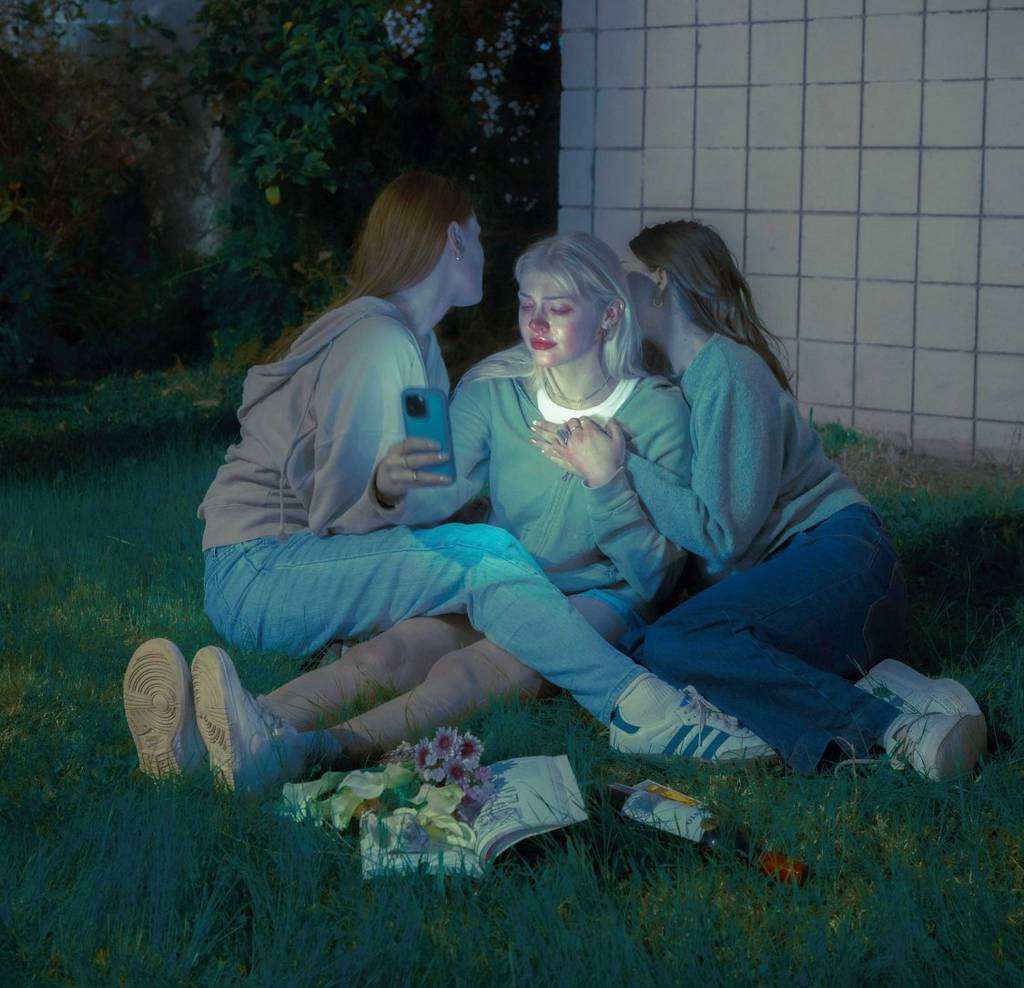
Ivy Street, 2026
Courtesy of the artist & NGUYEN WAHED
Digital: the image in the age of algorithms
Curated by Marco de Mutiis, Digital returns with 12 galleries, platforms and special projects investigating technology’s influence on how images are produced, circulated and perceived. Social media aesthetics, facial recognition, artificial intelligence and digital manipulation feature in a programme examining the increasingly complex relationship between humans and machines.
Selected projects include:
Vincent Fournier at Galerie Au Cube—Rosa Aetherialis explores speculative worlds through digitally constructed imagery.
Harm van den Dorpel and collaborators at AUTOMATA—A group presentation exploring algorithms, digital systems and networked image-making.
Summer Wagner at Nguyen Wahed—Atmospheric photographs and staged scenes question the boundaries between constructed and perceived realities.
Emergence: a new generation of photographic voices
Dedicated to emerging artists and galleries, Emergence features 20 solo projects from nine countries. Documentary storytelling, personal histories, political narratives and material experimentation define this year’s selection.
Notable presentations include:
Kingsley Ifill at Hannah Barry Gallery—At Booth H02, the British artist exhibits Amor Fati, a series of 20 black-and-white platinum-palladium prints on Japanese Tosa washi paper. Housed in intricately hand-carved wooden frames, the photographs occupy a space between image, object and craftsmanship.
Ricardo Cases at Galeria Reus—A study of time, repetition and everyday gestures, centred on a carpenter resting in his workshop.
Randa Mirza at Tanit—Photography, poetry and calligraphy address the destruction caused by war in southern Lebanon.
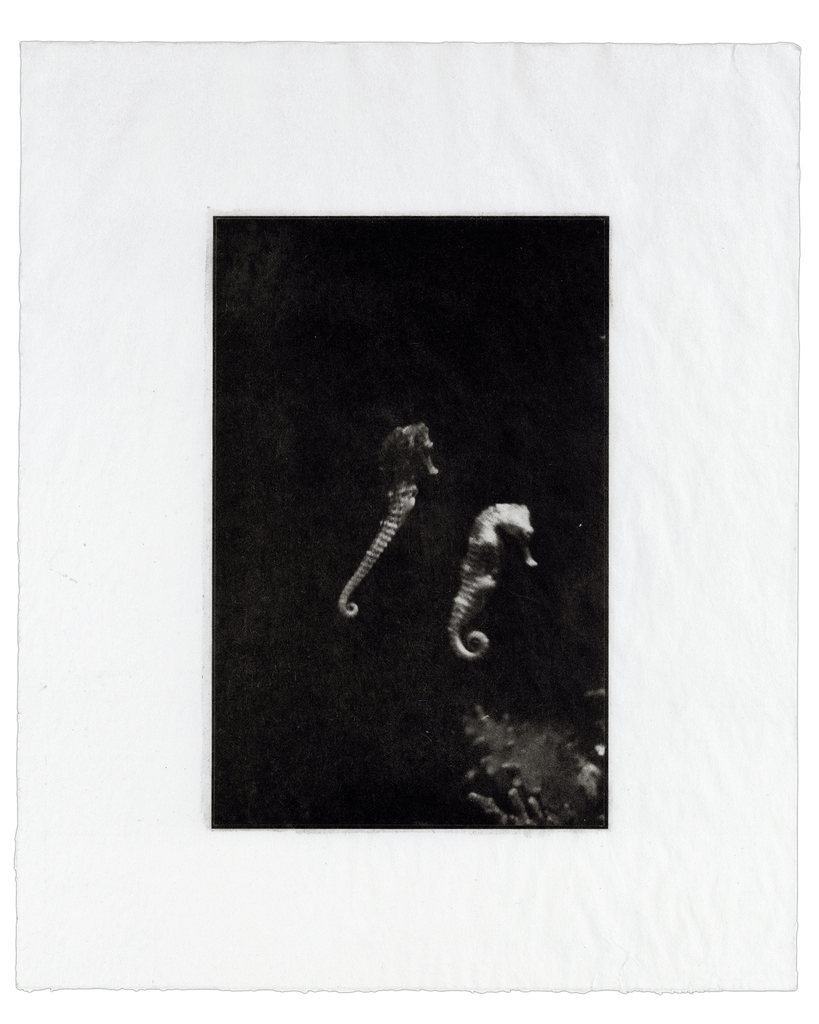
S’agapo, 2026. Platinum palladium print on Tosa Washi Paper; 22.8 x 27.7cm (unframed). Unique

Book: photography beyond the frame
The Book sector celebrates the photobook as a distinct artistic medium and a vital form of circulation. This year, 49 publishers and specialist booksellers from 17 countries will showcase contemporary publications, limited editions, artists’ books and rare volumes. More than 400 photographers, writers and artists are expected for signings, while Book Talks, organised with Printed Matter, will examine the relationship between photography and the artist’s book.
Beyond the booths: a wider celebration of photography
The Bicentennial programme extends across the fair through Elles × Paris Photo, an initiative supported by the French Ministry of Culture that champions the visibility of women photographers. Further events include Conversations, Book Talks, guided tours, the Paris Photo–Aperture PhotoBook Awards and educational projects.
With more than 220 exhibitors, Paris Photo 2026 offers a sweeping portrait of a medium at a pivotal moment. From the first experiments with light-sensitive materials to algorithmically generated imagery, its 29th edition revisits two centuries of photographic history while questioning what the next chapter might hold.
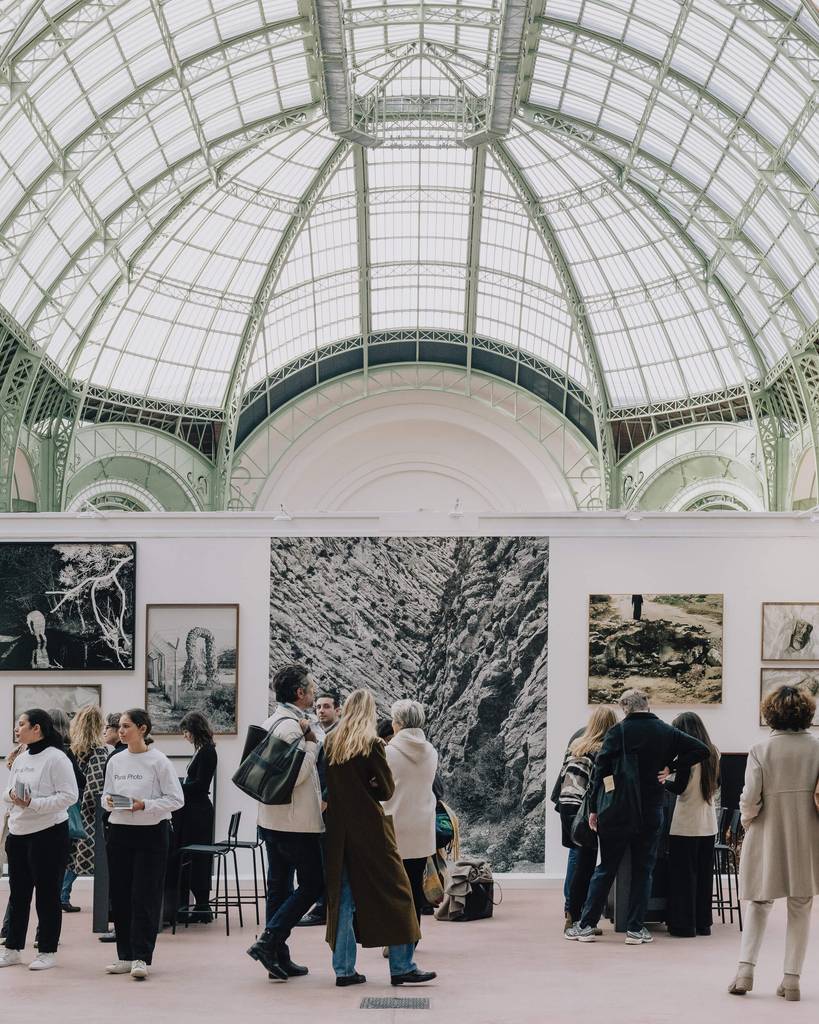
© GRÉGOIRE GRANGE
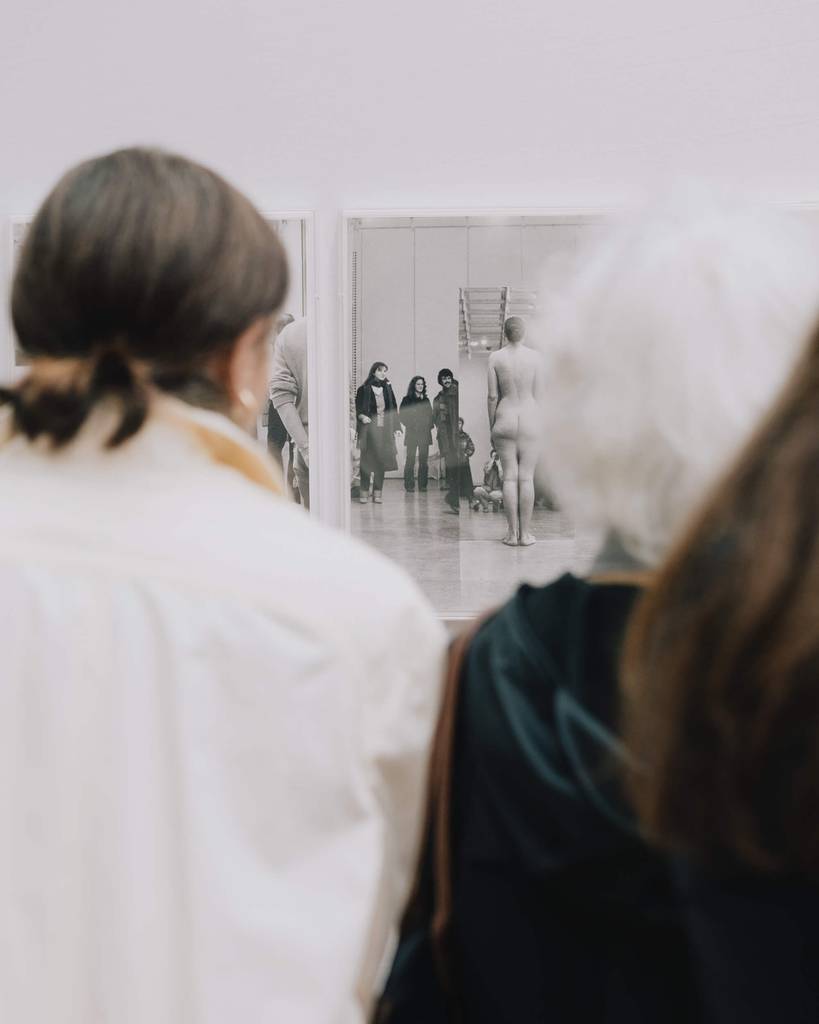
© GRÉGOIRE GRANGE