Photography by SEAN AND SENG
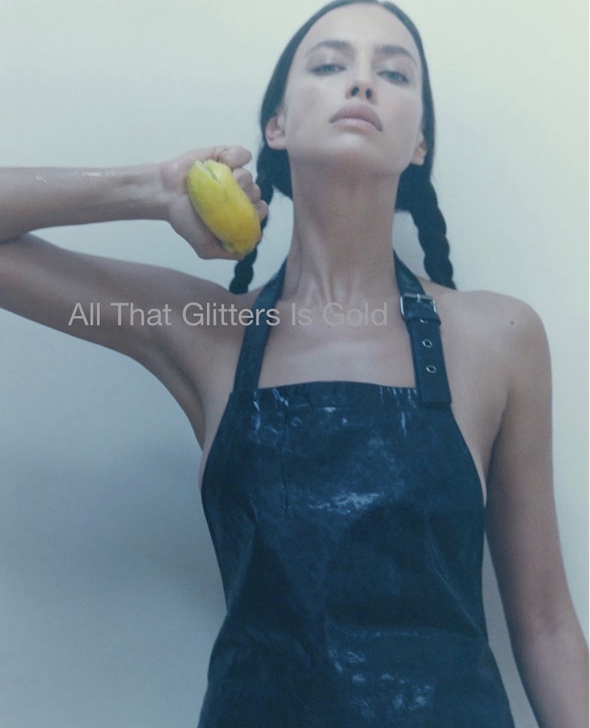
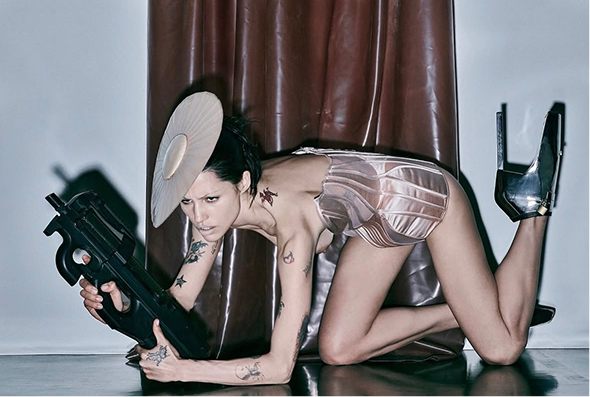
Photography by STEVEN KLEIN
Styled by RAS BARTRAM
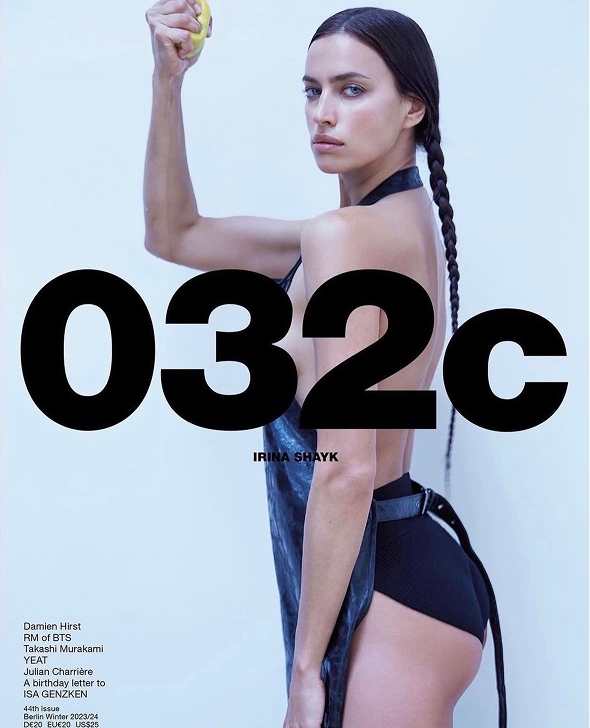
Ras Bartram’s approach to fashion styling is rooted in a rich mix of early influences. A stylist and creative consultant who previously served as the fashion director of 032c and currently acts as editor-at-large at CR Fashion Book, he brings a layered sensibility to his collaborations—one in which every detail contributes to a cohesive world rather than isolated looks. His work consistently balances precision with a willingness to take risks, creating visuals that feel both curated and slightly unresolved. This makes him sought-after in the fashion industry: his distinctive visuals, defined by character and edge, stand out in an increasingly homogenized landscape. In this conversation with hube’s editor-in-chief, Bartram reflects on memorability, the balance he maintains in his work, and why magazines still matter.
Sasha Kovaleva: Thinking back to your childhood, before fashion became a professional language—what were the first images, environments, or sensations that shaped how you see? Not necessarily fashion references, but anything that left a visual or emotional imprint on your sense of form, body, or atmosphere.
Ras Bartram: My first references were probably Disney villains, Alice in Wonderland, Sleeping Beauty, Maleficent, the Evil Queen, characters like that. They always looked the best to me: dark, theatrical, sharp. Tim Burton films had the same effect on me.
Later it shifted into early 2000s pop culture and music videos. The Black Eyed Peas, especially Shut Up and My Humps, then Madonna, Britney, and eventually Gaga. I was always drawn to artists who brought darker or more unsettling elements into their visuals. In my teens it became Bowie. Just everything Bowie. The constant transformation, the control of image, the world-building around him stayed with me. In my late teens I got more into dark wave, post-punk, and gothic rock bands like Siouxsie and the Banshees, The Sisters of Mercy, and Clan of Xymox. Beyond falling in love with the music, that visual universe definitely healed something in me. So it’s safe to say my main inspirations and references come from music. Anything is better if it comes with sound.
SK: We’re arguably in a moment where traditional notions of taste—good, bad, refined, vulgar—have collapsed into something more ambiguous and fluid. Yet your work still feels very precise, almost surgical in its decisions. Do you believe in taste as a meaningful category anymore, or are you operating according to a different internal logic?
RB: I think precision still matters, but perfection doesn’t interest me that much. I’m more interested in risk. Sometimes risk works against precision, but it also gives the work tension and personality. When something becomes too controlled or overthought, it usually loses something human.
I like the balance between instinct and precision—precise risks. I also think every era of your work matters, even the messy ones. Development is more important to me than consistency.