The Royal Institute of British Architects has announced the winners of the RIBA International Awards for Excellence 2026, honouring 34 exceptional projects across 15 countries and four continents. Celebrating outstanding sustainable architecture and design ingenuity, this year’s awards spotlight buildings that address urgent environmental, social, and urban realities with imagination and purpose.
Chosen from a shortlist of 52 projects, the winners span cultural venues, universities, factories, housing schemes, and civic spaces. All now advance to the final stage of the RIBA International Prize, to be presented in London on October 15th, 2026.
Sustainable architecture that serves communities
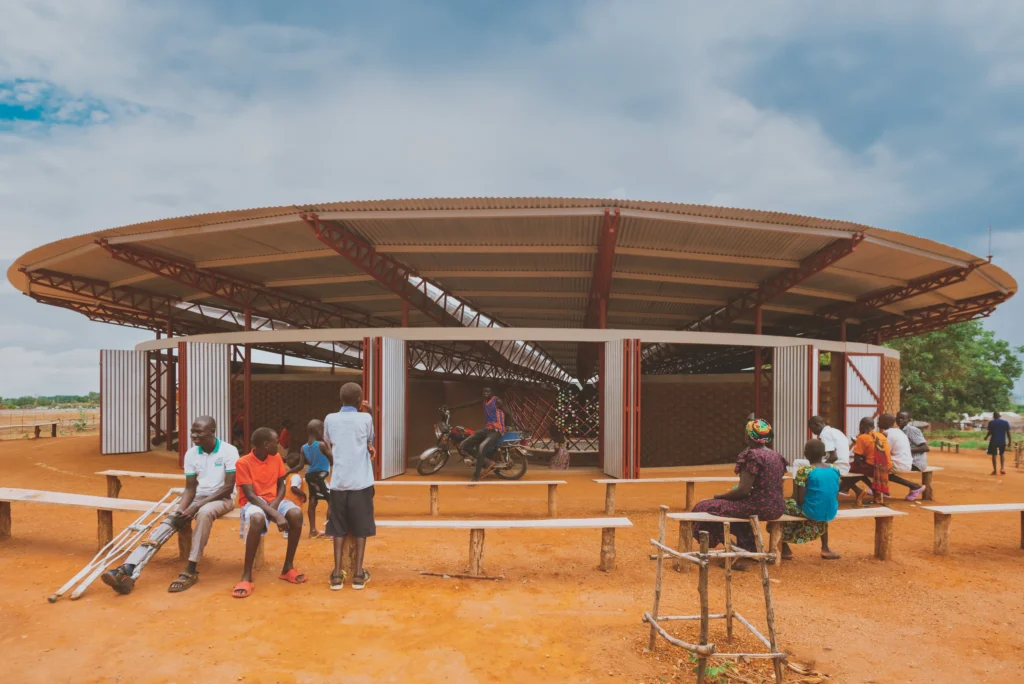
Among the most compelling recipients is the Bidi Bidi Performing Arts Centre in Yumbe District, Uganda, designed by Hassell and Localworks. Located within one of the world’s largest refugee settlements, the project offers a vibrant gathering place featuring a semi-open amphitheatre, music classrooms, recording facilities, and communal spaces.
Its sweeping elliptical roof harvests rainwater, while compressed earth-block walls and passive cooling systems reduce environmental impact. More than a cultural venue, the centre stands as an example of architecture’s ability to nurture creativity, belonging, and opportunity.
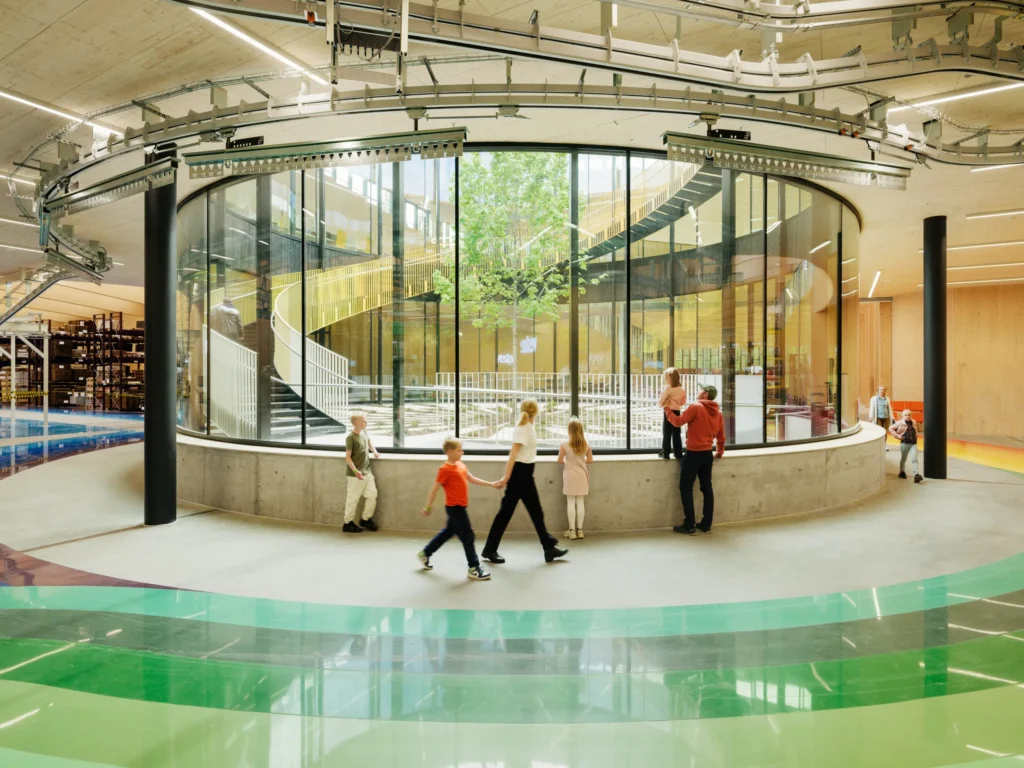
Equally notable is The Plus in Magnor, Norway, by BIG – Bjarke Ingels Group. Conceived as a carbon-neutral furniture factory, visitor centre, and public park, it combines local mass timber, recycled steel, and low-carbon concrete. The project has become a benchmark for sustainable architecture and is the first Nordic industrial building to achieve BREEAM Outstanding certification.
Climate-responsive architecture for a changing world
This year’s awards place particular emphasis on climate-responsive architecture, recognising projects that pair environmental responsibility with human well-being.
A standout example is BRAC University in Dhaka, Bangladesh, designed by WOHA. Built on a former dumping ground, the 13-storey campus serves 20,000 students through passive tropical design strategies. Shaded breezeways, natural cross-ventilation, and generous public spaces reduce reliance on air conditioning while fostering a stronger connection to nature.
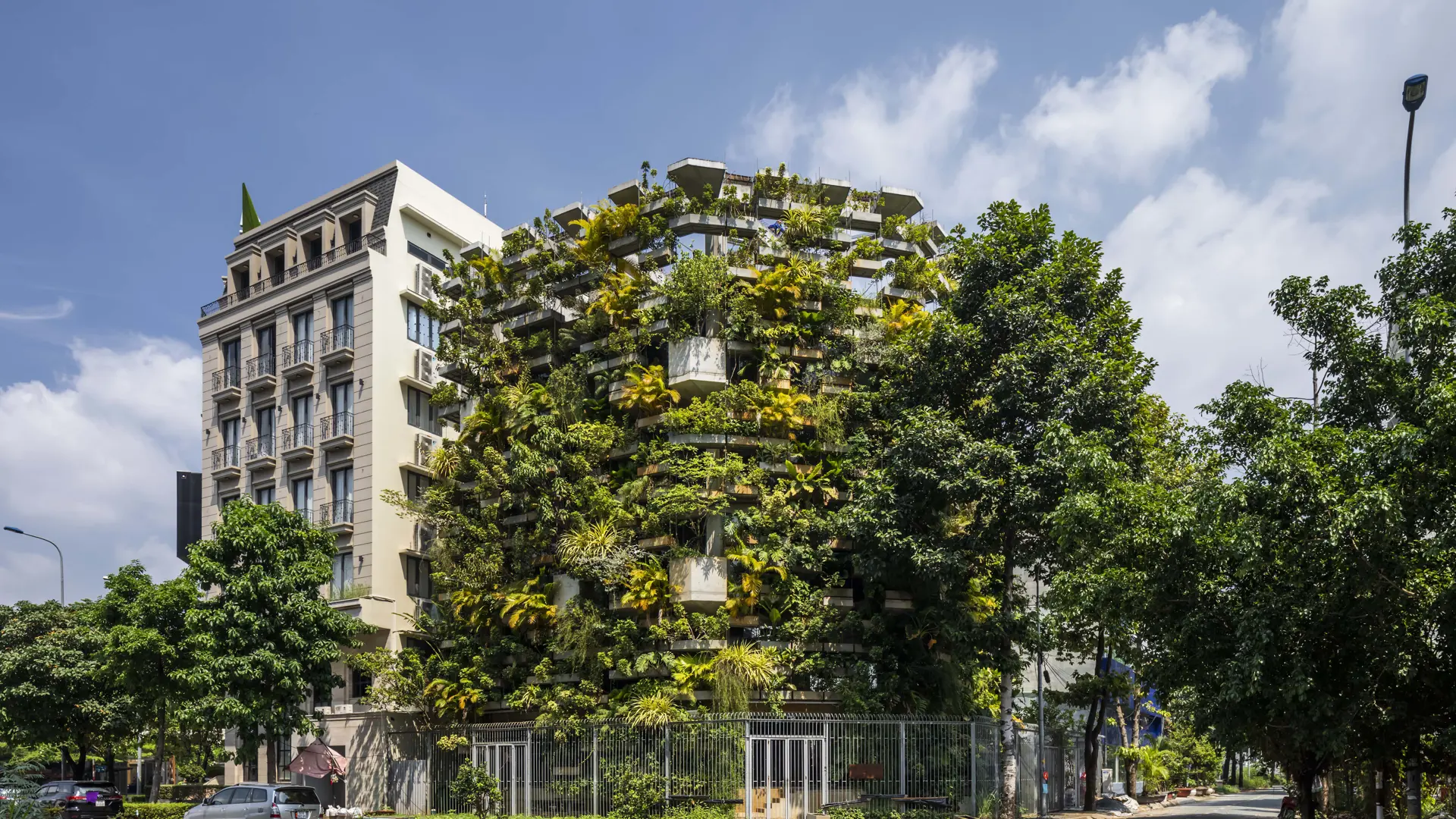
In Ho Chi Minh City, VTN Architects’ Urban Farming Project rethinks the office building as a living green infrastructure. Wrapped in planters filled with local vegetation, the structure helps reduce urban heat, improve air quality, and support food cultivation. It offers a persuasive vision for sustainable growth in rapidly expanding cities.
Rethinking housing and public space
Several award-winning projects propose fresh approaches to communal living and public engagement.
In Tokyo, Tenjincho Place by Hiroyuki Ito Architects reshapes a dense urban site around a dramatic 30-metre-high courtyard that channels daylight and natural airflow deep into the building. The design carefully balances privacy with collective experience.
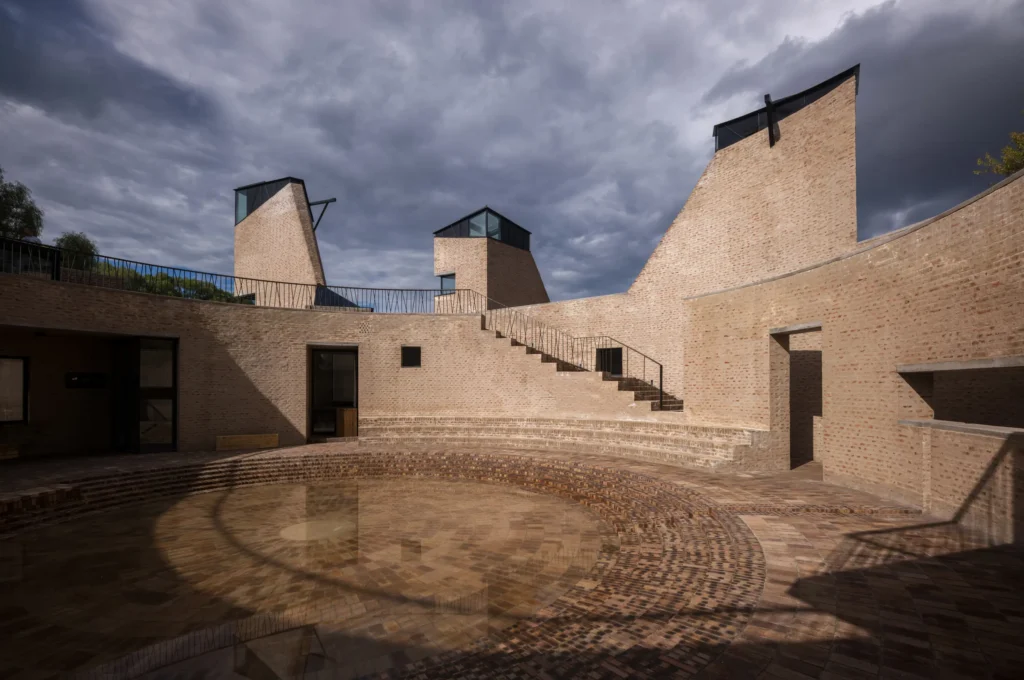
Meanwhile, the West Wusutu Village Community Centre in Hohhot, China, by Inner Mongolian Grand Architecture Design Co., Ltd., presents a new vision for rural civic architecture. Exhibition halls, gathering rooms, dining facilities, and outdoor spaces are organised around a circular courtyard that strengthens social bonds and local identity.
A global vision for the future
The RIBA International Awards 2026 reveal architecture’s growing role in addressing climate resilience, social equity, and cultural expression. From refugee communities in Uganda to university campuses in Bangladesh and carbon-neutral industry in Norway, the winning projects share a commitment to creating places with lasting value.
Collectively, they offer a vivid portrait of contemporary architecture—one in which sustainable and climate-responsive design has become a fundamental language for shaping a more resilient, equitable, and inspiring future.
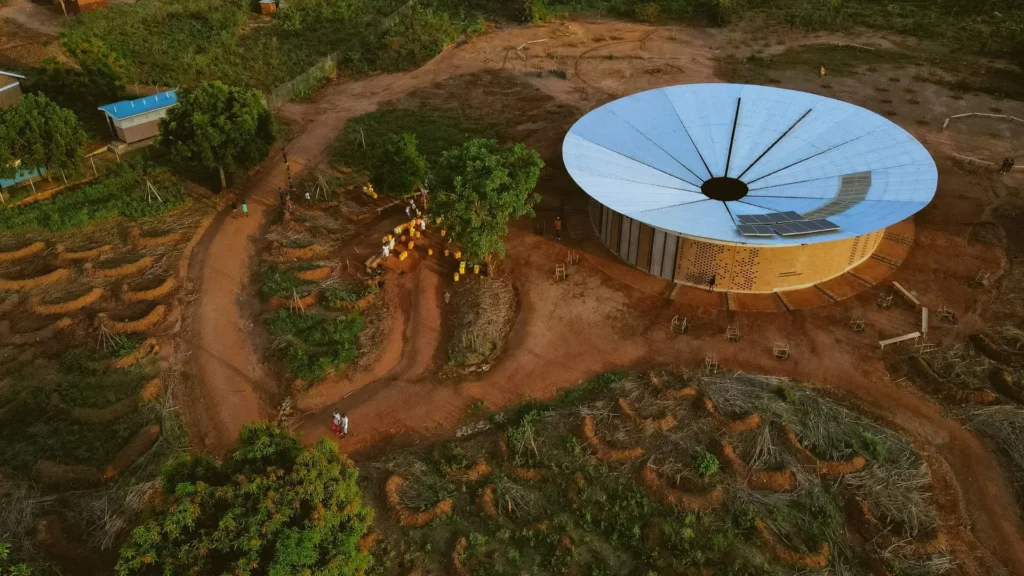
Bidi Bidi Performing Arts Centre
Photography by MUTUA MATHEKA
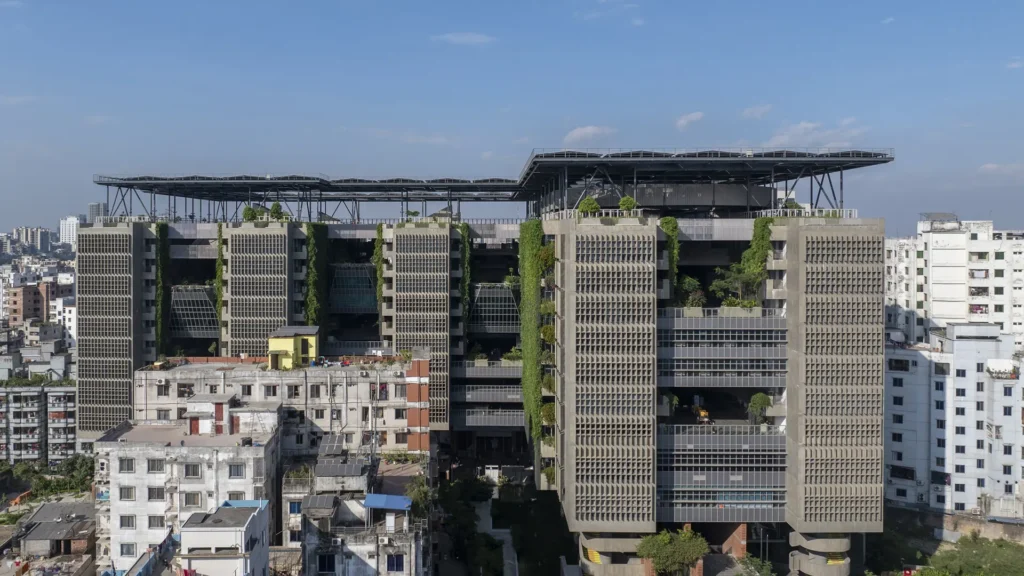
BRAC University
Photography by PRANTOGRAPHY
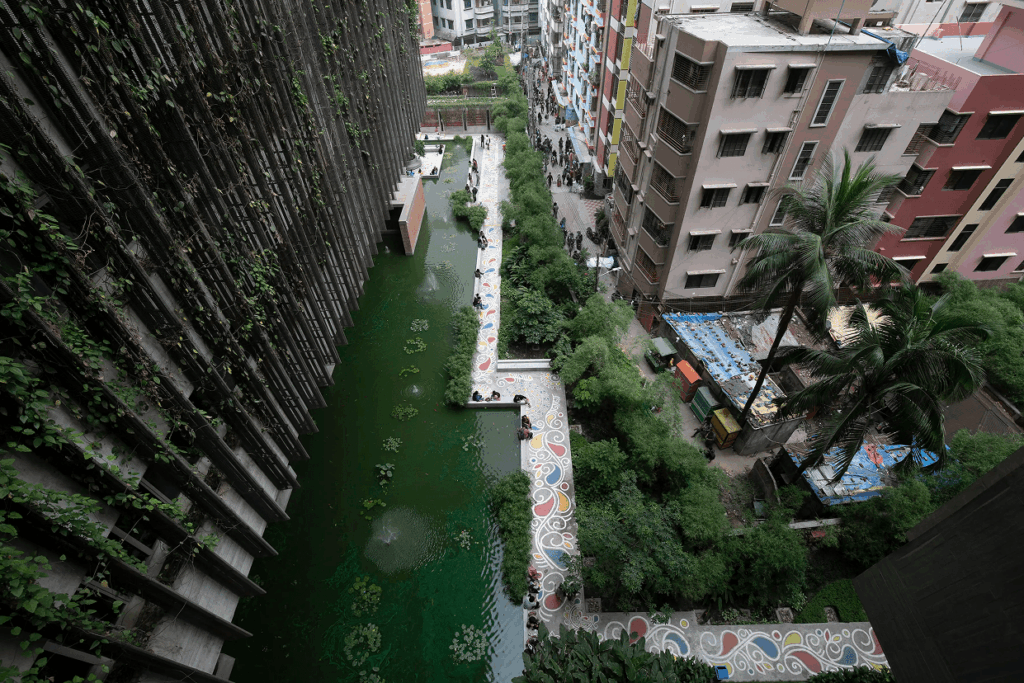
BRAC University
Photography by PATRICK BINGHAM HALL
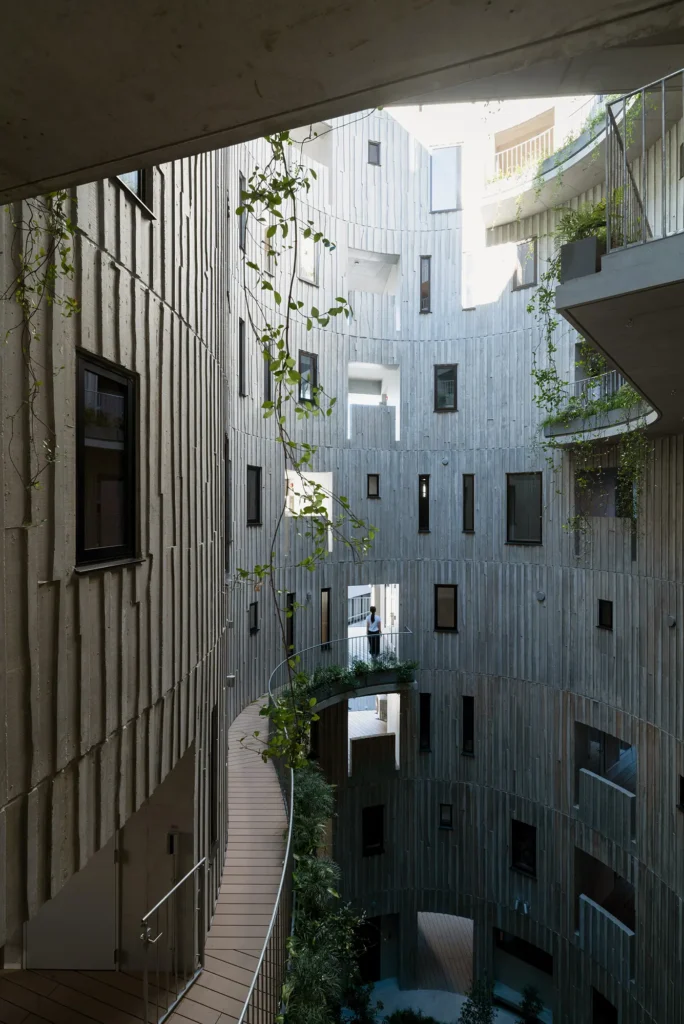
Tenjincho Place
Photography by MASAO NISHIKAWA
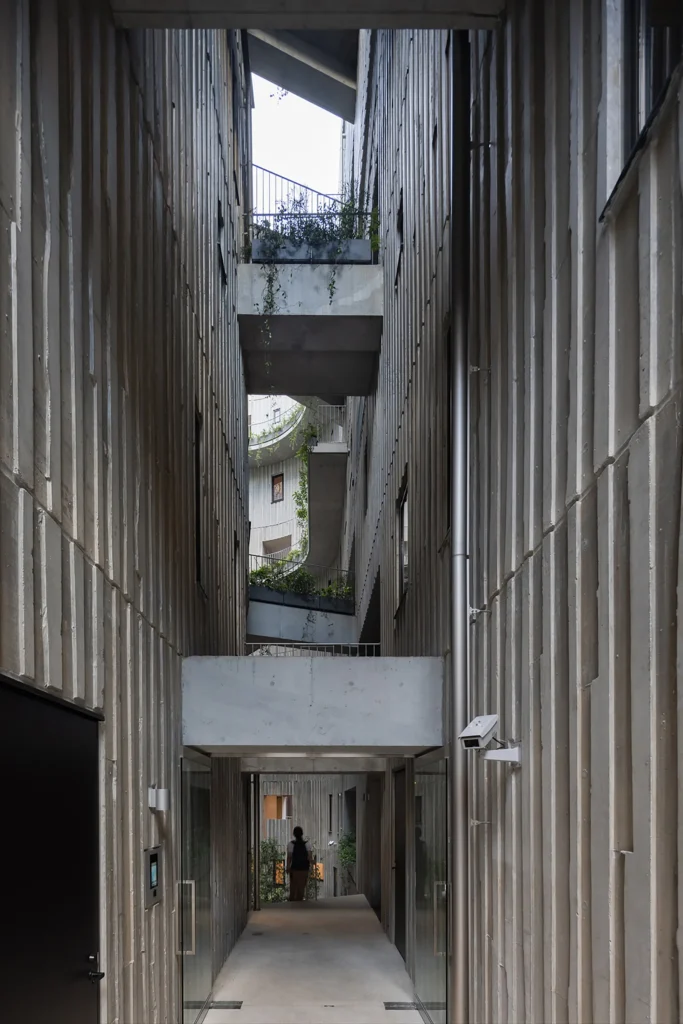
Tenjincho Place
Photography by MAKOTO YOSHIDA
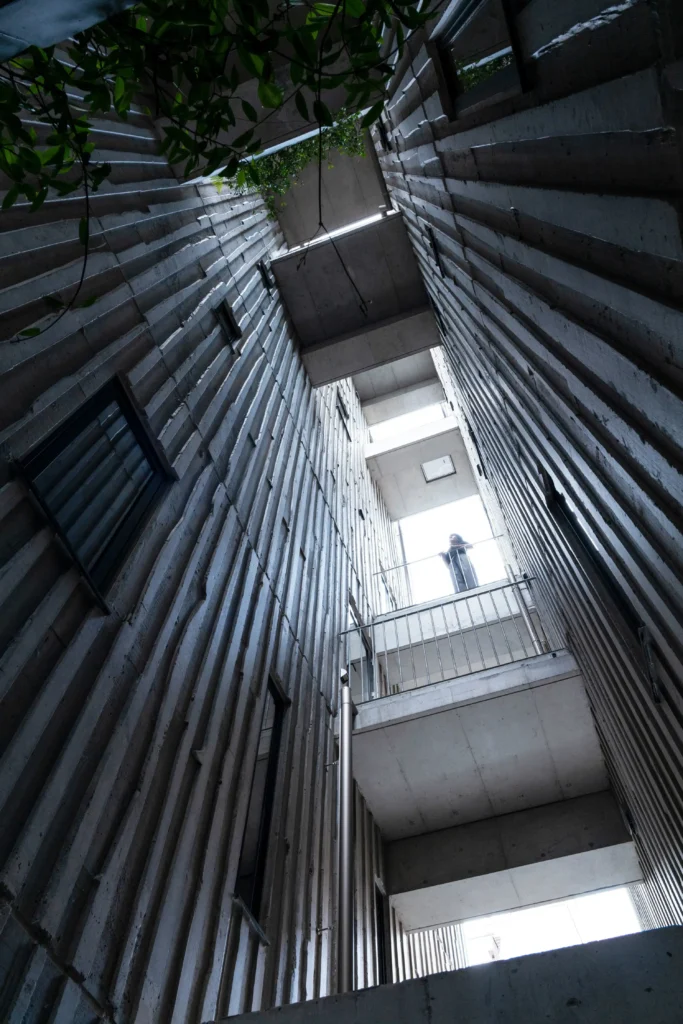
Tenjincho Place
Photography by MASAO NISHIKAWA
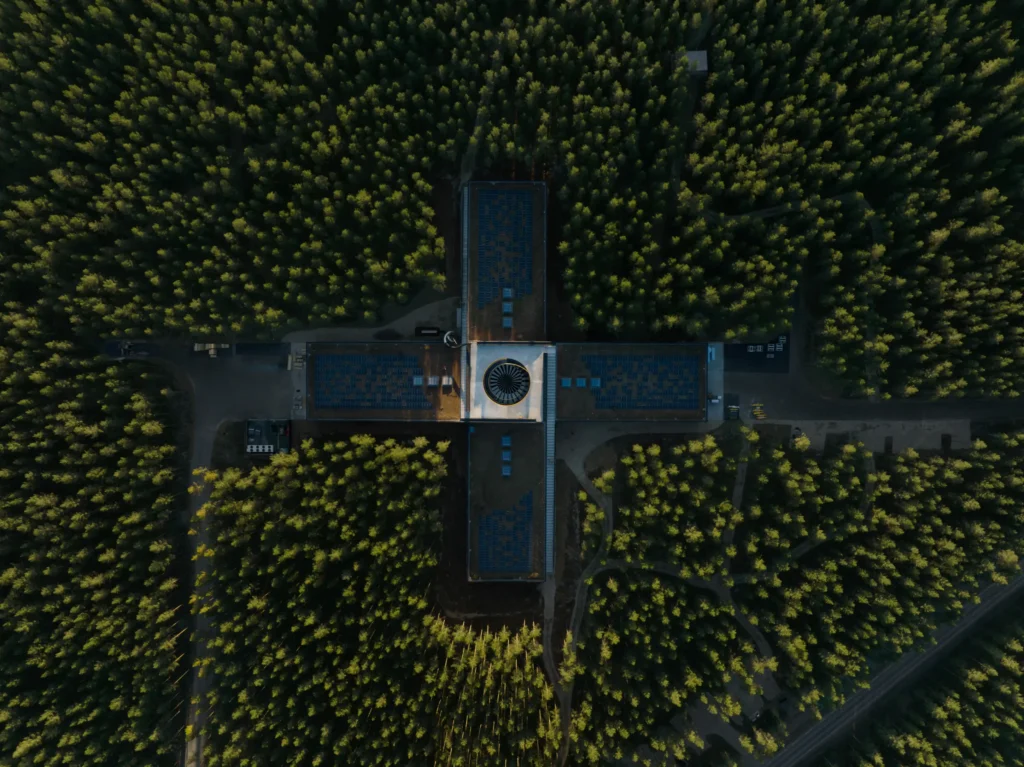
The Plus
Photography by EINAR ASLAKSEN
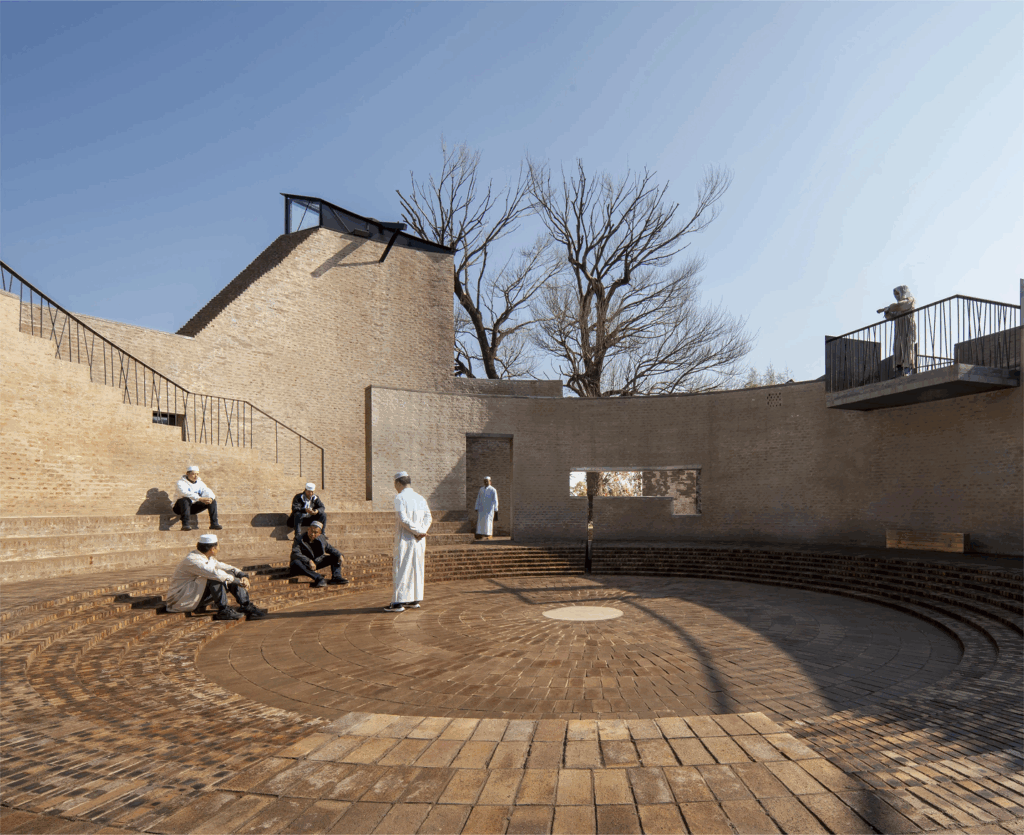
West Wusutu Village Community Centre
Photography by DOU YUJUN, XU FENG, ZHAO MINGZ
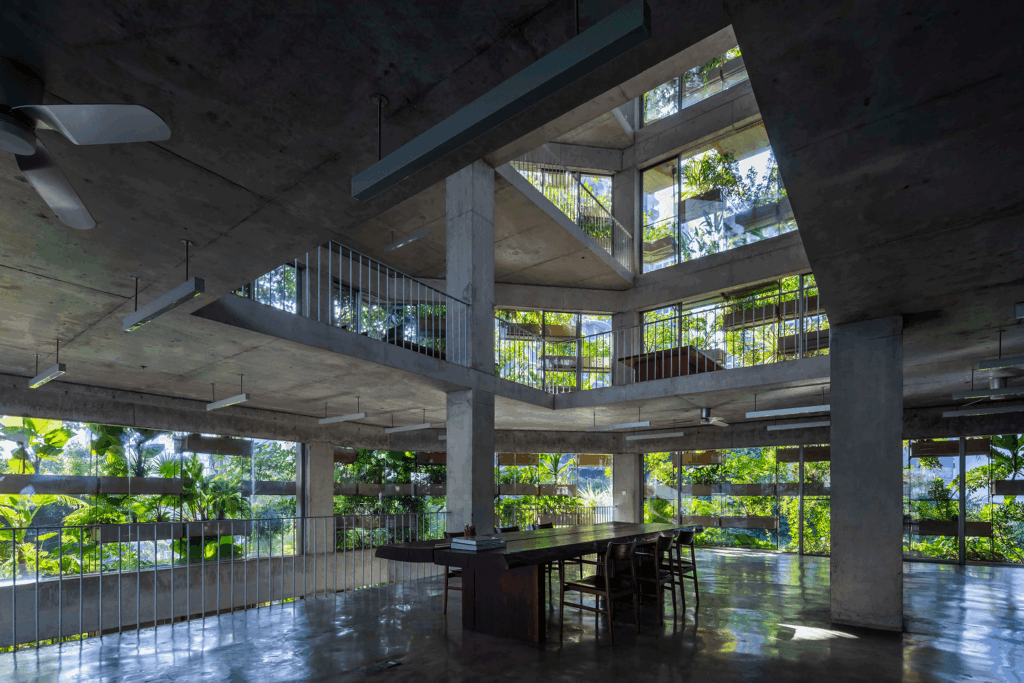
Urban Farming Project
Photography by HIROYUKI OKI