Photography by ILLYA OVCHAR
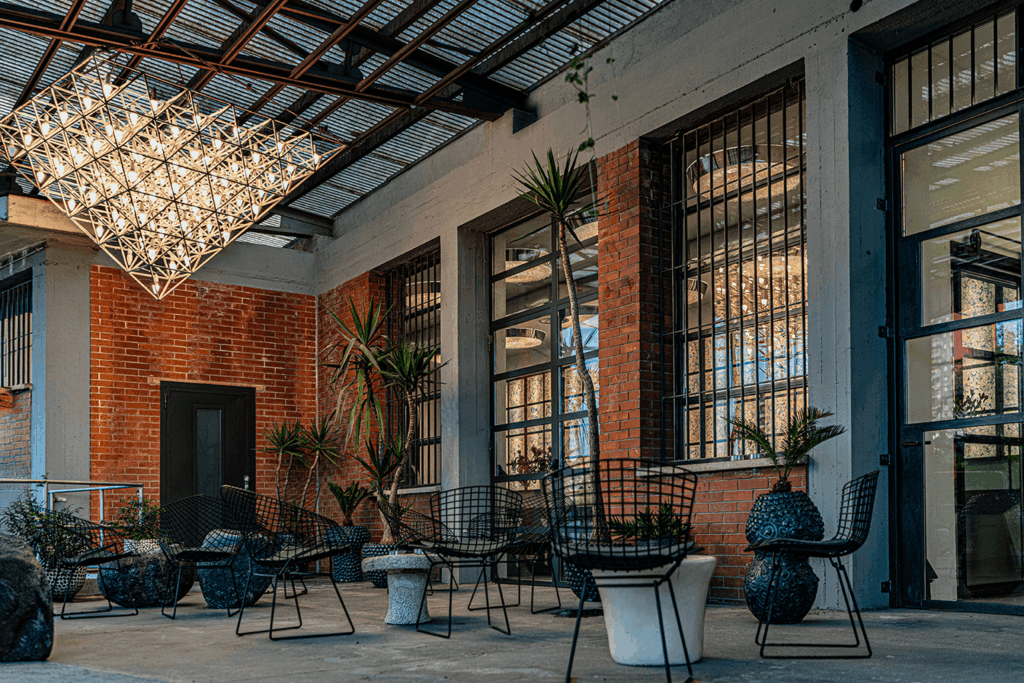
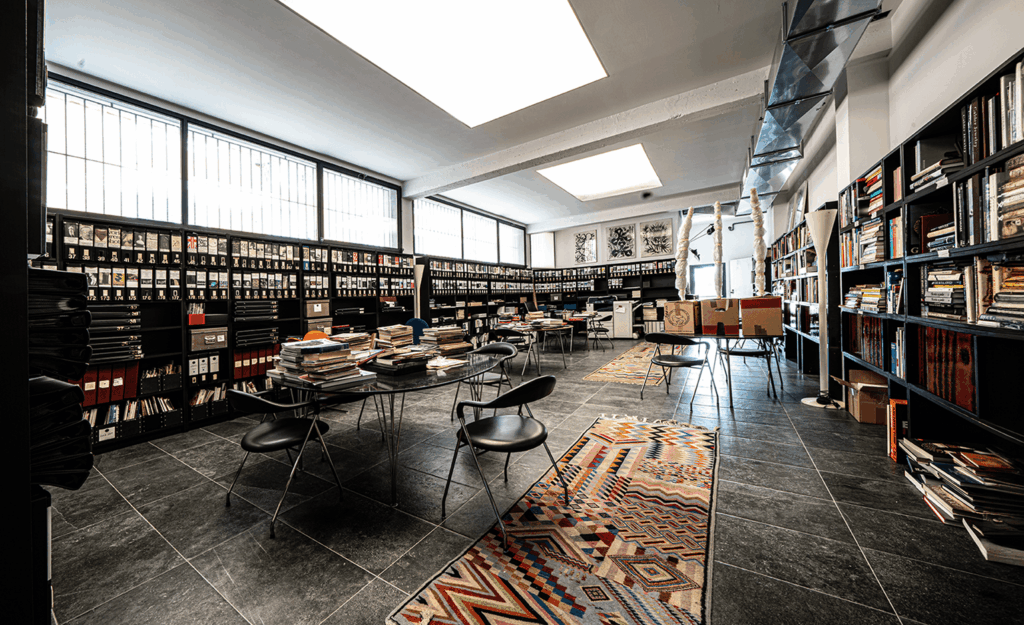
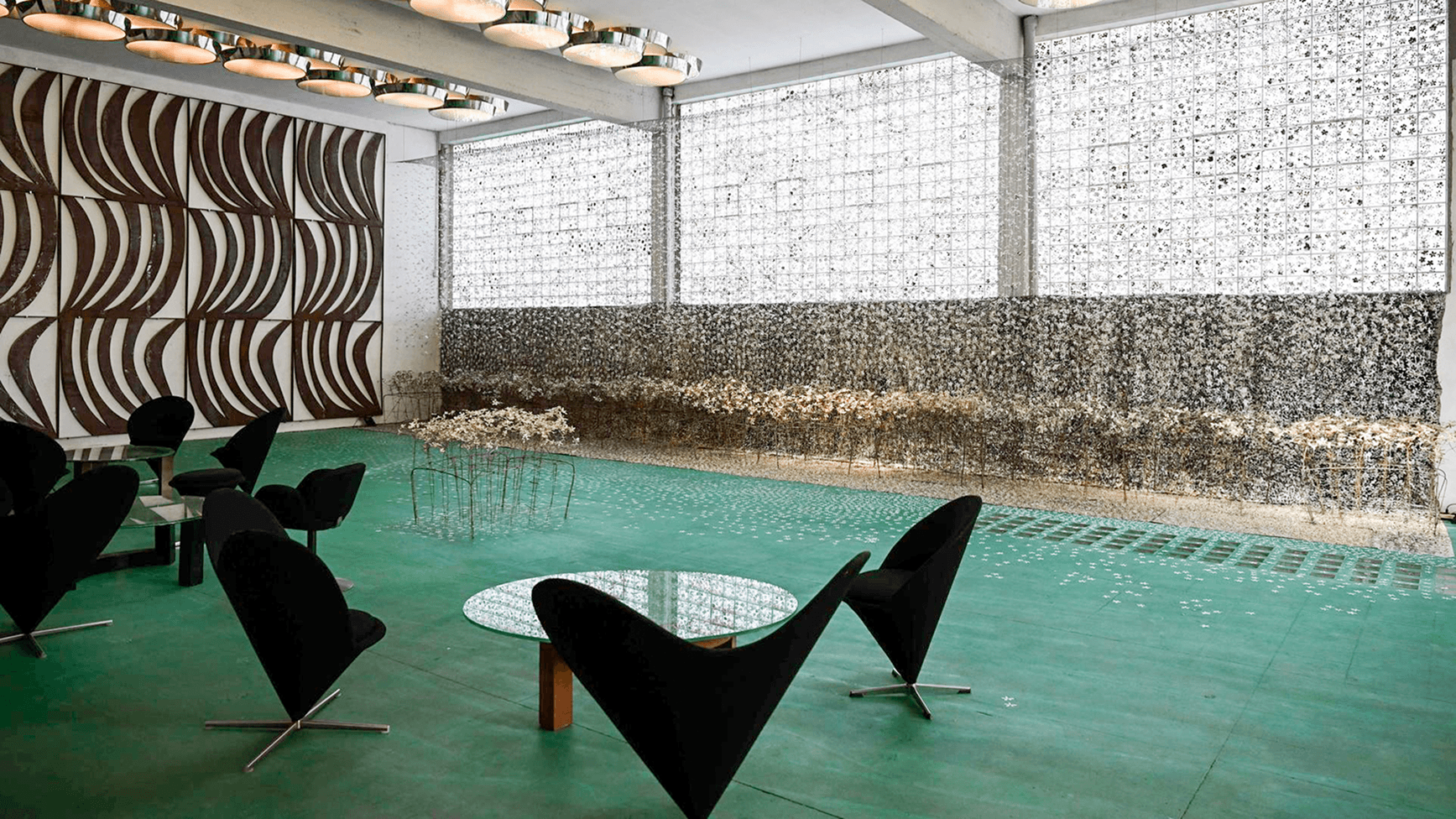
The Fondazione Sozzani understands an archive not as a place where the past is preserved, but as somewhere it can continue to live. Its collections of photography, fashion, design and the applied arts are made available to the young creatives who pass through the Foundation, allowing images, objects and ideas to move between generations rather than settle into history. Founded by Carla Sozzani, the institution has become part of Milan’s visual culture precisely by keeping it in motion: looking backwards, not out of nostalgia, but to understand what might still be possible.
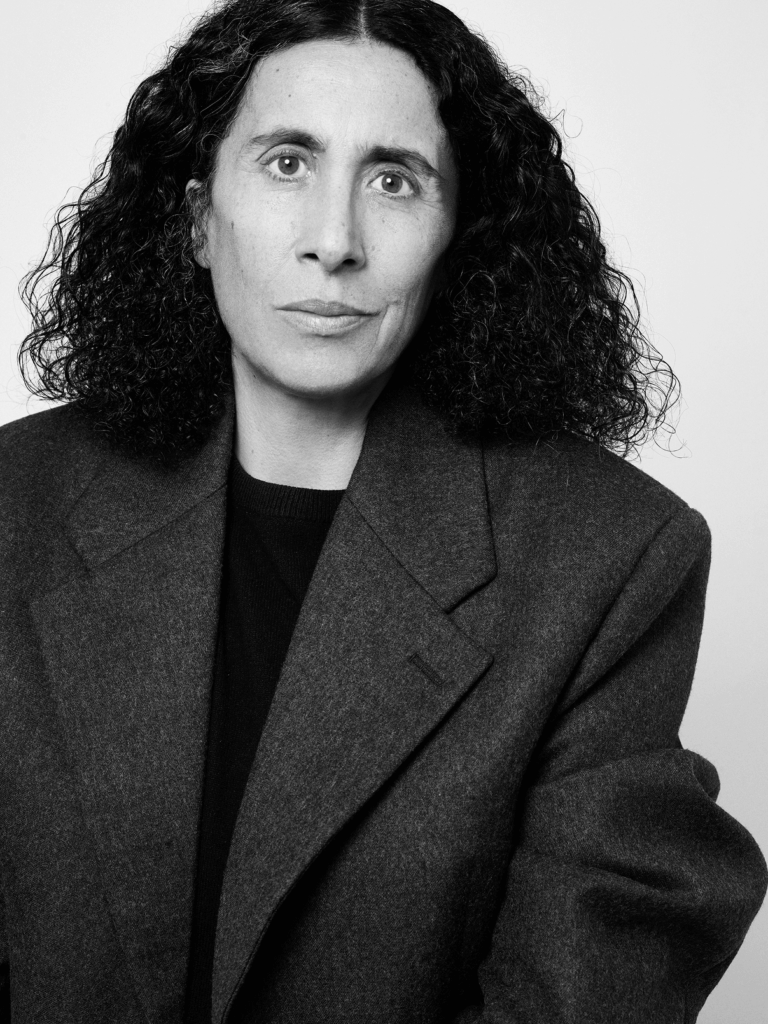
As Creative Director, Sara Sozzani Maino stands within this lineage with both loyalty and independence. After decades spent discovering and supporting emerging talent, she is expanding the Foundation as a space in which a new generation can develop on its own terms—and, crucially, at its own pace. In a creative economy increasingly organised around immediacy, visibility and volume, the Foundation proposes another measure of value: time, curiosity, craft and the freedom to resist a system that demands too much, too quickly. Its ambition is not simply to launch careers, but to give ideas the conditions in which they can endure.
This year, that philosophy has moved beyond the Foundation’s own walls. Through its participation in UNESCO’s Global Education Coalition and the launch of the Sozzani Award, which provides scholarships and educational support, the institution is extending its commitment to education, independence and women’s empowerment in craft and design. It is a natural evolution of an idea at the heart of Sozzani Maino’s practice: that cultural responsibility is not only about preserving what came before, but about deciding what is worth carrying forward. In conversation with hube’s Editor-in-Chief, she reflects on the life of an archive, the necessity of independence, the enduring value of making things slowly, and what it means to create a future without severing ties with the past.
Sasha Kovaleva: As Creative Director of the Fondazione Sozzani, you are extending a family legacy built around images, fashion, and culture into a new generation. Today, what do you see as the Foundation’s deepest purpose—and how does it create a slower, more reflective space within a world increasingly driven by speed and constant consumption?
Sara Sozzani Maino: The Foundation right now wants to become a place where people from the new generation can express their creativity—building on what Carla has done over the last forty, fifty years of her career, and what I’ve done in my thirty years. It’s about creating cultural heritage and education for the public, and becoming a place where you can draw on the insights of photography, art, design, and fashion, but also on our values and pillars, which are education and responsibility.
We want to encourage the new generation to express their creativity in different forms, without feeling they have to adjust to a market or a system that isn’t working right now. Part of our idea for the Foundation is understanding that there are different ways of expressing creativity and building a business—whether it’s a fashion brand or something else—and giving people the freedom of expression they don’t always find elsewhere. It has to be a place where people feel accepted and open to being seen. There’s obviously a selection process, but for us, creativity in all its forms is always welcome. That’s what the Foundation wants to be: a place where people can recognize themselves, whether they’re seeing an exhibition or studying in the library and looking through the archives. Cultural heritage matters a great deal to us.
I think this is especially important given what we’re facing now and in the future, because we have to look at the whole system—at quality versus quantity—and speak up about it. Right now, whether you’re a brand or a product, it’s always difficult at the beginning: you may not have economic support, or you need visibility. The challenges are different depending on the person. But I think the best way is to start at your own rhythm, in your own way of seeing things, without getting trapped in a system that demands too much, too fast. It’s a slower way, maybe, but a very important one.