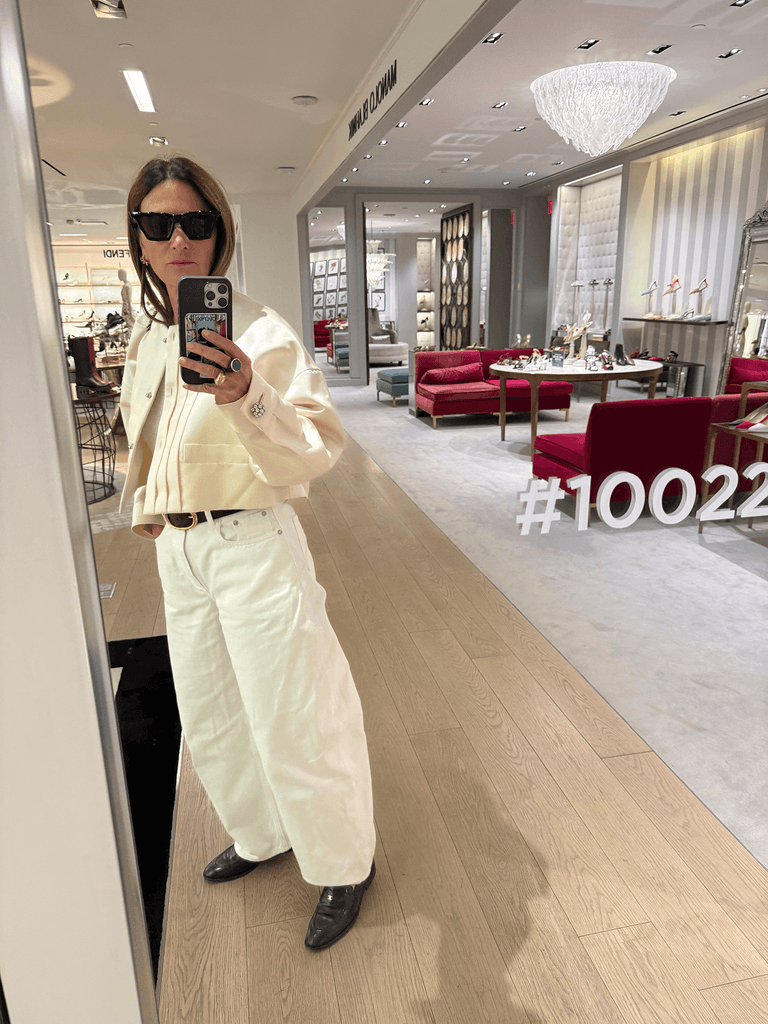
Sarah Harrelson has spent more than three decades shaping the way we read, look at, and think about culture. Her career began in the early 1990s, moving through established fashion titles before taking her into the worlds of design and contemporary art. At The Miami Herald, she launched the paper’s Home and Design section; she later covered the first edition of Art Basel in Miami and went on to edit Ocean Drive and Art Basel Magazine. Her own relationship with collecting began at the fair, too. In 2010, on the recommendation of artist Dara Friedman, she bought her first work: a painting by Spencer Sweeney.
Two years later, she founded CULTURED, a magazine she has led as editor-in-chief ever since. Art, design, fashion, and food share its pages, reflecting a view of culture that resists neat boundaries. What began as a print publication distributed across the United States has since grown into a broader platform encompassing a website, films, live events, and CULTFORUM. Among its recurring features is the Collector Questionnaire, an intimate series in which contemporary art collectors speak about the works they live with and the stories behind them.
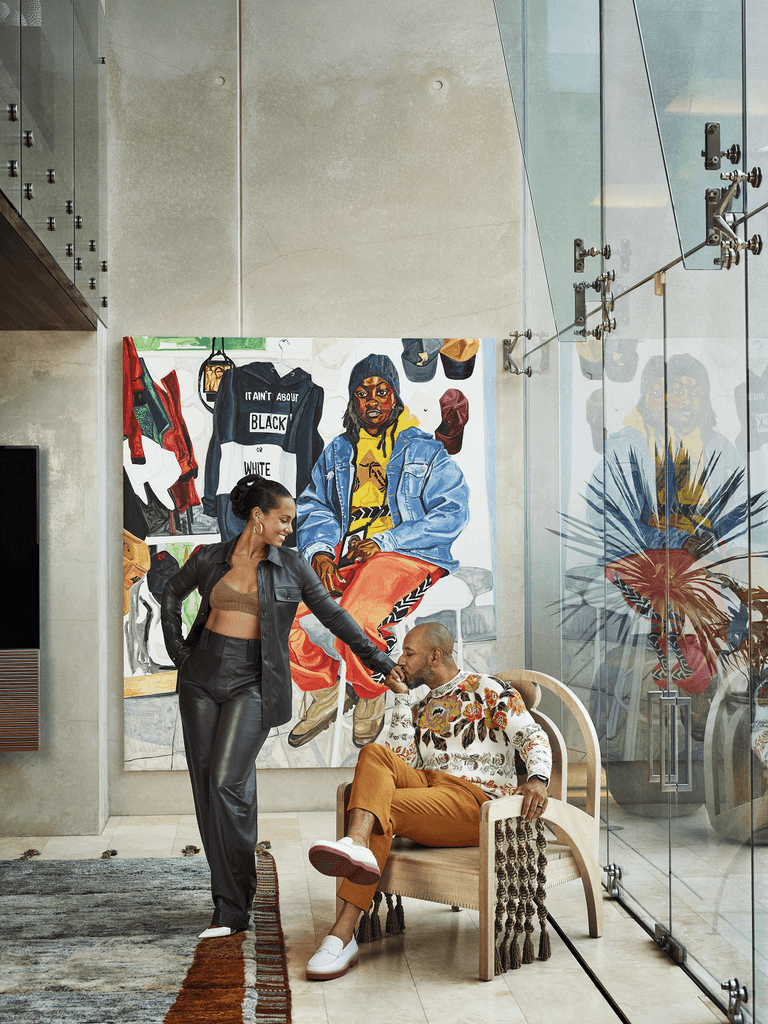
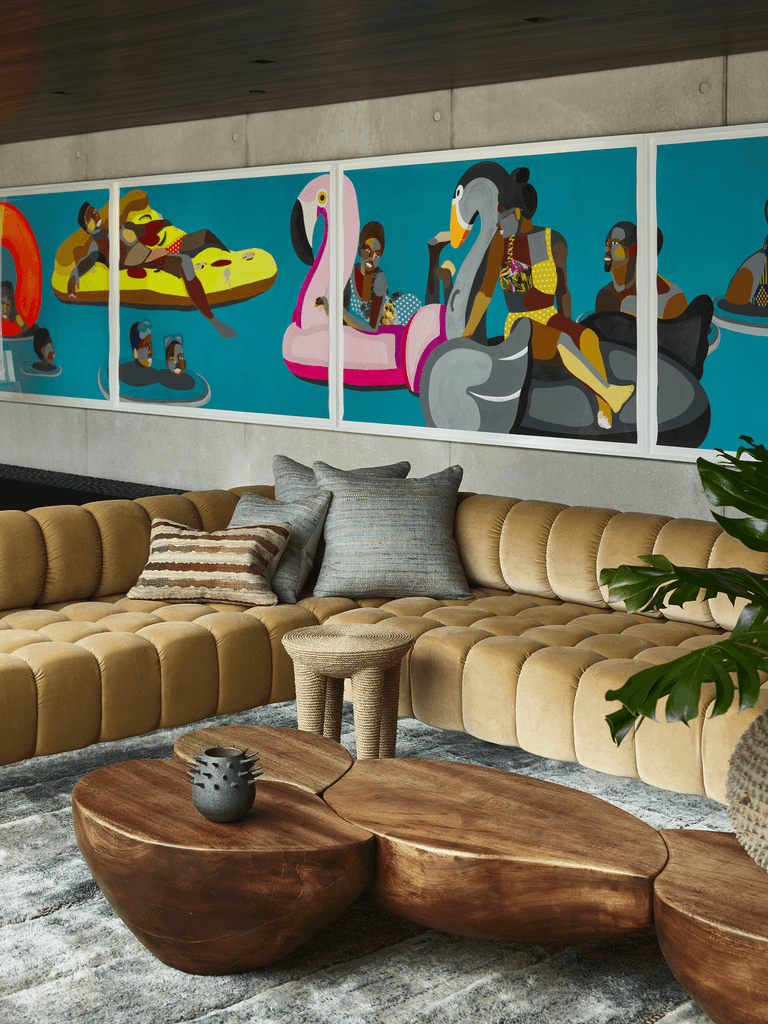
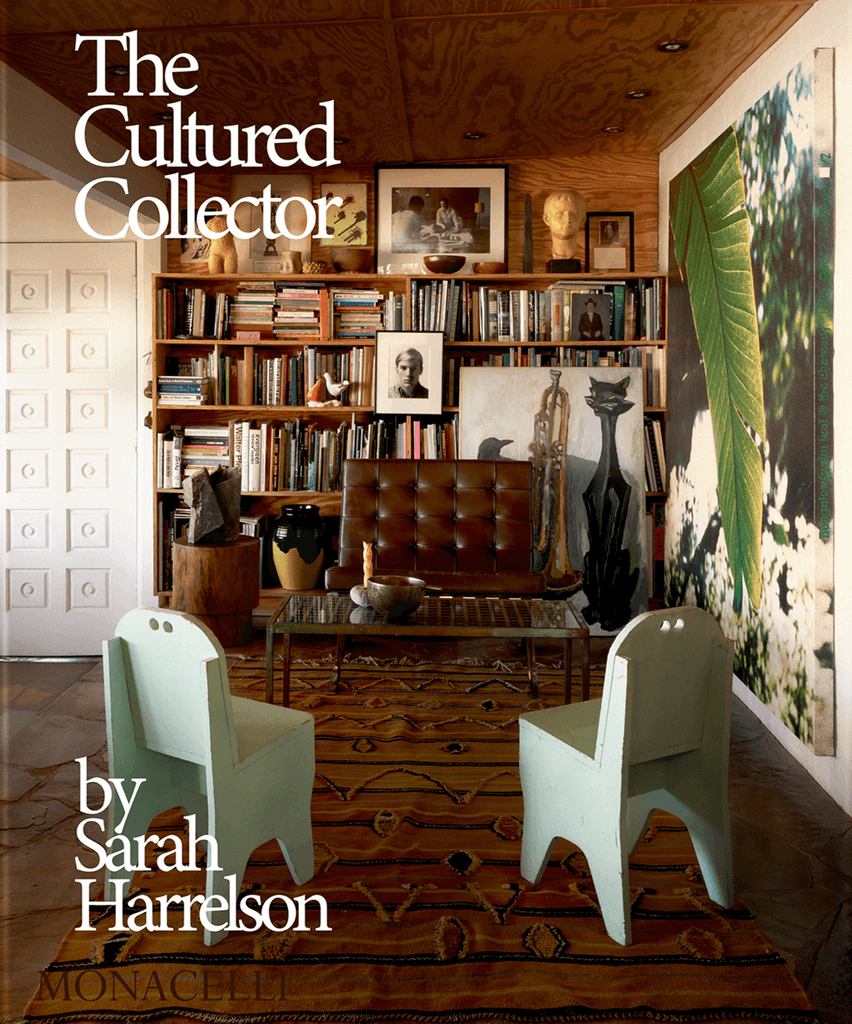
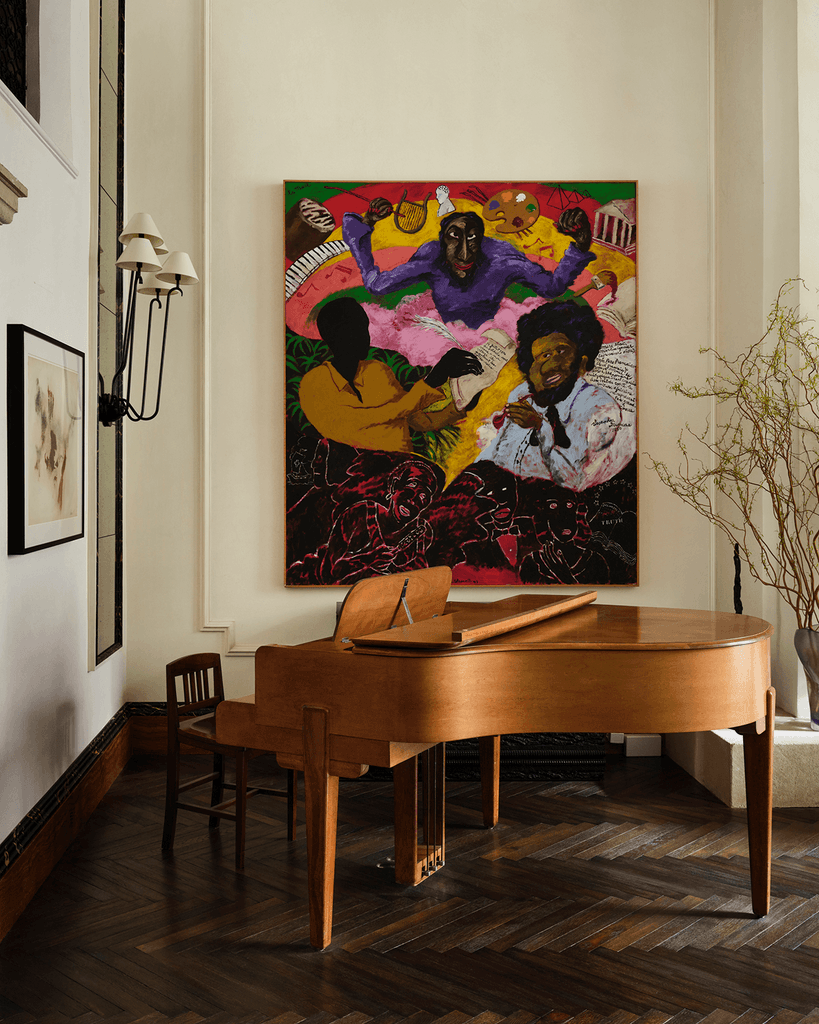
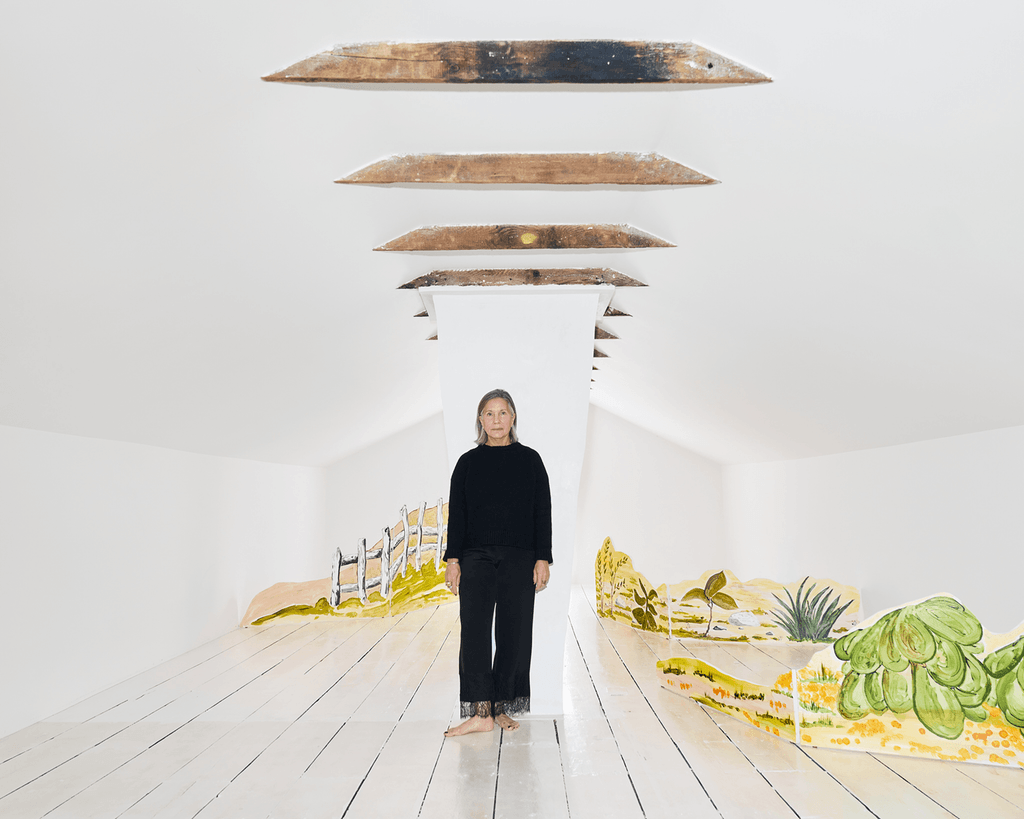
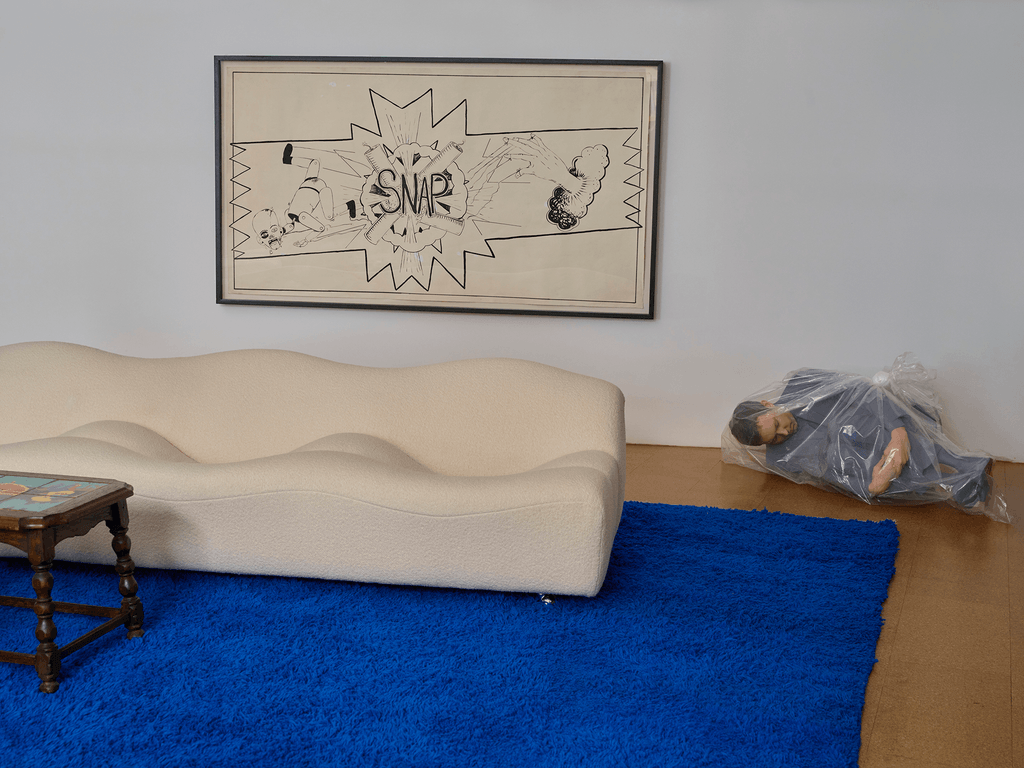
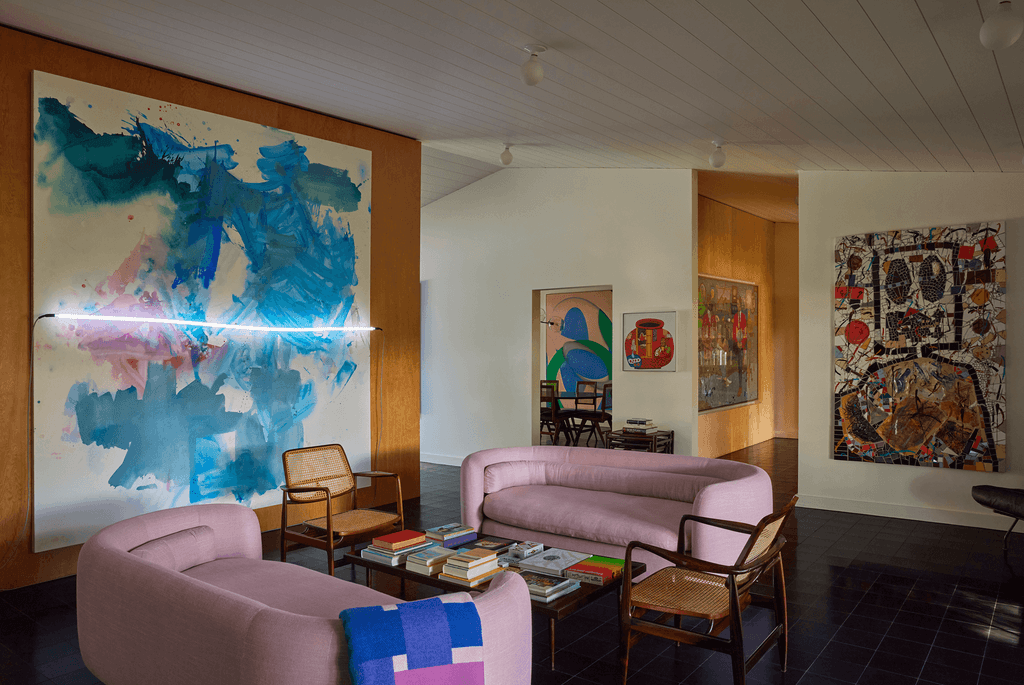
It is this ongoing conversation that has now taken shape as The Cultured Collector, Harrelson’s first book, on sale November 4. Bringing together 30 collections across major American and European cities, the book offers a glimpse into the private spaces where art becomes part of everyday life. Most of the homes were photographed especially for the publication. Its subjects span artists, including Rashid Johnson, Sheree Hovsepian, Jack Pierson, and Alex Israel; gallerists such as David Kordansky, Jack Shainman, and Ellie Rines; and musicians including Alicia Keys, Swizz Beatz, and Joe Jonas.
Each collection is accompanied by an interview that goes beyond acquisition to explore the instincts, encounters, and convictions that shape a collector’s eye. How does a collection begin? What makes a work worth living with? And how does art change the experience of a home? In her introduction, Harrelson describes a desire to inspire readers through the curiosity of her subjects and the close relationships they have cultivated with artists.
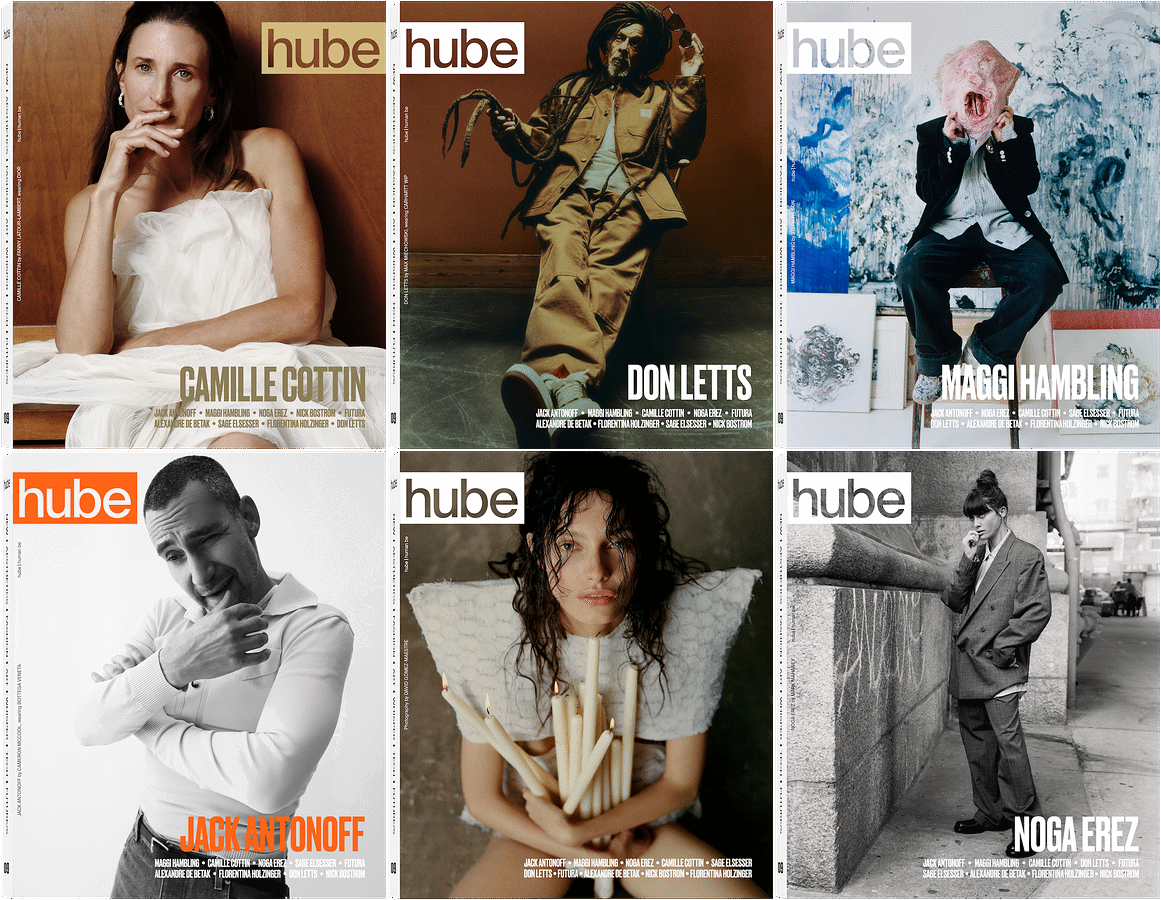
In conversation with Sasha, editor-in-chief of hube, Harrelson reflects on her path through the cultural journalism world, the challenges of sustaining an independent publication, and what years of conversations with collectors have taught her about the many ways art finds its place in our lives.
Sasha Kovaleva: Many people fall into media, but few stay with it the way you have, with such passion and curiosity. Could you tell us more about your professional journey? What encounters or turning points shaped it most profoundly?
Sarah Harrelson: Well, first and foremost, I still love it. By that, I mean I really love it, the good and the bad. I still get that feeling in my stomach when we land a big story, discover an extraordinary artist, or sit down to work on layouts. I think you have to feel that way to push through the overwhelmingly difficult parts of running a magazine.
I started CULTURED because I believed there was room for a different kind of cultural magazine, one that was deeply curious about artists and the people shaping culture, and took both seriously. I have always been interested in people’s stories, what drives them, what they are afraid of, and what they are willing to risk to make something.
A real turning point for me came after 2020, when I came very close to losing the business. It was an incredibly difficult period, but it changed me. I became much bolder, more willing to fight for what I believed in, and less shy about asking for support. Whether that meant asking advertisers to invest in us or asking readers to subscribe, I realized I couldn’t be afraid to ask people to believe in something that meant so much to me.
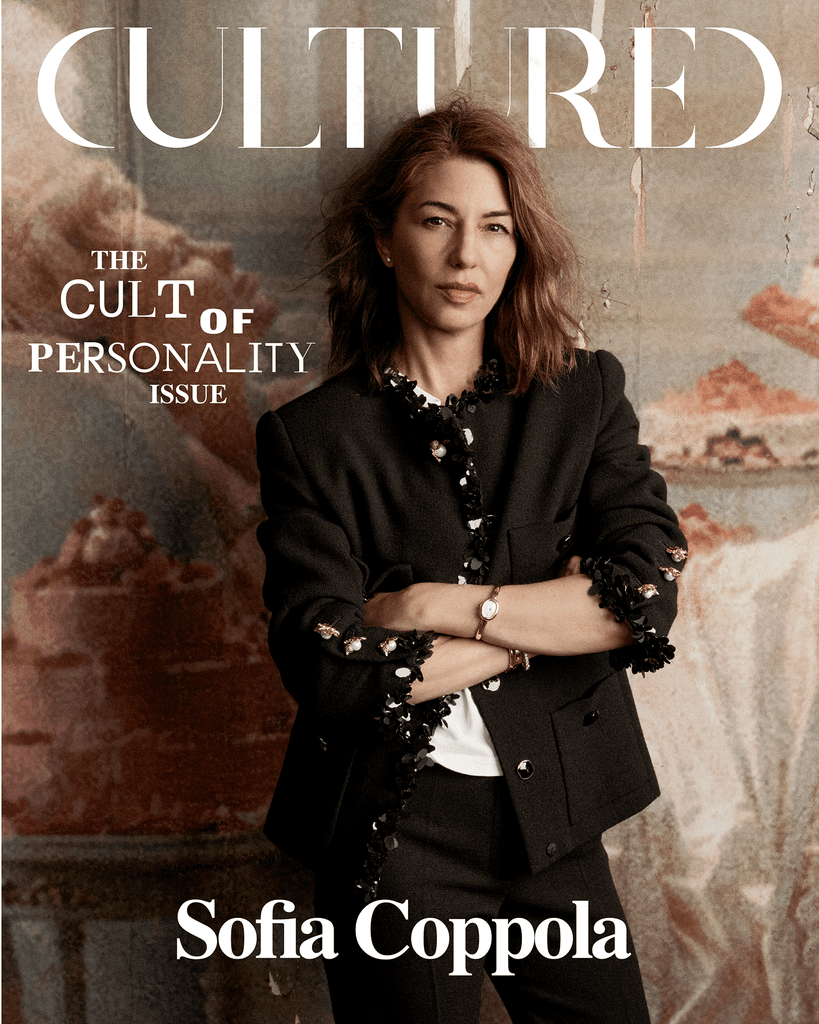
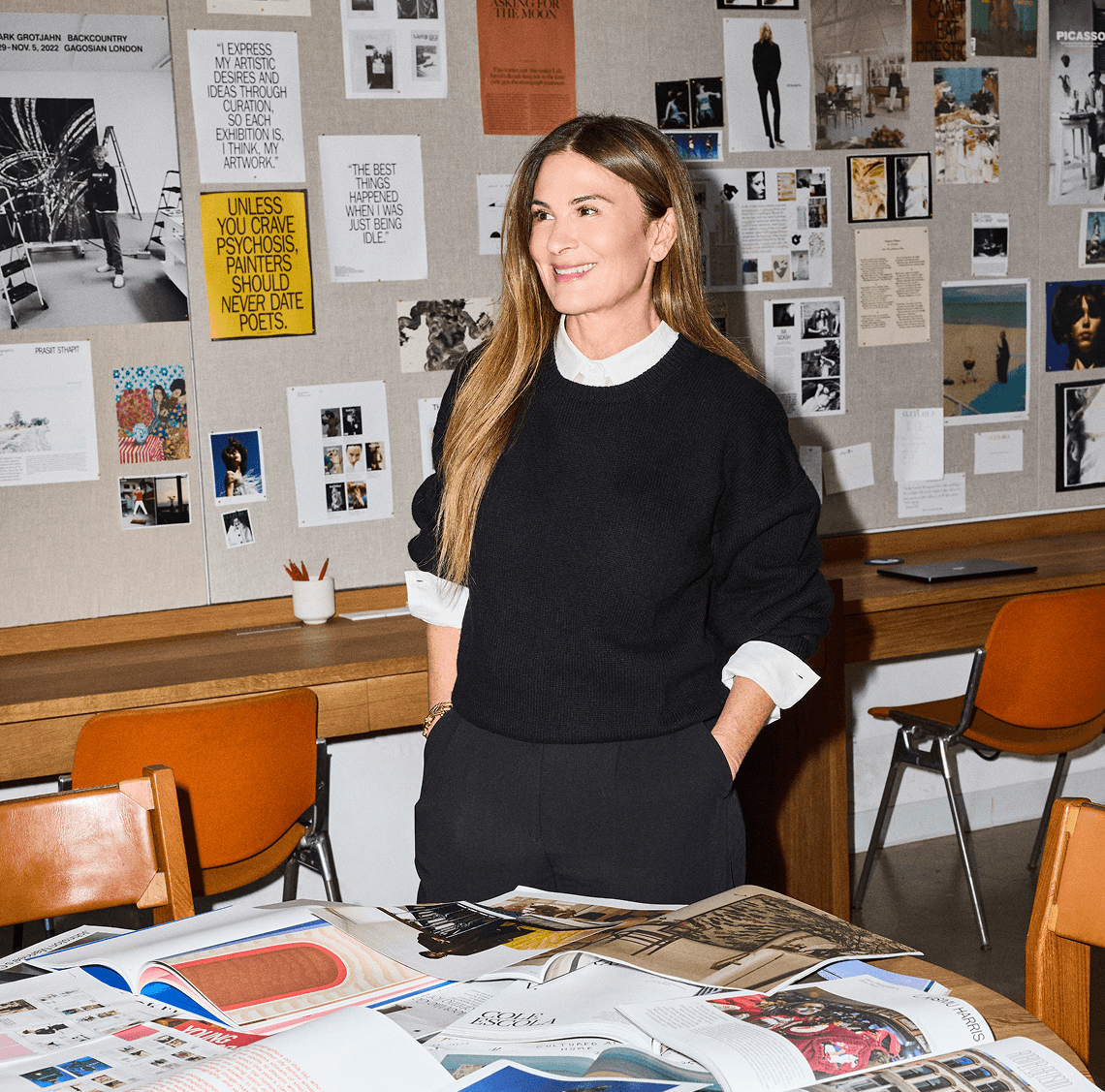
Photography: by CRAIG MCDEAN
Styling & Creative Direction by STUDIO &
SK: What do you think is missing from today’s cultural media discourse? Are there narratives, voices, or formats that you feel remain overlooked or underrepresented?
SH: All of media is under an enormous amount of pressure to get people’s attention, and too often that means appealing to the lowest common denominator. Scandal, fear, outrage, bad news.
We need more stories that remind people why art matters. Our recent story on Scott Kahn is one example, as is The Overlook, Sarah Cascone’s column dedicated to artists who haven’t received the attention they deserve. We need to tell artists’ stories, celebrate their triumphs, champion museums, theater, film, writers, and the extraordinary people who dedicate their lives to the belief that art can change the world. That doesn’t mean avoiding difficult subjects or criticism. Quite the opposite. I think serious cultural journalism is more important than ever.
I also still believe in the long-form profile. Taking the time to really understand someone, rather than reducing them to a headline or a sound bite, is something I never want to lose. There is so much value in giving people the space to tell their stories with complexity and nuance.
SK: Independent magazines are often celebrated for their freedom, but in reality, no publication is ever fully independent. What kinds of invisible pressures (financial, cultural, political) do you feel weigh most heavily on CULTURED?
SH: I agree, and I would say it’s rare air to be completely free of financial pressure in any business, let alone publishing. Those pressures are very real, and balancing this is a daily conversation in my head. We need advertising and subscription revenue to support the journalism we believe in, but we also need to protect the integrity of that journalism. I think about that constantly and would be lying if I said it wasn’t hard.
SK: What is something about running an independent magazine that people romanticize, and what is something they completely underestimate?
SH: Does anyone actually romanticize running an independent magazine? People may see the covers, the parties, the extraordinary artists we get to spend time with, and imagine a rather glamorous existence. There are certainly glamorous moments, yes.
What they underestimate is the sheer amount of work and the constant pressure. The endless back-and-forth, the decisions, the compromises, the financial responsibility, and the fact that there is truly very little downtime. Even when one issue goes to print, we are already thinking about the next three. People also underestimate how emotional it can be. You put so much of yourself into something, and you care deeply about every detail. It’s very hard to turn that off, and that comes with personal sacrifice.
SK: As editor-in-chief of CULTURED, you have an enormous amount of power over who gets seen, who gets a platform, and what becomes part of the cultural conversation. What is the editorial decision that still makes you most uncomfortable, and how do you navigate the responsibility that comes with that power?
SH: The most uncomfortable decisions are often about who we don’t cover. I also think about the danger of simply reinforcing the same voices and institutions that already have so much visibility. It is very easy in the art world to follow the momentum of someone else’s success. I want us to be curious enough to look beyond that and take risks on people who are not getting covered.
Of course, we don’t always get it right. I have made decisions I would make differently today. But the important thing is to remain open, to listen, and to be willing to question your own instincts. I never want CULTURED to become a magazine that simply tells people what they already know or celebrates people because everyone else is celebrating them. That is not interesting to me.
SK: The Cultured Collector grows out of CULTURED’s Collector Questionnaire, which you’ve been running for years. What did doing those questionnaires over and over teach you about collecting that you couldn’t have learned from simply visiting museums and fairs?
SH: I am endlessly curious about how people approach collecting, how they support artists, how they live with art, and what it means to them personally. What I have learned through the questionnaires is that collecting can be an incredibly revealing window into someone’s life. You learn about their obsessions, their relationships, their insecurities, their generosity, and sometimes even their regrets.
You can walk through a museum and see an extraordinary collection, but you don’t necessarily understand the person or the hundreds of decisions and relationships that brought those works together. I love asking collectors about their first purchase, the work they regret not buying, or the artist they have supported for decades. Those answers often tell you much more than the most valuable work hanging on their wall.
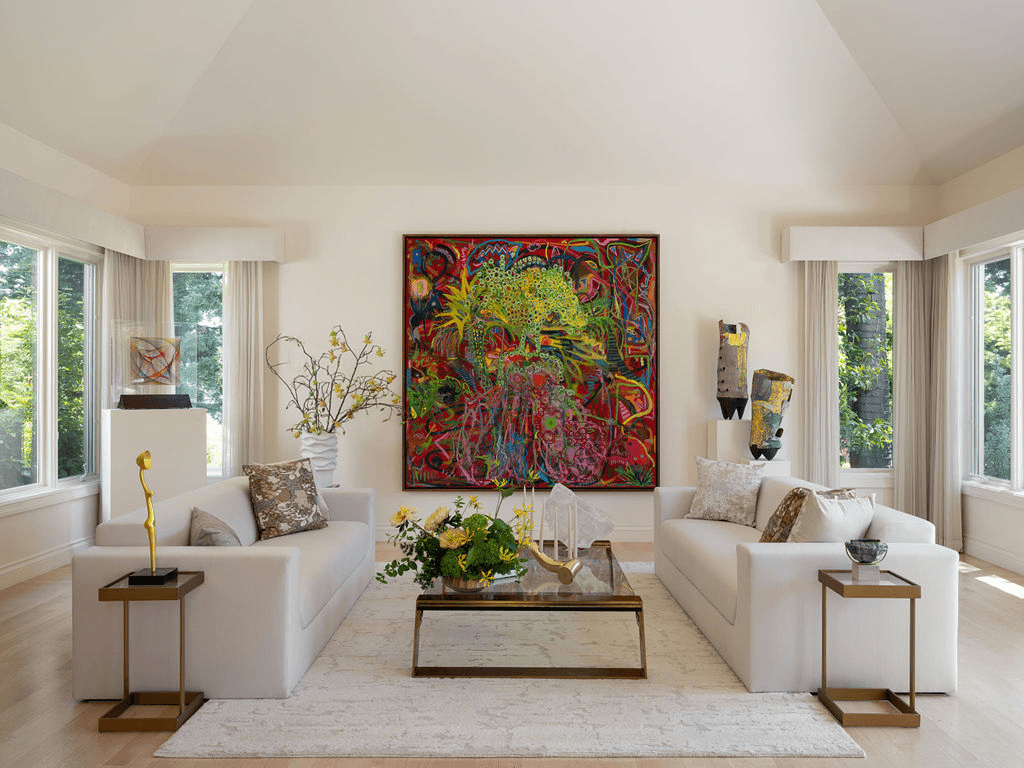
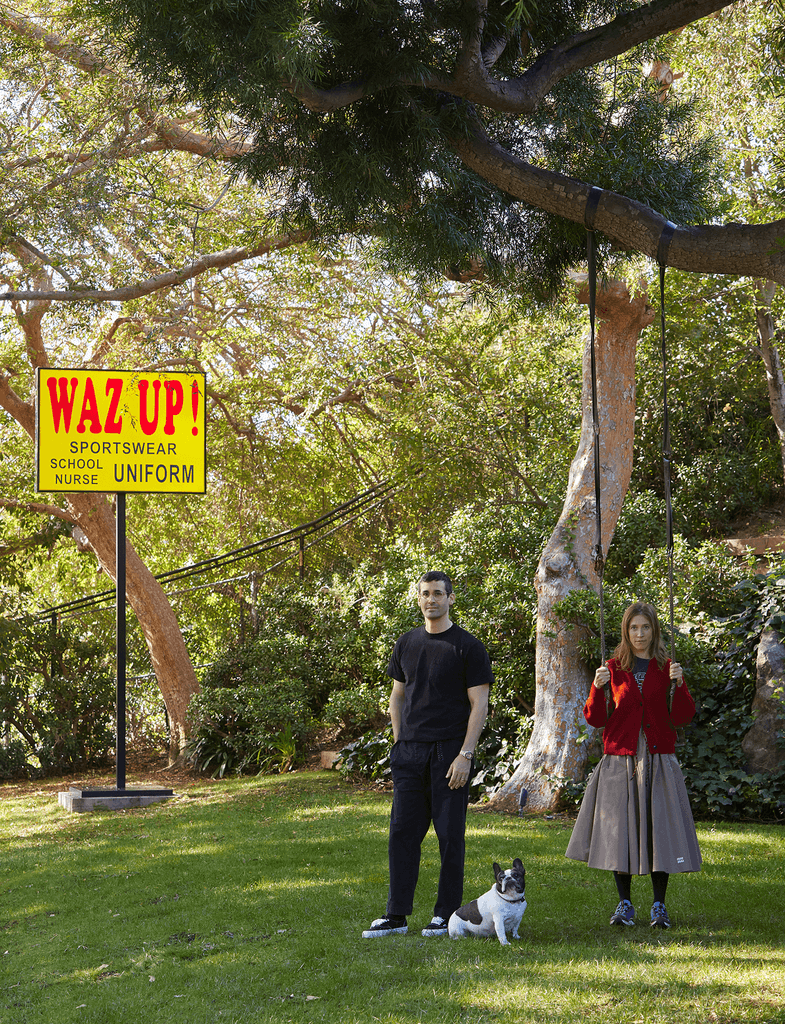
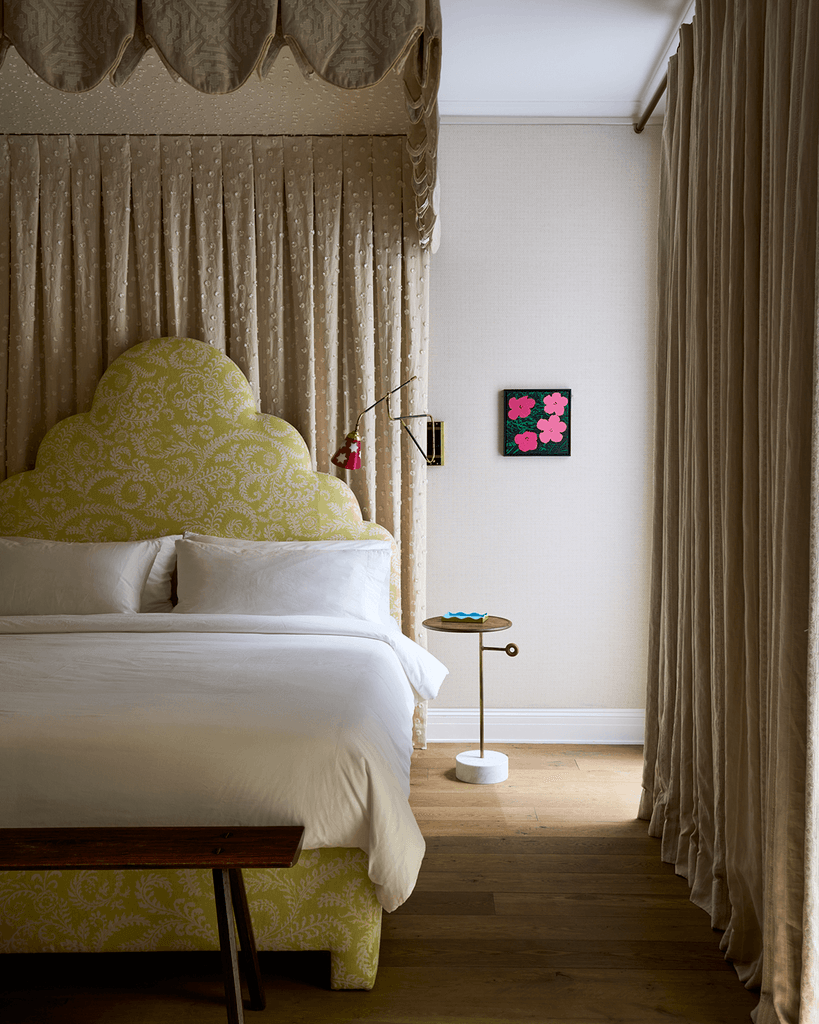
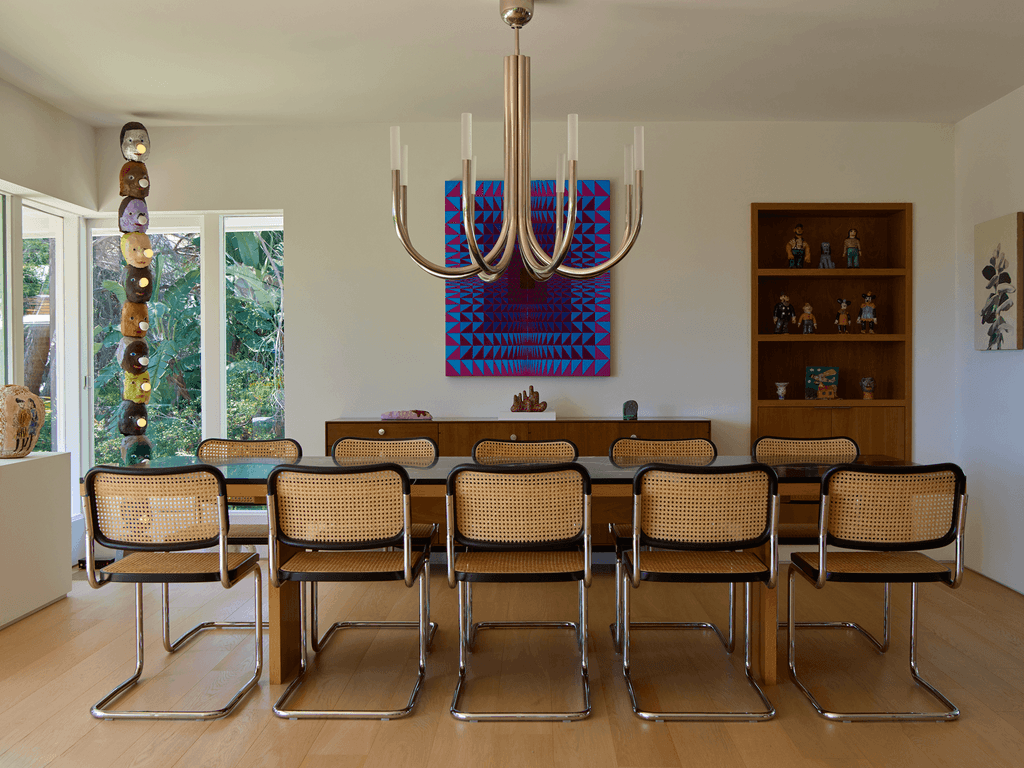
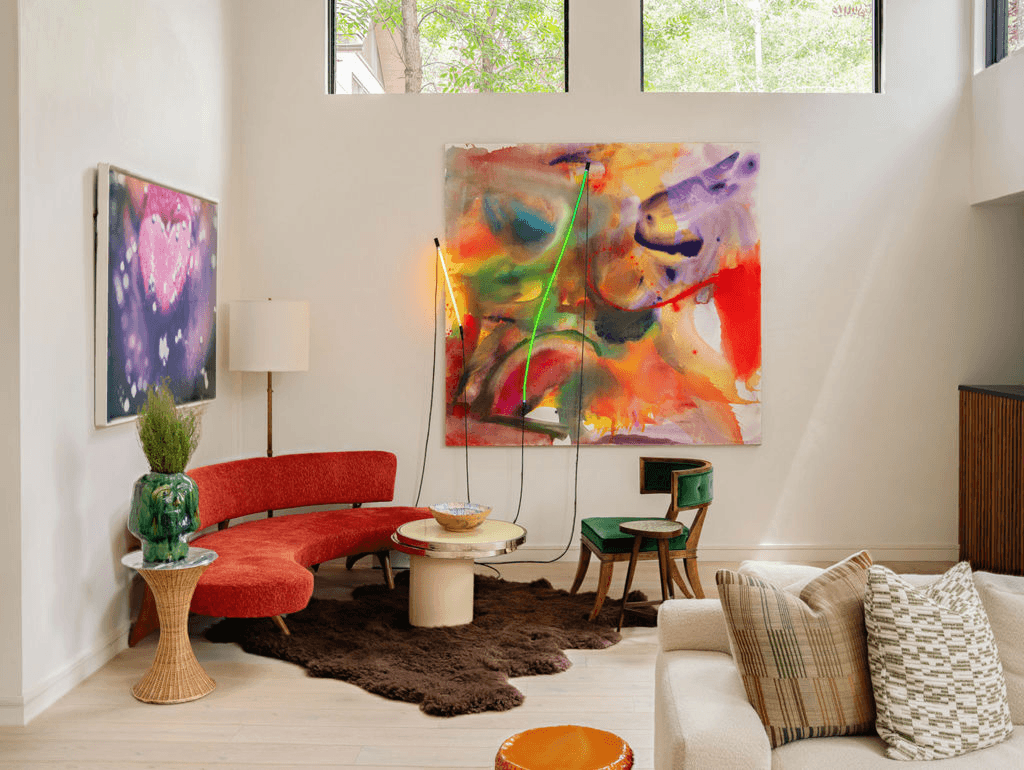
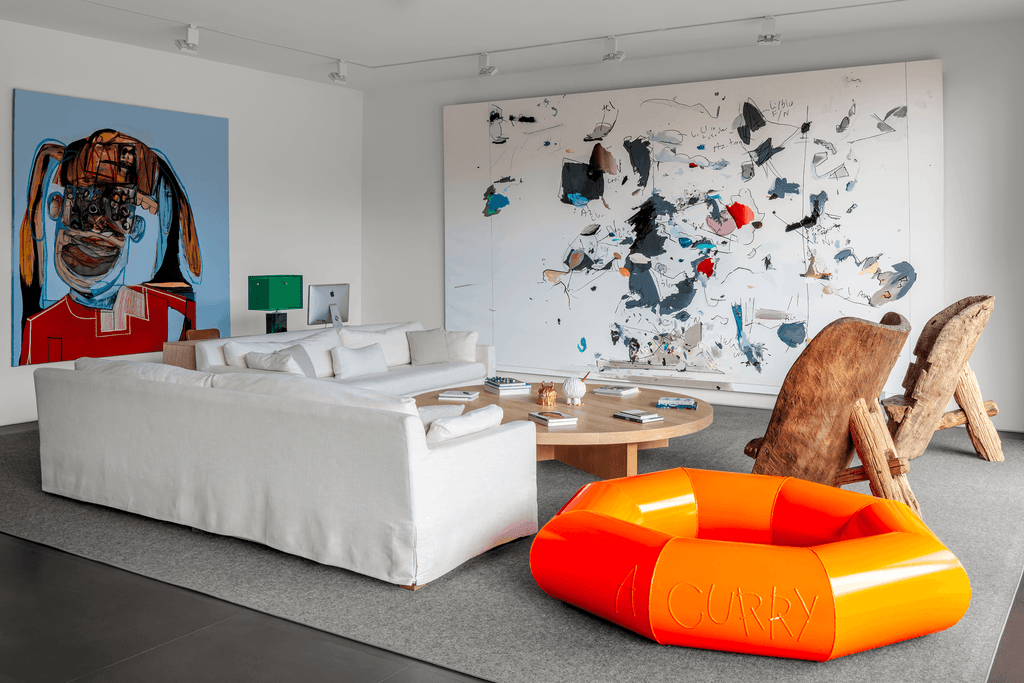
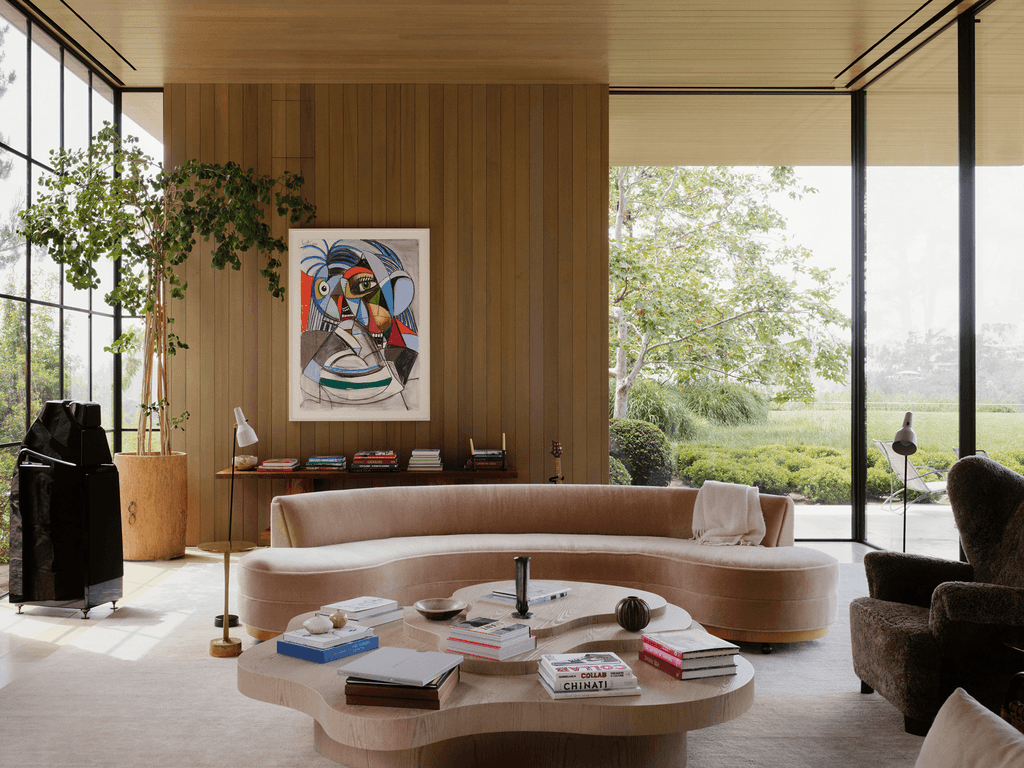
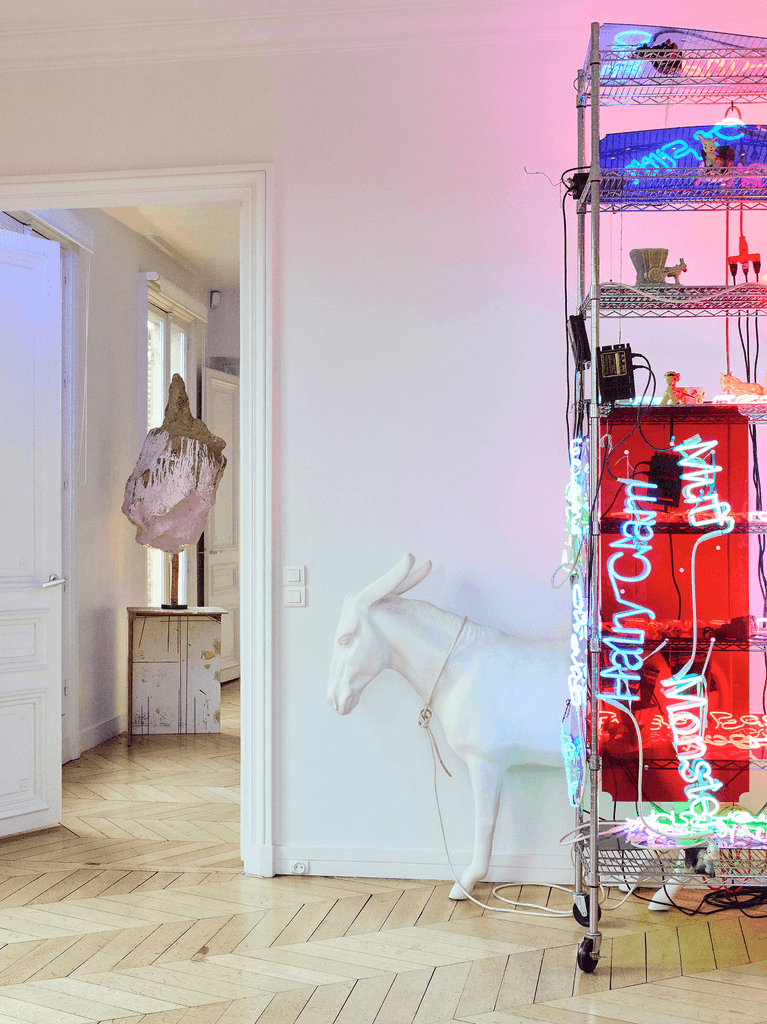
SK: The book’s premise is that collecting is a personal journey rather than primarily an investment strategy. Did working on the book reinforce that belief, or did you encounter collectors who complicated it?
SH: Oh, I have certainly met collectors who complicate that belief, but they are not in my book! Someone once said to me that the minute you start buying art purely for financial gain, you take all the fun out of a journey that can be very rewarding. I have held on to that thought for years. Of course, art has value, and I am not naive about the market. But what interests me is the emotional connection. Why someone falls in love with a work, why they choose to live with it, and how that relationship changes over time.
I wanted the book to be about people who collect because they cannot imagine living any other way. People whose collections tell us something about who they are, not simply what they can afford.
SK: After visiting 30 major collections, did you find yourself looking differently at the idea of what makes a “great collection”?
SH: Not really, because I have always believed that a great collection isn’t necessarily the most expensive one. Depth and diversity are incredibly important to me, but so is conviction. Whether it’s someone like Komal Shah, who has made an extraordinary commitment to women artists, or a collector whose interests are much less defined, I want to feel that there is a genuine point of view.
I love collections that surprise me, where you can see someone’s curiosity evolving over decades. Sometimes the most interesting work in a house is not the most important work in the market. A great collection should tell you something about the person who built it. And ideally, it should make you curious about something you didn’t know before.
SK: At what point does a magazine stop simply reflecting a cultural moment and start having a hand in creating it? CULTURED has expanded into film, events, and now CULTFORUM. Are you still thinking of these as extensions of the magazine, or are you consciously building a cultural ecosystem with its own influence and agenda?
SH: I am absolutely trying to build a cultural ecosystem that goes beyond the page and the screen. I believe deeply in the power of bringing people together in person. Some of the most meaningful relationships in my own life have come from unexpected conversations, being introduced to someone I might never otherwise have met, or sitting next to someone at a dinner and discovering a shared curiosity.
I want CULTURED to create more of those moments. Whether it’s an artist studio visit with a small group of collectors, a conversation at CULTFORUM, or bringing together people from film, art, fashion, and literature, I want to create fertile ground for ideas and relationships. Magazines have always had the ability to shape culture, not just report on it. The difference now is that we have so many more ways to do that. I have never been interested in being a gatekeeper. Quite the opposite. I love connecting people, opening doors, and creating opportunities for things to happen that might not have happened otherwise.
SK: From the outside, the art world can look like a fairly straightforward ecosystem of artists, galleries, museums, collectors, and fairs. After nearly two decades inside it, what have you learned about the invisible relationships and power dynamics that actually make it move?
SH: The art world is much more complicated, and much more human, than it appears from the outside. Relationships are everything. Trust is everything. And the people who have the greatest influence aren’t always the most visible.
Of course, money and institutional power play enormous roles, and I think it would be naive to pretend otherwise. The art world can be incredibly generous, but it can also be insular. There are people who have enormous influence over whose work is seen, collected, and institutionalized. It’s important to understand those dynamics without allowing yourself to be controlled by them. But I have also seen how one passionate curator, one committed collector, or one gallerist willing to take a risk can completely change the trajectory of an artist’s career.
What I find interesting is how much of the art world is built on personal conviction. Someone has to believe in an artist before everyone else does. Someone has to take that first risk. I also think we sometimes give too much credit to the people who validate success and not enough to the people who helped make it possible in the first place.
SK: If you could go back and give your younger self one piece of advice before launching CULTURED, what would you tell her?
SH: Be bolder. I was far too cautious in so many ways. I wish I had trusted my instincts more. I would tell myself to believe in what I was building and not be afraid to think bigger, sooner.
SK: If you could host a dinner for three people, living or dead, and knew they would all say yes, who would you invite?
SH: Louise Bourgeois, Calvin Tomkins, and Arthur Jafa. I suspect it would be a very long dinner.
SK: How would you describe the future in three words?
SH: Intense. Complicated. Hopeful.
SK: What are you obsessed with right now?
SH: What’s next at CULTURED. I wish I could give you a more interesting answer.