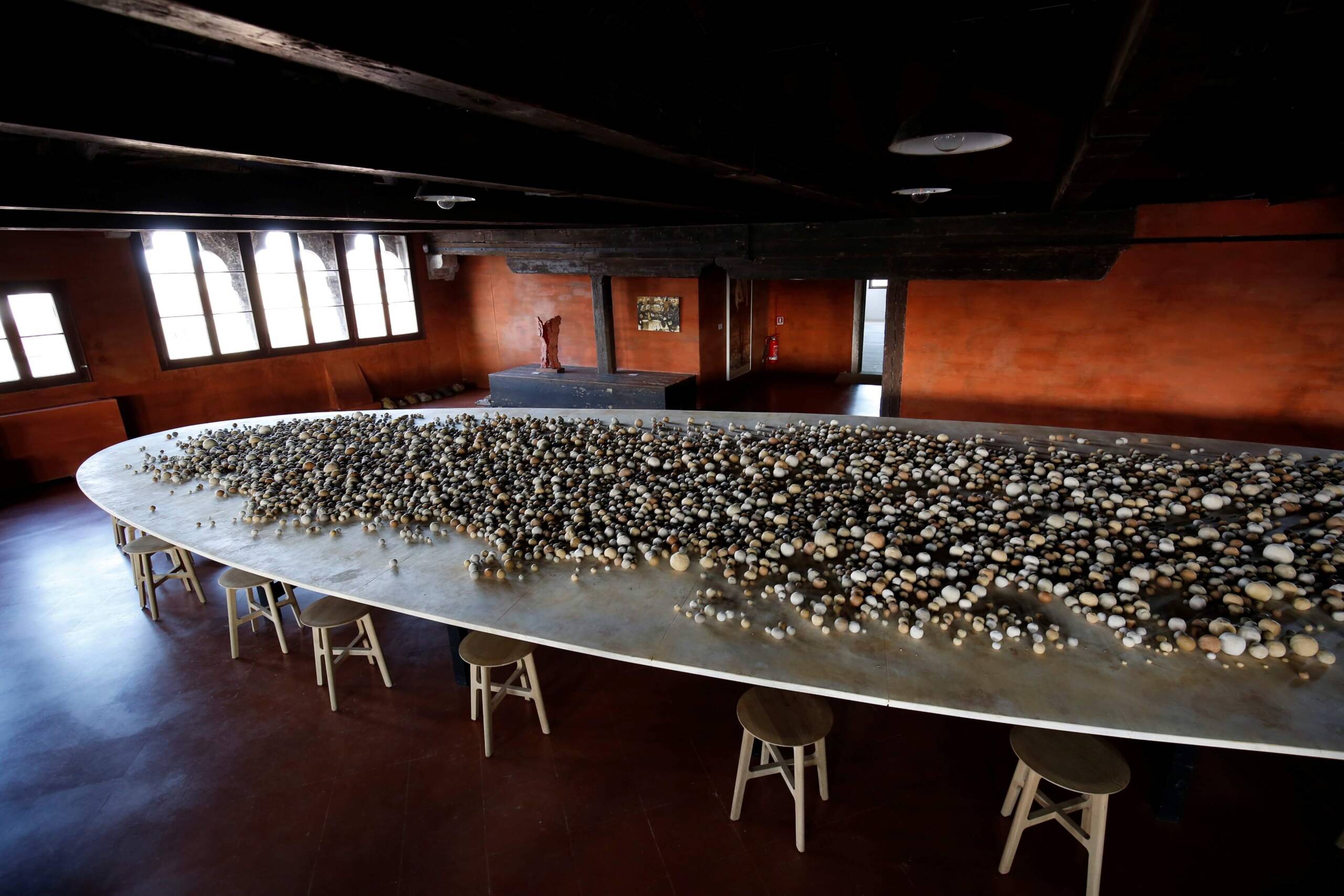
In March 2026, CCA Tashkent will officially open its doors in the heart of the Uzbek capital, marking a pivotal moment for contemporary culture in the region. Founded by Gayane Umerova and led by the Uzbekistan Art and Culture Development Foundation, the Centre for Contemporary Arts Tashkent is set to become the country’s first permanent institution dedicated to contemporary art, research, and public engagement.
Opening to the public on March 21st, 2026, CCA Tashkent will be housed in a carefully restored 1912 industrial building, transformed by French architects Studio KO. From the outset, the centre positions itself not only as an exhibition venue, but as a civic space where art, education, and community life intersect.
CCA Tashkent: a new cultural anchor for the region
Conceived as an open and accessible platform, CCA Tashkent brings together exhibitions, interdisciplinary public programmes, artist residencies, and research initiatives under one roof. With free entry, a library, workshop spaces, and a café, the centre aims to function as both a cultural meeting point for Central Asia and a shared space for the city itself.
Under the artistic direction of curator Dr Sara Raza, the programme balances a strong commitment to Uzbek artists with an international outlook, connecting local practices to global conversations. The centre also forms part of a broader, long-term investment in cultural infrastructure across Uzbekistan, focused on nurturing a sustainable creative economy for future generations.
As Gayane Umerova has noted, “The Centre for Contemporary Arts Tashkent is the realisation of a long-term vision to firmly position Uzbekistan at the heart of global cultural dialogue. When we first envisioned the CCA, I knew I wanted it to be open to all, a place for inspiration, dialogue, opportunity and a hub for the community. Through sustained investment in cultural infrastructure and programming, we are – for the first time – building a creative economy across Uzbekistan and I’m so proud of the opportunities for future generations being created through the dynamic programming at the CCA.”
The inaugural exhibition ‘Hikmah’
The opening of CCA Tashkent will be anchored by its first major exhibition, Hikmah (21 March – 30 June 2026), curated by Dr Sara Raza. Taking its title from the Uzbek word for “wisdom,” the exhibition unfolds as a series of site-specific works responding directly to the centre’s architecture and layered history.
Exploring ideas of insight, intelligence, and spiritual knowledge, Hikmah brings together newly commissioned works by Muhannad Shono, Nari Ward, Shokhrukh Rakhimov, and Tarik Kiswanson, alongside pieces by Kimsooja and Ali Cherri. The exhibition also includes significant loans from international and regional institutions, weaving local narratives into a broader artistic dialogue.
Described by its curator as an invitation to reflect on knowledge as both lived experience and shared inheritance, Hikmah sets the tone for CCA Tashkent’s first year: thoughtful, inclusive, and deeply connected to place.
With its opening programme, CCA Tashkent signals a new chapter for contemporary art in Uzbekistan—one rooted in dialogue, experimentation, and a renewed sense of cultural confidence.
A year of bold artistic visions, from Biennale Venice to the heart of Tashkent
Later in the year, CCA Tashkent extends its programme beyond Uzbekistan with a major international presentation and two ambitious exhibitions. In Venice, the centre will present Vyacheslav Akhunov: Instruments of the Mind at Palazzo Franchetti (May–November 2026), curated by Dr Sara Raza as a collateral project of the 61st International Art Exhibition of La Biennale di Venezia. Spanning painting, drawing, video, and installation, the exhibition traces five decades of Akhunov’s practice, bringing together introspective, poetic, and subtly subversive works—including several unrealised and previously unseen pieces from the 1970s shown publicly for the first time. Back in Tashkent, Kabakov: The Centre for Cosmic Energy (opening September 2026), guest curated by Zelfira Tregulova, will transform the CCA into a site-specific, speculative environment, reimagining the Kabakovs’ oeuvre as an imagined institution for the transmission of energy, hope, and collective imagination.
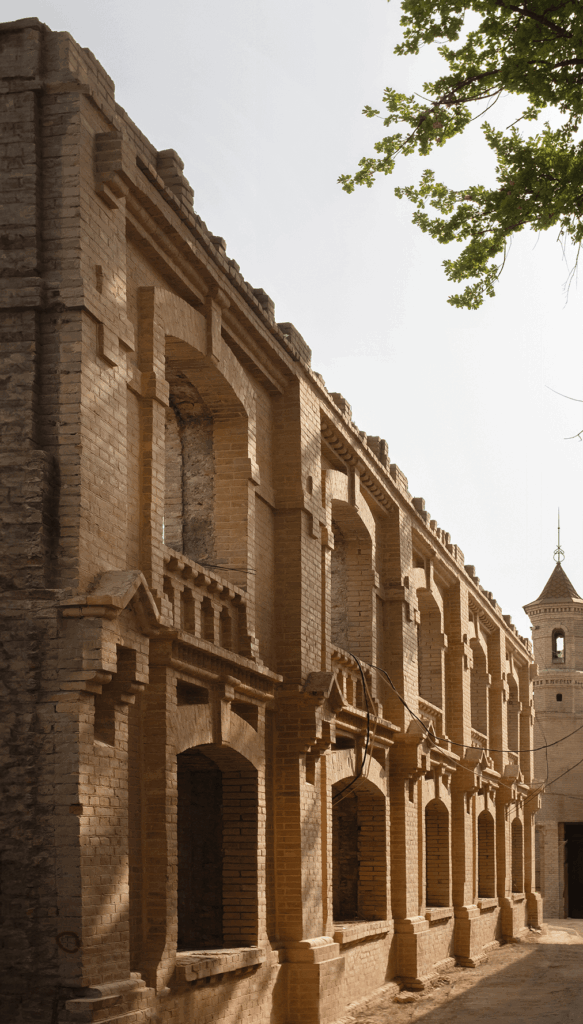
Photography courtesy of BCDF STUDIO. Courtesy of ACDF
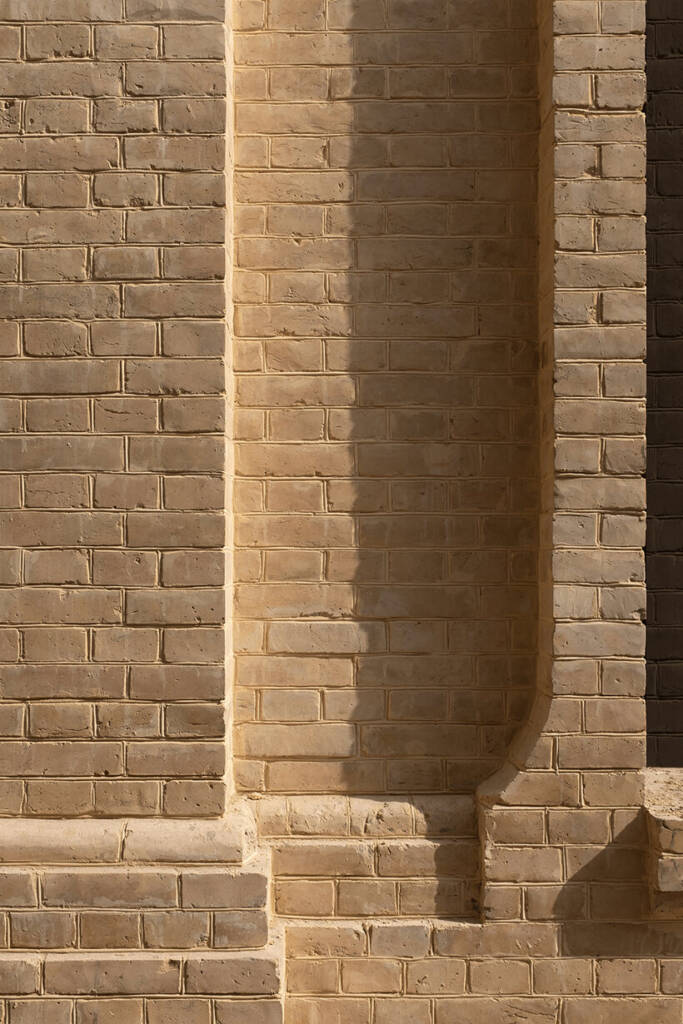
Photography courtesy of BCDF STUDIO. Courtesy of ACDF
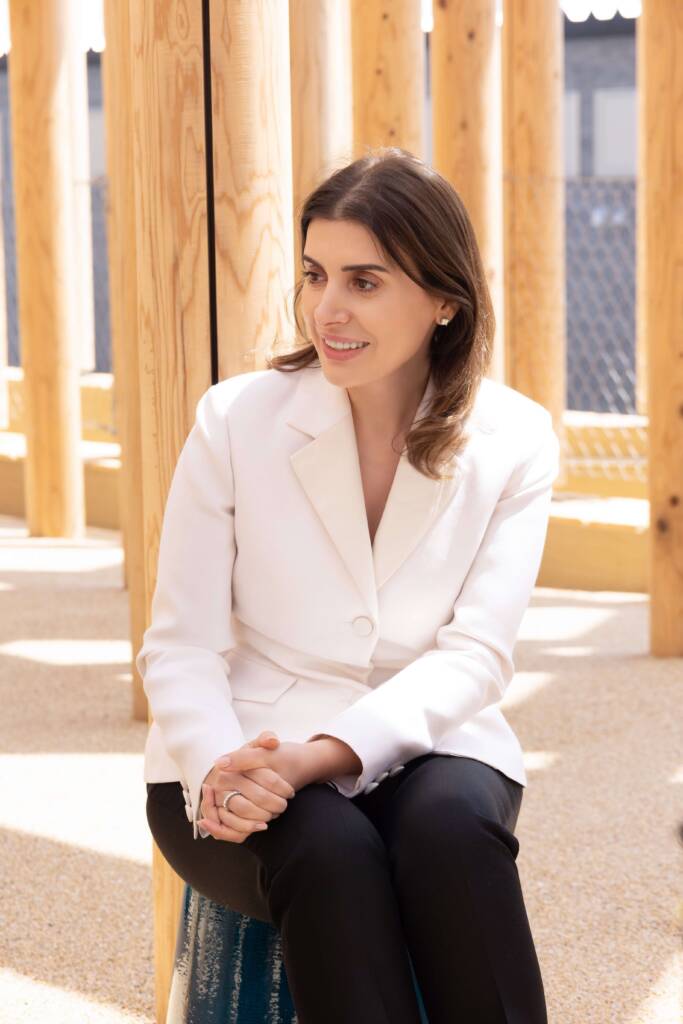
Courtesy of UZBEKISTAN ART AND CULTURE DEVELOPMENT FOUNDATION

Courtesy of ACDF
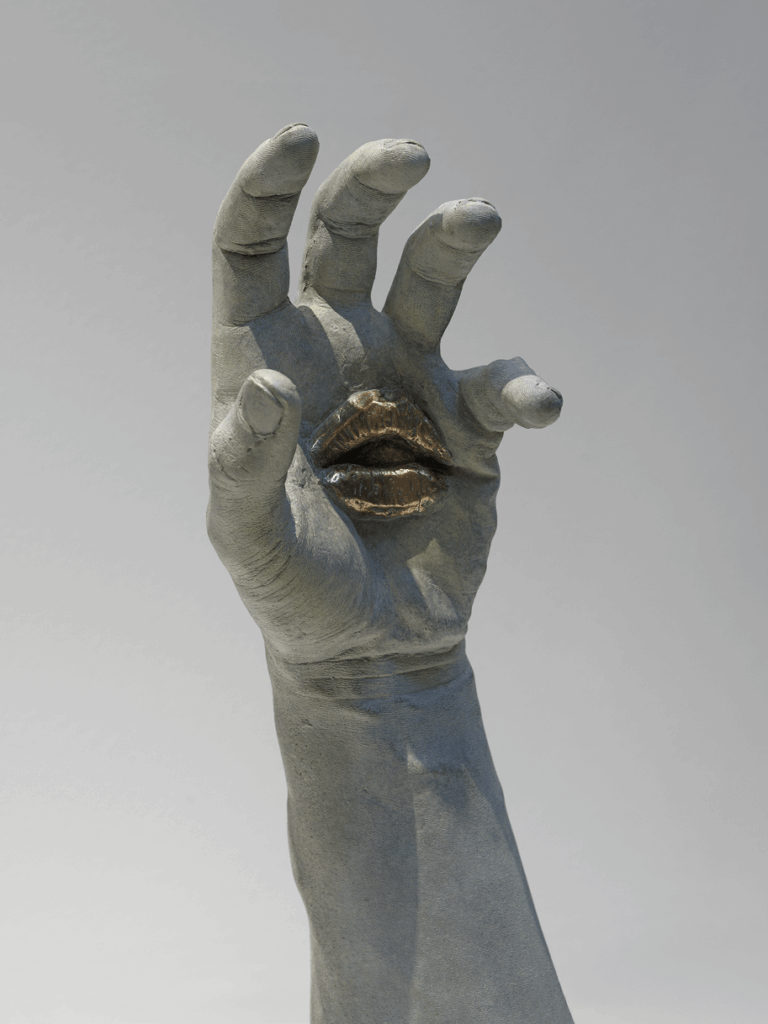
Vingt-quatre fantômes par seconde, 2025
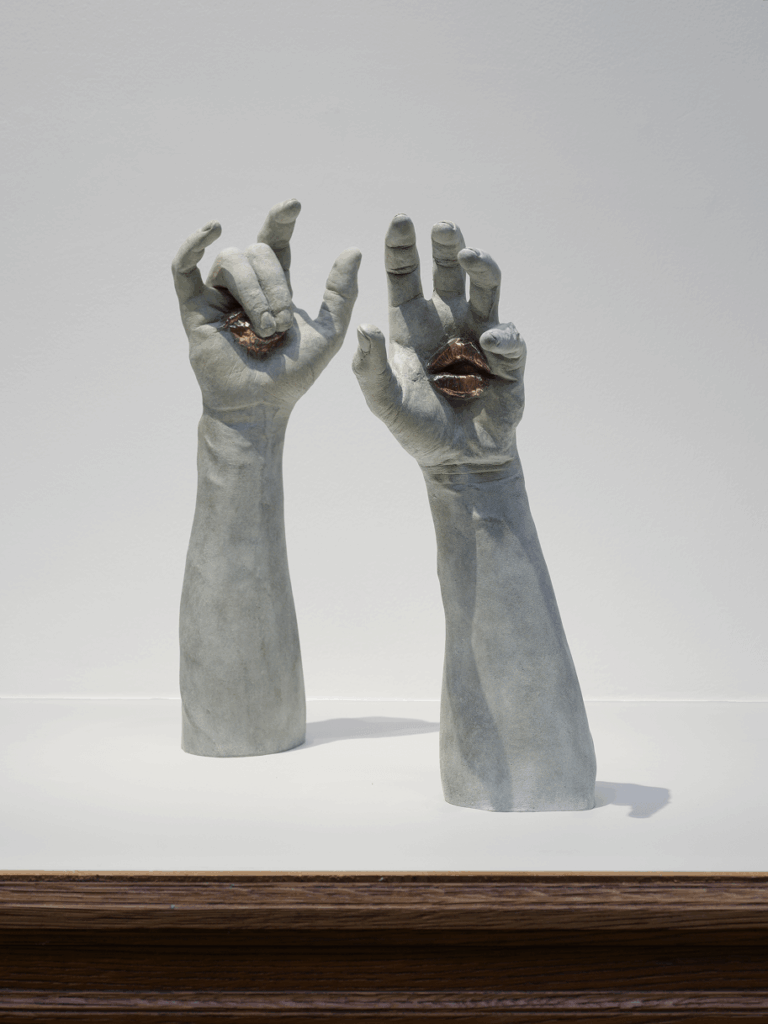
Vingt-quatre fantômes par seconde, 2025
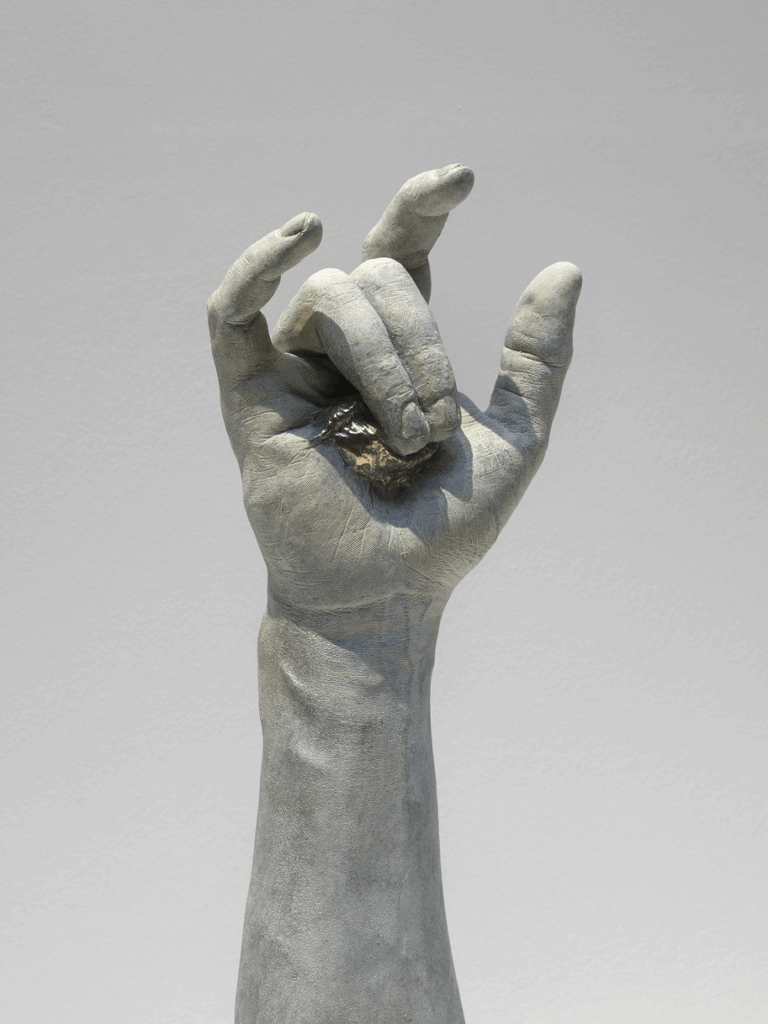
Vingt-quatre fantômes par seconde, 2025
Special thanks to PELHAM COMMUNICATIONS