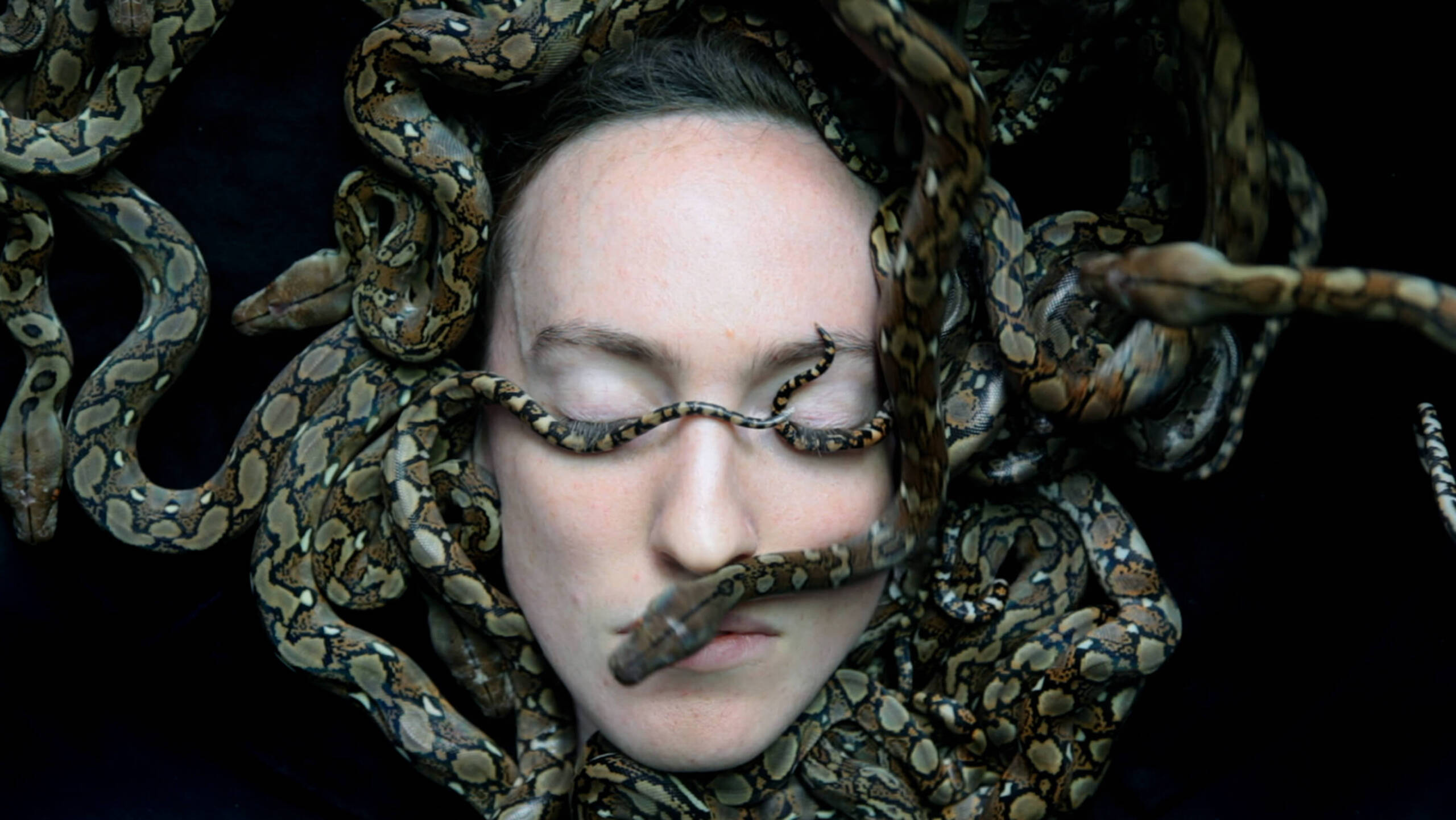
From February 6th to May 25th, 2026, the Rijksmuseum in Amsterdam presents Metamorphoses, a landmark exhibition exploring transformation in art through more than 80 masterpieces drawn from leading museums and collections worldwide. Rooted in Ovid’s epic poem, the project traces how ideas of change, desire, violence, and identity have shaped artistic imagination across centuries.
Developed in close collaboration with Galleria Borghese in Rome, Metamorphoses positions classical myth as a living source—one that continues to resonate in both historical and contemporary art.
Transformation in art: myths, bodies, and becoming
At the heart of the exhibition is Ovid’s Metamorphoses, long considered a “Bible for artists.” Gods become animals, humans turn to stone, and bodies shift shape under the forces of love, jealousy, and power. These narratives form the conceptual backbone of the show, revealing how transformation in art operates as both metaphor and physical act.
Among the highlights, Bernini’s Sleeping Hermaphroditus captures transformation as ambiguity, merging masculine and feminine forms into a single, sensuous body. Titian’s Danaë, painted for King Philip II of Spain, visualizes metamorphosis through seduction, as Jupiter appears as a shower of gold—desire rendered as divine disguise.
Caravaggio’s Narcissus offers a darker psychological turn, presenting transformation as self-obsession, where identity dissolves into reflection. In contrast, Rodin’s marble Pygmalion and Galatea explores creation itself as metamorphosis, with stone seemingly awakening into flesh, shown alongside Gérôme’s painted interpretation of the same myth.
From Renaissance masters to modern visions
The exhibition moves fluidly across time and media, from Tintoretto’s Minerva and Arachne, where punishment becomes eternal transformation, to Arcimboldo’s composite faces, in which human identity is constructed from fruits, flowers, and objects. Modern and contemporary voices—including Brancusi, Magritte, and Louise Bourgeois—extend Ovid’s themes into new psychological and symbolic territories, proving the enduring relevance of metamorphoses in modern art.
Paintings, sculpture, precious metalwork, ceramics, photography, and video art are presented within a scenography designed by Aldo Bakker, emphasizing continuity rather than chronology.
Next destination: Rome
After its Amsterdam presentation, Metamorphoses will travel to Galleria Borghese in Rome, where it will be shown in a new configuration from June 22nd to September 20th, 2026. There, the dialogue between myth, art, and transformation will unfold once more—this time within one of the most storied settings of classical and Baroque culture.
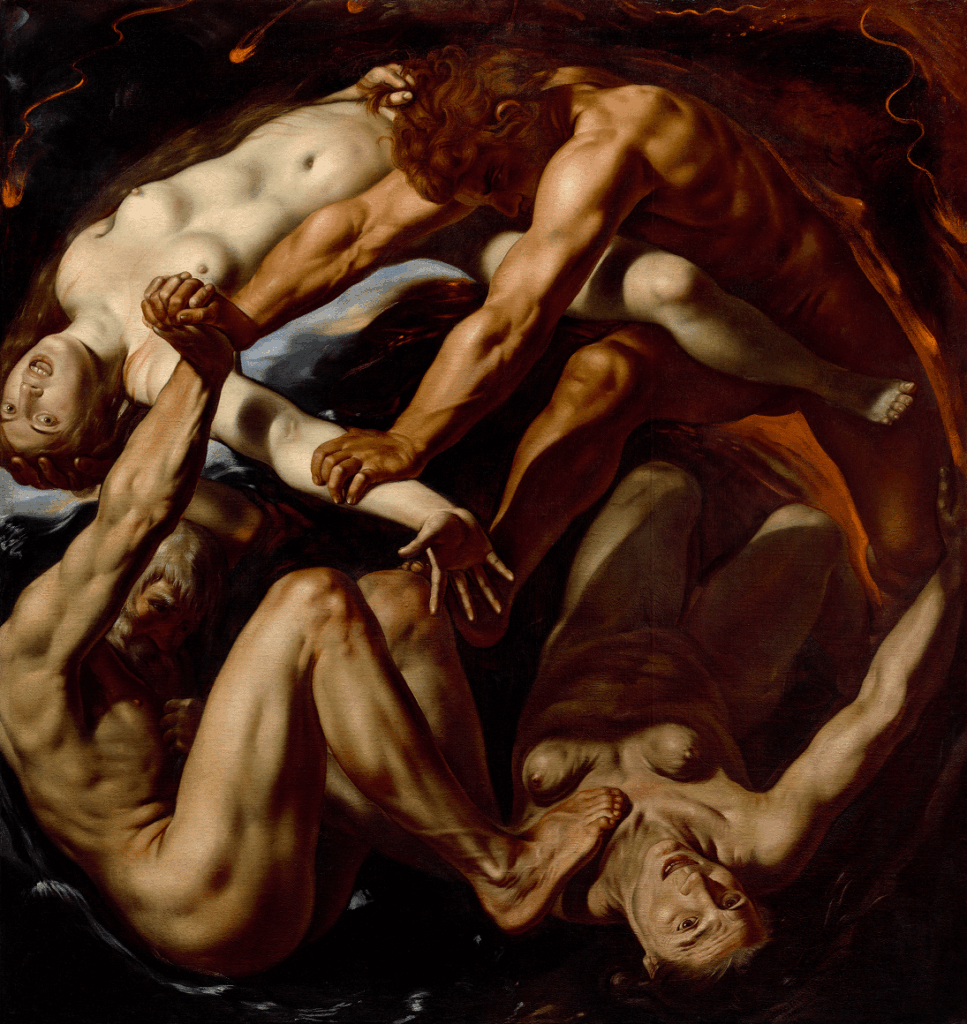
The Four Elements, 1611. SARAH CAMPBELL BLAFFER FOUNDATION, THE MUSEUM OF FINE ARTS, Houston

S’he, 1973–74, Copyright The Artist, Courtesy of ULAY FOUNDATION
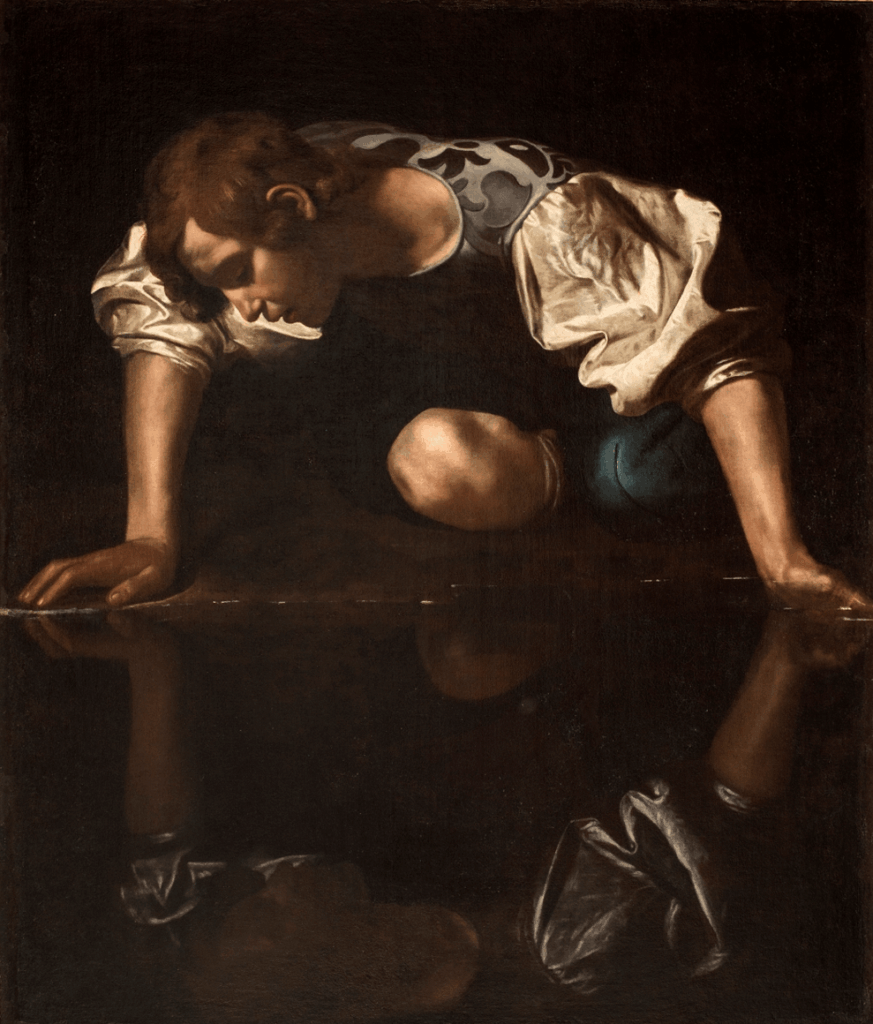
Narcissus, ca. 1597–1598
PALAZZO BARBERINI, Rome