The first edition of Art Basel Qatar has set a new benchmark for contemporary art in the region, bringing international flair and local vision to Doha. Curated by Wael Shawky around the theme of Becoming, the fair brings together galleries and artists who are redefining cultural exchange in the Middle East.
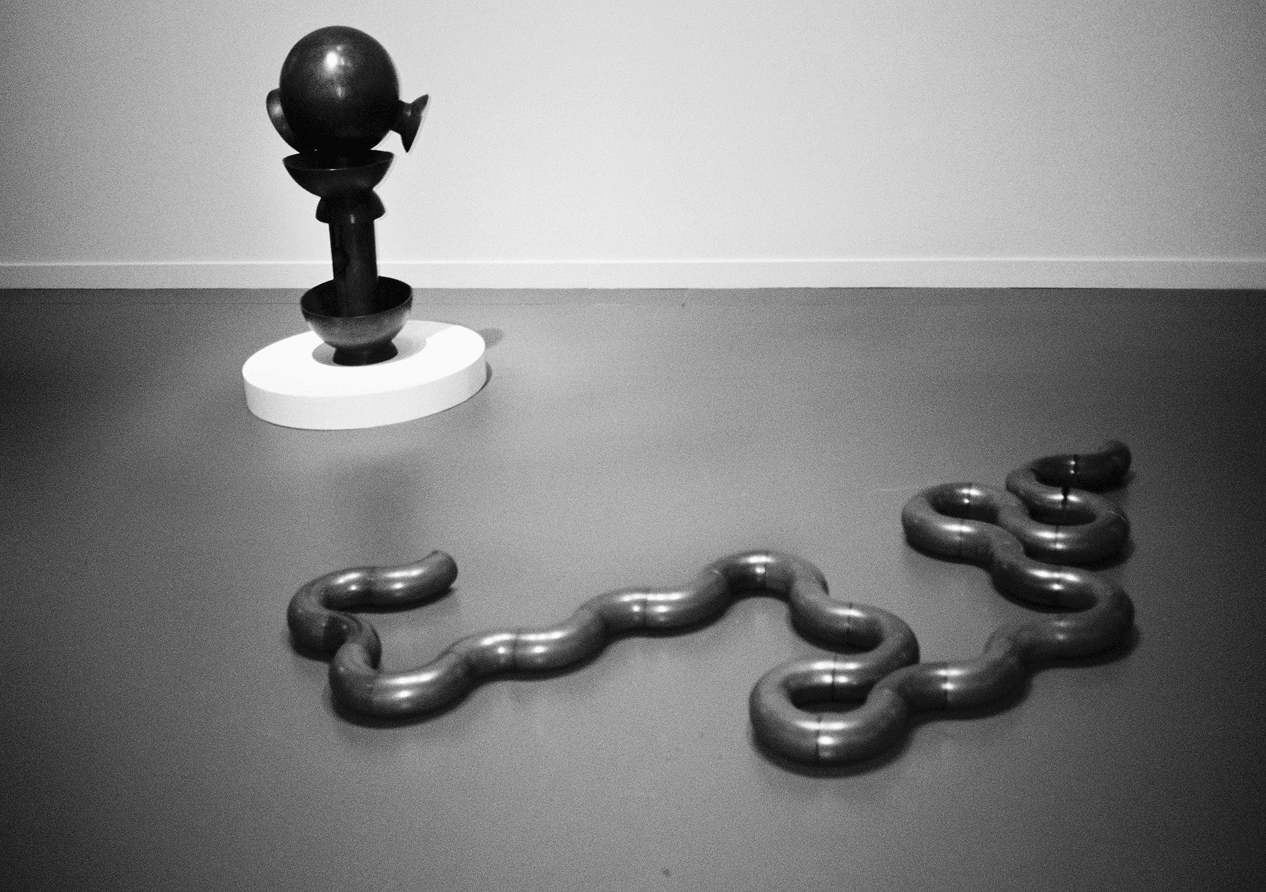
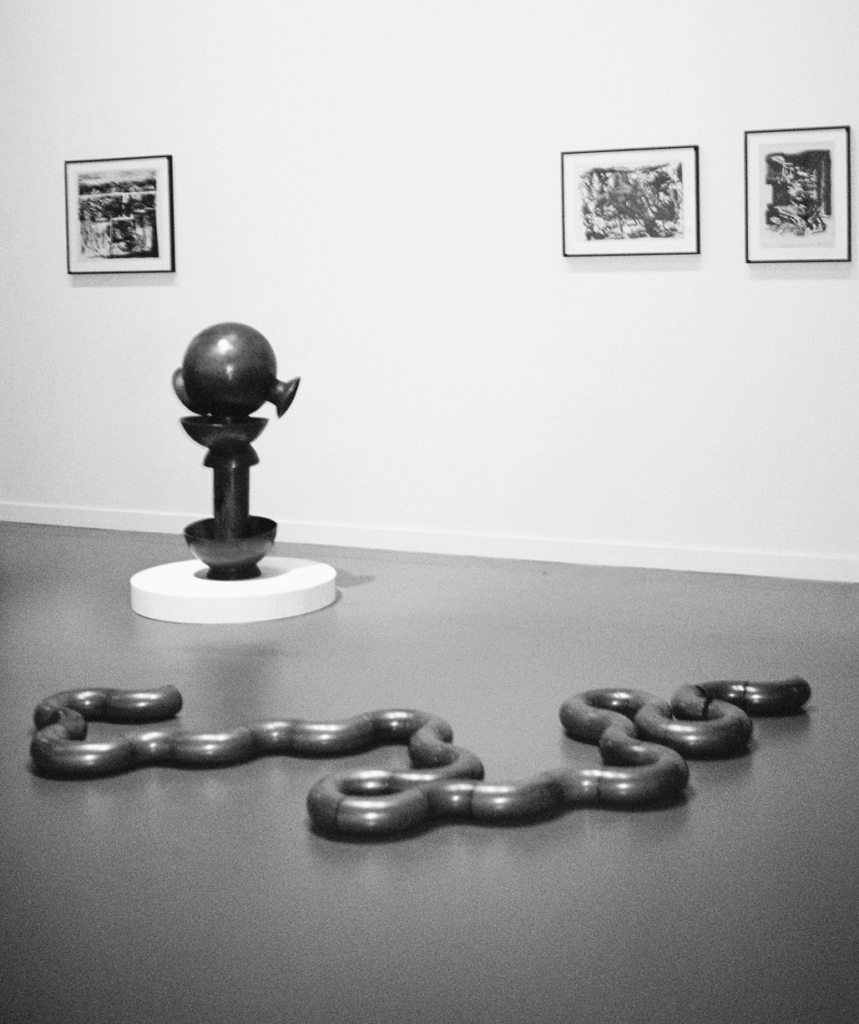
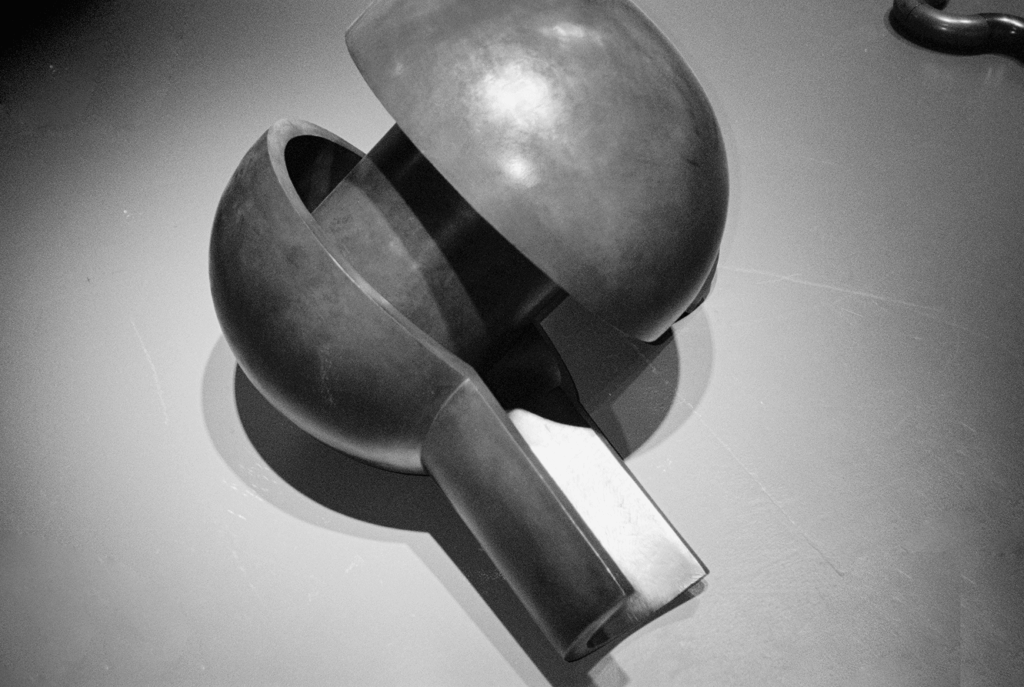
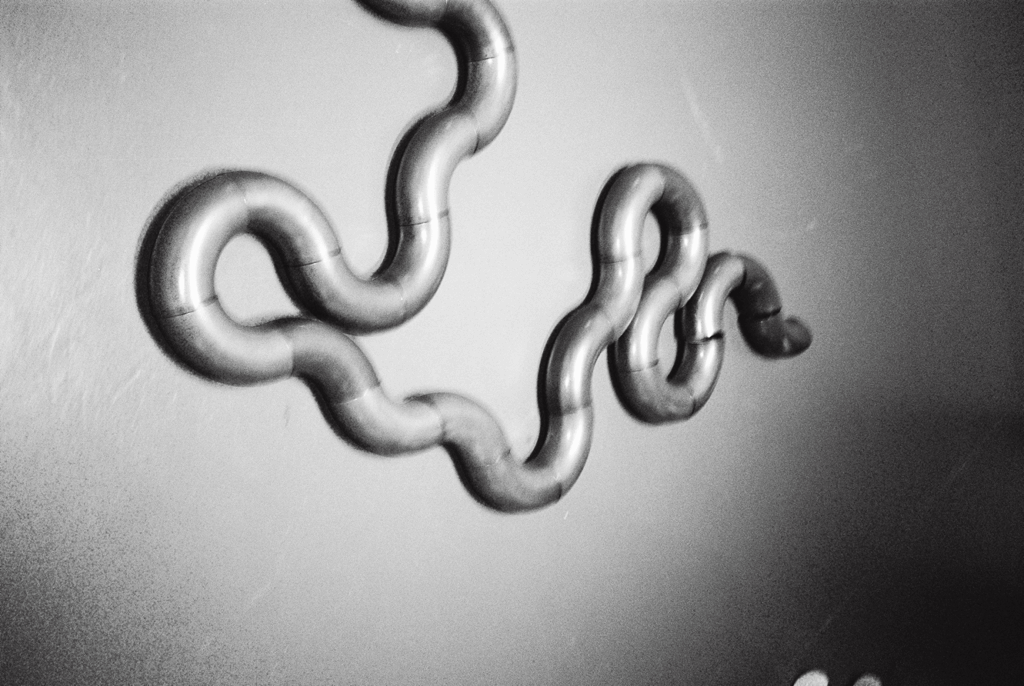
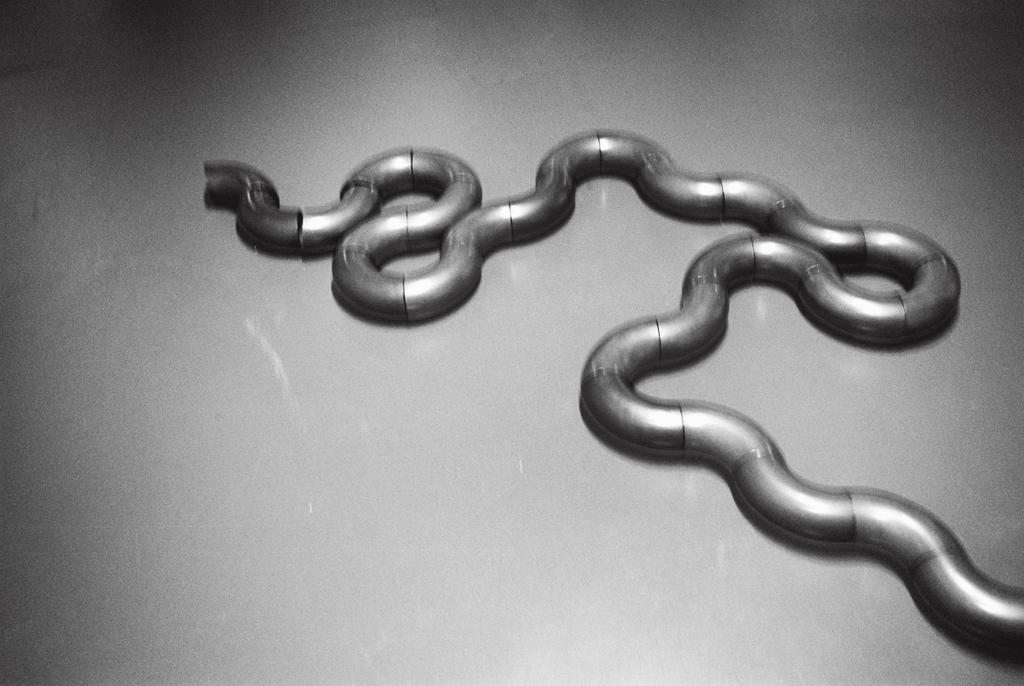
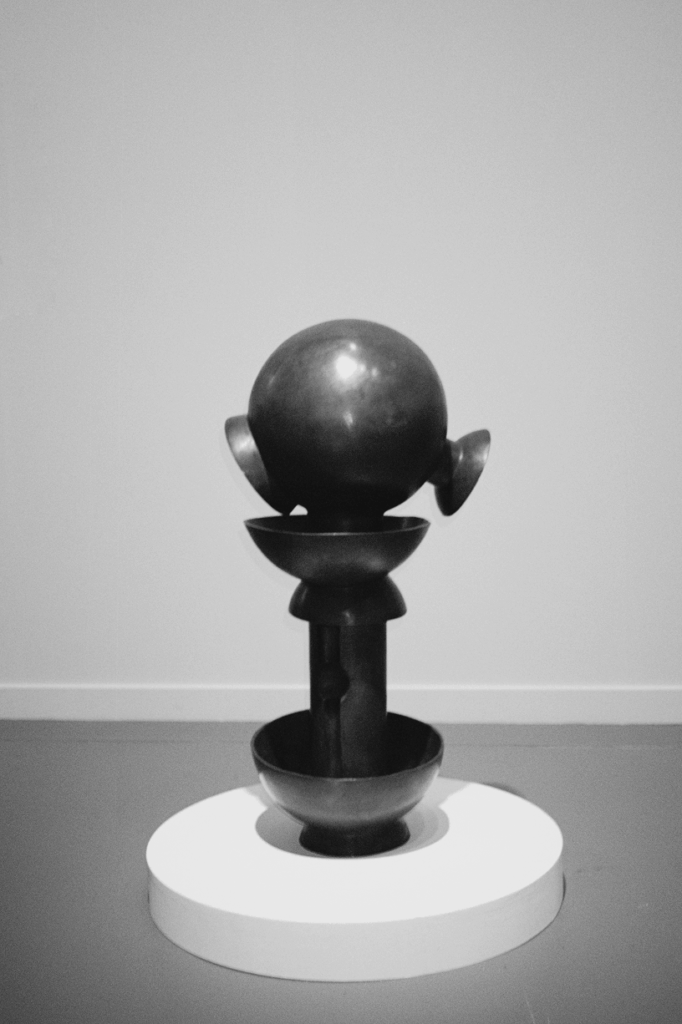
To mark the occasion, Lawrie Shabibi presented a solo exhibition of works by Amir Nour, showcasing his remarkable journey as a Sudanese modernist. Central to the stand were Serpent (1970), Doll (1974) and One and One (1976), complemented by early lithographs revealing the foundations of Nour’s sculptural practice. These pieces exemplify a rare balance between minimalist austerity and poetic, culturally rooted expression. The gallery’s presentation highlights the importance of Nour’s work and Qatar’s evolving role as a centre for contemporary art.
Read Ivona Mirkovic’s interview with William Lawrie, the gallery’s co-founder and director, to discover more about their vision for the fair, strategic approach, and the lasting impact of Nour’s work.
Ivona Mirkovic: How do you expect the launch of Art Basel Qatar shaping the contemporary art market in the Middle East over the next few years?
William Lawrie: The Art Basel brand brings a lot of international visibility to the region, although we view the fair more as an evolution than as a total transformation. The art market in the Middle East has been developing its own momentum for over 20 years, particularly so post-Covid in the UAE and Saudi Arabia. We expect the fair to streamline international interest, although its true success depends on how well it integrates with and amplifies the existing regional infrastructure.
IM: How does participating in Art Basel Qatar influence your gallery’s positioning in the global art market?
WL: We are already quite rooted in the global circuit. We have exhibited in Art Basel Hong Kong since 2016, so this is not our first time showing at a Basel fair. For Art Basel Qatar, we wanted to bring something unexpected—reintroducing an important regional artist, Amir Nour, amidst global heavyweights: the kind of presentation we have had success with at Frieze Masters in London, but this time showing in Qatar.
IM: Beyond immediate sales, what long-term impact do you hope Art Basel Qatar will have on your gallery and on the broader Middle Eastern art ecosystem?
WL: We are interested in sustainability beyond the fair cycle and hope this platform helps bring Qatar into the regional art scene for more than one week a year. The goal is for the local ecosystem to gain enough momentum to thrive independently, ensuring that the creative energy remains a constant fixture in Doha alongside the fair.
IM: How does your gallery decide which works or artists to bring to a major fair like Art Basel Qatar?
WL: For the first edition of Art Basel, we brought works by a major Sudanese modernist, Amir Nour. Qatar has an established and growing museum sector, and our gallery has a record of showing historical works by major artists, so we felt this was an appropriate approach. In future editions, it will depend on the format whether it remains solo booths only. We may bring works by younger artists—interactions between artists and the viewing public were something that really set this fair apart.
IM: Art Basel Qatar is more than an exhibition—it’s a gathering of diverse cultures and ideas. How do you hope this platform will foster meaningful dialogue between artists, collectors, and audiences from different regions?
WL: Whenever the global art community gathers, there is dialogue, but for it to be meaningful, it needs to be a two-way street. We hope the platform continues to encourage international and regional visitors to truly engage with the local context, as well as to introduce global names. In this first edition, there was an interesting mix of “blue-chip” giants alongside galleries bringing more regionally relevant content; it felt like the fair was reaching for several different targets at once. As it evolves, it will be interesting to see how these different perspectives align. The end goal is to move beyond a single event, to energise Qatar’s creative scene year-round.
Words and photography by IVONA MIRKOVIC