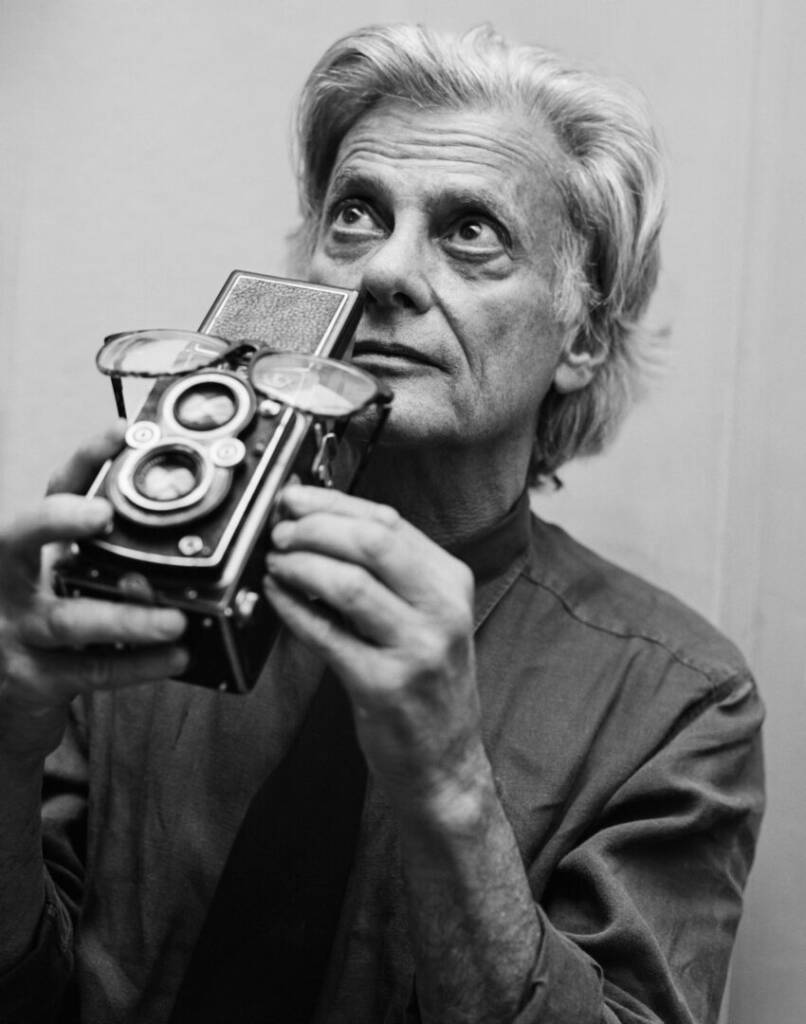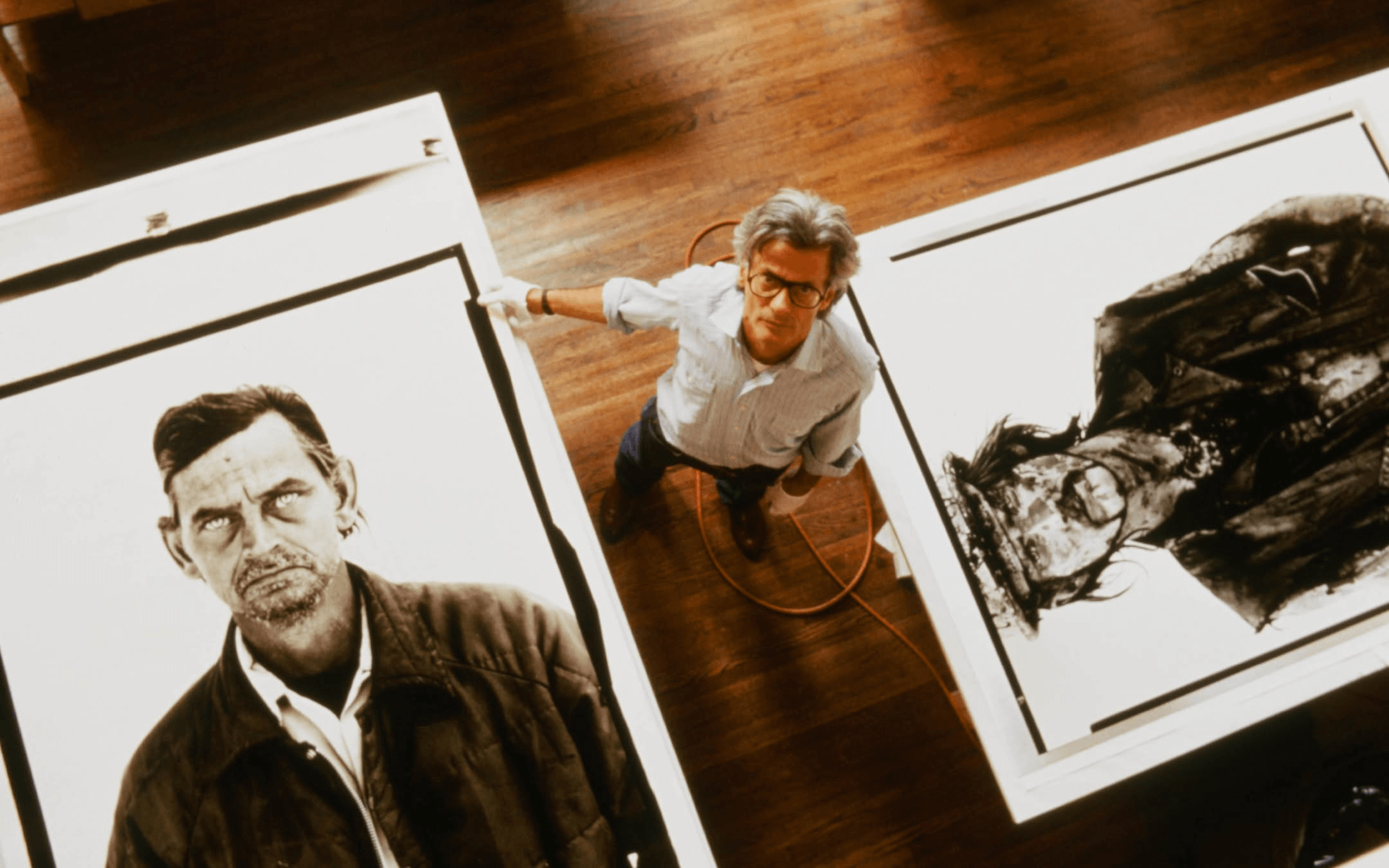
At this year’s Cannes Film Festival, director Ron Howard presents AVEDON, a feature documentary devoted to the life and legacy of Richard Avedon. Premiering within the festival’s 2026 Official Selection, the film offers a richly layered portrait of a photographer who permanently altered the visual language of fashion, portraiture, and modern culture.
Produced by Imagine Documentaries, AVEDON draws from unprecedented access to the photographer’s personal archives, including unseen images, private recordings, and intimate conversations with collaborators and contemporaries. Across 104 minutes, the documentary traces how Avedon used the camera not merely to capture culture, but to define its image.
20th century photography and Richard Avedon’s reinvention of the modern image
Few figures shaped 20th-century photography with the same force. Emerging in postwar America, Avedon shattered the rigidity of traditional fashion photography, replacing static elegance with movement, psychological tension, and cinematic vitality. His work for Harper’s Bazaar introduced a new emotional intensity to editorial imagery, where models appeared alive rather than posed.
From portraits of Marilyn Monroe and Louis Armstrong to photographs documenting civil rights activism and political unrest, Avedon moved effortlessly between glamour and social observation. His images carried both precision and vulnerability, turning portraiture into a study of performance, power, and human fragility.
Avedon’s world comes alive through the film
Rather than following the structure of a conventional biography, Howard’s documentary examines the restless creative instinct behind Avedon’s enduring visual language. The film moves through the glamour of the 1950s, the turbulence of the 1960s, and the shifting cultural landscape that followed, revealing an artist who continually crossed the boundaries between commerce, art, and political consciousness.
AVEDON is more than just a portrait of a photographer; it is also a reflection on the risks taken by artists and the power of images. Through archival material and newly recorded interviews, the documentary unveils the story of a man who rejected the notion of permanence, forever pushing the boundaries of fashion photography and portraiture to achieve a sharper, stranger and more emotionally charged aesthetic.
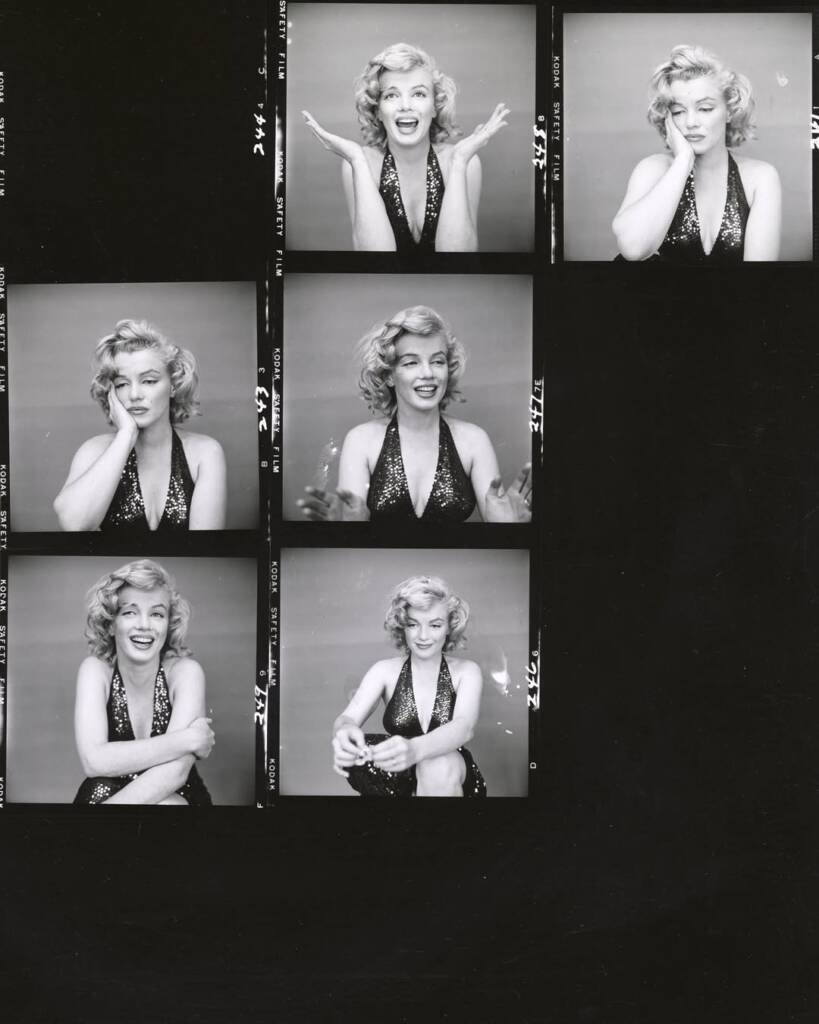
Marilyn Monroe, New York, May 6, 1957 (contacts)
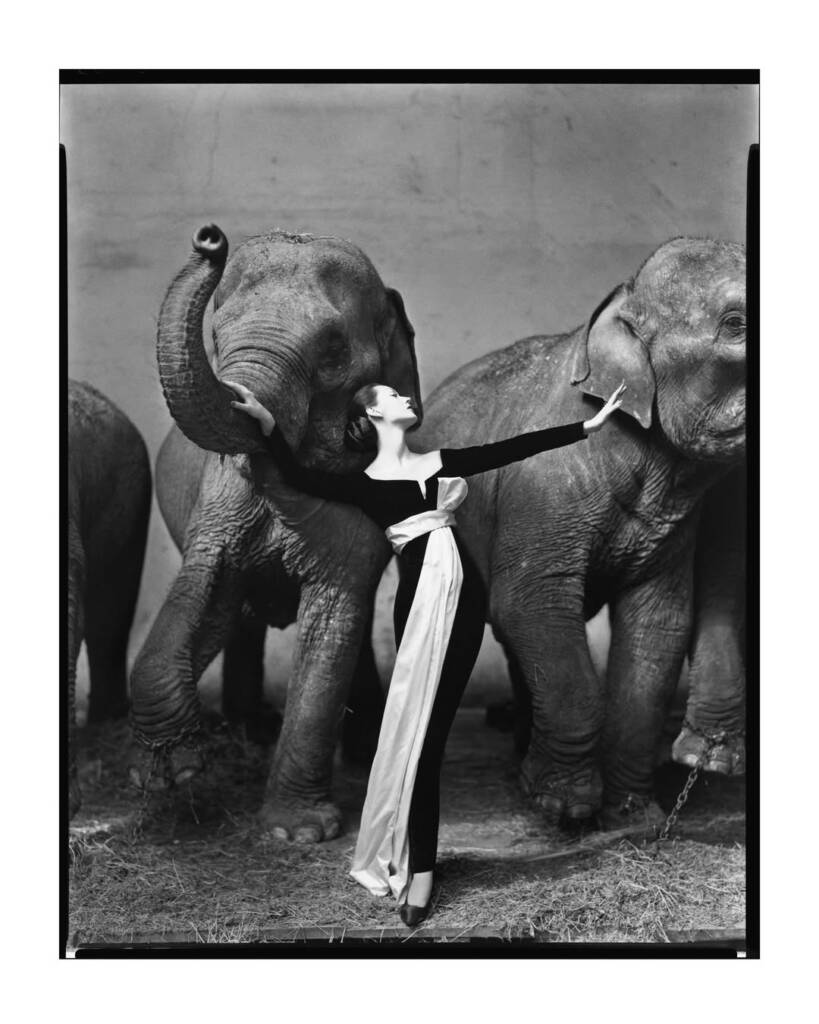
Dovima with elephants, evening dress by DIOR, CIRQUE D’HIVER, Paris, August 1955