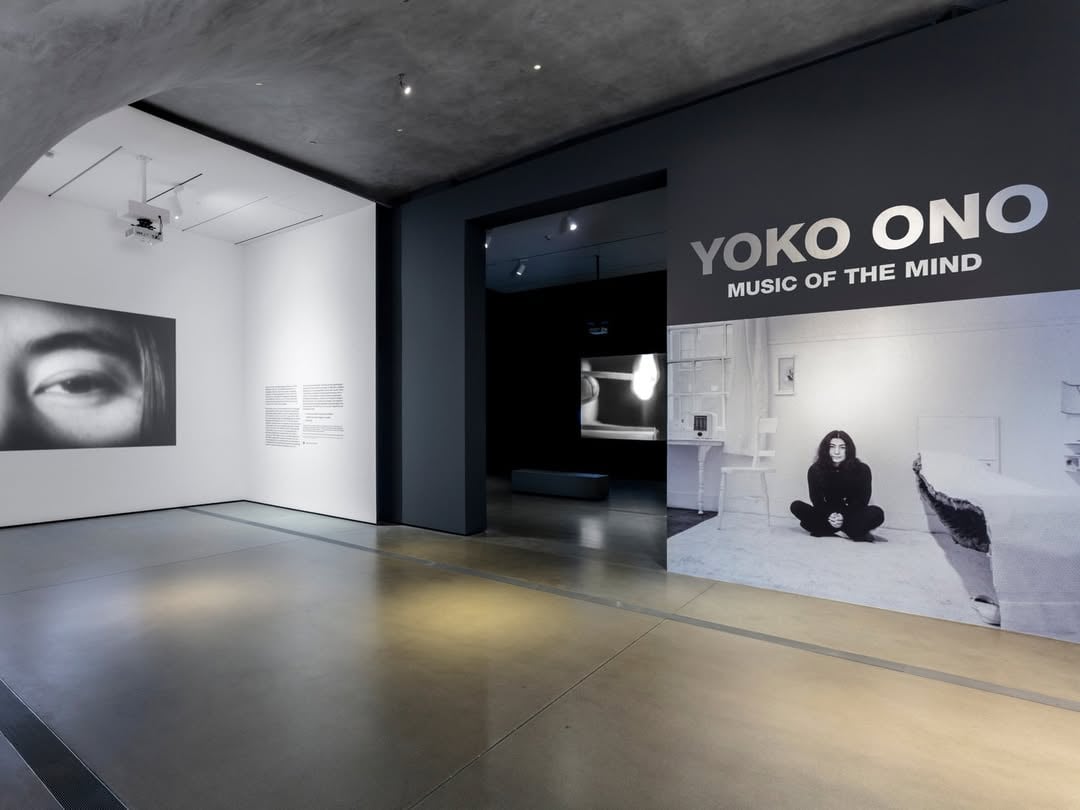
Opening at The Broad in Los Angeles (May 23rd– October 11th, 2026), Yoko Ono: Music of the Mind marks the artist’s first solo museum presentation in Southern California. Developed with Tate Modern, London, the exhibition turns the museum into a shared space of imagination, where participation itself becomes the work.
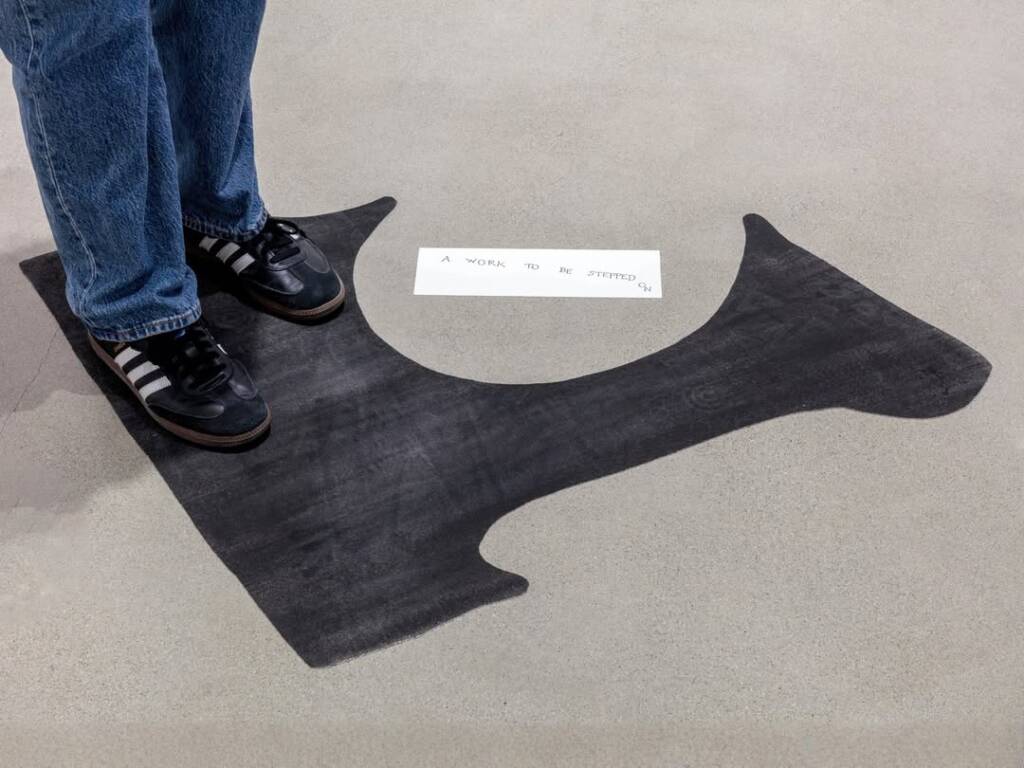
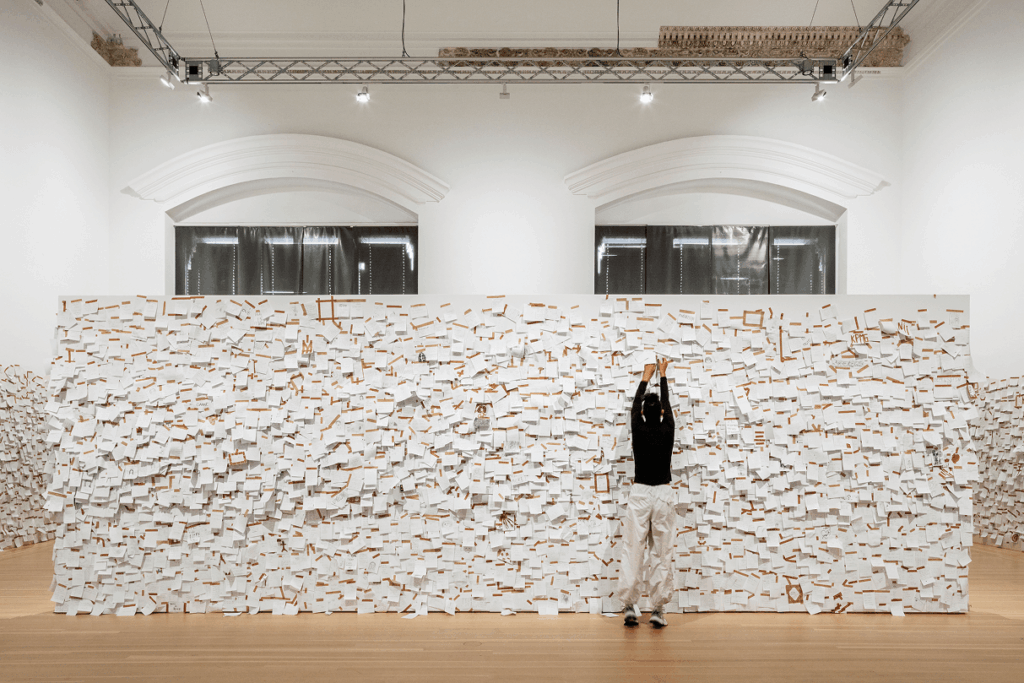
Central to Ono’s practice are participatory installations that dissolve the boundary between viewer and artwork. Visitors are invited to tie wishes onto olive trees in Wish Trees for Los Angeles, extending a series first begun in 1996. Instruction-based works from Grapefruit turn language into action—inviting imagining, drawing, or “listening to the sound of the Earth turning” as open-ended scores activated by the audience.
In Painting to Hammer a Nail, each gesture builds into a shifting collective rhythm of sound and image. Across the galleries, these structures form an environment shaped by presence, intention, and chance.
Yoko Ono’s exhibition as a score for peace, memory, and collective authorship
The exhibition also spans decades of conceptual, performative, and political work. In Cut Piece (1964), filmed documentation captures the artist seated onstage as the audience removes fragments of her clothing—an enduring study of trust, vulnerability, and spectatorship.
Works such as Acorn Event (1968) and Bed Peace (1969), created with John Lennon, extend art into activism through symbolic gestures of planting acorns and staging public “bed-ins,” advocating non-violence and global peace. Here, participation becomes both an artistic form and a civic language.
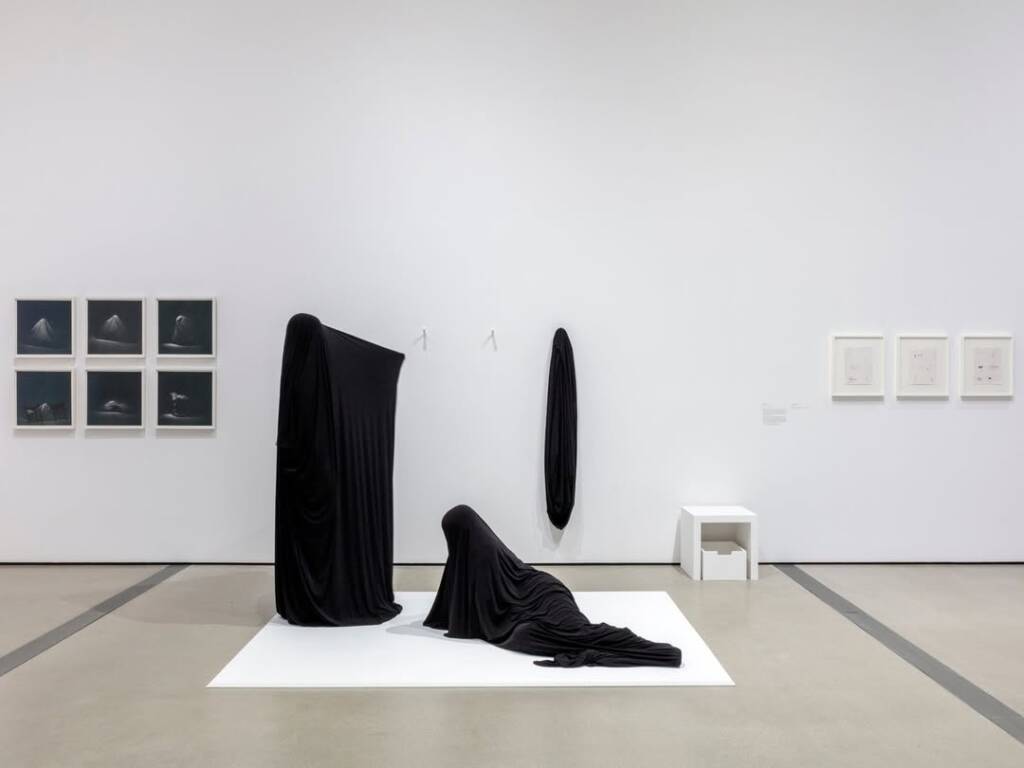
In Helmets (Pieces of Sky) (2001), visitors reconstruct fragments of sky from repurposed objects, suggesting wholeness built through collective imagination. My Mommy Is Beautiful (2004) gathers personal memories and images into a growing communal archive of care.
Beyond the museum: billboard works
Beyond The Broad, the project spills into Los Angeles through a series of billboard works across the city. These public interventions carry Ono’s messages of peace, imagination, and shared responsibility into everyday space, turning the urban landscape into a field of reflection.
Timed with the exhibition, this city-wide presence extends the ethos of Music of the Mind art exists not only within institutions but wherever participation takes place. Museum works and billboards form a continuous field where thought, action, and public space meet.
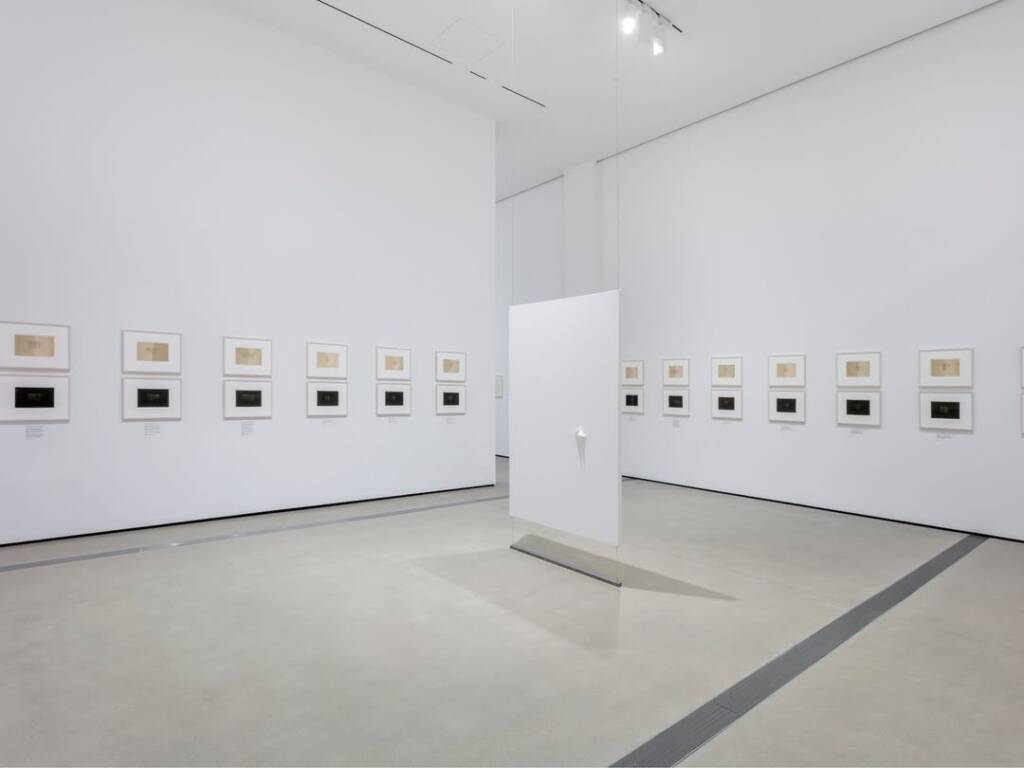
Courtesy of THE BROAD
Photography by JOSHUA WHITE/JWPICTURES.COM
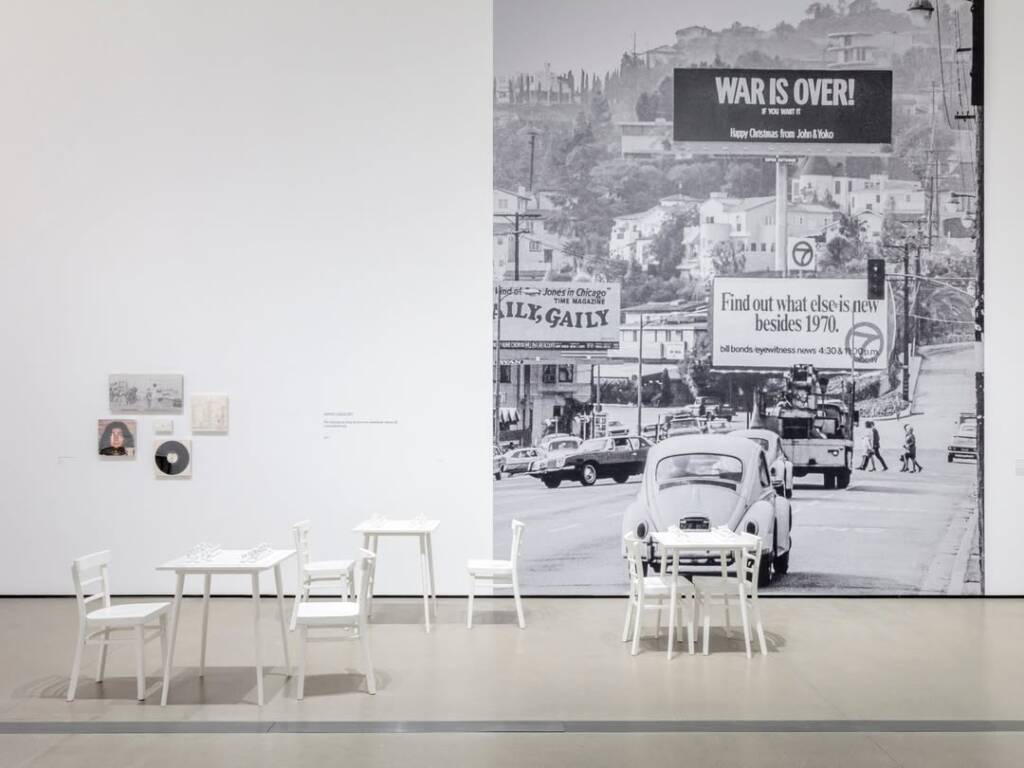
Courtesy of THE BROAD
Photography by JOSHUA WHITE/JWPICTURES.COM
Photography courtesy of GROPIUS BAU, photography by LUCA GIRARDINI. Artwork © YOKO ONO