Elliot and Erick Jiménez Bad Bunny on TIME magazine cultural memory symbolism in photography
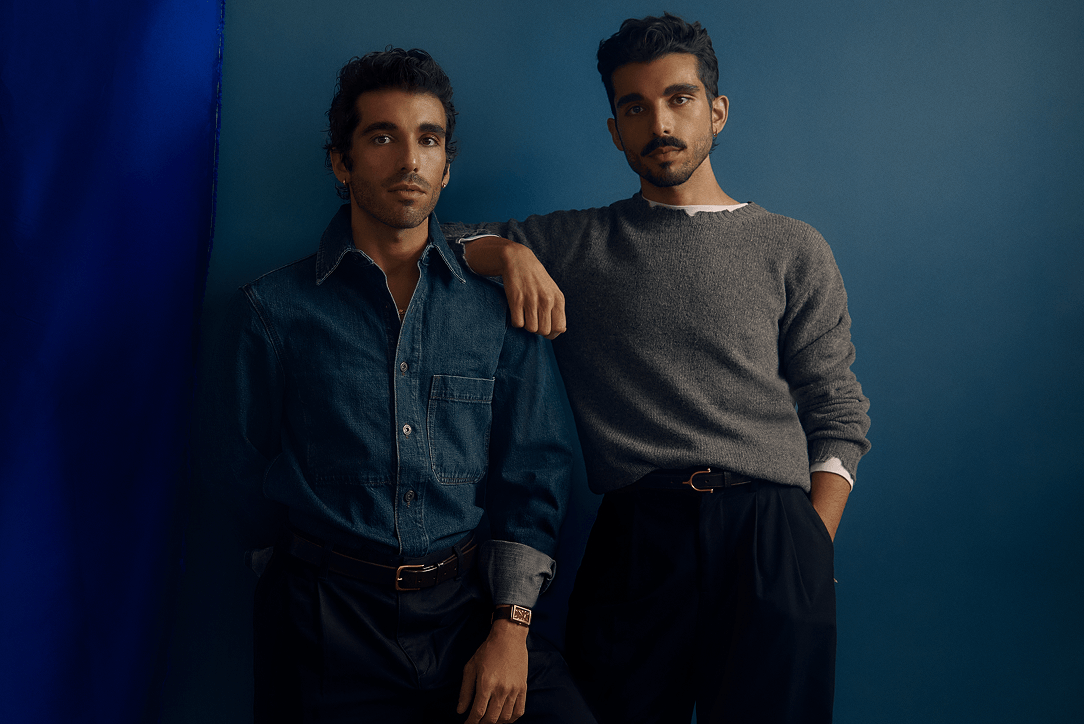
ELLIOT AND ERICK JIMÉNEZ, Self-portrait

Identity and heritage through photography: Elliot and Erick Jiménez

Elliot and Erick Jiménez
Bad Bunny on TIME magazine
cultural memory
symbolism in photography
Elliot and Erick Jiménez
Bad Bunny on TIME magazine
cultural memory
symbolism in photography
Elliot and Erick Jiménez
Bad Bunny on TIME magazine
cultural memory
symbolism in photography
Elliot and Erick Jiménez
Bad Bunny on TIME magazine
cultural memory
symbolism in photography

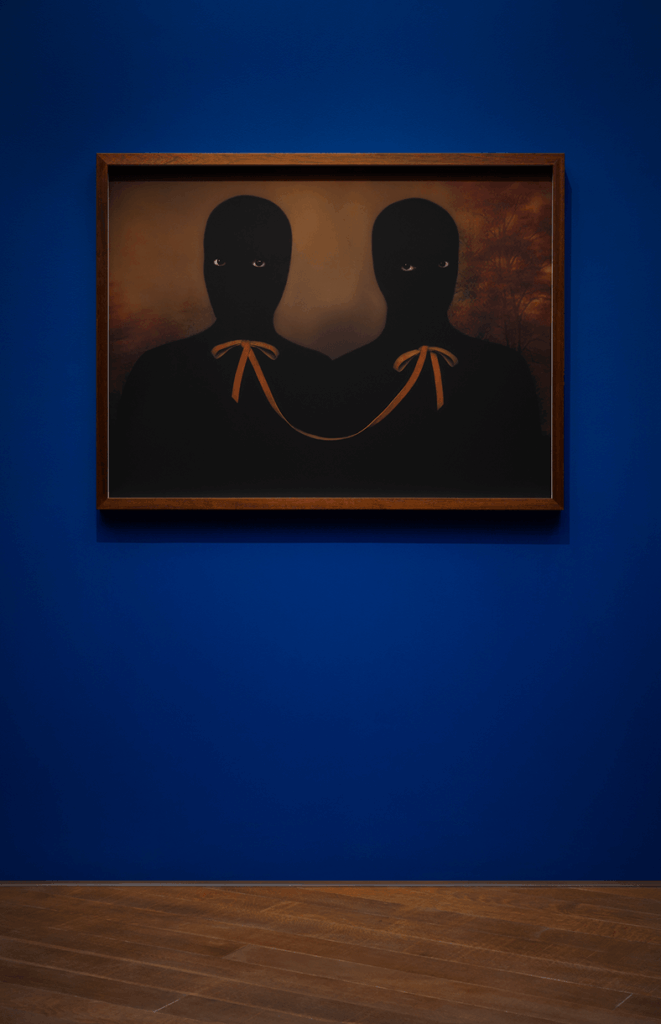
New York-based duo Elliot and Erick Jiménez are Cuban-American twin photographers and visual artists recognized for their fusion of fine art, fashion, and Afro-Caribbean narrative traditions. Drawing from Lucumí spirituality, classical painting, and their Cuban heritage, the brothers create cinematic portraits, carefully constructing the visual language and weaving rich symbolism in photography. Their work frequently explores themes of cultural memory, identity, and transformation.

Over the past decade, their images have been exhibited at institutions including The Bass and the Modern Art Museum of Fort Worth. Their first solo museum exhibition, El Monte, was presented at the Pérez Art Museum Miami last year. The duo’s editorial and commercial collaborations include Vogue Italia, Gucci, and Hermès. In 2023, Elliot and Erick photographed Bad Bunny on TIME Magazine’s historic first Spanish-language cover—a defining cultural moment that expanded Latin representation in international media. They have received honors from the CINTAS Foundation, South Arts, and Oolite Arts, and continue to build a significant presence in contemporary art, fashion, and editorial photography.

hube: What was it about El Monte that resonated so deeply with you?

Elliot and Erick Jiménez: Since it was our first museum exhibition, El Monte became a pivotal moment for us. It gave us the space to learn more about ourselves as artists, to dive deeper into our ancestry, and to connect more closely with our roots, while also confronting the past in unexpected ways.

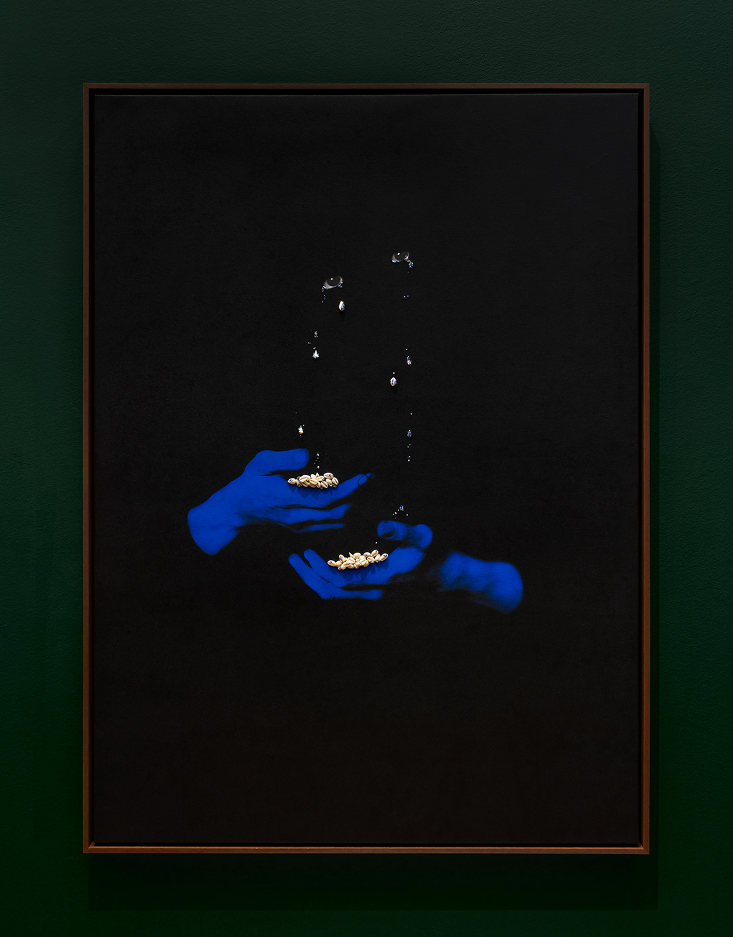
Although El Monte is a book by Cuban anthropologist Lydia Cabrera, published in 1954, for us it extends beyond the text. El Monte is also a real place in Cuba—a spiritual landscape rich with history and meaning. It’s a place people enter to make offerings, to reflect, and to seek connection with something ancestral. In that sense, it can be deeply personal.

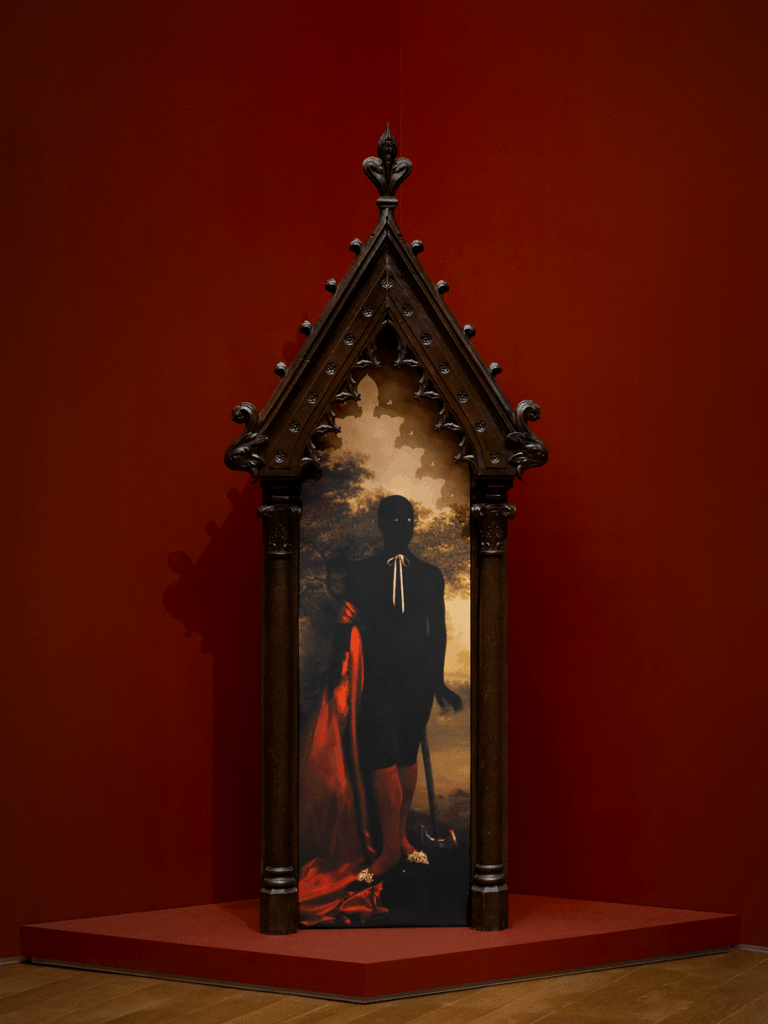
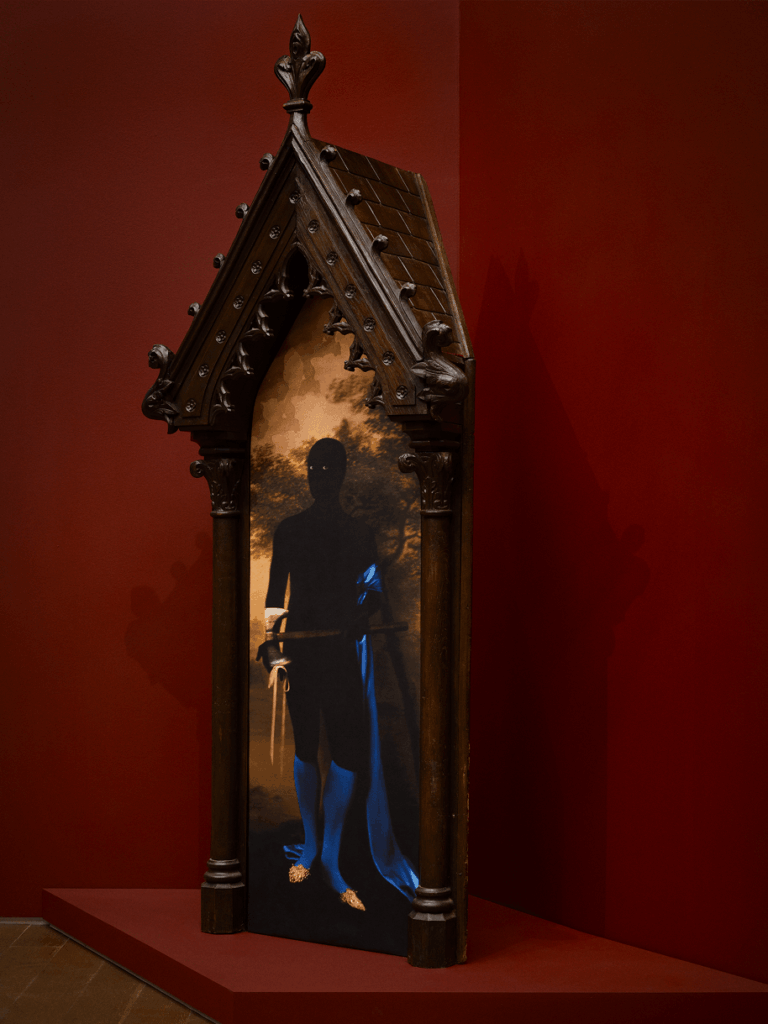
Approaching it this way, the exhibition became our own interpretation of El Monte. We quite literally created a forest-like environment inside the museum—an immersive space that people could enter. In doing so, the work became personal not only for us, but for those who experienced it. People were stepping into our version of this sacred space, bringing their own thoughts, memories, and questions with them.

There were many overlapping conversations within the work that shaped not just our practice as artists, but how we understand and move through the world. It’s one of the most meaningful experiences we’ve had, especially seeing how powerfully the space resonated with people both within and beyond our community.

The exhibition became a way of connecting the past with the present, while also weaving in our own stories—not only through the spirituality embedded in this work, but through the lineage of Cuban artists who came before us, who engaged with this text and, in many ways, made space for us to continue these conversations and open them toward something new.

h: Growing up between cultures, how has your background informed your visual language and the stories you feel compelled to tell?

EEJ: Culture shapes how we understand the world before we even realize it’s happening. It’s in the language we use, the symbols we recognize, the way we relate to one another, the generational memory we carry, and so on. It also gives context to how a person may identify.

For us, this is especially present. As first-generation Cuban-Americans, we grew up between cultures. There wasn’t just one clear system, so we became aware early on that identity isn’t fixed—it’s something layered and shifting. We were always moving between different systems of meaning: one set of references at home, another outside. That tension made us really aware of how images carry different meanings depending on context. Our work often lives suspended in that in-between space.
h: Mysticism plays a central role in your work. How did you first begin to articulate this interest visually, and how has your relationship to it evolved over time?

EEJ: For us, mysticism has always been less about something defined and more about a way of accessing something that isn’t fully logical or easy to explain. It’s been present in our work from the beginning, whether in our fashion projects or our art practice. We were always searching for something we didn’t quite have the language for yet.

Early on, that appeared instinctively. We were making images based on feeling, often without fully understanding what we were tapping into. Over time, that hasn’t changed so much as it’s deepened. It’s been nearly twenty years since we first picked up a camera, and with that distance, we’ve learned to trust those instincts more consciously. We’ve become less concerned with how the work is perceived and more open to following what feels internally true, even when it’s difficult to explain.

Through these elements, we’re thinking about our own experiences, but also about cultural memory, ancestry, and histories we didn’t directly live but still carry. It isn’t always something we can articulate clearly, but it’s present. It becomes a way of working through what doesn’t fit neatly into logic.

h: As identical twins, how does your dynamic shape your communication and shared ambitions? When differences arise, how do you navigate them?

EEJ: The older we get, the more we enjoy being twins and getting to do this together. It’s a special bond we have; we communicate a lot. Communication is very important, especially when working with someone else. There are moments where we disagree, but that’s part of our process. Usually, the work gets better when we push against each other a bit. We like to challenge each other—in a good way. There’s a shared foundation, but we each bring different instincts, and that tension can feel exhausting at times, but ultimately productive.

h: There is a strong sense of intimacy in your imagery. How do you build trust with your subjects?

EEJ: Trust is everything. Most of the time, we’re asking people to step into a very specific emotional or physical space, so it begins with creating an environment that feels open and safe. In our art practice, we often work with individuals we already share a connection with, or take the time to build that connection before anything else.

But intimacy in the work also comes from something deeper. We were raised within a spiritual framework that was often kept secret, passed down through oral traditions rather than openly explained. There’s a closeness in that kind of transmission, something personal, that has shaped how we think about presence and vulnerability.

In this way, the images are not just about directing a subject, but about holding space for something to unfold. Photography, for us, is deeply collaborative. People bring their own histories, their own energy, and that exchange becomes part of the image. The intimacy comes from that meeting point—an exchange that is quietly being shared between us and the subject, even if it’s not fully spoken.

h: Within your partnership, what does each of you bring individually?

EEJ: It shifts depending on the project. We don’t divide roles in a fixed way. There are moments when one of us leads and the other supports, and then it reverses. The work comes out of that back and forth, more from a constant exchange rather than clearly defined responsibilities. We’re aware of each other’s strengths and lean into them when needed, but for the most part, things remain quite evenly shared.

Elliot and Erick Jiménez
Bad Bunny on TIME magazine
cultural memory
symbolism in photography
Elliot and Erick Jiménez
Bad Bunny on TIME magazine
cultural memory
symbolism in photography
Elliot and Erick Jiménez
Bad Bunny on TIME magazine
cultural memory
symbolism in photography
Elliot and Erick Jiménez
Bad Bunny on TIME magazine
cultural memory
symbolism in photography
Elliot and Erick Jiménez
Bad Bunny on TIME magazine
cultural memory
symbolism in photography
Elliot and Erick Jiménez
Bad Bunny on TIME magazine
cultural memory
symbolism in photography
Elliot and Erick Jiménez
Bad Bunny on TIME magazine
cultural memory
symbolism in photography
Elliot and Erick Jiménez
Bad Bunny on TIME magazine
cultural memory
symbolism in photography
Elliot and Erick Jiménez
Bad Bunny on TIME magazine
cultural memory
symbolism in photography

h: You photographed Bad Bunny for the first Spanish cover of TIME Magazine, during its 100-year anniversary. How did that collaboration come about?

EEJ: We had met with Dilys Ng, then the photo editor at TIME, a few months prior to discuss the possibility of working together. It was an open conversation about our practice and the kinds of images we’re drawn to; we even spoke about some of our dream subjects. When she reached out a few months later about this project, you can imagine how excited we were.

We didn’t fully understand, at the time, the scale of it all, or that it would become TIME’s first Spanish-language cover in its 100-year history. We only found out about that once the issue was released.

What also made the experience especially meaningful was being able to bring our team with us, which isn’t always possible with these types of projects. There was a level of trust and creative freedom that allowed the work to unfold the way we had imagined. Benito was incredibly collaborative and open—not just to our ideas, but to the energy of everyone involved.

It feels like it became a defining moment for us, with a series of firsts happening all at once: our first cover, TIME’s first Spanish-language cover, and Benito’s first cover with the magazine.

h: How did you come to define your relationship with photography as a medium?

EEJ: We’ve always thought of photography as something closer to painting or sculpture. It’s less about capturing and more about constructing ideas. Set design, lighting, and texture all matter just as much as the subject we’re photographing. That mindset developed over time, but it’s how we naturally approach our work now.

Our work has also expanded beyond the image itself. It’s about the materials we engage with—through embellishment, antiques, and found objects. It has become a mix of media, depending on the project.

h: Is there a conceptual thread you find yourselves returning to?

EEJ: We keep coming back to ideas around duality, identity, and transformation. We’re interested in what exists between states of being, between visibility and concealment, presence and absence, the individual and something more collective.

Our figures aren’t fixed or fully defined. They often resist being read through gender, as well as through any singular identity, which allows them to hold different meanings depending on who’s looking. That openness is important to us. It reflects both our own experience and the complexity of the cultural and spiritual frameworks we work within.

h: What continues to inspire you today?

EEJ: We’re constantly in search of inspiration. It comes from cinema, music, and painting—things we’re always exploring and returning to. More recently, travel has become especially important. Being able to move through different places and collect things along the way that resonate with our work has been incredibly meaningful.

We’re drawn to pieces of history, like antiques or objects that carry a past, and bringing them into our work as a way of giving them new life while also contextualizing that history through our own stories. These objects don’t just exist within the image; they begin to shape the ideas around it. That relationship between what came before and what we’re building now has been the most exciting part for us lately.

h: Now that El Monte has closed at the Pérez Art Museum Miami, is there anything you’re taking from that experience into your next projects?

EEJ: Absolutely. We were recently telling the curator of El Monte, Maritza Lacayo, that the show has become something like a well for us—a place we can return to and draw from as we move into future work. It holds many ideas, experiences, and a kind of energy we’re still trying to understand, but know we’ll carry with us, moving forward.

The process was deeply transformational as well, not just for our practice, but for us personally. When you give so much of yourself to something and feel that it resonates with others the way it did, it stays with you. That experience is something we’ll continue to draw from and pour into what comes next. The support from the community meant a great deal. More than anything, we hope to carry that sense of connection forward, and to continue building work that holds space for others in a similar way.

Elliot and Erick Jiménez
Bad Bunny on TIME magazine
cultural memory
symbolism in photography
Elliot and Erick Jiménez
Bad Bunny on TIME magazine
cultural memory
symbolism in photography

Installation images by ZACHARY BALBER, courtesy of the artists and SPINELLO PROJECTS

Words: ISABELLA MICELI

ISSUE 8

issue no8

Discover the new issue — available now