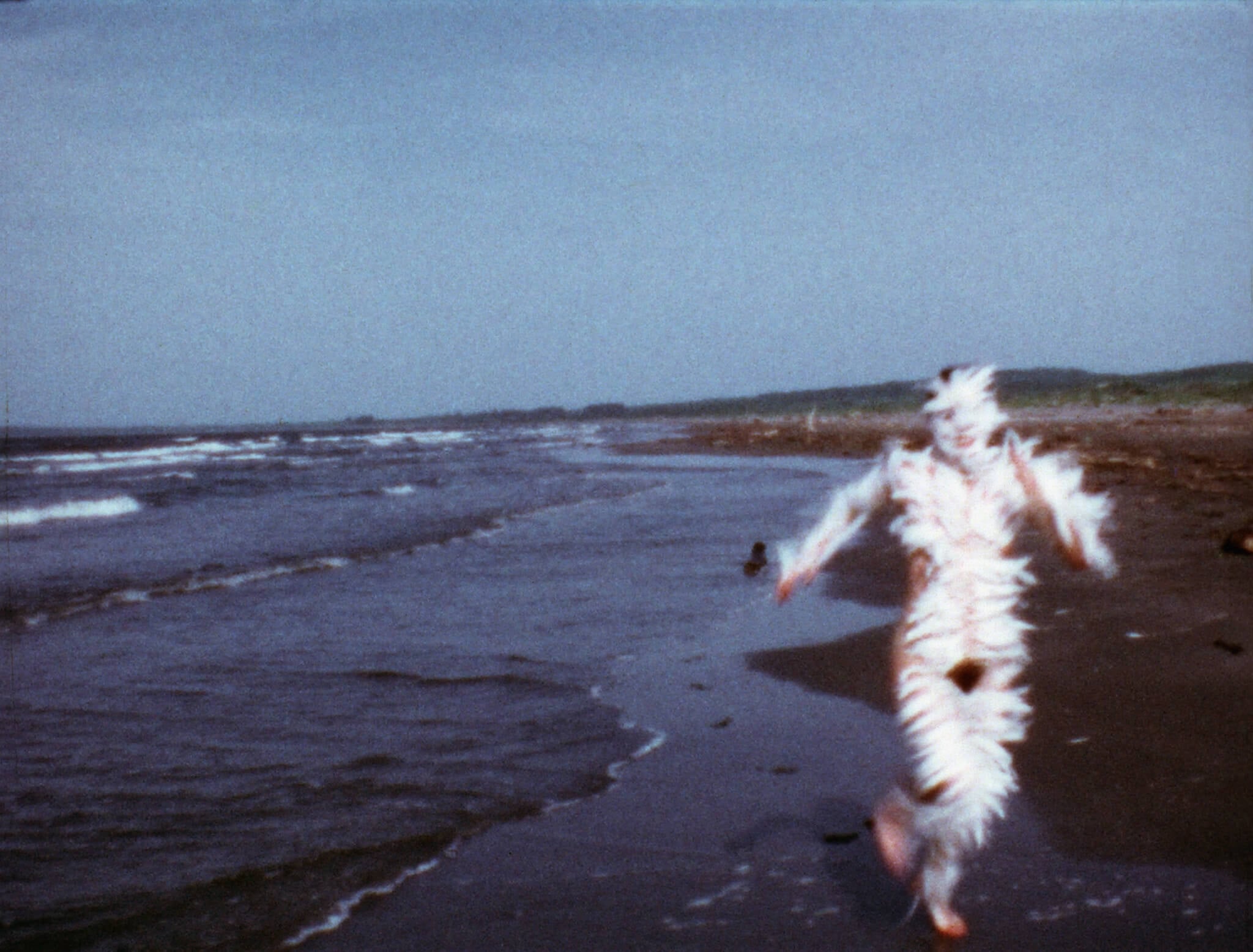
The upcoming Ana Mendieta exhibition at Tate Modern runs from July 15th, 2026, to January 17th, 2027, marking the UK’s first major survey of her work in more than a decade. Bringing together over 120 works—including photographs, newly restored films, paintings, sculptures, and site-responsive installations—it offers a wide-ranging view of one of the twentieth century’s most influential artists.
The Cuban-born American artist is best known for her pioneering Silueta Series, through which she forged a profound connection between the body and the natural world. Using elements such as earth, fire, water, flowers and stone, she created ephemeral installations that challenged traditional notions of sculpture, memory, ritual and place.
One of the most influential women artists and her lasting cultural legacy
The exhibition also explores Mendieta’s involvement with experimental art communities in Iowa and New York, including the A.I.R. Gallery — the first artist-run cooperative for women in the United States. Her early collaborative films with students reveal her dedication to teaching and creative exchange.
Over forty years since her death, she remains a defining figure in feminist, performance and environmental art. Her exploration of identity, exile, ritual and belonging continues to resonate in contemporary art practice.
Ana Mendieta works: earth, film, and ritual
Highlights include the landmark Silueta Series (1973–80), in which Mendieta inscribed the female body into landscapes across the Americas and Europe. Preserved through photography and film, these ephemeral works evoke absence, renewal, and humanity’s bond with the earth.
The exhibition also premieres newly restored UK screenings of Bird Run (1974) and Silueta de Cohetes (Firework Piece) (1976), underscoring her innovative use of film. Later sculptures created after her move to Rome—including Nile Born (1984) and La Jungla (Totem Grove) (1985)—demonstrate how her enduring interest in ritual and landscape found lasting sculptural form. A restaging of Ñañigo Burial (1976) and a reconstructed earth-body installation further extend her singular artistic vision.
By dissolving the boundaries between sculpture, performance, film, and nature, Mendieta permanently altered the course of contemporary art, leaving a legacy that continues to shape generations of artists.
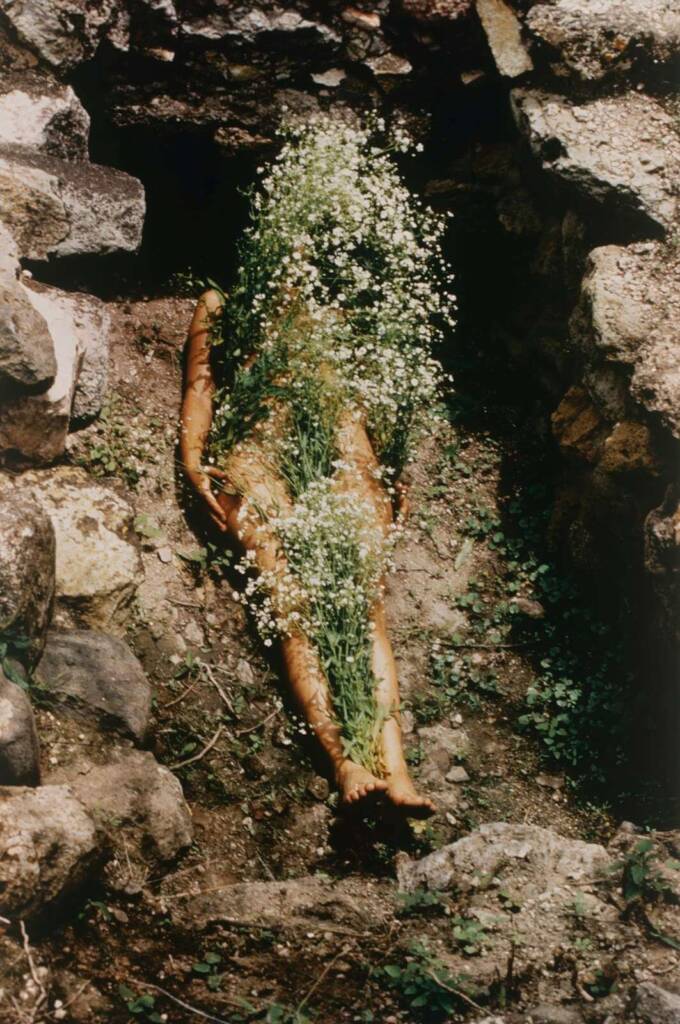
Imágen de Yágul, 1973
© THE ESTATE OF ANA MENDIETA COLLECTION, LLC. Licensed by ARTIST RIGHTS SOCIETY (ARS), New York / DACS, 2026 / Courtesy of MARIAN GOODMAN GALLERY and ALISON JACQUES, London

Untitled, 1972
© THE ESTATE OF ANA MENDIETA COLLECTION, LLC. Licensed by ARTIST RIGHTS SOCIETY (ARS), New York / DACS, 2026 / Courtesy of MARIAN GOODMAN GALLERY and ALISON JACQUES, London

Untitled: Silueta Series, 1977.
© THE ESTATE OF ANA MENDIETA COLLECTION, LLC. Licensed by ARTIST RIGHTS SOCIETY (ARS), New York / DACS, 2026 / Courtesy of MARIAN GOODMAN GALLERY and ALISON JACQUES, London