This autumn, the Barbican devotes a season to one of Japan’s most influential literary voices with Haruki Murakami: A Season, running in London from October 8th to November 21st 2026. Spanning theatre, cinema, conversation and music, the programme moves through Murakami’s recurring territories of memory, imagination, technology and solitude, offering different entrances into his elusive literary universe.
A parallel world comes to the Barbican stage
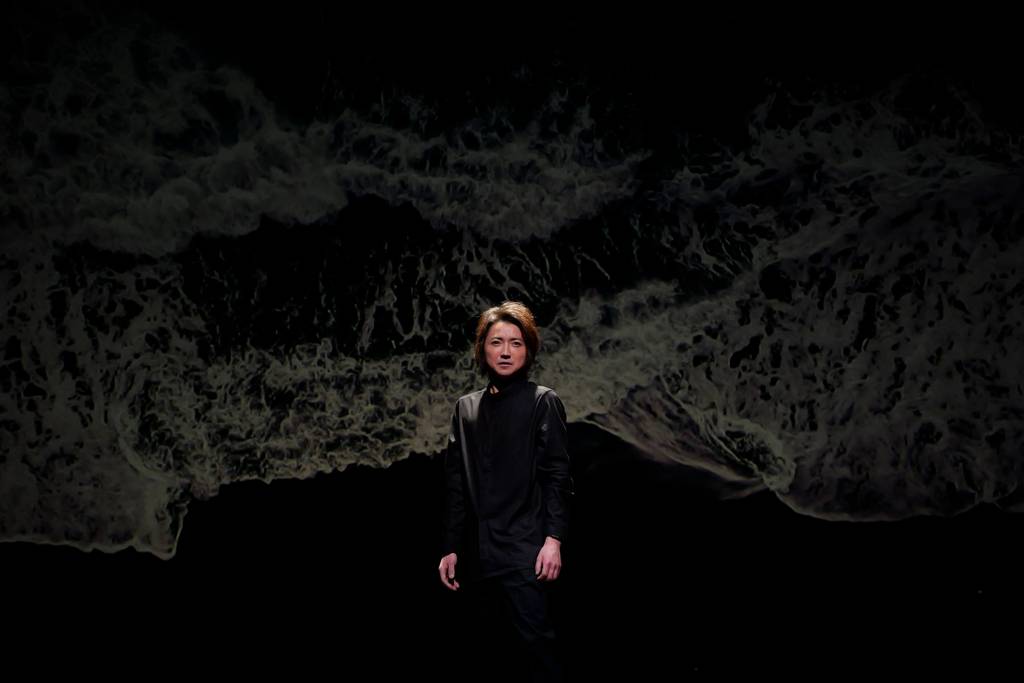
The season opens with the European premiere of End of the World and Hard-Boiled Wonderland, the first stage adaptation of Murakami’s 1985 novel Hard-Boiled Wonderland and the End of the World. Directed and choreographed by French artist Philippe Decouflé, the production stars acclaimed Japanese actor Tatsuya Fujiwara alongside a company of actors, dancers and musicians from Japan.
Running at the Barbican Theatre from October 8th to 11th, the story moves between two parallel worlds: a technologically advanced Tokyo and a mysterious walled town inhabited by unicorns and haunted by questions of memory and identity. Cyborgs, data, dreams and a subterranean underworld populate Murakami’s strange landscape, where reality and imagination continually slip into one another.
The novel’s fascination with technology feels strikingly current. Beneath its fantastical systems lie intimate questions about identity, memory and what remains of the self when information becomes power.
Murakami in his own words
On October 11th, Murakami himself appears at the Barbican’s Cinema 1 to read from his 2023 novel The City and Its Uncertain Walls and discuss his work with theatre director and actor Simon McBurney.
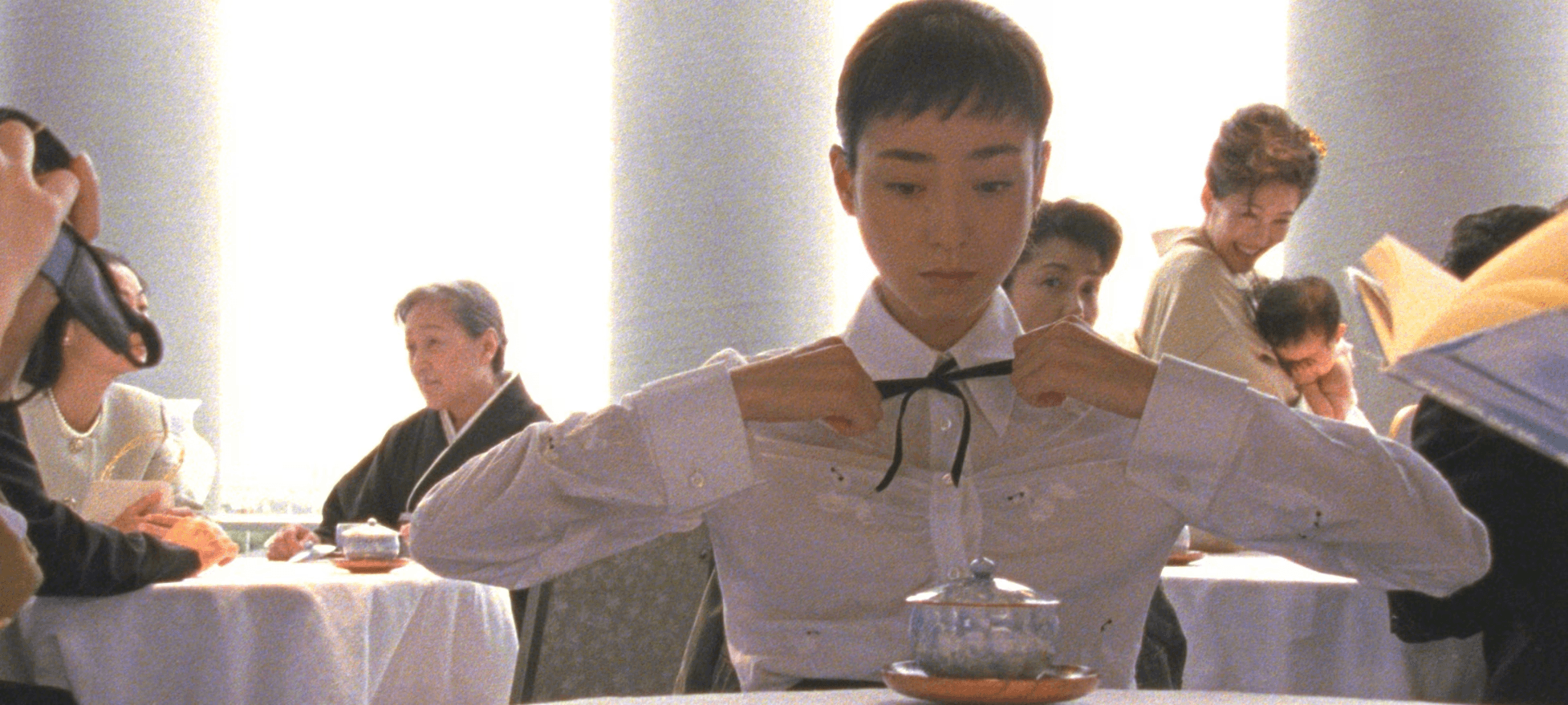
The evening continues with a screening of Tony Takitani, Jun Ichikawa’s 2004 adaptation of Murakami’s short story. The film follows a technically gifted illustrator whose carefully controlled solitude is disrupted by love, before his new relationship becomes entangled with an obsession with designer clothing.
Memory, loneliness and grief run through the film’s restrained visual language and desaturated palette, accompanied by a spare piano score by Ryuichi Sakamoto. The pairing of conversation and cinema offers a rare glimpse of Murakami speaking about his own work alongside one of its most atmospheric screen adaptations.
From Peter Cat to London’s Jazz stage
A Season closes on November 21st with Haruki Murakami’s Jazz at Peter Cat: a Japanese Jazz Night, presented as part of the EFG London Jazz Festival.
The concert takes its name from the Tokyo jazz club Murakami ran from 1974 to 1981, named after his pet. Jazz has remained deeply woven into his literary imagination, with records, musicians and fleeting musical passages recurring throughout his novels. Murakami has even likened his writing process to free improvisation, allowing rhythm and association to guide his stories.
The Barbican night evokes the atmosphere of a Japanese listening club through performances by the Junko Onishi Trio, Sachi Hayasaka / TReS and Yoshio Suzuki’s The Blend with Kosuke Mine, Keisuke Nakamura, Hakuei Kim and Tamaya Honda. Following Suzuki’s death in September 2026, the performance will continue with the four remaining members of The Blend.
For London audiences, the season offers an expansive encounter with Murakami’s imagination—and with the Japanese artists who have carried his characters, ideas and peculiar sense of reality into new worlds.
Courtesy of BARBICAN