A new beginning, and a defining step towards a more interconnected art world. The inaugural group exhibition at Frieze Abu Dhabi places the artistic histories of West Asia, North Africa and South Asia at the centre of a wider global conversation. Running from 19 to 22 November 2026, the first edition marks a new chapter in the emirate’s cultural history and international ambitions.
Building on Abu Dhabi Art’s 17-year legacy, the fair gathers 89 exhibitors from 37 countries and regions, with over 60 galleries showcasing works from the mid-20th century to today. Its four sections—Galleries, Focus, Frieze Masters Abu Dhabi and Global Futures—trace artistic connections across generations and geographies, from pioneering regional figures to emerging voices. Themes of identity, memory, migration and cultural heritage run throughout the presentations, reflecting the region’s shifting realities.
Beyond the booths, commissions, public sculptures, exhibitions and talks extend the programme across the city. We’ve rounded up the highlights to help you navigate the fair and catch the events worth seeing.
In Dialogue: Mohammed Kazem and Alia Zaal
The flagship exhibition at Frieze Abu Dhabi
Frieze Abu Dhabi 2026 introduces In Dialogue, a new annual flagship exhibition bringing together established and emerging artists from the UAE to create unexpected connections across generations and artistic practices. Its inaugural presentation, At Another Meeting Point, pairs Emirati artist Mohammed Kazem with Alia Zaal in a conversation shaped by different approaches to image-making, memory and perception.
Curated by Dirwaza Curatorial Lab, the exhibition project reflects on how artistic perspectives evolve across time, opening up new ways of seeing the region’s contemporary art landscape. Founded by curator Munira Al Sayegh, Dirwaza is an Abu Dhabi-based creative incubator dedicated to reclaiming narratives through exhibition-making, cultural research and community-building. Alongside co-curators Hessa Al Nuaimi and Dania Al Tamimi, the Lab brings its regional perspective to this new curatorial format. In Dialogue establishes a platform for meaningful exchange between generations, offering a fresh perspective on the evolving language of Emirati art.
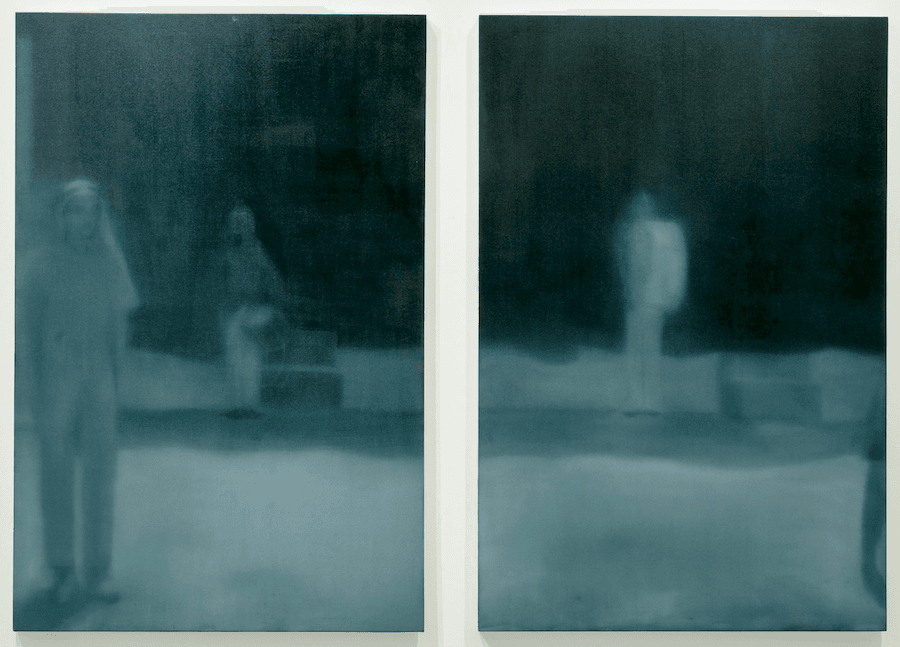
Relative Perceptions, 2015
Courtesy of the artist, photography by ALIA ZAAL
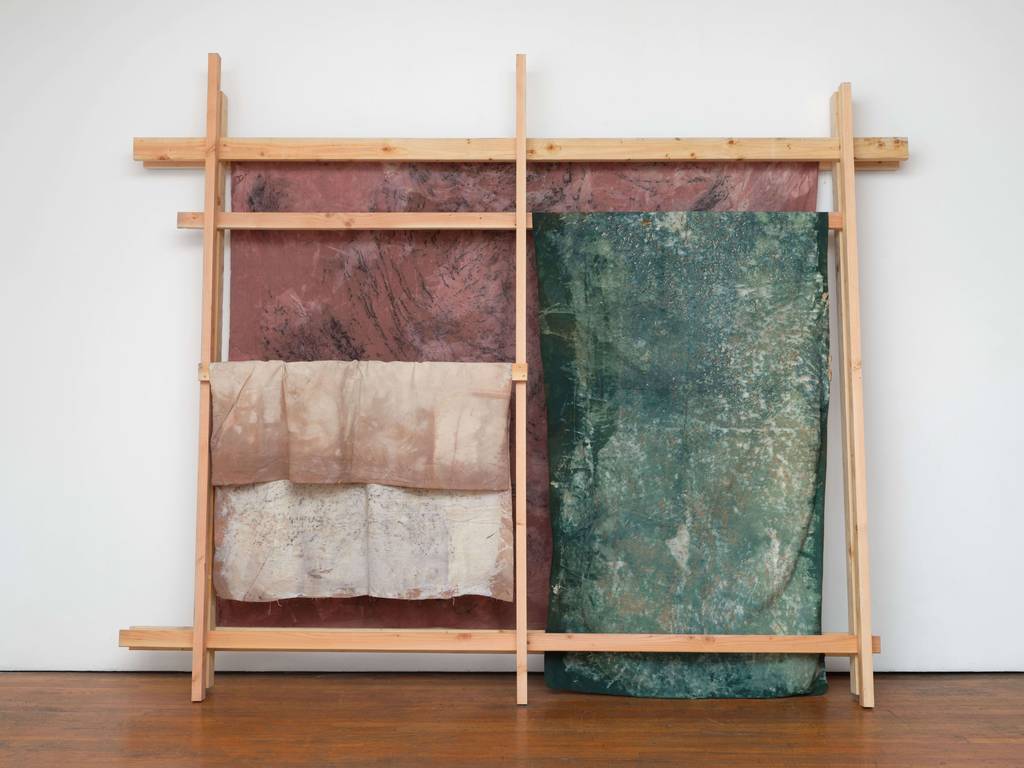
Karak Nuh (Noah’s fort) VI, 2025
Courtesy of the artist and COMMONWEALTH AND COUNCIL, photography by PAUL SALVESON
Frieze Abu Dhabi Artist Award: Dala Nasser presents Qubbat Duris
The inaugural Frieze Abu Dhabi Artist Award recognises Lebanese artist Dala Nasser for Qubbat Duris, an immersive installation inspired by a 13th-century shrine near Baalbek, Lebanon. Reconstructing the monument through a timber framework draped in fabric marked with charcoal rubbings, ash, raw clay and terracotta, Nasser explores the ties between land, memory, displacement and historical violence. Drawing on her distinctive practice of archaeological frottage, she uses natural materials and architectural remains as tangible records of histories often excluded from official narratives, while calling attention to endangered cultural heritage.
Frieze Abu Dhabi x Deutsche Bank
Marking the culmination of a 22-year partnership with Frieze, Deutsche Bank joins its inaugural Abu Dhabi edition as Global Lead Partner, extending its longstanding commitment to contemporary art and cultural exchange across the region. As the fair opens a new chapter in the emirate’s international art scene, Deutsche Bank continues its support through a specially curated installation in its lounge by UAE-based architect, designer and photographer Omar Al Gurg. The presentation features photographs from Al Gurg’s 2021 expedition to Mount Kilimanjaro in Tanzania, offering a glimpse into one of the mountain’s most distinctive ecosystems.
Focusing on Kilimanjaro’s Moorland zone, with its wildflowers and giant groundsel and lobelia plants, the photographs capture the extraordinary botanical forms that also resonate with Al Gurg’s own design language. His lens shifts attention away from the familiar image of the mountain as a summit to be conquered, instead revealing the richness of its fragile ecosystems and the intricate details of its natural landscape. It is a fitting final note for the fair, leaving visitors with a renewed appreciation for the beauty of close observation and the subtle connections between art, design and the natural world.
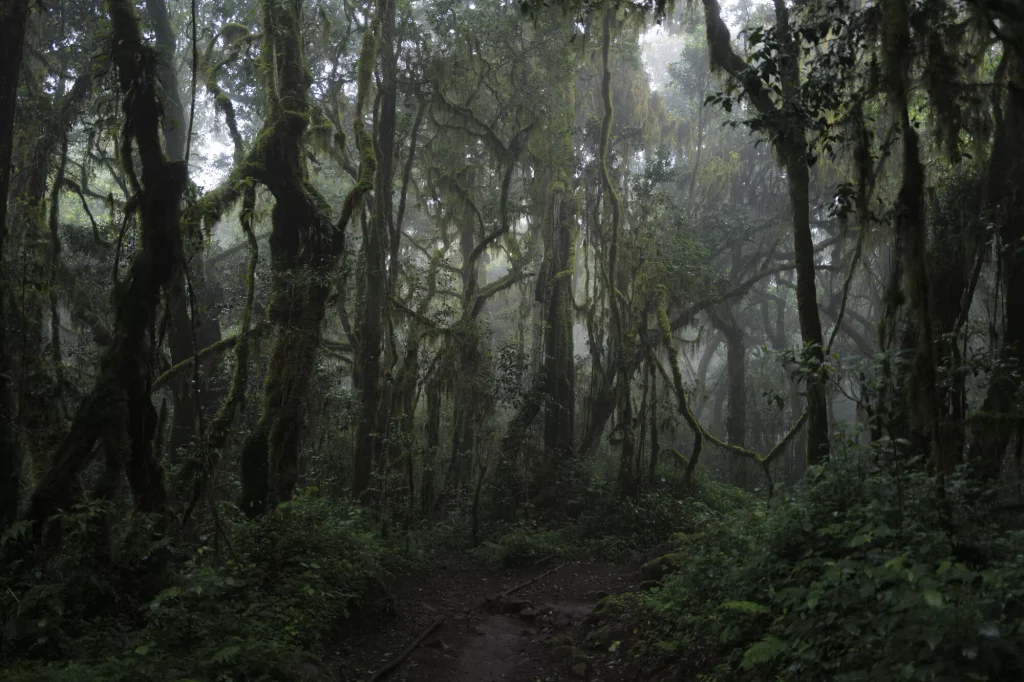
Everyman’s Mountain- Forest – 006, 2021
Courtesy of the artist and LAWRIE SHABIBI
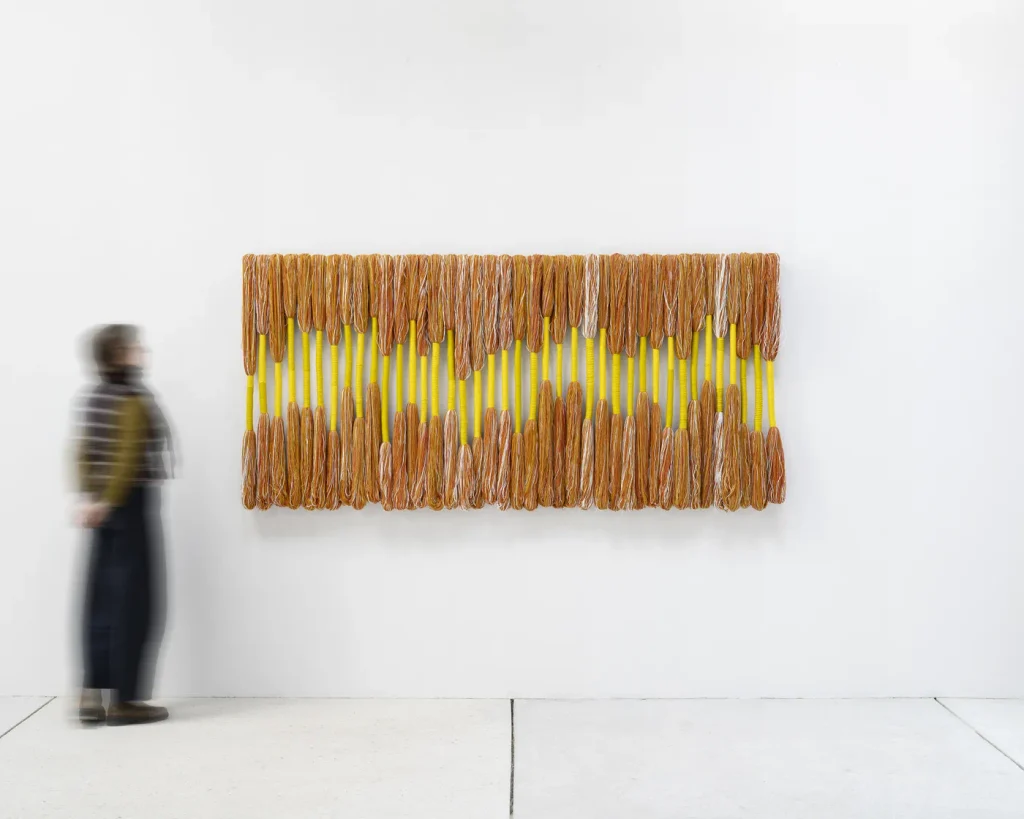
Contained Energy, 2026
Sheila Hicks at the Galerie frank elbaz
Galerie frank elbaz presents a solo exhibition dedicated to Sheila Hicks, a pioneering figure in postwar art. Spanning more than six decades of practice, the presentation celebrates Hicks’s radical approach to fibre and weaving, through which she has redefined the boundaries between textile art, sculpture and spatial composition. Working with vivid colours, intricate textures and richly layered forms, the artist transforms traditional weaving techniques into expressive sculptural works. Her longstanding relationship with the Middle East and North Africa, shaped by decades of travel and engagement with regional textile traditions and material culture, adds another dimension to this presentation.
Emily Kam Kngwarray at the Pace Gallery
Pace presents a solo exhibition of works by celebrated Indigenous Australian artist Emily Kam Kngwarray at the inaugural Frieze Abu Dhabi. Spanning her artistic career, the presentation brings together never-before-exhibited paintings, early batik textiles and later abstract canvases.
Rooted in Anmatyerr cultural traditions and a profound connection to her ancestral lands, Kngwarray’s practice draws inspiration from the landscapes, plant life and spiritual knowledge of Australia’s Central Desert. Her distinctive visual language unfolds through rhythmic dabs of paint, layered brushstrokes and vibrant colour, evoking the intricate patterns of nature. Among the highlights are abstractions inspired by the anwerlarr yam, whose root systems and life cycles became a recurring source of inspiration.
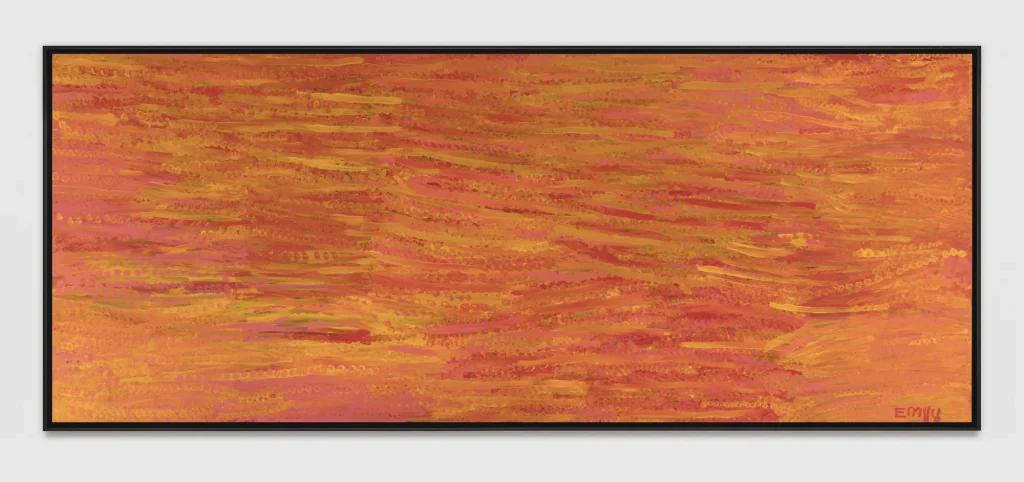
Alalgura Awelye VI, 1994 © EMILY KAM KNGWARRAY/ ARTISTS RIGHTS SOCIETY (ARS), New York
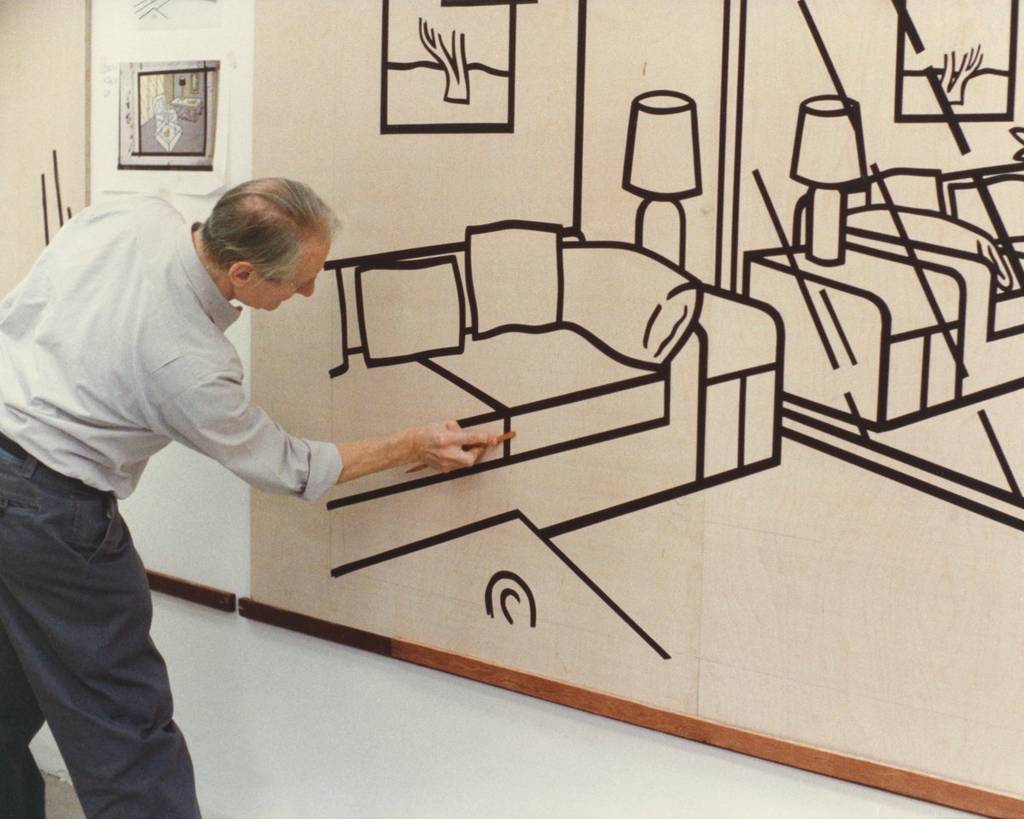
Roy Lichtenstein at the Gagosian
Roy Lichtenstein’s enduring fascination with popular imagery, its visual codes and its relationship with abstraction takes centre stage in a selection of works spanning three decades. Gagosian presents sculptures, prints, drawings and collages created between 1965 and 1995.
The presentation highlights the significance of works on paper in the artist’s practice, encompassing portraits, landscapes, still lifes and interiors. Known for his striking outlines, flattened forms, Ben-Day dots and incisive wit, Lichtenstein borrowed freely from commercial graphics and art-historical compositions, recasting familiar motifs through his distinctive visual vocabulary. A particular highlight is his Interiors series, in which meticulously composed domestic scenes acquire an uncanny, almost theatrical atmosphere, exposing the artifice behind the seemingly ordinary imagery of everyday life.
‘The Opening Word of this New Scripture‘ by Imran Qureshi alongside new paintings by Yan Pei-Ming at the Thaddaeus Ropac
Thaddaeus Ropac will present new works by Imran Qureshi and Yan Pei-Ming, bringing historical painting traditions into dialogue with contemporary perspectives. Drawing on the legacy of Mughal miniature painting, Qureshi’s latest series, The Opening Word of this New Scripture, reimagines the tradition’s intricate language through contemporary landscapes and political references. Working with gouache and gold leaf on wasli paper, the artist revisits a centuries-old practice through a distinctly personal lens. Qureshi’s presentation also extends to Frieze Sculpture Abu Dhabi, where Water Bodies (2026) is a series of five sculptures inspired by Lahore’s rooftop water tanks. This series explores the intersection of utility, craftsmanship, and cultural memory. Meanwhile, Yan Pei-Ming presents monumental paintings of falcons, drawing on his Chinese heritage and the history of European painting. Through these powerful images, the artist examines the relationship between power, control, and humanity’s fascination with the unattainable.
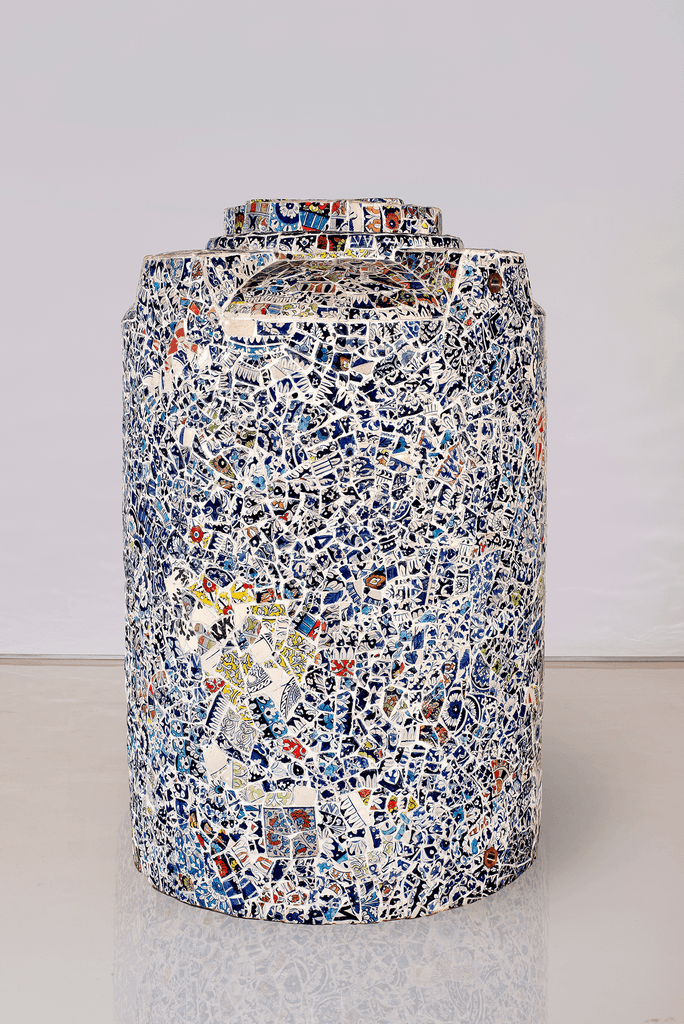
Water Bodies, 2026
© IMRAN QURESHI. Courtesy of THADDAEUS ROPAC GALLERY, London · Paris · Salzburg · Milan · Seoul. Photography by USMAN JAVAID
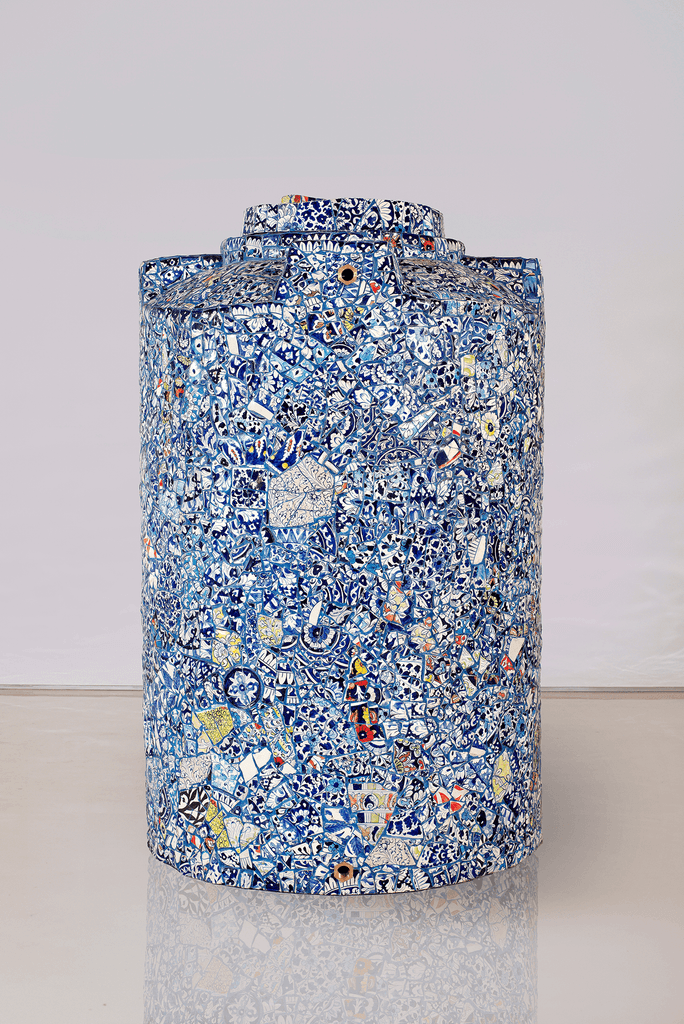
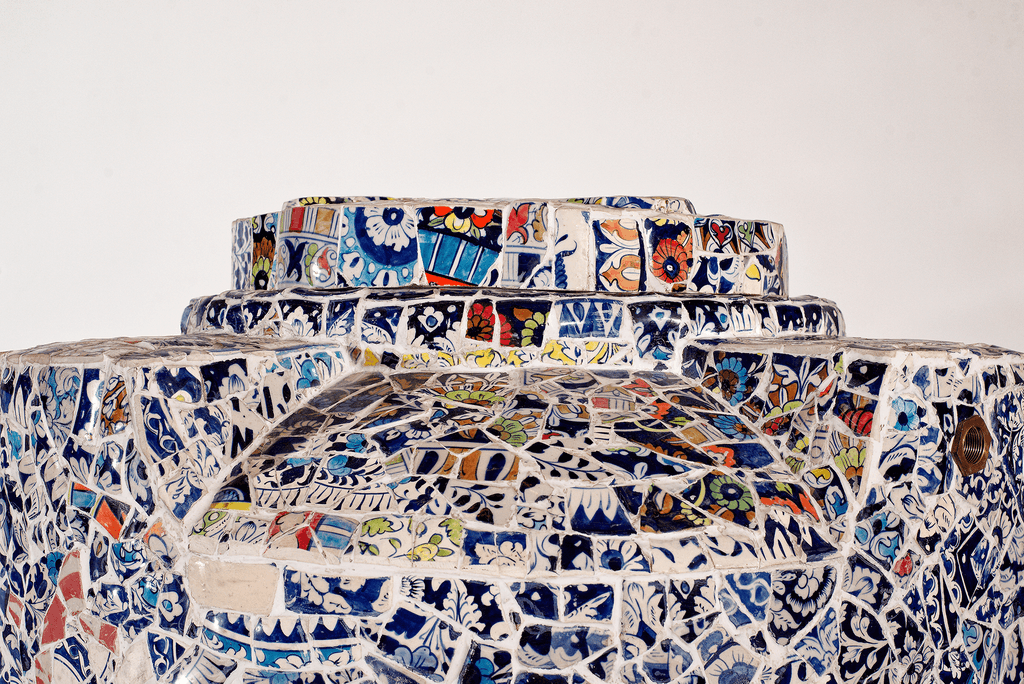
Water Bodies, 2026
© IMRAN QURESHI. Courtesy of THADDAEUS ROPAC GALLERY, London · Paris · Salzburg · Milan · Seoul. Photography by USMAN JAVAID
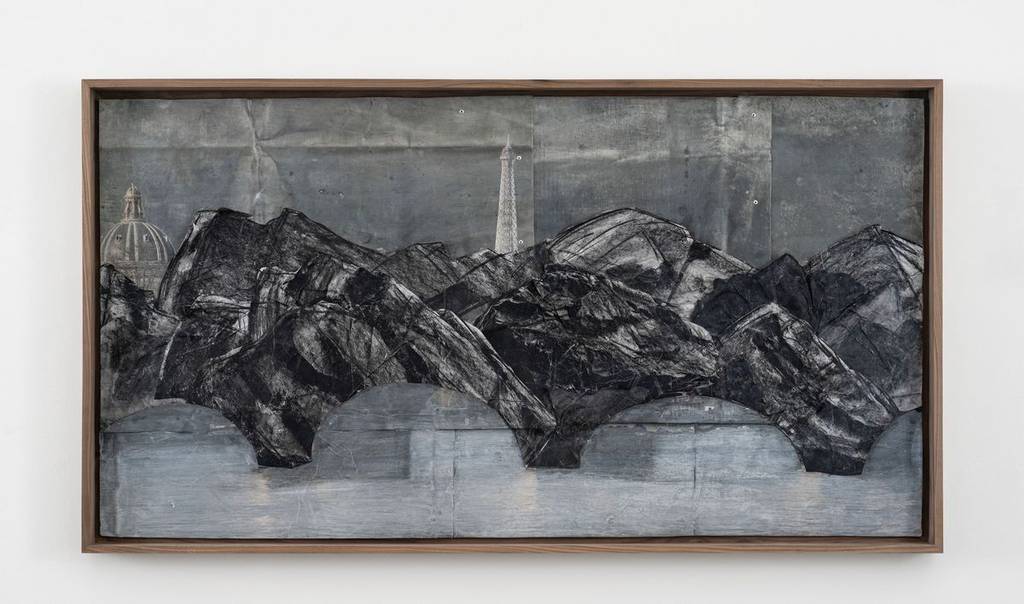
La Caverne du Pont Neuf, Esquisse #17, 2026
Courtesy of JR and PERROTIN
Perrotin
Exploring the many ways identity, memory and perception shape our relationship with the world, Perrotin’s group exhibition gathers 17 artists from across the international art scene, with a particular focus on voices from West Asia, North Africa and South Asia. The selection spans a wide range of materials and artistic languages, revealing unexpected connections between personal experience and the surrounding environment. Monira Al Qadiri investigates the expressive possibilities of form and material through her sculptural practice, while Jeppe Hein plays with the boundaries of everyday perception. Bharti Kher’s intricate compositions incorporate bindis and fragmented mirrors, weaving together questions of identity, symbolism and cultural memory. Works by Maurizio Cattelan, JR, Iván Argote and other international artists further expand the exhibition’s scope, reflecting Perrotin’s longstanding commitment to artistic exchange across cultures, generations and disciplines.
Thuy Tien Nguyen at the SOLO Gallery
Within the Focus section, dedicated to experimental presentations by emerging galleries and artists, SOLO Gallery presents a solo project by Vietnamese artist Thuy Tien Nguyen, featuring her sculptural and sound installation New York Toronto Tokyo Beijing Hanoi Paris (2025). Drawing inspiration from the interior décor of the Republic of Vietnam’s Independence Palace, Nguyen examines how architecture and decorative objects carry political, cultural and historical associations. Her sculptural language reinterprets familiar design elements, using spatial arrangements and sound to explore the relationship between aesthetics, collective memory and national identity.
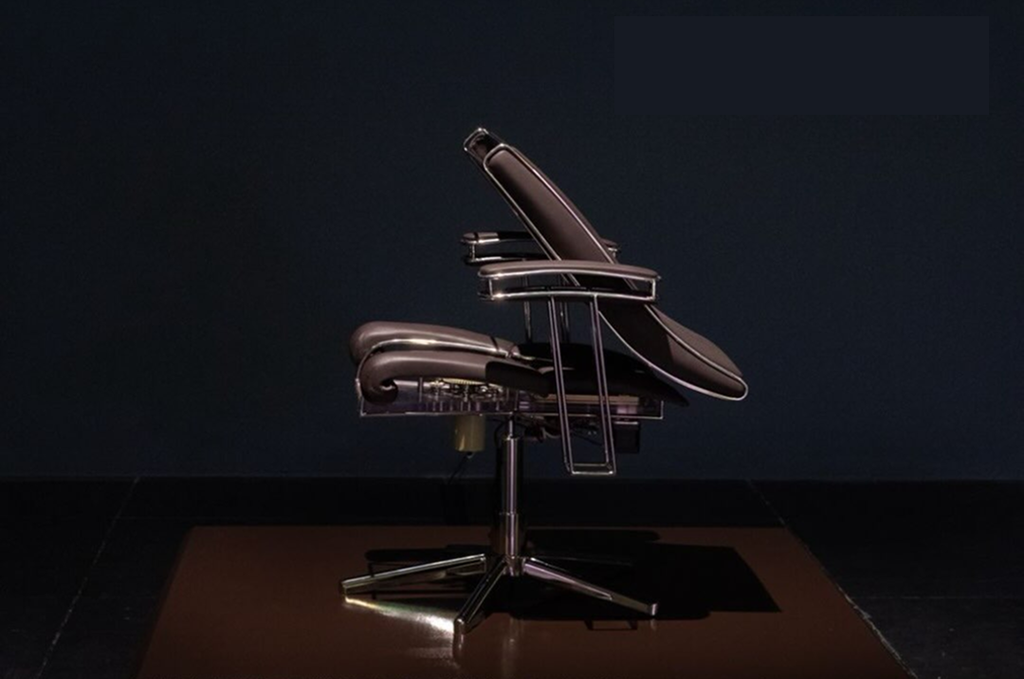
Journey through water marks, 2024
Visiting Cy Twombly, 2024
NS Harsha, Idris Khan and Yayoi Kusama at the Victoria Miro
Victoria Miro brings together works by Yayoi Kusama, Idris Khan and NS Harsha, presenting three distinct artistic visions connected by themes of repetition, infinity and transcendence.
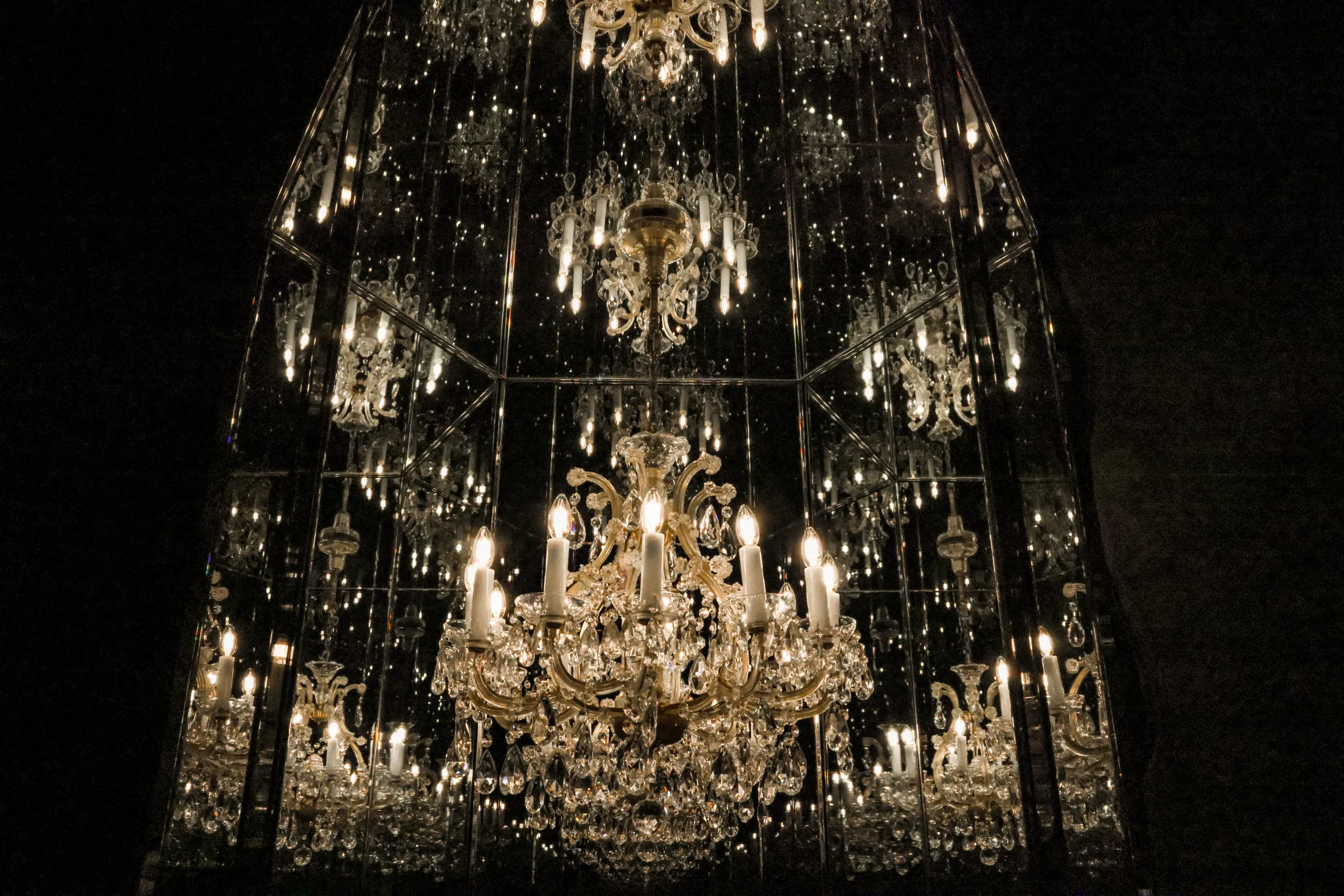
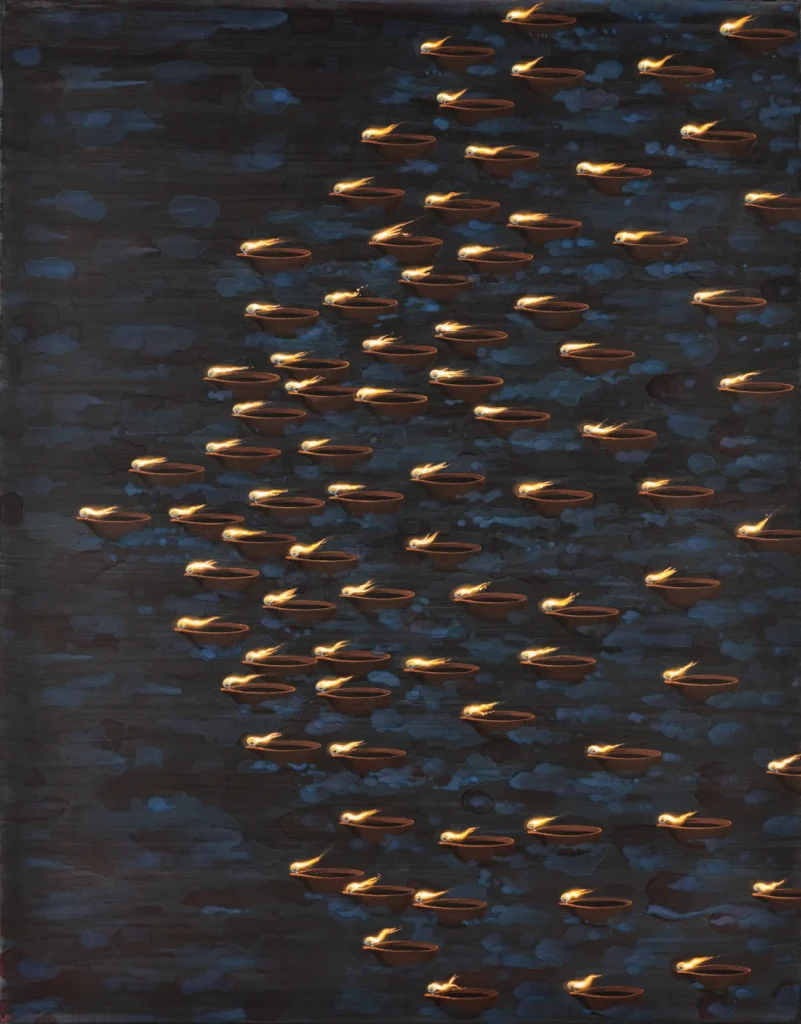
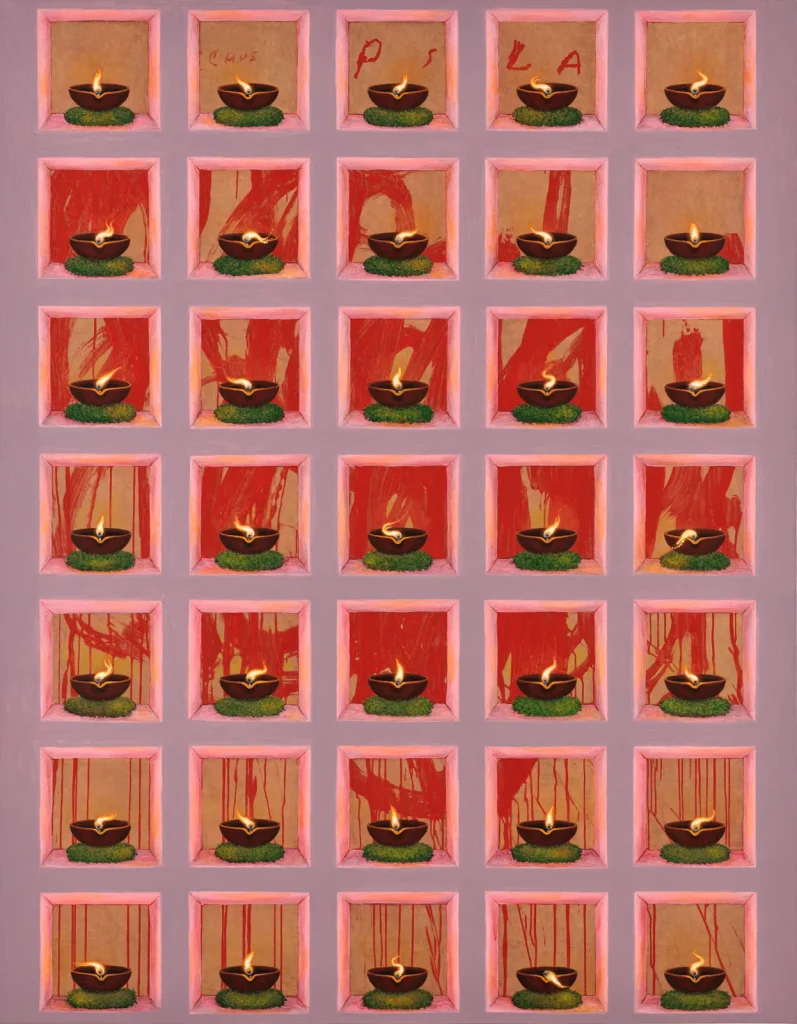
A key highlight is Kusama’s Chandelier with Pain (2002), an Infinity Mirror sculpture in which a rotating chandelier multiplies across mirrored surfaces, creating an illusion of endless space. Idris Khan presents monumental layered paintings alongside a new series of bronze reliefs, exploring the expressive and meditative possibilities of repetition. Meanwhile, NS Harsha’s recent works revisit his celebrated lamp grid series, arranging traditional clay oil lamps, flames and trails of smoke into intricate visual compositions. Through recurring forms, layered imagery and shifting patterns, the presentation examines how repetition can become a language of contemplation and transformation. The showcase also offers a timely encounter with Kusama’s iconic visual universe ahead of the opening of Guggenheim Abu Dhabi in December 2026.
Anuar Khalifi, Bady Dalloul, Hassan Hajjaj, Joana Hadjithomas & Khalil Joreige, and Sarah Awad at the The Third Line
The Third Line presents a multidisciplinary showcase featuring Anuar Khalifi, Bady Dalloul, Hassan Hajjaj, Joana Hadjithomas & Khalil Joreige, and Sarah Awad. Spanning painting, photography, collage and sculpture, the exhibition explores the journey as both a physical passage and a shifting state of identity, tracing connections between distant geographies, imagined worlds and historical narratives.
Bady Dalloul draws on archival photographs, handwritten accounts and fragments of everyday life to investigate how personal histories circulate and acquire new meanings across cultures. In his dreamlike paintings, Anuar Khalifi mixes fantasy with familiar imagery, using playful symbolism to challenge cultural stereotypes and question the nature of identity. Hassan Hajjaj’s intimate black-and-white portraits offer a glimpse into the rhythms and characters of Moroccan life, while Joana Hadjithomas & Khalil Joreige examine geological core samples, exposing traces of deep time concealed beneath contemporary cities. The exploration extends beyond the gallery to Mamsha Beach, where Kamran Samimi’s Voyagers (Traveling Stones) considers migration, belonging and the passage of time through ancient boulders sculpted by natural forces.
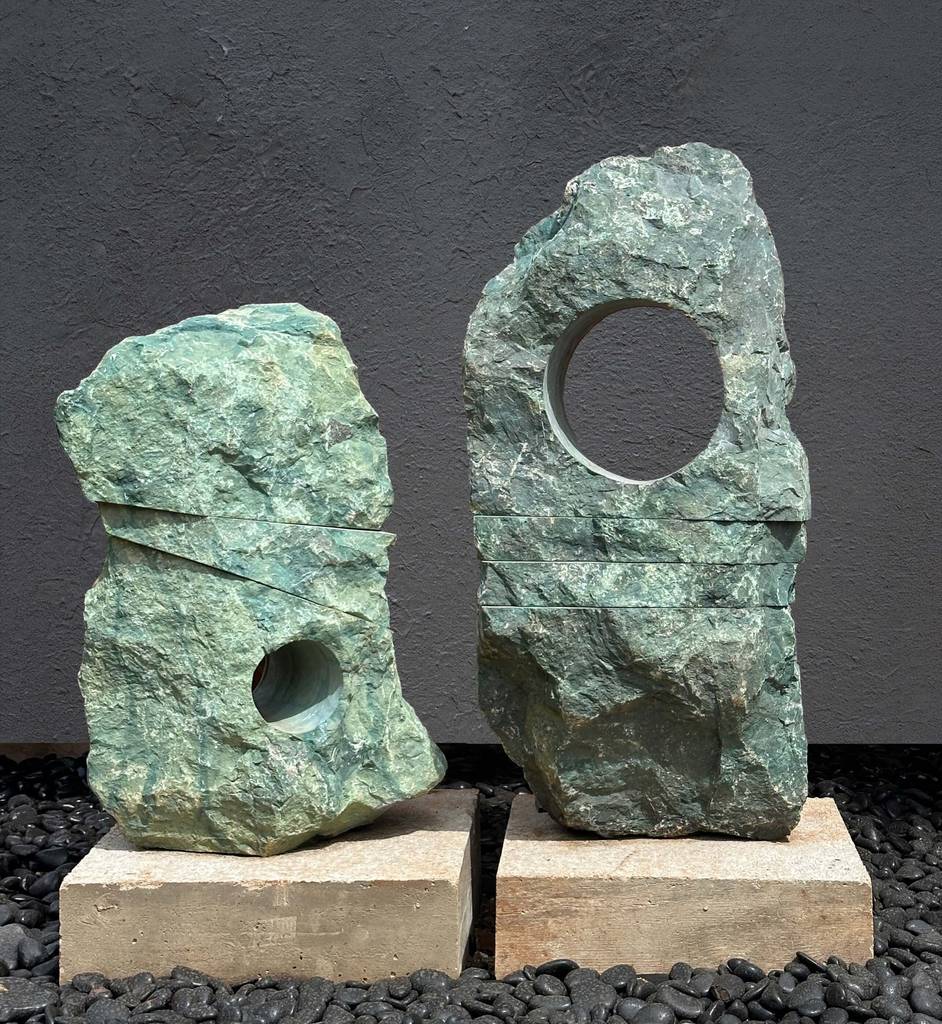
Voyagers (Traveling Stones), 2025
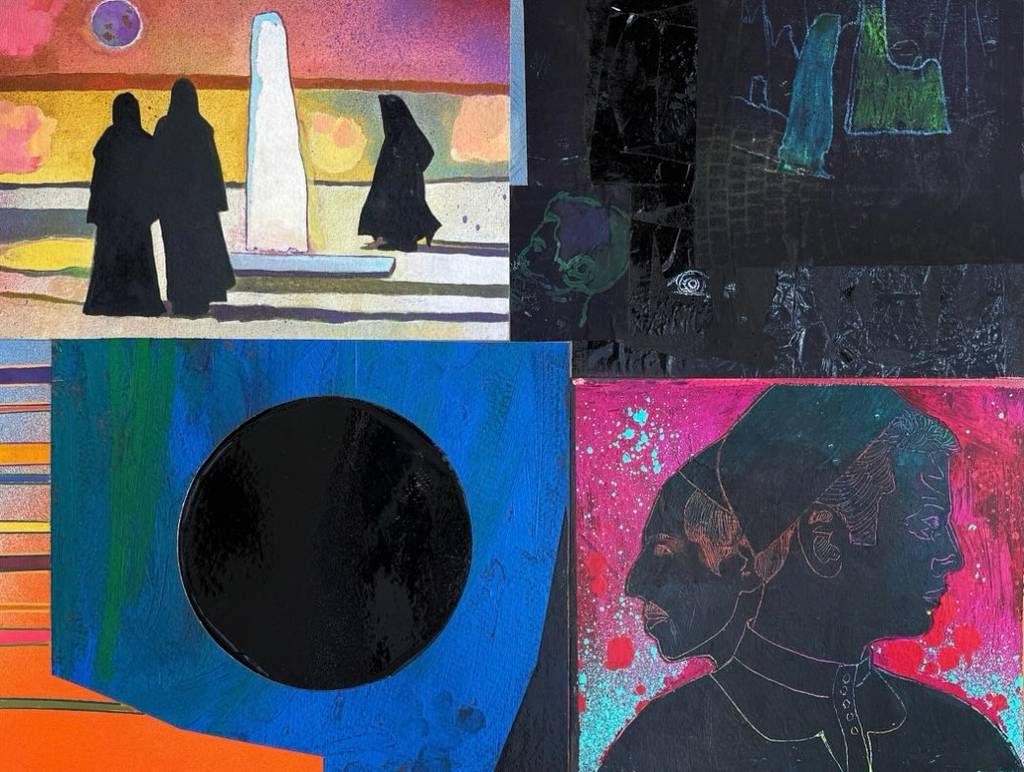
Variations on a Film About Guilt (for Shadi Abdel Salam and Mario Nascimbene) No. 2, 2026
Dina Danish, Nada Elkalaawy, Basim Magdy, Jean-Baptiste Maitre, and Hend Samir at the Gypsum
Exploring how inherited visual traditions intersect with contemporary image-making, Gypsum’s group exhibition examines the ways history, symbols and familiar imagery acquire new meanings across generations and cultures. Founded in Cairo in 2013, the gallery presents works by Dina Danish, Nada Elkalaawy, Basim Magdy, Jean-Baptiste Maitre and Hend Samir, each approaching the language of images from a distinct perspective.
Across a range of media, the artists revisit recognisable forms, unsettling their familiar meanings and questioning how visual narratives shape our understanding of the world. Nada Elkalaawy’s richly layered still lifes, for instance, elevate everyday objects into intimate repositories of memory, while the other artists explore the shifting territory between cultural references, historical echoes and personal interpretation. The selection reflects Gypsum’s ongoing commitment to cross-cultural dialogue and artistic experimentation, revealing the many ways images can carry, conceal and reshape meaning.
Ala Younis at the Taymour Grahne Projects
Exploring how art can safeguard collective memory, recover overlooked histories and trace unexpected connections between cultures, Global Futures brings together eight solo presentations by artists engaging with the histories, materials and lived experiences of the UAE and its wider region. Curated by Tarini Malik, the section spans generations and geographies, highlighting artistic practices shaped by the cultural and social landscapes of the region.
Among its highlights, Taymour Grahne Projects features a solo presentation of new works by Jordanian artist Ala Younis, on view at Manarat Al Saadiyat. Part of her ongoing Climate Conditions series, the handmade mosaic panels depict Abu Dhabi’s understated Modernist architecture, from apartment blocks and municipal buildings to commercial façades that often escape notice against the city’s rapidly changing skyline.
Drawing on her architectural background, Younis assembles hundreds of hand-cut stone fragments into intricate compositions that lend these everyday structures the gravitas of monuments. Her work examines how architecture responds to climate, time and human experience, while challenging the notion of Modernism as an imported aesthetic. Instead, she reveals how the movement acquired distinct forms through its encounter with the environmental and social conditions of Gulf cities.
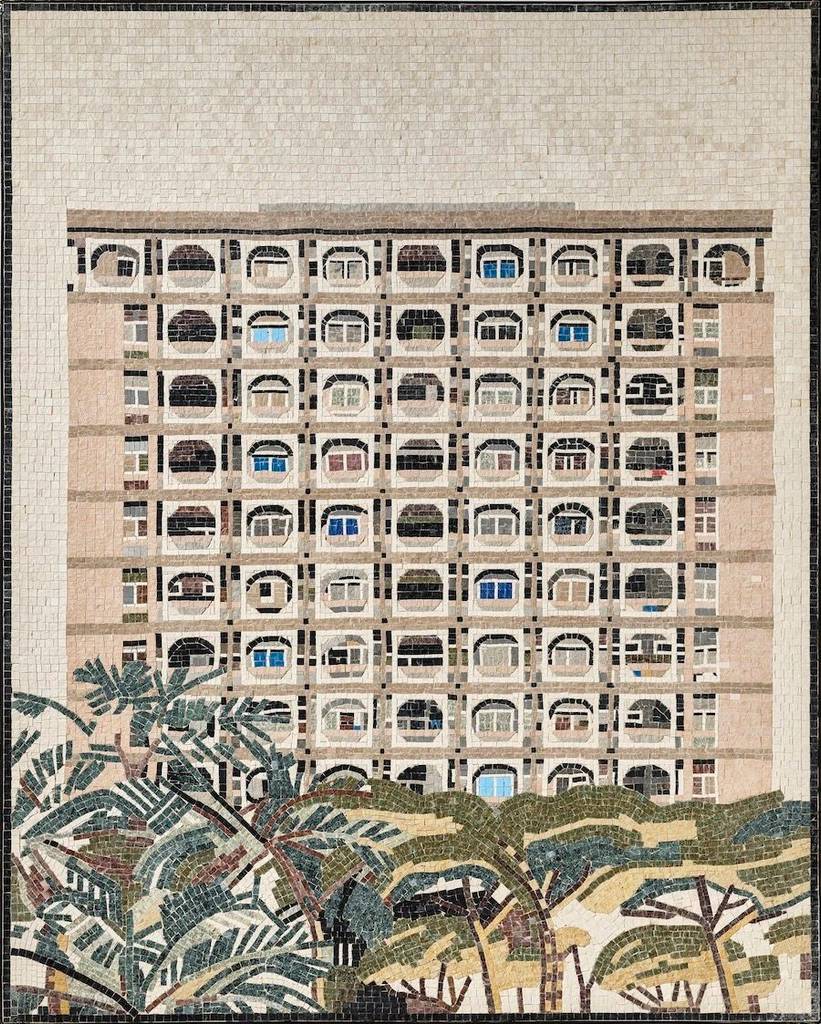
Climate Conditions 2, 2025
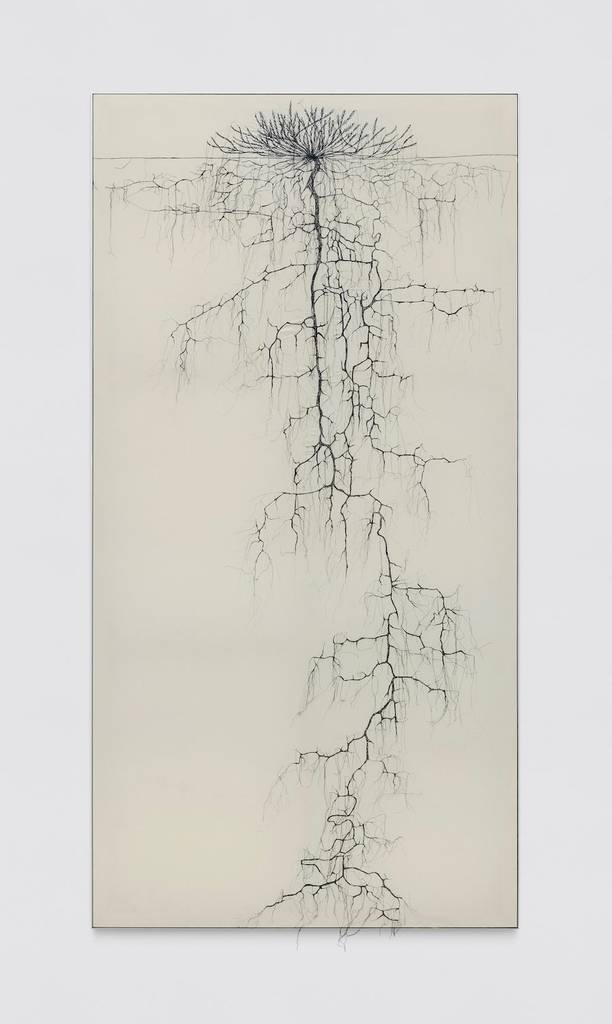
Kochia Prostata, da série Roots System, 2025
Courtesy of the artist and GALERIA VERMELHO
Tania Candiani at the Vermelho
Mexican artist Tania Candiani presents a new body of work exploring the hidden systems that sustain life in the arid landscapes of the United Arab Emirates. Bringing together embroidered compositions and two interactive bronze sound sculptures, the presentation examines the relationship between desert vegetation, water and the land. In her intricate textile works, Candiani traces the underground root networks of drought-adapted plants, turning their structures into tactile maps that distinguish the visible landscape from the life beneath it. Complementing these pieces, bronze sculptures inspired by the topographies of Liwa Oasis and the Rub’ al Khali desert respond to touch, sending sound vibrations through water held within their forms.
Seta Manoukian at the Marfa
Exploring exile, spirituality and artistic renewal, Marfa’s presentation traces two distinct chapters in the practice of Lebanese-Armenian artist Seta Manoukian. The selection pairs Willing to Begin (1990), a triptych from her T-Shape series reflecting on displacement, with paintings created since her return to the medium in 2016, following a decade devoted to Buddhist study and practice. A prominent figure in Beirut’s late-1960s art scene, Manoukian has developed a distinctive visual language spanning figuration and abstraction, shaped by personal history and spiritual inquiry.
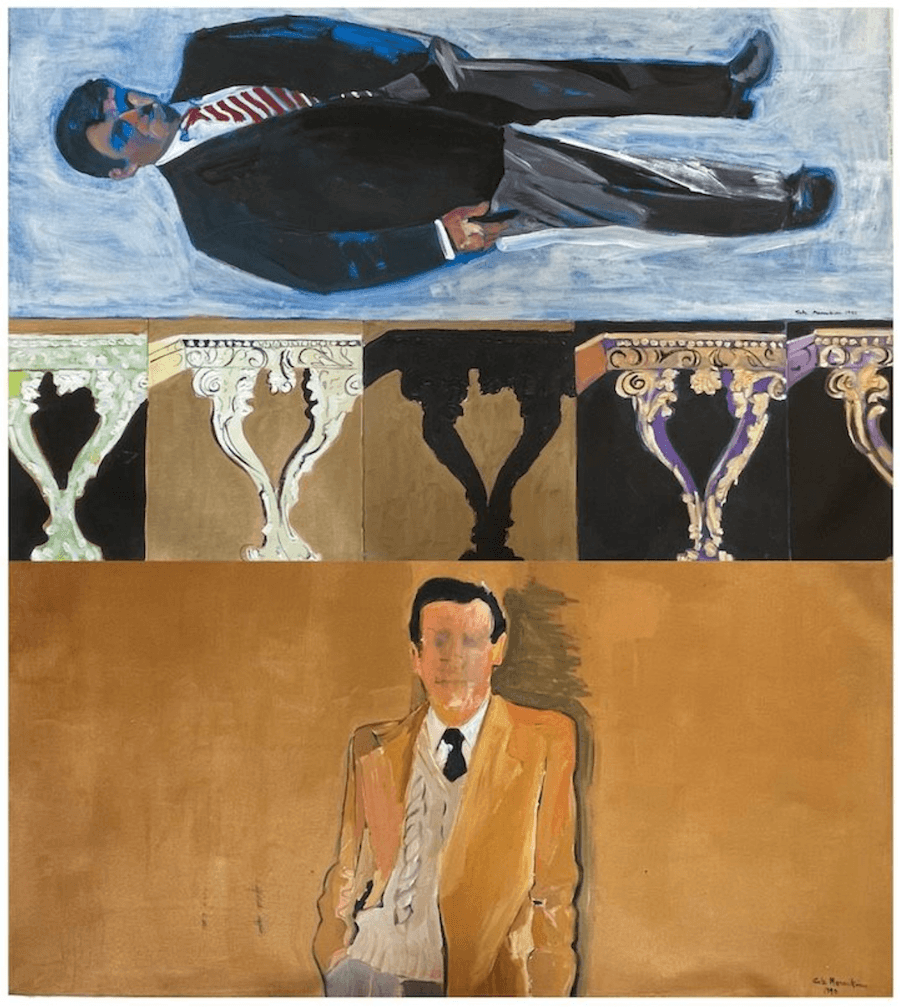
Willing to Begin, 1990
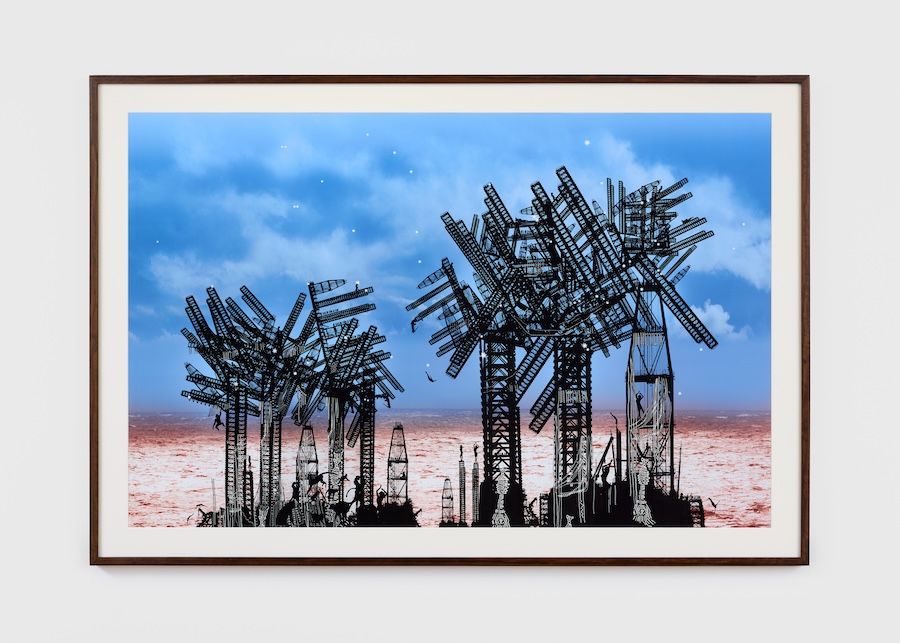
Caspian Palms, 2018
Photography courtesy of STEPHEN JAMES. Courtesy the artist and ARTWIN GALLERY
Almagul Menlibayeva at the Artwin Gallery
Tracing four decades of artistic exploration, Artwin Gallery’s presentation at booth G07 examines how Central Asian heritage, indigenous mythology and digital culture intersect in the practice of Kazakh artist Almagul Menlibayeva. The selection spans paintings from the 1990s, cyber textiles and photographs from her Caspian Palms series, exploring identity, gender and post-Soviet realities. Particularly striking are her cyber textiles, which merge digital imagery with ancient felt-making techniques, creating an unexpected dialogue between ancestral craftsmanship and technological futures.
Francesco Clemente at the Vito Schnabel Gallery
Exploring identity, spirituality and mythology through a richly layered visual language, Vito Schnabel Gallery presents a solo exhibition by Italian artist Francesco Clemente, whose five-decade career spans continents and cultural traditions. Drawing on his extensive travels across India, Afghanistan, China, Brazil and North Africa, Clemente creates sensual, dreamlike paintings populated by metamorphic forms and symbolic imagery. His work weaves diverse cultural references into an intimate exploration of the fluid nature of human experience.
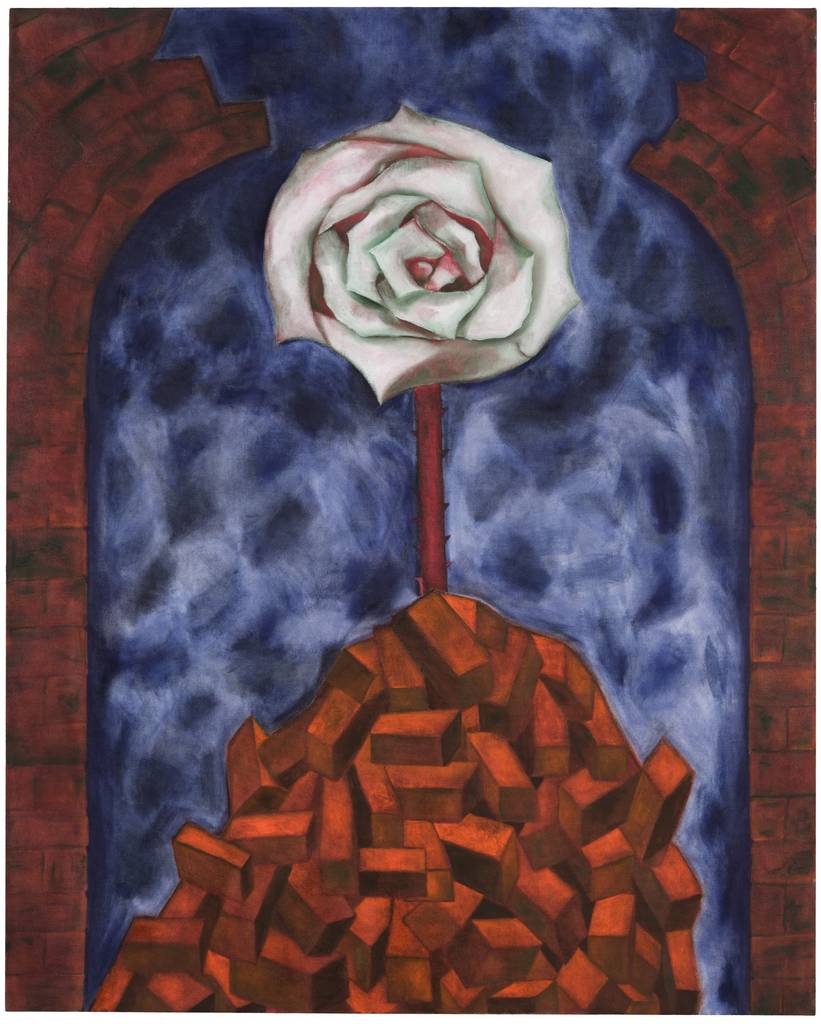
White Rose, Red Earth, 2010
© FRANCESCO CLEMENTE; Photography by ARGENIS APOLINARIO; Courtesy of the artist and VITO SCHNABEL GALLERY
More than Frieze’s arrival in the Gulf, this first edition signals a shift in the geography of contemporary art, giving regional voices greater visibility and establishing Abu Dhabi as a new meeting point for international exchange.