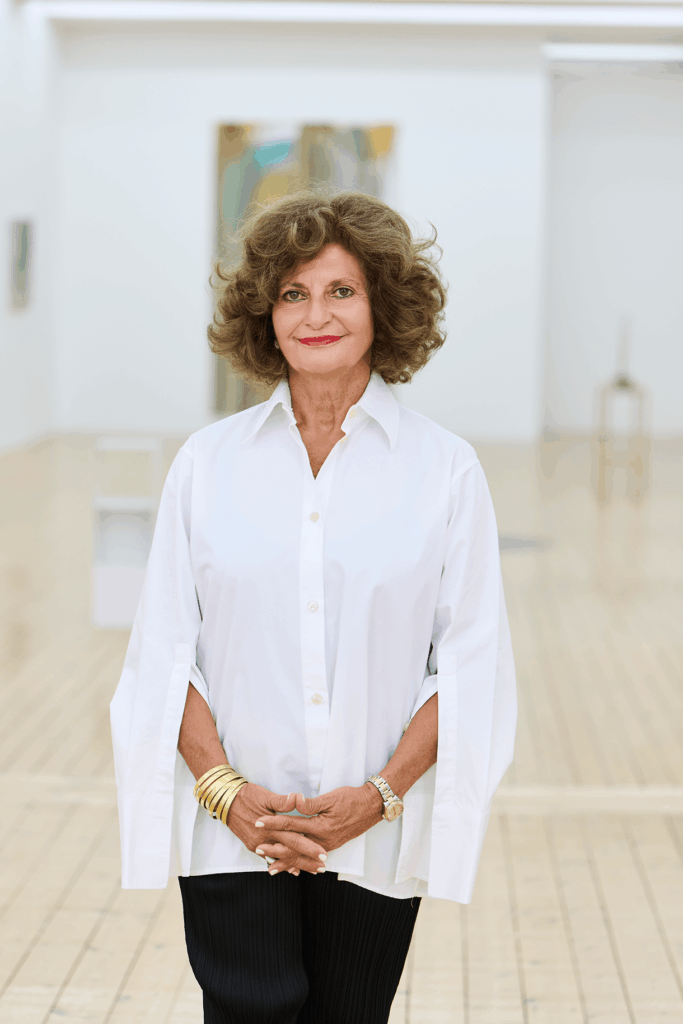
Andrée Sfeir-Semler is one of the most influential gallerists bridging the contemporary art worlds of Europe and the Arab region. Born in Lebanon, she worked as an assistant to Pierre Bourdieu and earned a PhD in Germany; there, in 1985, she began her career as a gallerist. What started as an intuitive leap into the unknown evolved into a rigorous, decades-long commitment to advocating for Middle Eastern art on the global stage. In 2005, she opened the first white-cube space in the Middle East—a region that almost lacked contemporary art infrastructure.
Now running two Sfeir-Semler galleries, in Hamburg and Beirut, she continues to support artists from the Arab world, helping them gain recognition in the international art scene. This dual presence has positioned her as both witness to and active shaper of artistic dialogues across continents. Her practice reflects a belief that meaningful art must be rooted in its time and place yet transcend it through formal sophistication—an approach shaped through early work with renowned Western artists and later deepened by her engagement with emerging and established voices of contemporary Arab art. In this interview with hube, Andrée Sfeir-Semler reflects on her path, the connections between art and migration, and the current state of the art scene in the Middle East.
hube: In 1985, you opened your first gallery in Germany. Looking back, what was the moment or intuition that made you believe this was the path you wanted to follow?
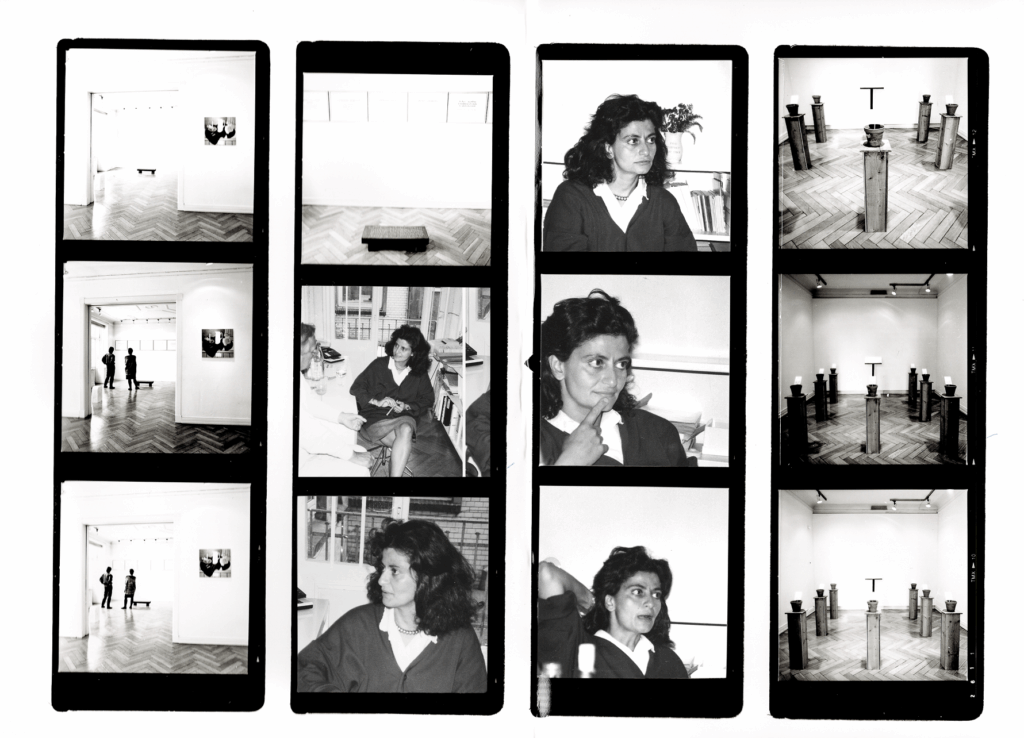
Andrée Sfeir-Semler: It was really destiny, actually. I had just finished my PhD and was in the middle of nowhere—in the north of Germany, in a city called Kiel, by the Baltic Sea. The gallery I used to visit as a student was closing down, and the owner asked if I would take it over. I said yes, finalized my PhD, and started. It was like a jump in deep water.
hube: After two decades in Germany, you returned to Beirut and opened your gallery there in 2005. What did this return mean to you personally, and what kind of cultural space did you hope to create?
Andrée Sfeir-Semler: I was born Lebanese and left for studies in Germany. Then the war started in Lebanon and I could not go back. My husband is German, and I’ve now lived longer in Germany than I ever lived in my country of birth. In the early 90s, Lebanon got out of that war—or seemed to be getting to a peaceful horizon. I decided to open a gallery there to celebrate the 20th anniversary of my first gallery.
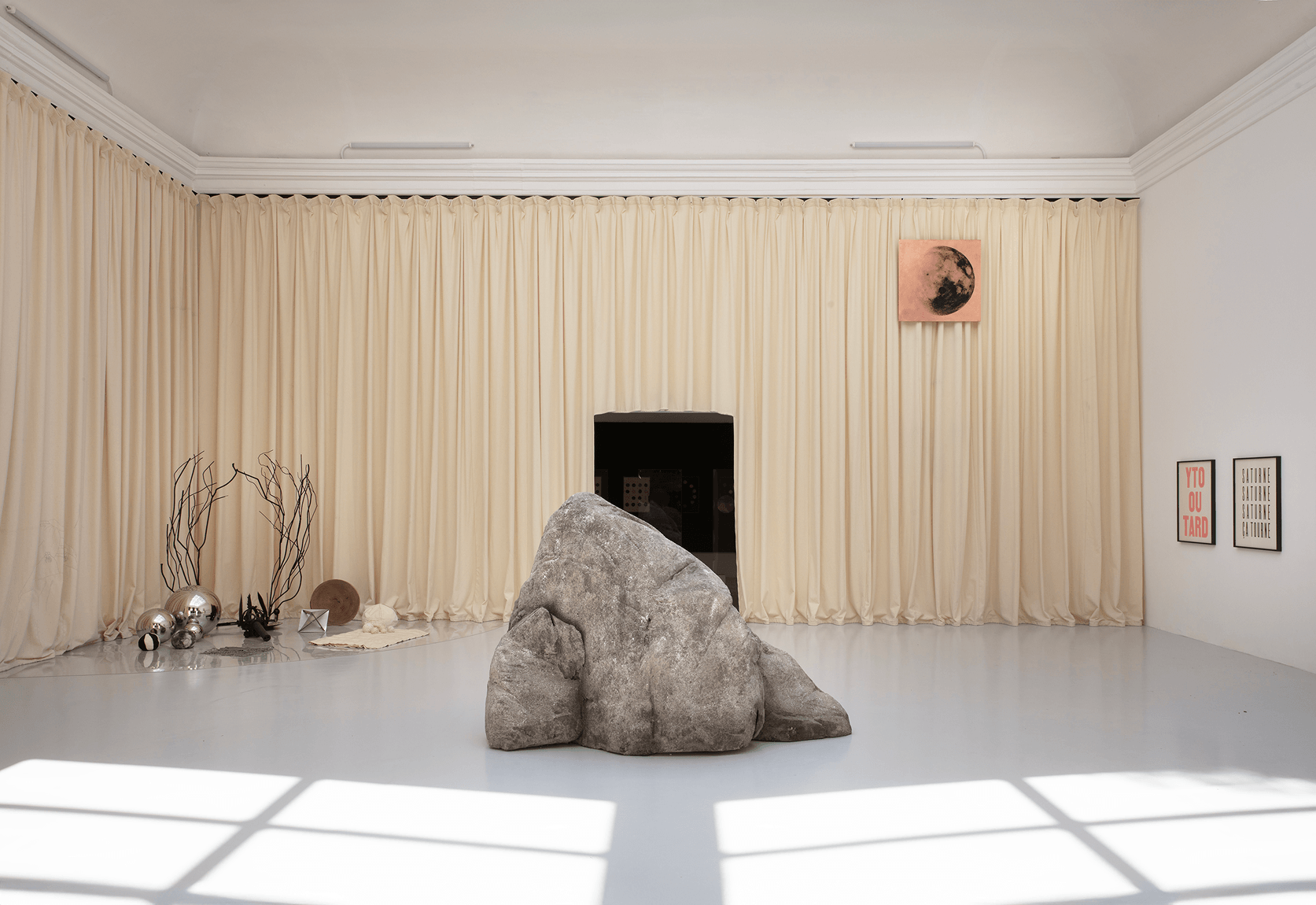
In Germany, no one really needed me—there were already many professional galleries. But at that time I felt there was no professional gallery in the Arab world: no white cube, no large space where artists could articulate their work. Other galleries that existed didn’t work the way Western galleries do: they would not represent and support artists, they would not explore conceptual art. So I thought I would do it—and again, it was destiny. I visited the Karantina area by the port with my friend Bernard Khoury, an architect, who had just moved to a new office in a former iron factory. The space was incredibly impressive—1400 square meters. He said, “The floor above me is empty. Do you want to rent it?” I did—and I started.