Photography by IRIS HAVERKAMP BEGEMANN
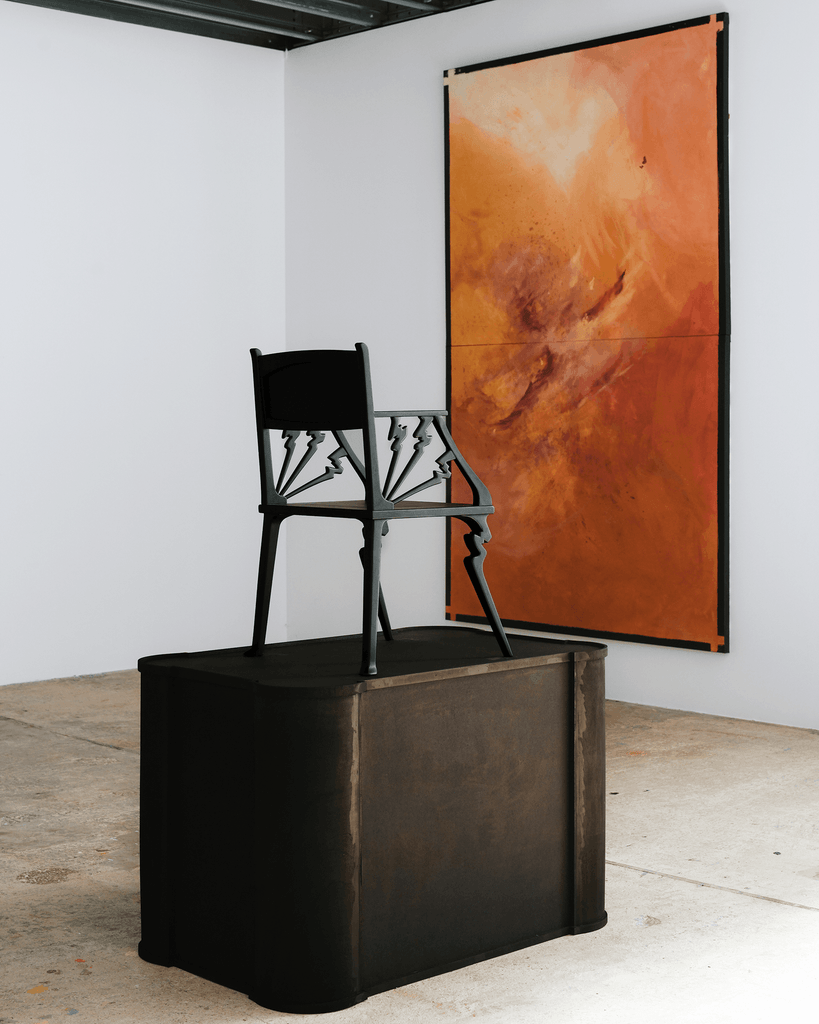
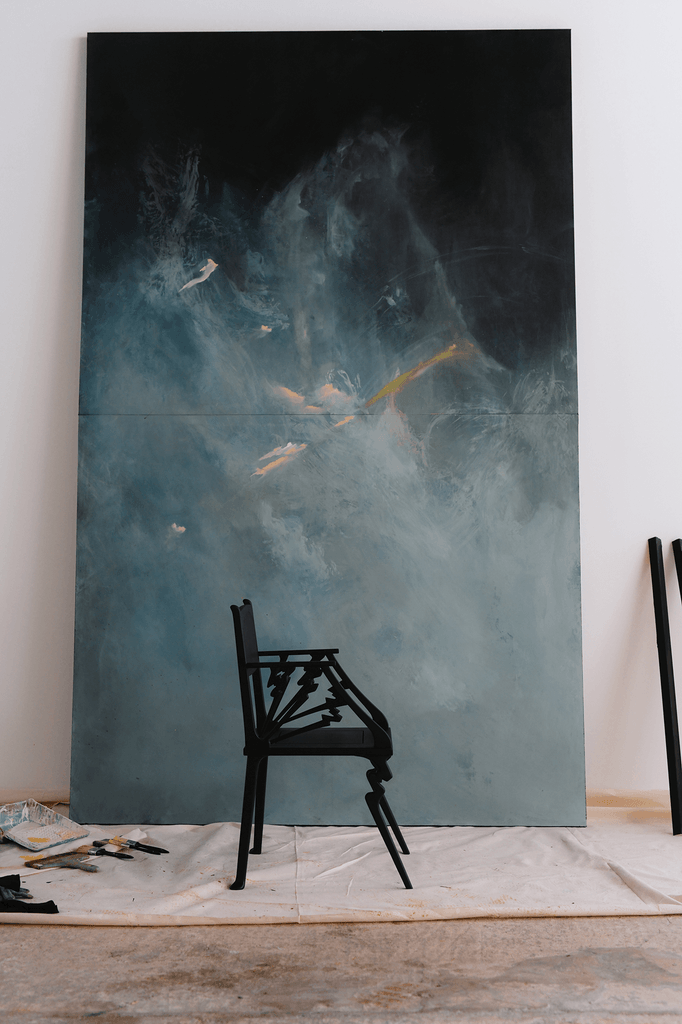
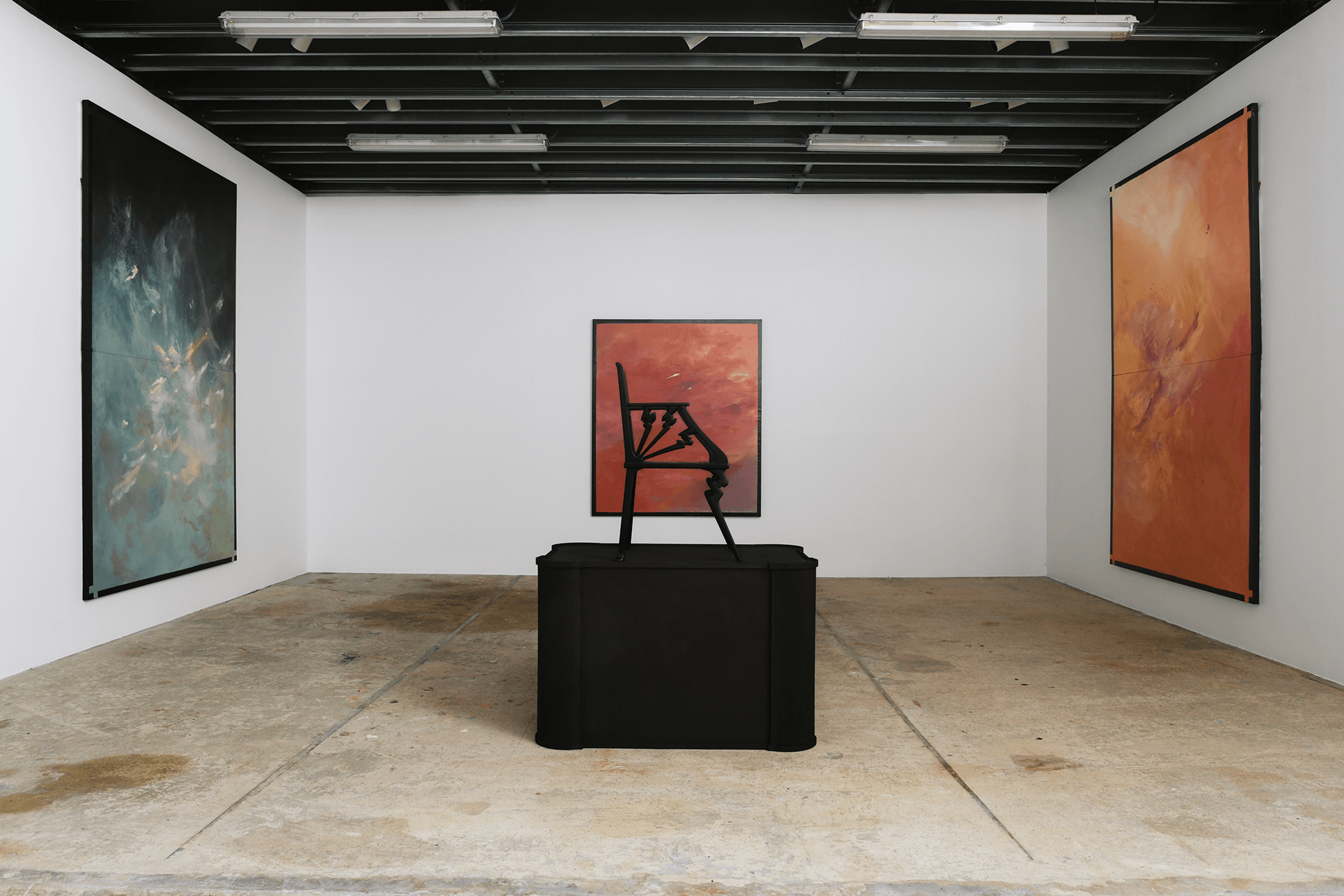
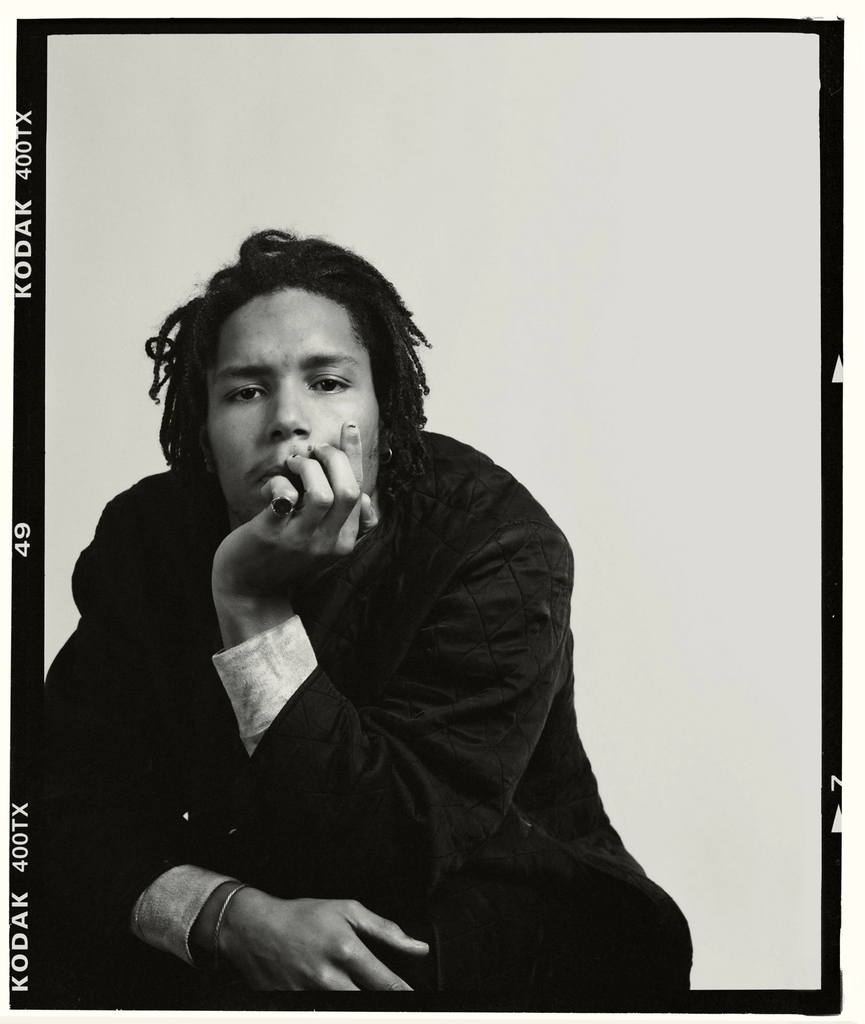
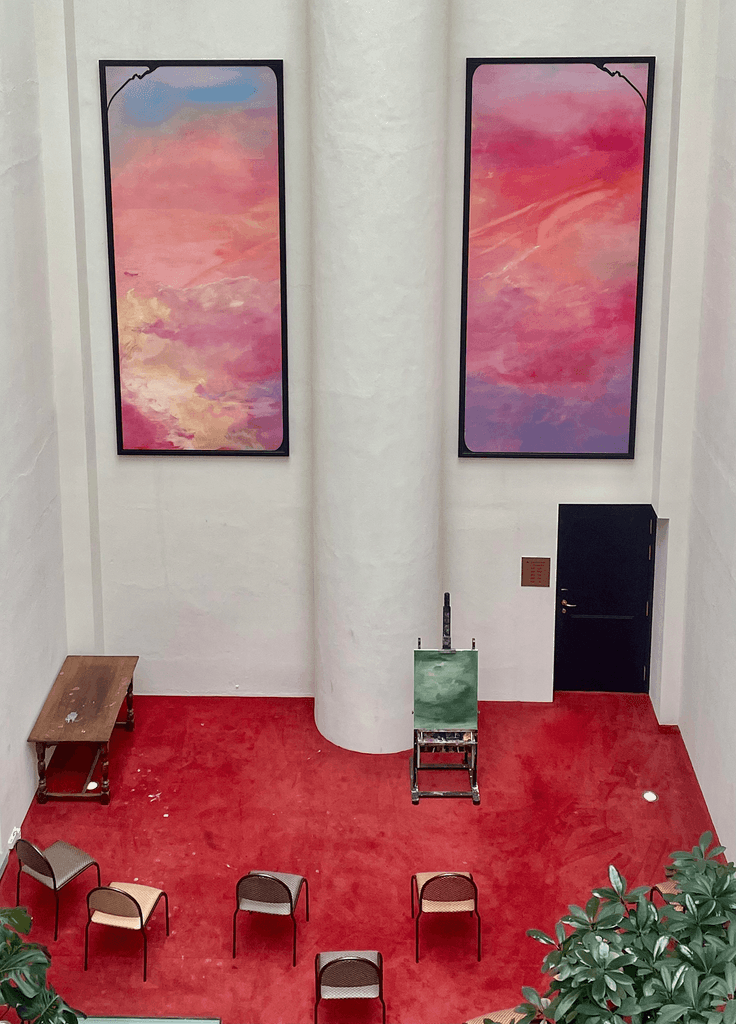
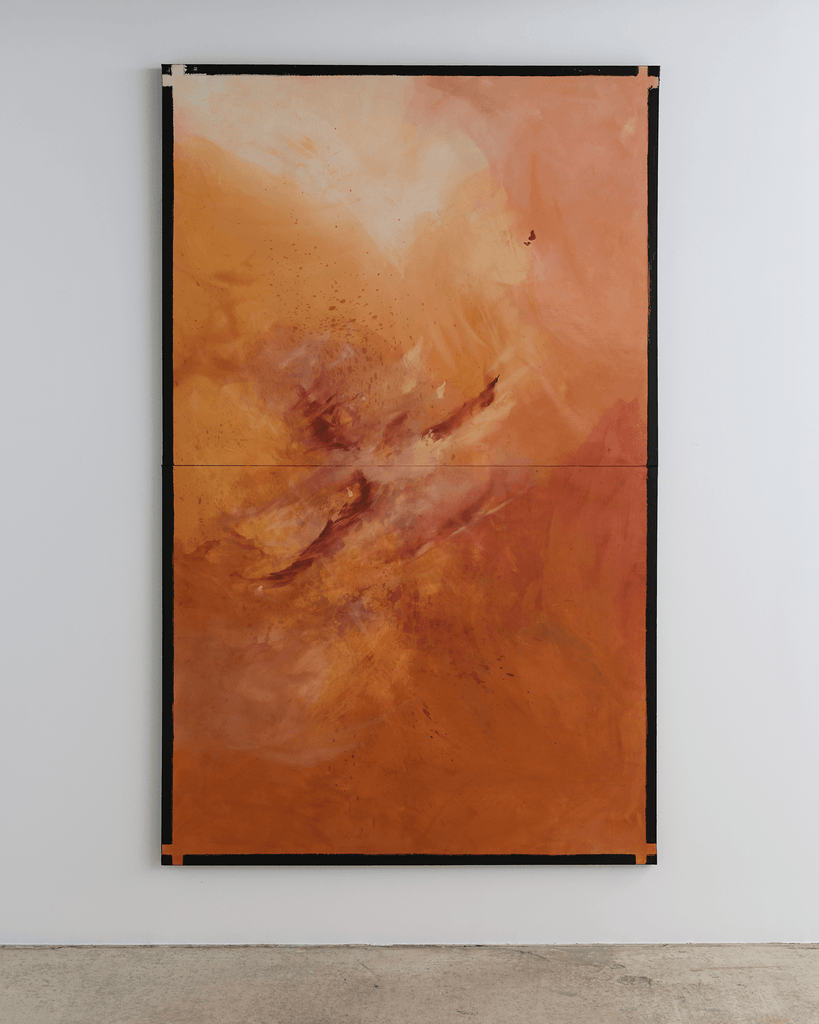
De Rrusie was born in Cameroon and grew up in Brittany, a place he still returns to regularly between periods of work in Paris, Barcelona, and Amsterdam. Entirely self-taught, he has worked primarily as a painter. Before joining GSL Gallery as one of its artists, he was an art director at GSL Works. His encounters with fashion came later, and largely from the fashion world approaching him rather than the other way around. De Rrusie works across oil, enamel glaze, and water-based paint, often on large canvases where dense, saturated colours take up the entire field of vision.
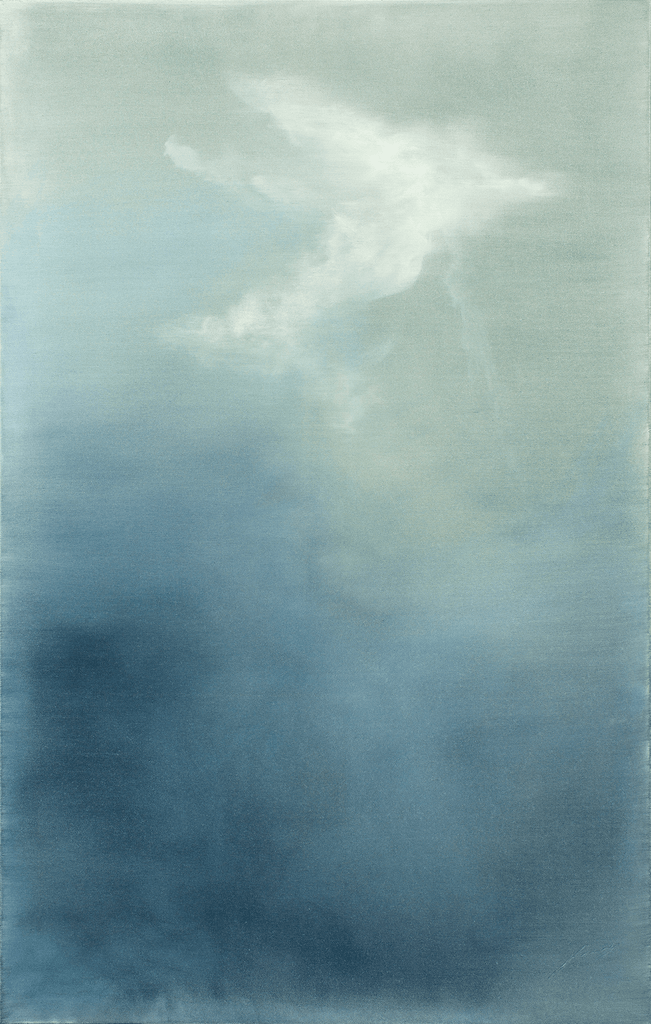
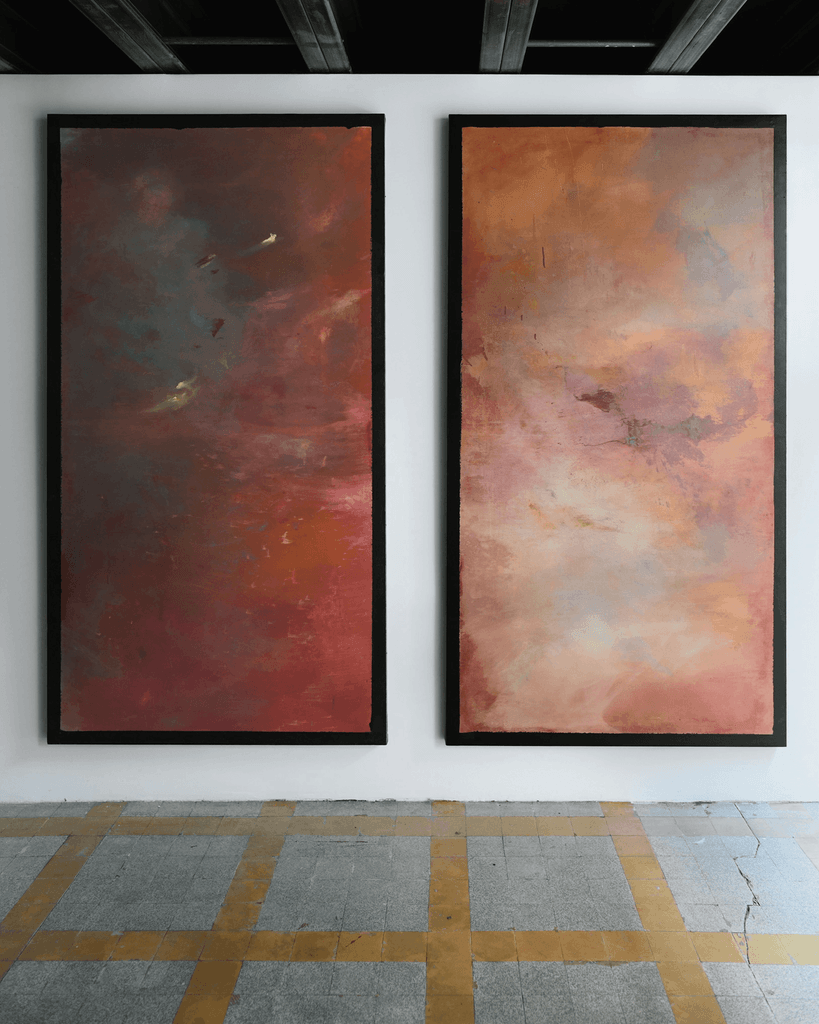
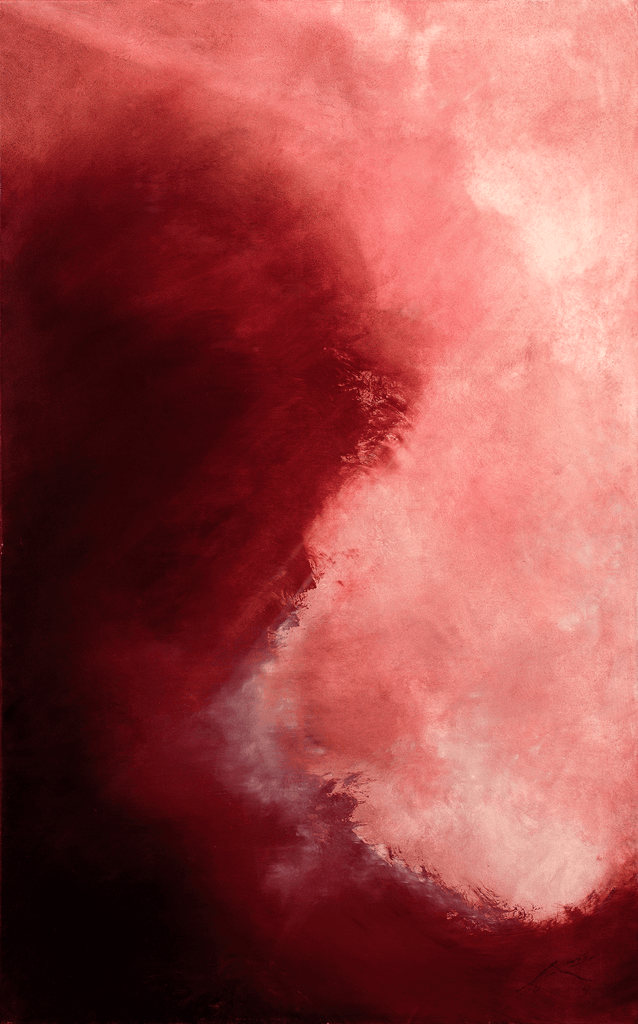
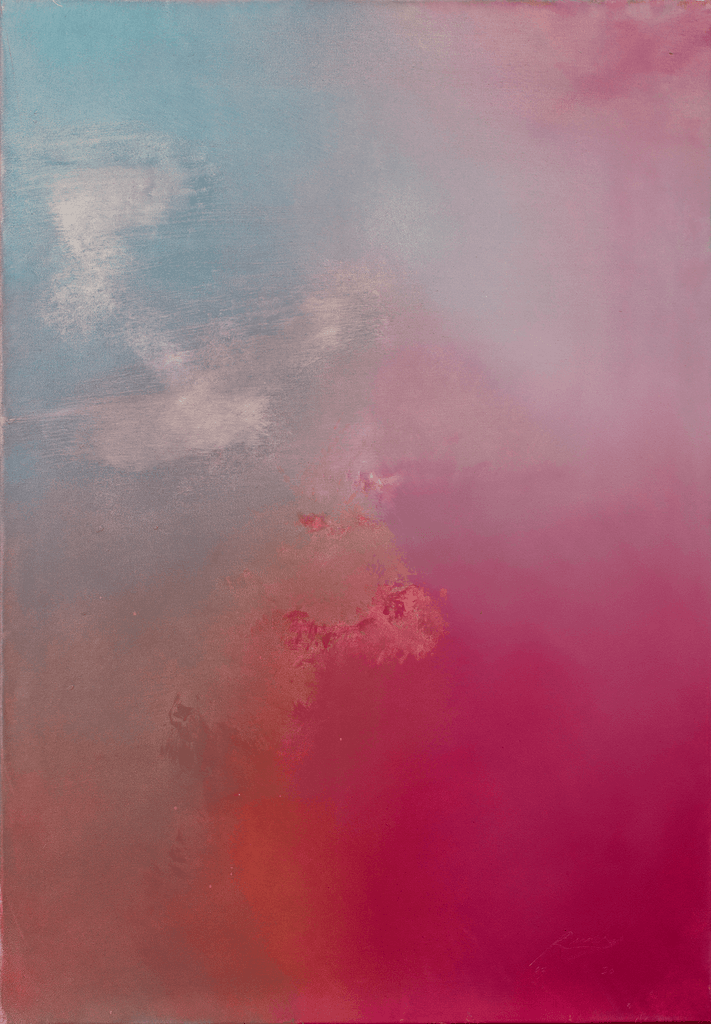
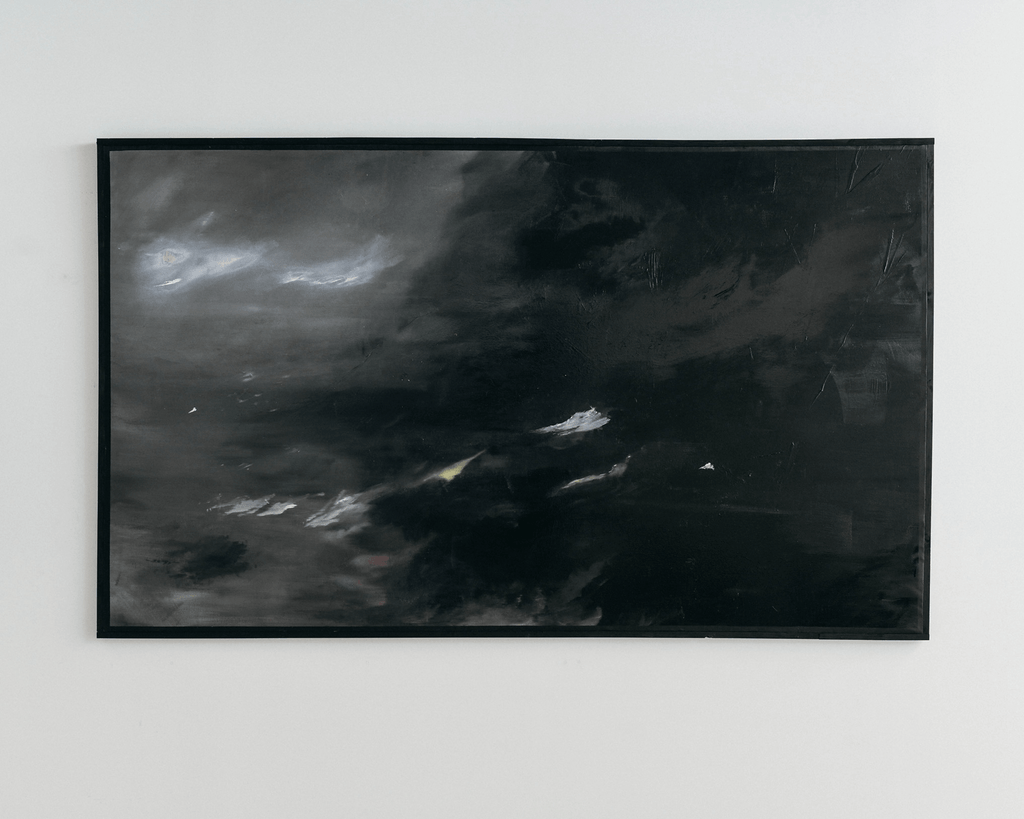
The sky has become a recurring presence in his abstract paintings—a way of working with light, weather, and atmosphere on a scale that draws the viewer into the image. He often paints in situ, responding directly to places that catch his attention, while also bringing unexpected traces of the past into his work, including architectural drawings and old trade receipts. His titles move between Latin, Haalpulaar, and words of his own invention, with Ab Sol and Ex Ercio among his ongoing series.
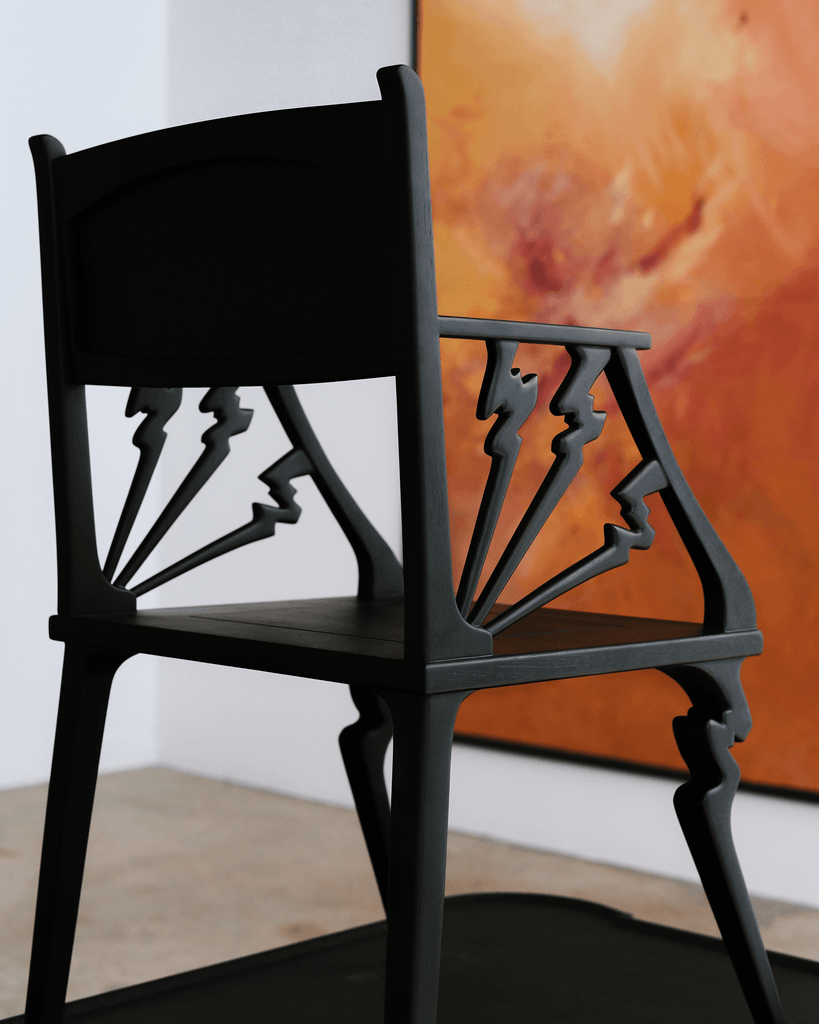
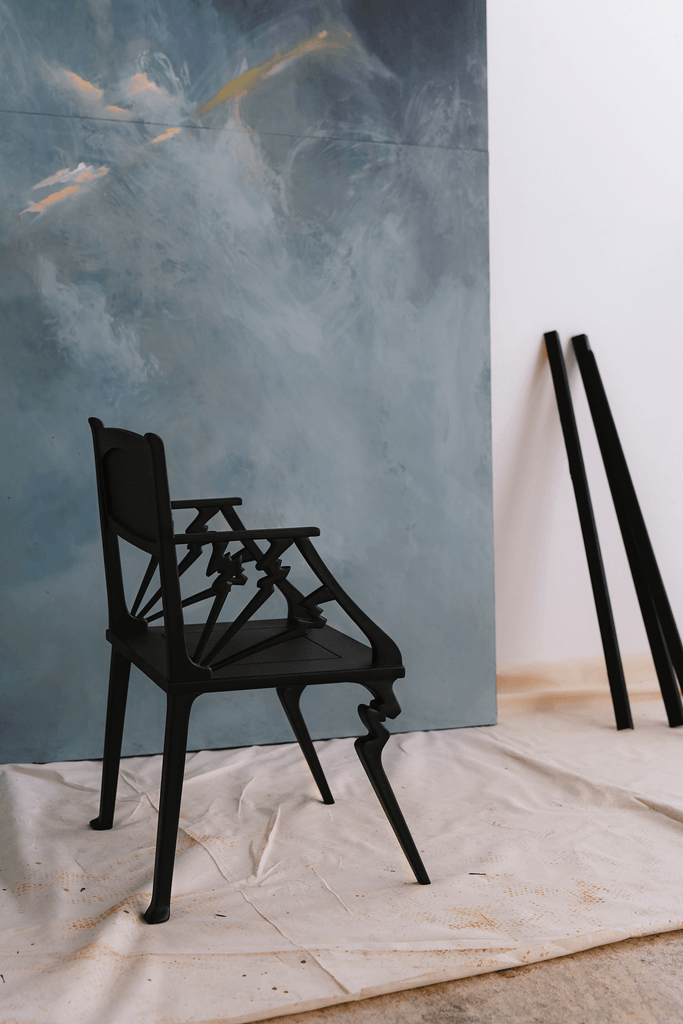
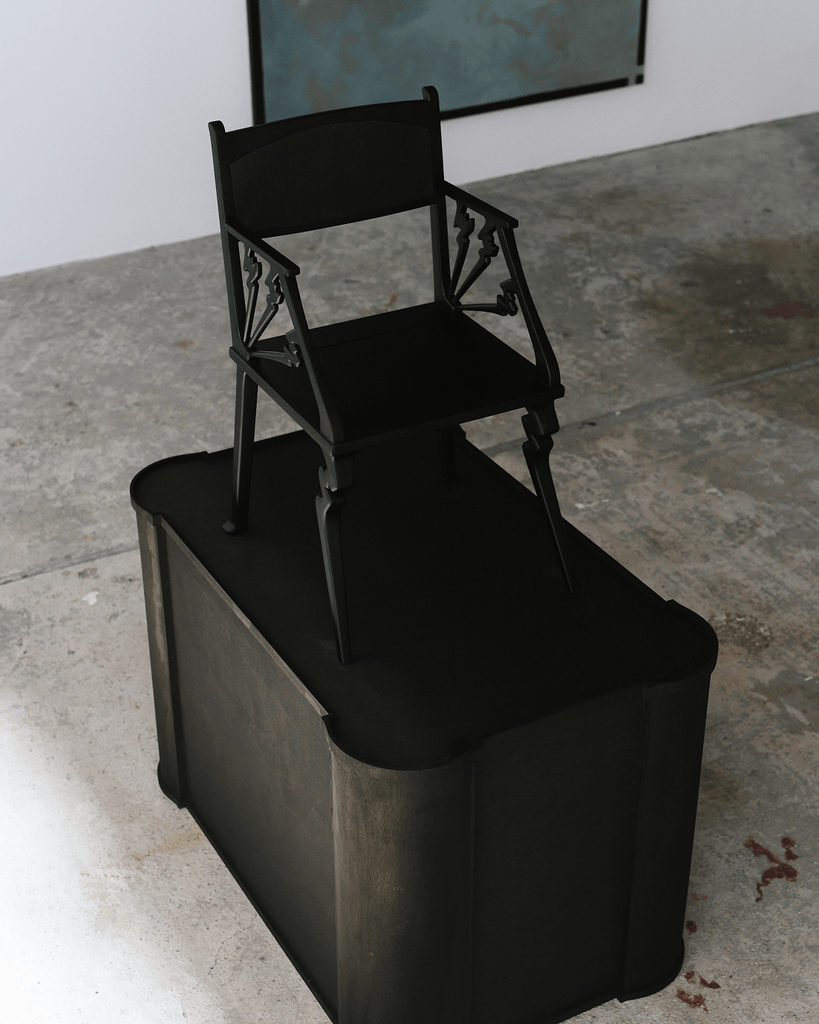
His practice has gradually moved beyond painting, too. In December 2021, Parisian menswear house Fursac invited him to present a solo exhibition, The First but Twice, at its rue de Richelieu flagship. A year later, he created a twelve-piece capsule collection for the label—his first project in fashion—working from an entirely open brief given by then-creative director Gauthier Borsarello. He has since continued to explore objects and materials beyond the canvas, founding Vonlovi, a jewellery line centred on gold, hard stones, and mother-of-pearl. The stones are cut by lapidaries in the Jura, while each piece is made to order in a Portuguese workshop. His practice has also extended into furniture. He treats all of it as one body of work at different sizes, and that is where our conversation starts—with the sky, with scale, and with what pursuing beauty costs right now.
hube: Growing up between continents and cultures, did you ever feel caught between worlds, or did those experiences instead grant you a unique vantage point?
De Rrusie: It gives you a vantage because from the beginning you learn by observing the diversity in absolutely everything, constantly, sometimes even too early. It gives a peculiar sense of experience and experimentation itself.
I guess it makes you self-aware early enough that you simply witness worlds and that keeps you uncatchable. The vantage is in keeping the movement and a beginner mindset; it becomes natural to absorb what you see without losing your unique point of view.
The vantage is the catch, and that is all there is. Learning the nature of movement and the in-betweens.
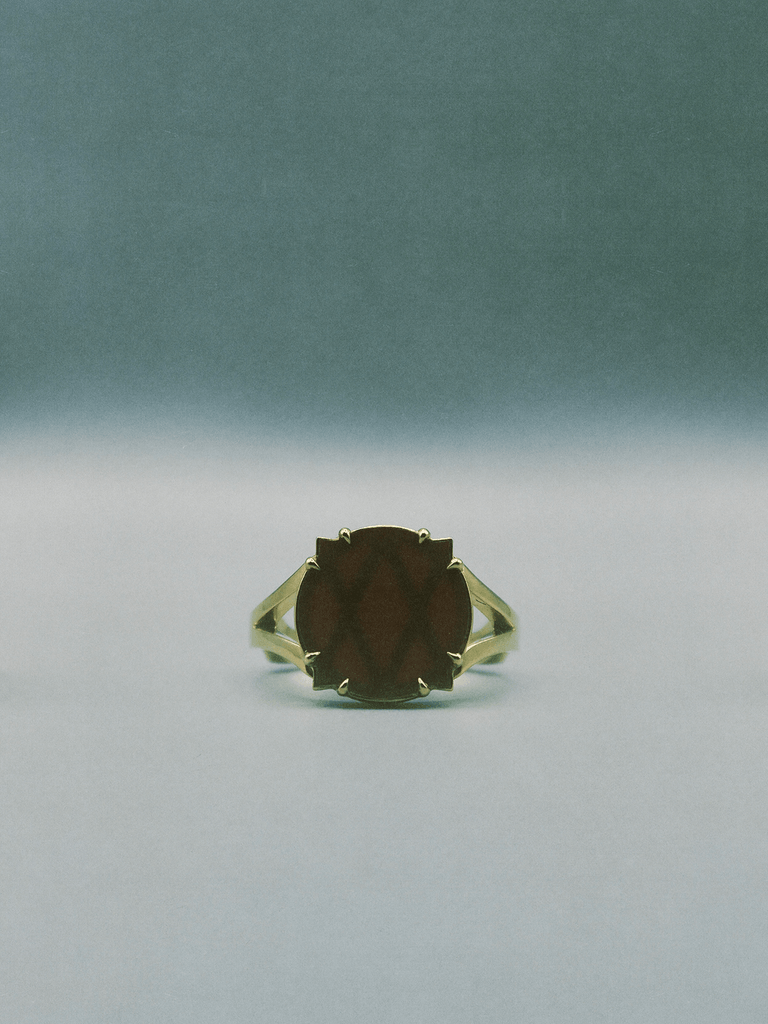
Bague Cornaline
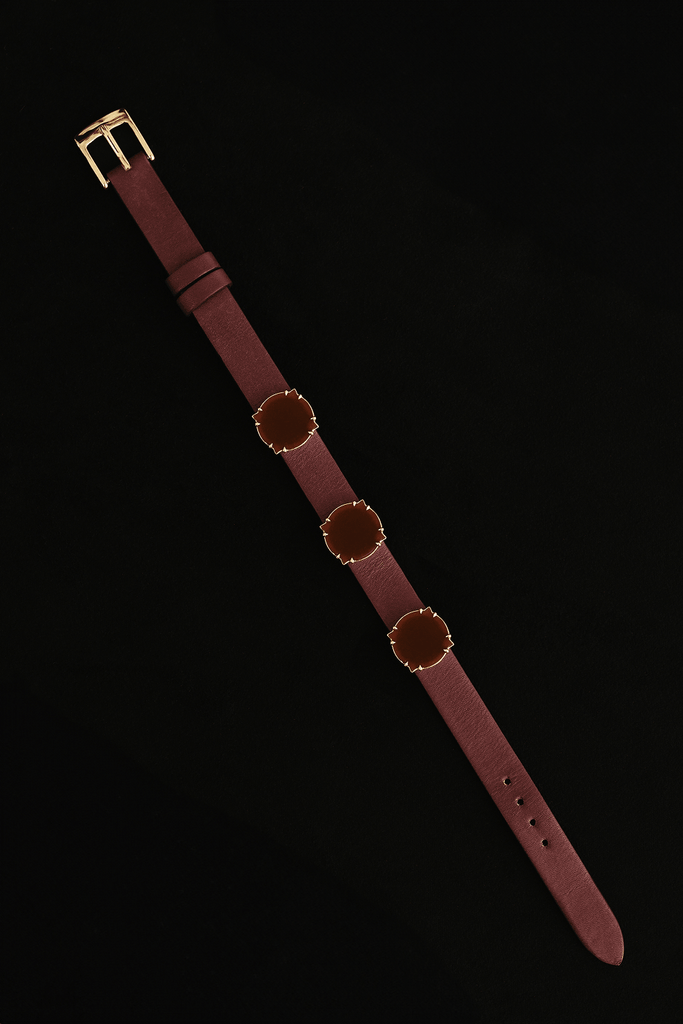
Bracelet Cornaline
h: Your work is often described as capturing the sky. What draws you to this subject, and how do you see it as a universal language?
DR: The sky is the one image every human being has already seen. No translation required. The same light, the same weather of the soul. I’m not painting a specific sky; I intend to paint the state it puts you in. That threshold between appearance and disappearance, where something is forming and dissolving at once. It’s the closest thing we have to a shared silence; drawing you inside and upwards.
h: Your titles are etymologically rich—Latin, Haalpulaar, neologisms. What role does language and naming play in how you conceptualize a work?
DR: Yes, I enjoy this process, it’s powerful. It feels like creating a lock, and the work is the key. Language and paint do the same work: they gesture toward what can’t quite be said directly. The title is where the two meet, to pin it, sometimes with a nail, sometimes with a needle. And digging up words from my roots brings up pride and also an acknowledgment of grief. Things were severed before I got here. Part of what I make is a personal ode to what was, in an attempt to hold what was broken.
h: In a screen-mediated world, you insist on physical, large-scale works. What do you hope viewers discover before one of your pieces?
DR: I hope viewers reflect and discover something only they can see. Then the transmission is complete, that has been one of the finest presents this practice has given me. I can craft, but I can’t always see: it’s happened that great watchers have revealed secrets in the work I hadn’t foreseen myself. Large scale makes the lightness heavier; the viewer can feel their own body, their own attention, slowing down. In a spirit of serving feathers instead of lead.
h: Beyond canvas—furniture, jewelry, the Fursac workwear collaboration. How do these applied arts dialogue with your painting?
DR: They’re the same world at different scales. A painting is a horizon; a piece of furniture is a horizon you can sit at; a ring is a horizon you can wear. I don’t separate them in my mind—it’s one vision expressed through whatever the material allows. Working across disciplines keeps me honest. Collaborating across different forms of craftsmanship brings the process and the work to unique levels of ideas and awareness. They are not separate practices; they are different scales of one world.
h: At Vonlovi you make sculptural jewelry. What drew you to it, and how does the contrast between monumental paintings and small pieces enrich your vision?
DR: Scale is a rhythm: you need the large and the small to feel the full measure of a thing. The monumental painting shall overwhelm; the jewel concentrates. One you enter, the other you carry. Like an “I” and its dot. Vonlovi came from wanting the work to leave the wall and enter a life to be worn, scratched by time, warmed by the body, present in the everyday. The macro and the micro aren’t opposites. They’re the same intention breathing in and out.
h: How do you envision the value in limited editions or small jewelry series?
DR: I see it as a respect for time and hand. When something is made in small numbers, each piece keeps the trace of its making, of the moment and the atmosphere. It stays an object of care rather than a product. To me, it also feels richer in spirit. A small series lets me hold that intimacy while letting the work reach more than one person.
h: What projects or explorations excite you most in the coming years?
DR: New environments, versatility again, sound always. I’m drawn to the idea of total spaces, where painting, object, scent, and sound compose a single atmosphere rather than hanging separately. I’m also returning to places that shaped me, letting them feed new work. And music continues quietly alongside the visual. I don’t plan the future too rigidly. I try to stay attentive to the thread and trust where it pulls.
h: In today’s cultural landscape, what responsibilities or freedoms does an artist have in pursuing beauty?
DR: Same as yesterday, the freedom is total; the responsibility is not to waste it, it is to live it, to find your thing, your style and experience it. Beauty is unfashionable right now. It’s a good school. I think pursuing beauty sincerely, without cynicism, is one of the more radical things you can do. There is a strength and a respect for materiality that is important for balance. The responsibility is to mean it. To offer something true rather than something clever. An artist’s real job is to keep a certain kind of attention alive in the world. And keep trying.
h: When you encounter a threshold—in travel, thought, or emotion—what internal signal tells you whether to cross, linger, or turn back?
DR: The body knows before the mind. Action always clarifies; there’s a quiet in the chest when a threshold is to be crossed, a kind of yes that arrives without noise. The heart stays fresh and warm whenever you get to a crossing of fear and wonder. Fear that excites is an invitation; fear that closes is a warning, and I’ve learned the difference by doing and getting it wrong. Sometimes the signal is to linger, not to cross, to let a thing ripen by finding stillness. Patience is also a movement.
h: Beauty feels both essential and endangered. What rituals or acts of attention help you protect it daily?
DR: Slowness, moments of focus and moments of daydream. I train, I sit in silence, I watch the light. These aren’t grand rituals; they’re small refusals of a certain noise. They turned into certain habits and reflexes. Protecting it is mostly a matter of not letting the day’s urgency steal the capacity to notice. There’s a force in slowing down intentionally.
h: When the world feels overwhelmingly loud or fractured, where do you go to find coherence?
DR: Best is somewhere the scale of things reminds me how small the noise is compared to how great silence can be. These days I am lucky to swim often, so nature reminds me again of the order and coherence in staying close to peace. And then into the work itself: the studio, or physical effort, is where the fracture resolves, where I put the pieces back into some order that makes sense to the whole. When the outer world loses coherence, you build a small coherent world and stand inside it.
Special thanks to TALOME