Jewel’s visual art and her songwriting began together in her mid-teens, and she has kept drawing alongside her music ever since. She paints in oil on aluminum and also works in clay, blown glass, woven wool, and cast resin. In recent years she has added installations driven by live and recorded scientific data, and she writes and performs the sound for those herself. Her pieces tend to pair something made by hand with information gathered by instruments. In spring 2024, Crystal Bridges Museum of American Art in Bentonville, Arkansas, showed her painting and sculpture in The Portal: An Art Experience by Jewel, which was among the museum’s best-attended exhibitions that year. Each night, a 200-drone light show she designed lit the sky above the museum’s pond.
The museum has now taken her work to Venice. Matriclysm: An Archaeology of Connections Lost is curated by Joe Thompson, founding director of MASS MoCA, and is on view at Salone Verde alongside the 2026 Biennale until November 22. It is the most extensive showing of her art so far. Three large installations sit at its center: First Mother, The Seven Sisters, and Heart of the Ocean. The rest of the show is made up of paintings, prints, a tapestry, and objects that deal with birth control, consumer culture, and her own family.
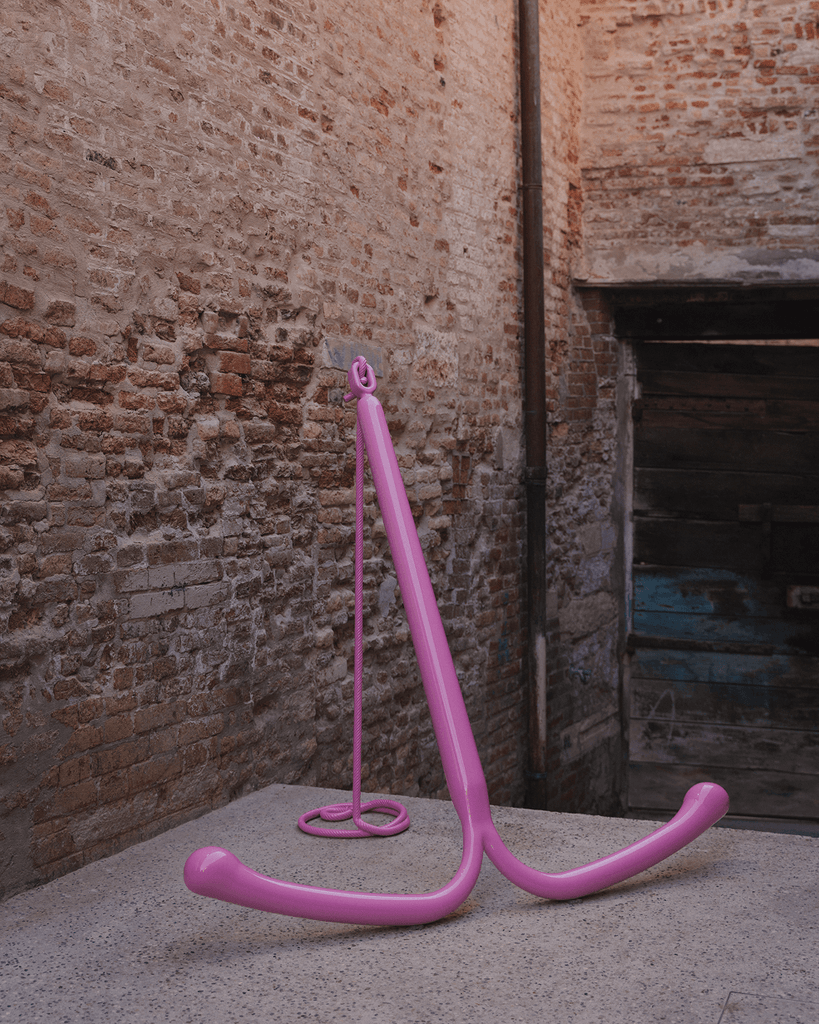
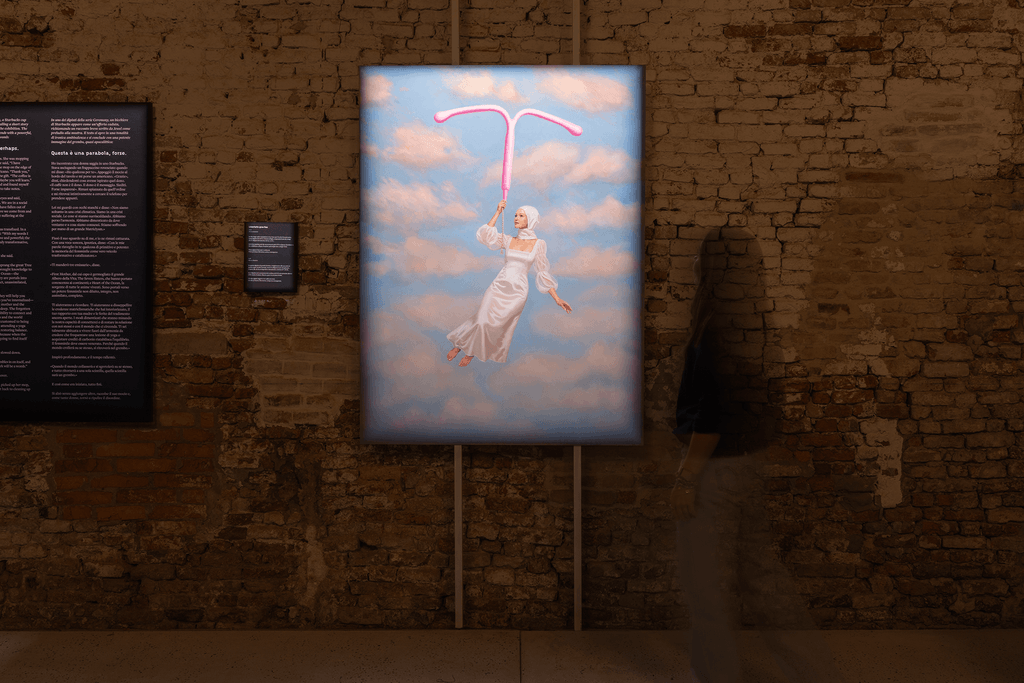
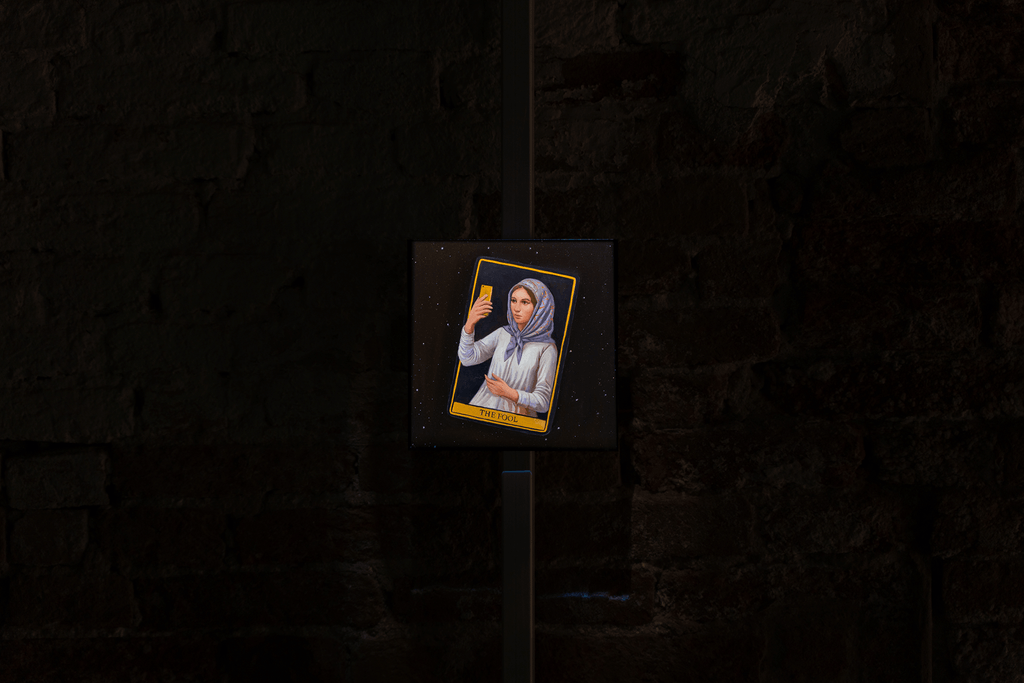
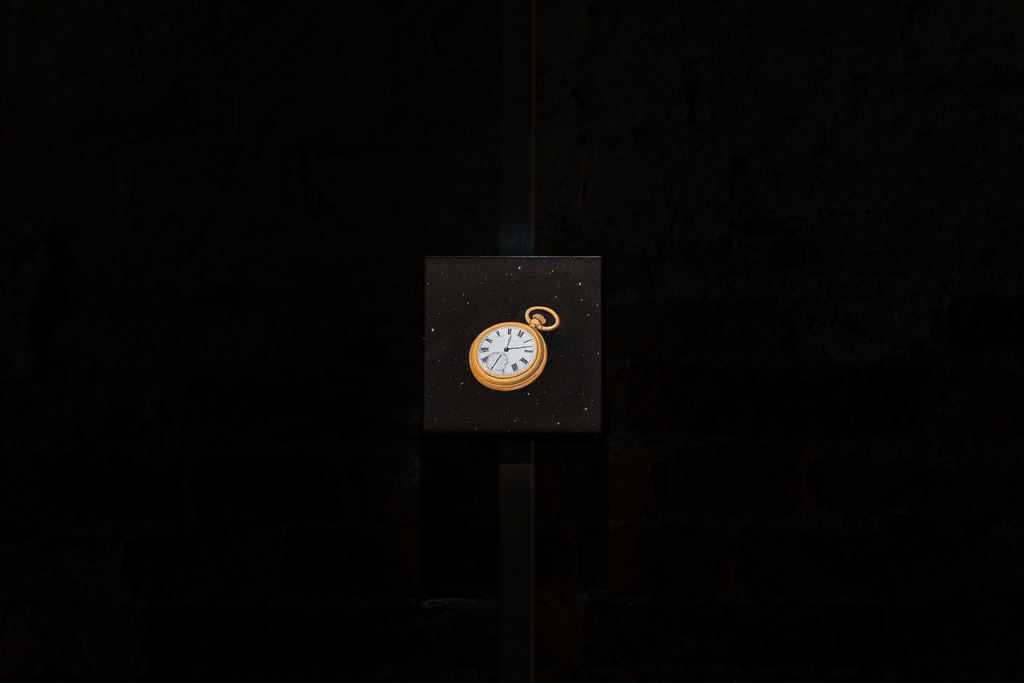
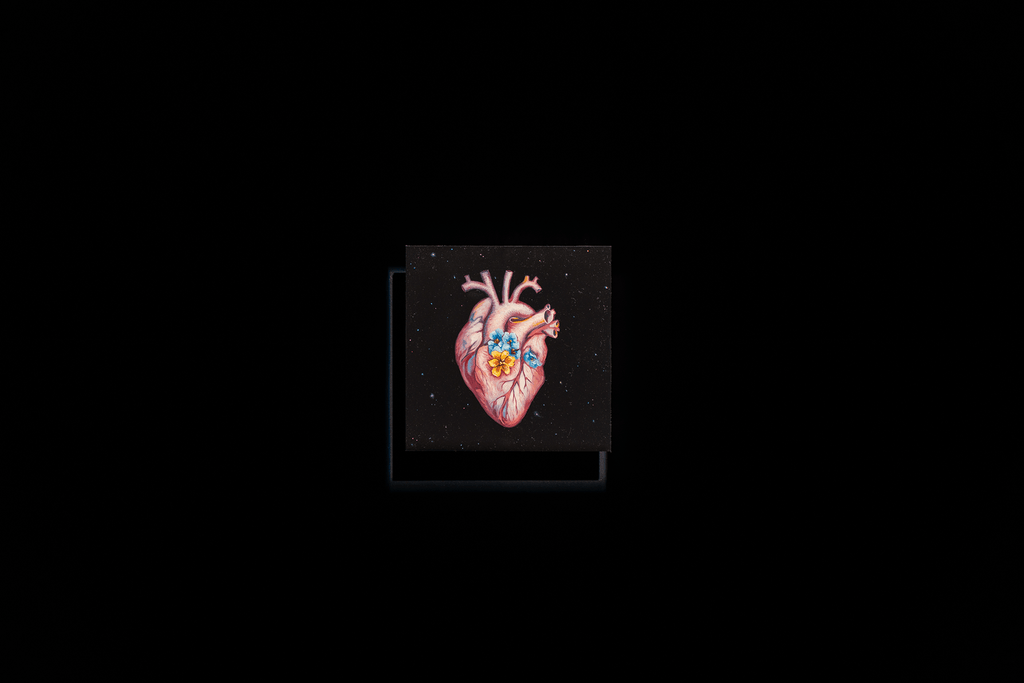
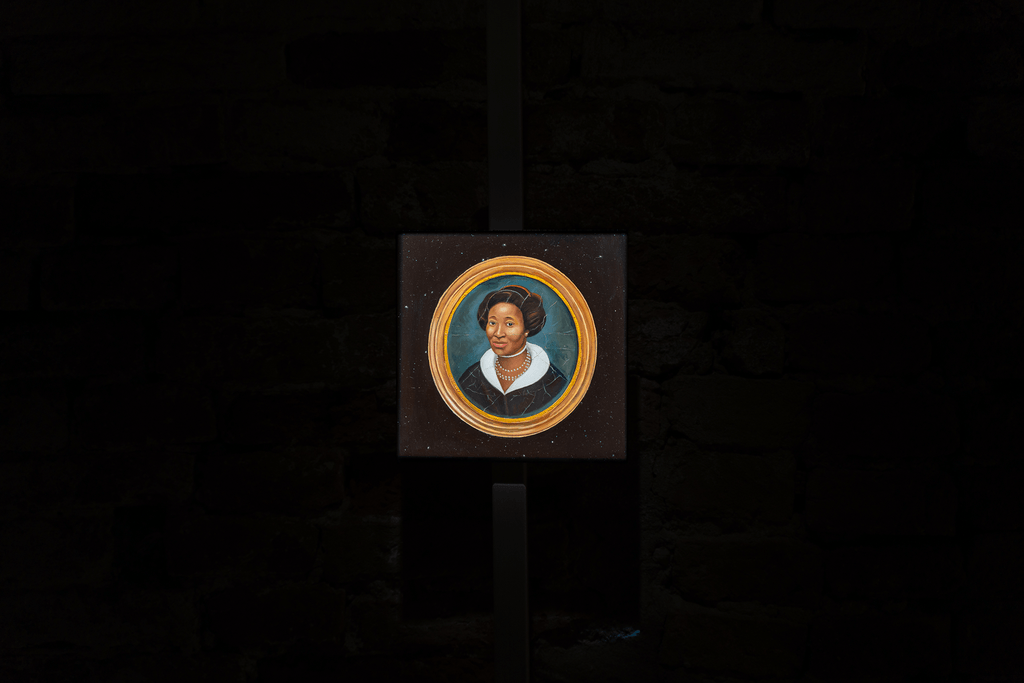
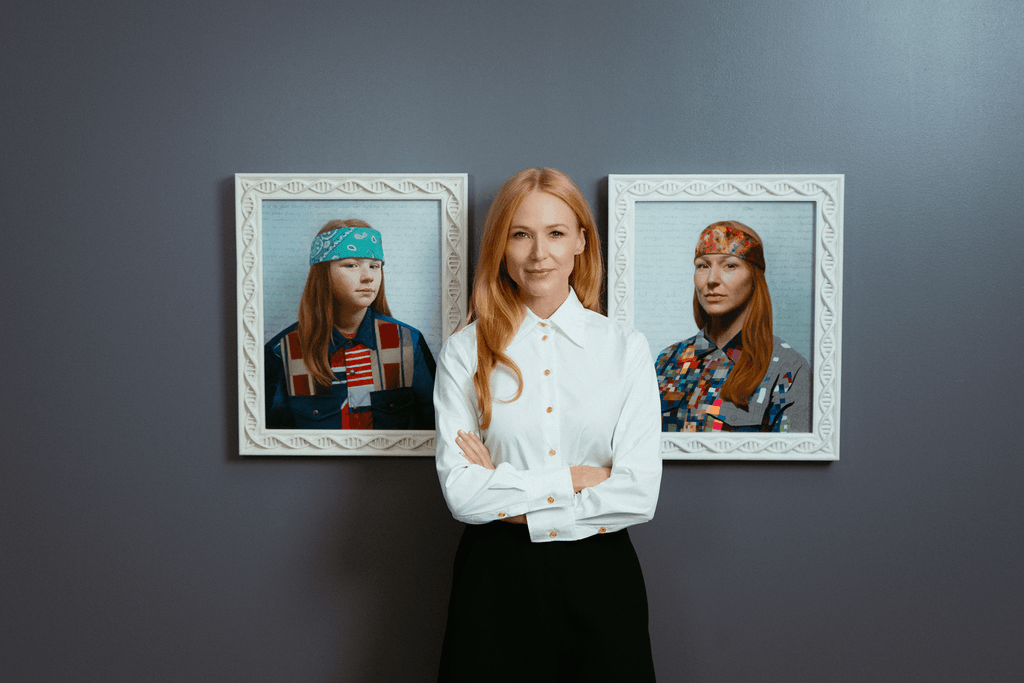
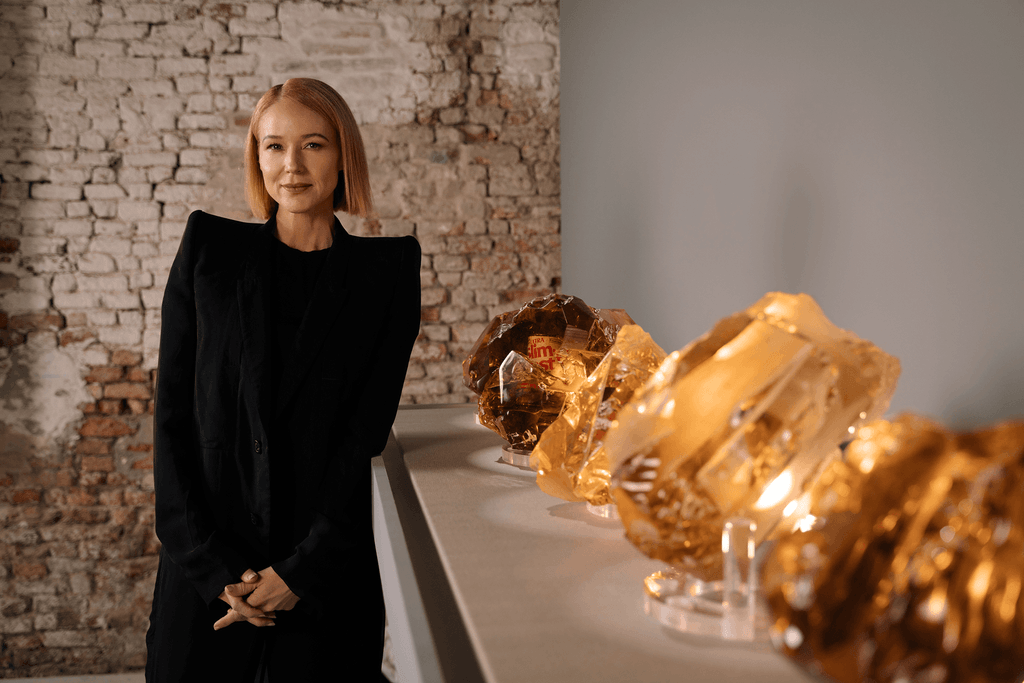
For the Ceremony series, Jewel created a composite female figure drawn from generations of women in her maternal lineage. The four oil paintings depict this figure with the Tree of Life branching from her head, surrounded by symbols including pearls, bullets, syringes, and clocks. In the four digital prints of Fertile Ground, Jewel appears suspended against a bright blue sky, dressed in modest white garments. For The Artifacts of the Unbothered, she created resin sculptures of familiar objects exploring cultural expectations and pressures surrounding femininity. Throughout the exhibition, everyday products and medical devices hang alongside works fed by telescope and ocean-sensor readings, while her own music and voice play overhead.
What happens when nature becomes more than a subject of art—when it begins to shape the work itself? We spoke with Jewel about the ideas, scientific discoveries and collaborations behind Matriclysm, and her search for new ways to make the invisible tangible.
hube: Matriclysm is a word you coined, matriarchy and cataclysm fused. What crystallized into that term for you?
Jewel: I began wondering whether our ecological, social, and psychological crises are separate problems, or symptoms of the same underlying rupture: a loss of connection to ourselves, one another, and the natural world. Matriclysm names that rupture. The feminine principle, to me, isn’t about gender or power. It’s about our capacity to nurture, relate, and recognize interdependence. What happens to a civilization when those capacities are diminished?
Photography by MATTHEW TAKES
Photography by MATTHEW TAKES
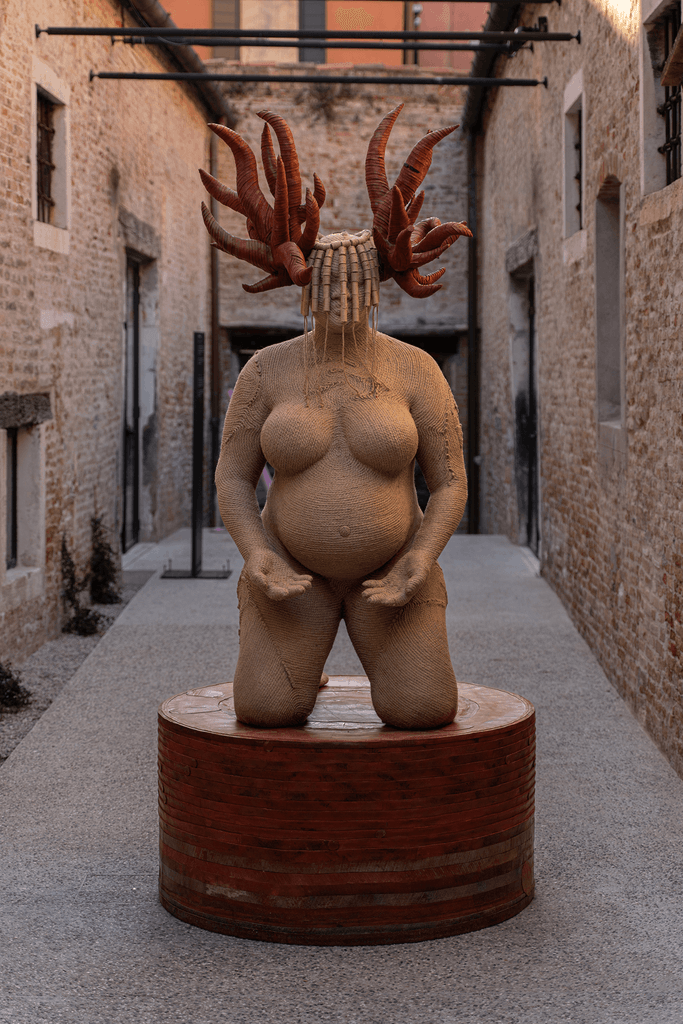
Created in collaboration with PATRICK BONGOY, Cape Town, South Africa
Photography by MATTHEW TAKES
Photography by MATTHEW TAKES
Photography by MATTHEW TAKES
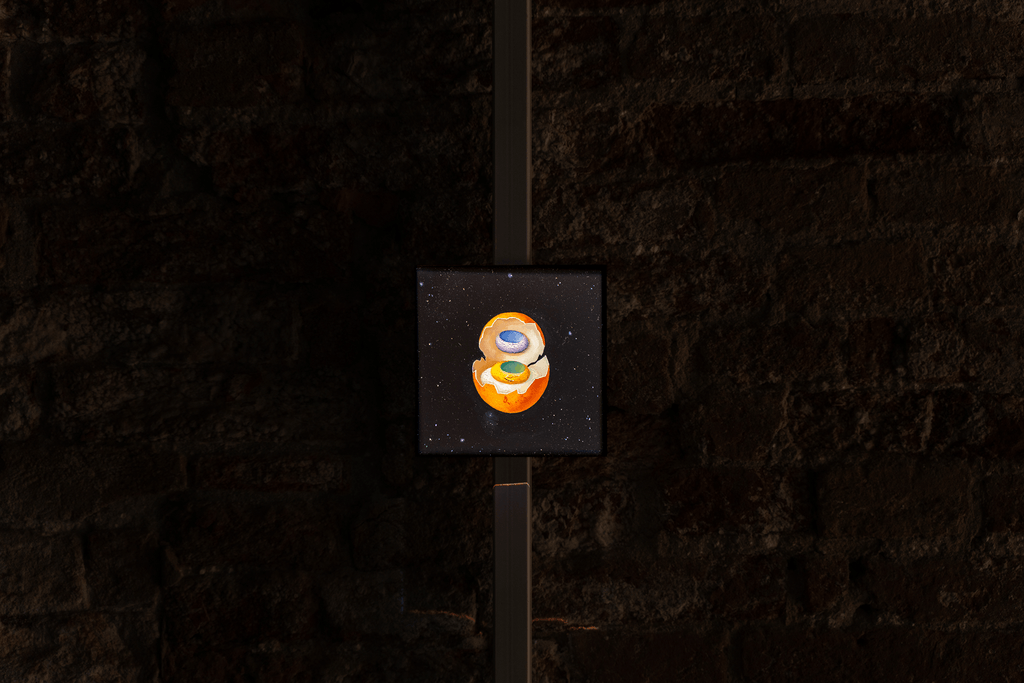
Archeology of Connections Lost
Photography by MATTHEW TAKES
h: The exhibition is built around three works you call portals: First Mother, The Seven Sisters, and Heart of the Ocean. What does “portal” mean here, and what state do you hope a viewer enters?
J: A portal is something that moves us from one state of awareness to another. I’m interested in art as an experience rather than simply an object of contemplation. Can an artwork interrupt our habitual patterns of perception? Can it bring us into a more receptive, connected state? I want people to experience something before they try to understand it.
h: The Seven Sisters and Heart of the Ocean are living instruments: they take stellar measurements and live oceanic data and turn them into light and sound through algorithms you and your team developed. What compelled you to give nature a voice this way?
J: I’ve always been fascinated by the idea that nature is communicating continuously, largely beyond the range of human perception. Data allows us to perceive phenomena our senses cannot ordinarily register.
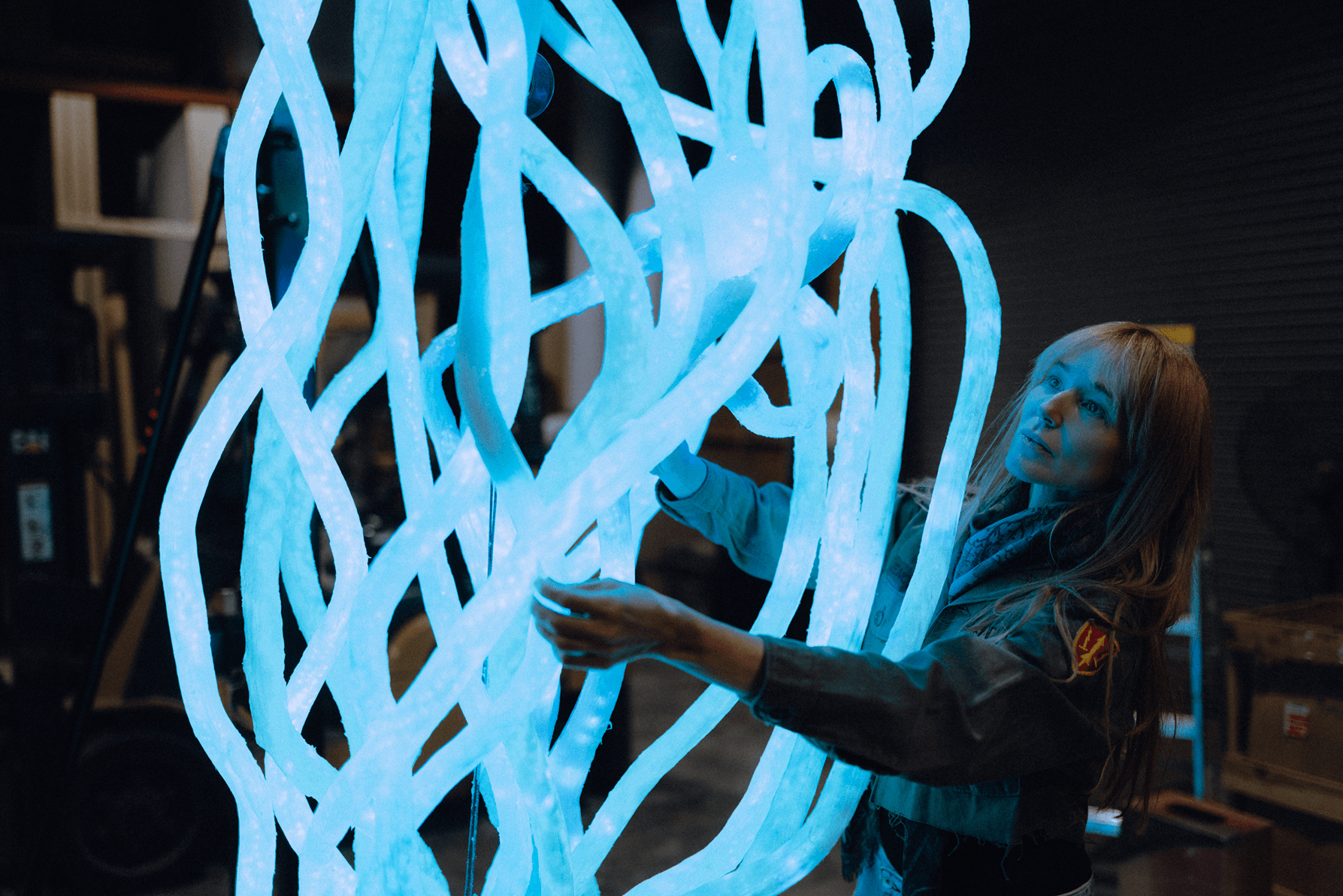
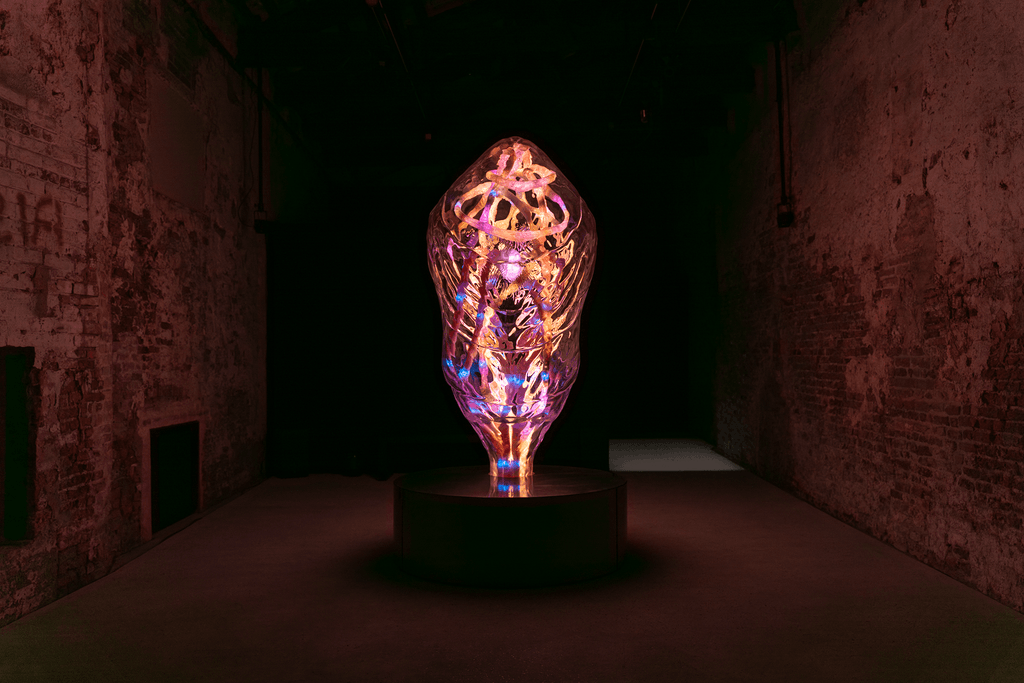
The two sculptures approach this differently. Heart of the Ocean receives live environmental data from NASA and NOAA sources. Its behavior changes because the ocean and atmosphere are changing in real time. The Seven Sisters, by contrast, is driven by recorded measurements of actual starlight.
In both cases, I wanted to move beyond making art about nature and instead build instruments that allow nature to participate in the act of creation.
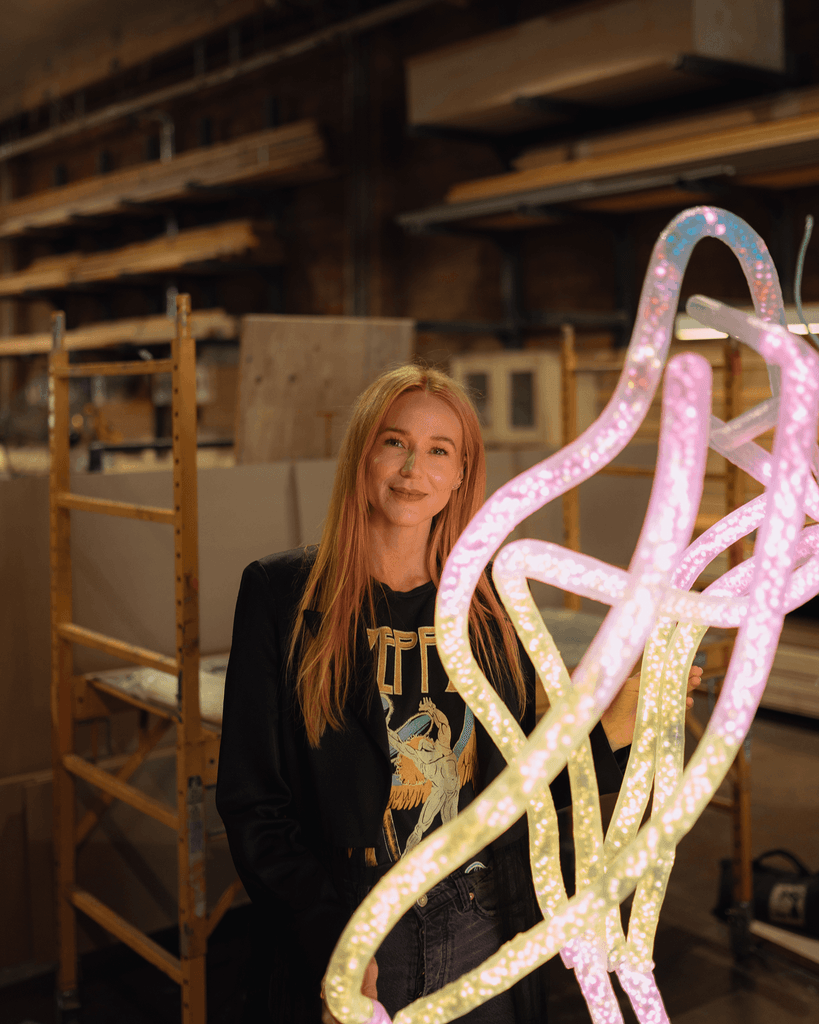
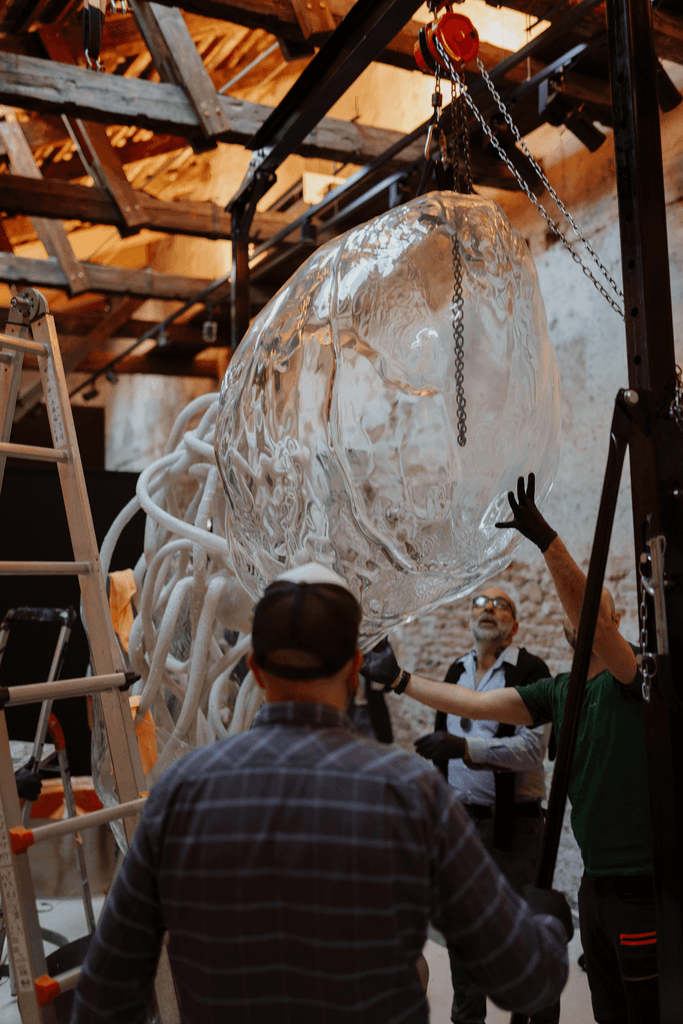
h: For The Seven Sisters you hand-blew the seven glass orbs during a residency at the Toledo Museum of Art, and each one responds to the light signature of its star in the Pleiades. How did you arrive at letting the stars determine the glow and the sound?
J: Dr. Tim White used NASA’s Kepler space telescope to measure subtle fluctuations in light from each of the seven stars of the Pleiades. Those individual light signatures determine the behavior of the sculpture. Each star has its own voice.
I hand-blew the glass orbs because I wanted the physical material and invisible information to exist in dialogue. Glass felt appropriate. It’s ancient, elemental, born of heat, yet capable of holding light. I loved the idea of making astronomical distances feel intimate.
h: The twelve-minute soundscape converts celestial data into patterns designed to shift brainwave states. How did you get from measurement to a choral, almost mythic arrangement?
J: Music has always been my first language for understanding the nervous system. I composed the twelve-minute choral arrangement with an awareness of how harmony, rhythm, and repetition can influence attention and emotional states. The celestial data animates the work within that musical architecture.
I’m interested in whether art can do more than communicate an idea—whether it can measurably influence our physiological state. We’re beginning to study that question through neuroscience, but I think the artistic challenge is equally interesting. How do you make something scientifically grounded that still leaves room for mystery?
h: Heart of the Ocean is an eight-foot sculpture the ocean plays live. You’ve spoken of building an instrument the sea can play. What does it mean, practically and philosophically, for a natural system to play an artwork?
J: I took apart a conventional flat screen and reconfigured more than 60,000 individually addressable points of light into a volumetric sculpture. A computer in its base receives live environmental data, which determines the movement, color, and sound within that three-dimensional space.
Philosophically, it changes the question of authorship. I designed the instrument, but I don’t control its performance. Nature becomes an active participant rather than a subject being represented.
h: Heart of the Ocean draws on scientific and open-source environmental data from NASA, NOAA, and other scientific sources, developed with collaborators connected to institutions including Stanford University and UC Berkeley. How did you choose which variables carry the narrative, and how did you stay honest with the data while shaping something for the nervous system?
J: I organized the experience into four three-minute movements, each drawing on different aspects of the ocean.
We begin at the Surface, where atmospheric conditions such as clouds, wind, and precipitation influence the environment. We descend into the Wind-Mixed Layer, where currents and marine life become more prominent. Dolphins, for example, are represented by pink points of light that move through the sculpture in response to their actual movements.
As we sink into the Midnight Zone, water temperature governs the tempo of a heartbeat and breath. Both slow as the water grows colder, creating a physiological rhythm that remains faithful to the data. Finally, Ascension carries us back toward the surface and the light.
Every data stream has a specific role. The mappings are my artistic choices, but the incoming data determines the behavior. The challenge was creating a coherent sensory language without falsifying the underlying information.
h: In the last moments of each cycle, a century and a half of ocean warming compresses into a surge of red light and dissonance before the sculpture regenerates. What weight does that collapse and renewal carry for you?
J: I wanted climate change to be felt as an experience of time rather than presented as another statistic. At the end of the twelve-minute journey, 150 years of recorded ocean warming compress into seconds—a crescendo of red light and dissonance.
Then the sculpture returns to freshly received environmental data. We’re back in the living ocean, but it’s already changed.
I didn’t want to end in despair. The renewal isn’t a promise that everything will be fine. It’s a reminder that we’re still in relationship with something living, and that relationship carries responsibility.
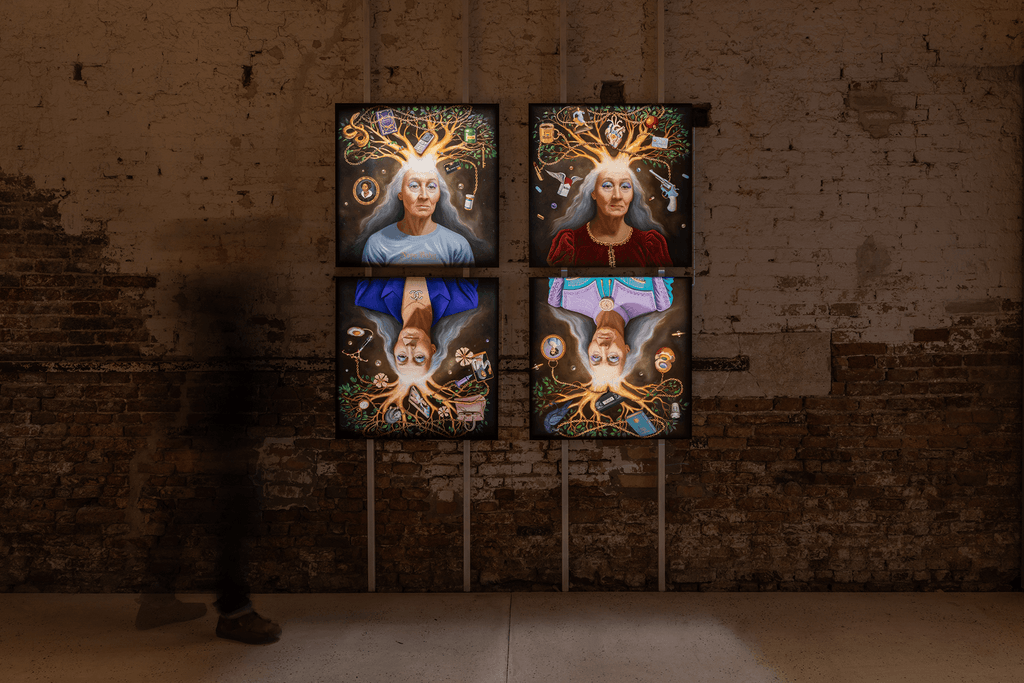
paintings
Photography by MATTHEW TAKES
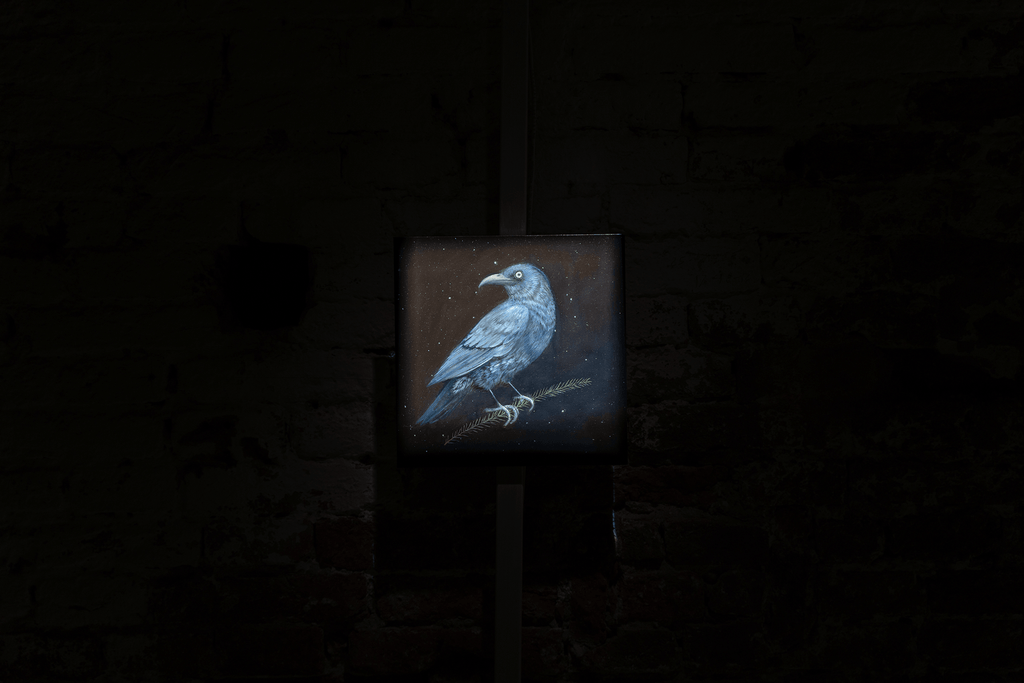
Archeology of Connections Lost
Photography by MATTHEW TAKES
Photography by MATTHEW TAKES
Photography by MATTHEW TAKES
Photography by MATTHEW TAKES
Photography by MATTHEW TAKES
Photography by MATTHEW TAKES
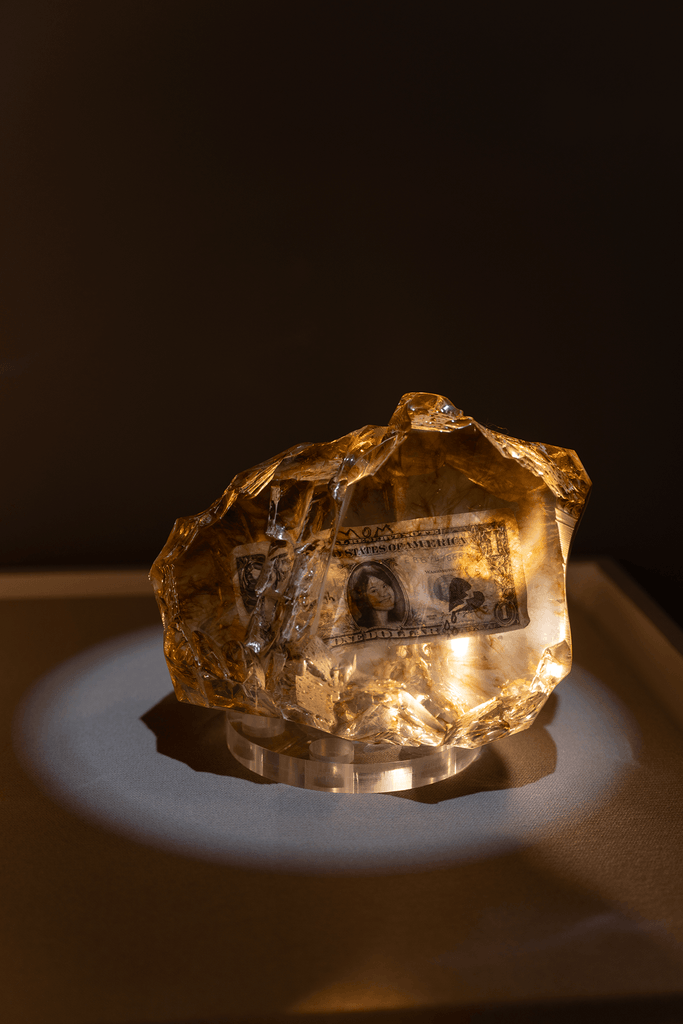
Connections Lost. Tender, 2025
Photography by MATTHEW TAKES
h: You worked closely with Chelle Gentemann at NASA and Greg Niemeyer at UC Berkeley, and spoke about the process at the National Academies’ Space Science Week. What did those collaborations teach you about the common ground between artistic and scientific ways of knowing?
J: I think artists and scientists are often driven by the same impulse: curiosity about what we cannot yet see or explain. Science develops methods to measure the invisible; art develops languages through which we can experience it.
What excites me is the possibility of bringing those approaches together without diminishing either one. Rigor and wonder aren’t opposites. In fact, I find that the more we understand about the universe, the more extraordinary it becomes.
h: You’ve described living in your car at eighteen and keeping yourself from getting depressed by reading superstring and holographic theory. How does that early hunger for the invisible structures of the universe shape the way you approach data now?
J: When I was homeless, physics gave me a way to think beyond my immediate circumstances. I found enormous comfort in the possibility that reality was far more complex than what I could see.
That curiosity never left me. Data interests me for a similar reason. It reveals relationships and forces that are invisible to our senses but fundamental to our existence. I think I’ve always been looking for ways to make the unseen felt.
h: Around the two living works, the exhibition unfolds across paintings, tapestries, and smaller artifacts tracing the unraveling of the feminine principle. Do the static works read as memory, as evidence, or as something else?
J: Perhaps as an archaeology of our assumptions. I’m interested in the stories cultures preserve, the contributions they erase, and the hierarchies that become so familiar we mistake them for nature.
The paintings and artifacts use symbolism, humor, and historical references to examine those inherited narratives. Where the data sculptures ask us to feel connection, these works ask us to question what has interrupted it.
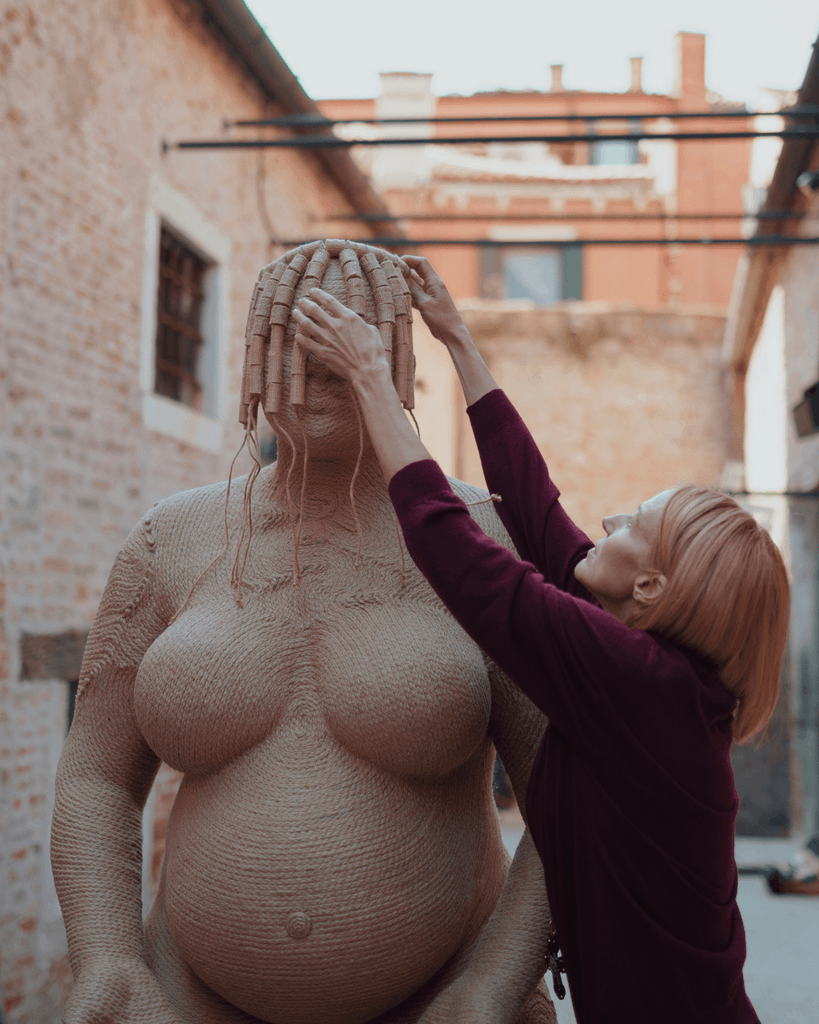
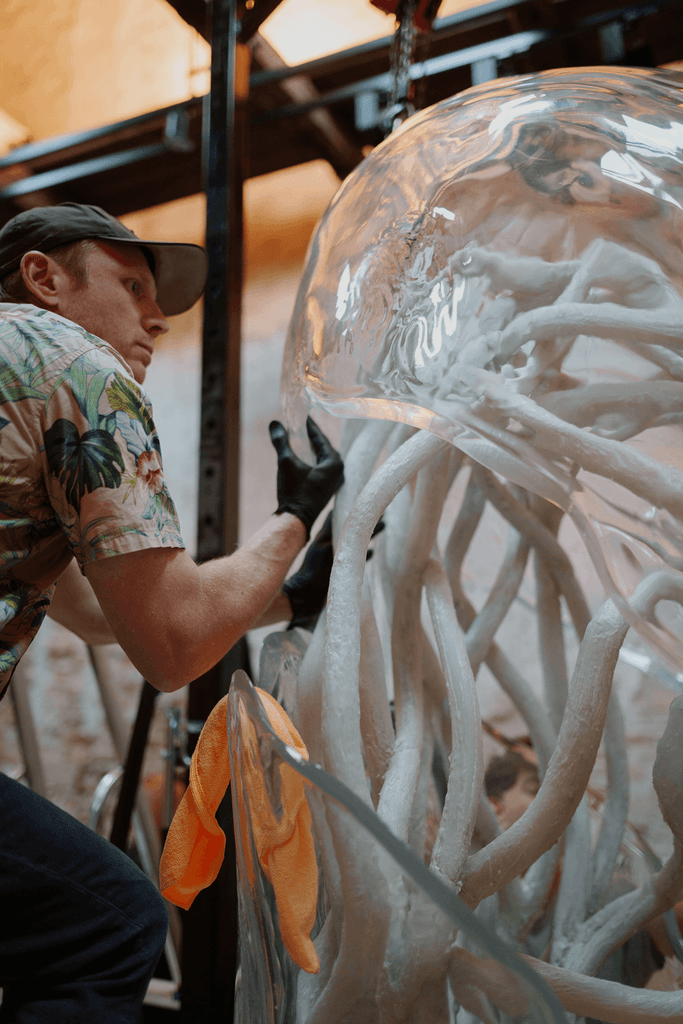
h: First Mother was made with Patrick Bongoy in Cape Town, its jute skin embedded with symbols and seeds. What did working with him change about how you approach a sculpture?
J: It was important to me that this piece be made with a man. The exhibition isn’t about suppressing the masculine to elevate the feminine. It’s about restoring balance, and I wanted that intention embodied in the act of making.
Patrick has an extraordinary sensitivity to the history and expressive possibilities of materials. Our collaboration became an expression of what the sculpture itself represents: masculine and feminine energies coming together to honor the feminine principle.
h: Looking beyond Venice, are these living instruments discrete works, or the start of a longer practice in which nature keeps speaking through forms you build?
J: Very much the beginning. I’m developing what I call neuroceutical art: artworks designed not only to communicate intellectually or emotionally, but to explore how aesthetic experiences may influence the nervous system.
Preliminary EEG observations from research led by Dr. Erin McKiernan suggest increased alpha and theta brainwave activity during encounters with the work. Alpha is commonly associated with relaxed, wakeful attention, while theta can accompany meditative, internally focused states. These early findings are intriguing, though larger controlled studies are needed to understand their significance.
My next bodies of work will continue this investigation, bringing art, environmental data, and neuroscience into closer dialogue. Ultimately, I’m interested in whether art can do more than represent connection—whether it can help us experience it physiologically.
Photography by MATTHEW TAKES
Lost
Photography by MATTHEW TAKES