Photography by EDEM J. TAMAKLOE
Photography by EDEM J. TAMAKLOE
The Other Side of Languish
Photography by EDEM J. TAMAKLOE
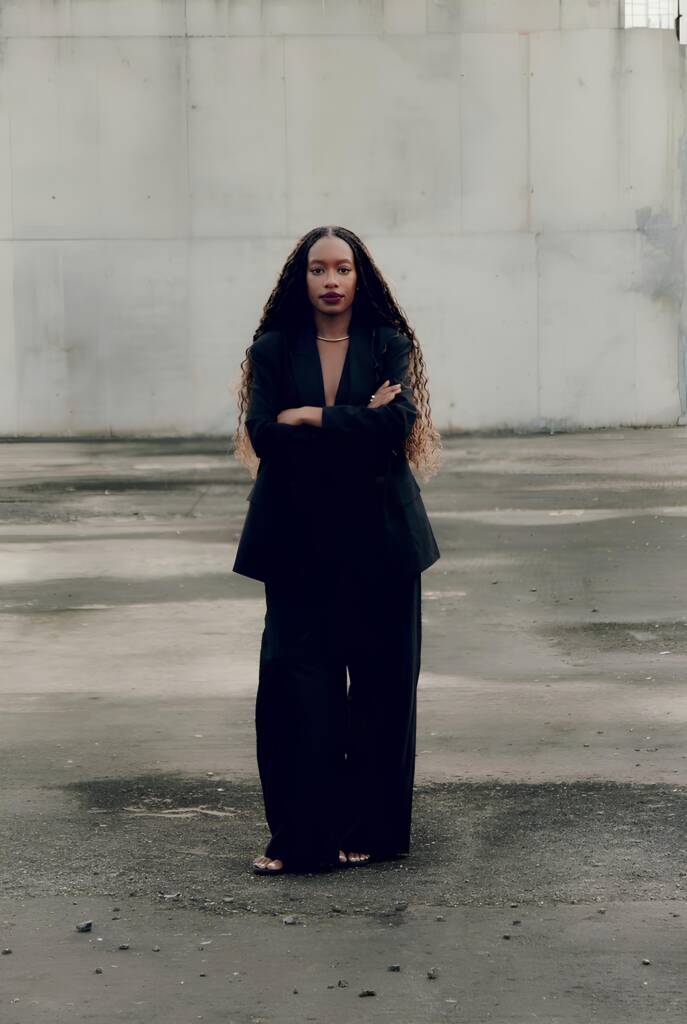
Dominique Petit-Frère is an architect, urbanist and creative strategist best known for reimagining unfinished or derelict buildings as vibrant public spaces. With desire to contribute to socioeconomic progress across Africa, and questioning the dominant narratives around development, she founded Limbo Accra, a spatial design studio based in Ghana.
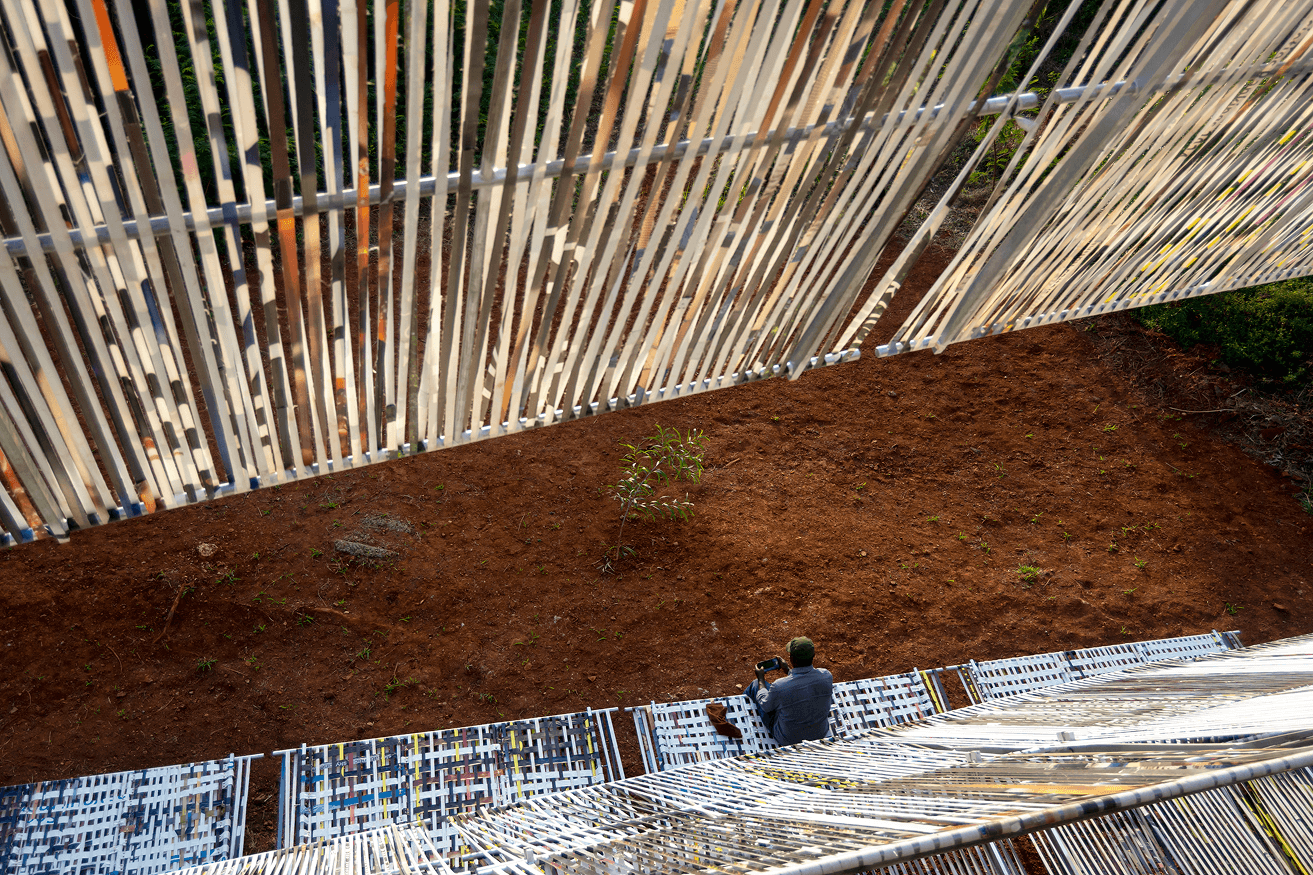
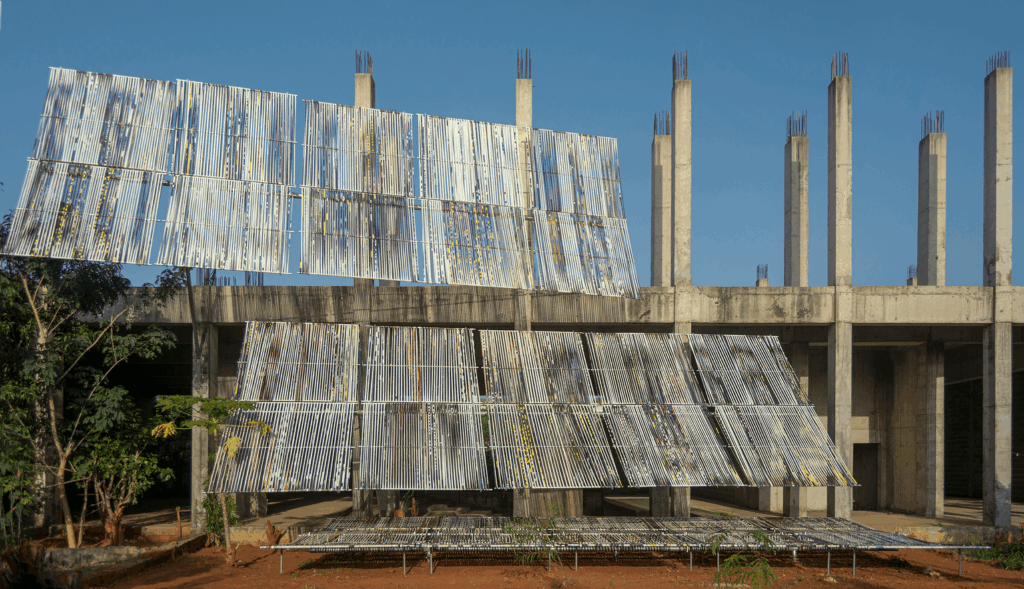
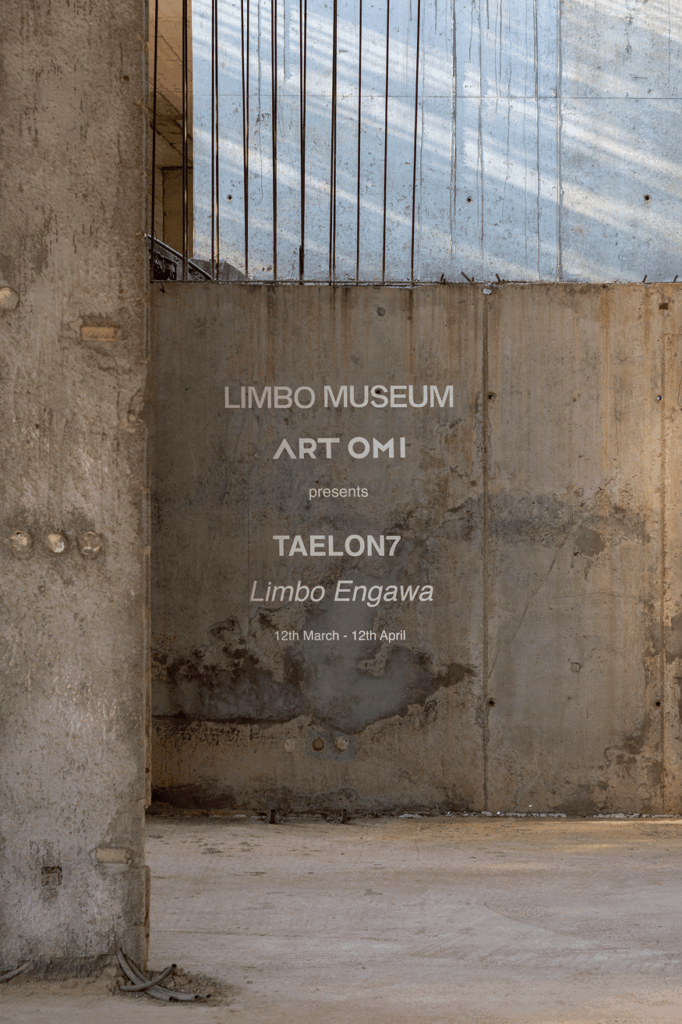
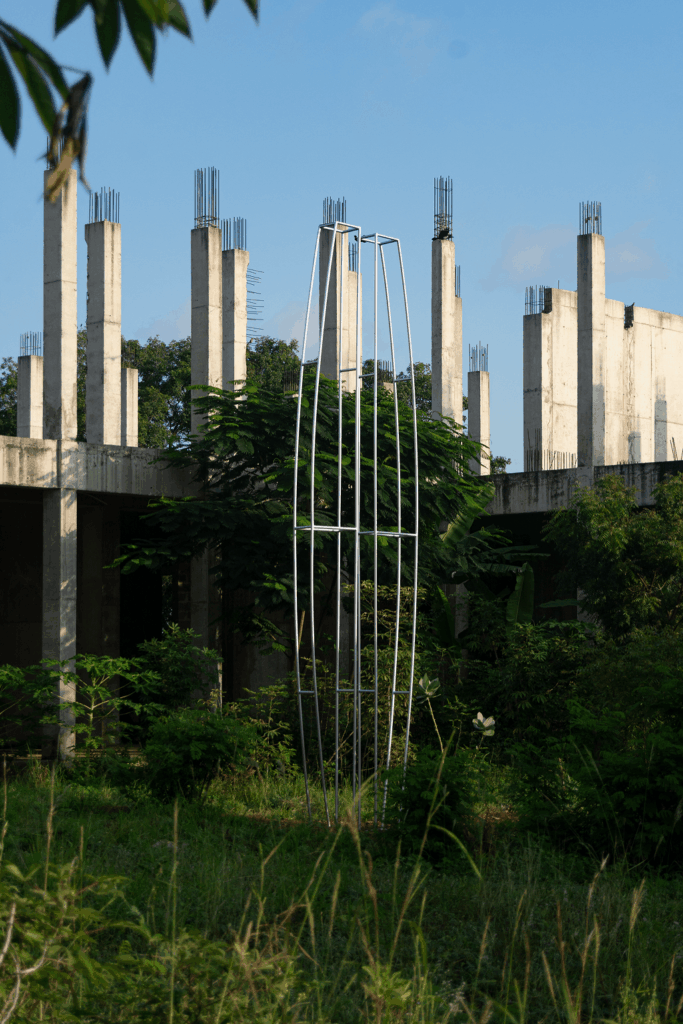
Co-founded in 2018 with Emil Grip, the studio treats unfinished concrete skeletons—often the result of real estate bubbles or financial instability—as sites of potential rather than failure. In 2024, as a continuation of this vision and housed within an unfinished building, Limbo Museum was founded. It serves as a dynamic platform for artistic experimentation and the challenging of established narratives. It acts as both a cultural project and a continuous act of questioning- one that seeks to reimagine how institutions can remain responsive, adaptive, and meaningfully rooted in their environments. In this interview, Ivona Mirkovic speaks with Petit-Frère, who reflects on the museum’s origins, its evolving program, and the core principles that guide her work.
Ivona Mirkovic: What inspired the creation of the Limbo Museum, and what were the challenges?
Dominique Petit-Frère: Limbo Museum is an extension of Limbo Accra, an architectural practice I co-founded in 2018 with my partner. This practice began as a way for us to think critically about space, materiality, and the ways architecture can operate beyond building alone, as a social, cultural, and ecological framework. Over time, it became clear that many of the questions we were asking through architecture naturally expanded into broader conversations around art, public life, heritage, and knowledge production.
The Limbo Museum emerged from that expansion. It was less about creating another exhibition venue and more about building an institution that could hold interdisciplinary practices and create new relationships between architecture, contemporary art, craft, and research within an African context.
What inspired me most was the absence I kept encountering—not necessarily a lack of talent or cultural production, but a lack of spaces willing to operate with experimentation, ambiguity, and long-term thinking at their core. I wanted to create something that felt responsive to where we are, while still being in dialogue with broader global conversations.
The process of building Limbo has been as much about discovery as it has been about construction. One of the key challenges has been sustaining a structure that does not sit neatly within a single category, while still developing the operational clarity needed for it to function over time. Working independently has allowed us to move with freedom, responding directly to ideas, contexts, and urgencies as they emerge, while also requiring us to continuously build the frameworks that support that way of working—from infrastructure to funding to production models.
From the outset, we chose not to define Limbo as just a museum, residency, architecture lab, or cultural platform, but to allow it to exist across all of these simultaneously. Holding that openness while ensuring coherence and continuity is an ongoing negotiation, and one that shapes the rhythm of the institution itself. What has been most meaningful is that this complexity is not something to resolve, but something that keeps the work alive, adaptive, and in constant relation to its environment.